Cart
0
You may also like
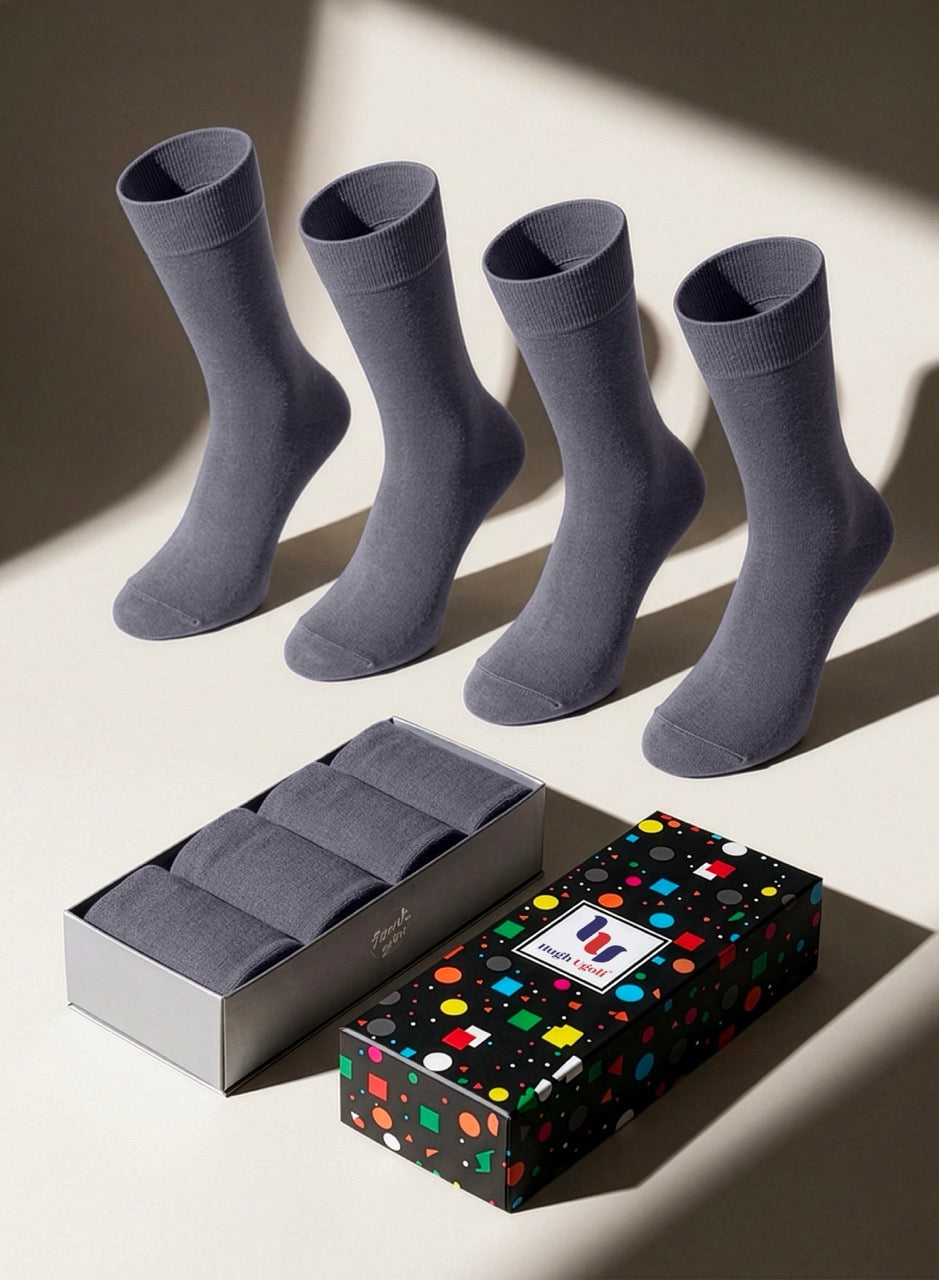
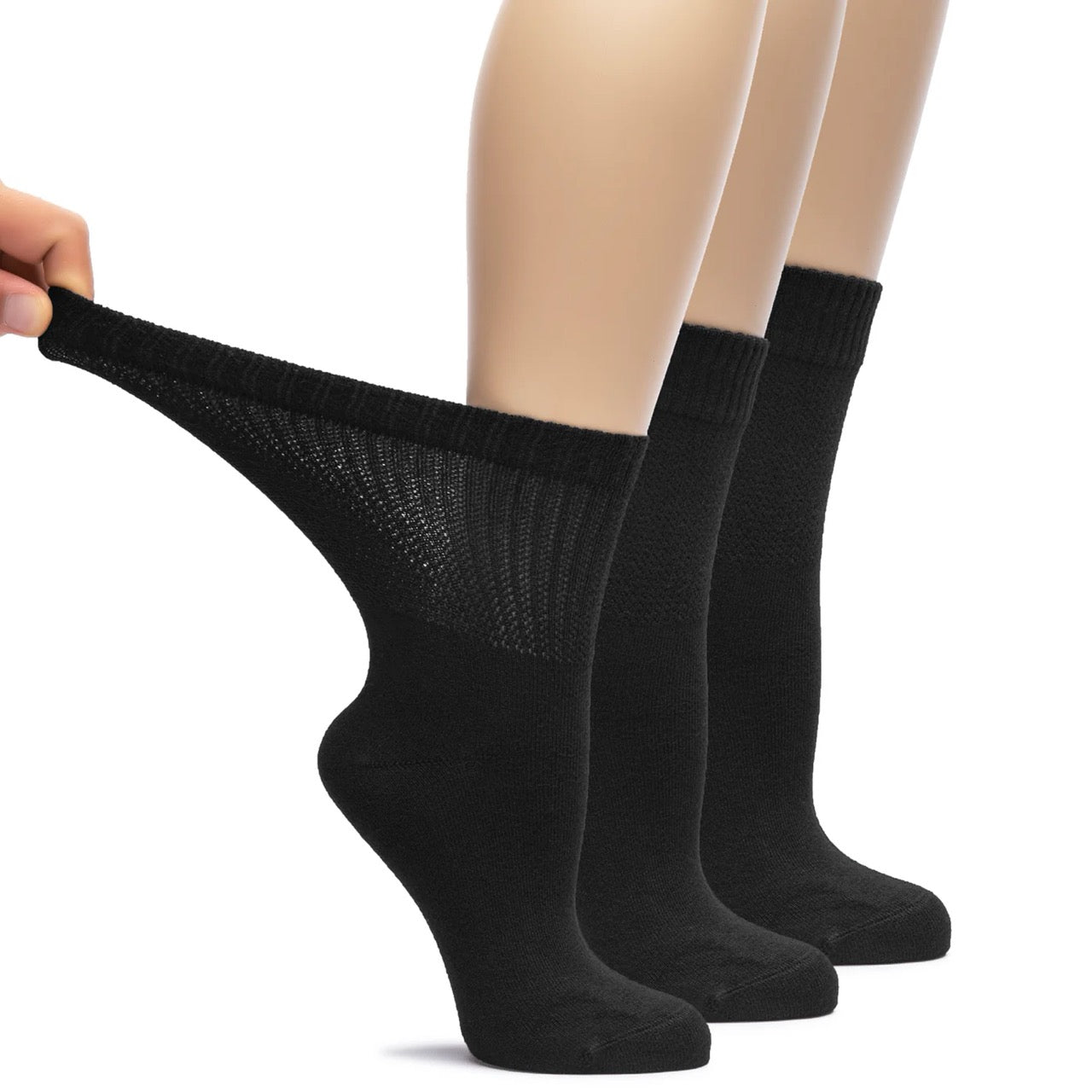

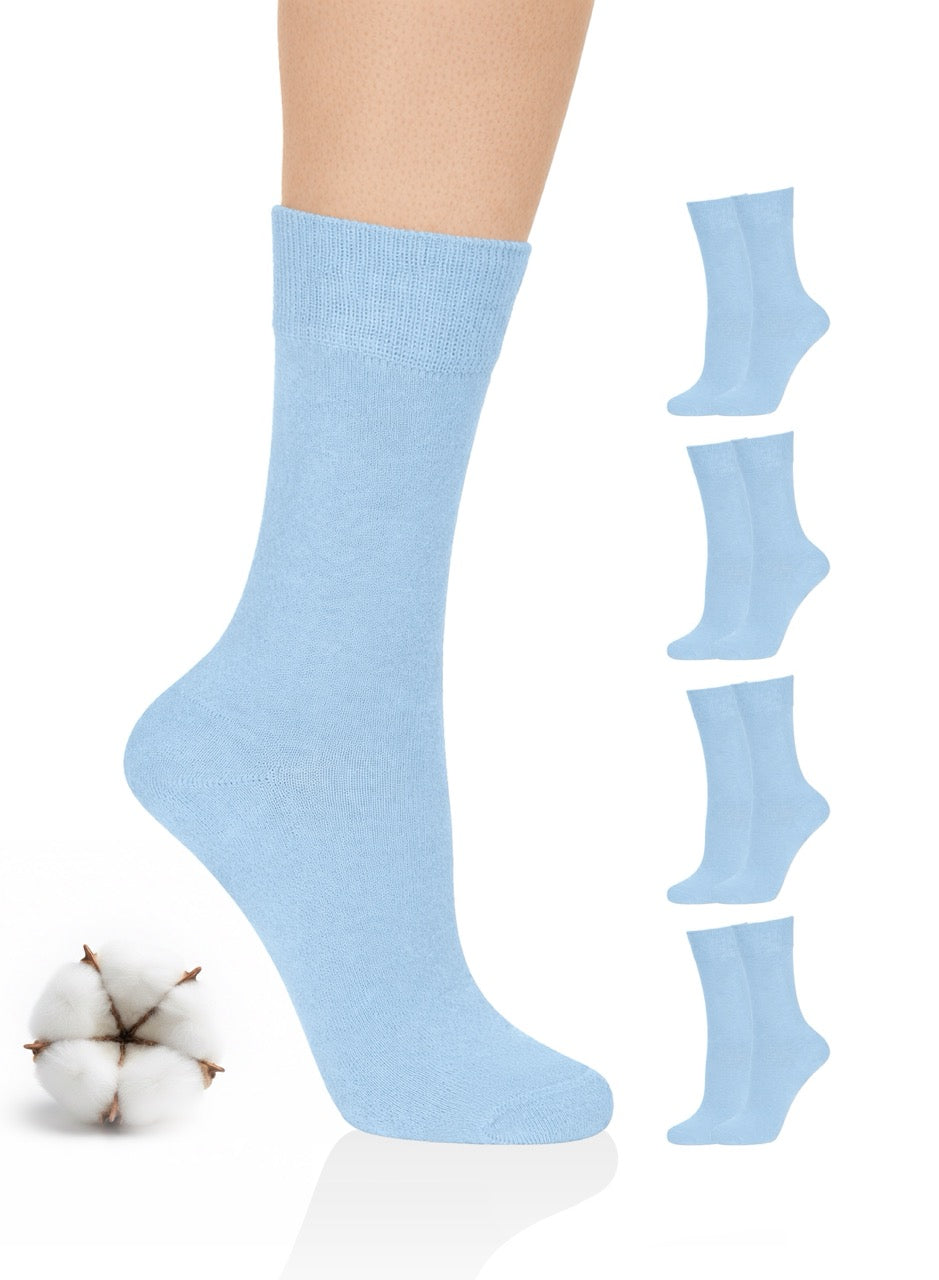
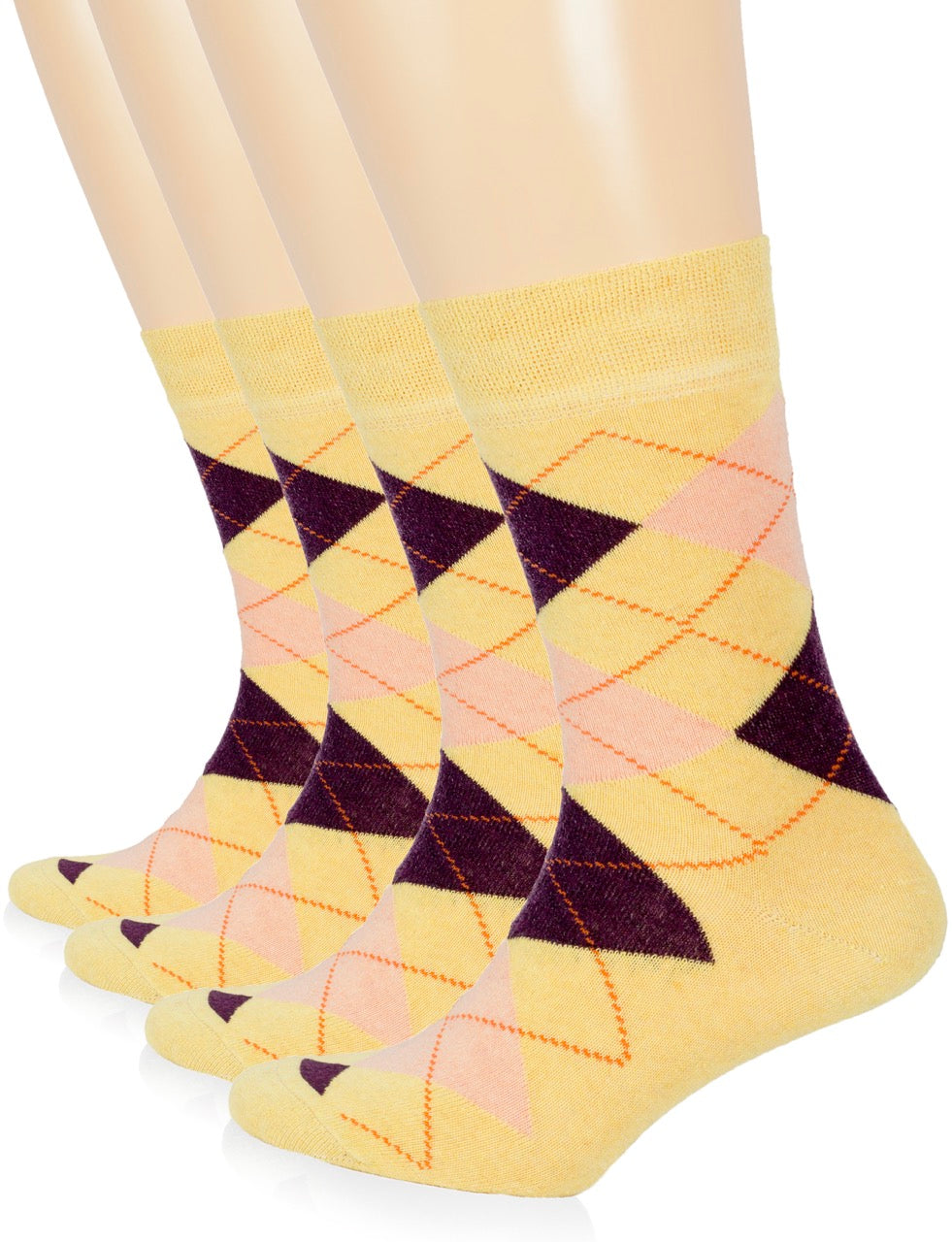


Compression socks have become increasingly popular among travelers, office workers, healthcare professionals, and athletes. Once associated mainly with medical settings, they are now widely used for comfort and support during daily activities. But are they actually necessary for everyday use?
The answer depends on your lifestyle, circulation needs, and how much time you spend sitting or standing.
Compression socks are not necessary for everyone, but many people may benefit from wearing compression socks during daily activities. They are designed to support circulation, reduce fatigue, and improve comfort—especially for those who stand for long periods, travel frequently, or experience swelling in the legs.
Compression socks are specially designed garments that apply gentle pressure to the legs and feet. Unlike regular socks, they use graduated compression, meaning the pressure is strongest near the ankle and gradually decreases higher up the leg.
This design helps support healthy circulation and encourages better blood flow in your legs.
To understand whether they are necessary, it helps to know how compression socks work.
The gentle pressure helps:
By supporting circulation, compression socks may also help people feel more comfortable during long days.
One of the primary benefits of compression socks is their ability to reduce swelling in the feet and legs.
This is especially useful for people who:
Fluid buildup can occur during inactivity or extended standing, leading to discomfort and heaviness in the legs.
The graduated pressure design promotes improved blood flow.
This support may help:
Many people wear compression socks because the gentle support reduces pain and heaviness in the legs.
This can be especially helpful after long workdays or extended periods of inactivity.
Compression socks are commonly recommended for long flights.
Remaining seated for extended periods can slow circulation and increase the risk of swelling or discomfort.
Wearing compression socks during travel may help support circulation and comfort.

Not everyone needs compression socks daily, but certain lifestyles and conditions make them more useful.
Workers in healthcare, retail, hospitality, and similar industries often stand for long periods.
Compression socks may help:
People who spend hours sitting on planes or in cars may experience swelling or stiffness.
Compression socks are commonly used during long flights to support circulation.
Individuals with varicose veins often use compression socks to improve comfort and circulation.
The gentle pressure may help reduce heaviness and swelling in the legs.
Some circulation conditions may benefit from compression support.
However, anyone with conditions such as peripheral artery disease should consult a healthcare provider before using compression products.
Compression socks are sometimes used to help prevent blood clots, especially during inactivity or recovery periods.
This includes reducing the risk of issues such as deep vein thrombosis DVT, where a blood clot forms in a deep vein.
However, they are not a substitute for medical treatment or movement.
There are several types of compression socks available depending on support level and coverage.
The most common option for daily wear.
They are widely used for:
Thigh highs provide extended coverage higher up the leg.
These are sometimes recommended for specific circulation concerns.
Anti embolism stockings are designed primarily for medical or recovery settings where movement is limited.
They are different from standard everyday compression socks.
For most healthy individuals, properly fitted compression socks are generally safe for daily wear.
However, the fit matters.
Improper fit may cause discomfort rather than relief.
Some people do not need compression socks for everyday life.
If you:
Regular comfortable socks may be sufficient.
Although many people enjoy the support, compression socks are not ideal for everyone.
Possible drawbacks include:
Choosing the right compression level is important.
If you decide to try them, look for:
Start with mild compression unless otherwise recommended by a medical professional.
Compression socks are not required for everyone, but many people can benefit from wearing compression socks during everyday activities. They help support circulation, reduce swelling, and improve comfort during long periods of sitting, standing, or travel.
The key is understanding your needs, choosing the correct fit, and using them appropriately for your lifestyle.
Not always, but they may improve comfort during travel, long workdays, or extended standing.
Yes. One of their main benefits is helping reduce swelling in the legs and feet.
Yes. They are commonly used during long flights to support circulation and comfort.
They may help reduce the risk of circulation-related issues such as deep vein thrombosis DVT during inactivity.
People with certain conditions, including peripheral artery disease, should consult a healthcare professional before use.
He has been working for more than 20 years in the textile industry and has work experience in many parts of the world.