Cart
0
You may also like
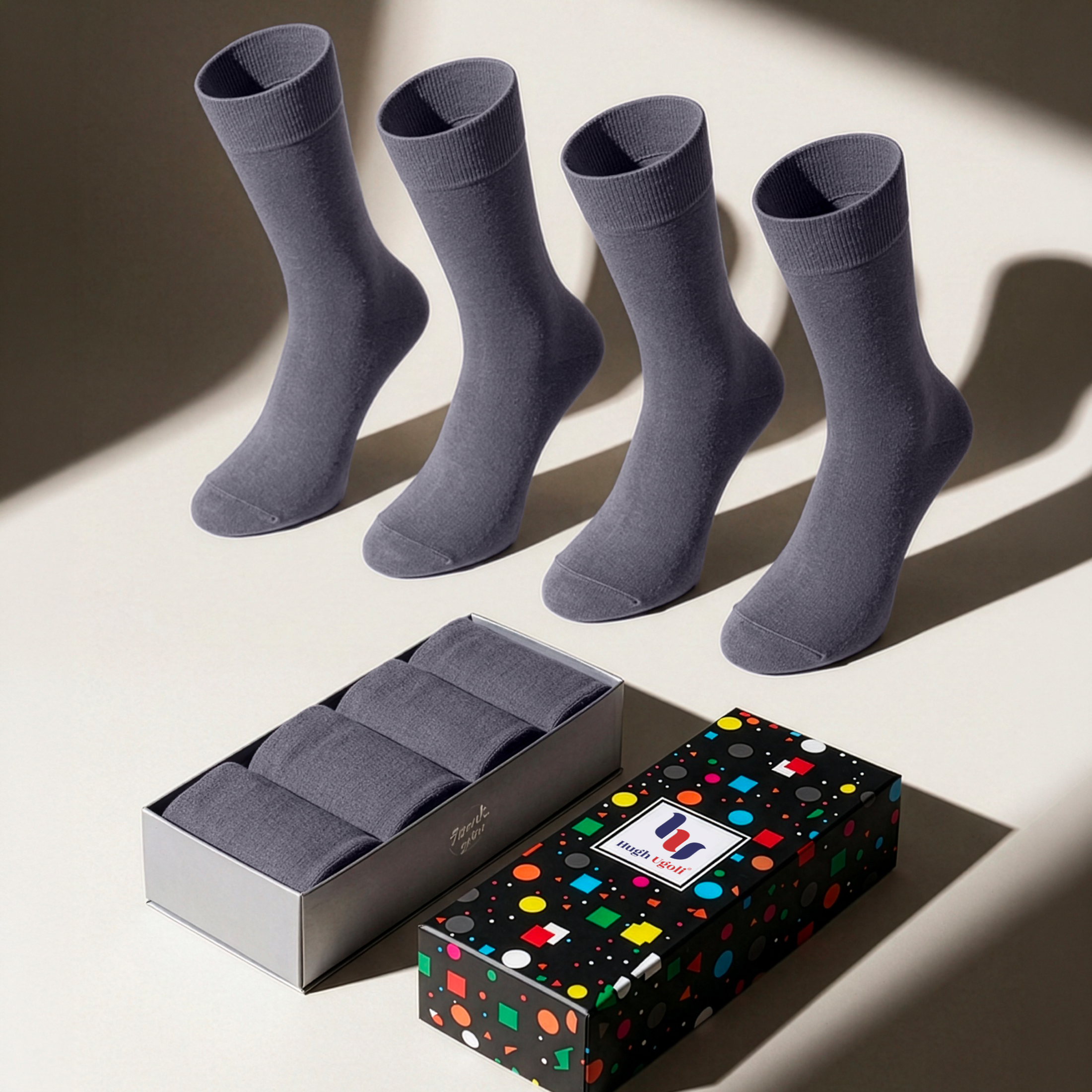
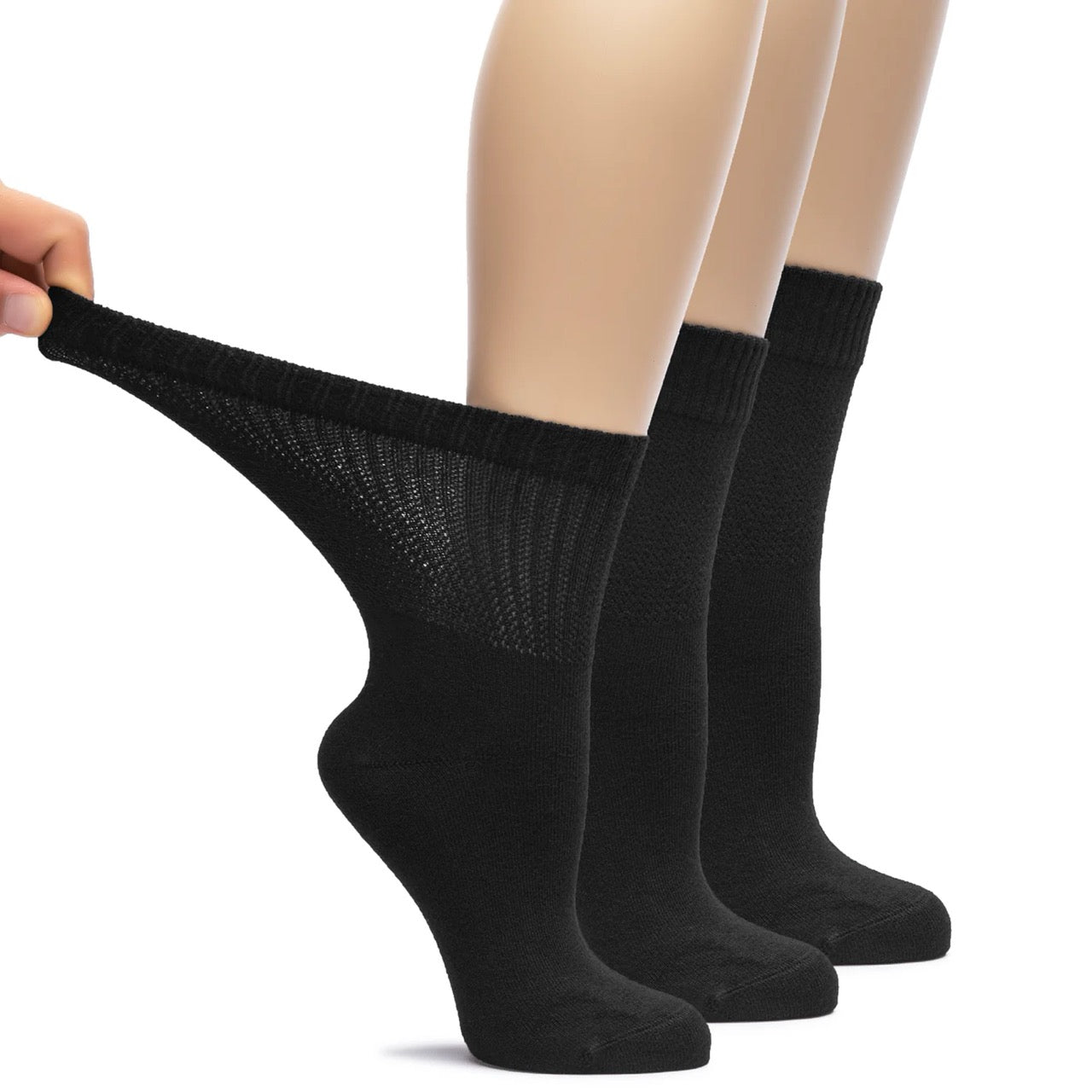
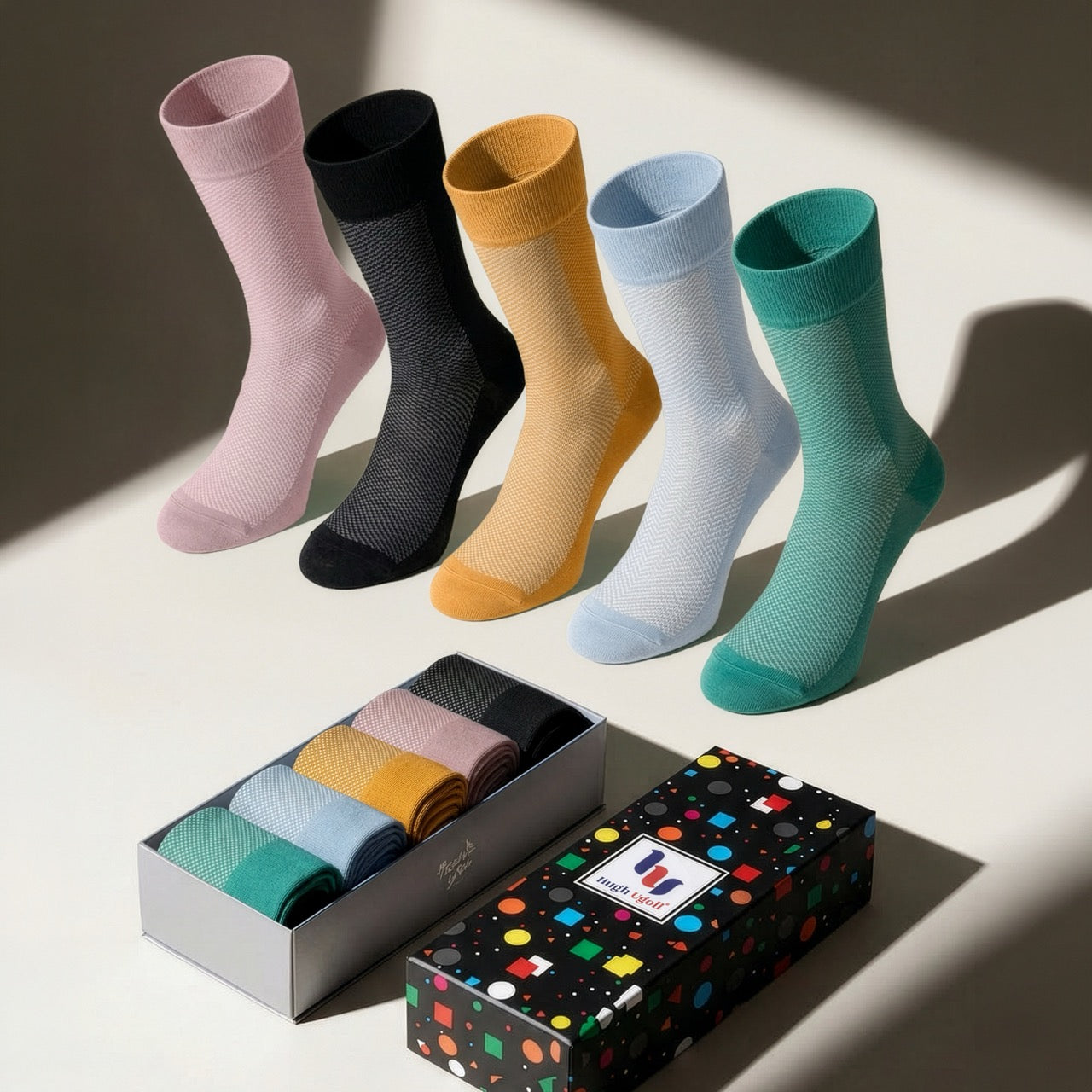
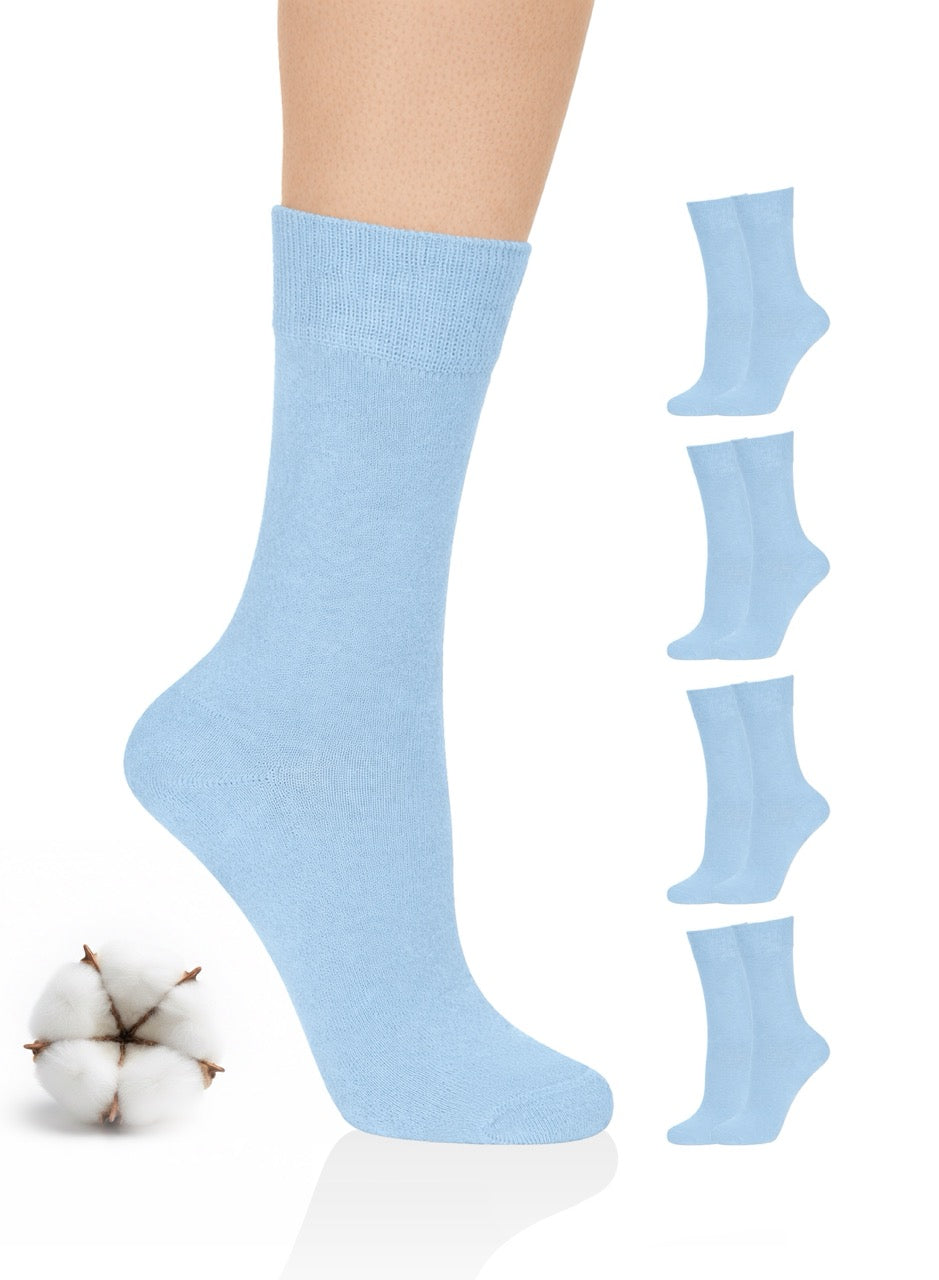
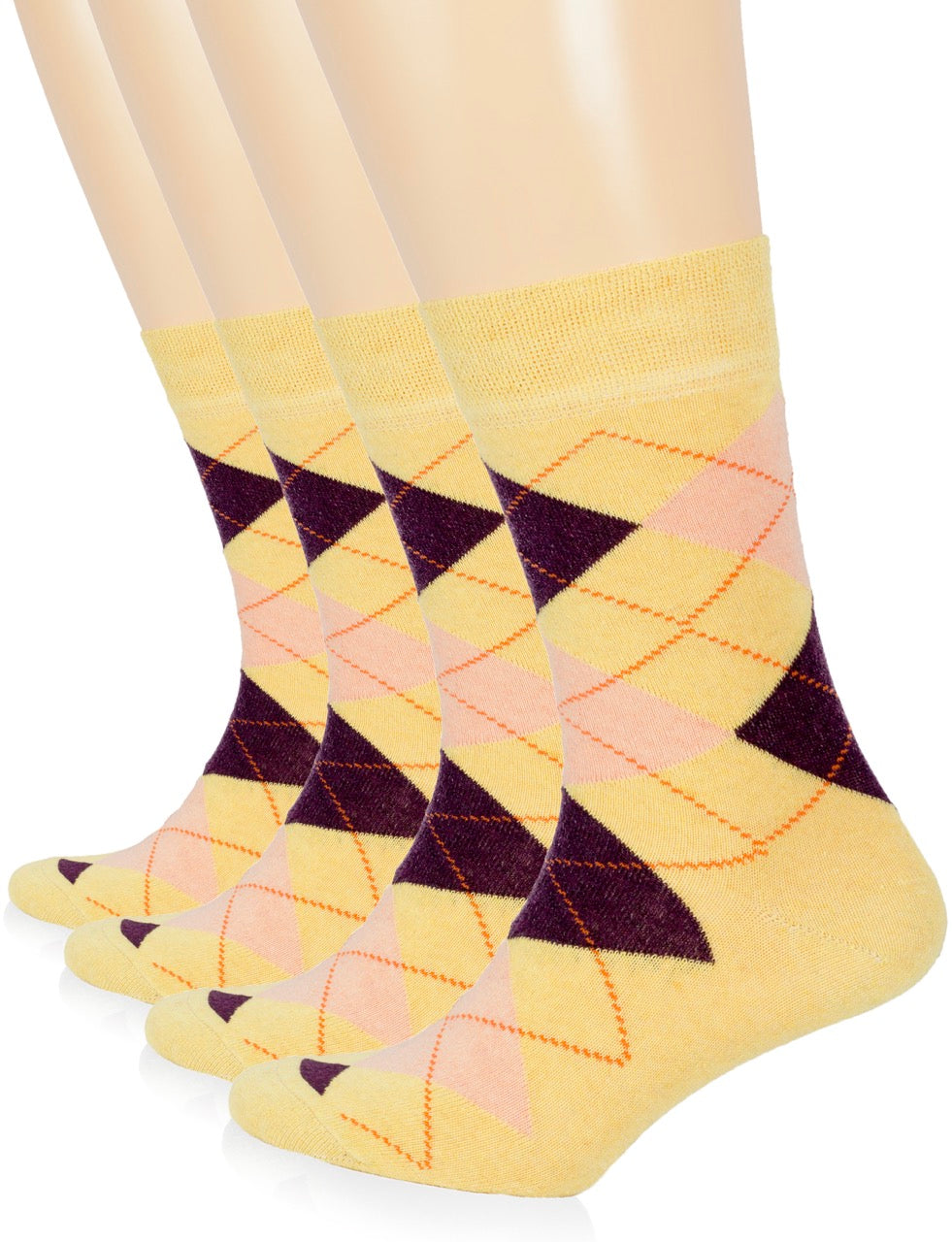


Have you ever put on a fresh pair of socks in the morning only to notice discomfort later in the day? Socks that initially feel soft and supportive can gradually become irritating, tight, warm, or distracting after hours of wear.
This is a surprisingly common experience, and it usually comes down to changes in moisture, pressure, movement, and how socks interact with your feet over time.
Socks often feel comfortable at first because they are clean, dry, and properly positioned. As the day goes on, moisture, friction, heat, and shifting fabric can affect how your feet feel. Poor fit, low-quality materials, and lack of moisture wicking performance can make socks uncomfortable after prolonged wear.
Your feet are constantly changing while you move, walk, stand, or sit.
During the day:
Even a good-looking sock may become uncomfortable if it cannot adapt to these changes.
One of the biggest reasons socks become uncomfortable later in the day is moisture.
Feet naturally sweat throughout the day. Without proper moisture wicking, that moisture stays trapped against the skin.
This can quickly reduce comfort, especially during long hours of wearing socks.
Some socks feel fine initially but lose shape as the day progresses.
Properly designed fit socks should maintain their structure and comfort throughout the day.
Not every sock works for every foot shape. A sock that feels comfortable while standing still may become restrictive once your feet swell slightly from walking or standing.
As the day continues, heat naturally builds inside shoes.
Socks that trap warmth can make:
This is why breathable materials matter for keeping feet comfortable during long wear.
Material quality has a major effect on long-term comfort.
Some low-cost socks lose softness quickly or become rough after a few hours of movement.
High quality socks are designed to:
Better construction helps the socks remain comfortable throughout the day.
Traditional cotton socks are soft and familiar, but they tend to absorb sweat rather than move it away from the skin.
This doesn’t mean cotton is bad—it simply performs differently from advanced moisture-managing materials.
Small pressure areas may not be noticeable in the morning but become irritating after hours of movement.
This can happen when:
Over time, these small issues become much more noticeable.
Comfort is not only about the socks themselves.
The combination of shoes and socks matters.
Even comfortable socks may feel worse if:
The entire system affects how your feet feel throughout the day.
Feet naturally expand slightly after long periods of walking or standing.
If socks have limited stretch or tight cuffs, they may begin to feel restrictive later in the day.
This is especially common during:
Some socks simply lose performance after repeated use.
Older socks may:
This makes them less effective at maintaining comfort during daily wear.

Look for socks that provide:
Good fit socks should stay secure without squeezing the foot or calf.
Wearing fresh socks daily helps preserve comfort and hygiene.
Breathable shoes and proper sizing improve overall comfort significantly.
Comfort is not just a luxury—it affects foot health.
Uncomfortable socks may contribute to:
Socks that stay comfortable longer support healthier daily movement.
Socks often feel great initially because they start clean, dry, and properly positioned. Over time, moisture, heat, pressure, and movement change how the fabric interacts with your feet.
Choosing a high quality pair of socks with proper fit and moisture wicking performance can help keep your feet comfortable from morning to evening.
Moisture, heat, friction, and fabric shifting are the most common reasons.
Cotton socks are comfortable but may hold moisture longer than moisture-wicking materials.
Yes. Feet naturally expand slightly with movement and standing.
Yes. Better materials and construction help maintain fit and softness throughout the day.
Choose breathable, moisture-wicking socks with a proper fit and supportive construction.
He has been working for more than 20 years in the textile industry and has work experience in many parts of the world.