Cart
0
You may also like
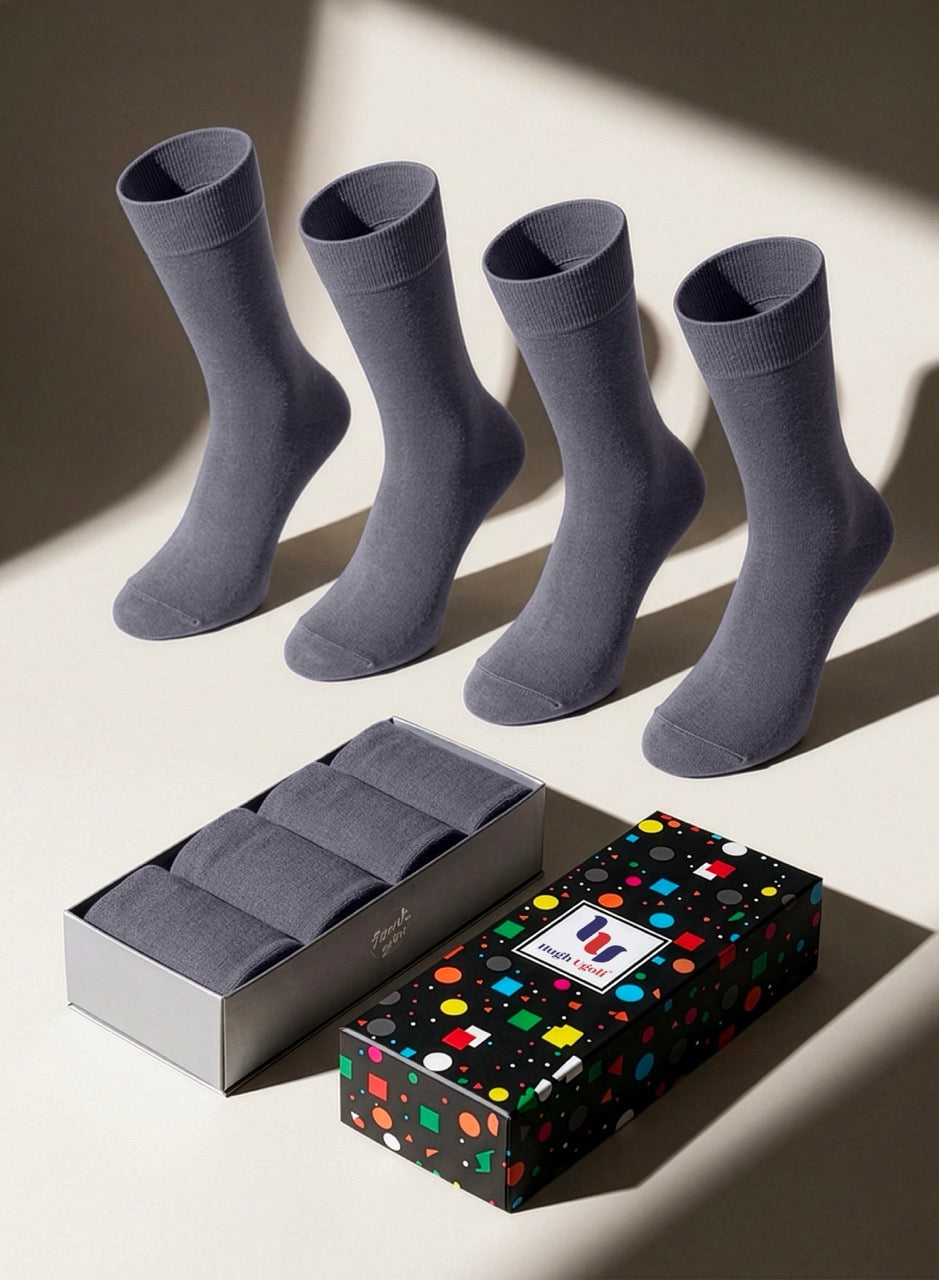
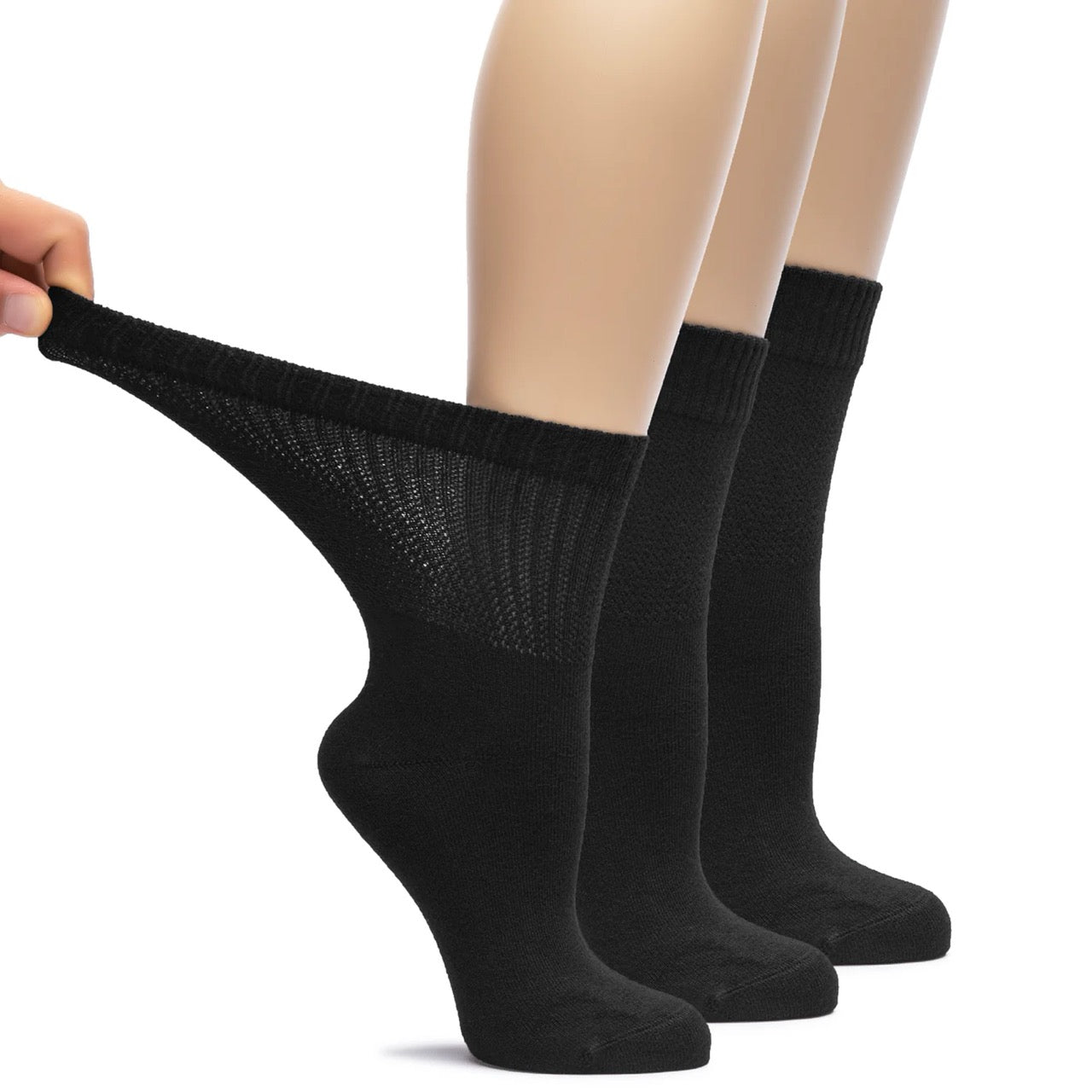

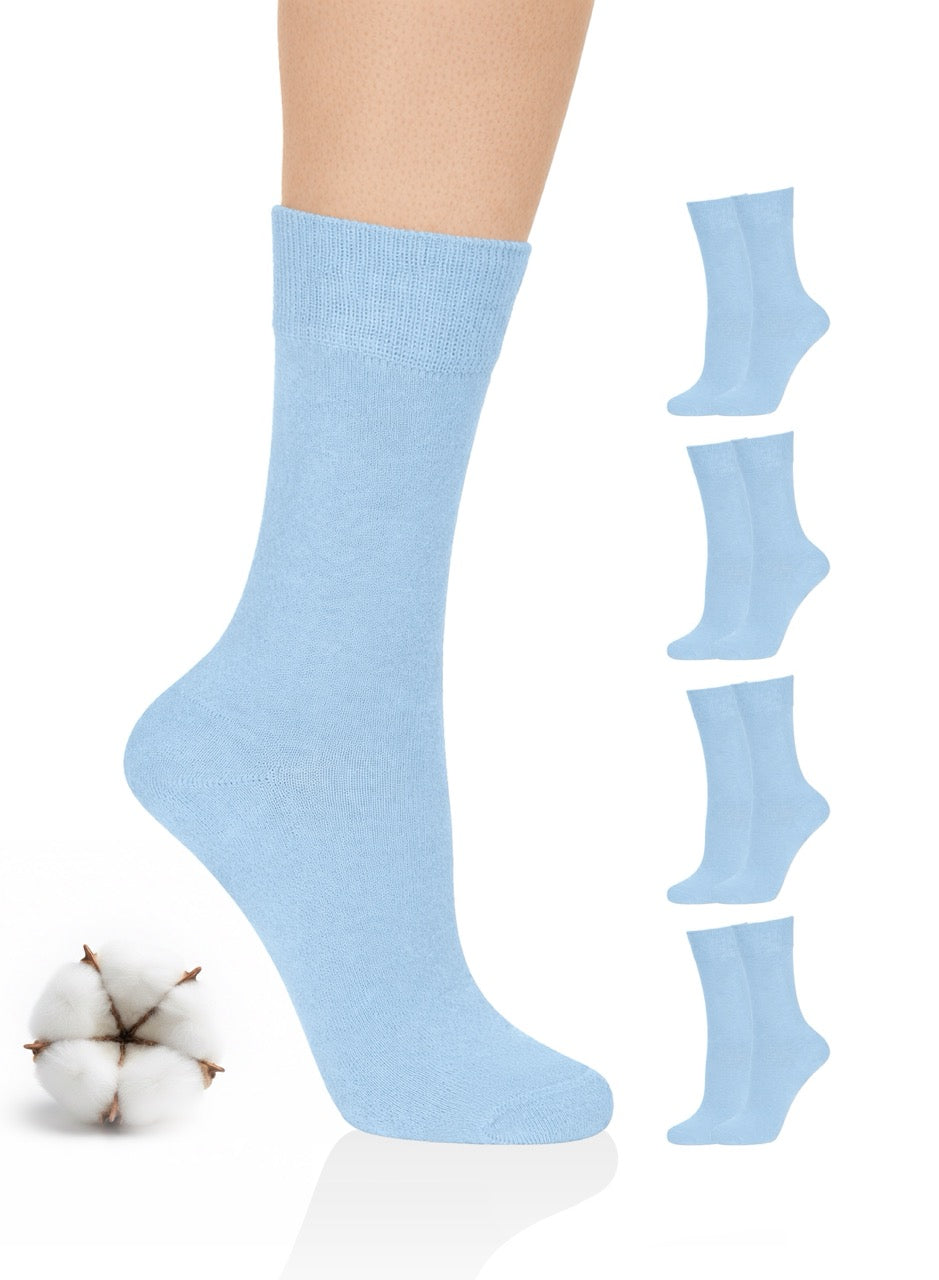
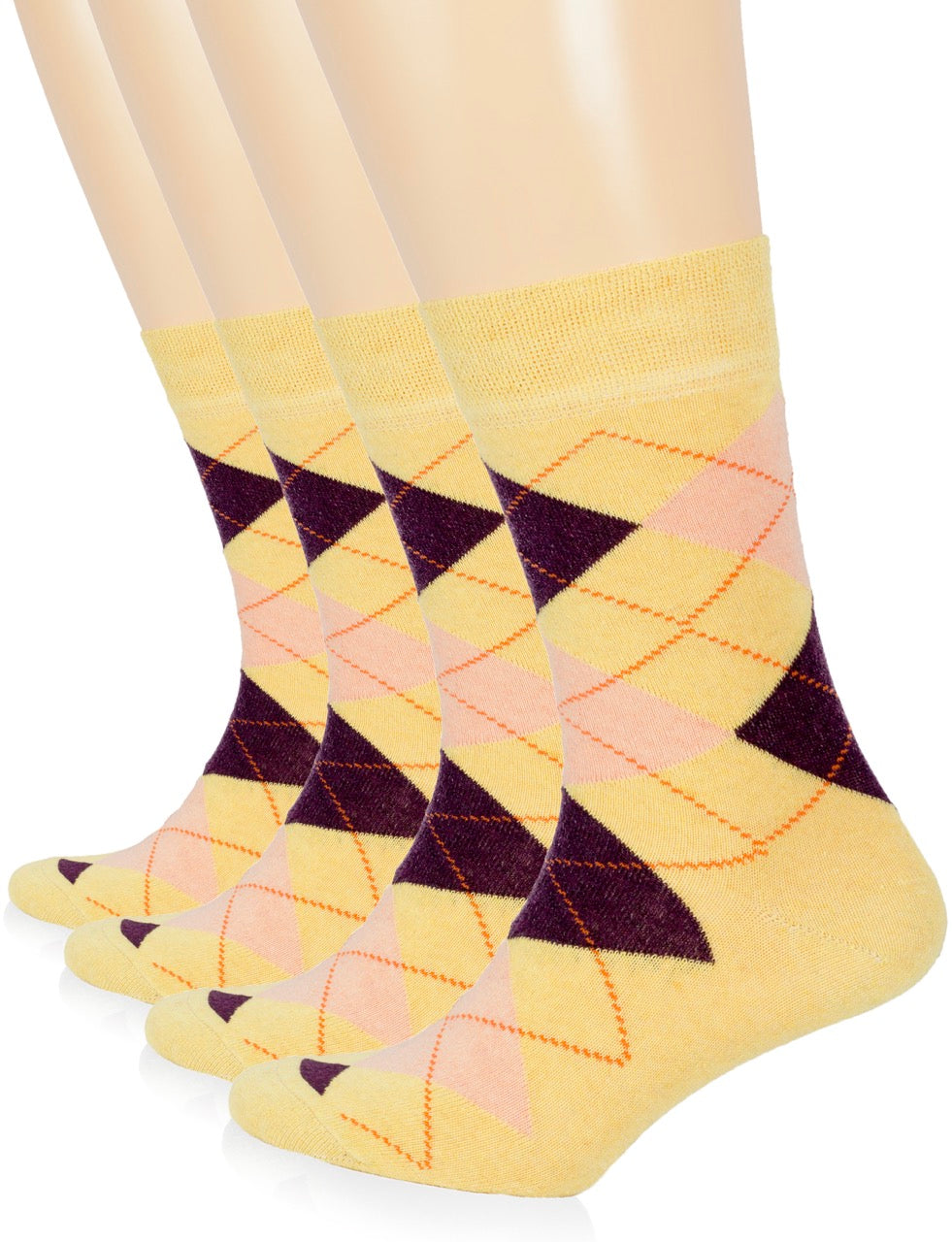
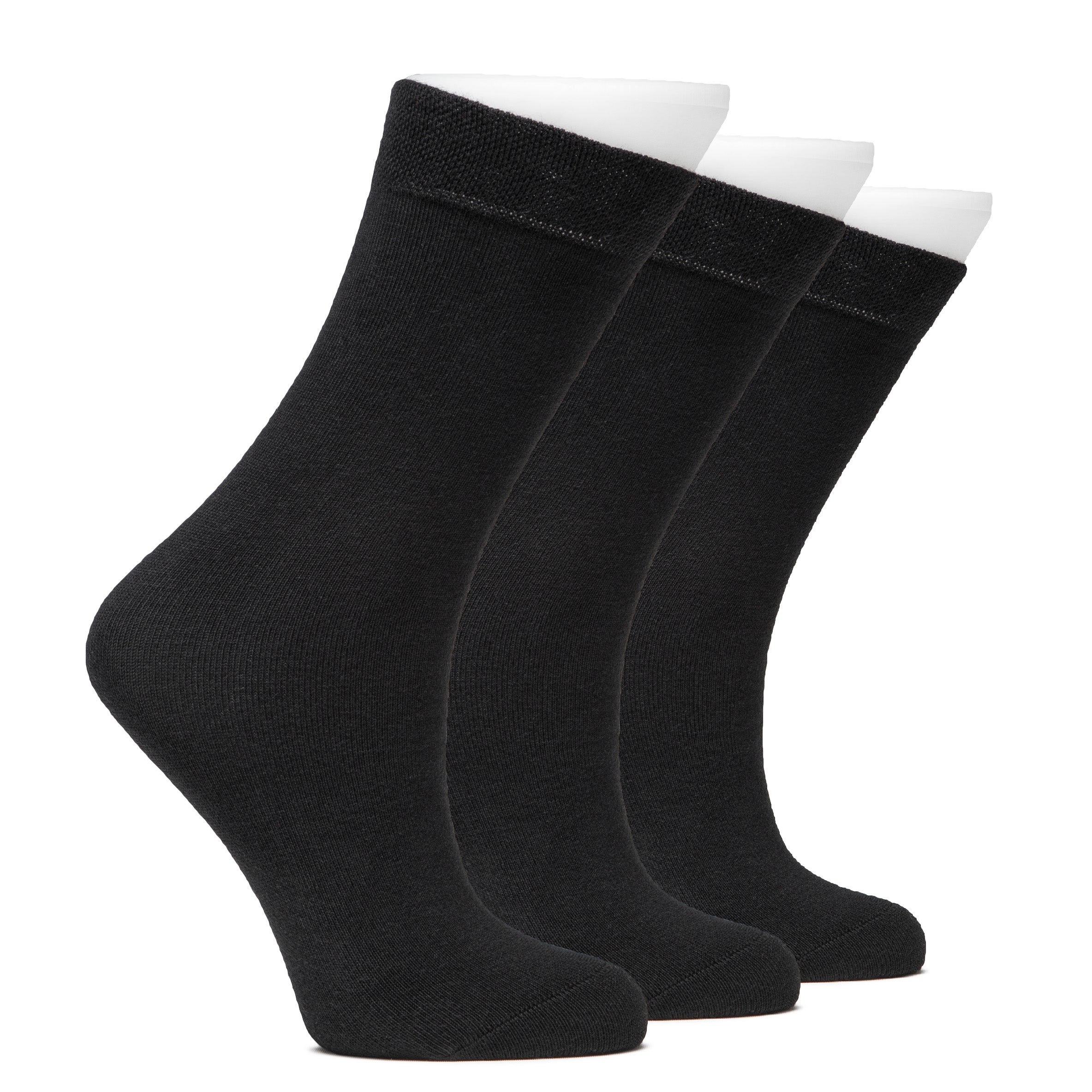
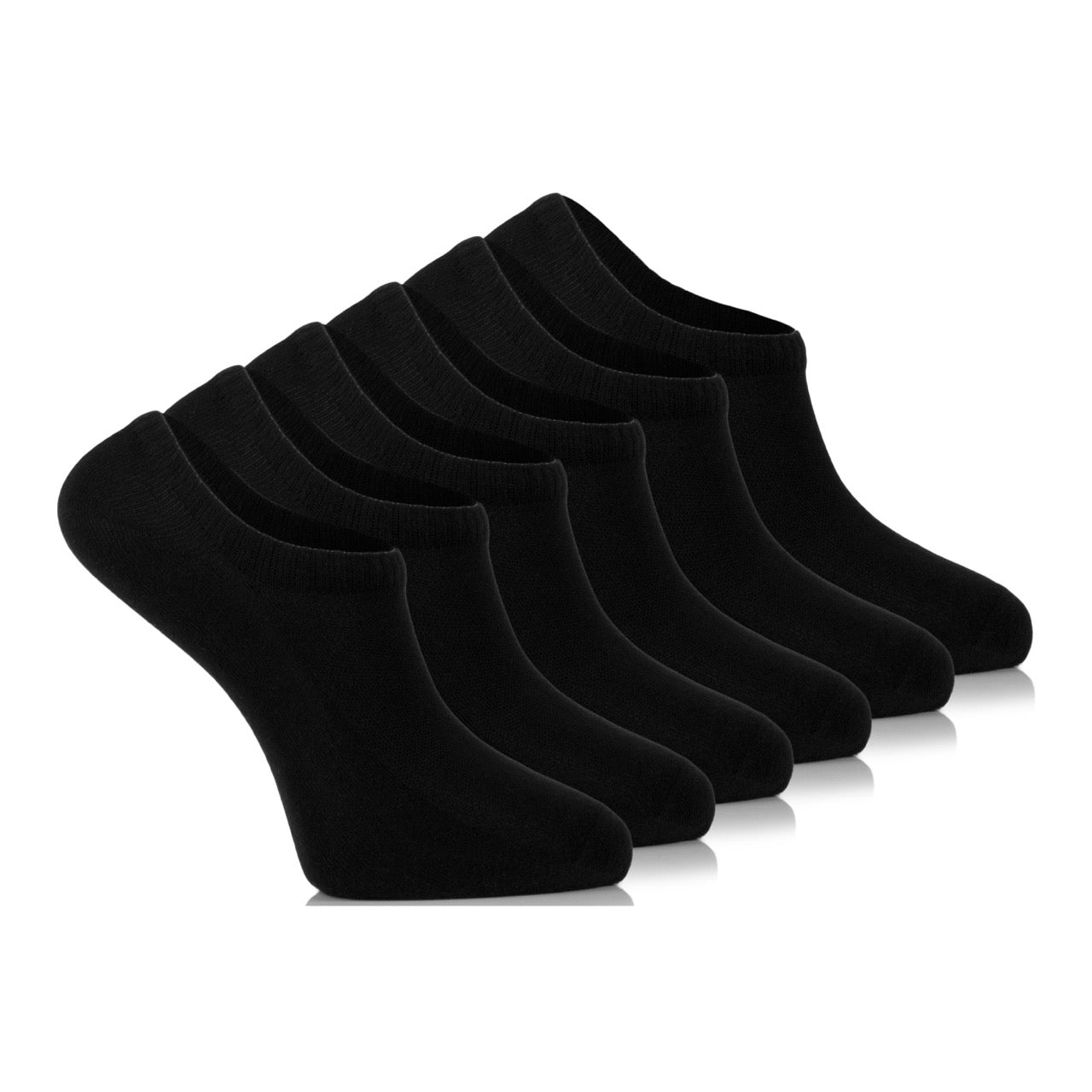
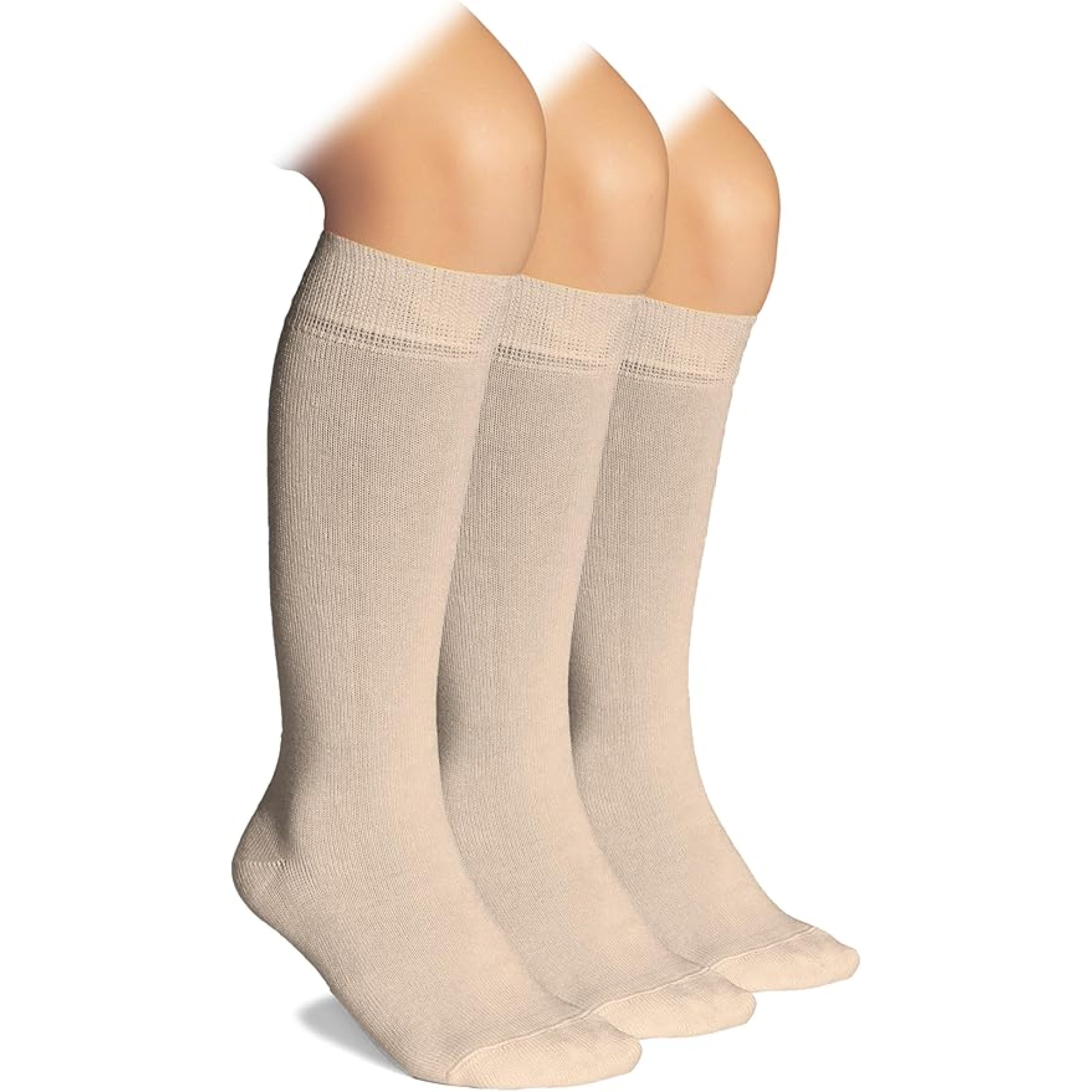


When shopping for socks, many people are drawn to the idea of 100% cotton socks for their softness and breathability. However, the concept of socks made entirely of cotton may not be as practical or common as it seems. Let's dive into the truth behind the myth of 100% cotton socks and why they might not be the ideal choice for your feet.
Pure cotton is a natural fiber celebrated for its comfort and breathability, but it comes with limitations when used in socks:

Most socks labeled as "cotton socks" are actually a cotton blend, incorporating materials like polyester, elastane, or bamboo. These blends improve:
For those who value the softness of cotton but need practical performance, a blend with at least 80% cotton is often the best choice. These socks offer the benefits of cotton while addressing its shortcomings, making them ideal for everyday wear.
Curious about sock materials? Check out our blog: Bamboo vs. Cotton Socks: Choosing the Right Fit for Your Feet to explore how these fibers compare for comfort and performance.
While 100% cotton socks might sound appealing, they fall short in terms of functionality and durability. Instead, opt for high-quality cotton blends that deliver the perfect balance of softness, stretch, and moisture management for all-day comfort.
Yes, they exist, but they are uncommon because pure cotton lacks the elasticity and durability needed for everyday sock performance.
Blends improve stretch, fit, moisture management, and durability while still maintaining the softness and breathability of cotton.
Yes. Cotton absorbs moisture well, but it does not wick moisture away efficiently, which can leave feet feeling damp.
In most cases, yes. Cotton blends offer a balance of comfort, flexibility, durability, and moisture control for all-day use.
Many high-quality socks contain around 70% to 85% cotton combined with elastic or performance fibers for better functionality.
Yes. Without elastic fibers like elastane or spandex, pure cotton socks can stretch out and fit loosely over time.
Cotton can be comfortable for sensitive skin because it is soft and breathable, especially when combined with smooth, gentle fibers.
Polyester, nylon, elastane, bamboo, and spandex are often blended with cotton to improve performance and comfort.
He has been working for more than 20 years in the textile industry and has work experience in many parts of the world.