Cart
0
You may also like
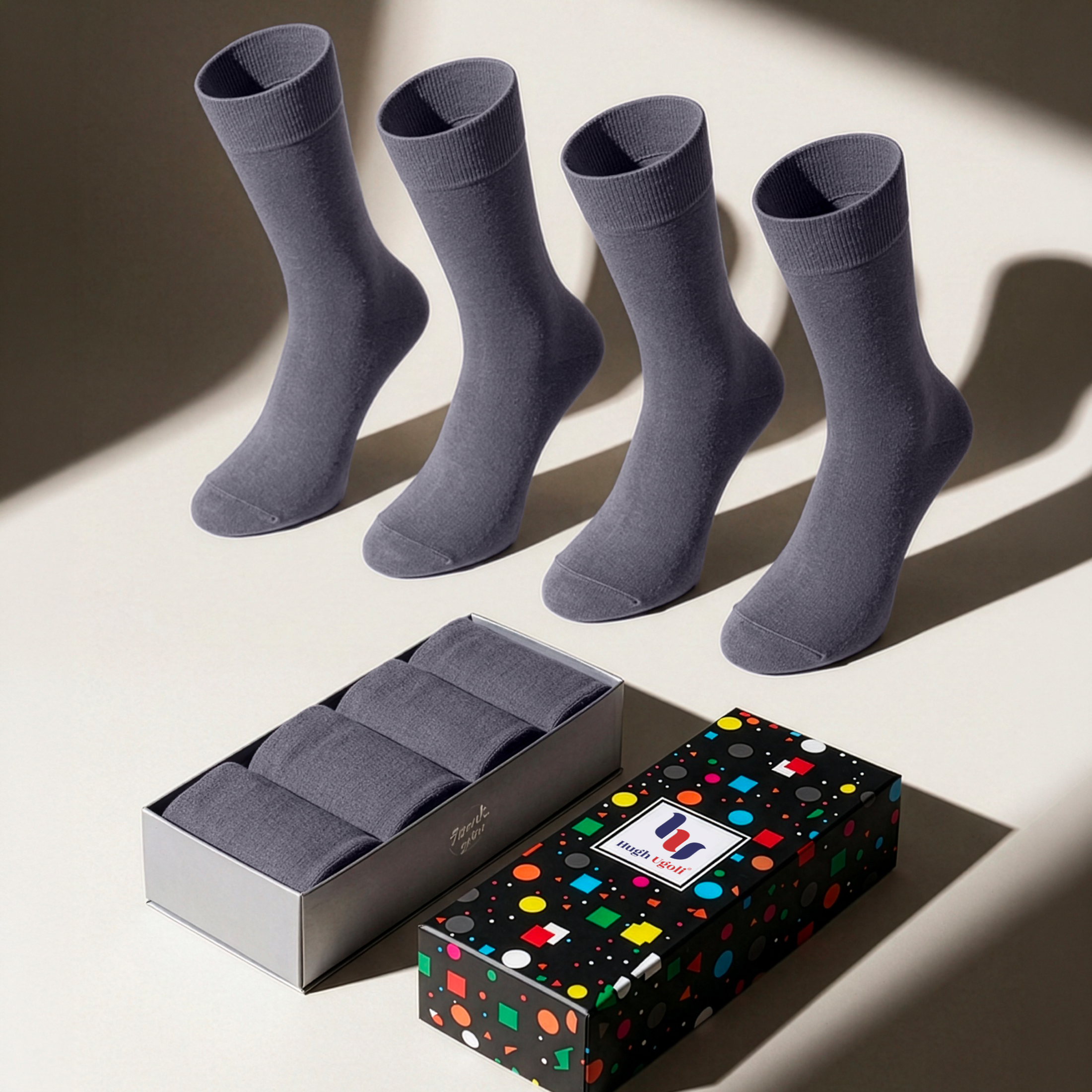
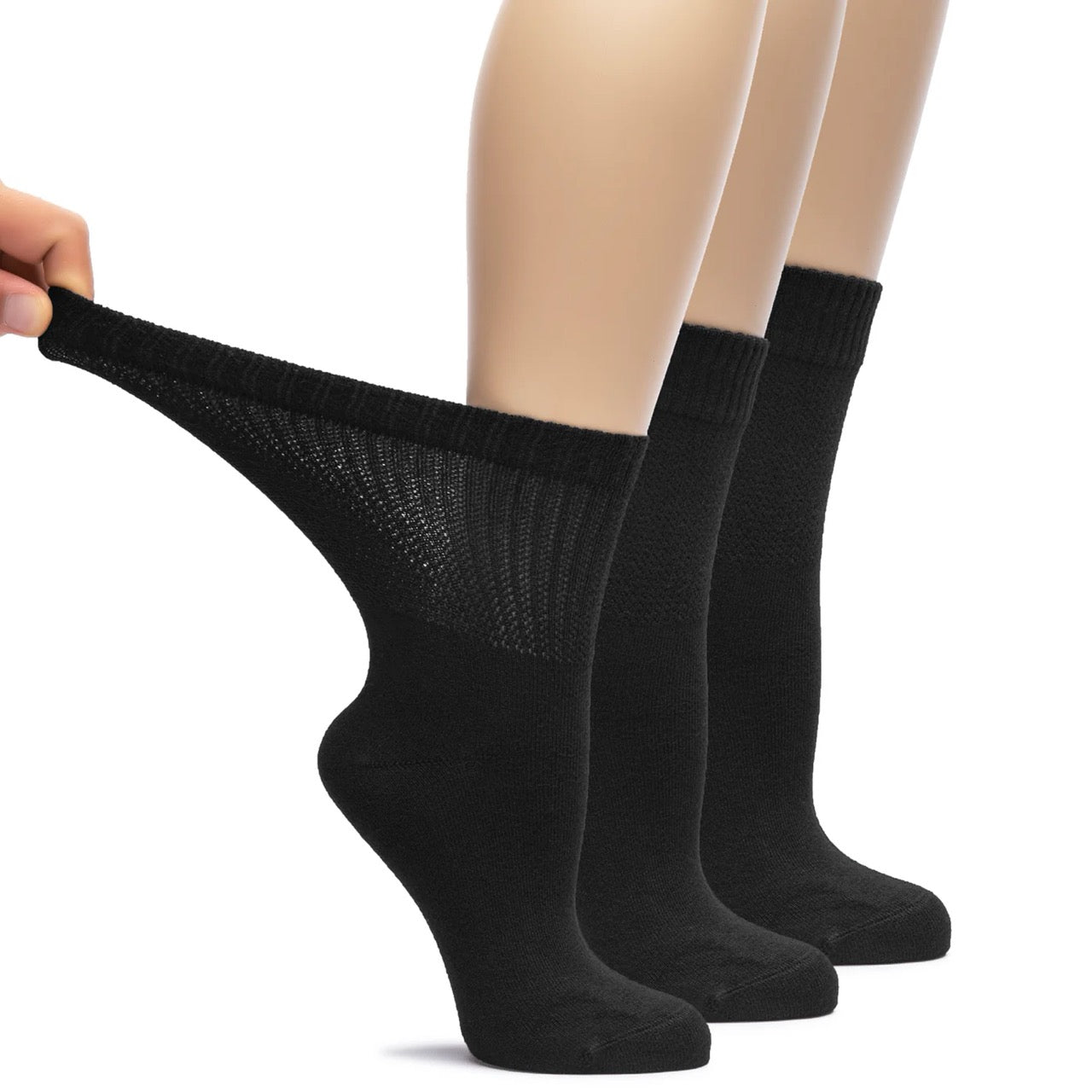
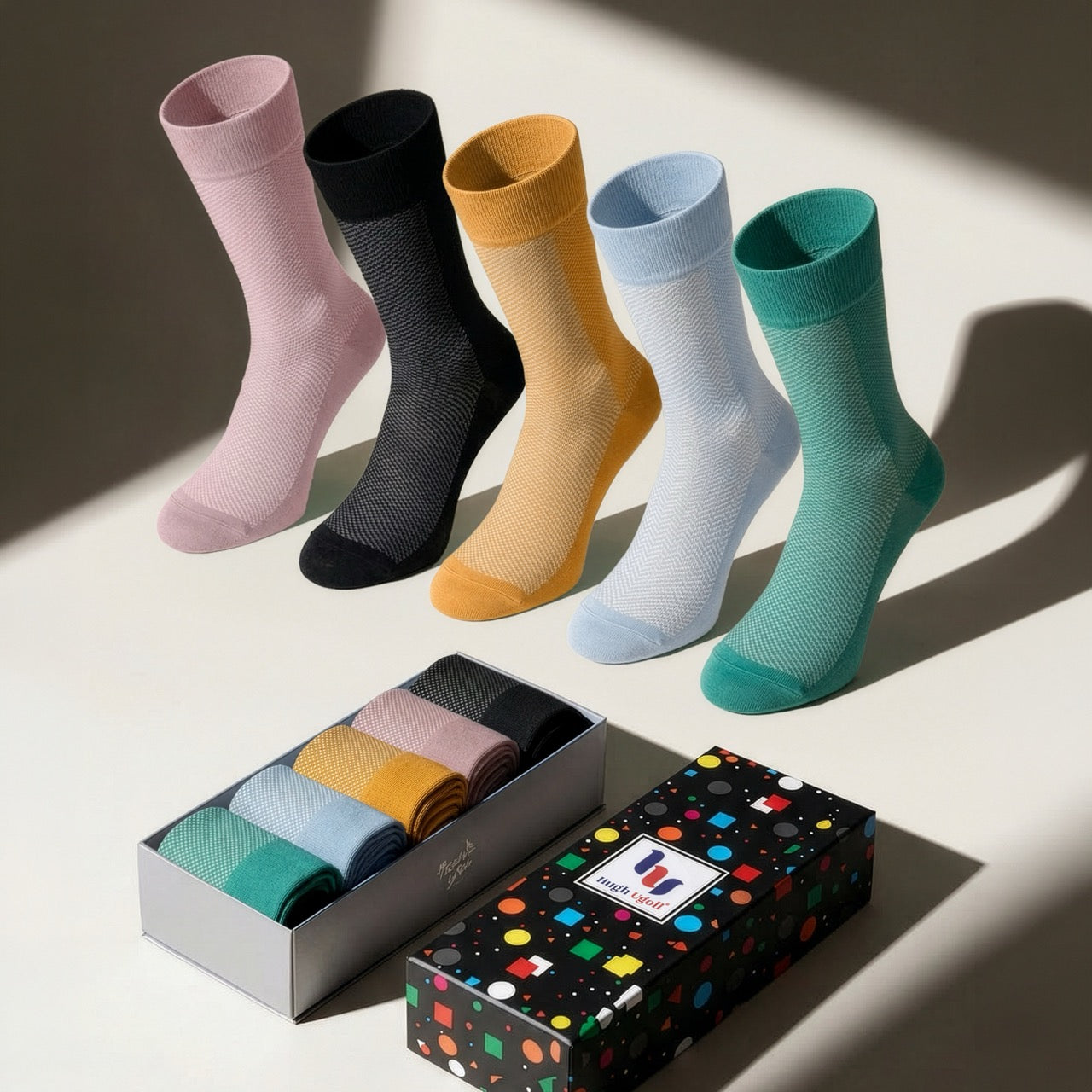
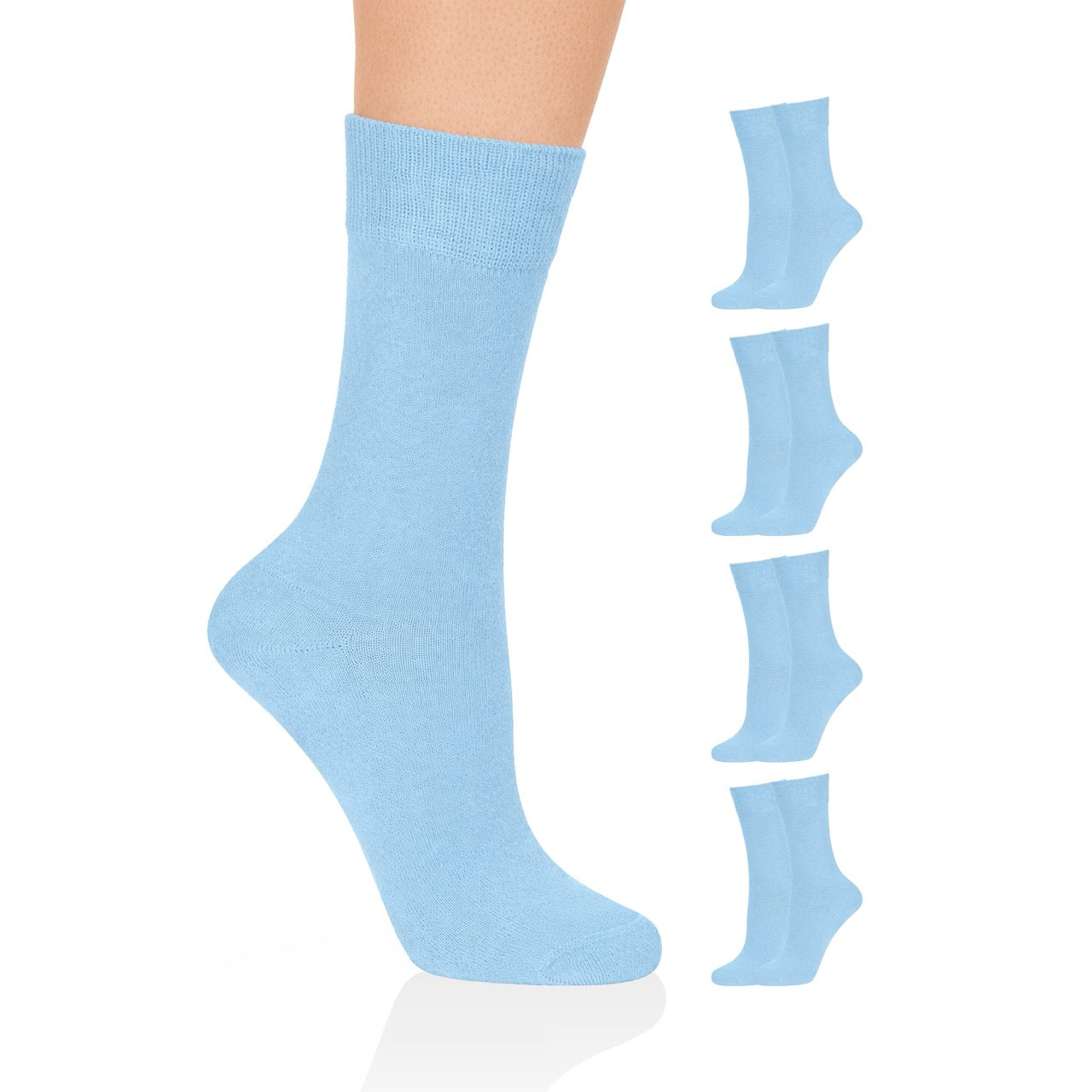
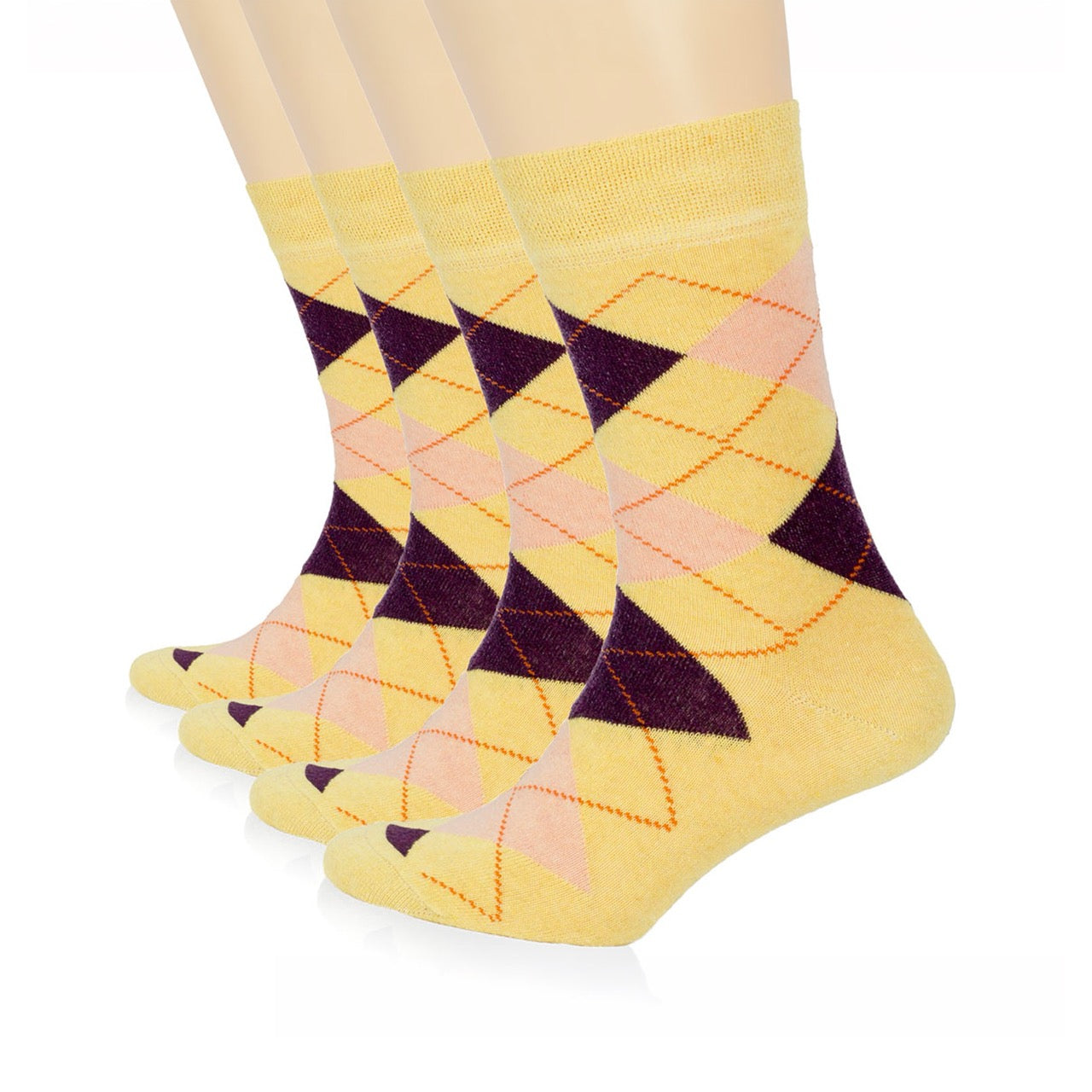
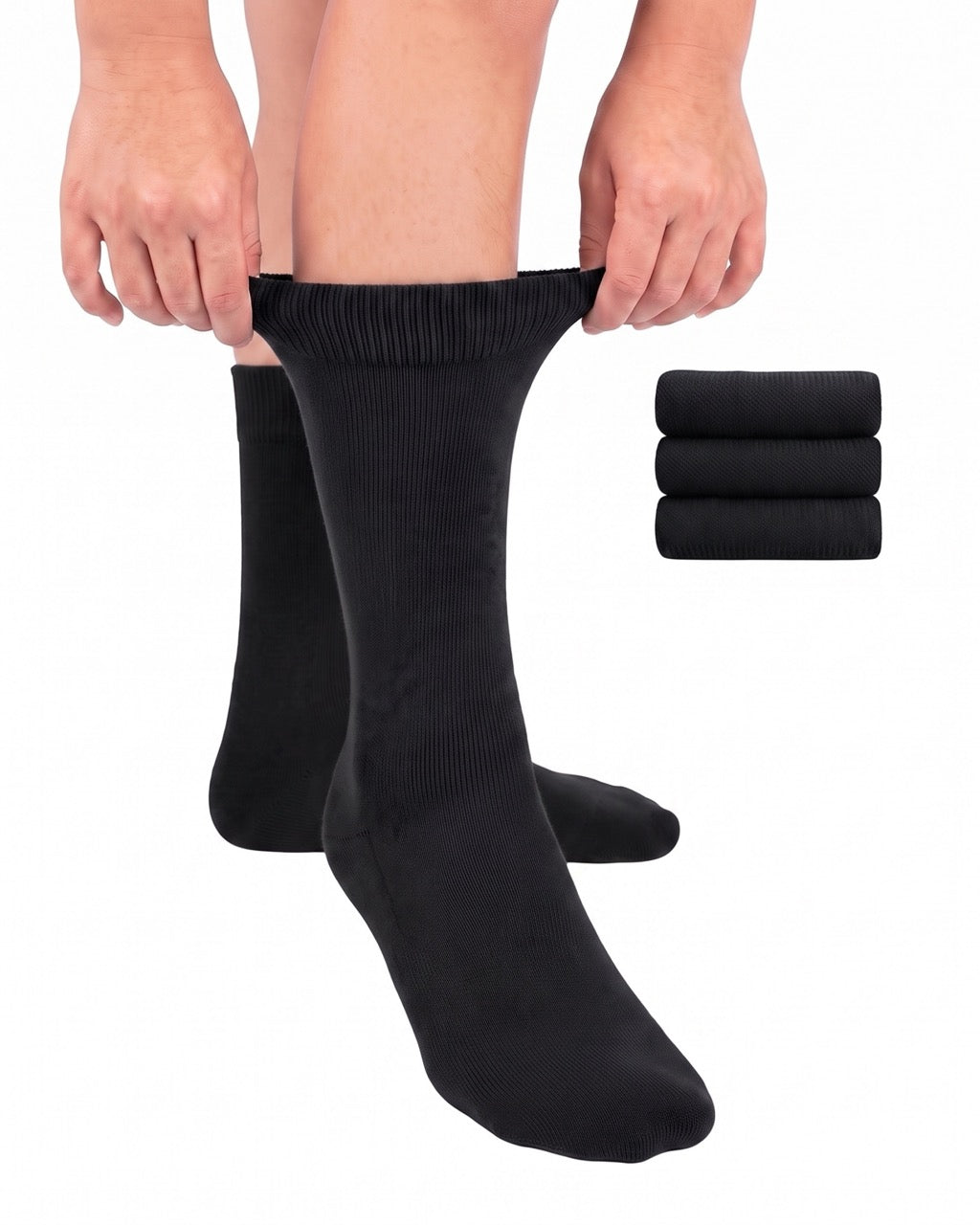
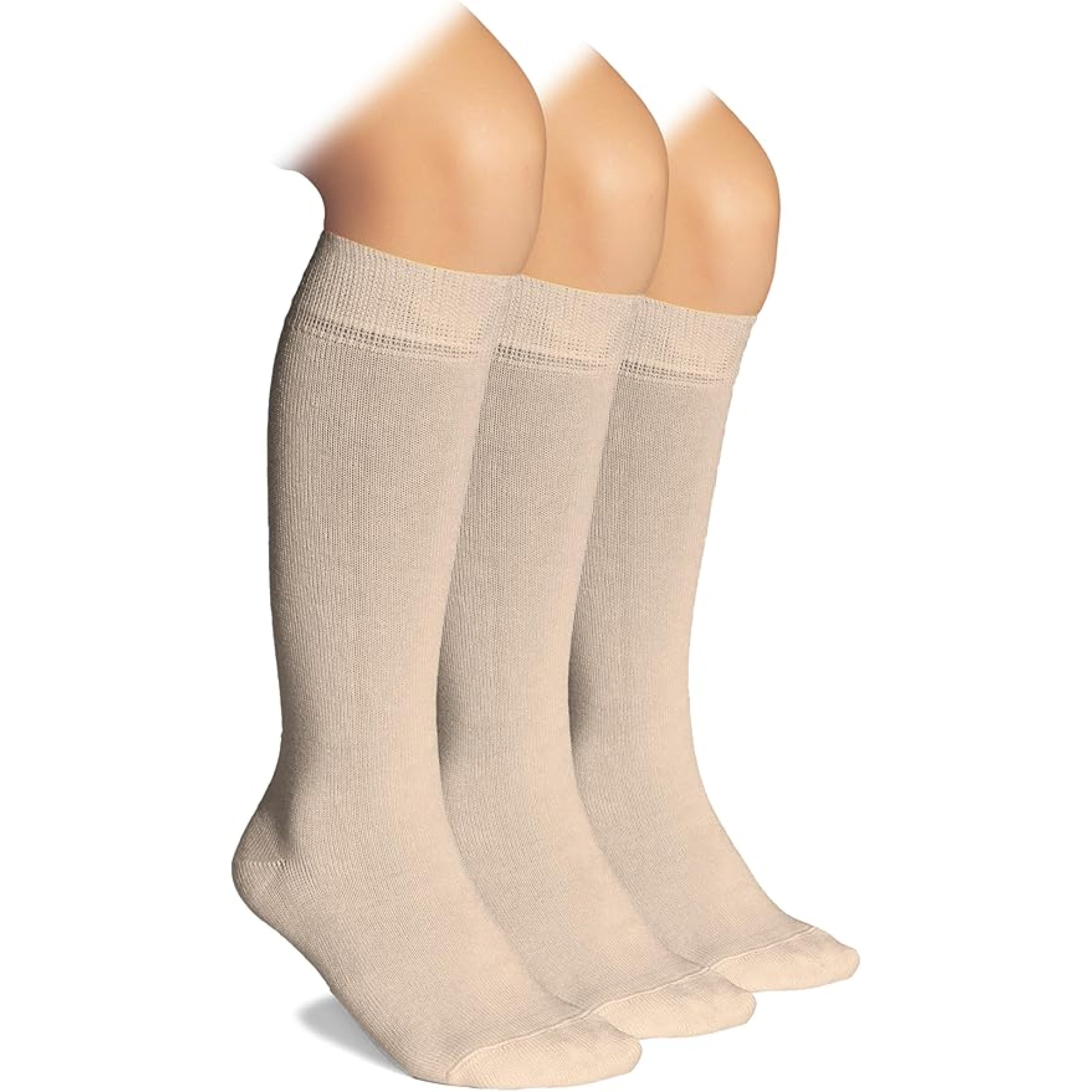


Socks described as diabetic-friendly share a short list of features rather than one special fabric. Look for a non-binding top band that stays up without leaving a ring on the calf, a seamless or flat-knit toe that removes the ridge most likely to rub, and a breathable fibre that moves moisture away from the skin. Cushioning at the heel and ball adds a buffer where pressure is highest, and a non-slip sole helps people at risk of falls. Change to a clean, dry pair daily, and talk to your podiatrist about what suits your own feet.
Key Takeaways
If you have diabetes, you already know how important foot care is. But here's what surprises many people: the socks you wear every day can directly impact your foot health, circulation, and even your risk of ulcers and infections.
Diabetic foot ulcers are a serious and common complication — a 2023 review published in the American Diabetes Association's journal Diabetes Care puts the lifetime risk of a foot ulcer at 19% to 34% for people with diabetes, and notes that this risk is rising as people live longer with the disease. A meaningful share of these cases are linked to friction, pressure, and moisture — exactly the factors that sock choice affects. The good news? Choosing socks with the right features is one of the simplest, lowest-cost steps you can take as part of a broader foot-care routine.
In this guide, we break down the features that foot-care guidance and podiatric sources consistently point to as important for diabetic-friendly socks, and which products — including those from Hugh Ugoli — incorporate them.
Not every sock labeled "diabetic" is created equal. Podiatric and diabetes foot-care sources consistently point to six features. Here's what they are and why they matter:
This is one of the most frequently cited features. Tight sock bands compress the veins in the lower leg and restrict blood flow — a concern for diabetics, who often already experience reduced circulation. A non-binding top uses a gently elasticated band that stays up without squeezing. The American Diabetes Association identifies footwear that avoids restricting circulation as part of standard diabetic foot care.
A simple way to check: if a sock leaves a visible ring around your calf after wearing it, that's a sign the band is too tight.
Raised seams at the toe box are a commonly cited source of pressure sores and blisters. Because diabetes can reduce sensation in the feet (a condition called peripheral neuropathy), a blister may not be felt forming until it has already become a wound. Seamless toe construction — a flat-knit seam or fully circular-knit design — removes this friction point.
Excess moisture between the toes creates conditions where fungal infections like athlete's foot can take hold — and for people with diabetes, even a minor infection can escalate. Moisture-wicking natural fibers, particularly bamboo and quality cotton blends, are commonly recommended for this reason. Bamboo fabric is also naturally antibacterial and thermoregulating.
The heel and ball of the foot absorb significant pressure with every step. For people with reduced sensation, extra padding in these areas provides a physical buffer against impact and skin breakdown. Semi-cushioned socks aim to balance protection with breathability, avoiding so much bulk that they cause tightness inside shoes.
Bamboo fiber contains a natural compound often referred to as bamboo kun, which is associated with inhibiting bacterial and fungal growth; cotton socks treated with silver or zinc ions are marketed for similar reasons. For people managing diabetes, this may help reduce the risk of infection from everyday minor abrasions — though claims about specific antimicrobial fibers vary in the strength of supporting evidence, so treat this as a nice-to-have rather than a primary decision factor.
People at higher risk of falls, or who walk on smooth indoor surfaces without footwear, may benefit from non-slip grip soles — particularly relevant for older adults with diabetes and those recovering from foot procedures.

For men managing diabetes, the challenge is finding socks that are appropriate for foot health without looking clinical or feeling out of place in professional settings. Hugh Ugoli's bamboo and cotton diabetic options are built around the features described above.
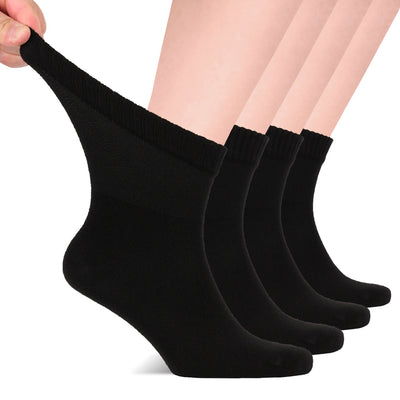
Hugh Ugoli Men's Lightweight Bamboo Diabetic Ankle Socks (4 Pairs)
Crafted from premium bamboo fiber, they feature a seamless toe, a non-binding top band, and moisture-wicking performance. The lightweight construction keeps feet cool across long days, and the 4-pair value pack makes daily changes easy.
View Product — Men's Bamboo Diabetic Ankle Socks →
Women's diabetic sock needs differ slightly — many people want options that work with a wider range of footwear, including lower-cut shoes and boots. Hugh Ugoli offers two women's diabetic lines built around the same foot-care-oriented features.
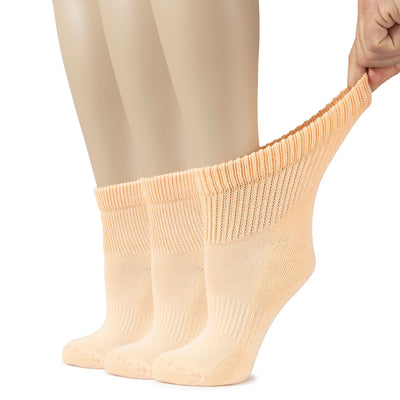
Hugh Ugoli Women's Semi-Cushion Cotton Diabetic Ankle Socks (3 Pairs)
A bestseller. These cotton-blend socks combine gentle semi-cushioning in the heel and toe with a non-binding band and seamless construction, available in an extensive range of colors.
View Product — Women's Cotton Diabetic Ankle Socks →
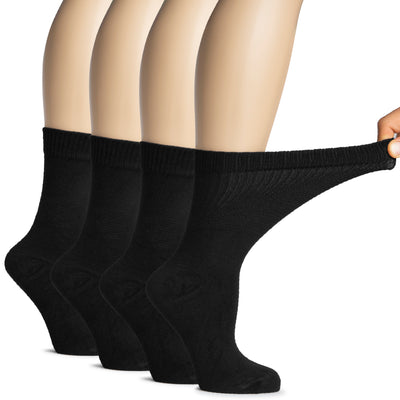
Hugh Ugoli Women's Bamboo Diabetic Crew Thin Socks (4 Pairs)
For crew-length coverage — or for wear with boots and taller footwear — this bamboo crew sock provides gentle, compression-free coverage above the ankle, with an ultra-thin construction that stays cool even in warmer conditions.
View Product — Women's Bamboo Diabetic Crew Socks →
This is one of the most common questions in diabetic foot care. The honest answer: both are reasonable choices, but they differ slightly by context.
| Feature | Bamboo | Cotton |
|---|---|---|
| Moisture-Wicking | Excellent | Good |
| Antibacterial | Natural properties (bamboo kun) | Moderate |
| Softness | Exceptionally soft | Very soft |
| Durability | Very durable | Highly durable |
| Cushioning | Good (thin profiles) | Excellent (semi-cushion) |
Bamboo is often favored by people with hyperhidrosis (excessive sweating) or those in warmer climates, while cotton semi-cushion socks are often chosen by people who are on their feet all day and want extra impact protection. Your podiatrist or diabetes educator can help you decide which fits your specific situation.
Daily foot hygiene, including a clean pair of socks each day, is a standard part of diabetes foot-care guidance from the American Diabetes Association — more frequently if your feet sweat heavily or you've been physically active. Always put on clean, dry socks before putting on shoes.
Wearing the same pair of socks for extended periods increases moisture retention and bacterial growth — two factors linked to higher infection risk. Multi-pair packs make daily sock changes easier and more affordable.
Even high-quality diabetic socks have a lifespan. Consider replacing your socks when you notice any of the following:
Watch a demonstration of these features:
Managing diabetes requires consistent attention to detail across every aspect of your daily routine — and your socks are no exception. Socks built around the features described here — non-binding tops, seamless toes, moisture-wicking fibers, appropriate cushioning — reflect what foot-care guidance consistently points to for reducing friction, moisture, and pressure-related skin problems.
Hugh Ugoli's full range of diabetic socks — for both men and women, in ankle and crew heights, in bamboo and cotton — is built around these features. Your feet carry you through life; give them thoughtful protection, and talk to your podiatrist about what's specifically right for your foot health.
This article is for general information and is not a substitute for individualized medical advice. If you have diabetes, talk to your doctor or podiatrist about your specific foot-care needs.
No. Diabetic socks are non-compressive by design, while compression socks apply graduated pressure and should only be used on a healthcare provider's advice.
Many people do, though tight bands, raised toe seams and moisture-trapping synthetics add daily friction. Ask your podiatrist what suits your feet.
Both are reasonable choices. Bamboo viscose is often picked for heavy sweating or warm climates, cotton semi-cushion for long days on your feet.
A clean, dry pair each day is the usual guidance, and sooner if your feet sweat heavily or you have been active.
Yes. Seamless toes, non-binding bands and moisture-moving fibres suit anyone on their feet all day or with sensitive skin.
Discover All Hugh Ugoli Socks
Shop All Socks