Cart
0
You may also like
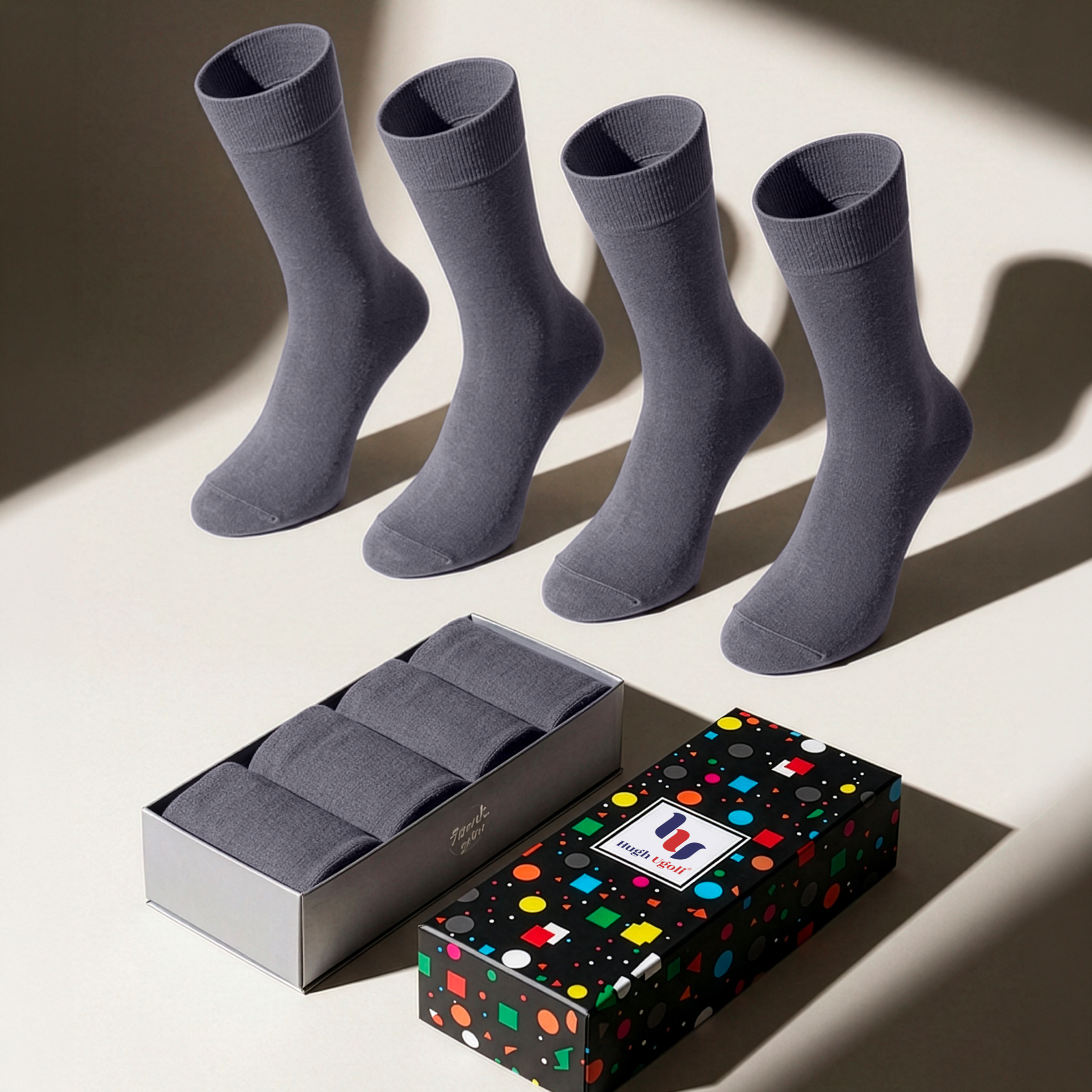
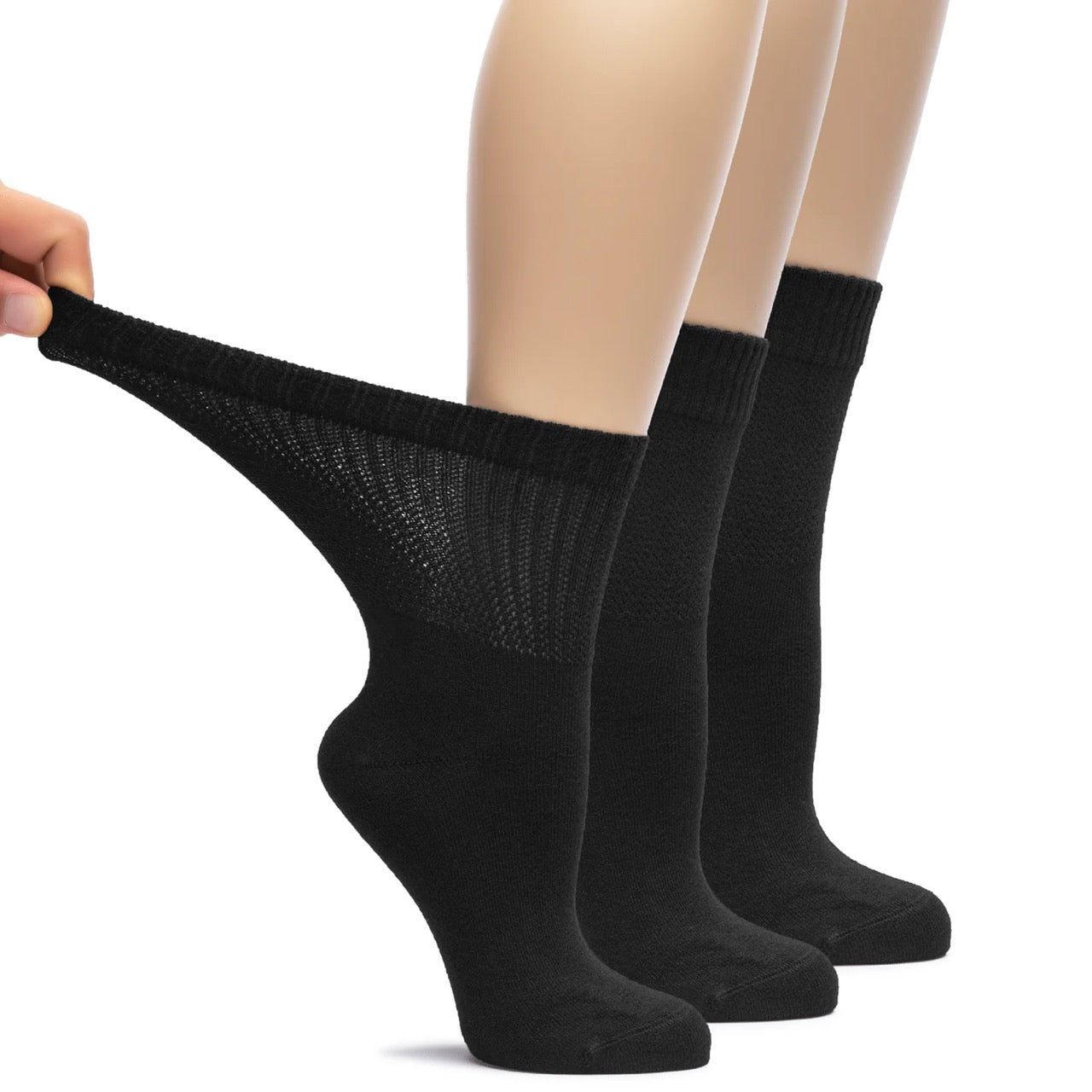
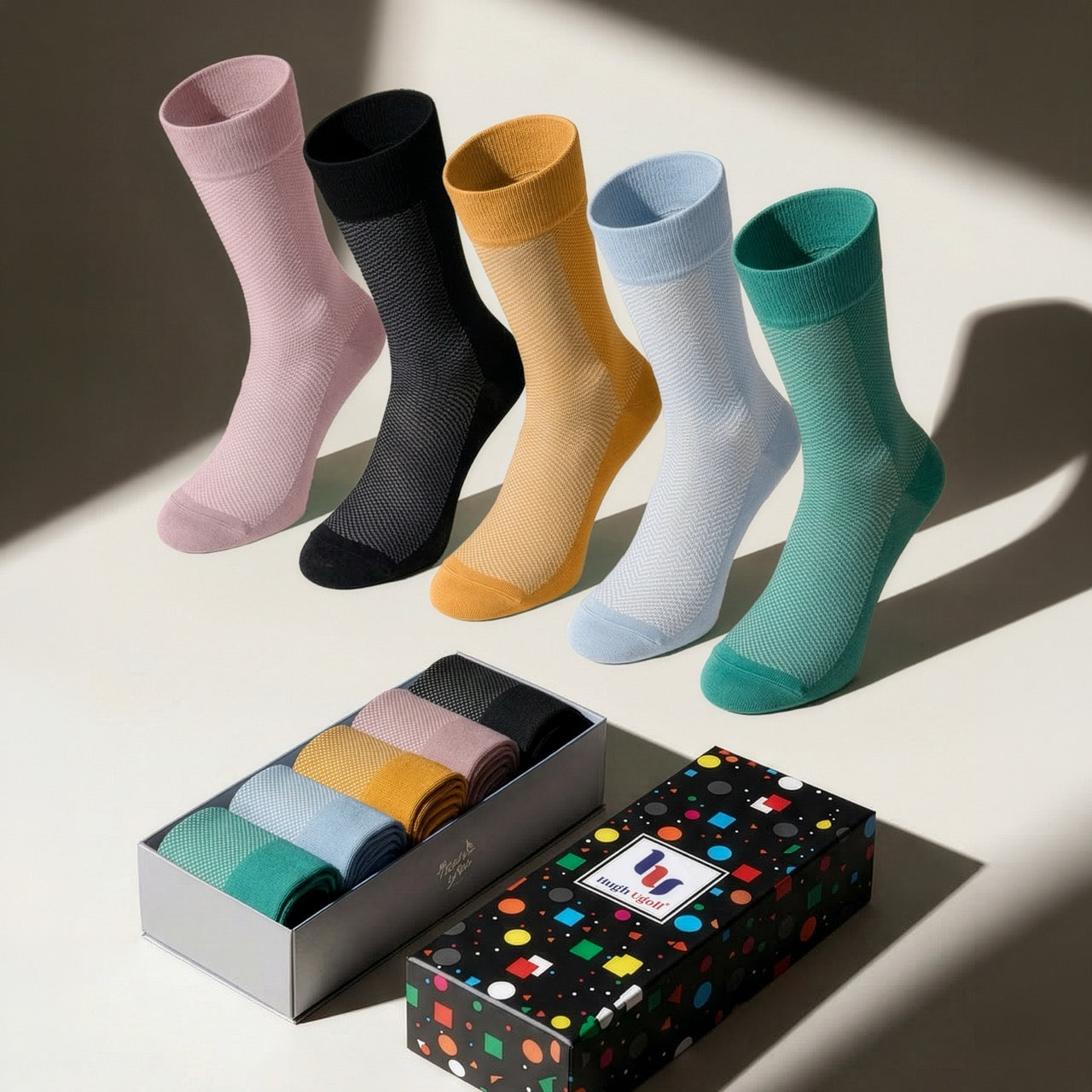
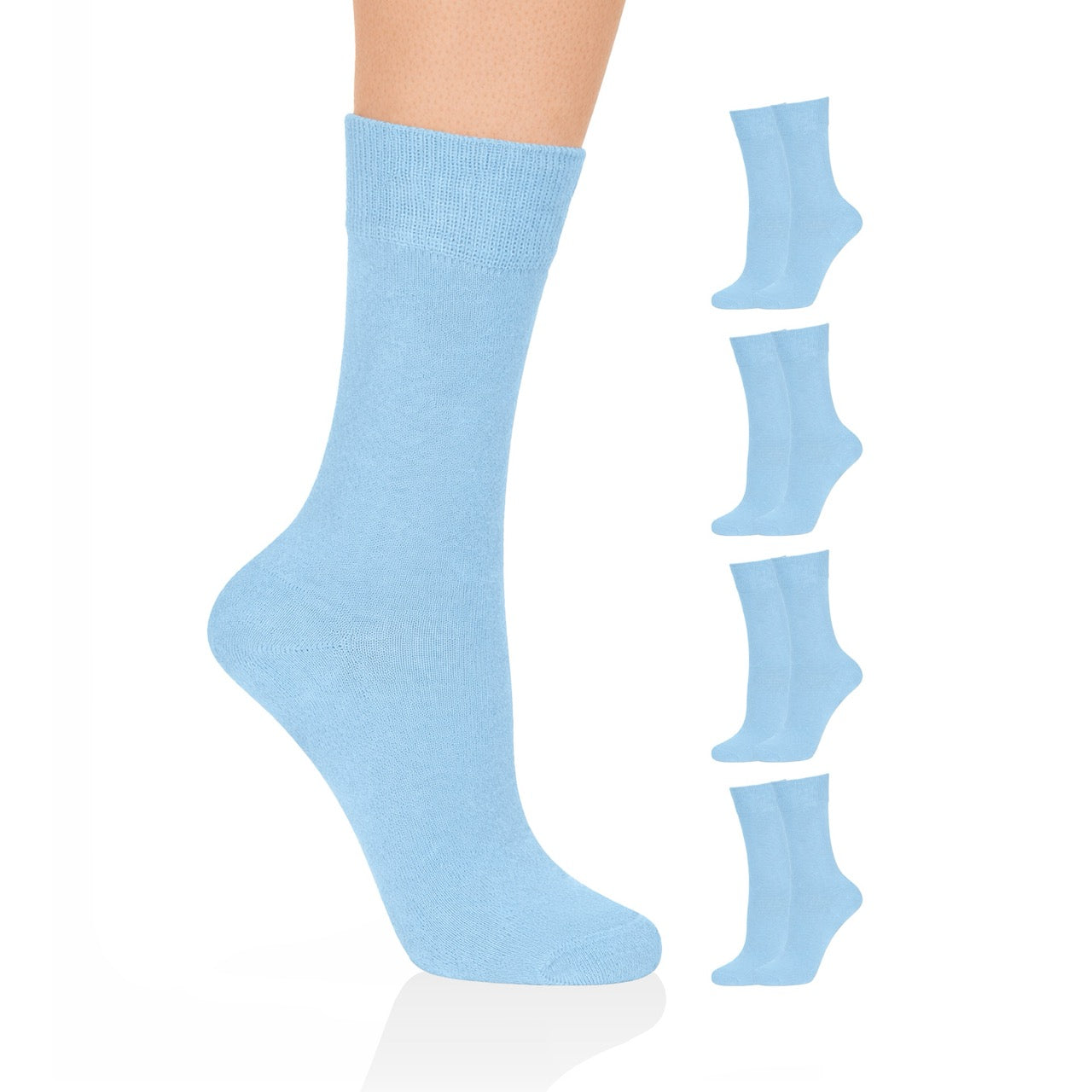
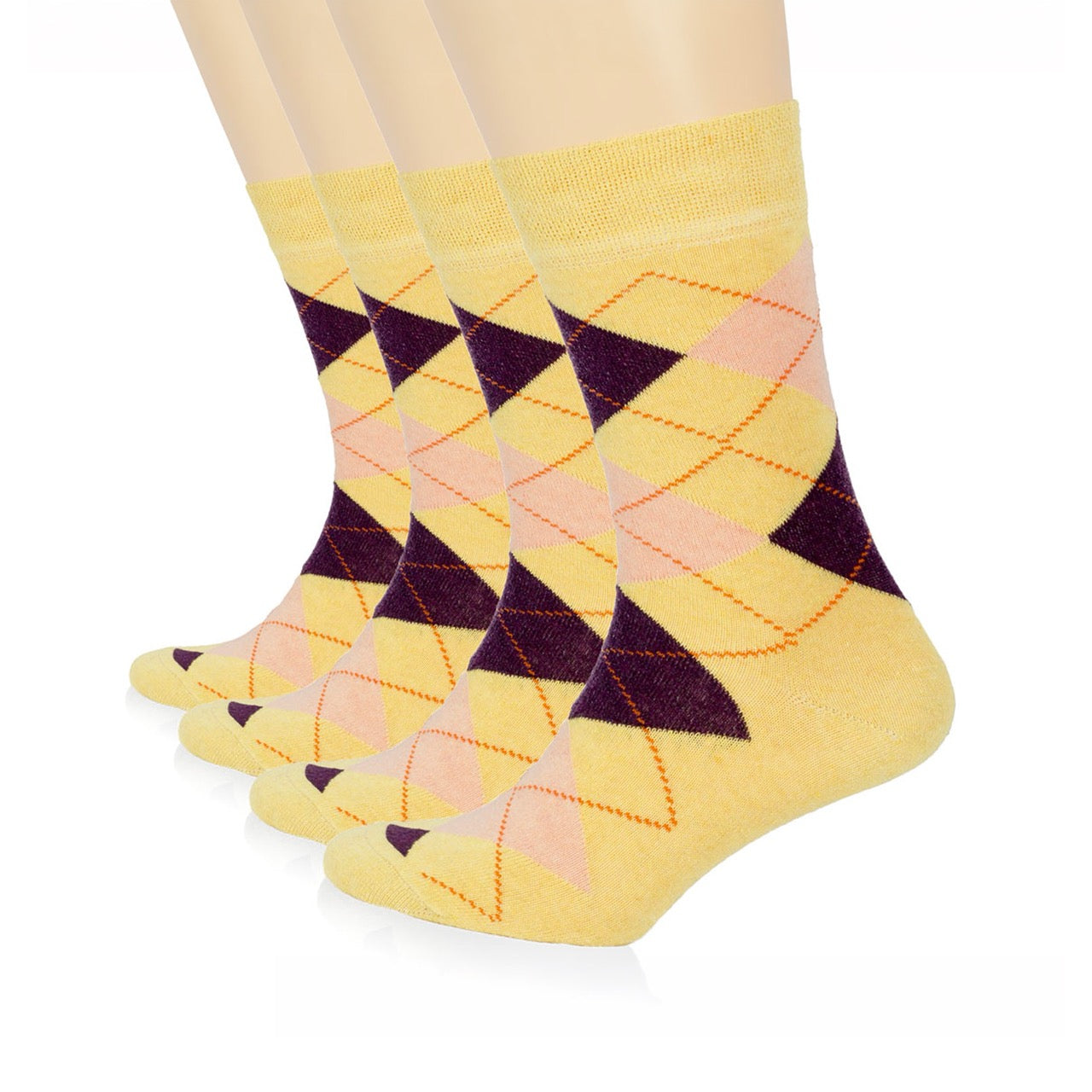
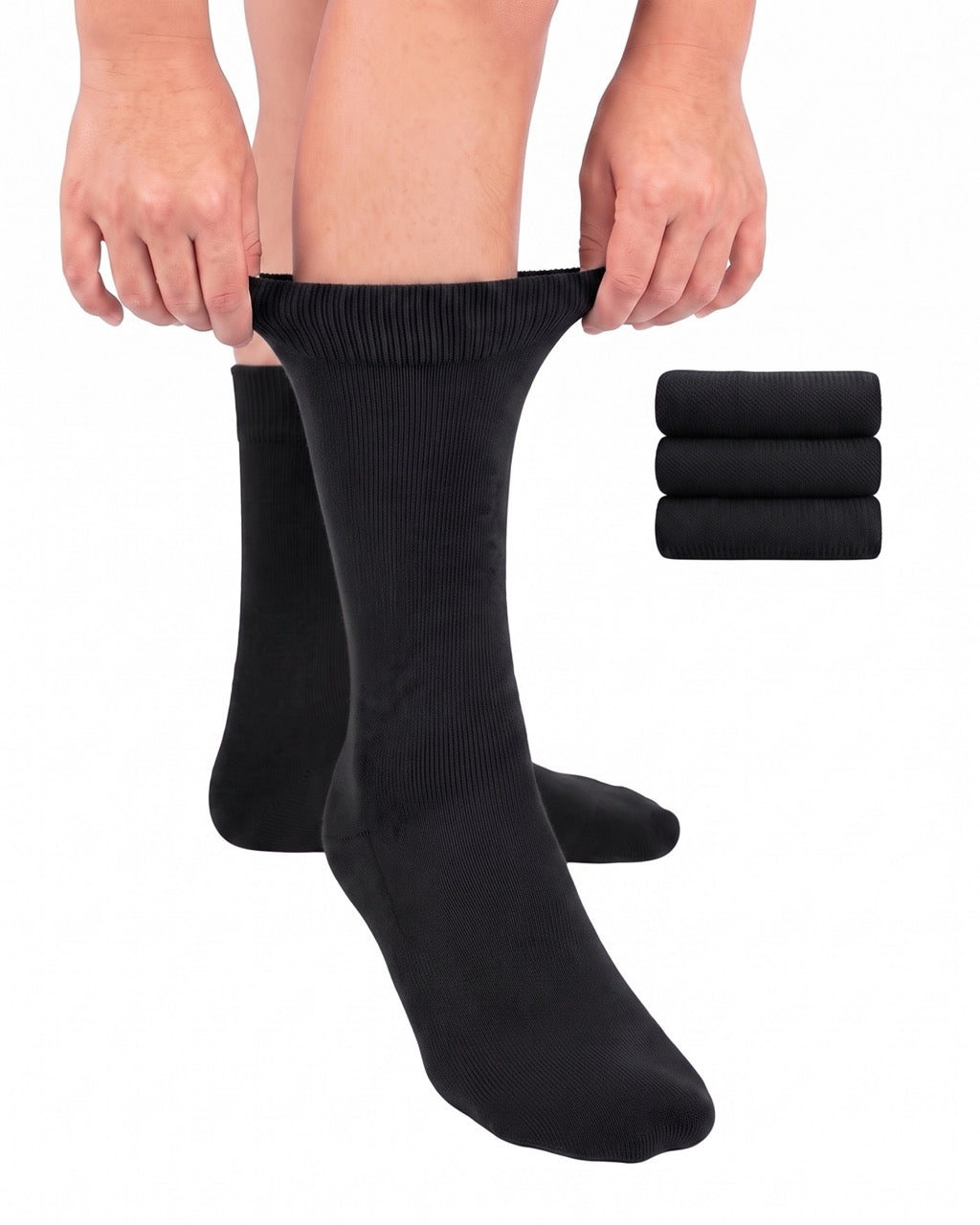
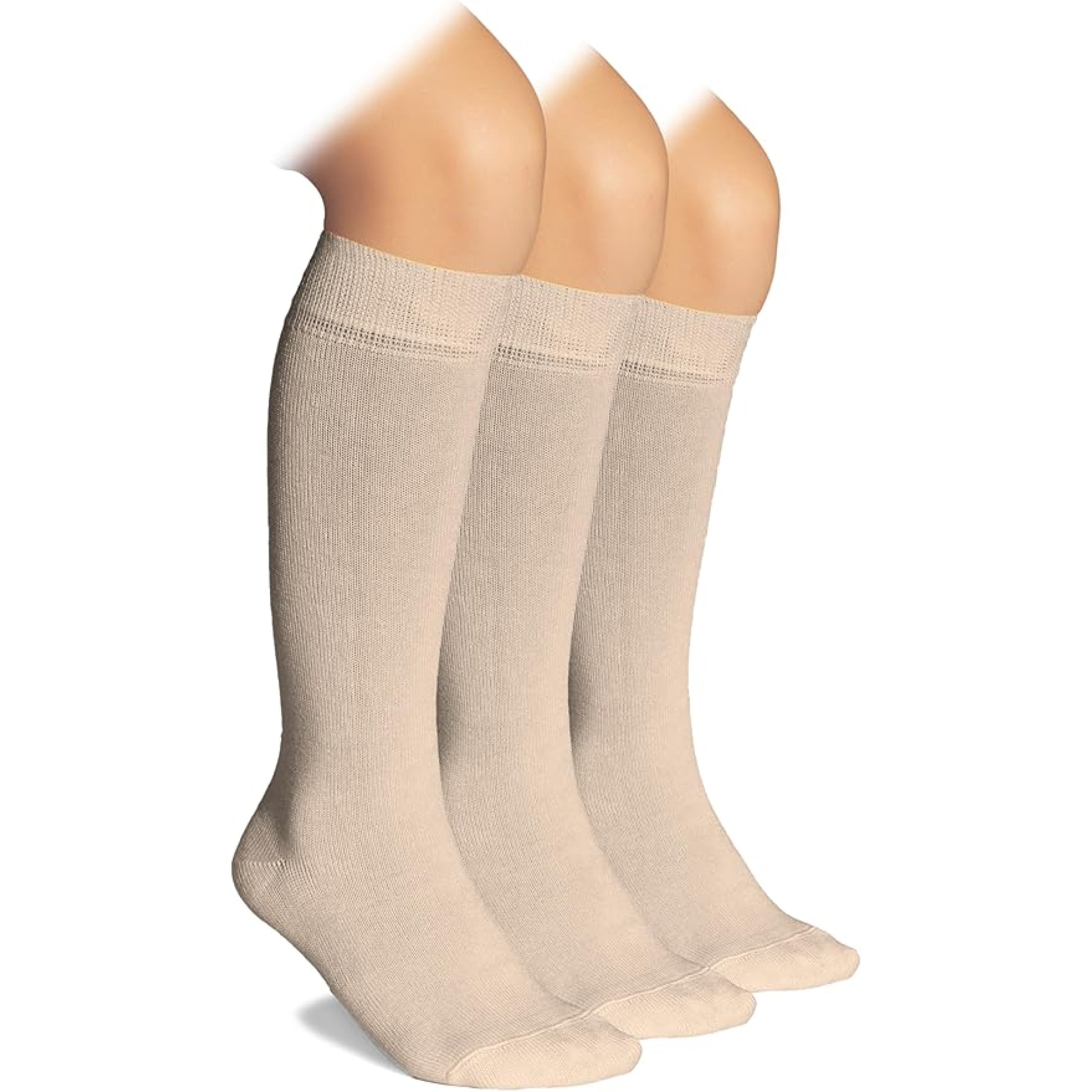


There is no single legal or industry definition of the word thermal on a sock label. It usually means the sock is built to hold heat, through a looped, brushed or waffle knit that traps air, through insulating fibers such as wool, or sometimes just through extra thickness. To judge a pair, read the fiber percentages, turn the sock inside out to check the interior texture, and make sure your shoe still has room for it, because a sock squeezed flat insulates less. Wool and wool blends are the most dependable choice for cold, damp conditions.
Key Takeaways
Walk down any sock aisle in October and the word "thermal" is everywhere. It appears on packages of cotton crews, wool blends, polyester athletic socks and fleece-lined slippers. The word sounds technical and reassuring, as though it promises a measurable level of warmth. But unlike a coat rated for a certain temperature, there is no single legal or industry definition of "thermal" on a sock label. It can mean something quite specific or almost nothing at all.
This guide explains what thermal socks actually are, how the construction and fibers behind that word affect warmth, how thermal compares with wool and with regular cold-weather socks, and how to read the rest of the label so you can judge a pair before you buy. By the end you should be able to pick up a package and know within a minute whether "thermal" is doing real work.
In everyday use, "thermal" means the sock is designed to hold heat close to your foot. The word comes from the Greek for heat, and in clothing it usually refers to insulating properties. In practice, manufacturers use it in three different ways:
Because the third use is common, the word on its own tells you little. The details underneath, which we will cover below, tell you much more.

Warmth in any garment comes from trapping a layer of still air near the body. The air, not the fabric itself, does most of the insulating. A sock keeps your foot warm by doing three things:
Keep those three principles in mind, because they are the lens for judging any thermal claim.
Many thermal socks have a looped interior, similar to a towel. The loops trap air and add cushioning. You can feel the difference by turning the sock inside out: if the inside is bumpy with loops, the sock has a terry or plush construction. This is a good sign for warmth, though it can also make the sock thicker and bulkier in a snug shoe.
Some thermal socks are brushed on the inside to raise a soft nap. This feels cozy on contact and does hold air. The tradeoff is that heavily brushed interiors can be hot indoors and may pill with repeated washing, a problem we explain in our guide to why socks pill and how to stop it.
Textured knits create tiny air pockets in the pattern of the fabric itself. They can be a smart middle ground, adding warmth without a plush interior. They often work well in thin to medium weights.
Some socks are knitted as two layers, an inner moisture-moving layer and an outer insulating layer. The design idea is to move sweat away from skin so it does not chill you. The benefit depends heavily on the fibers used.
A plain knit that is thick but not looped or brushed can still be labeled thermal. These socks may be warm because of their weight, but they tend to hold less air than loop or brushed styles of the same thickness.
Construction sets the stage; fiber decides how the sock behaves once your foot starts to sweat or the weather turns damp.
| Fiber | Warmth | Moisture behavior | Notes |
|---|---|---|---|
| Wool (including merino) | High for its weight | Absorbs moisture without feeling wet right away | Naturally crimped, so it traps air; needs careful washing |
| Acrylic | Moderate to high | Does not absorb much, dries fairly quickly | Often used to imitate wool; can feel warm but less breathable |
| Polyester and polypropylene | Moderate | Very low absorbency, moves moisture along the surface | Quick drying; can hold odor |
| Cotton | Low to moderate | Absorbs and holds water | Soft and comfortable but cools when damp |
| Bamboo-derived fiber | Moderate | Soft and breathable, absorbs moisture | Good for indoor and mild-weather wear |
| Silk | Light but useful as a liner | Wicks moderately | Thin and smooth, best under another sock |
Most thermal socks are blends, for example wool with nylon for durability or cotton with polyester for stretch. Check the fiber content, which is required on the label in many markets, rather than relying on the "thermal" name. For more help decoding terms, our guide to how to read a sock label covers the most common phrases.
This is the question people ask most. The two categories overlap, so the comparison is not always either-or. A wool sock can be thermal, and a thermal sock can contain wool. Where they differ:
If you want predictable warmth in cold, damp weather, wool or a wool blend is usually a dependable choice. If you want a thermal cotton or synthetic sock for a dry day, a looped or brushed interior can make that sock warmer than a flat knit. For a deeper fiber comparison, see our article on alpaca vs. merino socks and our overview of the benefits of wool socks for cold weather.
If wool is what you are after, the Warm Wool Women's Crew Socks are a good example of a cold-weather crew sock, and you can browse more in the wool socks for women collection.
Another common source of confusion is whether thermal socks are different from socks sold for winter in general. The honest answer is that there is no strict line. A winter-weight cotton crew with a cushioned interior is a cold-weather sock and might be marketed as thermal. A thin base-layer sock in a technical fiber might be sold as thermal even though it is far lighter. When shopping, ignore the category name and compare what matters: thickness, interior texture, fiber and fit.
The right level of insulation depends on how and where you will wear the sock. A heavy thermal can be too hot for an office, while a thin one is not enough for standing on a cold sidewalk.
| Situation | What to look for |
|---|---|
| Indoors at home on cold floors | Soft, moderately thick cotton, bamboo or wool blend |
| Commuting and office | Light to mid-weight, breathable; thin enough for dress shoes |
| Outdoor walking in cool, dry weather | Mid-weight wool blend or looped cotton crew |
| Cold, damp or wet days | Wool or wool blend; consider a liner and a spare pair |
| Long hours standing in the cold | Mid-weight wool blend with room in footwear; layering |
| Sleeping with cold feet | Soft, loose-top socks that do not squeeze |
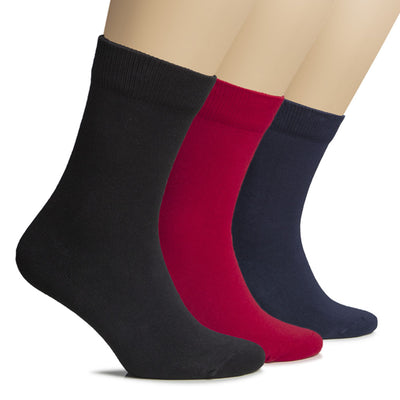
Our women's winter socks collection gathers options for these situations, and the Women's Warm Winter Cotton Dress Crew Socks are a cotton-based choice for cool, dry days at the office or around town.
The biggest mistake with thermal socks is buying thick and forcing them into a shoe that has no room. Insulation depends on loft, and a compressed sock holds less air. A tight shoe can also squeeze blood vessels and slow circulation to your toes, working against warmth. If you are adding a thermal sock, check that your shoes still feel comfortable with it on, and go up a half size if needed. We explain this in our guide to sizing socks for fall footwear, and the first cold snap mistake is worth a read for the same reason.
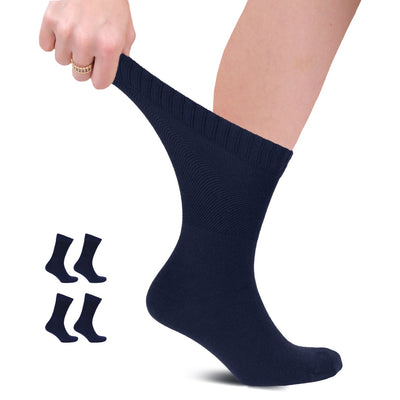
A tight elastic cuff can leave a ring on your leg and feel restrictive over a long day. A relaxed, non-binding top stays up without squeezing. Many people who want warm socks for swollen or sensitive legs choose socks like our Unisex Cotton Diabetic Crew Socks, whose relaxed top suits those who want warmth without compression.
Along with "thermal," you will see other phrases that sound technical but are loosely defined:
A claim backed by specific details, such as fiber content, construction and care, is more reliable than a bold name.
If your feet get cold in a particular situation, adding a second thin layer is often more effective than choosing a single heavier sock. A smooth liner next to the skin moves moisture away, and the thermal layer on top holds the air. Keep in mind that two layers need more room in your shoe, so test the combination before a long day. Our silk liner socks guide shows how this works in practice.
People with sensitive skin, swollen feet or reduced sensation may want to be careful with very thick or tight socks. Bulk can press on the skin and make it harder to notice irritation. If you have diabetes, circulation concerns or neuropathy, ask your healthcare provider which sock style suits you, and look for socks that are soft, seamless and not tight around the leg. Our diabetic socks collection follows these principles.
"Thermal" is a starting point, not a specification. It tells you a manufacturer wants you to think about warmth, and it is up to you to check whether the construction, fiber and fit back that up. Look for air-trapping knits, fibers that cope with moisture, a size that leaves room, and a top band that does not squeeze. Do that and the word on the label will matter far less than how your feet feel at the end of a cold day.
It generally means the sock is designed to hold heat, through a looped or brushed knit, insulating fibers or extra thickness. There is no standard definition, so check the details.
Not necessarily. Wool is a fiber and thermal is a design intent, so a wool sock can be thermal. Wool tends to be dependable in cold, damp weather.
No. Insulation depends on trapped air, so a thick sock compressed in a tight shoe can be less warm than a thinner sock with room.
Read the fiber percentages, turn it inside out to see the interior texture, squeeze to see if it springs back, and try it with your shoes.
Wash inside out in cool or warm water, skip fabric softener and dry on low heat or air dry to protect loops, brushed interiors and wool.

Discover All Hugh Ugoli Socks
Shop All Socks