Cart
0
You may also like
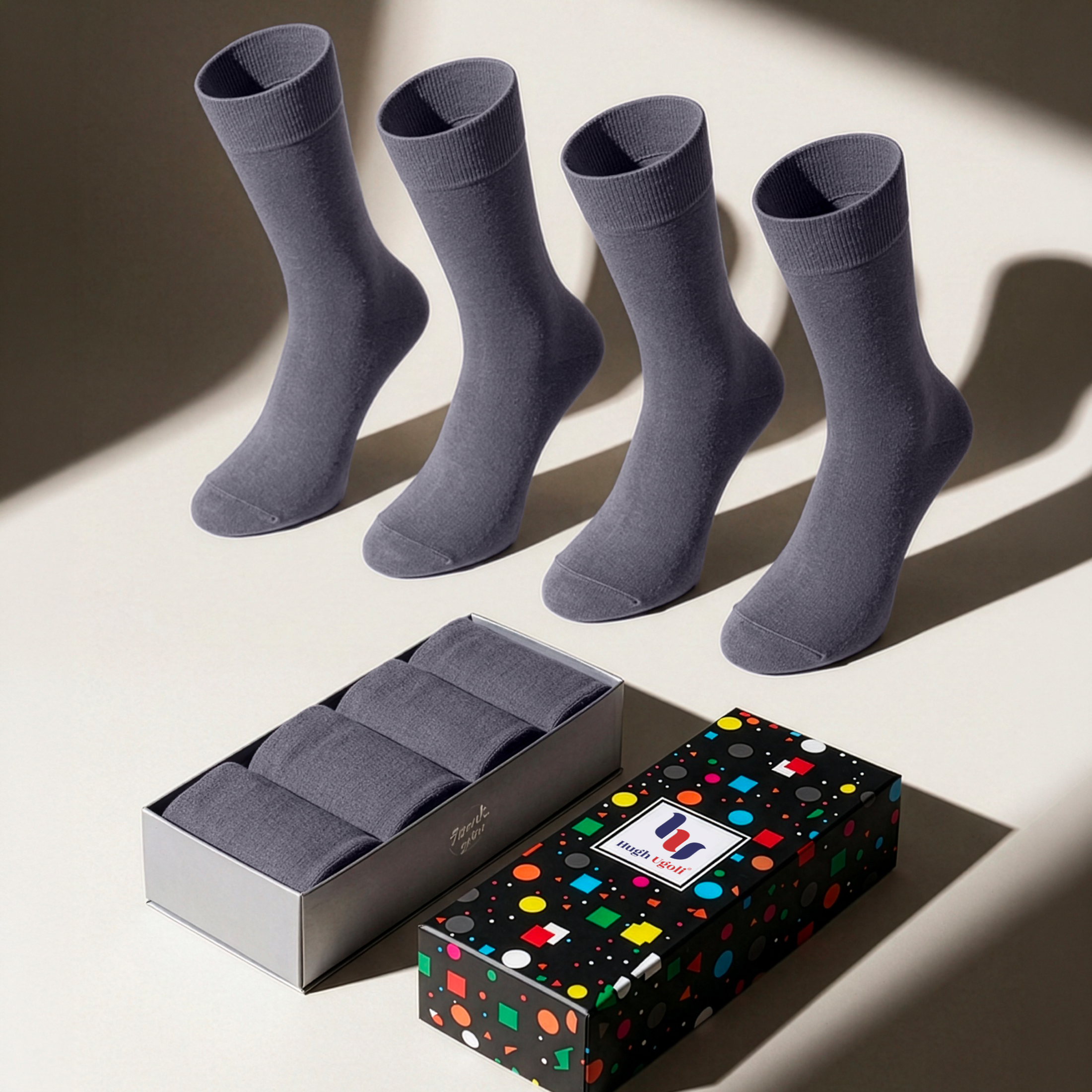
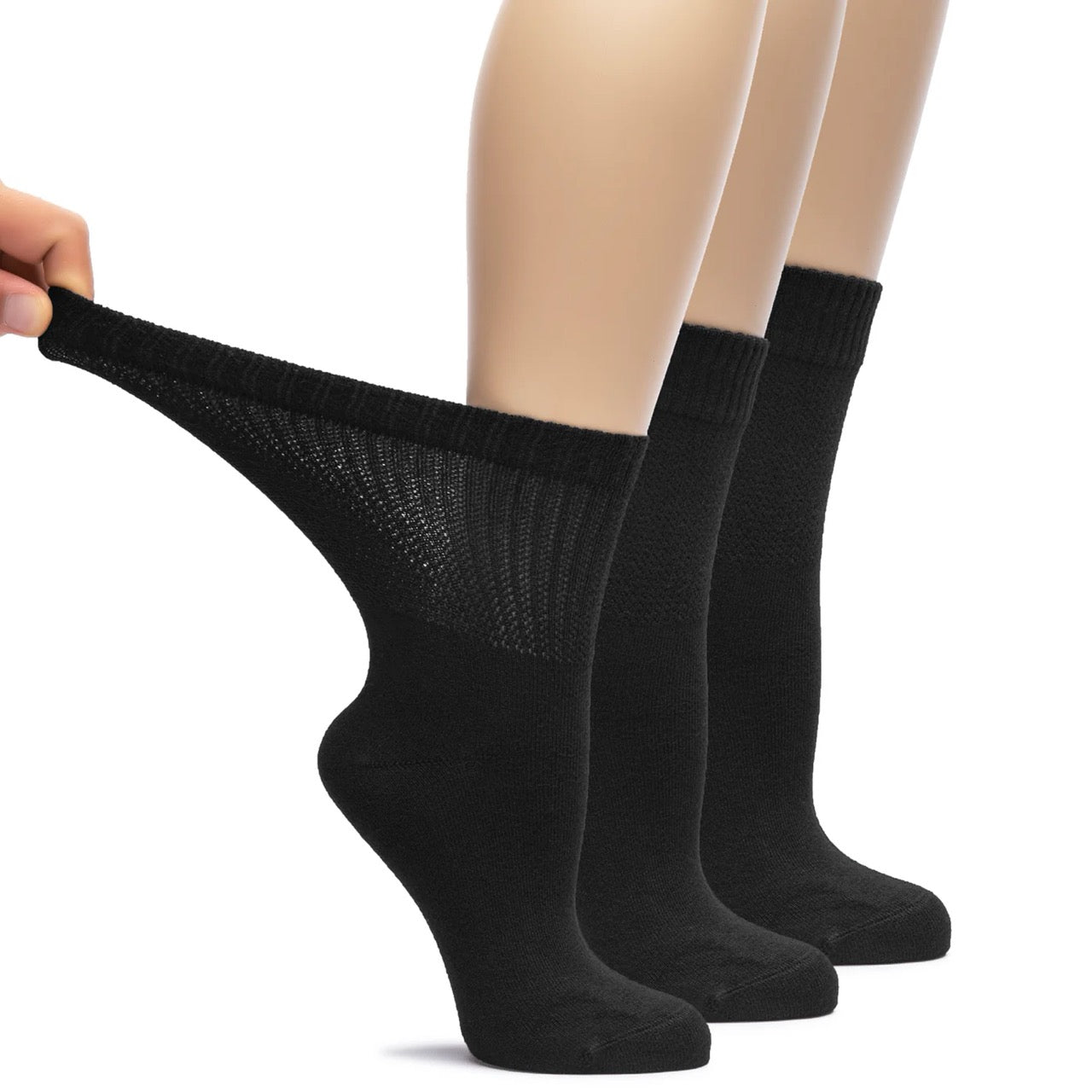
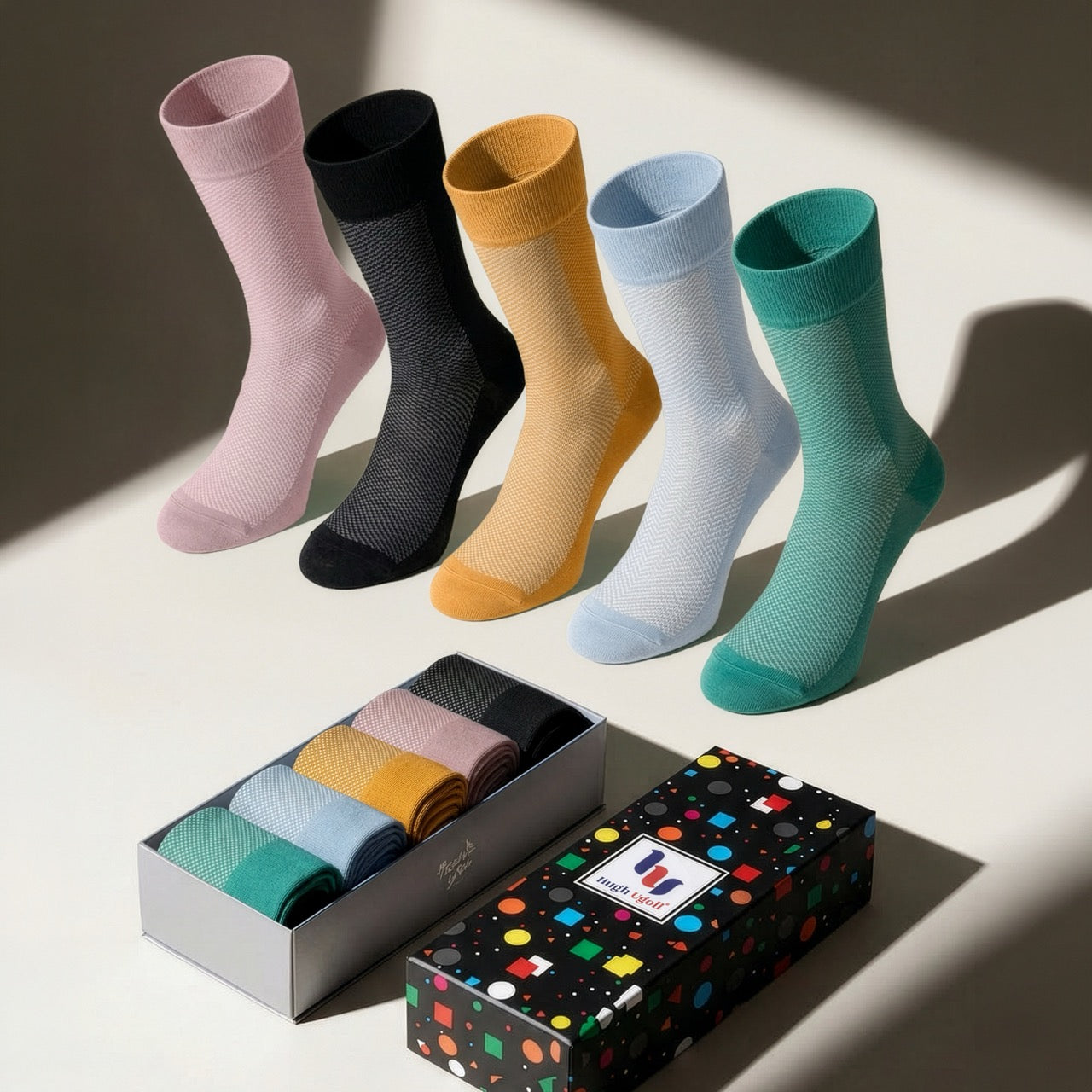
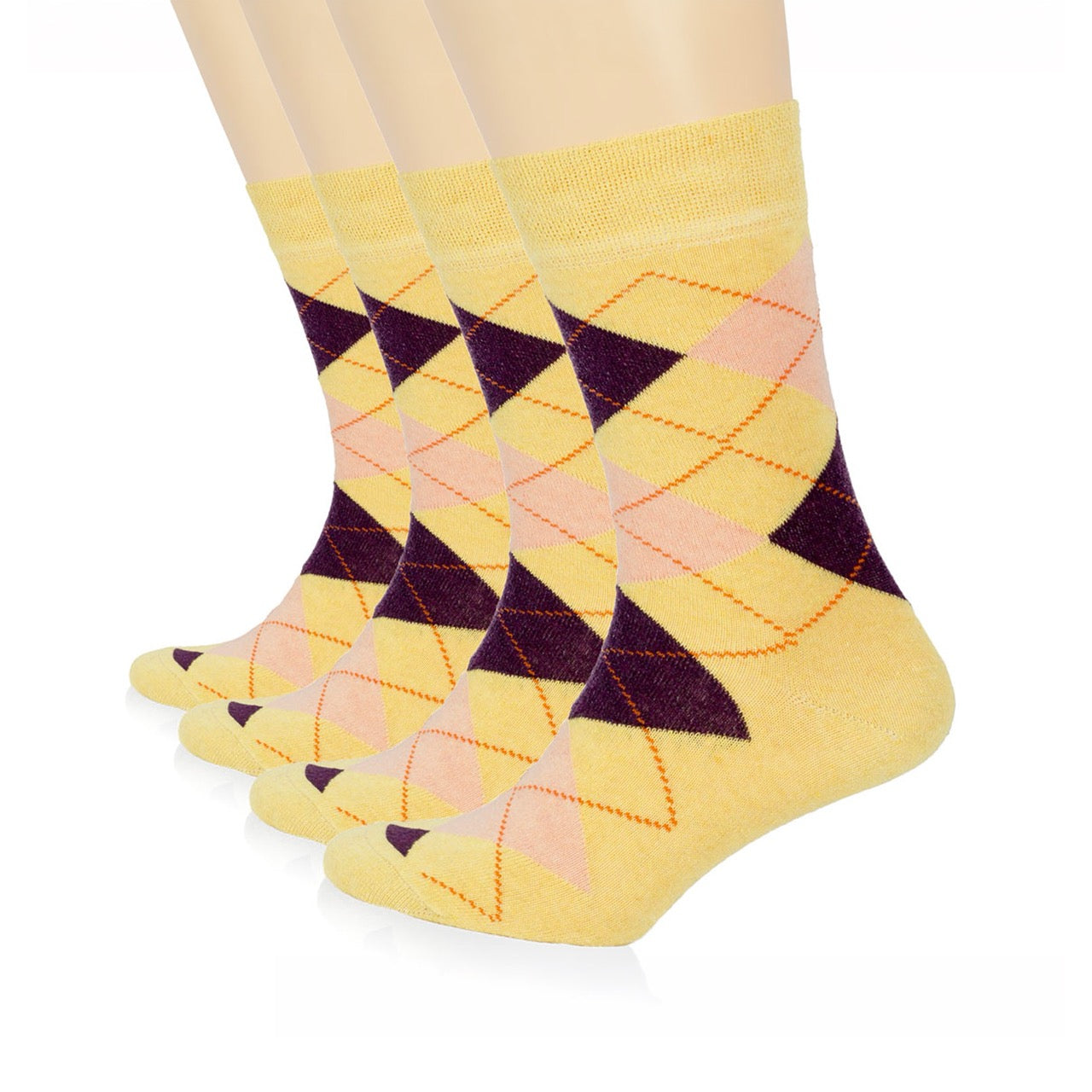
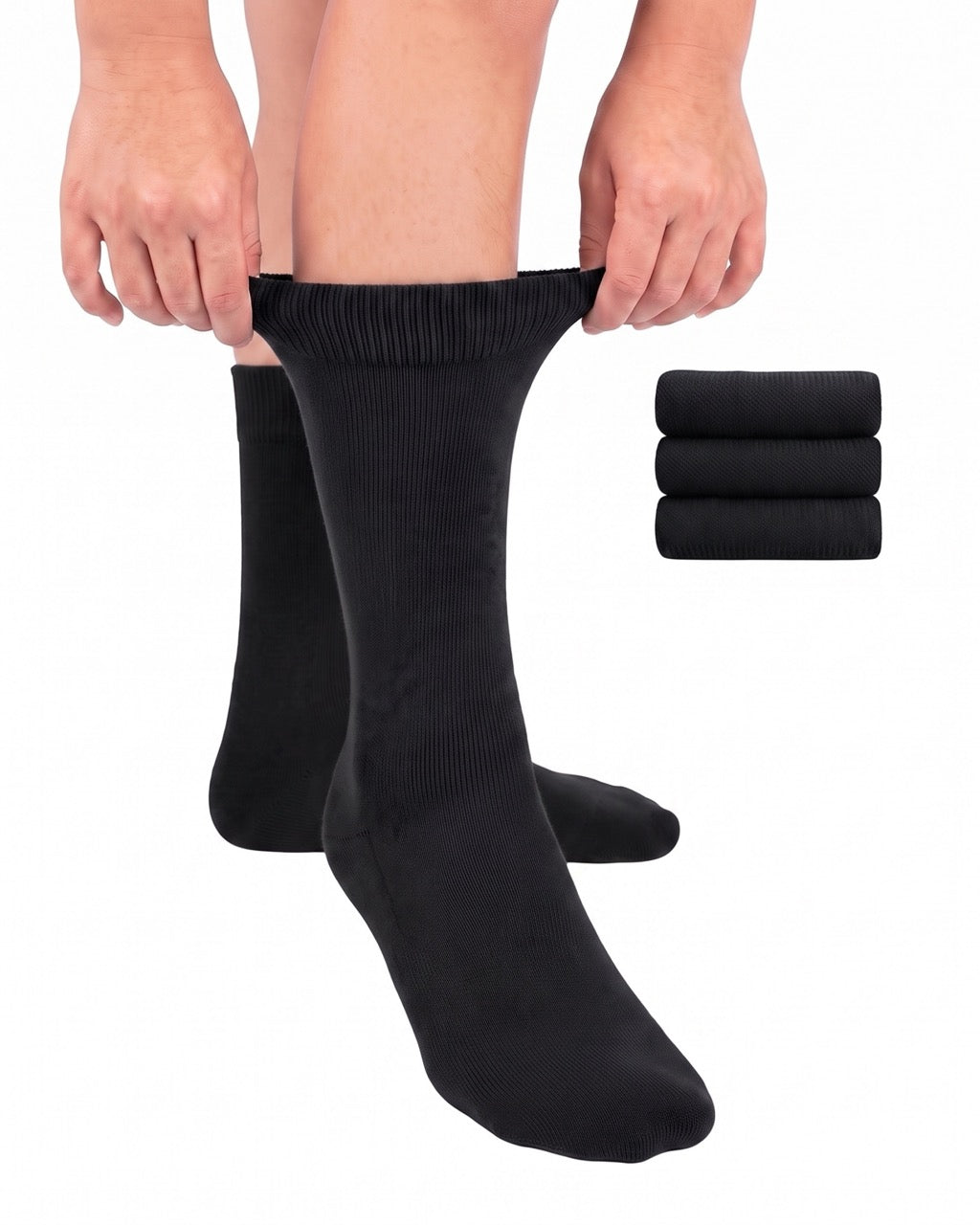
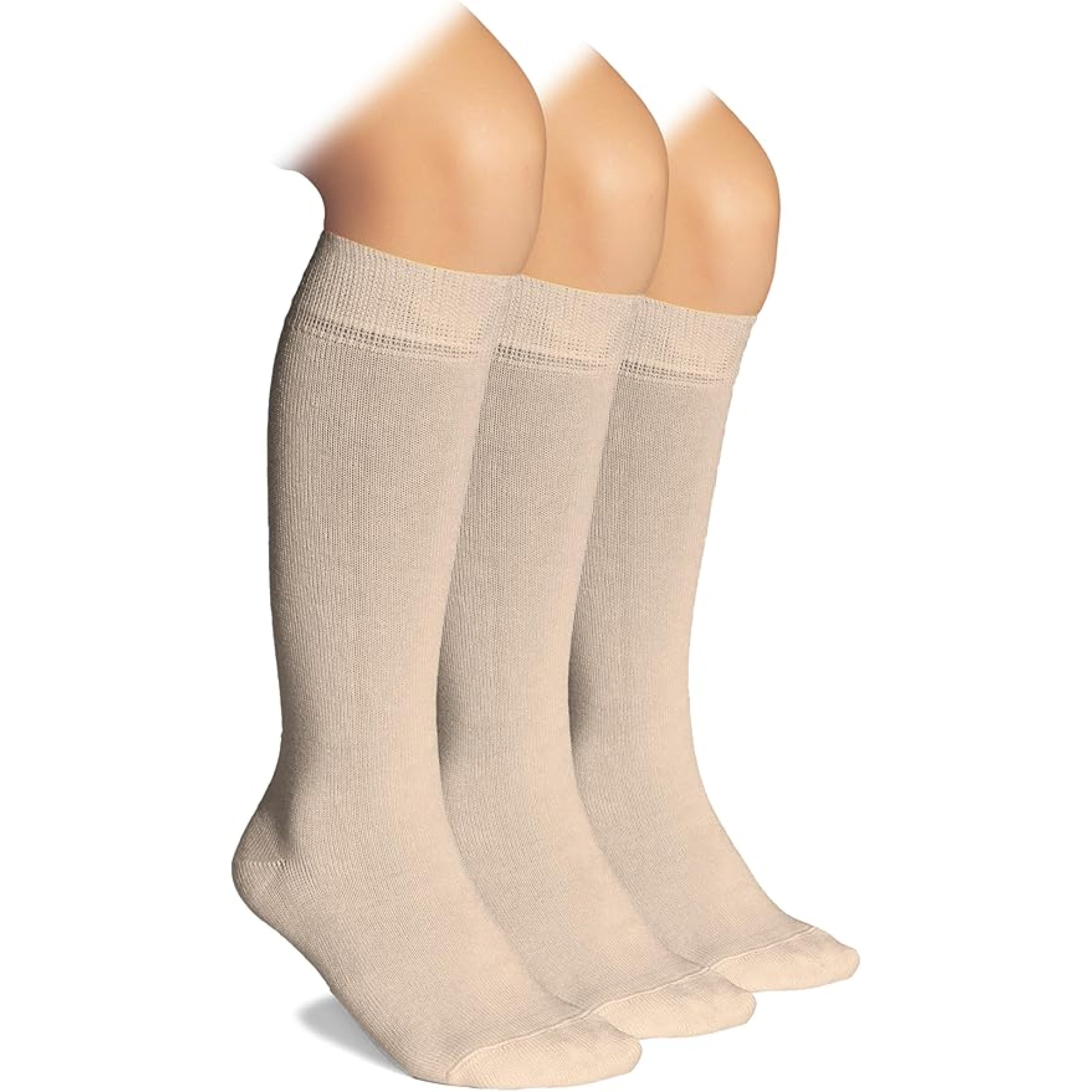


The best socks for boots are long enough to end at least two inches above the boot shaft, thin or thick enough to match how the boot was sized, and made of a fiber suited to the day's weather. Crew socks suit ankle, Chelsea and most lace-up boots; mid-calf or knee-high socks suit taller shafts; tall riding boots need knee-highs. Never let the sock end right at the boot line, where the edge rubs. Check that the heel pocket sits on your heel, choose a cuff that holds without squeezing, and try boots on wearing the socks you'll actually use with them.
Key Takeaways
Every autumn follows the same pattern. The boots come out of the closet, you pull on whatever socks are nearest, and by lunchtime something is wrong. The sock has slipped down inside the shaft and bunched under your heel. Or the cuff is sitting right where the boot top rubs. Or your feet are hot and damp in a boot that felt fine in the shop. None of these are really boot problems. They are sock problems, and most of them come down to three things: length, thickness and fit.
This guide walks through how to size socks for fall footwear specifically: ankle boots, Chelsea boots, lace-up work and hiking boots, tall riding boots and knee-high fashion boots. It covers what length of sock goes with which shaft height, how sock thickness changes the way a boot fits, how to sort out sock size versus shoe size, and what fibers make sense for a season that can swing twenty degrees between morning and afternoon.
A sneaker leaves the ankle free. A boot does not. Once a shaft rises above the ankle bone, the sock and the boot share the same space for several inches, and anything that happens inside that space gets magnified.
So the goal in boot season is simple: pick a sock long enough to clear the boot line, thick enough to fill the boot correctly, and made of something that handles moisture without overheating.

This is the single most useful rule of boot season: your sock should end at least two inches above the top of the boot, or be completely hidden well below it. The one place a sock should never end is right at the boot line.
| Boot type | Typical shaft height | Best sock length | Why |
|---|---|---|---|
| Chukka / low ankle boot | 4–5 in | Crew | Clears the collar so it can't rub bare skin |
| Chelsea boot | 5–6 in | Crew or mid-calf | Elastic side panels grip the sock; a longer sock stays put |
| Lace-up work / hiking boot | 6–8 in | Crew (higher) or mid-calf | Laces tighten around the ankle; the sock must extend past the top eyelets |
| Mid-calf fashion boot | 9–12 in | Mid-calf or knee-high | A crew sock ends inside the shaft and will slide |
| Tall / riding / knee-high boot | 14–18 in | Knee-high | Only a full-length sock protects the calf from the shaft lining |
| Ankle bootie (low, with trousers) | 3–4 in | Crew or trouser sock | Hides the gap between hem and boot when you sit |
A sock that ends inside the shaft is held in place by nothing except its own cuff. Every step pulls it down a little, and the boot has no reason to push it back up. A sock that extends past the shaft is partly held by the boot itself, and the cuff sits on your leg rather than under the boot edge. That is why a knee-high under a tall boot stays put all day while a crew sock under the same boot is at your heel by 11am.
No-show socks are for loafers and sneakers. Inside a boot, they leave the whole ankle and lower shin to rub against the lining, and they tend to creep off the heel. If you want the look of bare ankles with a cropped trouser and an ankle boot, a thin crew sock in a color that matches the boot is almost always a better answer.
Length decides where the sock ends. Thickness decides how the boot fits. Both matter, but people usually think about length and ignore thickness until their boots feel tight.
When you try on boots, wear the sock you actually plan to wear with them. It sounds obvious, but many people try on boots in whatever thin sock they walked into the store in, then add a thick sock at home and wonder why the boots pinch. A heavy wool sock can easily take up half a shoe size of internal volume.
If you already own the boots, reverse it: bring your boots to the sock drawer. Put on each candidate sock, lace or zip the boot fully, and walk for a couple of minutes. You are checking three things:
If the heel lifts, a slightly thicker sock may actually improve the fit. If the instep presses, go thinner.
This is where many boot complaints actually start. A sock that is too big bunches. A sock that is too small pulls the toes back, wears through at the heel and slides down because the heel pocket sits in the wrong place.
Most sock brands sell in size ranges that cover several shoe sizes. The trouble is that where you fall within that range matters. If you are at the very top of a range, the sock will be stretched tight and the heel pocket may sit above your actual heel. If you are at the bottom, you get extra fabric at the toe, and that extra fabric has nowhere to go in a boot.
If you are between ranges, the safer choice for boots is usually the range where you sit in the middle, not at either end. Our size charts for women, men and kids show how each style maps to shoe size, and our longer piece on what size sock you actually need covers the edge cases in detail.
Put the sock on and look at where the heel pocket sits. It should cup your heel exactly. If the pocket is sitting on the back of your ankle, the sock is too small. If it is sliding under your foot, the sock is too big. In a boot, this matters more than anywhere else, because a misplaced heel pocket is the start of almost every sock that slips down inside a shaft.
Boot season also means longer socks, and longer socks have more cuff to worry about. A cuff that grips too hard leaves a deep ring on the calf by evening, especially if your legs tend to swell a little over the day. A cuff that is too loose slides. What you want is a cuff that stays up because it is shaped well, not because it is squeezing. That is the idea behind non-binding tops: a wider, softer band that holds without digging in.
Chelsea boots have elastic gussets on each side and no laces, so they grip the ankle through the sock. Thin to medium crew socks work best. Go too thick and the boot becomes hard to pull on. Colors matter here too, because the elastic panel often shows when you sit. A dark sock that matches the boot or the trouser keeps the line clean.
These boots are built to carry load and are usually sized with a cushioned sock in mind. A medium to heavy crew or mid-calf sock is standard. Make sure the sock rises clearly above the top eyelet, because the laces pull tight at exactly that spot. For long days on your feet, a sock with cushioning under the ball and heel makes a real difference.
Knee-high socks are really the only option. Anything shorter slides down, and the shaft lining will rub your calf. For slim leather riding boots, a thin knee-high keeps the fit neat. For roomier fashion boots, a medium knee-high adds warmth. Our women's knee-high bamboo dress socks are thin enough for slim boots and long enough to clear most tall shafts.
This combination is where people get the most stuck. A few options that work:
What doesn't work is a sock that ends just at the boot edge, where it looks accidental.
Fall weather is inconsistent. A 45°F morning can become a 70°F afternoon, and a sock that is right at 8am can be too warm by 2pm. Fiber choice matters.
| Fiber | Warmth | Moisture handling | Best for |
|---|---|---|---|
| Cotton | Moderate | Absorbs well, dries slowly | Dry, mild days; casual ankle boots |
| Bamboo viscose | Light to moderate | Soft and breathable feel | Leather boots worn indoors and out; people who run warm |
| Wool (merino and blends) | High, even when damp | Handles moisture well | Cold mornings, wet weather, work and hiking boots |
| Synthetic blends | Varies | Dries fast | Active use, especially mixed with natural fibers |
Most people don't need a new drawer, just a few changes. For a normal week in October, something like this covers most situations:
If you want the bigger picture on moving your drawer from summer to autumn, our guide to transitioning your sock drawer for fall covers what to put away and what to bring forward.
Usually one of three causes: the sock is too short for the shaft, the sock is too big so the heel pocket is in the wrong place, or the cuff has lost its elasticity. Try a longer sock first. If that doesn't help, check the size. If it is an old pair, replace it.
Your sock is ending at or below the boot line. Move up one length. A crew instead of a quarter, a mid-calf instead of a crew.
Almost always a thickness mismatch. You tried them on with thin socks and are now wearing thicker ones. Go back to thinner socks, or accept that this pair of boots is a thin-sock boot.
Look at fiber first. A heavy cotton sock in a leather boot will hold moisture. A lighter bamboo or wool blend usually feels better. Rotate boots if you can, so each pair dries fully between wears.
The cuff is too tight, or your legs swell a bit over the day. Look for knee-highs with a wider, softer top band. If the marks are deep or painful, or if you notice swelling that doesn't go down overnight, mention it to your doctor.
Boots hide most of the sock, but not all of it. When you sit, cross your legs or wear cropped trousers, several inches can show. A few simple principles:
For the full range, browse our women's winter socks, wool socks for women and men's crew socks.
Boots are less forgiving than sneakers if your feet swell during the day or if you have reduced sensation. A few things are worth adjusting:
If you manage diabetes or neuropathy, our diabetic socks collection is built around a softer top and seamless toe, which translates well into boot season.
Before you commit to a sock and boot combination for the day, run through this:
If all six are yes, you are unlikely to be adjusting your socks at lunchtime.
Everything above scales into winter with one change: thickness and warmth go up, and fit becomes even more important because you will be layering and wearing boots for longer. Before you buy winter boots, decide which socks you'll wear with them and bring those socks to the fitting. It is the easiest way to avoid buying boots that are fine in November and tight in January.
Boot season is less about finding the perfect sock and more about pairing the right length, thickness and fiber with each specific boot. Once you have a small set of socks for each boot you own, getting dressed in the morning stops being a guess.
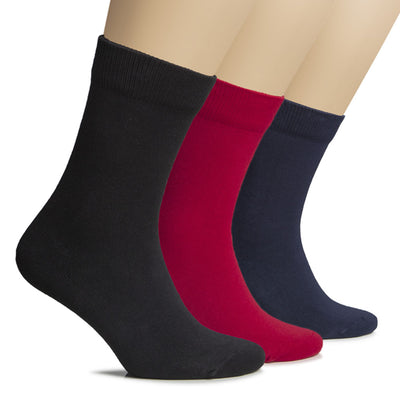
Crew socks are usually the best choice. They clear the top of the boot so the collar can't rub bare skin. Choose a thin crew for sleek leather or Chelsea boots, and a medium-weight crew for casual or lace-up ankle boots.
Usually the sock is too short for the boot shaft, too big so the heel pocket sits in the wrong place, or the cuff has lost its stretch. Try a longer sock first, then check the size, and replace old pairs.
Knee-high socks. Shorter socks end inside the shaft, slide down, and leave your calf exposed to the boot lining. Thin knee-highs suit slim riding boots; medium ones add warmth in roomier boots.
Match the sock to how the boot was sized. Slim leather and Chelsea boots usually need thin socks, while work and hiking boots are designed for cushioned or wool socks. Try boots on wearing the socks you plan to use.
It's usually not a good idea. No-show socks leave the ankle and lower leg to rub against the boot lining and tend to slip off the heel. A thin crew sock in a color matching the boot gives a similar look with far more comfort.


Discover All Hugh Ugoli Socks
Shop All Socks