Cart
0
You may also like
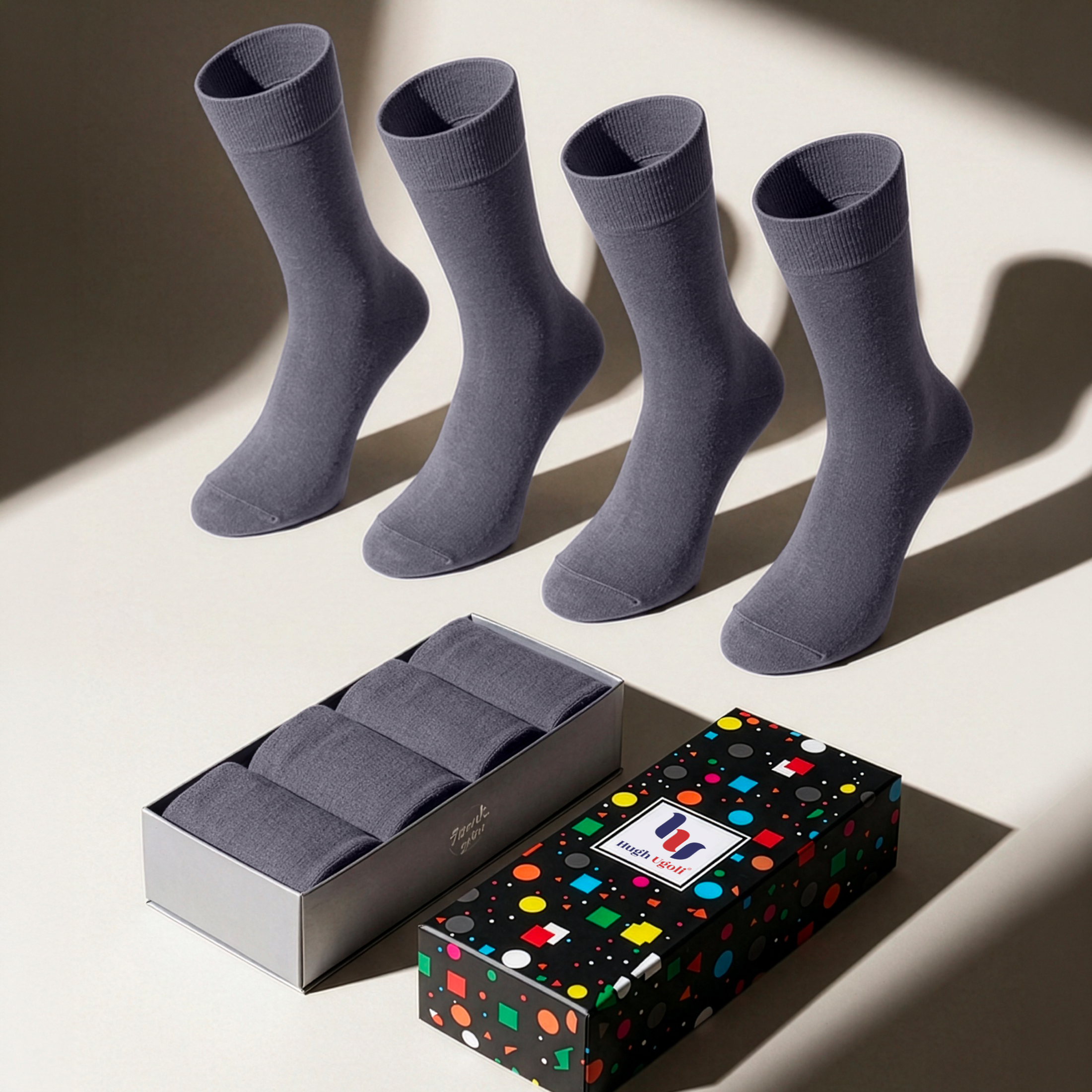
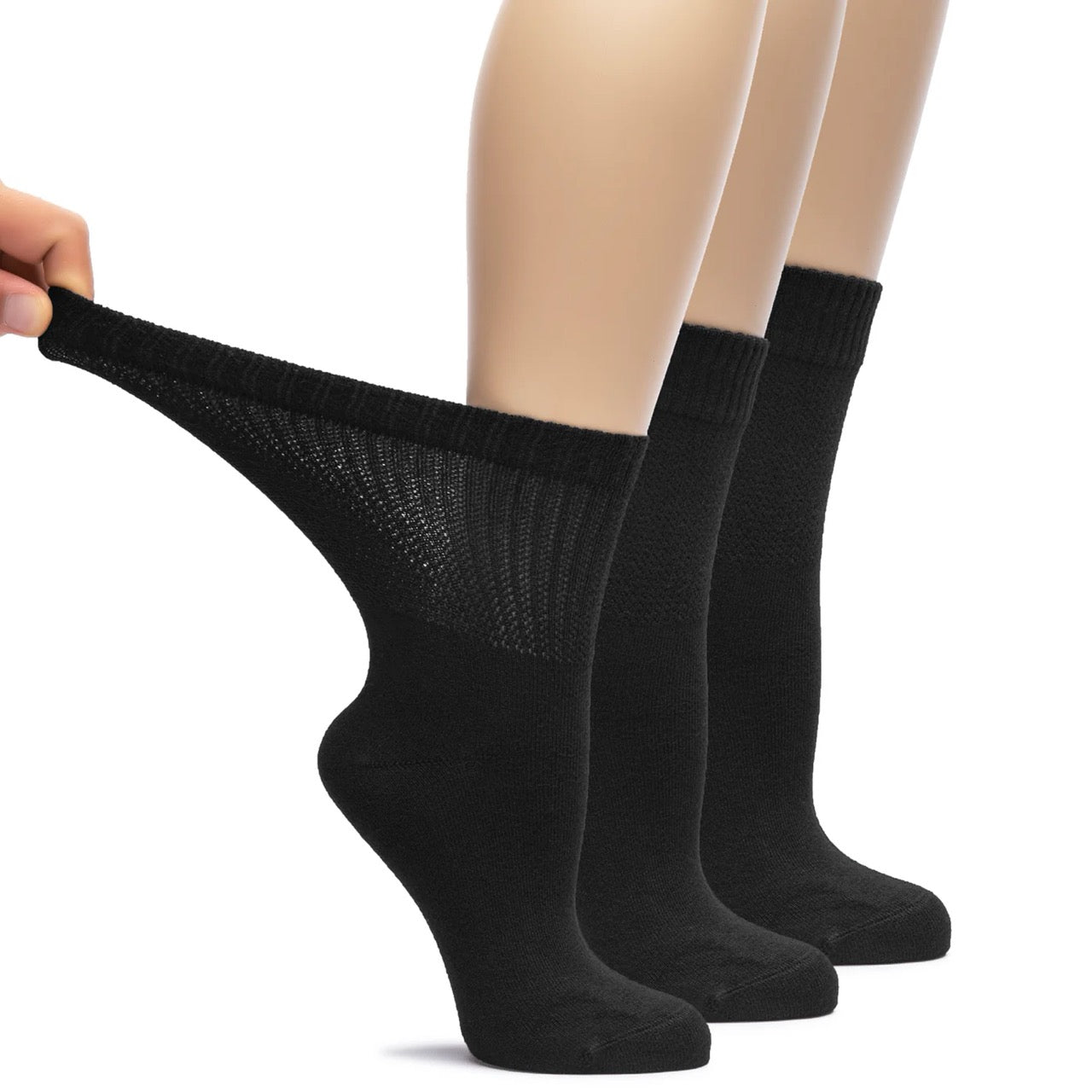
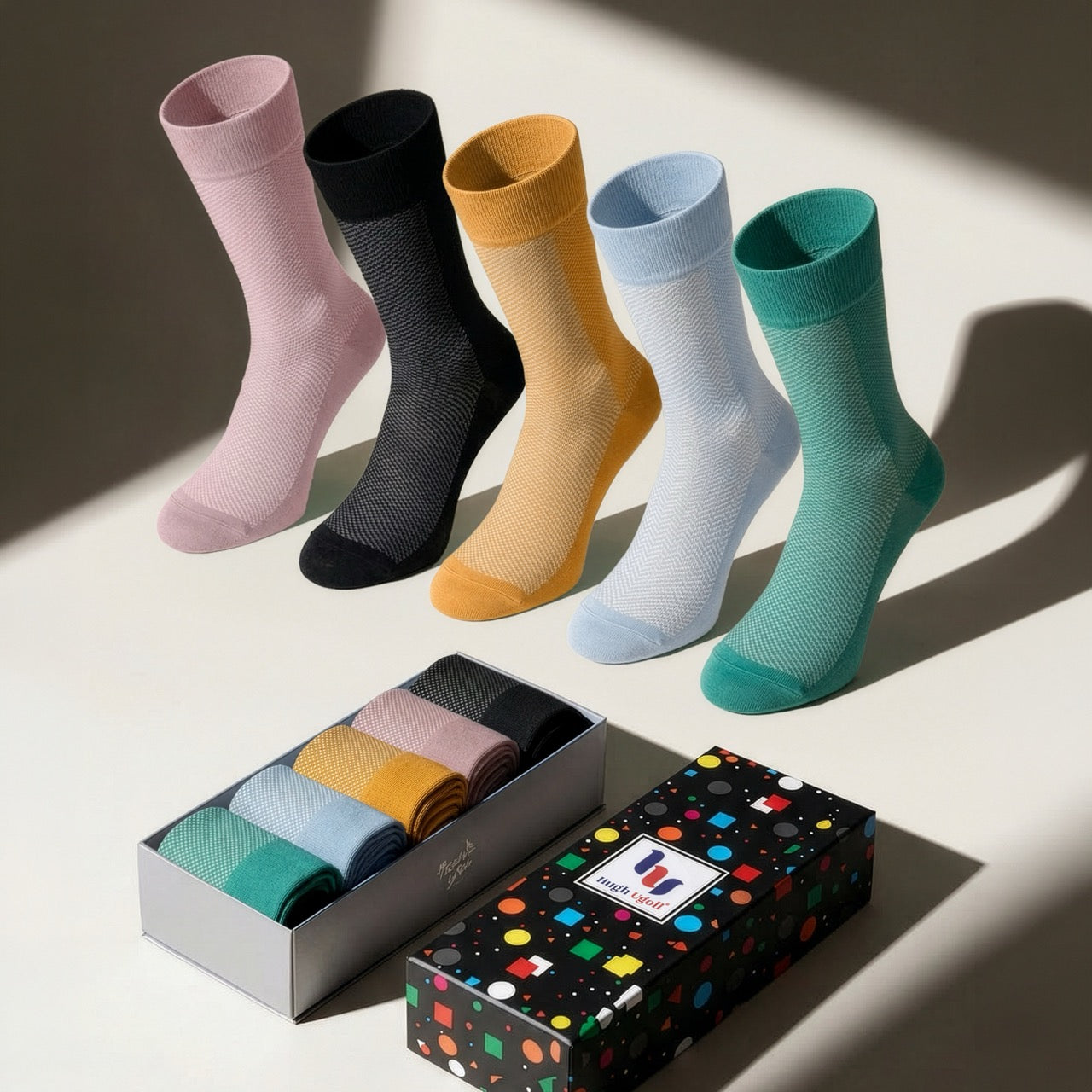
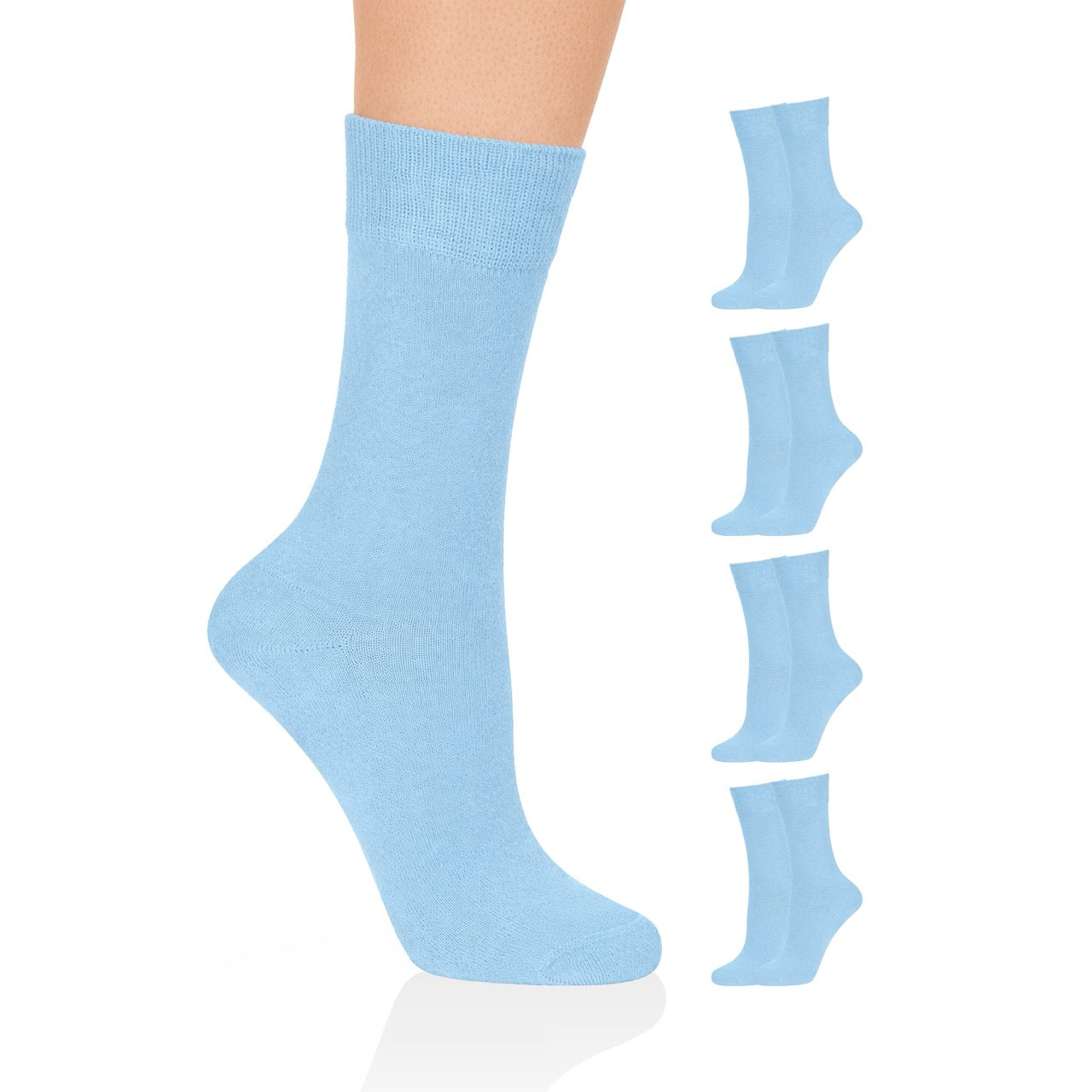
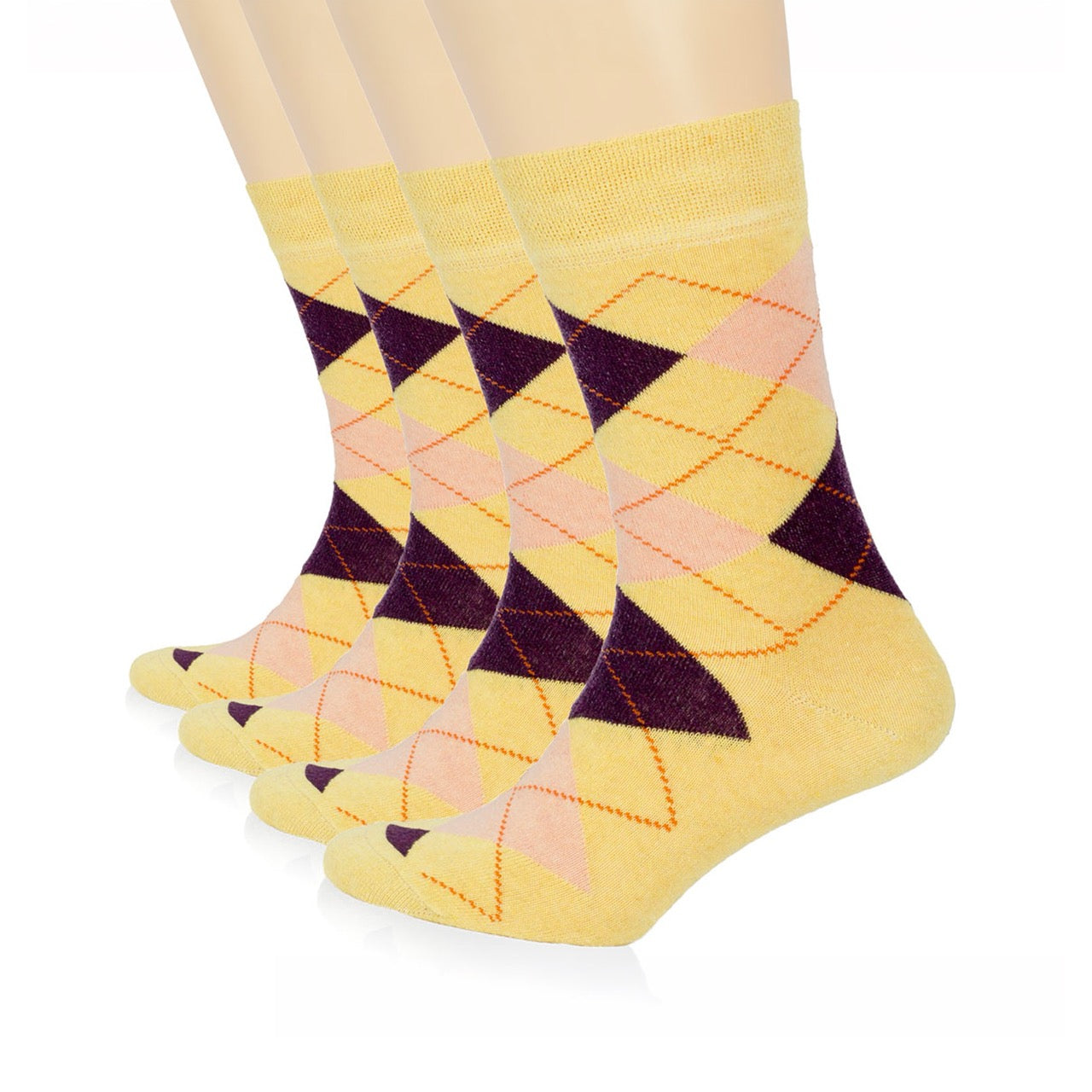
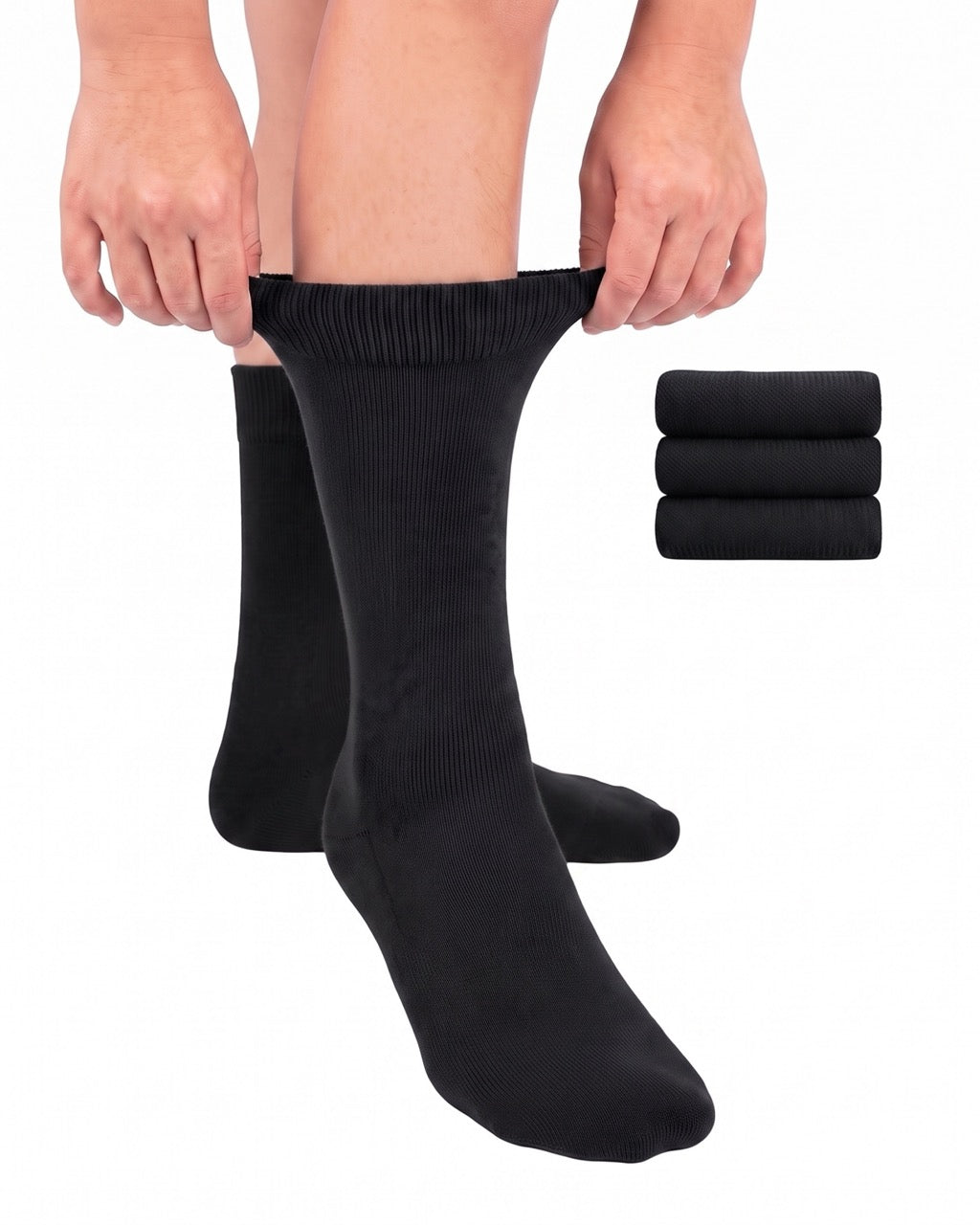
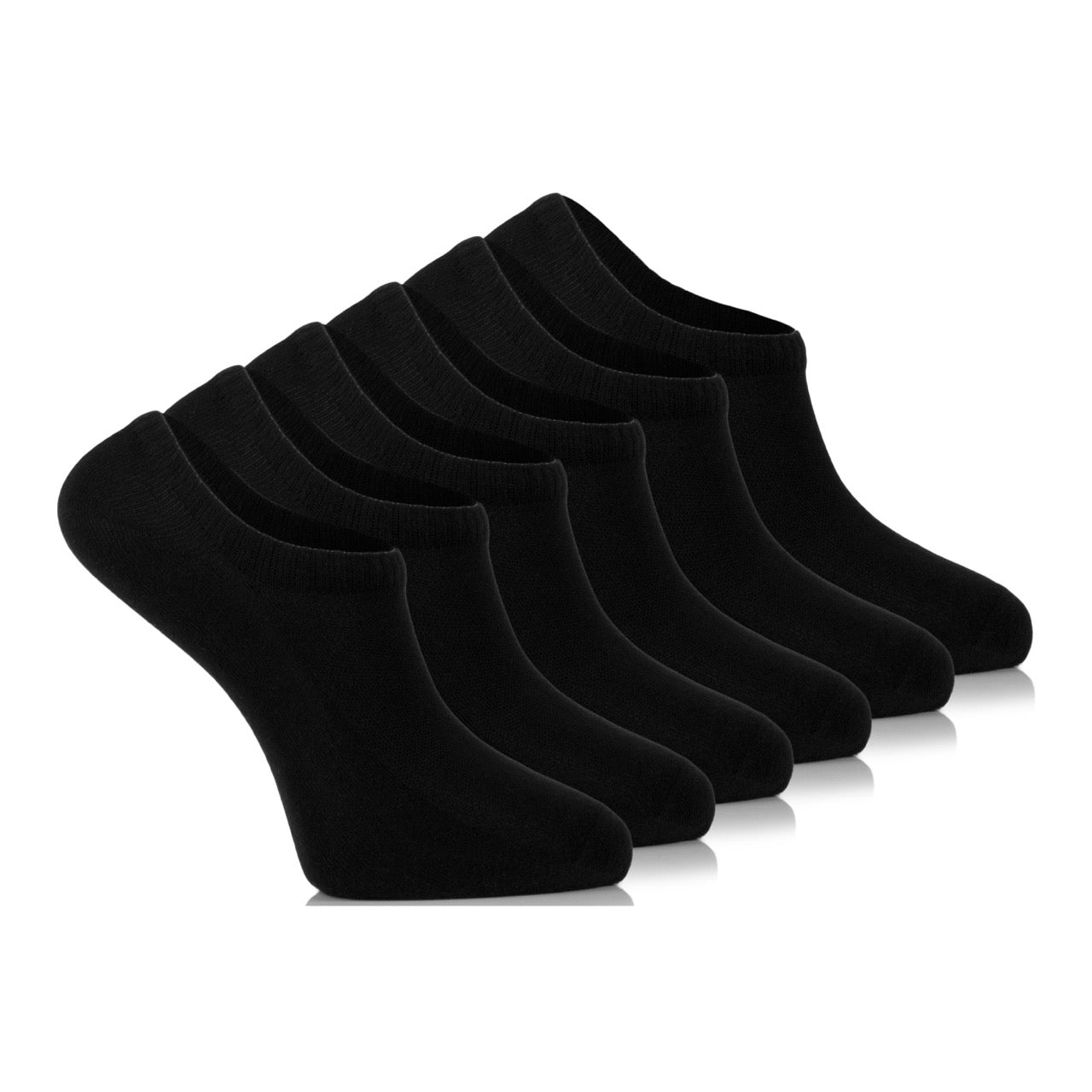
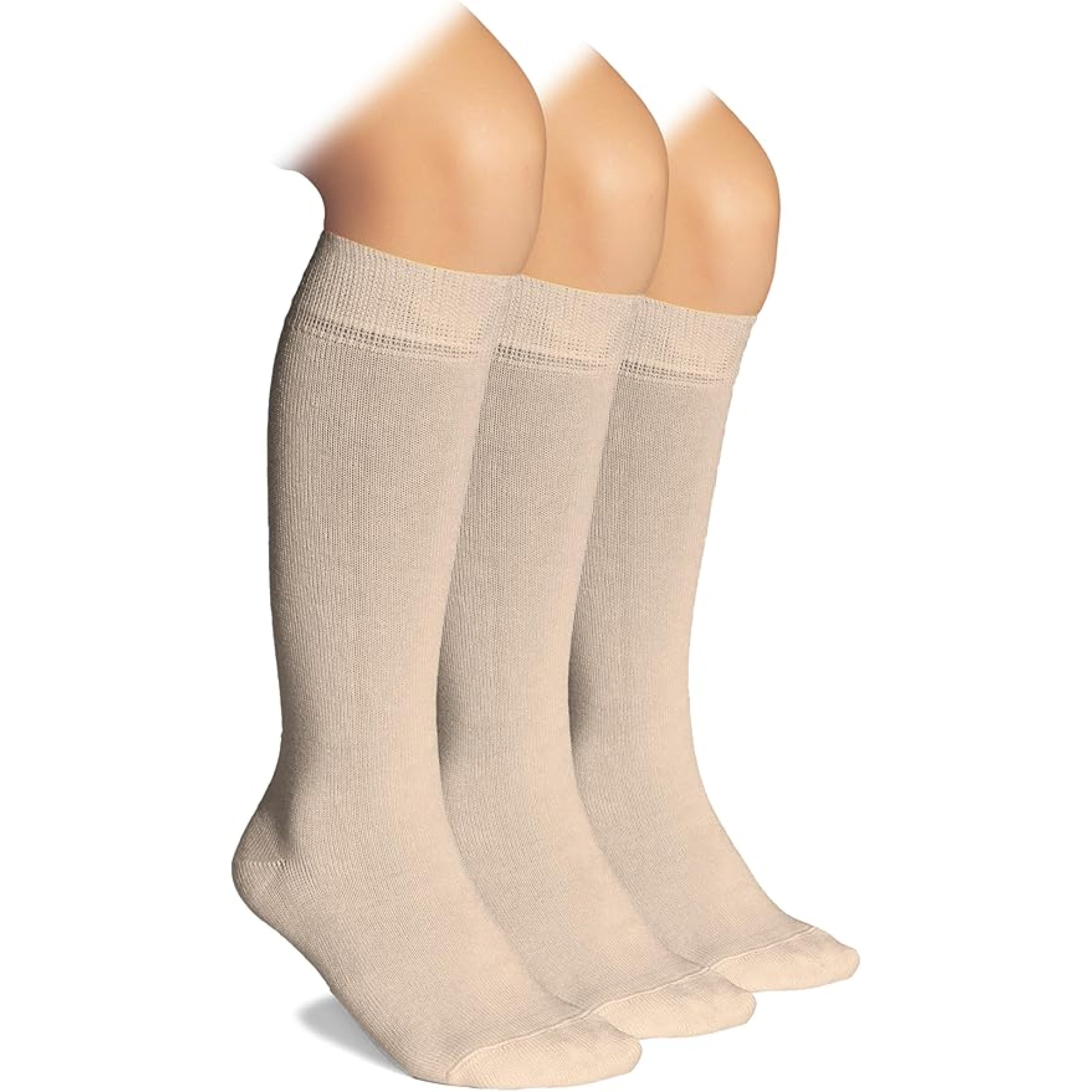


The best socks for neuropathy have four things in common: a seamless toe, a non-binding cuff, moisture-wicking fabric, and a smooth interior with no rough textures. Bamboo diabetic socks meet all four — the fiber is naturally soft, pulls moisture away from the skin, and is typically built with seamless toes and loose-knit cuffs. Socks cannot repair nerve damage, but they remove the friction, pressure, and moisture that make sensitive or insensate feet more vulnerable.
Key Takeaways
If you live with peripheral neuropathy, you’re familiar with the paradox of feet that feel too much and too little at the same time — burning, tingling, sharp pain, and yet reduced ability to detect a blister, a rough sock seam, or a pebble in your shoe. The socks you wear play a more meaningful role in daily comfort than most people realize. This guide explains what peripheral neuropathy does to foot sensitivity, what qualities make a sock genuinely helpful for neuropathic feet, and how to choose between the options available.
Peripheral neuropathy is damage to the nerves outside the brain and spinal cord, most often affecting the feet and hands. The National Institute of Diabetes and Digestive and Kidney Diseases (NIDDK) notes that diabetic neuropathy is one of the most common causes, affecting up to half of all people with diabetes over the course of their lifetime. Neuropathy can also result from autoimmune conditions, chemotherapy, alcohol use disorder, B12 deficiency, kidney disease, and other causes.
The nerve damage doesn’t affect all people the same way. Some experience heightened sensitivity — even the touch of a sock fabric can feel painful. Others experience reduced or absent sensation — meaning they can’t feel injuries that would otherwise prompt immediate attention. Both presentations create risks around footwear: for the hypersensitive foot, rough materials or seams cause direct pain; for the insensate foot, those same irritants may cause wounds that go unnoticed.
The American Diabetes Association (ADA) emphasizes that proper foot care — including the right socks — is a cornerstone of managing diabetic neuropathy. Wounds on insensate feet can escalate quickly, which is why reducing sources of friction and pressure from the ground up matters.
There’s no sock that reverses nerve damage or eliminates neuropathic pain. What the right sock can do is reduce additional sources of irritation, minimize friction and pressure, and help maintain the skin integrity that protects vulnerable feet. Here are the features that matter most.
The single most important feature for neuropathic feet is the absence of a toe seam. Traditional socks are closed at the toe with a sewn ridge. On a foot with reduced sensation, that ridge can rub continuously throughout the day without ever triggering the pain response that would normally prompt adjustment. The result is a raw area or blister discovered only during evening foot inspection. True seamless toe construction eliminates this problem. Look for “seamless toe” on the label — a “linked toe” finish is also low-profile, though not quite as smooth.
Tight elastic cuffs can constrict circulation — a significant problem for people with diabetes or peripheral artery disease, where blood flow to the extremities may already be reduced. A non-binding cuff uses a looser elastic weave that keeps the sock in place without pressing into the leg. You should be able to slide two fingers under the cuff easily, and the sock should not leave a visible mark on the skin after removal.
Prolonged moisture against the skin softens it, making it more susceptible to breakdown and infection. For neuropathic feet that can’t reliably signal discomfort, a wet environment inside the shoe can go unnoticed for hours. Fabrics that actively wick moisture — moving it away from the skin and toward the exterior of the sock where it can evaporate — reduce this risk. Bamboo and moisture-wicking synthetic blends both perform well in this regard; cotton holds moisture and is a less ideal choice for this application.
For feet with heightened sensitivity, the fabric itself is the first line of irritation. Rough, scratchy materials — even standard cotton blends — can be genuinely painful. Bamboo viscose, merino wool, and certain synthetic blends designed for sensitive skin tend to be softer than standard cotton and cause less friction against hypersensitive skin.
Beyond the toe and cuff, internal texture matters. Some socks have grip patterns, padding ridges, or thick seam allowances that create uneven pressure inside the shoe. For neuropathic feet, a smooth, even interior surface distributes pressure more evenly and reduces the chance of a specific pressure point developing into a sore.
Moderate cushioning at the ball of the foot and heel can absorb shock and reduce the mechanical pressure that contributes to callus formation and ulcer risk over time. The key word is moderate — socks that are too thick change the fit of footwear, which introduces its own pressure problems.

Bamboo viscose socks combine several of the features above in a single material. The fiber is naturally soft, which reduces friction against sensitive skin. It wicks moisture effectively, keeping the foot drier than cotton. It breathes well, reducing heat buildup inside shoes. And when constructed with a seamless toe and non-binding cuff — as diabetic and neuropathy-focused socks typically are — the result is a sock that removes multiple sources of potential irritation at once.
Many people find bamboo socks more comfortable on sensitive feet than comparable cotton styles, particularly when the issue is skin hypersensitivity rather than (or in addition to) reduced sensation. The softness is a tangible, noticeable quality rather than a marketing claim.
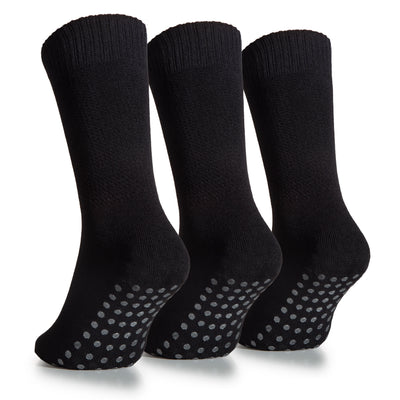
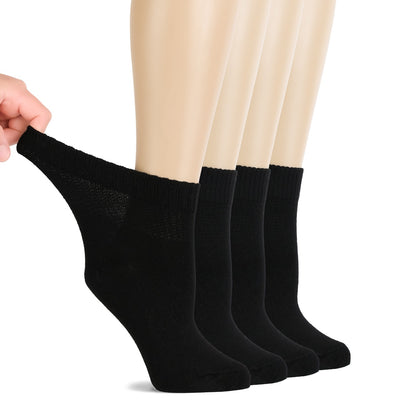
Hugh Ugoli’s bamboo diabetic socks are designed specifically with these requirements in mind. The Women’s Bamboo Lightweight Diabetic Ankle Socks with Non Slip Grip add a non-slip feature particularly useful for people whose neuropathy affects balance or gait. For men, the Men’s Lightweight Bamboo Diabetic Ankle Socks provide the thin, smooth profile that works inside most shoe types without adding bulk or pressure.
This is a question that comes up often, and the answer matters. Compression socks are designed to apply graduated pressure to the leg — tighter at the ankle, looser toward the knee — to support venous return and reduce swelling. They’re used for conditions like chronic venous insufficiency, deep vein thrombosis prevention, and edema management.
Diabetic socks — including bamboo diabetic socks — do the opposite. They are specifically constructed to have no compression and no constriction. This is because many people with diabetes or neuropathy have compromised circulation, and adding compression without medical guidance could worsen that situation.
Some people with neuropathy also have edema or venous insufficiency and may benefit from compression. But that’s a decision that should be made with a healthcare provider who can assess your specific circulation status and prescribe the appropriate compression level if needed. Don’t assume that “diabetic compression socks” — a sometimes-used marketing term — are the same as properly graduated medical-grade compression garments.
Regardless of which socks you wear, daily foot inspection is one of the most important habits for anyone with peripheral neuropathy. The NIDDK recommends checking the entire surface of each foot every day — including the soles, heels, between the toes, and around the nails — for any signs of injury, irritation, or change.
Use a mirror to see the bottom of the foot, or ask someone to help if mobility makes direct inspection difficult. Things to look for include redness, swelling, blisters, cuts, cracks in the skin, nail changes, or areas of unusual warmth or discoloration. Finding problems early, before they have time to worsen, is the primary goal.
The best sock in the world won’t fully compensate for poorly fitting footwear, and good footwear alone can’t make up for a sock with rough seams and a constrictive cuff. Foot health for people with neuropathy involves both elements working together.
Shoes for neuropathic feet should have a wide, deep toe box to avoid pressure on the toes; no internal seams that can rub; firm, supportive soles; and adequate room in the heel to prevent slippage. For people with significant neuropathy, custom orthotics or therapeutic footwear prescribed by a podiatrist may be appropriate. Always put on socks before shoes — and inspect your shoes before putting them on to ensure there are no foreign objects inside.
If you haven’t been formally evaluated for neuropathy and are experiencing numbness, tingling, burning, or pain in your feet, make an appointment with your doctor. Many people live with significant neuropathy for years without a formal diagnosis, which means they’re also not receiving guidance on foot care, footwear, or symptom management.
Podiatrists specialize in foot health and are experienced in working with patients who have neuropathy. Neurologists and endocrinologists (for diabetes-related neuropathy) can also be involved in managing the underlying condition and its effects on the feet. Orthotic specialists and certified diabetes care educators are additional resources for practical foot care guidance.
Having the right socks is only useful if you have enough of them to maintain a consistent routine. Keep at least seven pairs in rotation so you can change socks daily without running short. Store them where you’ll see them alongside your shoes — making the right choice the default, not the deliberate one. Before putting on any sock, turn it inside out and run your hand through it to check for foreign objects, rough spots, or interior texture that might cause a pressure point. Small habits like this take seconds and meaningfully reduce risk over time.
This article is for general information and is not medical advice. Talk to your healthcare provider about your own feet.
The most important features are seamless toe construction (to eliminate friction at the toe), a non-binding cuff (to avoid restricting circulation), moisture-wicking material (to keep the foot dry), and a smooth, soft interior. Bamboo diabetic socks are a commonly recommended option because they combine all of these features with a naturally soft fiber that many people find comfortable on sensitive skin. Cotton diabetic socks are also an option, though bamboo tends to manage moisture more actively.
Socks can reduce external irritants — friction, pressure, moisture — that add to discomfort on already-sensitive feet. Many people find that switching to seamless, non-binding socks made from soft fabrics reduces the amount of additional discomfort they experience from their footwear. However, socks do not address the underlying nerve damage itself. Managing the root cause (blood sugar control for diabetic neuropathy, for example) is the pathway to slowing progression. Talk to your healthcare provider about your specific situation.
This depends heavily on the underlying cause and your circulatory status, which is why this question should be directed to a healthcare provider rather than answered generally. For many people with diabetic neuropathy and peripheral artery disease (reduced arterial blood flow), compression socks may actually be contraindicated. For people with neuropathy alongside venous insufficiency (pooling of blood in the veins), appropriate medical-grade compression may be helpful. Never self-prescribe compression socks for neuropathy without medical guidance.
Daily sock changes are the standard recommendation. Fresh socks each day means a clean, dry environment around the foot, which reduces the risk of fungal infection and skin breakdown. If your feet tend to sweat heavily or you are physically active, changing socks mid-day is also reasonable. Inspect your socks when you take them off — any areas of unusual wear, blood staining, or foreign material found inside the sock warrant a careful foot inspection.
Avoid socks with rough internal textures, prominent toe seams, tight elastic cuffs, or thick decorative stitching on the inside. Materials that hold moisture — like standard untreated cotton — are less ideal than moisture-wicking options. Socks with plastic or rubber grip dots on the interior should be evaluated carefully, as those raised dots can create uneven pressure points on sensitive or insensate feet. When in doubt, run your hand inside the sock before putting it on to feel for anything that could cause a pressure point over the course of a day.
$17.98
View Product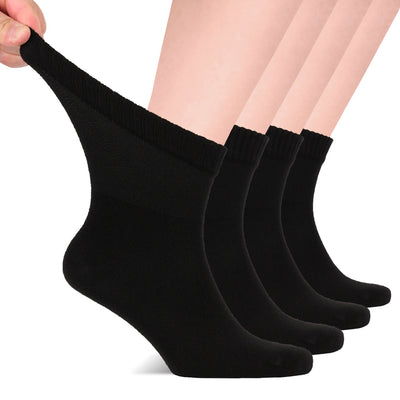
Discover All Hugh Ugoli Socks
Shop All Socks