
Cart
0
You may also like
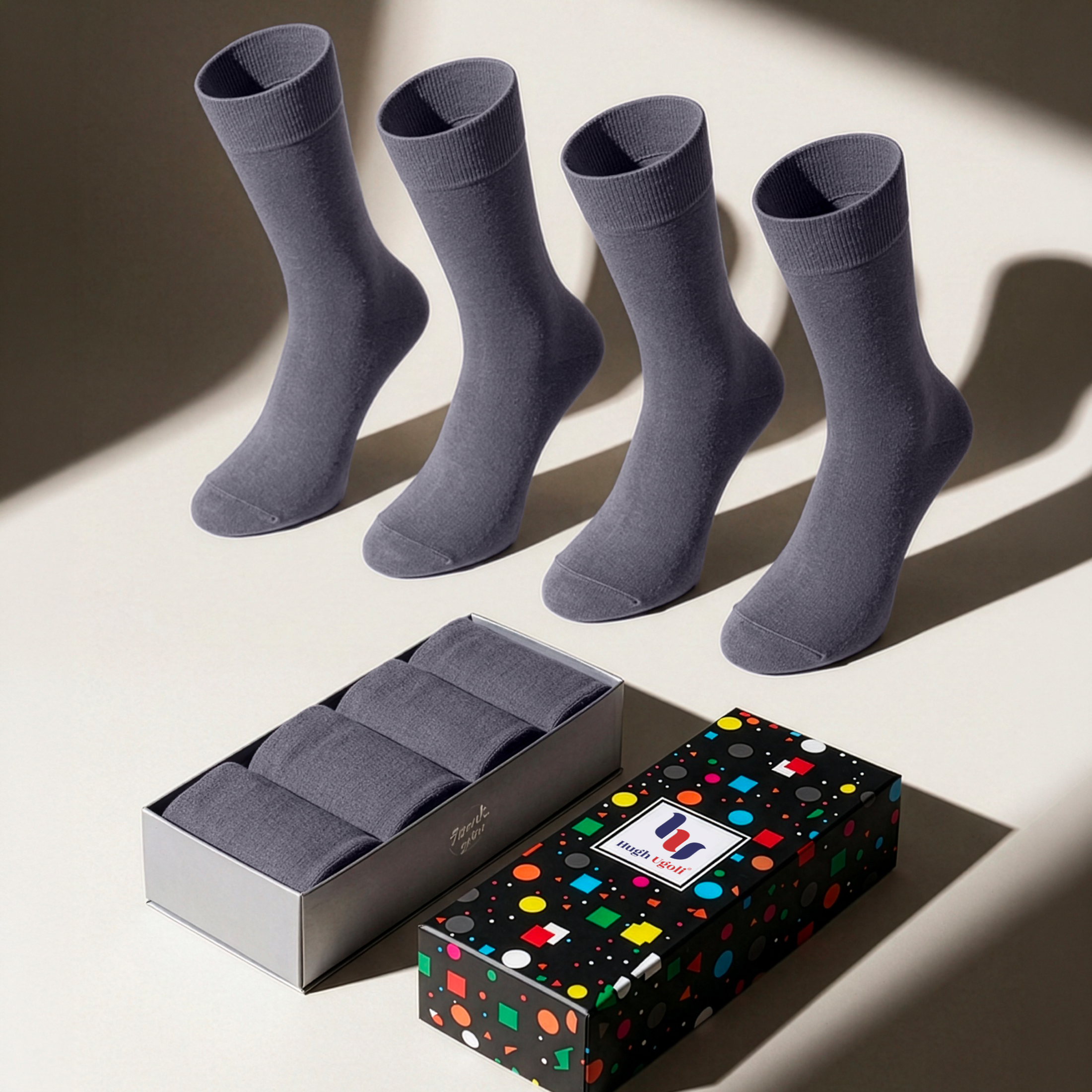
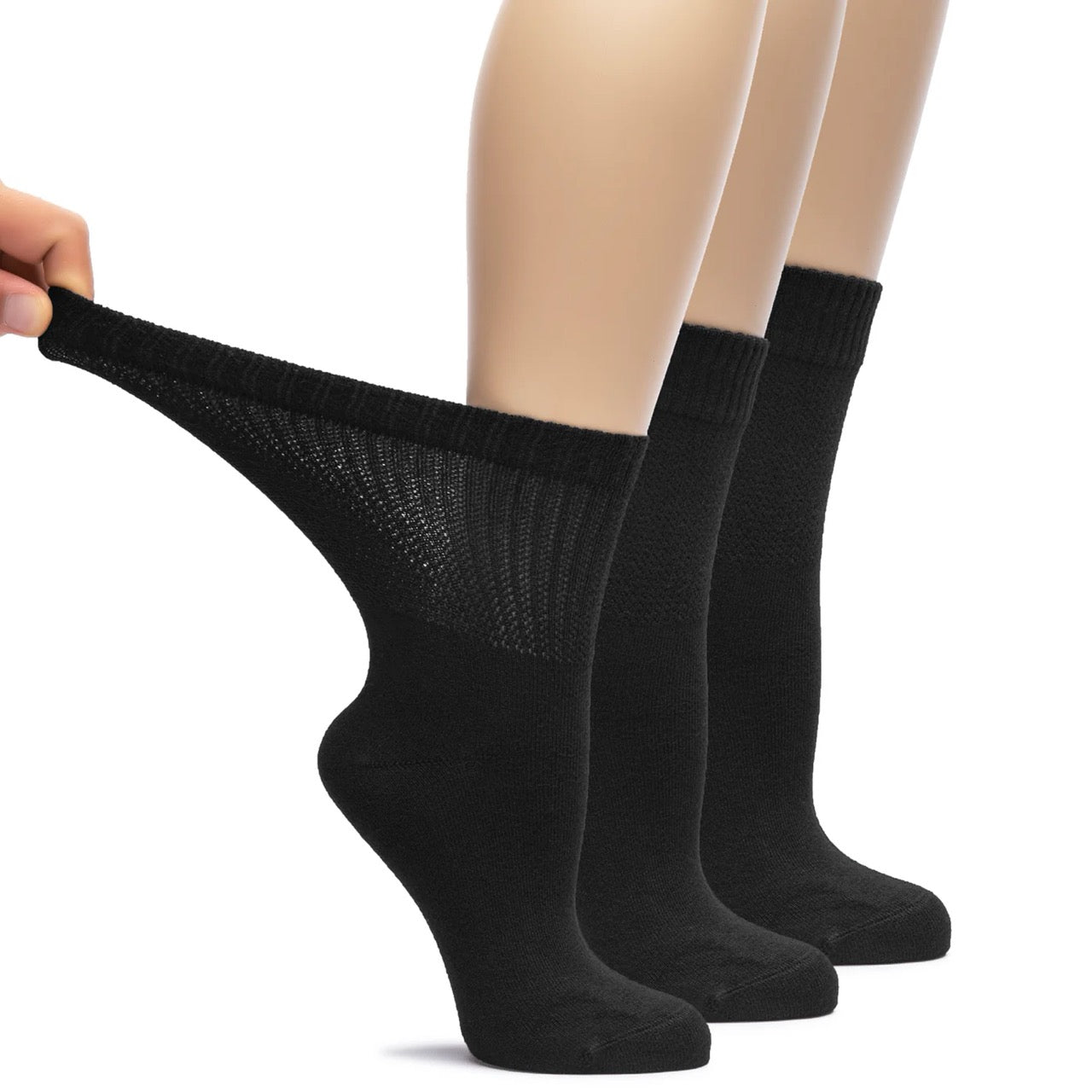
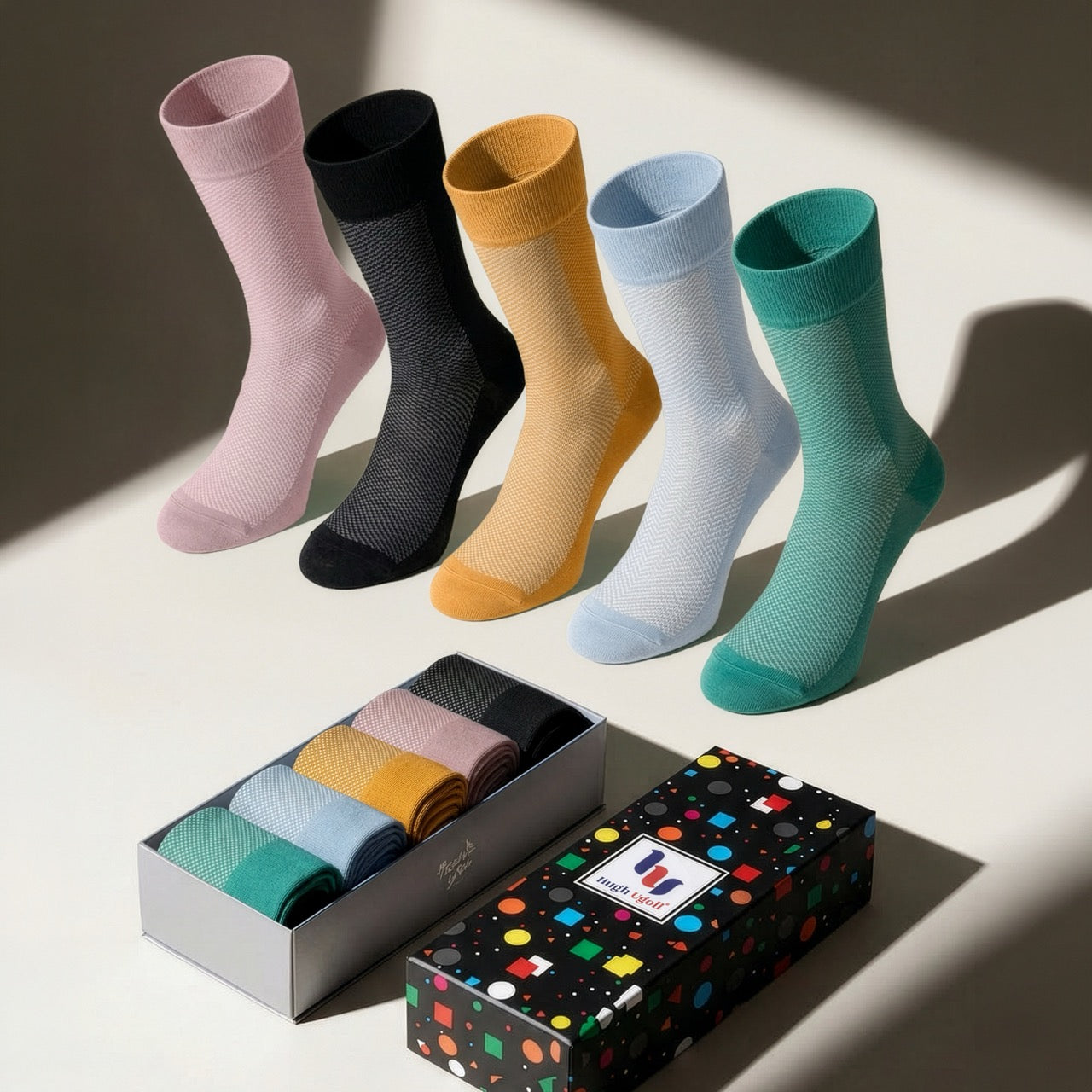
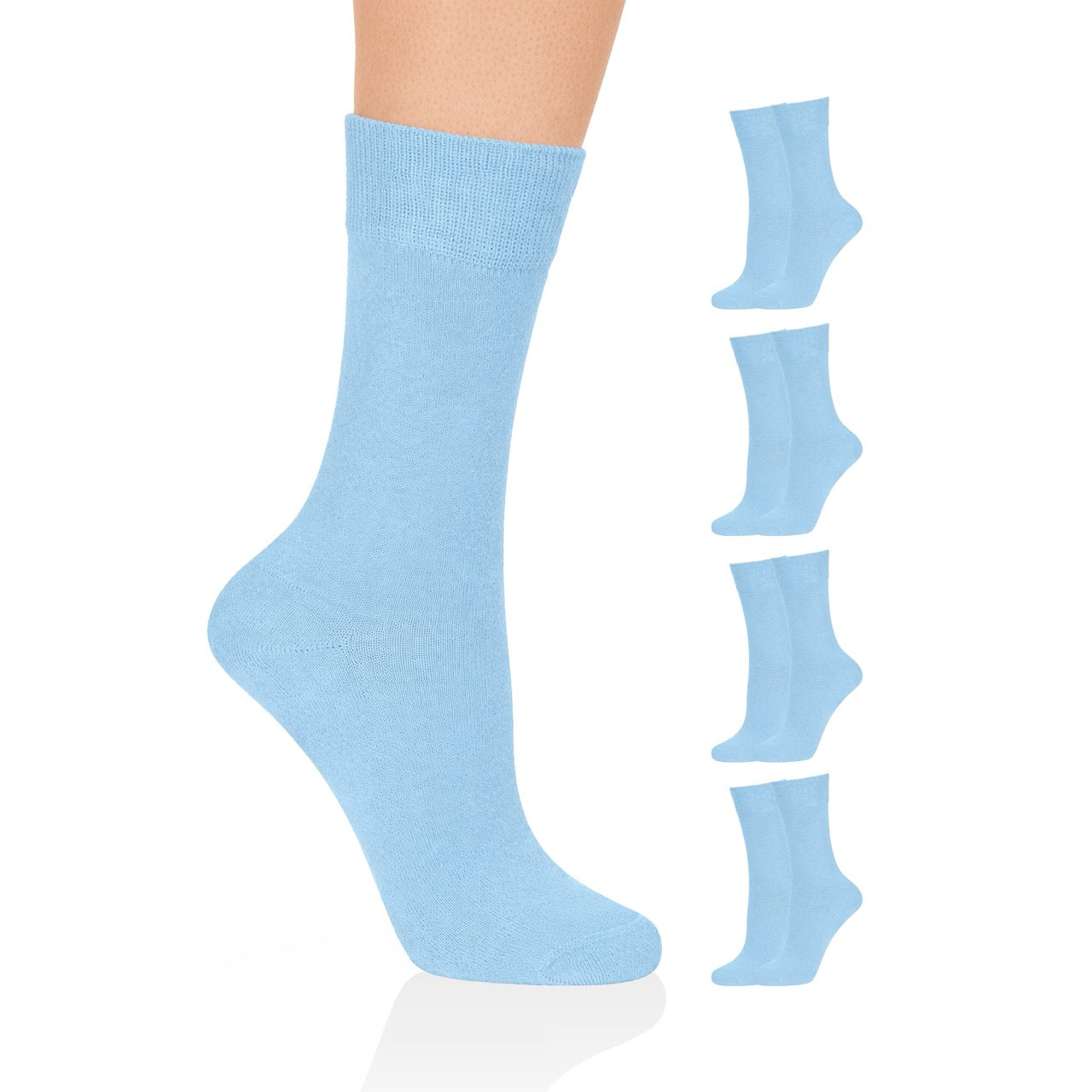


Toddler socks fall off for three reasons, and sizing is the biggest one: a sock longer than the foot puts the heel pocket under the arch and drags the cuff down. The fix is a sock that fits today rather than one bought a size ahead, a genuinely ribbed cuff that springs back when stretched, crew height or above so the cuff sits above the widest part of the calf, and a shaped heel pocket rather than a straight tube. Grip dots stop slipping on floors but do nothing for socks sliding down the leg. If your child removes socks deliberately, look at the toe seam first.
Key Takeaways
You put the socks on. You get the shoes on. You strap the toddler into the car seat, drive eleven minutes, open the door — and there is a bare foot, one sock balled up somewhere under the seat, and the other hanging off the toes like a windsock. If this is your life right now, you are not doing anything wrong. Toddler socks fall off because of a specific combination of foot anatomy, sock construction, and sizing habits, and once you know which of those three is causing your problem, it is a genuinely fixable issue.
This guide covers why toddler socks slip in the first place, the six construction features that actually keep a sock on a small foot, how to size correctly (this is where most parents lose the battle), and the practical tricks that work versus the ones that just make everyone frustrated. By the end you should be able to look at a pair of socks — in a store or in your own drawer — and predict whether they will survive a morning at daycare.
Adults tend to assume a sock stays on because the cuff grips the ankle. That is only partly true. On an adult foot, the sock is held in place by three things working together: friction along the sole, the heel pocket catching behind the heel bone, and the cuff resting above the ankle bone. Toddlers have a compromised version of all three.
A toddler's foot is wide, short, and remarkably straight. The heel is small and soft, with very little of the bony prominence an adult heel uses to anchor a sock. There is often a chubby pad of baby fat over the ankle that makes the leg roughly the same circumference from mid-calf down to the foot — so a cuff has nothing narrower to sit above. The arch has not developed yet, which means the sole is flatter and offers less shape for the sock to conform to.
Put simply: an adult foot has hooks and grooves for a sock to catch on. A toddler foot is closer to a smooth cylinder with a bend in it. Gravity plus movement will win unless the sock is designed for that shape.
Between roughly 12 and 36 months, walking is still being negotiated. Toddlers walk with a wide base, push off inconsistently, squat and stand dozens of times an hour, and spend a lot of time dragging their feet across carpet and hardwood. Every one of those movements shears the sock backwards relative to the foot. An older child's more efficient gait actually disturbs the sock less.
Worth naming honestly: sometimes the sock is not falling off. Sometimes a two-year-old has discovered that socks come off, that removing them produces an immediate and highly entertaining reaction from an adult, and that feet are interesting. If your child is pulling socks off with visible intent, that is a behavior question rather than a product question — though a sock that is harder to remove genuinely does reduce the frequency, because the fun drops when the game gets difficult.

Almost every case comes down to one of these, listed roughly in order of how often they turn out to be the culprit.
Look for a cuff that is visibly ribbed — alternating raised and recessed columns of knit — rather than a flat band. Ribbing lets the cuff expand over the heel during dressing and contract afterwards. Then test recovery yourself: stretch the cuff to roughly double its relaxed width, hold for three seconds, and release. It should return to close to its original size within a second or two. If it stays visibly wider, that sock will be sliding down by week three.
Important distinction: recovery is not the same as tightness. A tight sock with poor recovery feels secure for a week and then fails. A moderately snug sock with excellent recovery will still be working a year later. Tightness also matters for comfort — a cuff that leaves a deep red ring around a toddler's leg is too aggressive, and the fix is better elastic quality, not more compression. This is the same principle behind non-binding sock design for adults, applied to a much smaller leg.
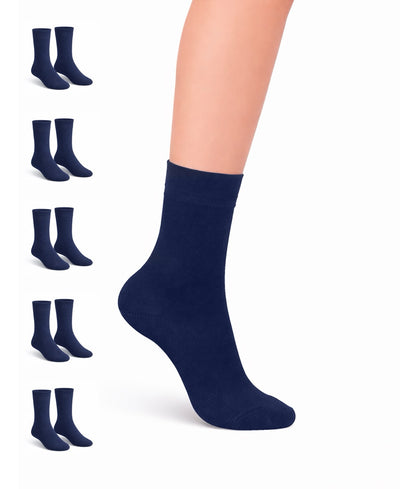
For toddlers, crew height is the practical minimum, and knee-high is more secure still. A crew sock sits several inches above the ankle bone, which gives the cuff a section of leg to hold rather than a rounded joint to slip over. Ankle socks can work on a child over three with a defined heel, but under three they are usually a losing proposition.
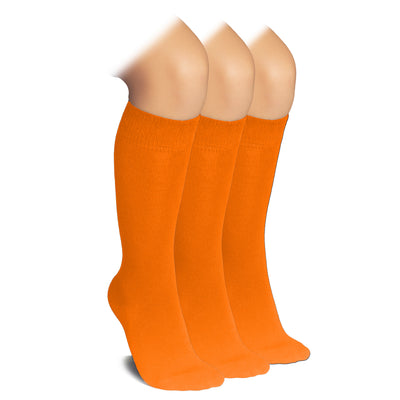
Knee-high socks have a second advantage worth mentioning: they cannot ride down past the calf, because the calf itself is wider than the sock's mid-shaft. Many parents who have fought this battle for months solve it in an afternoon by switching to bamboo knee-high socks for anything that involves leaving the house.
Turn the sock inside out and look at the heel. A properly constructed sock has a distinct pouch — a shaped section with a visibly different knit direction, usually with a seam or reinforced area. A tube sock has nothing there at all; the heel is just more of the same cylinder. On a toddler, the heel pocket does a disproportionate share of the work, because there is so little else for the sock to catch on.
Fix this first if you only change one thing. Socks are not shoes. There is no meaningful saving in buying a size up, because a sock that is too long simply does not function: the heel pocket lands under the arch, the toe seam bunches over the toes, and the cuff sits lower on the leg than intended. Then it falls off, and you have bought a sock that will be worn zero times before it fits and possibly zero times after, since it will have pilled in the drawer.
Buy the size that fits today. Our age and shoe-size chart for kids' socks walks through converting a current shoe size into a sock size, and when to size up as feet grow explains how often to re-check — for toddlers, roughly every two to three months.
Fiber affects staying power more than most parents expect. A sock that is all cotton with a token amount of elastic will relax over the course of a day, particularly once it absorbs moisture — and toddler feet sweat heavily. Cotton holds that moisture in the fibers, the yarn swells slightly, and the fit loosens.
Bamboo viscose behaves differently. It moves moisture toward the surface of the fabric rather than storing it in the yarn, so the sock's dimensions stay more stable through the day. It is also noticeably softer against skin, which matters if your child objects to socks on texture grounds. Our kids' bamboo crew socks use that construction with a seamless toe, and the whole range sits in the bamboo socks for kids collection. If you prefer cotton, look for a blend with stated spandex or elastane content rather than pure cotton — the cotton dress crew socks for kids are built that way.
Non-slip socks with silicone dots on the sole are usually marketed as a safety feature for hardwood floors, and they are. But they also add friction between sock and floor, which — counterintuitively — can help the sock stay put when a toddler drags a foot, because the sole grips instead of sliding. Inside shoes they matter less. Around the house they are worth having.
Toddler sock sizing is confusing because brands label by age, by shoe size, or by foot length, and the three do not agree with each other. Age labels in particular are a rough average — a large two-year-old and a small four-year-old can wear the same sock.
The reliable method takes ninety seconds:
Our own kids' sizing starts at 3–5 years, which suits older toddlers and preschoolers rather than babies. For children under about three, the six criteria above still apply — you will just be shopping an infant-specific range.
Honest answer: for a non-walking baby, no sock stays on reliably, and no design fully solves it. Pre-walking feet have almost no heel definition and infants actively kick, which defeats even a well-made sock. Most parents get better results from footed sleepers, soft-soled booties with an ankle strap, or sock-shoe hybrids than from socks alone. Once your child is walking confidently, the criteria here start to apply and the situation improves quickly.
The American Academy of Pediatrics notes that for new walkers, flexible, well-fitting footwear matters more than support features, and its guidance on shoes for active toddlers is a useful companion read — because as noted above, a loose shoe is frequently the real reason a sock is coming off.
A few widely shared suggestions are worth skipping. Sock garters or elastic bands around a toddler's leg add localized pressure to a small limb and are not a good idea. Taping socks to skin irritates it. Turning socks inside out does nothing for grip. And buying a much smaller size to force tightness creates toe crowding, which matters at an age when foot bones are still largely cartilage. Safety pins should be an obvious no — if you are tempted, that is a signal to change the sock rather than modify it.
Give any new sock a structured trial rather than a vague impression:
A workable setup for a child over three is roughly four to six pairs of crew socks for daily wear, two to three pairs of knee-highs for daycare or any outing where a lost sock is a real inconvenience, and two pairs of non-slip socks for the house. That is enough to run a normal laundry cycle without falling back on the mismatched multipack at the bottom of the drawer.
You can build that from the kids' socks collection — the crew socks and knee-high ranges cover the two main heights. If your child objects to seams across the toes, prioritize seamless-toe construction; we cover why in the guide to seamless socks for kids with sensory sensitivity, and the broader guide to choosing kids' socks covers the rest.
If a pair worked in September and fails in November, the fiber has usually not worn out — the elastic has. Three things kill cuff elasticity fastest: hot water, high-heat tumble drying, and fabric softener. Heat degrades elastane. Fabric softener coats fibers with a waxy residue that stops the elastic contracting fully.
Wash kids' socks in cool or warm water, skip the softener, and either line dry or use low heat. It is a small change that roughly doubles the useful life of the cuff. Our complete sock care guide covers the details, and if socks are also disappearing rather than just slipping, labeling and laundry systems that work is the companion piece.
That specific failure — bunching at the toes rather than sliding down the leg — almost always means the sock is too long for the foot. The heel pocket is sitting under the arch, so the extra length has nowhere to go but forward. Measure the foot and drop a size.
For staying on, yes. A knee-high cannot slide below the widest part of the calf, which gives it a mechanical advantage a crew sock does not have. Crew socks are more practical for everyday wear and easier to put on independently, so most families use both — knee-highs for outings and daycare, crews for around the house.
No. A sock one size too large stops functioning immediately, because the heel pocket no longer aligns with the heel. Unlike shoes, there is no growing-into period where the sock works acceptably. Buy the current size and re-measure every two to three months.
Both, to a degree. The silicone grips are designed for traction on hard floors, but they also reduce the sliding action that drags a sock backwards off the heel when a toddler shuffles. They make the most difference indoors; inside shoes, the lining already provides that friction.
Six to eight pairs in active rotation is a reasonable target for a child in daycare or preschool. That covers a normal laundry cycle plus accidents and the pairs that inevitably go missing. Rotating more pairs also spreads out elastic fatigue, so each one lasts longer than it would in a three-pair rotation.
Toddler socks fall off for reasons you can control. Measure the foot rather than guessing from age, buy the size that fits today, choose crew or knee-high height with a ribbed cuff and a real heel pocket, favor a fiber that keeps its dimensions when damp, and check that the shoe itself is not the thing dragging the sock down. Then wash cool and skip the softener so the cuff stays alive. Do those things and the sock-in-the-car-seat problem largely goes away — which is a small win, but on a Tuesday morning it does not feel small at all.
Usually because they are too big. A sock longer than the foot bunches past the toes and pushes the shaped heel pocket under the arch, so the sock loses its main anchor point and slides. The other common causes are a cuff that has lost its elastic recovery, a style that sits too low on the leg to grip anything, and a shoe that slips at the heel and drags the sock with it.
Crew height or above. A crew sock finishes above the widest part of the calf, so the leg itself helps hold it up. Ankle and no-show styles sit right on or below the widest point and slide almost immediately on a toddler. Knee-high socks are the most secure option of all, because they cannot ride down past a calf that is wider than the sock's mid-shaft.
No. Socks are not shoes. A sock that is too long does not function at all — the heel pocket lands under the arch, the toe bunches, and the cuff sits lower than intended, so it falls off. You end up with a pair worn zero times before it fits and barely worn after. Buy the size that fits today and re-check every two to three months.
No. Rubber grip dots on the sole stop a child slipping on hard floors, which is worth having on stairs and wooden floors, but they do nothing about a sock sliding down the leg. That is entirely a question of cuff construction and correct length.
Most often the toe seam is uncomfortable and they cannot explain it, so they remove the offending item. Check for a raised ridge across the toes before you change anything else. Sometimes it is simply that removing socks produces an entertaining reaction from an adult — in which case a sock that is genuinely harder to take off reduces how often the game happens.

Discover All Hugh Ugoli Socks
Shop All Socks


