
Cart
0
You may also like
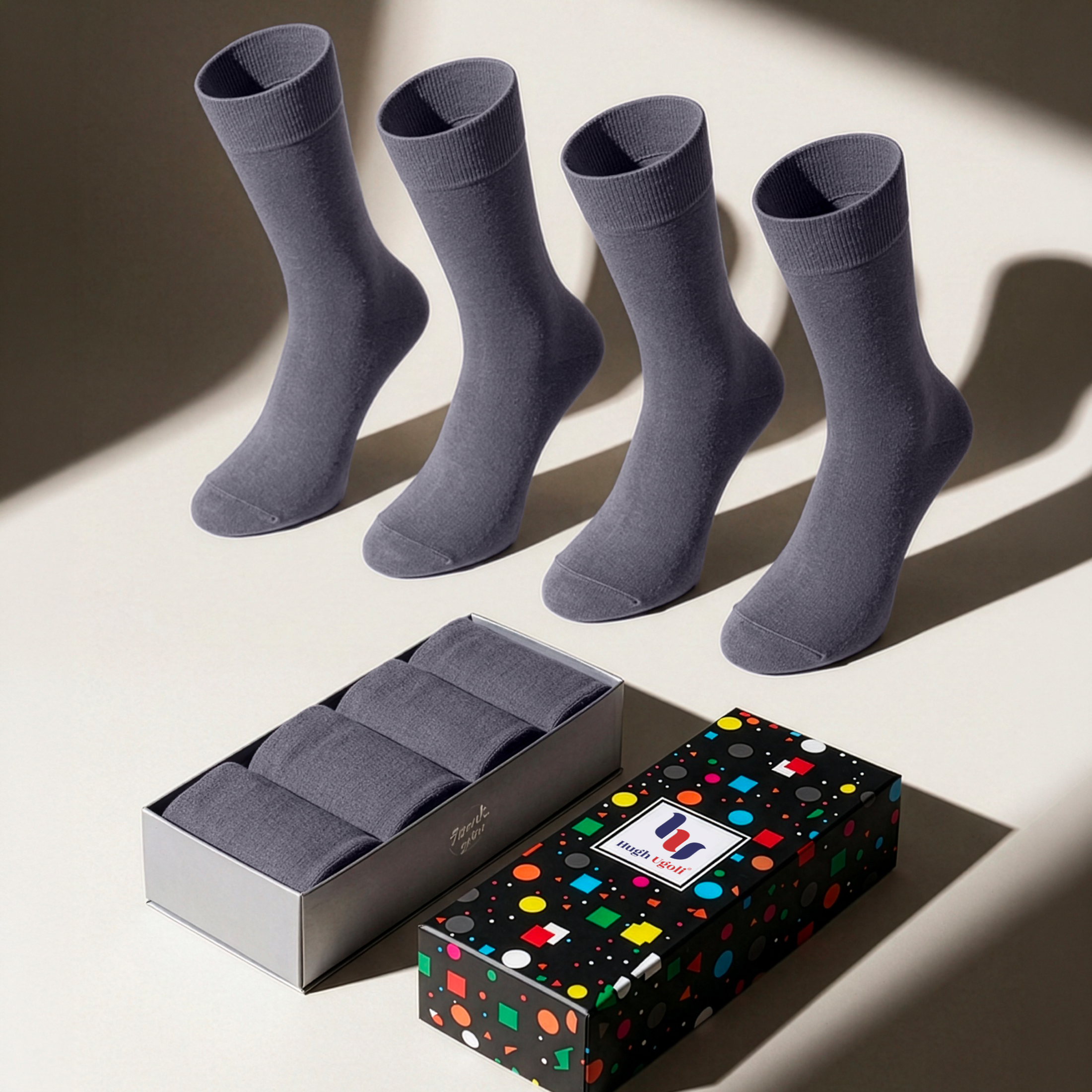
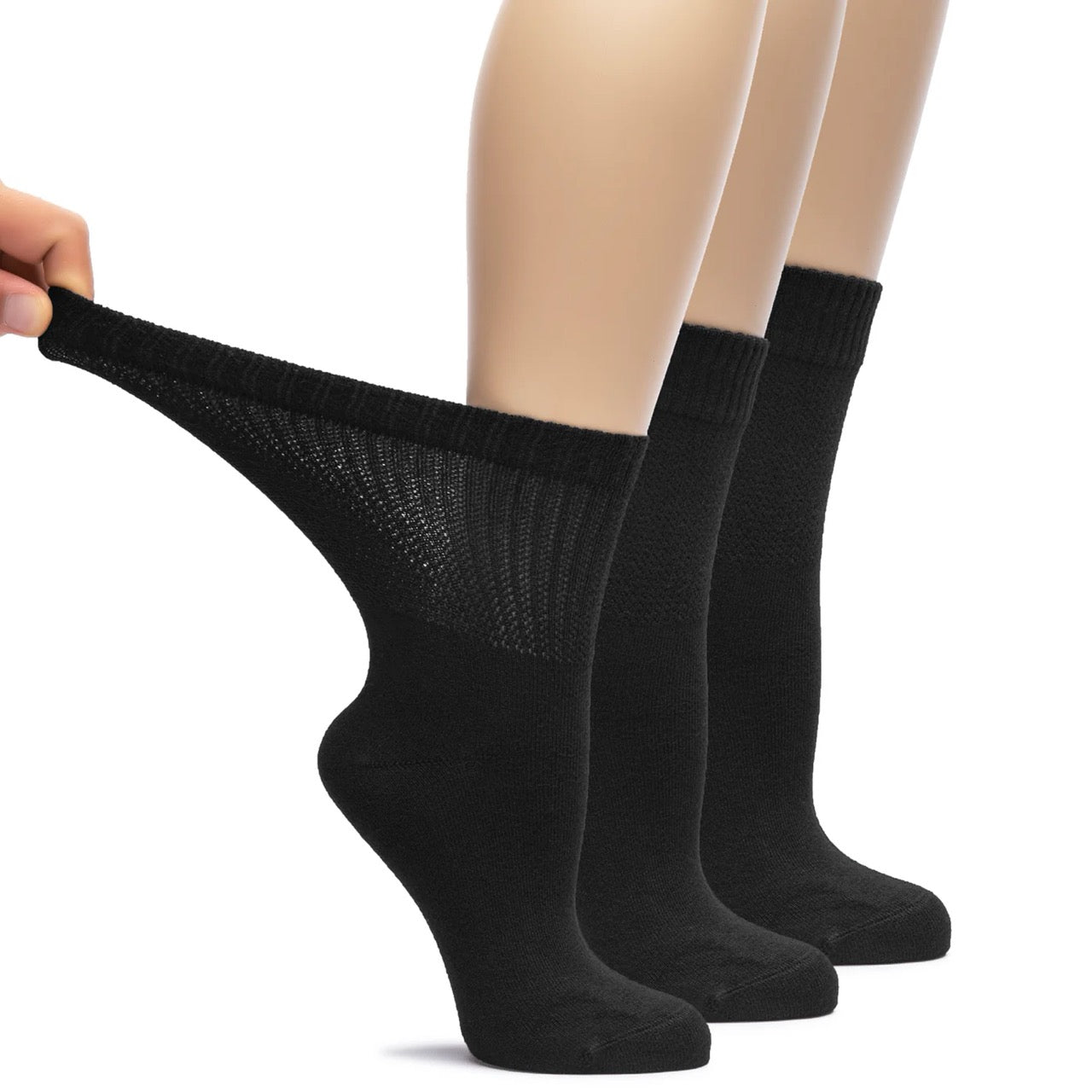
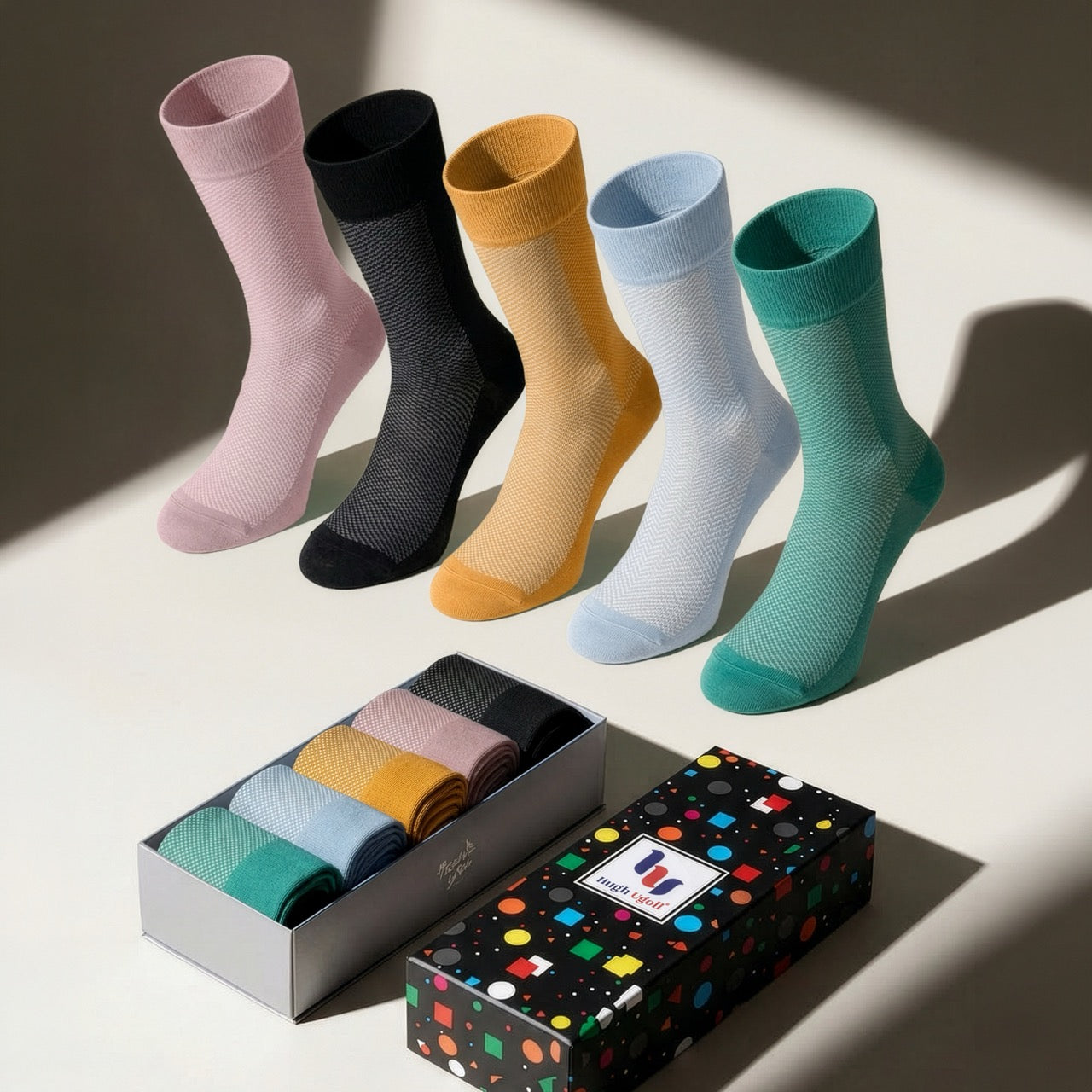
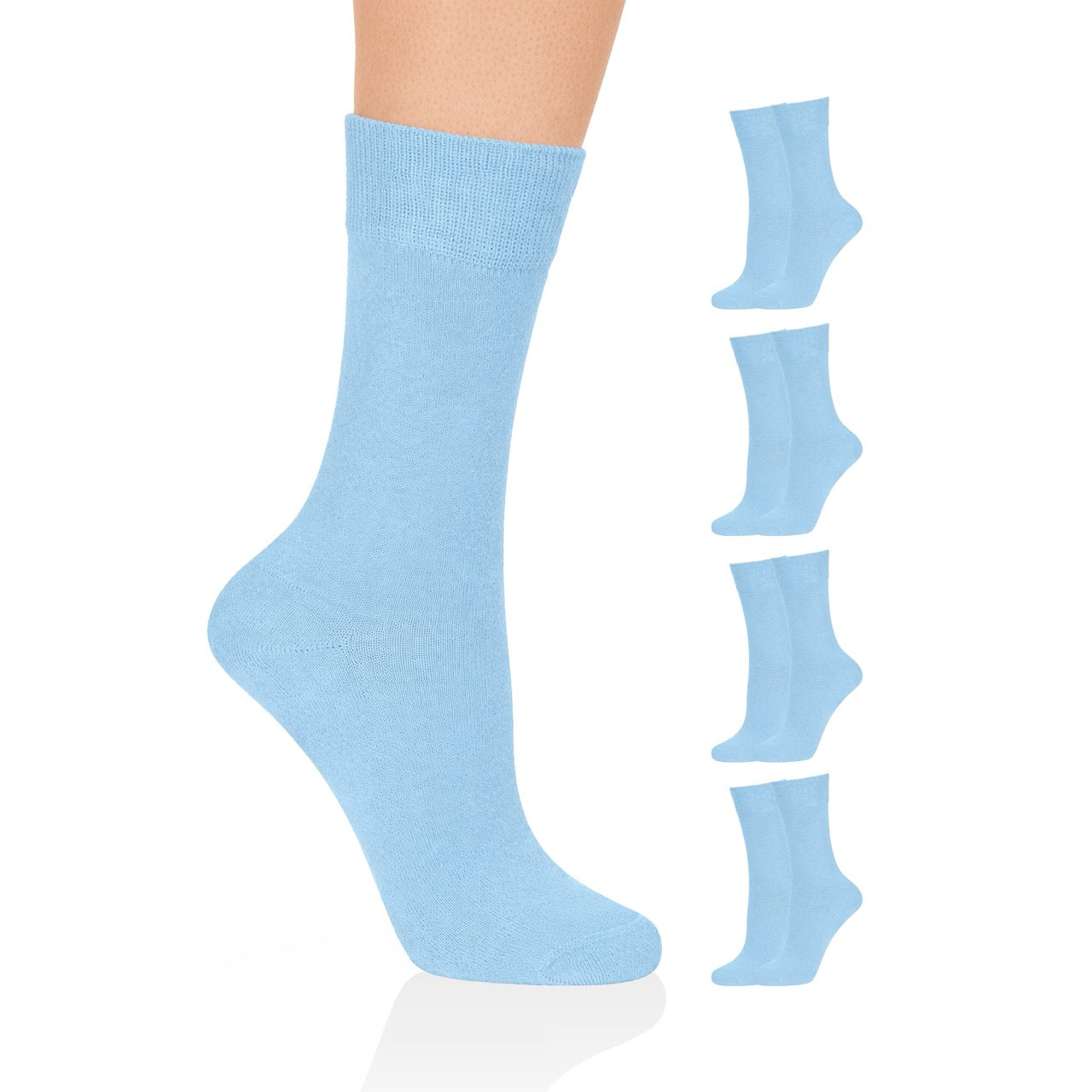
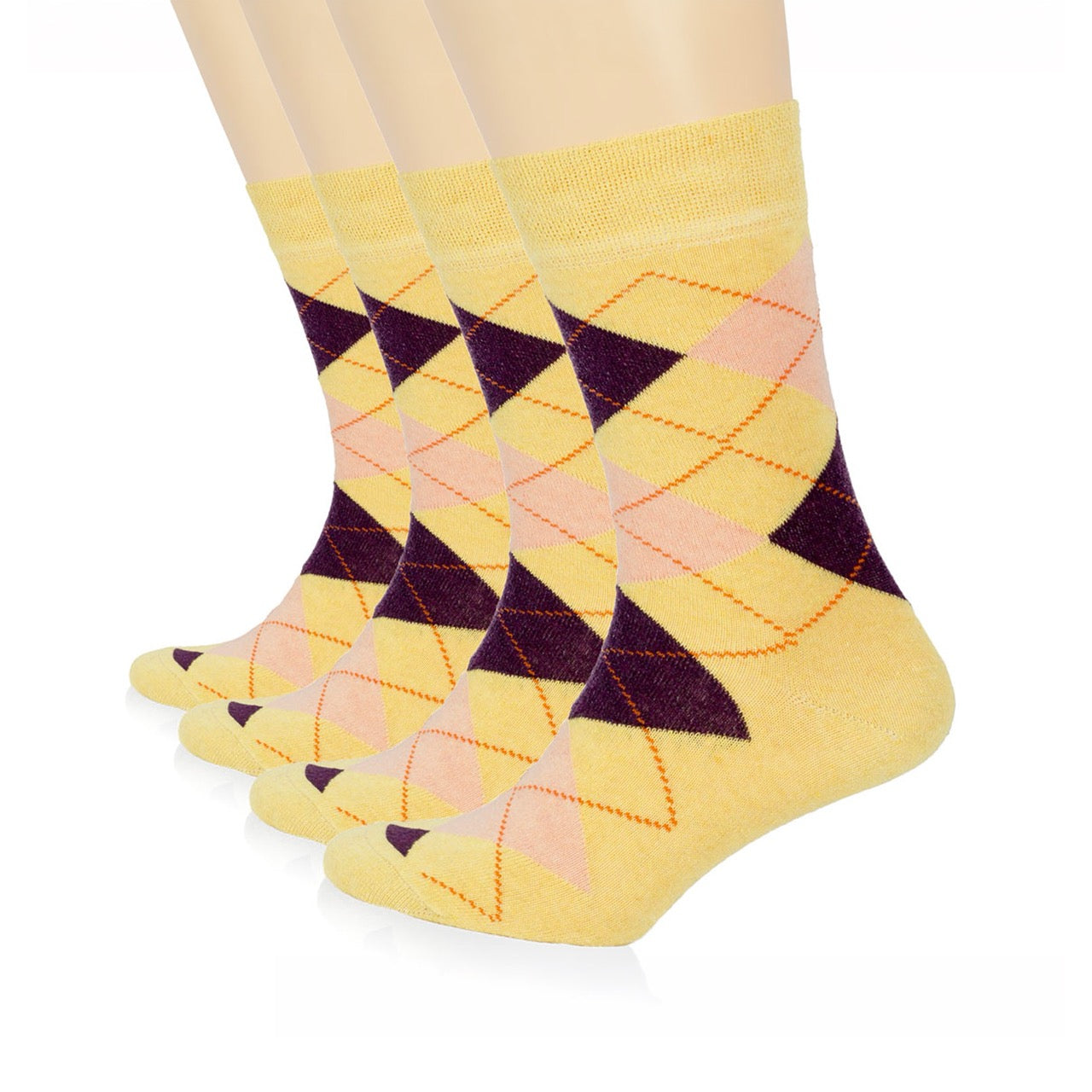
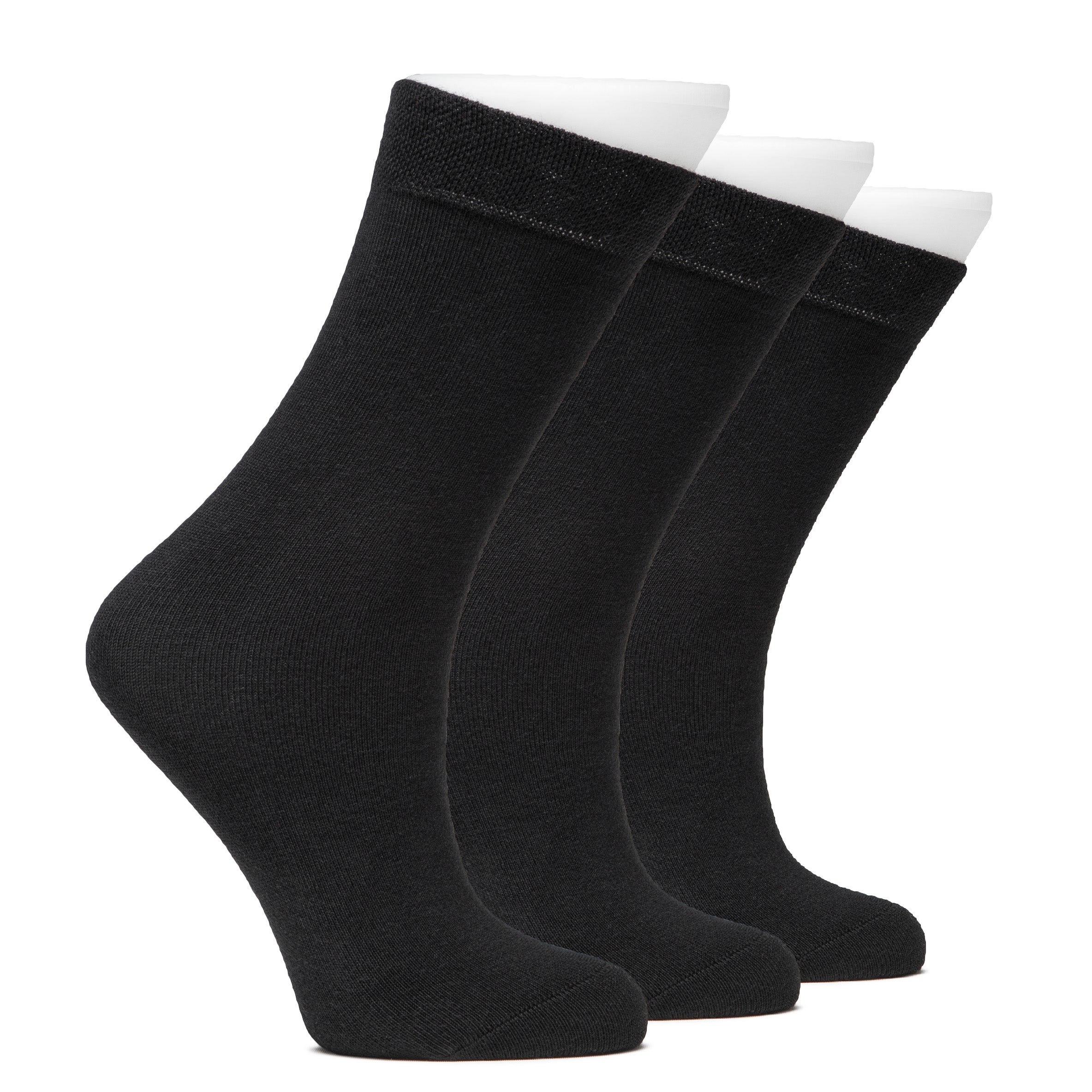
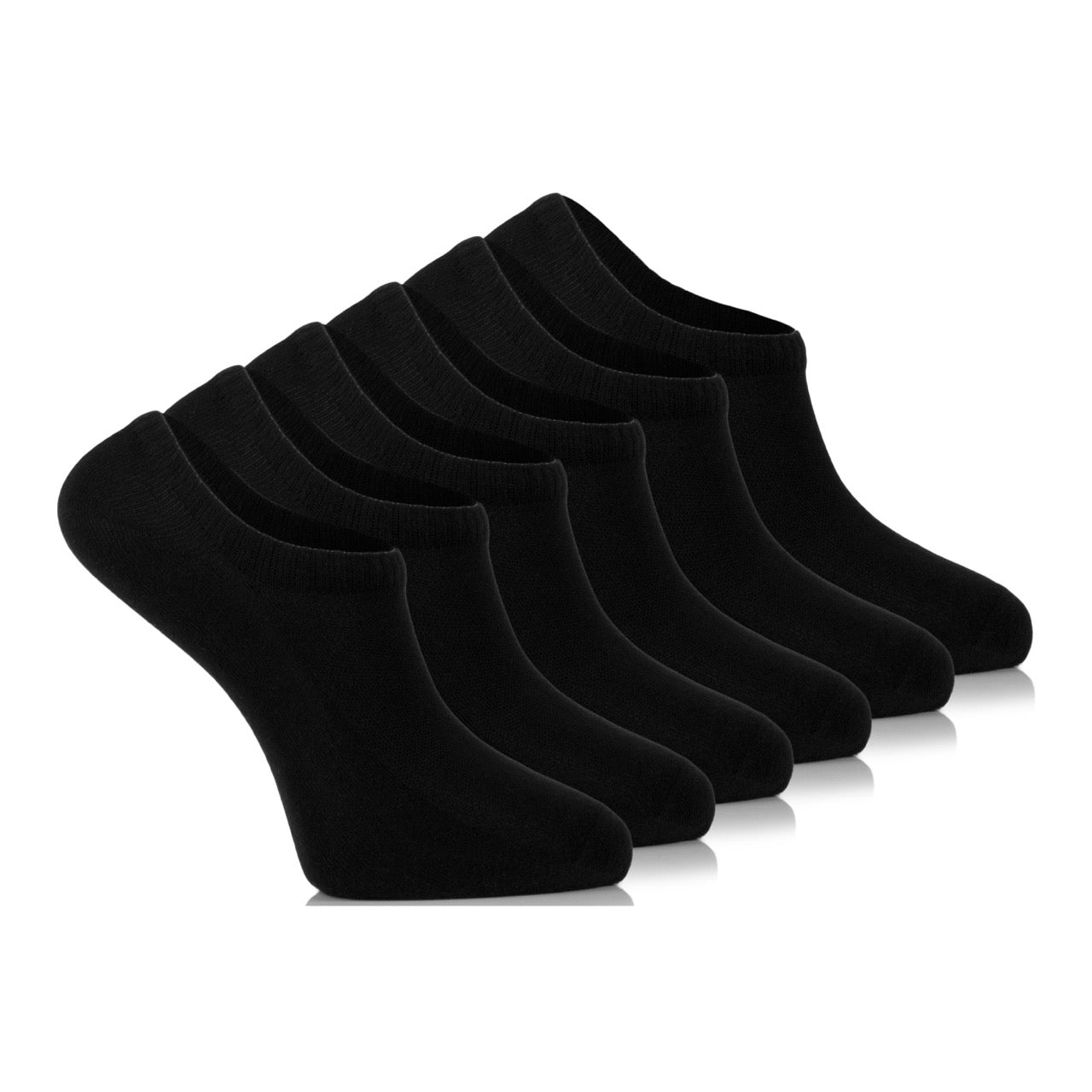
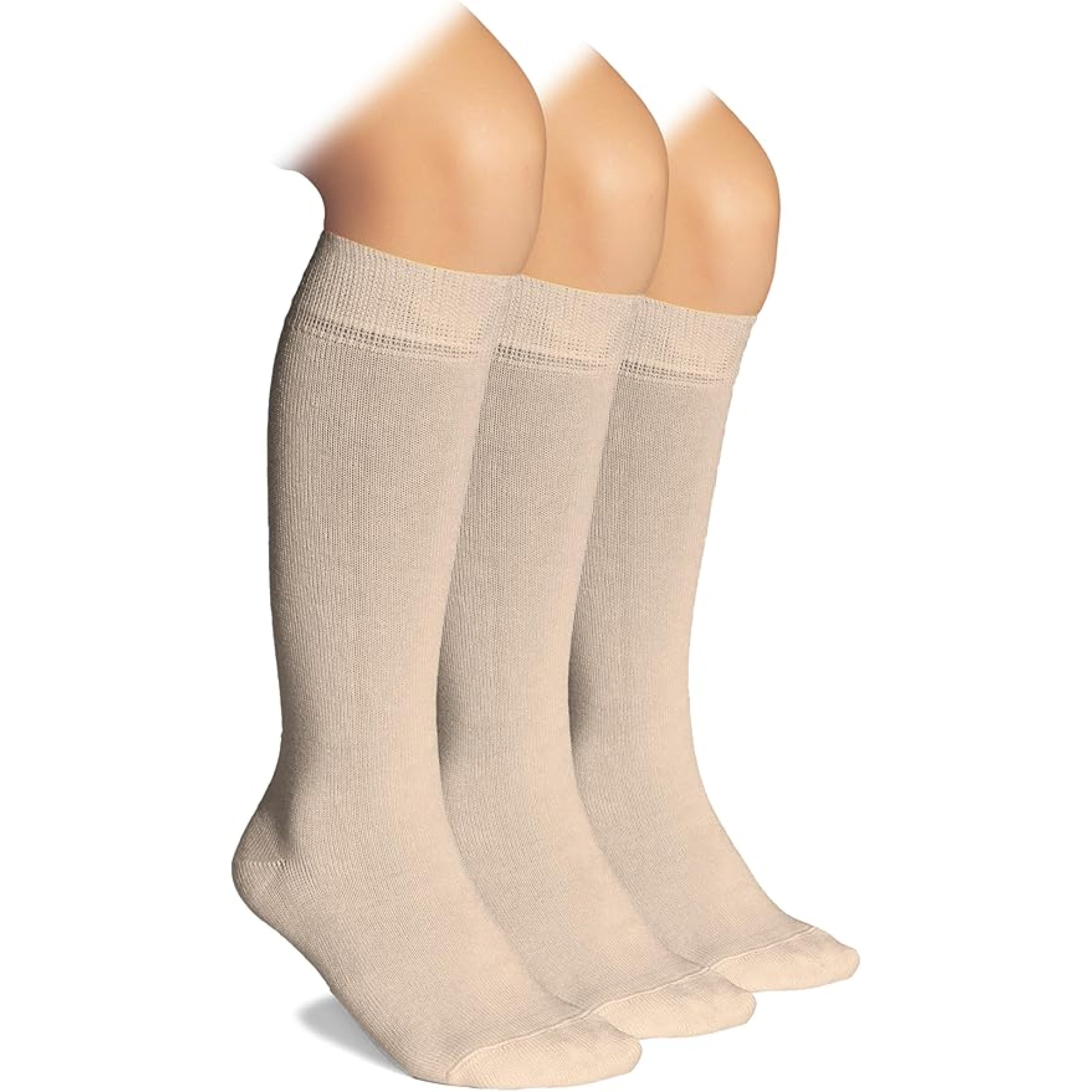


Switch your socks when your shoes change, not when the calendar does — a closed shoe traps more heat and moisture than an open one, and that is the real trigger. Go up in weight gradually rather than jumping straight to thick winter socks, because a thick sock in a shoe fitted for a thin one compresses the foot and removes the insulating air layer, which makes your feet colder rather than warmer. Build the drawer around mid-weight breathable crew socks for everyday wear, keep wool for the days that genuinely earn it, and retire anything with a slack cuff or a thinned heel — worn-out socks do not insulate.
Key Takeaways
There is a specific week every autumn when the weather stops being summer and has not yet committed to being winter. Mornings are cold enough for a jacket, afternoons are warm enough to regret it, and your feet get the worst of the confusion — sweating inside closed shoes by two in the afternoon, then cold on the walk home. Most people respond by doing nothing until the first genuinely freezing day, then jumping straight to their thickest wool socks. That skips a whole season of comfort you could have had.
Transitioning a sock drawer for fall is a twenty-minute job that pays off for three months. This guide covers when to actually make the switch, what changes about your feet in autumn, which fabrics belong in a transitional rotation, how to think about thickness against your actual footwear, and how to put the summer socks away so they survive until next June.
September 1st is not a sock event. The useful trigger is the temperature at the time of day you are actually outside, and for most people that is the morning commute rather than the midday high.
A practical rule: when the morning low sits consistently below about 55°F (13°C) for a week, your summer rotation is no longer the right tool. Below roughly 45°F (7°C), you have moved past transitional into genuine cold-weather territory. Between those two numbers is the autumn window, and it is longer than most people think — in much of the United States it runs from mid-September into November.
The second trigger is footwear. The day you stop wearing sandals or canvas sneakers and start wearing closed leather shoes, boots, or lined trainers is the day your sock requirements change, regardless of the thermometer. A closed shoe traps moisture that an open one vented away, and a sock that was perfect in an airy summer shoe becomes clammy in a boot.
The classic autumn error is going straight from thin summer socks to heavy winter socks, skipping the middle entirely. This produces exactly the wrong outcome. Thick socks in a 60°F afternoon inside a closed shoe means a sweaty foot, and a damp sock conducts heat away from the skin far faster than a dry one. You end up colder in a thick wet sock than you would have been in a medium dry one.
There is a second reason to avoid the jump. Your shoes were fitted around a certain sock thickness. A heavy sock in a shoe sized for a thin one compresses the foot and squeezes out the layer of still air inside the shoe, which is where much of the insulation actually comes from. Tight plus thick is a reliable recipe for cold feet.
Autumn is a moisture and fit problem before it is a warmth problem. Getting that order right is most of what this article is about.

Three things shift at once, and they interact.
So the transitional sock has a harder job than either the summer or the winter sock. It needs to move moisture aggressively, insulate moderately, and feel smooth against skin that is getting drier by the week.
Rather than one seasonal swap, think in three tiers that overlap through autumn.
You are still in lightweight territory, but height changes. Move from no-show and ankle socks to crew height, because your ankles are now exposed to cool air and your shoes are taller. Weight stays thin. This is the moment for a lightweight bamboo or fine cotton crew — enough coverage for the ankle, not enough bulk to overheat at lunchtime.
A soft bamboo dress crew sock or, for men, a thin cotton business crew handles this window well. Our bamboo versus cotton comparison covers why the two behave differently once moisture enters the picture.
The workhorse tier, and the one most people skip. Here you want medium-weight crew socks with real moisture management — not thicker for the sake of thicker, but a denser knit with a little cushioning underfoot. This is also when semi-cushion styles earn their place: enough padding to make a hard-soled boot comfortable, not enough to change how the shoe fits.
Knee-highs become genuinely useful in this tier too, particularly under skirts, dresses, or tall boots, where the gap between hem and boot is where the cold actually gets in. The bamboo knee-high dress socks serve that purpose without the bulk of a winter sock.
Now warmth leads. Wool comes out — merino or a wool blend rather than coarse traditional wool — along with heavier cotton crews for indoor days. The warm wool crew socks and warm winter cotton dress crews both belong in this tier, and the winter socks collection is where the rest of that range lives.
Even here, do not abandon the tier-two socks. Late autumn has warm days. A drawer that only contains heavy socks is as badly configured as one that only contains thin ones.
The strongest all-round choice for transitional weather, because it addresses the moisture problem directly. Bamboo viscose moves moisture toward the fabric surface where it can evaporate rather than holding it in the yarn, which keeps the sock feeling dry through the temperature swings of a fall day. It is also notably smooth, which matters as skin dries out. The trade-off is that on its own it insulates less than wool, so it is a tier one and tier two fabric rather than a deep-cold one.
Comfortable, breathable, familiar, and the weak point is specific: cotton absorbs moisture into the fiber and holds it. On a mild autumn day that is fine. On a long day in a boot, a saturated cotton sock stays damp for hours. Cotton works best in autumn when the knit is dense and the day is predictable — office days, indoor days, cooler days without much walking.
Wool's advantage is that it insulates even when damp, which is exactly the property you want when the temperature drops. Merino is the fine-fiber version and avoids the scratchiness people associate with traditional wool. The trade-off is that wool can be too warm for a 62°F afternoon, and it needs more careful laundering. Our comparison of wool versus merino wool socks is worth reading before you buy, and how to wash wool socks without shrinking covers the care side.
Polyester and nylon dry fast and add durability, and small percentages in a blend are useful — nylon at the heel and toe extends the life of a sock considerably. High-synthetic socks, though, tend to hold odor and feel less pleasant against dry autumn skin. Read the composition rather than the marketing; our breakdown of polyester versus cotton goes into the specifics.
This is where a lot of otherwise sensible sock buying goes wrong. Thickness has to be matched to the shoe, because a sock that is too thick compresses the foot inside a fixed-volume shoe — and a compressed foot gets less blood flow and gets colder, not warmer.
The quick test: with the sock and shoe on, you should be able to wiggle all your toes freely and lift them slightly. If you cannot, the combination is too tight regardless of how warm the sock is. Our guide to sock lengths and heights covers the height side of the same question, and the sock mistakes people make in cold weather covers the rest of this pattern.
Do this on one evening in early autumn and you will not think about it again until spring.
If your drawer has never had a system, how to organize your sock drawer covers the layout side in more detail, and how many washes a good pair should last gives you a clearer retirement test than instinct.
It feels contradictory, but autumn is peak season for damp feet. Closed shoes, indoor heating, and outerwear that makes your whole body run warm add up. The fix is fabric and rotation rather than thinner socks: choose moisture-moving fibers, and never wear the same shoes two days running — a shoe needs roughly 24 hours to dry out fully. If this is a persistent issue, the guide to socks for sweaty feet goes deeper.
Dry autumn air plus friction from a closed shoe is the standard cause. Smooth-knit socks help by reducing abrasion, and a moisturizer at night with socks over the top holds it against the skin. Rough or seamy socks make it noticeably worse.
If your feet did not smell in July and do in October, the variable is the shoe, not your hygiene. Enclosed footwear keeps moisture against the skin all day. Rotating shoes, letting them dry fully, and choosing socks that do not hold moisture solves most cases. How to get rid of foot odor covers the full approach.
Hard floors lose heat faster than the room air, so indoors is often where you first notice the season. Indoor socks and outdoor socks stop being the same thing in autumn — a thicker, softer pair for the house, ideally with grip on the sole if you have stairs, solves a problem that a heavier outdoor sock does not.
Cold outside, overheated inside, and you are stuck. The realistic answer is a medium-weight sock in a breathable fiber plus a warmer shoe, rather than a thick sock in a normal shoe. You can take a coat off at your desk; you cannot easily change socks.
Most people are short in exactly one place: medium-weight crew socks in a breathable fiber. If you buy nothing else this autumn, buy four to six pairs there. From the women's range, the crew socks collection covers it; for men, men's crew socks is the equivalent, and the bamboo socks for men range is where most of the transitional weights sit. If you already have that tier covered and mornings are getting genuinely cold, that is when wool is the right purchase rather than the default one.
For children, the same logic applies on a compressed timeline, and they will have outgrown last year's sizes. When to size up is a useful check before you reorder from the kids' socks collection.
Use morning temperatures rather than daytime highs. When morning lows sit consistently below about 55°F, move from summer socks to crew-height transitional socks. Below about 45°F, move to wool or heavier cushioned socks. The other trigger is footwear — the day you switch to closed boots or leather shoes, your sock needs change too.
Often, yes, in early and mid autumn. Wool comes into its own once morning temperatures drop below the mid-40s. Wearing heavy wool on a mild 60°F day inside a closed shoe usually produces a damp sock, which ends up feeling colder than a dry medium-weight one. Save wool for the last stretch of the season, or choose a lighter merino if you want it earlier.
Yes, particularly in the transitional range. Bamboo viscose is excellent at moving moisture and comfortable across a wide temperature band, which suits days that start at 48°F and reach 68°F. For deep winter it insulates less than wool, so many people run bamboo through autumn and switch to wool or wool blends once the real cold arrives.
Eight to twelve pairs in active rotation covers most people comfortably — enough that no pair is worn more than twice between washes, which matters because elastic recovers better with rest. Weight that rotation toward medium crew socks, since that is the tier autumn actually spends the most days in.
Put them away, for two reasons. They take up the space you need for the socks you are actually wearing, and stored socks last longer than socks that spend six months being pushed around a drawer. Wash them before storing — residual body oils set into fabric over time and attract pests.
Autumn is not a single switch from thin to thick. It is a moisture and fit problem first and a warmth problem second, and it lasts long enough to deserve its own tier of socks: crew height, medium weight, in a fiber that keeps moving moisture when your shoes stop venting it. Sort the drawer once in September, buy into the middle tier if that is where your gap is, match thickness to your actual shoes rather than the forecast, and wash and store the summer pairs properly. Sweater weather gets a lot more pleasant when your feet are included in the plan.
Use your shoes as the signal rather than the date. The day you move from sandals and canvas trainers to closed leather shoes or boots, a closed shoe starts trapping heat and moisture and your sock requirement changes. Most people change shoes a week or two before they think about socks, and that gap is where cold, damp feet happen.
Usually because the sock is too thick for the shoe. Most warmth comes from the layer of still air inside the shoe, and a heavy sock in a shoe fitted for a thin one squeezes that layer out and compresses the foot at the same time. Thick socks belong in boots and roomy shoes; in a normal shoe a mid-weight breathable sock keeps feet warmer.
Generally no. Doubling up fills the shoe, removes the insulating air gap and creates friction between the two layers, which is a reliable way to raise a blister. The exception is a proper liner system — a very thin liner under a thick outer sock, in a boot with the volume to take both.
Bamboo viscose is the most forgiving, because autumn demands warmth and breathability at once. It moves moisture off the skin so a warm sock does not turn clammy in a heated room, and it feels warmer than the same weight of cotton without adding bulk. Wool is warmer still and is the right choice for genuinely cold, wet days.
Work back from your laundry cycle. Washing weekly means at least seven pairs of your everyday sock, and ten is a realistic working number once you allow for days you change twice. Add two or three warm indoor pairs and two or three heavy pairs for cold days. A larger rotation also makes each pair last considerably longer.


Discover All Hugh Ugoli Socks
Shop All Socks


