
Cart
0
You may also like
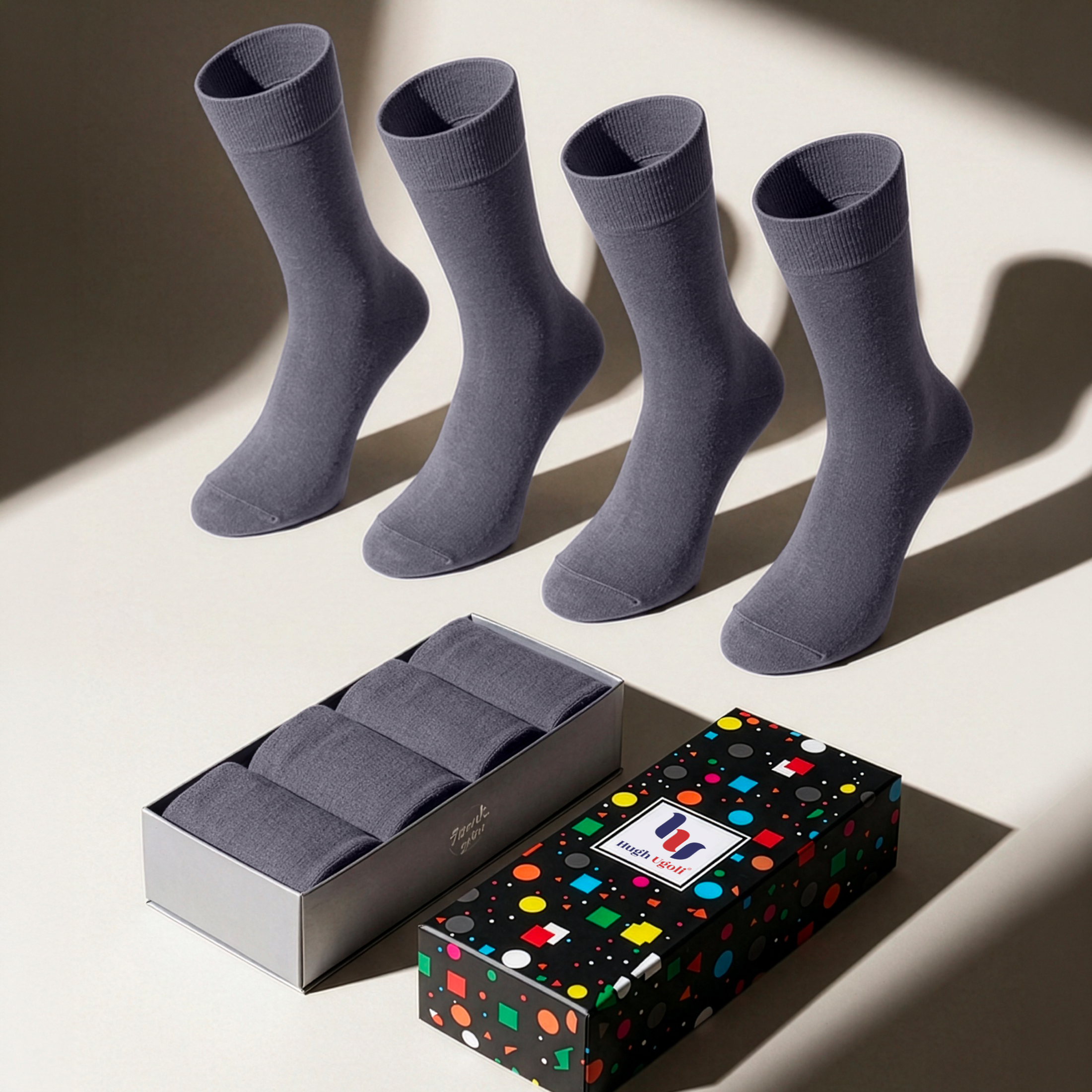
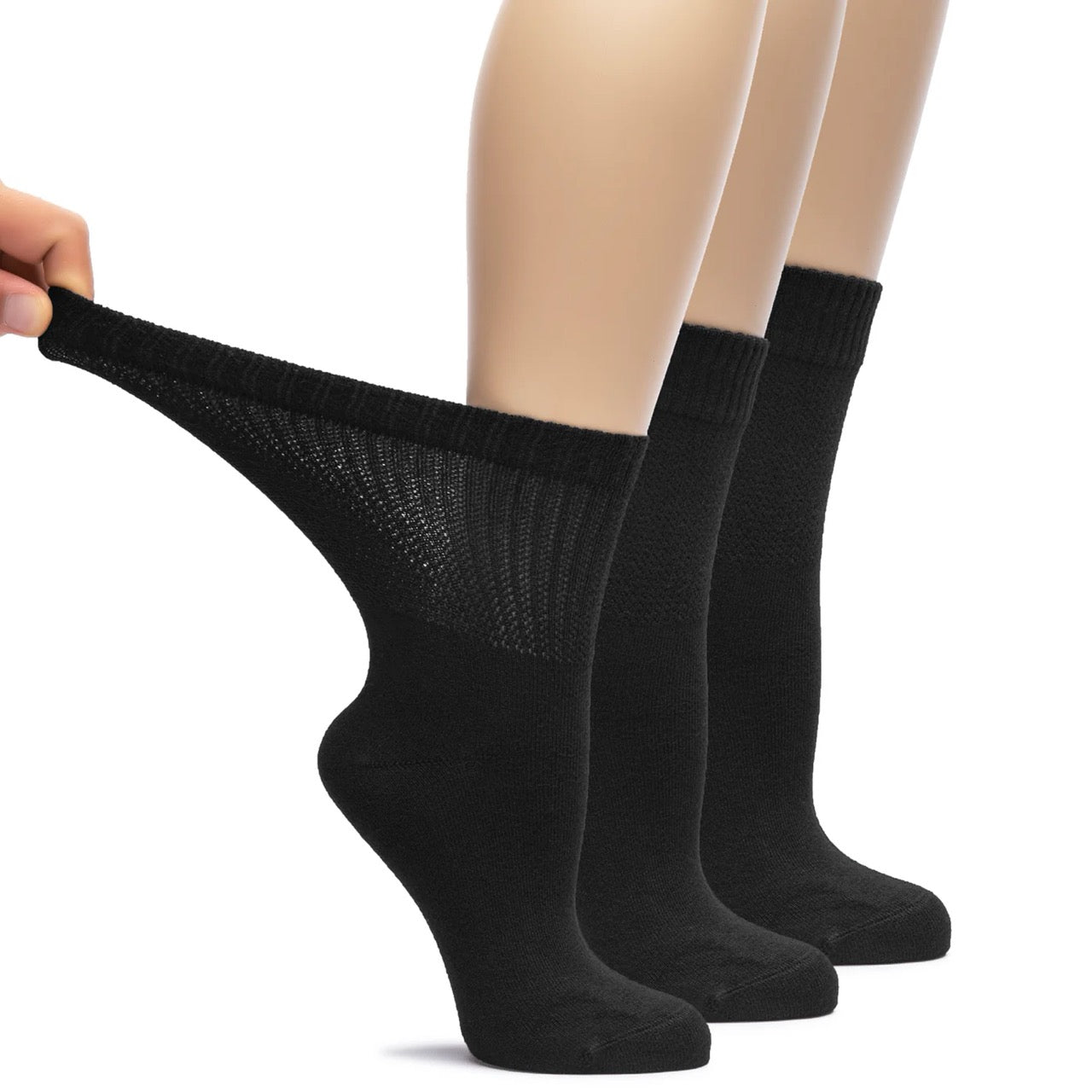
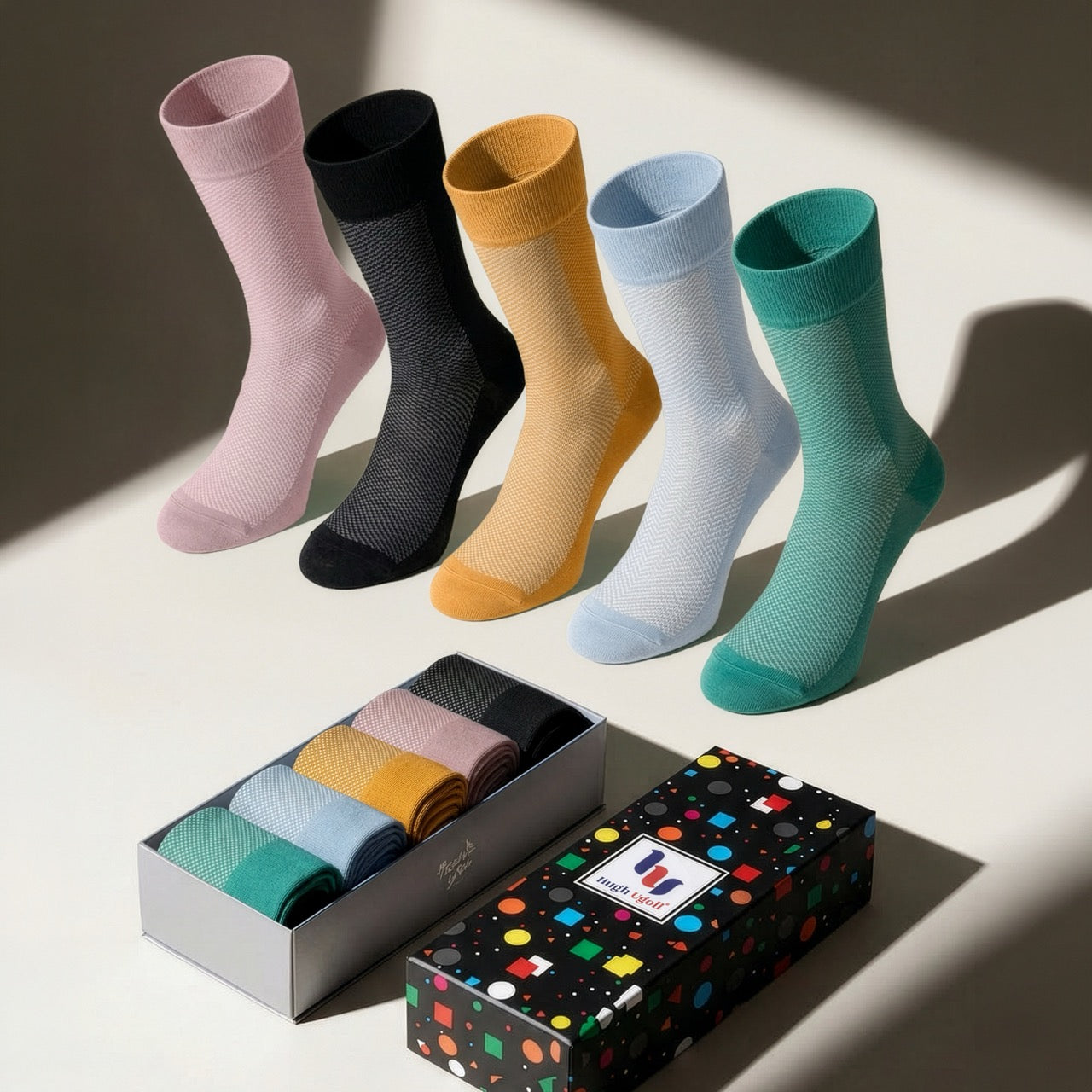
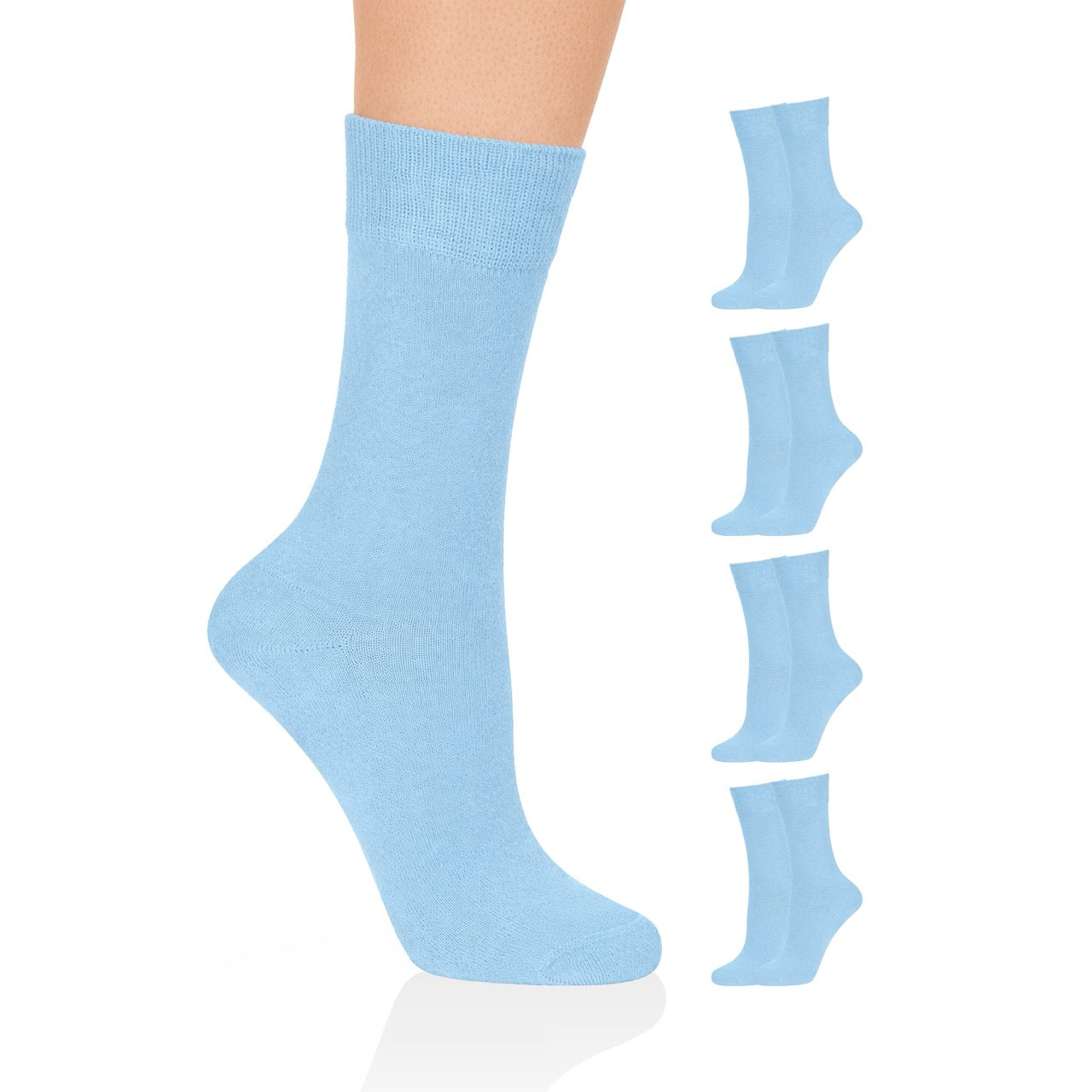
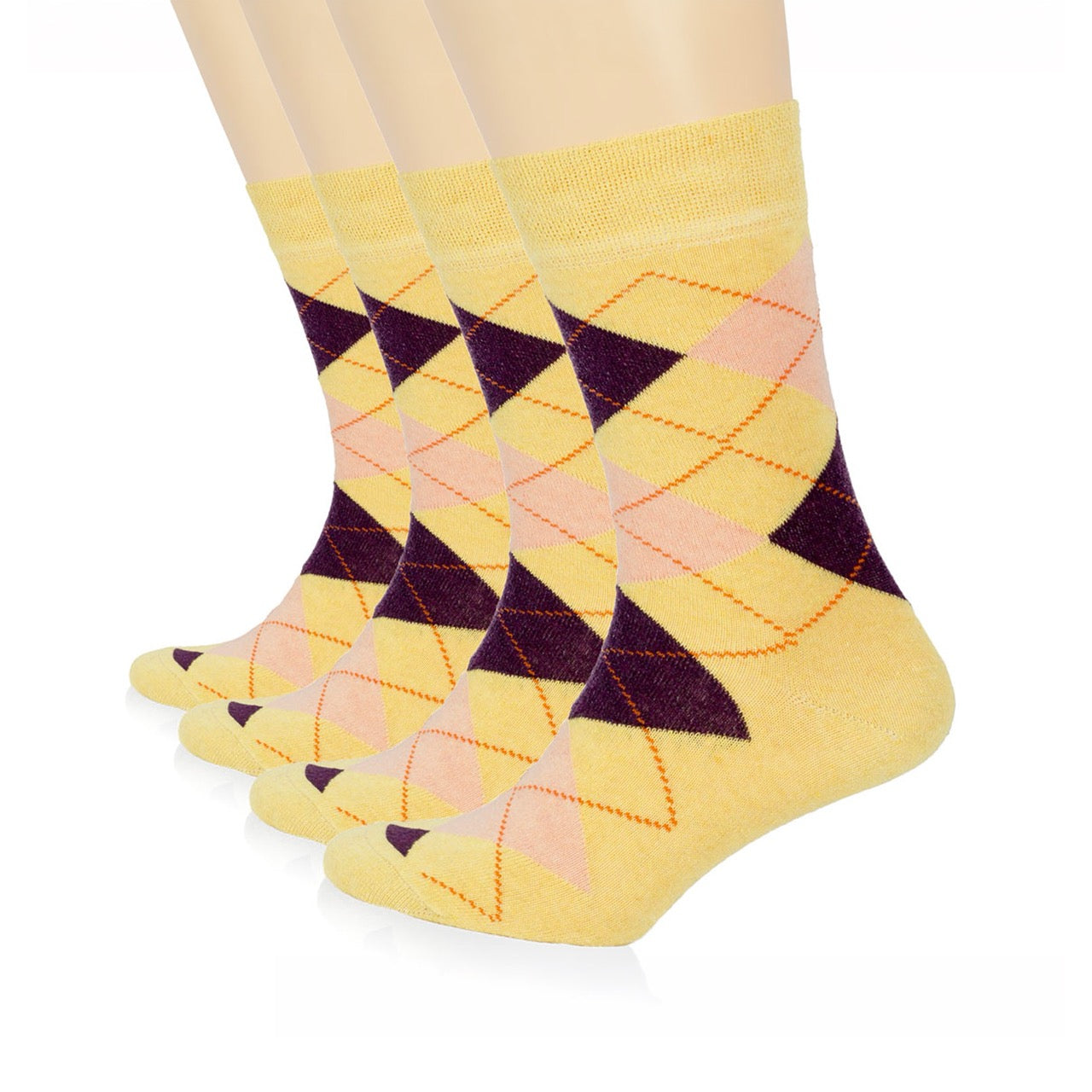
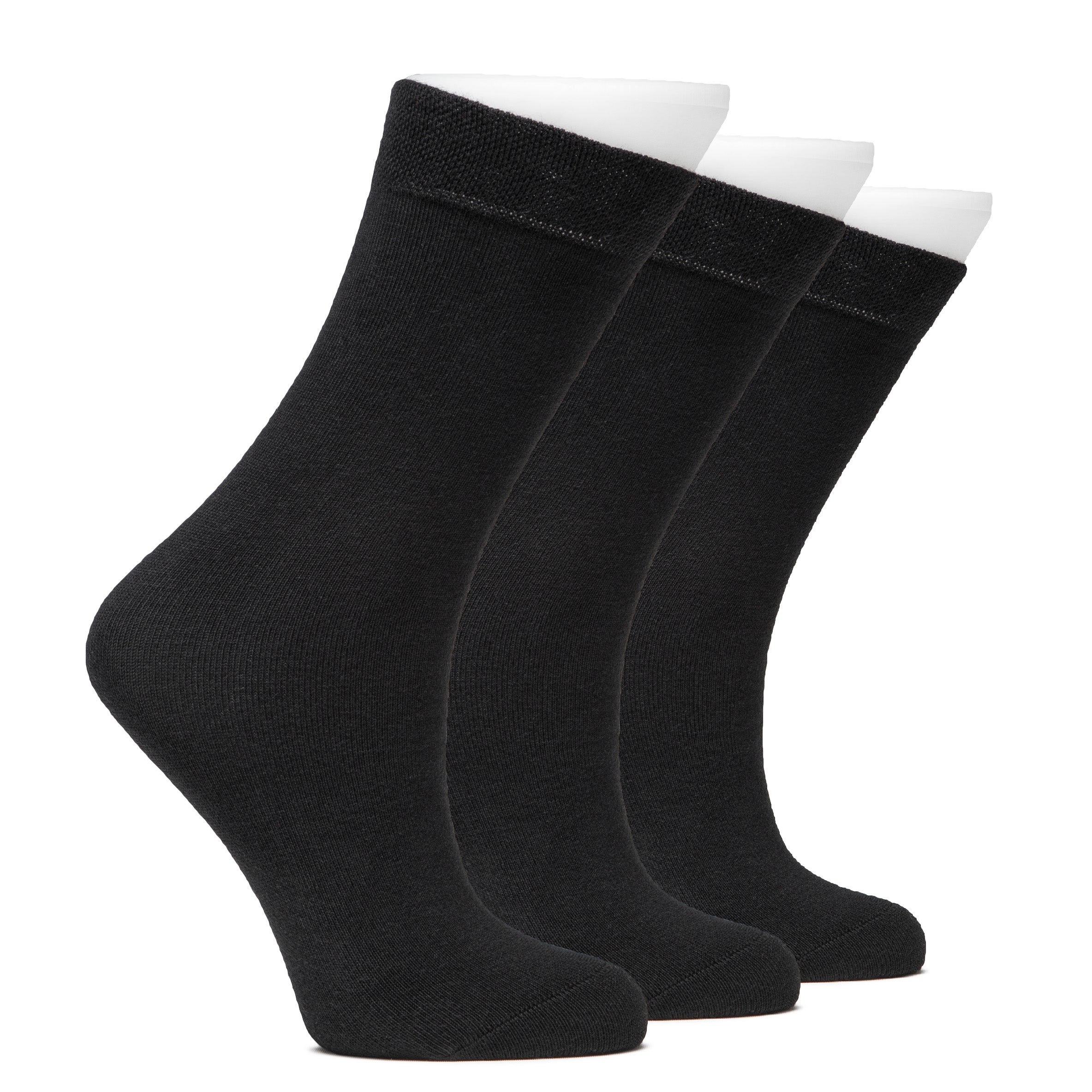
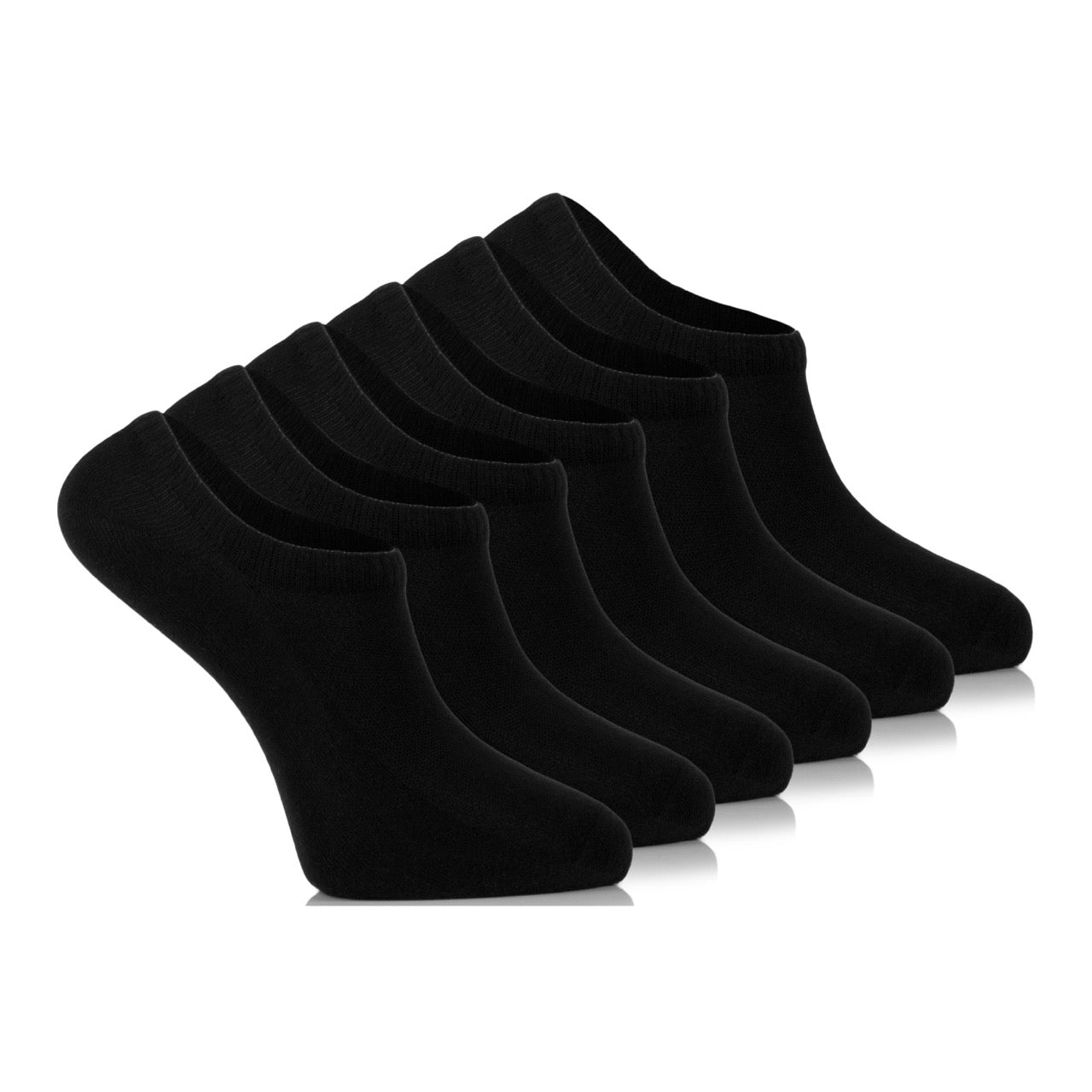
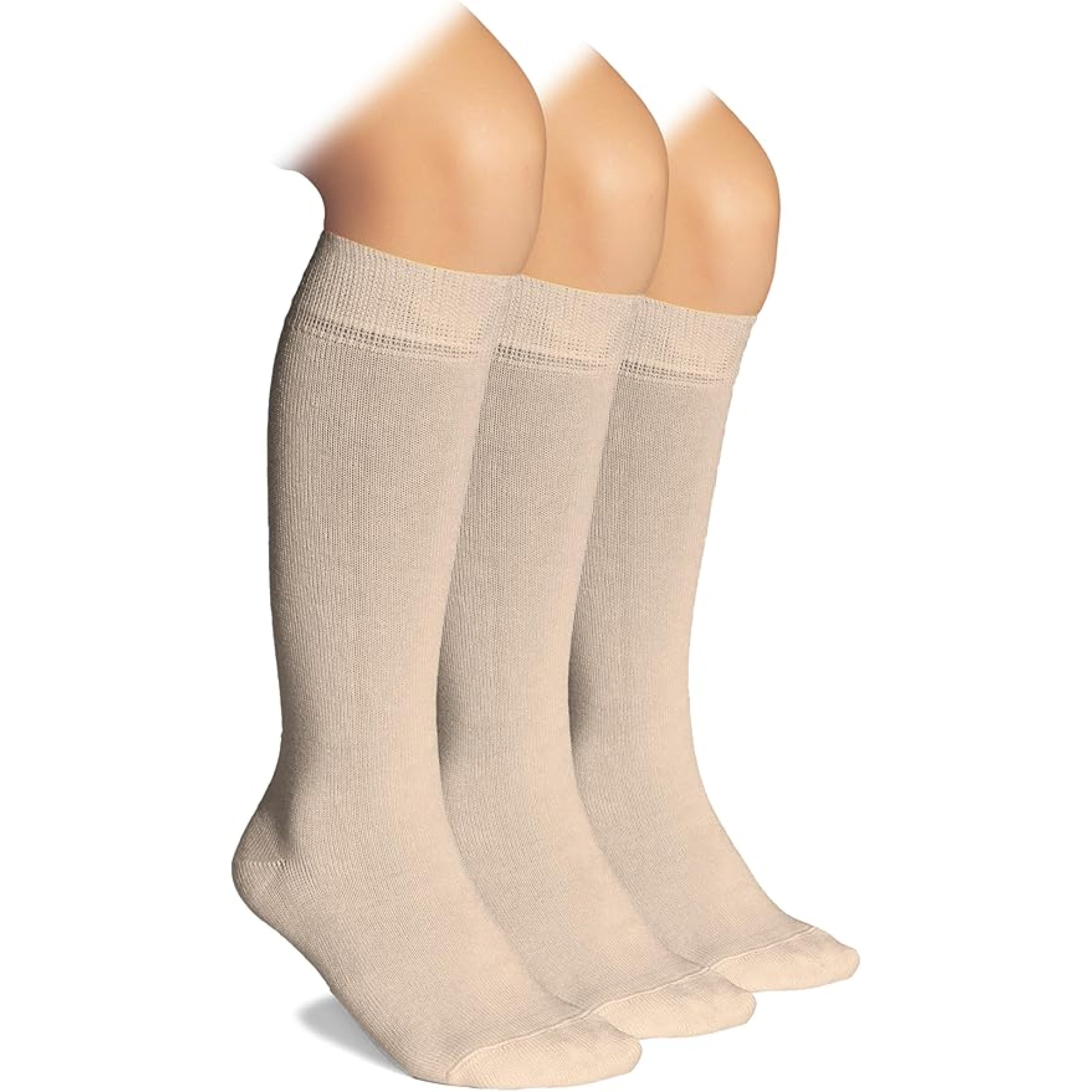


No sock addresses the neurology of restless legs syndrome, and it would be dishonest to suggest otherwise. What a sock can do is interact with two things people with RLS report as relevant: temperature and gentle, even pressure. If you want to try one, the brief is a sock you cannot feel — non-binding cuff so there is no pressure ring at the calf, a seamless or flat toe seam, a breathable fibre so it does not turn damp in a warm bed, and a snug rather than loose fit so it cannot twist. Compression socks are a separate question and generally come off at bedtime. The higher-value conversation is with your doctor, starting with an iron test.
Key Takeaways
If you have restless legs, you already know the specific misery of it: you finally lie down, your body is tired, and your legs start up. A crawling, pulling, fizzing sensation that is not quite pain and not quite itch, and an urge to move that only movement relieves. You get up. It settles. You lie back down. It returns.
Socks come up constantly in conversations about nighttime relief — sometimes as a warmth strategy, sometimes as compression, sometimes as counter-pressure. Some of that advice is reasonable, some of it is folklore, and some of it is actively unhelpful. This article separates the three, explains what is actually understood about pressure and temperature in this context, and sets out what to look for in a sock if you want to give it an honest try.
Let us be direct about the framing first: no sock is a solution for restless legs syndrome. What a well-chosen sock can do is remove some of the things that make a bad night worse, and provide gentle sensory input that many people find calming. That is a modest claim, and it is the honest one.
Restless legs syndrome, also called Willis-Ekbom disease, is a neurological sensorimotor disorder rather than a circulation problem or a muscle problem — a distinction that matters for understanding why some remedies help and others do nothing. The National Institute of Neurological Disorders and Stroke describes it as an irresistible urge to move the legs, usually accompanied by uncomfortable sensations, with symptoms that typically worsen in the evening and during rest.
Four features define it clinically: the urge to move, worsening during inactivity, relief with movement, and an evening or nighttime pattern. That last point is why it wrecks sleep specifically — the symptoms peak exactly when you are trying to be still.
It is also more common than most people assume. The Sleep Foundation puts it at roughly 5 to 15 percent of adults in Europe and North America, ranging from occasional mild annoyance to a nightly problem that seriously disrupts sleep.
Restless legs is sometimes linked to an underlying factor that can be identified with a simple test — low iron stores being the most common example. Mayo Clinic notes that some people with these symptoms turn out to have iron deficiency, and that addressing it can change the picture substantially. Pregnancy, kidney disease, certain medications, and peripheral neuropathy are also associated with restless legs symptoms.
The practical implication: if you have not had this looked at, do that before spending much energy optimizing your sock drawer. A blood test that identifies a correctable cause is worth more than any product recommendation on this page.

Three separate mechanisms get invoked, and they are worth pulling apart because they lead to different products.
The most plausible explanation for why some people find socks helpful. The nervous system processes competing sensory signals, and non-painful input — light pressure, warmth, texture against the skin — can compete for attention with uncomfortable sensations. This is the same broad principle behind why rubbing a bumped elbow helps, and why weighted blankets are soothing for some people.
Applied to restless legs, the idea is that steady, even, gentle contact along the foot and lower leg gives the nervous system something else to register. It is not switching the symptom off. It may make it less dominant. Many people describe it as taking the edge off rather than removing the sensation.
Both warmth and coolness get recommended for restless legs, which sounds contradictory until you notice that the reports are individual. Mayo Clinic's self-care guidance mentions warm baths, leg massage, and applying warm or cool packs among the approaches people use to calm symptoms. Some people find heat settles their legs. Others find cool skin helps and warmth makes things worse.
There is a separate, better-understood effect worth knowing about. Warming the feet dilates the blood vessels in them, which helps the body shed core heat — and a falling core temperature is one of the physiological signals that initiates sleep. For someone whose main complaint is that it takes an hour to drop off, warm feet are a small but real advantage independent of the restless legs.
The practical consequence for socks is that there is no universally correct warmth level. If heat aggravates your symptoms, a thick thermal sock is the wrong purchase — a thin, breathable sock that keeps your feet covered without heating them is closer to what you want.
Compression gets recommended widely, and this is where the most caution is needed. Some people with restless legs report that firm, even pressure on the calf provides relief, and pressure-based devices have attracted genuine clinical interest. But those are powered medical devices applying specific, targeted pressure — a sock is not one of them and should not be expected to do what they do.
Compression socks are also designed to work with gravity while you are upright, and wearing daytime compression overnight brings its own considerations, including the risk of the garment rolling into a tight band while you sleep. We cover that question in detail in can you wear compression socks to bed, and the short version is that it is a conversation to have with your healthcare provider rather than an experiment to run alone — particularly if you have any circulation concern, diabetes, or reduced sensation in your feet.
If a clinician has recommended compression at night for you, follow that. If nobody has, gentle non-binding coverage is the lower-risk starting point.
Working from the mechanisms above, here is what actually matters. The design brief is specific: you want the sock to be essentially unnoticeable, because anything you can feel is one more input asking your legs to move.
The single most important feature. A conventional sock cuff grips with a tight elastic band, and when you are lying still for hours that band creates a pressure line around the leg — an indentation ring, sometimes with itching or tingling underneath. For someone whose legs are already sending unwanted signals, adding a localized pressure line is exactly the wrong input.
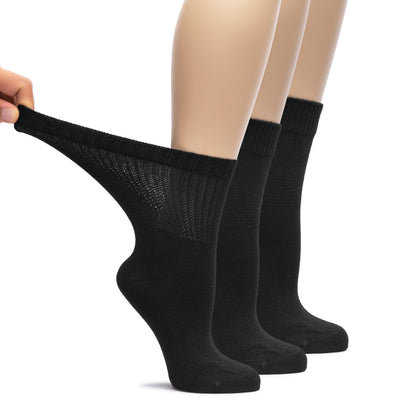
A non-binding sock uses a wider, gently stretched cuff that holds position without constricting. The pressure it does apply is spread evenly rather than concentrated in a band. That even, low-level contact is what people are actually describing when they say a sock helps. Our explainer on how non-binding socks work covers the construction difference.
A raised seam across the toes is a small irritation during the day and a much larger one at 2am when your nervous system is already primed to notice sensation in your legs. Seamless-toe construction removes the ridge entirely. If you have any degree of neuropathy alongside restless legs — a common combination — this stops being a comfort preference and becomes important. Our guide to seamless toe socks explains how to identify one.
Uneven ribbing, thick cushioning panels, or a coarse knit all produce variable sensory input as you shift position. What you want is uniformity — a fabric that feels the same everywhere and does not change as you move. Fine-gauge knits do this better than chunky ones.
Bamboo viscose is the most flexible option here. It moves moisture off the skin, feels smooth, and does not trap much heat, so it suits people whose symptoms are aggravated by warm feet as well as those who just want coverage. Bedrooms are warm and bedding is warmer, and a sock that holds moisture turns damp — and damp feels cold, which is the thing you were trying to avoid. Cotton is a reasonable alternative and slightly more absorbent. Wool is warmer and works if heat helps you, but is the wrong choice if it does not, and coarse wool's texture can be a problem in itself.
Restless legs sensations are usually felt in the calf, not just the foot. A crew-height sock covers more of the area where the sensation lives, which gives the sensory-input effect more to work with. That said, some people find any fabric on the lower leg itself irritating, in which case an ankle height is the better starting point.
A sock that is too small applies uneven tension. One that is too large bunches under the arch and twists as you shift. Neither is what you want overnight. Snug and even is the target, so buy your actual size.
Non-binding socks are usually sold under the diabetic sock label, because that is the market that drove the design — but the construction is the same whoever is buying it, and there is nothing diabetes-specific about wanting a cuff that does not dig in.
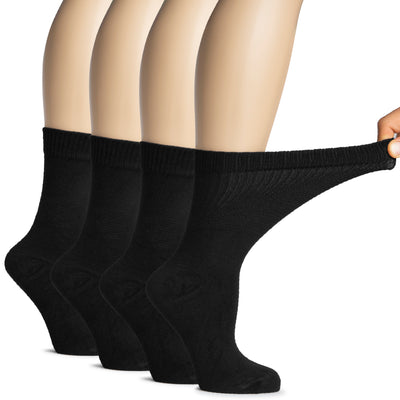
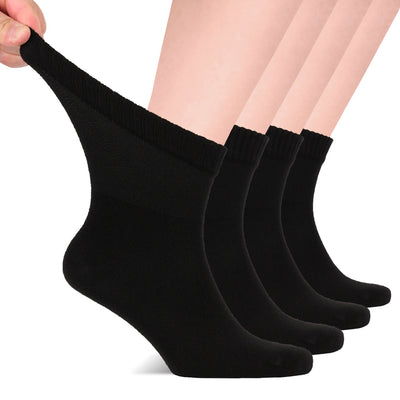
For crew height in a smooth, breathable knit, the women's bamboo thin crew socks and the unisex cotton crew socks both use a non-binding cuff with a seamless toe. If you prefer minimal coverage and run warm at night, the men's lightweight bamboo ankle socks are the thinnest option. If your feet run cold and warmth is what settles your legs, the thicker bamboo crew socks for women give more insulation with the same non-binding construction, and wool crew socks are worth trying if texture is not an issue for you. The full range sits in the non-binding sock collection.
A note on price expectations: this is a low-cost experiment. If a sock helps you, it helps within a few nights, and you will know. If it does not, you have a comfortable pair of socks.
Because restless legs varies night to night on its own, casual impressions are unreliable. A structured two-week trial gives you a real answer.
Two weeks of notes will tell you more than two months of impressions.
Socks are a small piece of a larger picture, and the rest of it is well documented. Sleep Foundation and Mayo Clinic both describe a similar set of self-care approaches that people use alongside whatever their clinician recommends:
A few widely shared nighttime remedies deserve a flag. Bars of soap under the bedsheet have no plausible mechanism and no supporting evidence. Wrapping legs tightly in bandages or elastic is not the same as graduated compression and can create genuine pressure problems while you sleep. Tightly tucked bedding that pins the legs down runs directly against the one thing that reliably relieves the sensation, which is movement — many people sleep better with loose covers or a blanket lifter.
And if your legs are new-onset painful, swollen, warm to the touch, or affected on one side only, that is not restless legs and it needs prompt medical assessment rather than a sock.
Bring it to a professional if symptoms occur most nights, if they are disrupting your sleep enough to affect your daytime function, if they are getting worse over time, or if you are pregnant. An iron panel including ferritin is a standard first step and is worth asking about specifically, since normal hemoglobin can coexist with low iron stores. There are also established medical options for people whose symptoms are persistent, and a clinician can walk you through them.
If you also have diabetes, neuropathy, or peripheral artery disease, mention that when discussing anything you plan to wear on your legs at night. Our articles on socks and neuropathy and compression versus non-binding for vein problems cover the overlapping considerations.
Some people find that wearing soft, non-binding socks at night takes the edge off the sensation, most likely because steady gentle contact gives the nervous system competing sensory input. It is not a fix for the underlying condition, and results vary a lot between individuals. It is a low-cost thing to try alongside — not instead of — proper assessment.
Only if a healthcare provider has advised it. Compression socks are designed for upright, active wear, and sleeping in them raises separate issues, including the garment rolling into a tight band overnight. Gentle non-binding socks are the lower-risk option to try first, especially if you have diabetes, neuropathy, or any circulation concern.
It genuinely depends on the person. Some find warmth settles their legs; others find warm feet make symptoms worse and do better with thin, breathable socks or none at all. Test both before deciding — and if you try warm socks and have a bad night, try a thin pair before concluding that socks do not work for you.
Bamboo viscose is a good default: smooth, breathable, and it does not trap much heat, so it suits people at either end of the temperature preference. Cotton is a reasonable alternative. Wool only makes sense if warmth helps you, and choose a fine merino rather than a coarse knit, since texture itself can be an irritant.
Two weeks, with a simple written log, and changing nothing else at the same time. Restless legs symptoms vary night to night on their own, so a single good night proves nothing. Seven nights with and seven nights without, scored each morning, gives you something you can actually read.
Restless legs is a neurological condition, and socks are not medicine for it. What a good night sock can do is provide even, gentle sensory contact without any of the pressure points that make things worse — which means a non-binding cuff, a seamless toe, a smooth fine-gauge knit, a height that suits you, and a fiber matched to whether warmth helps or hinders. Try it properly for two weeks, keep notes, and regard it as one small piece alongside sleep habits, activity, and a proper look at whether something correctable is driving your symptoms.
This article is for general information and is not medical advice. Talk to your healthcare provider about your own feet.
They do not treat restless legs syndrome, which is neurological. What some people find is that warm feet and gentle, even contact make the first twenty minutes in bed easier, and that is a modest but real comfort benefit. Others find anything touching their legs makes things worse. It is worth a week-long trial rather than an assumption.
Not without asking your provider first. Graduated compression socks are daytime garments and the standard advice is to remove them at night, and sustained compression is not appropriate for everyone — particularly anyone with reduced arterial circulation or reduced sensation in the feet. If pressure is what you find soothing, a snug non-binding sock provides even contact without a pressure gradient.
Ones you cannot feel. Look for a non-binding cuff that holds position without a tight elastic band, a seamless or flat toe seam, a smooth interior with no heavy cushioning ridges, a breathable fibre such as bamboo viscose, and a fit that is snug rather than loose so the sock cannot twist and bunch overnight.
It depends on the person, and both patterns are common. Some people find cold feet make the sensations worse and warmth settles them; others find the opposite and cool their legs deliberately. Try a week of each rather than assuming, and note how long it takes you to fall asleep.
Getting the underlying picture checked is the highest-value step — low iron is one of the recognised contributors and is identified with a simple blood test. Beyond that, a consistent sleep schedule, regular moderate exercise earlier in the day, stretching, warm baths and massage are the approaches commonly used alongside medical treatment. Socks belong at the end of that list, not the top.
Discover All Hugh Ugoli Socks
Shop All Socks


