Cart
0
You may also like
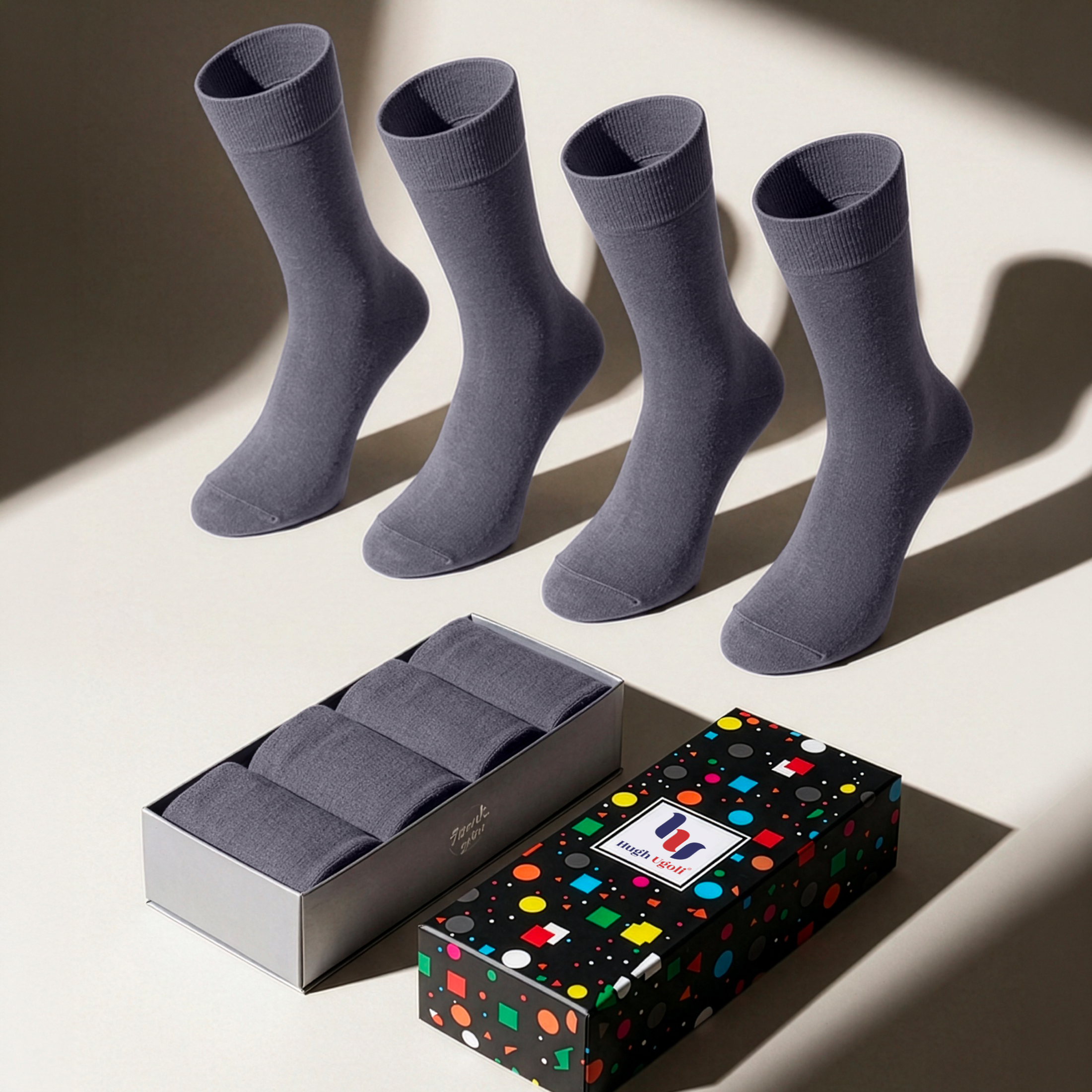
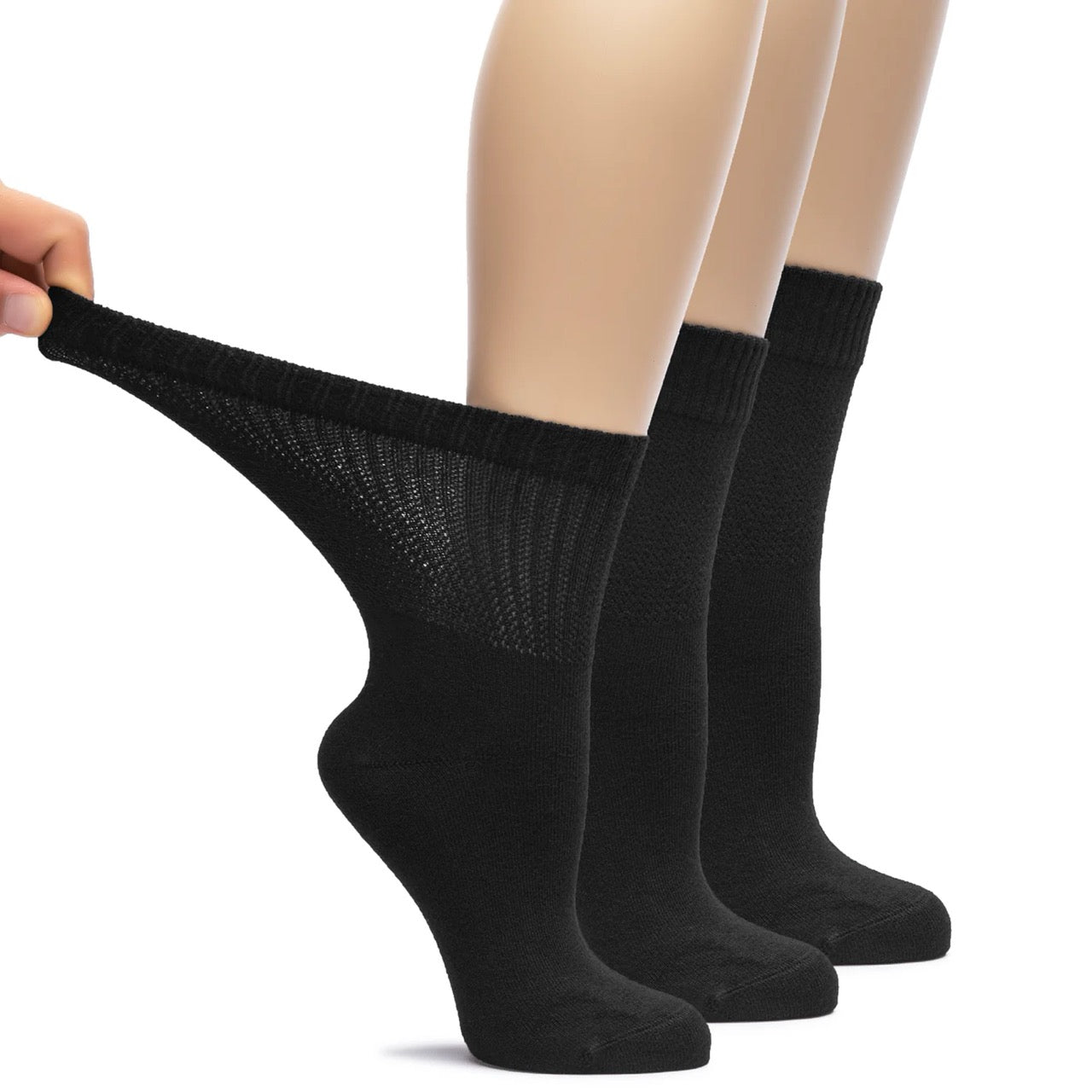
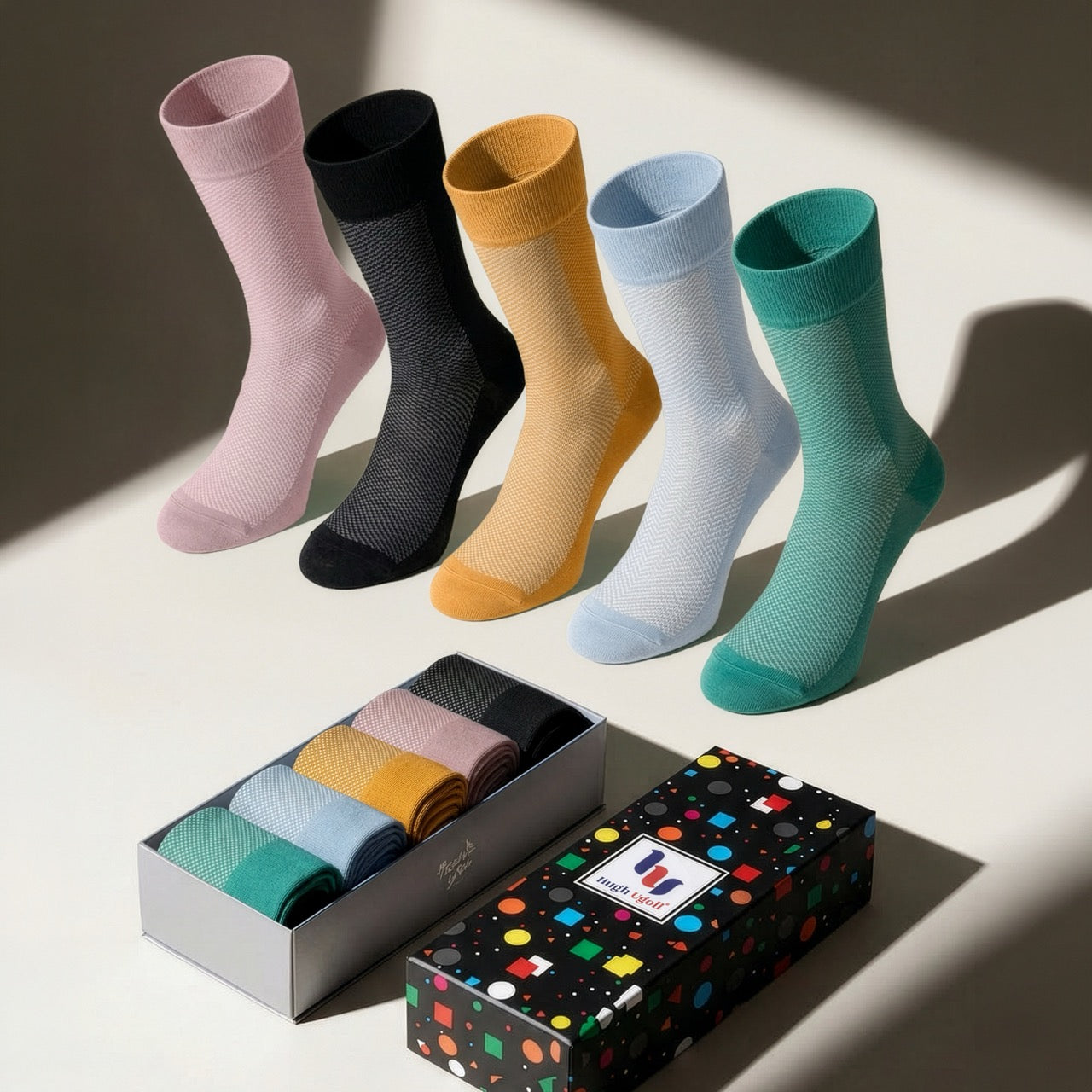
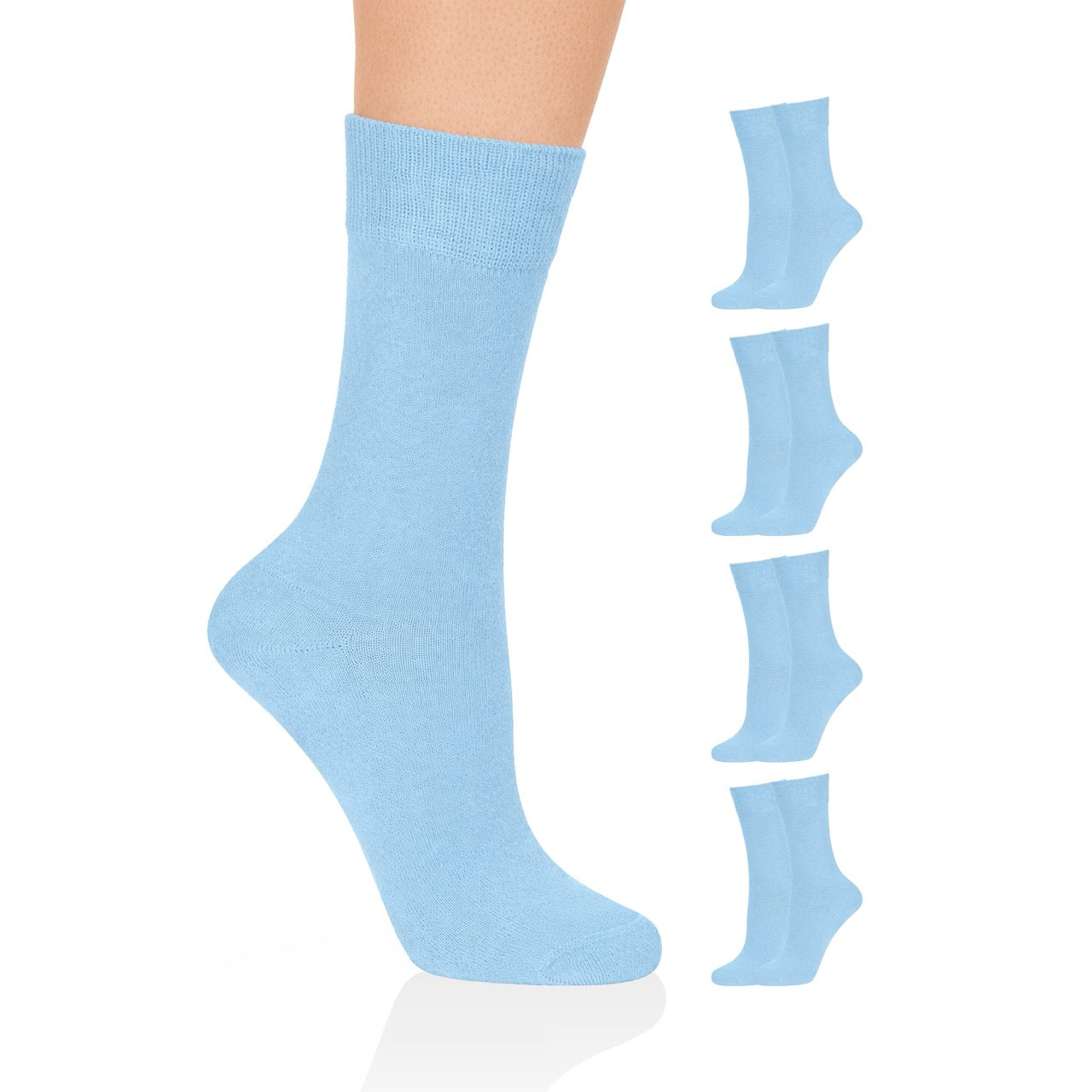
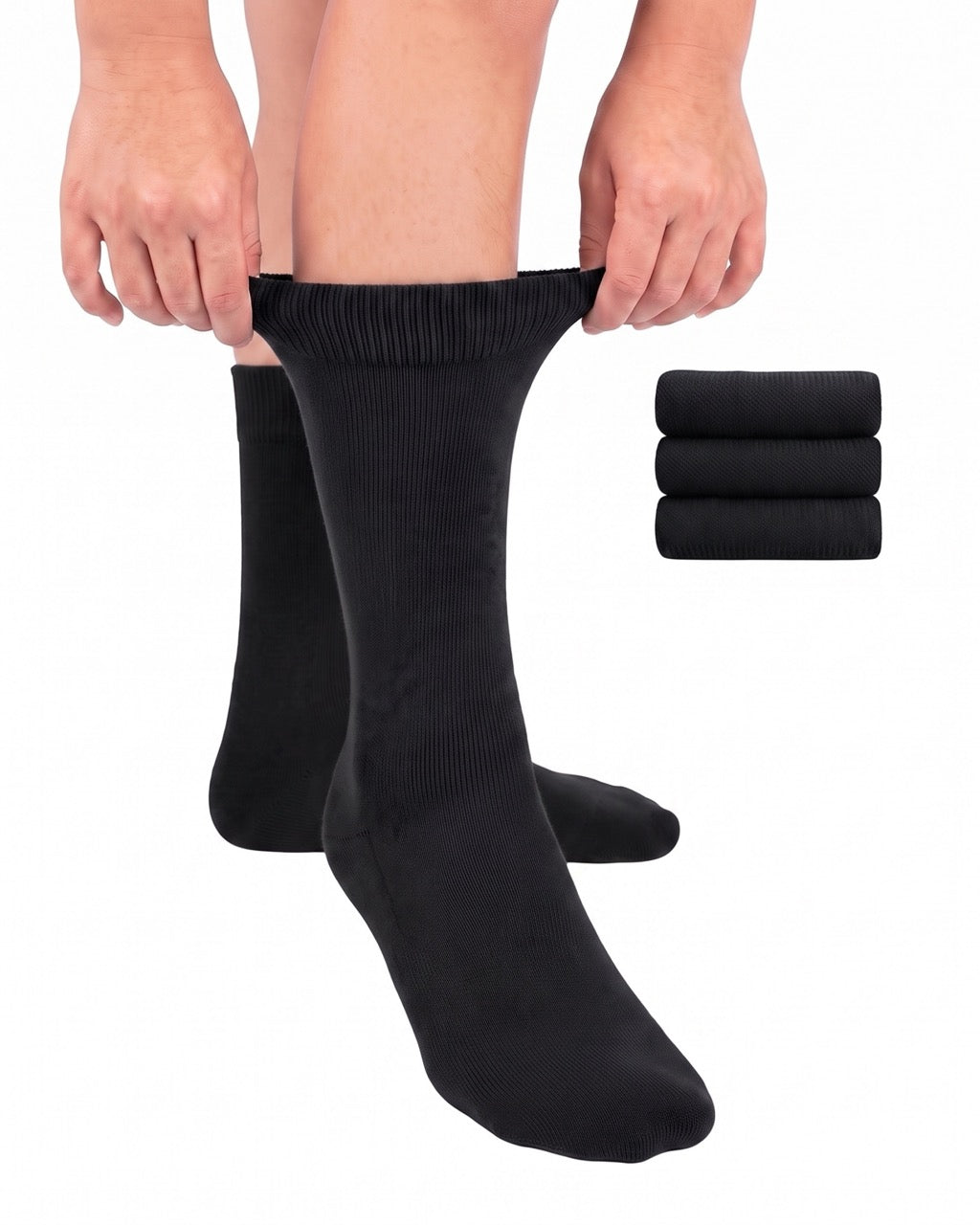
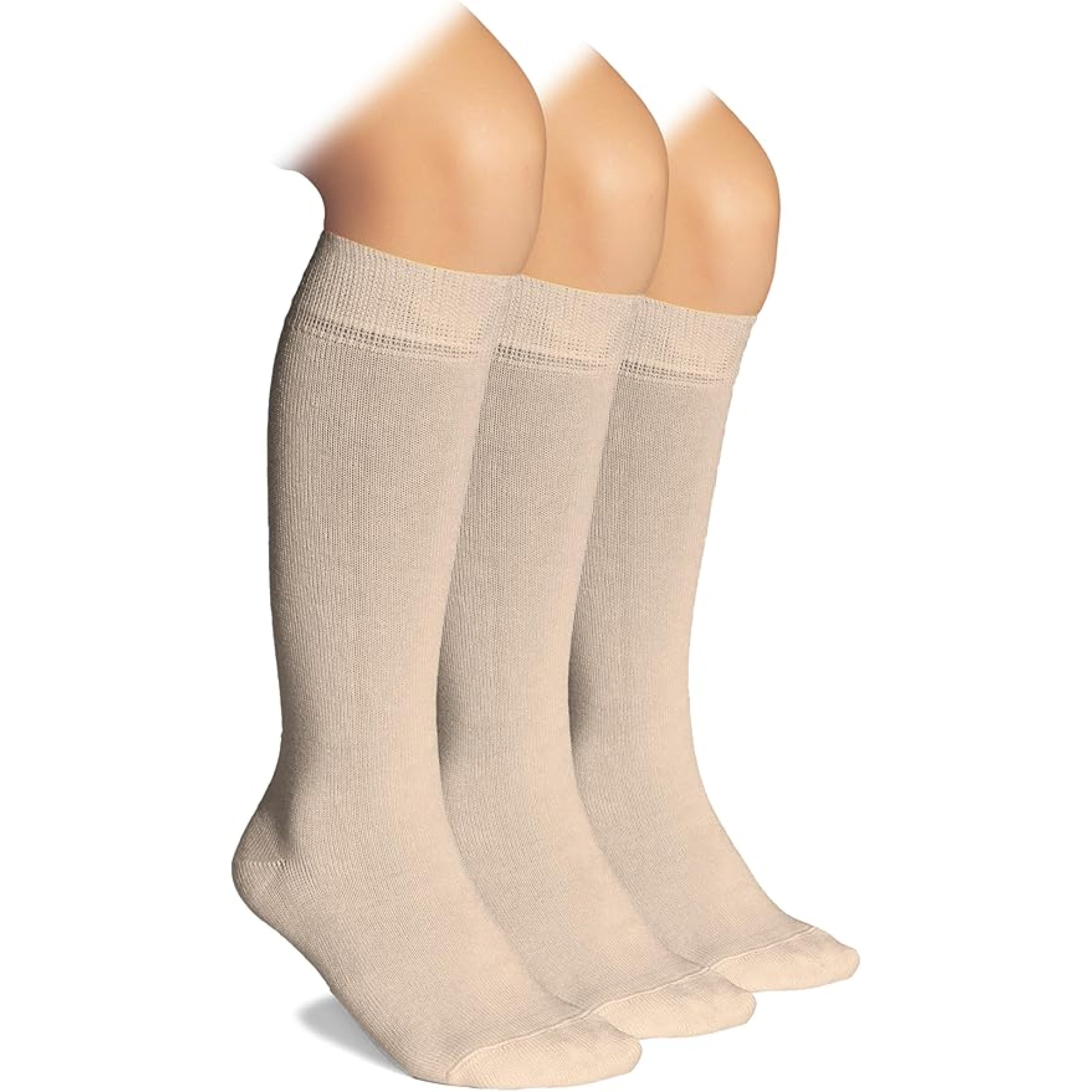


A silk liner sock is a thin, close-fitting sock worn against the skin under a thicker hiking sock. Because silk is smooth and slippery, most of the rubbing happens between the liner and the outer sock instead of against your skin, and the liner helps move sweat to the outer layer. Many walkers find this reduces hot spots and adds light warmth without bulk. Liners will not fix boots that are too small or heels that slip, and silk wears faster than wool or synthetics, so merino, bamboo and synthetic liners are common alternatives.
Key Takeaways
Talk to enough long-distance hikers and sooner or later someone will mention a thin, slippery little sock that lives under the main one. It does not look like much. It weighs next to nothing, costs less than a trail-side snack and disappears into the bottom of a pack. Yet people who walk many miles a day often describe it as one of the most useful pieces of kit they own. That sock is the silk liner, and the idea behind it is much older than modern hiking gear.
This guide explains what silk liner socks are, why layering a thin sock under a thicker one can make long walks more comfortable, who benefits most, and where liners fall short. We will also look at how other liner fibers compare, how to size and wash them, and how to decide whether a liner is worth adding to your own routine.
A sock liner is a thin, close-fitting sock worn directly against the skin, underneath your regular hiking or walking sock. It is the base layer for your foot, in the same way that a thin shirt sits under a jacket. The outer sock provides cushioning and warmth; the liner provides a smooth, low-friction layer next to the skin and helps to move moisture away from it.
Liners are traditionally made from silk, but you will also see them in thin synthetic fabrics, merino wool, bamboo viscose and cotton blends. They can come in crew height, ankle height or even toe-sock style. What they share is a lightweight knit that is meant to be worn under something else, not on its own inside a boot.

Blisters form where skin is repeatedly rubbed against something, especially when the skin is warm and damp. The idea behind a liner is to move the point of friction away from your skin. With two layers, the rubbing happens mainly between the liner and the outer sock, not between the sock and your skin. Silk and other smooth fibers glide against the outer sock, so the shear force on your skin is lower.
A second benefit is moisture. Feet sweat during long walks, and damp skin is more fragile and more likely to chafe. A thin liner can pull moisture off the skin and pass it to the thicker outer sock, which has more fabric to hold it. The skin stays a bit drier, and the sock does the job of absorbing sweat.
Neither effect is magic, and a liner cannot fix a boot that is too small or a heel that slips badly. But for many walkers, a liner can make an already good setup more comfortable.
Silk has a few traits that explain its long-standing reputation among walkers:
It also has disadvantages. Silk is less durable than wool or synthetics, and the heel and toe areas wear through faster. It can be pricey for what it is, and it needs gentler care than a standard sock. For those reasons some hikers prefer a liner made from another fiber.
| Fiber | Feel | Moisture handling | Durability | Notes |
|---|---|---|---|---|
| Silk | Very smooth, light | Good, dries fast | Lower | Gentle wash; best for dry-climate or cool-weather walks |
| Merino wool | Soft, slightly textured | Good, stays comfortable when damp | Moderate | Adds warmth; a good pick for cold trips |
| Bamboo viscose | Very soft, smooth | Good, breathable | Moderate | Comfortable for sensitive skin |
| Synthetic | Smooth, sometimes slick | Excellent, dries very fast | High | Can feel warm and less breathable for some |
| Cotton | Soft | Absorbs and dries slowly | Moderate | Generally not ideal under boots on long, sweaty days |
The more miles you walk, the more small amounts of friction matter. On trips of several days, a liner can help keep feet comfortable, and carrying a spare liner or two weighs almost nothing.
If you often feel a rub at the heel or the side of the foot, a liner may reduce the friction. Think of it as an experiment: wear it for a few walks and see whether the hot spot changes.
Heavier wool or textured hiking socks can feel scratchy against sensitive skin. A soft, smooth liner creates a comfortable barrier between you and the outer sock. If you find wool irritating, a bamboo or silk liner under it often solves the problem.
A thin layer adds a little warmth without making boots tight, which is useful when temperatures hover just above cold. It pairs well with a warmer outer sock; our guide on the sock mistake people make every October explains why adding thickness without room can backfire, and why a thin liner is often a smarter way to add warmth.
Some walkers use toe-style liners to stop toes rubbing against each other. If you are curious about that style, our article on toe socks and who actually benefits from them covers who tends to like them and who does not.
Putting on two layers of socks takes a little technique. Follow these steps for a smooth fit:
The liner is only half of the combination. For cooler walks, a warm outer sock such as our warm wool crew socks pairs well with a thin liner, since the liner keeps wool away from the skin. For easy days and mild weather, a breathable bamboo or cotton crew sock is usually enough. If you want a soft, thin sock to use as a base layer, a lightweight bamboo sock like our men's lightweight bamboo ankle socks is the kind of thin, smooth knit that works under a thicker pair. For a soft layer under boots, our women's bamboo dress crew socks are another thin, breathable knit worth trying. You can find more everyday options in our bamboo socks for men and bamboo socks for women collections.
For ideas about hiking socks themselves, our guides on socks for hiking and summer hiking socks go deeper on cushioning, height and fiber choices.
Liners last longer when you treat them gently.
Not necessarily. Many walkers never use one. If your current socks are working and your feet are comfortable, there is no need to change. A liner is worth trying if you get repeated hot spots or have sensitive skin.
Liners are not designed for that. They are thin and have little cushioning, so wearing them alone in a boot will probably be uncomfortable and wear them out quickly.
Two is a sensible minimum: one to wear and one to wash or dry. For a multi-day trip, many hikers carry two or three.
Layering thin socks under thick ones is not a new idea. Long before technical outdoor gear existed, walkers, soldiers and mountaineers wore a thin inner sock of silk or fine wool beneath a heavier outer sock, because they discovered through experience that feet stayed more comfortable over long distances. Silk was prized for its smoothness and the fact that it dried fast and packed small. Modern liners use updated fibers, but the logic is the same: let the cheap, thin layer take the wear and friction, and let the sturdy outer sock do the cushioning.
A liner is one piece of a bigger approach to keeping feet comfortable on a long walk. The habits below do more for your feet than any single piece of gear, and they work together with a liner.
For a day hike, one liner and one outer sock on your feet is usually enough, with a dry spare pair of each in your pack if the weather is wet. For multi-day trips, a common approach is two liners and two outer socks: one pair to wear, one to wash and dry. Rotate them each day, clipping the damp pair to the outside of your pack so that it dries while you walk. Keep a small bag for dirty socks so they do not dampen the rest of your gear.
Silk liner socks endure because the idea is sound: a thin, smooth layer takes on the rubbing so your skin does not have to, and it helps move moisture away from the foot. They are not essential for everyone, and they will not rescue a poor boot fit, but for long walks, sensitive skin and cooler weather they are a light, inexpensive experiment that many hikers keep making. Choose a fiber that suits your climate, make sure the liner fits snugly without wrinkles, pair it with a good outer sock and check that your boots have room. If your feet feel better at the end of the day, you will know the old trick still works.
They do not guarantee anything, but a smooth liner moves the friction away from your skin and helps manage moisture, which many walkers find reduces hot spots. Boot fit still matters most.
It is not recommended. Liners are thin with little cushioning, so wearing them alone in a boot is usually uncomfortable and wears them out quickly.
They add a little warmth for their weight, mostly by trapping a thin layer of air. For colder days, pair a liner with a warmer outer sock such as wool.
Merino wool adds warmth, bamboo viscose is very soft for sensitive skin, and synthetics dry quickly and last longer. Cotton is generally not ideal on long, sweaty days.
Hand wash or use a gentle cycle in a mesh bag with mild detergent, no bleach and no fabric softener, then air dry away from direct heat.


Discover All Hugh Ugoli Socks
Shop All Socks