Cart
0
You may also like
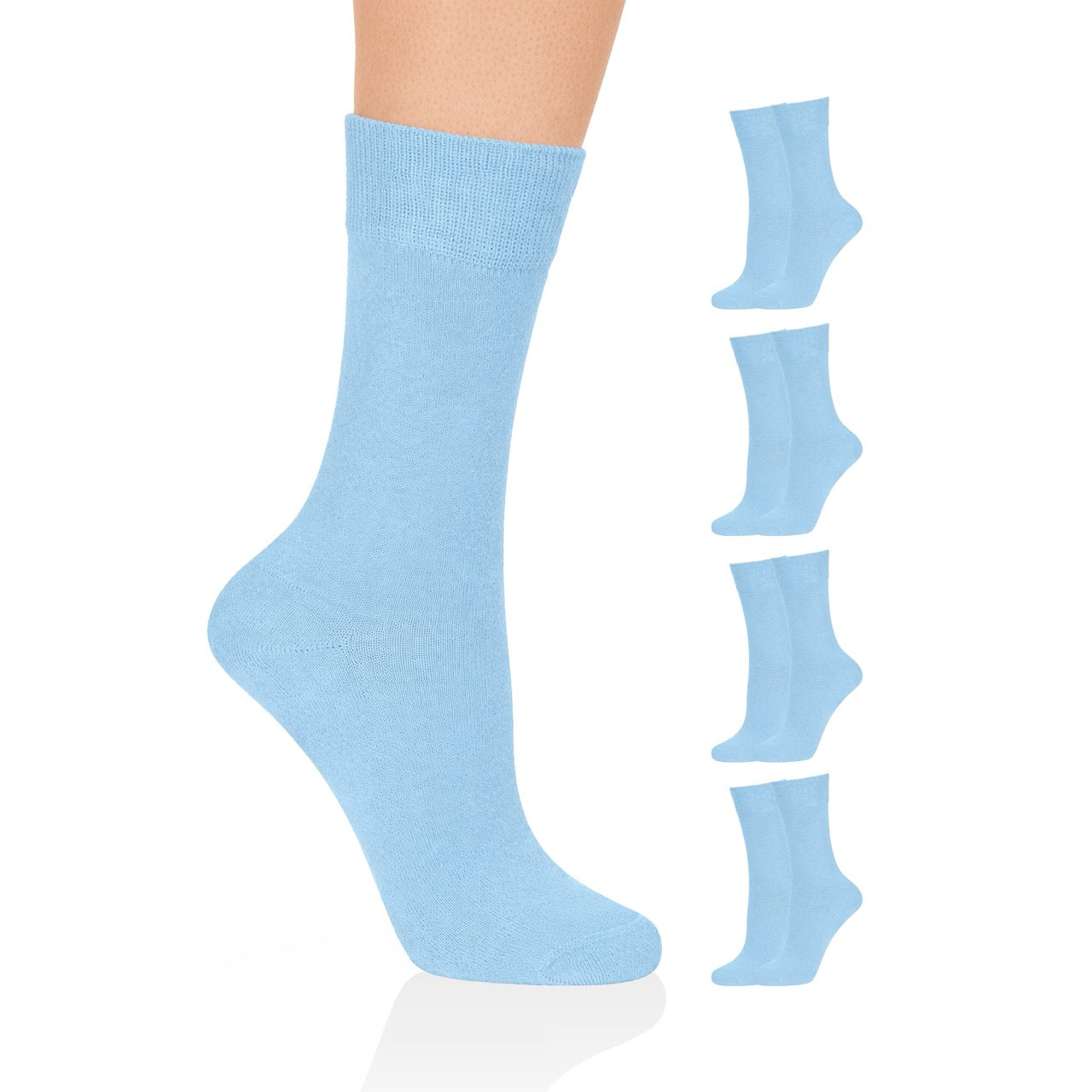
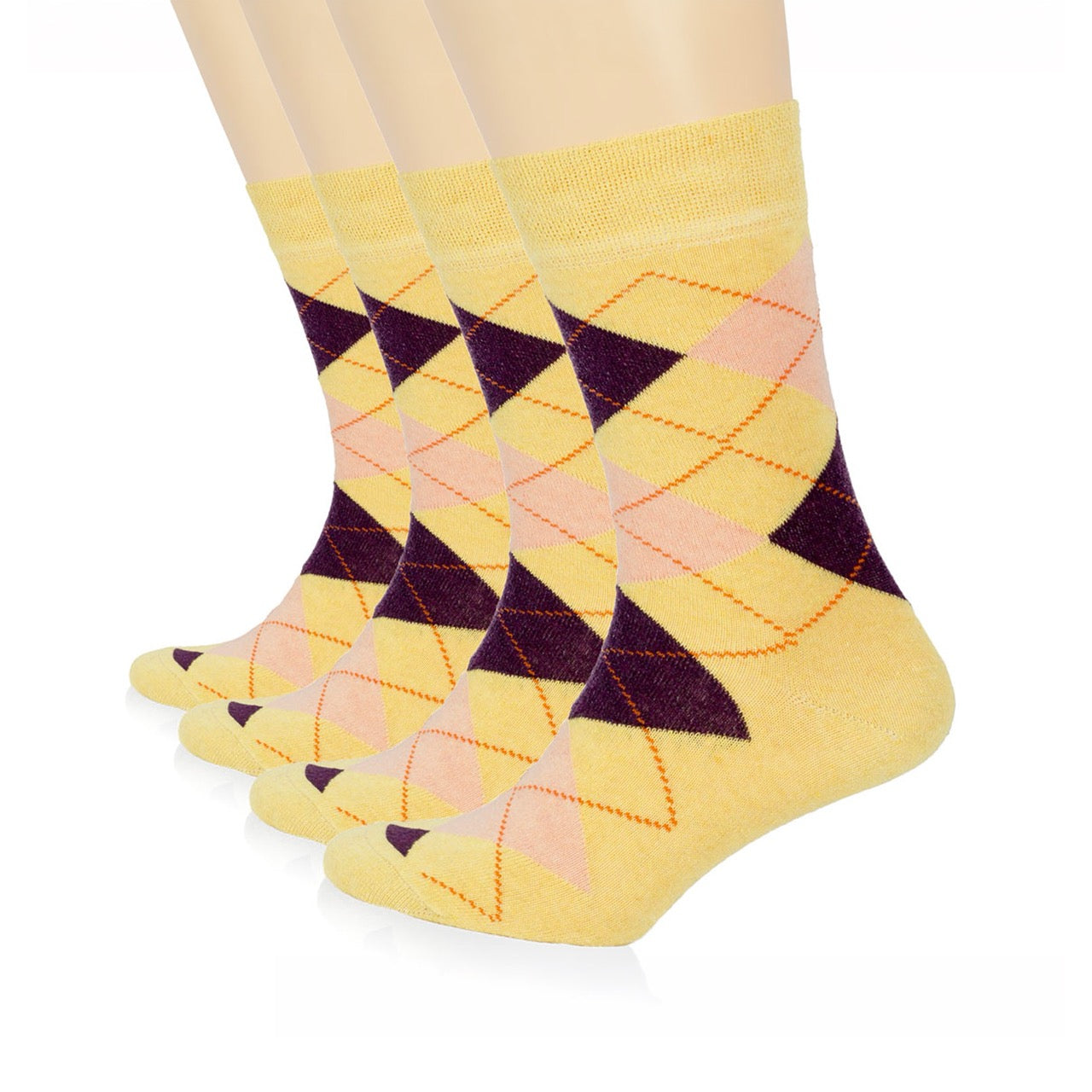
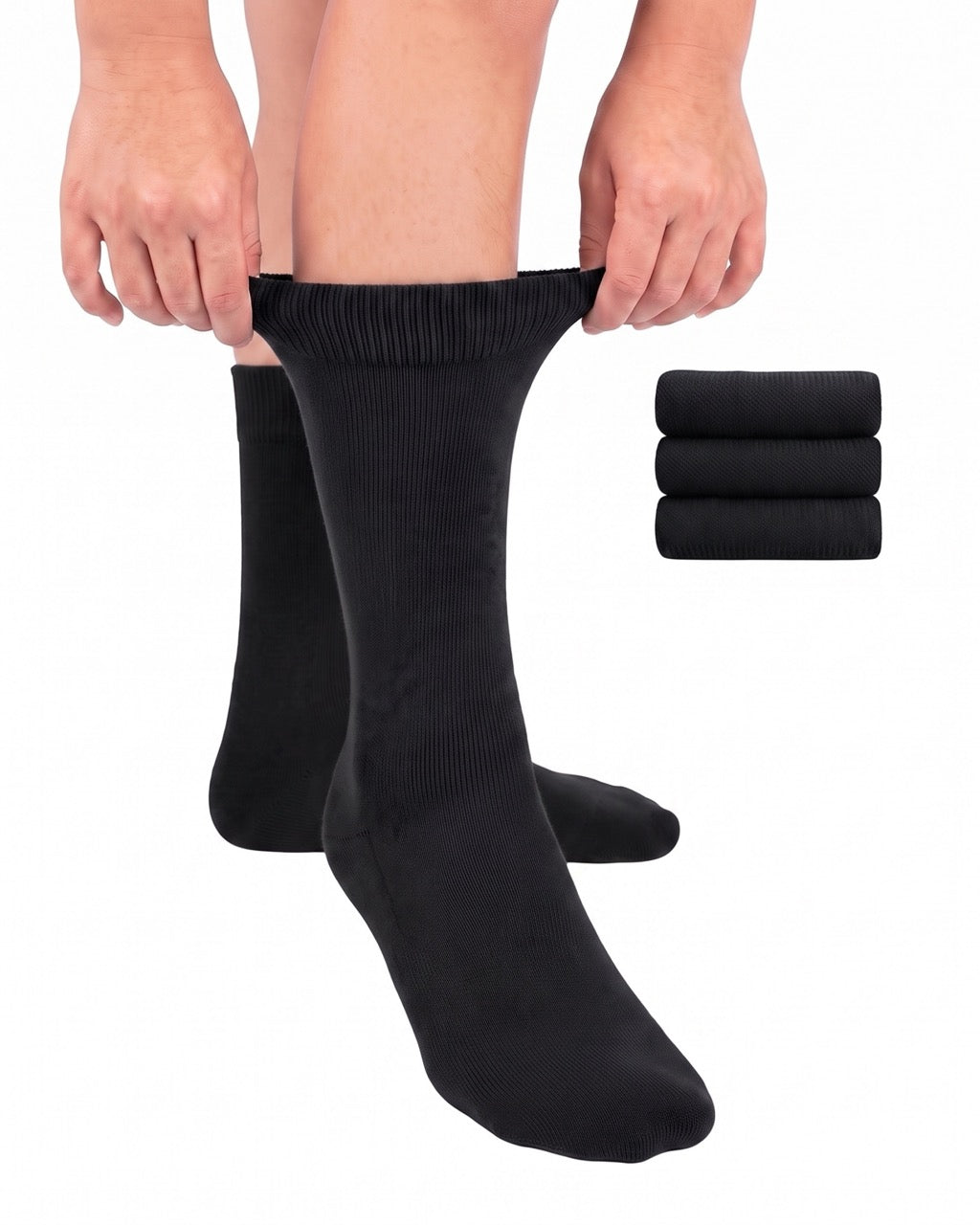
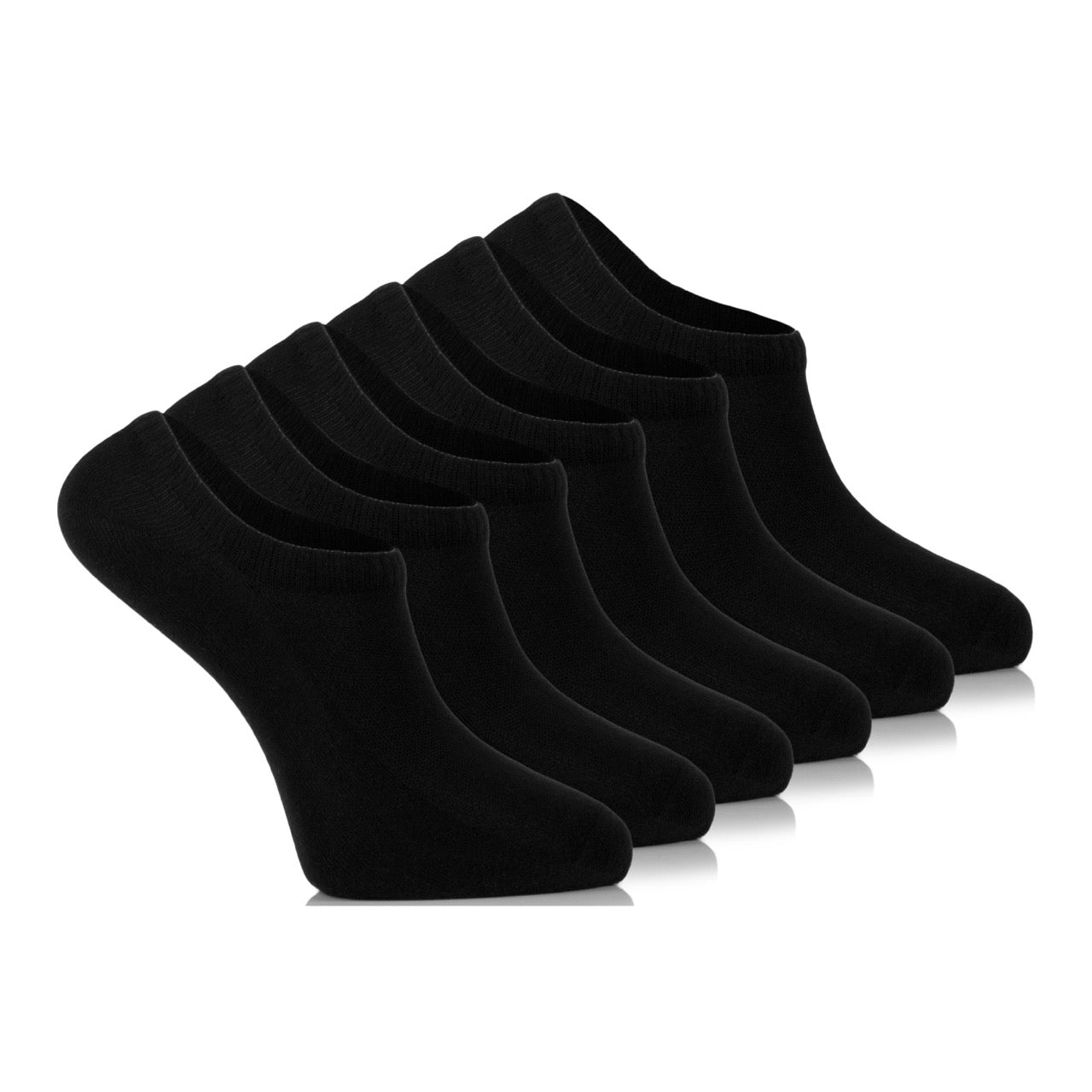
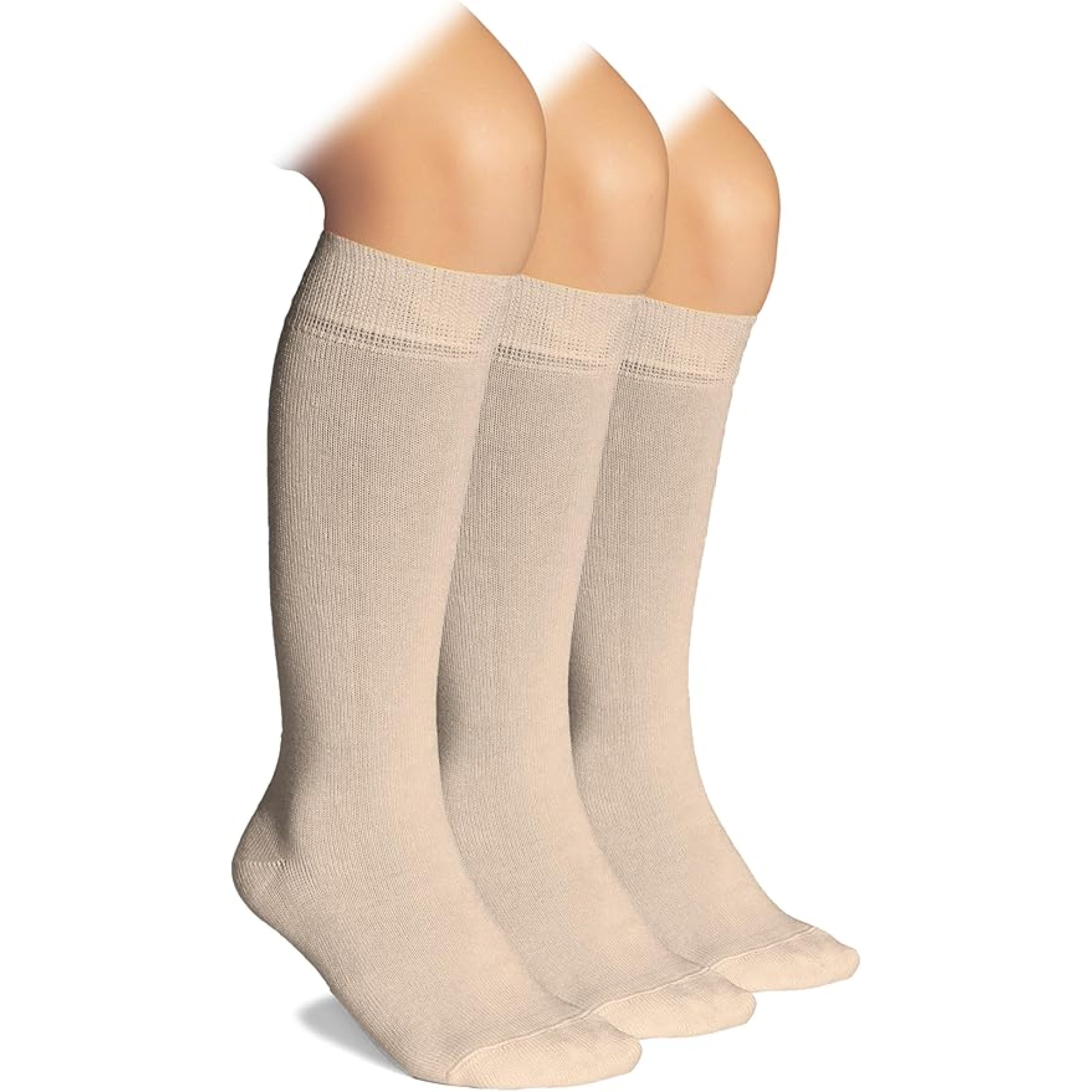


Sock sizes are ranges rather than exact numbers, so the same label can fit differently across brands. On large online marketplaces, listings may combine variations, size information is not standardized, and reviews mix together buyers with very different feet. Buying direct from a brand usually gives you one consistent set of size definitions, size charts tied to each product, and support from the people who designed the sock. Whichever you choose, check the size chart, read fit details, look for reviews from people with similar feet, and review the return policy before ordering.
Key Takeaways
Buying socks online should be simple. You pick a pair, choose a size, and a few days later a package arrives. Yet the same shopper can order "medium" socks from two different websites and receive two pairs that fit completely differently. One slides down the heel; the other leaves red marks around the calf. The difference is often not the sock itself but where and how it was sold, and what sizing information came with it.
This guide looks at what changes about sock sizing when you buy from a large online marketplace versus directly from a brand's own website. We will cover how size labels work, why marketplace listings can be confusing, which details to check before you order, and how to avoid the returns and frustration that come from guessing. The goal is not to say one channel is always better, but to help you shop either one with your eyes open.
Shoes are sized to a number that is, at least in theory, fairly consistent. Socks are different. They are knitted fabric that stretches, and most socks are sold in ranges rather than exact sizes. A single "medium" or "size 9-11" sock may be designed to fit several shoe sizes. How it fits depends on the knit, the fiber, the amount of elastic and how the manufacturer defines its ranges.
Common labeling styles include:
Because there is no single standard, the same label can mean different things across brands. Our guide on how to read a sock label explains the terms you are likely to see, and our shoe-size-to-sock-size chart is a good starting reference.

A large online marketplace is a site where many different sellers list products side by side under one roof. The shopping experience is consistent, but the products and the information come from many different sources. For socks, that creates several sizing challenges.
On a marketplace, several versions of a product are sometimes grouped into one listing. A drop-down might list sizes that apply to some color options but not others, or reviews might refer to a different variation than the one you are looking at. A review that says "fits perfectly" may have been written for a different size or even a slightly different sock.
Sellers are free to describe sizes in their own way. One listing may show a shoe-size range, another a sock-size range and a third just "adult" or "one size." If a listing does not tell you which shoe sizes a sock is designed for, you may be guessing.
Marketplace reviews are useful, but they combine feedback from many buyers with different feet. A review that says the sock runs small may come from someone with wide feet or high arches, and one that says it runs large may come from someone with narrow feet. Look for reviews from people with a shoe size and foot shape like yours.
The same product page can be fulfilled by different sellers over time. If sizing or quality changes, the star ratings may not reflect it quickly.
Some marketplace items are returned to the seller rather than the platform. Policies on socks, which are often treated as hygiene items, can vary. Check return rules before ordering, especially for multi-pair packs.
Buying directly from a brand's own website changes the experience in several ways that matter for fit.
Buying direct is not automatically better. Marketplaces can offer wider selection, quicker delivery and familiar checkout. But for something as range-based as sock size, having a single source of sizing information is a real advantage.
| Factor | Marketplace | Direct from brand |
|---|---|---|
| Size labels | Vary by seller; may be unclear | Consistent across the brand |
| Size charts | Sometimes missing or generic | Usually tied to the specific product |
| Reviews | Large volume, mixed variations | Smaller volume, specific to the brand |
| Questions about fit | Seller messaging, varying response | Brand customer support |
| Returns on socks | Depends on seller and category | Set by the brand's policy |
| Selection | Very wide | Focused on the brand's range |
Whichever channel you use, a few quick checks will reduce the chance of a bad fit.
When your feet are sensitive, or you have reduced feeling, a sock that is too small can create pressure and one that is too big can bunch and rub. Seamless toes and non-binding tops are helpful, but fit is still essential. Browse options in our diabetic socks for women and diabetic socks for men collections, and check the size chart for the specific pair before ordering.
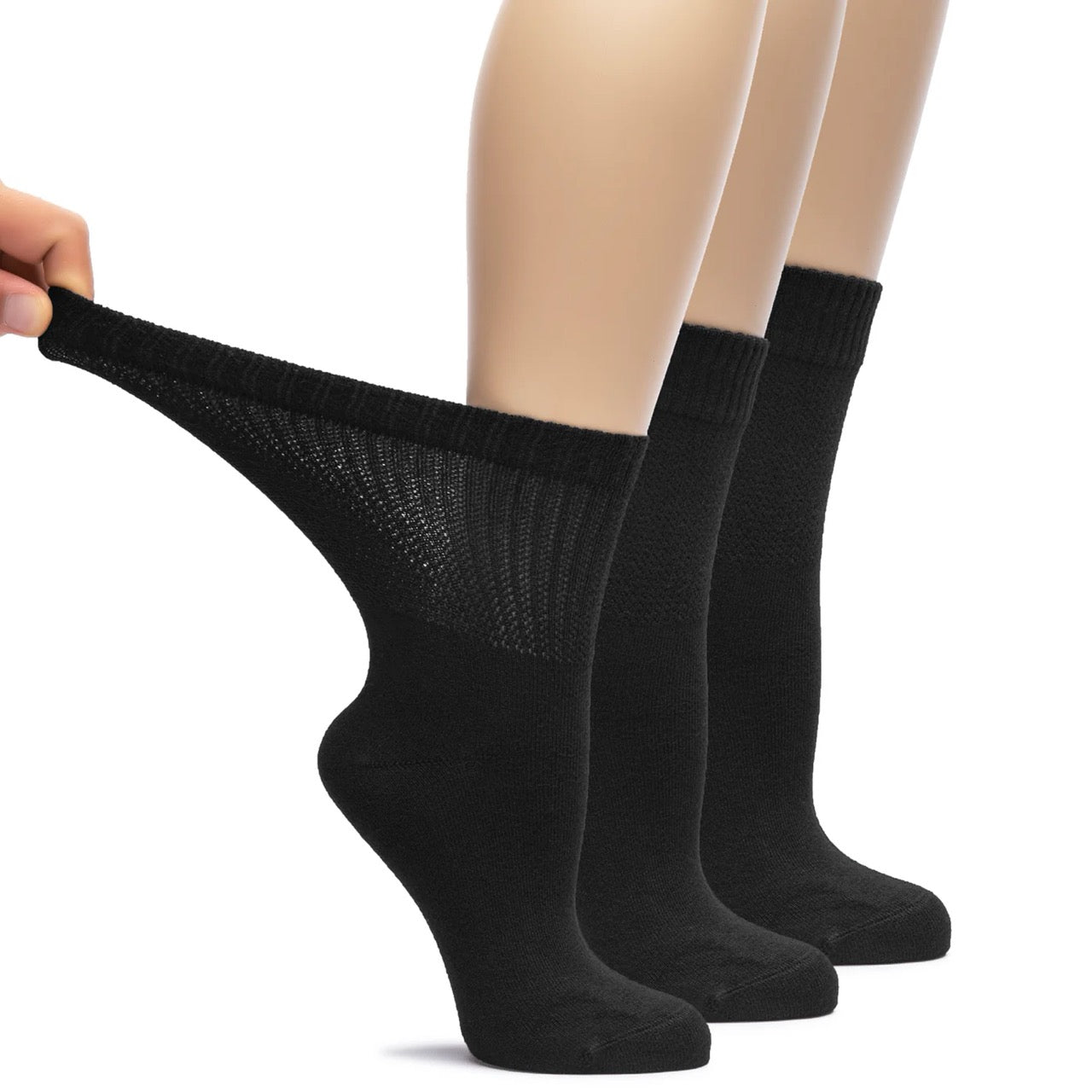
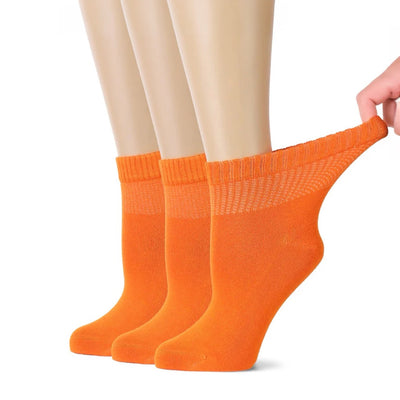
Sock size is about the foot, but fit at the calf and ankle matters too. If you have wide calves or your ankles swell, look for stretchy, non-binding tops and review comments from people with similar needs. A pair such as our women's comfortable bamboo ankle socks for swollen legs is designed with that concern in mind.
Children's sizing is the most likely to go wrong, because feet grow quickly and age ranges are only a rough guide. Use the shoe size and the brand's size chart, and see our guides on what size socks your child wears and when to size up. Our kids' bamboo dress crew socks come with size information on the product page.
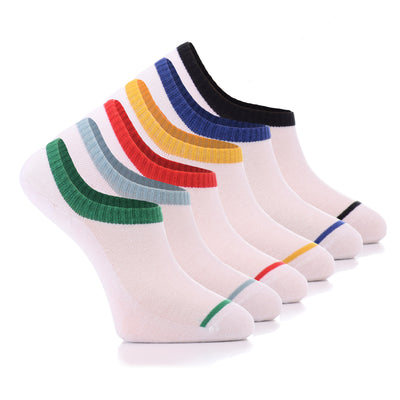
No-show socks need an especially accurate fit, because there is little sock to hold in place. If the heel is too big, the sock will slip down into the shoe. Some of our no-show styles are sold in a single size range, so check the stated size before you buy, for example on our patterned cotton no-show socks for men, which lists its size range in the title.
Whether you shop on a marketplace or a brand's own website, a good product page tells you what you need to know about fit. When you land on a sock listing, scan for the following details before you add anything to your cart.
A four-and-a-half-star rating is reassuring, but it does not tell you whether the sock will fit your foot. When reading reviews for fit, search for words like "wide," "narrow," "high arch," "calf" or your own shoe size. A reviewer who says the sock runs small and has a size 12 foot is giving you very different information from one who wears a size 6. Photos help, too: look at how the sock sits at the heel and cuff on a real foot.
Once you find a sock and size that work, make a note of it. Save the product name and size in your phone, or keep the packaging until you are sure. Brands sometimes update their knits or sizing, so check the description each time you reorder instead of assuming the pair will be identical. If a product looks different or fits differently from last time, contact the seller and ask whether anything has changed.
If you already know a brand and size that works for you, a marketplace can be a convenient place to reorder. If you are trying something new, shopping for sensitive feet, or buying for a child, going direct tends to give you clearer sizing information and easier support. Many shoppers use both: they find and test a pair directly, then reorder wherever it is easiest.
For a broader overview of our range, you can browse the men's socks, women's socks and kids' socks collections, each with product pages that state size ranges and materials.
Sock sizes are ranges, not exact numbers, and the label on its own tells you very little. Marketplaces make it easy to compare prices but can leave you with inconsistent size information, mixed reviews and uncertain returns. Buying direct usually gives you consistent size definitions, charts tied to the product and a real person to ask when you are between sizes. Wherever you shop, check the size chart, read the fit details, look for reviews from people with feet like yours, and review the return policy before you order. A few extra minutes of checking is far quicker than sending a pair of socks back.
There is no universal sock size standard. Brands define their ranges differently, and the knit, fiber and elastic all change how much a sock stretches.
Not always, but direct gives you consistent size definitions, size charts tied to the product and direct support. Marketplaces can offer wider selection and faster delivery.
Try them with the shoes you intended to wear, note what is wrong, such as tight toes or a slipping heel, and contact the seller about the next size. Check the return policy first.
Start with your shoe size and use the brand's size chart, which links shoe sizes to sock sizes. If you are between sizes, ask support or consider the fiber and stretch.
Age ranges are only a rough guide because kids grow at different rates. Use shoe size and the brand's size chart, and check toe room regularly.
Discover All Hugh Ugoli Socks
Shop All Socks