Cart
0
You may also like

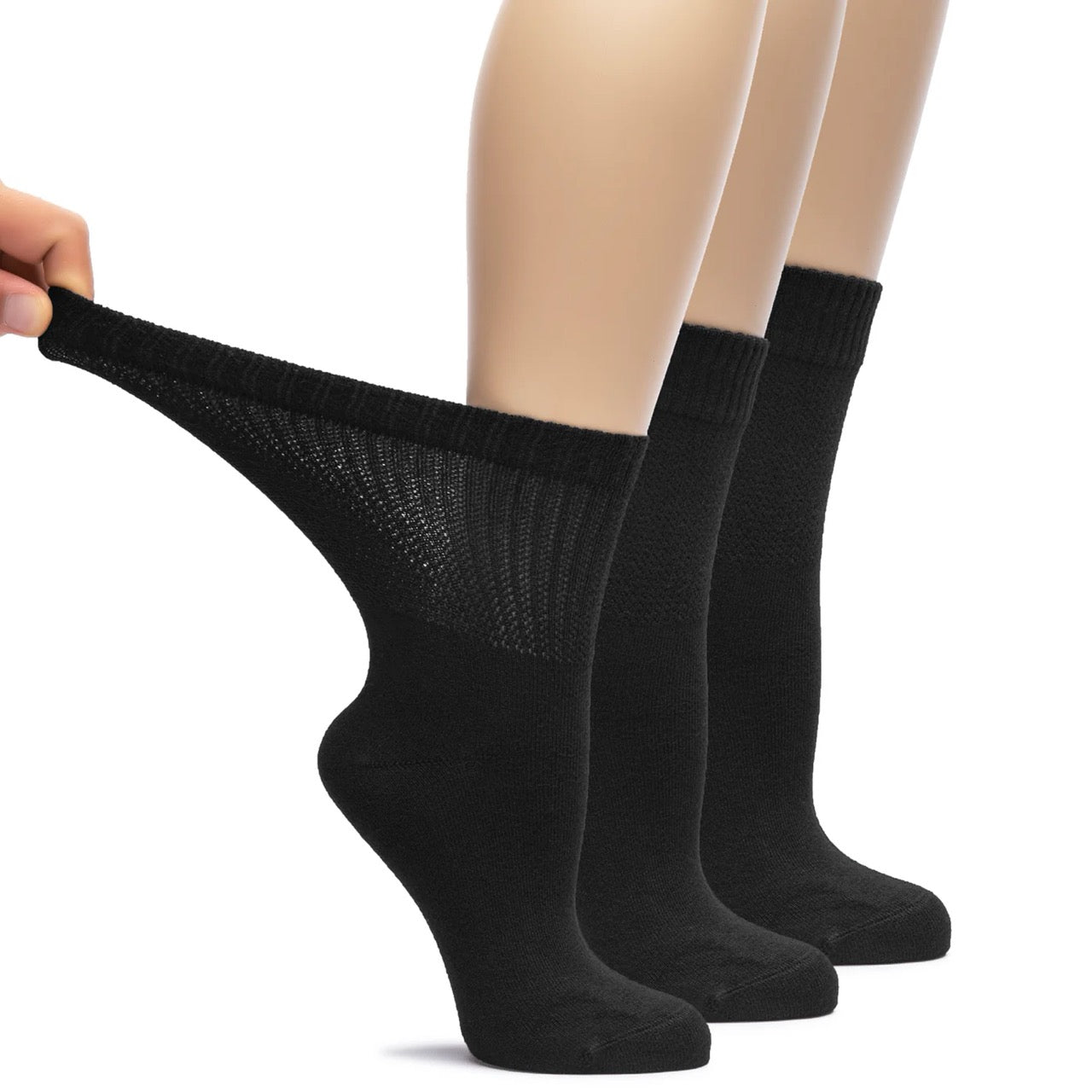

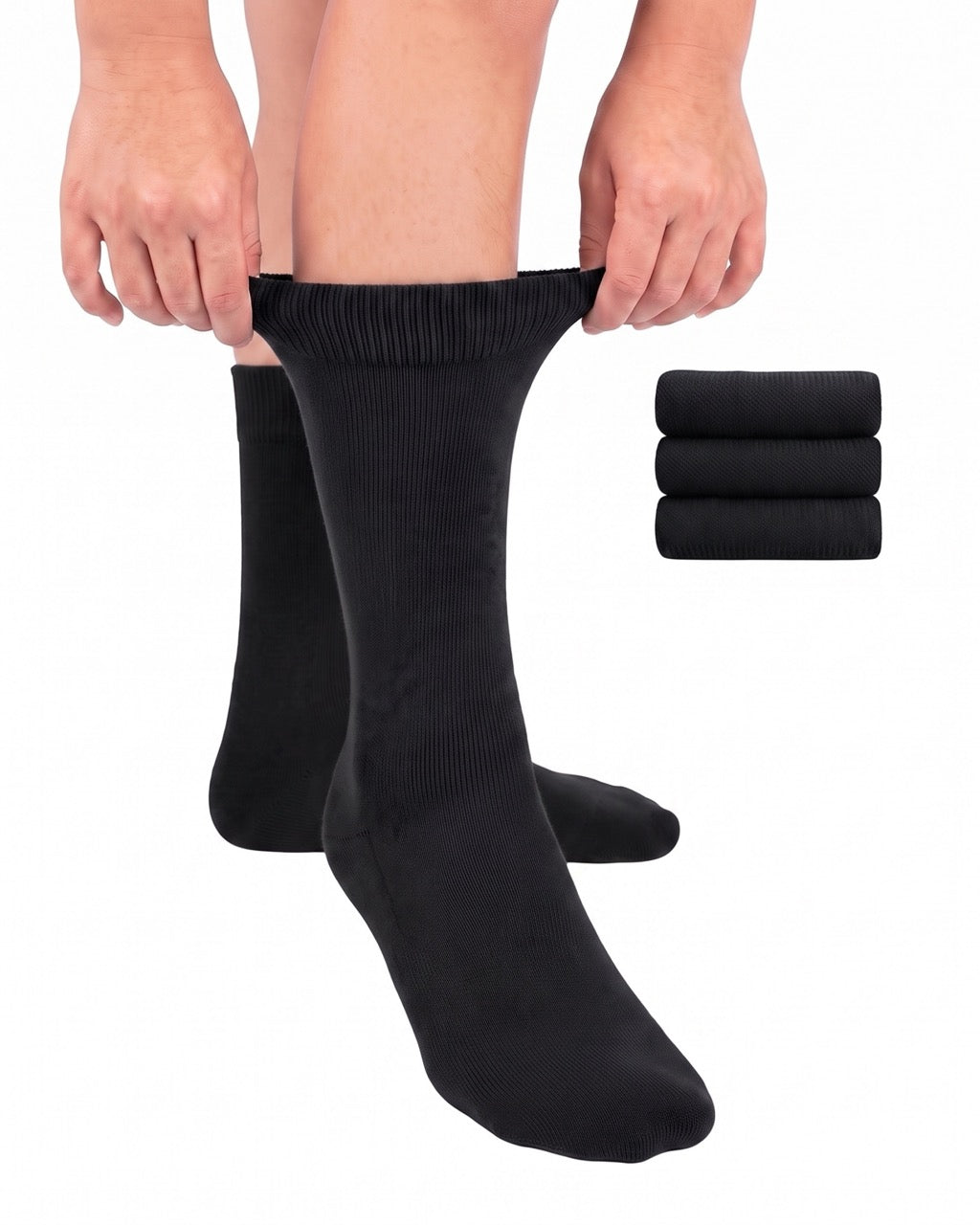


To darn a sock, stretch the hole over a smooth rounded object such as a darning egg or jar, sew a ring of small anchor stitches in sturdy fabric about a quarter inch around the hole, then lay parallel threads across the gap. Turn the work a quarter turn and weave new threads over and under them, row by row, packing them close without pulling tight. Extend the weaving slightly into the surrounding fabric, tuck the thread ends through the back without knots, and trim. Use thread close to the weight of the sock, and replace socks that are thin all over.
Key Takeaways
A hole in the heel of your favorite sock is annoying, but it does not have to be the end of the pair. Darning, the old craft of repairing worn fabric by weaving new thread through the gap, takes a needle, some thread and about fifteen minutes. It saves money, keeps a well-loved pair in rotation and is a small act of resistance against the throwaway habit that has crept into everyday clothing.
This guide walks you through how to darn a sock step by step, explains which tools and threads work best, shows you how to handle different kinds of holes, and helps you decide when a sock is worth repairing and when it is time to say goodbye. You do not need to be crafty. If you can thread a needle, you can darn a sock.

Not every sock is a good candidate. Before you reach for the needle, check three things.
If your feet are sensitive, or you have reduced feeling in them, be especially careful with repairs on the sole or toe. A lumpy darn can rub or press, and you might not notice. In that case, replacement is usually the safer choice.
Turn the sock inside out or leave it right side out; both work. Many people darn from the outside so the weaving sits on the surface and is easy to see. Slip the sock over your darning egg or jar, with the hole centered over the curved part. Fasten the fabric around the base with a rubber band so it lies taut but not tight.
Cut away any loose, frayed bits at the edge of the hole. Do not enlarge the hole. You only want to remove strands that would get in the way.
Cut a length of thread about the length of your forearm. Longer thread tangles. Do not knot the end; a knot creates a lump that will press against your foot. Instead, leave a short tail that you will tuck in later.
Starting a little away from the edge, in sturdy fabric, sew a ring of small running stitches all the way around the hole, about a quarter inch out from the edge. These stitches anchor the repair and strengthen the surrounding fabric, which is where many darns fail. Leave small loops at the corners rather than pulling tight.
Beginning at one edge, pass the needle across the hole and into the sturdy fabric on the opposite side. Make a small stitch, turn and return, creating parallel threads that run in one direction across the hole. Space them close together, almost touching. Do not pull too tight, since tight threads pucker and tighten the fabric, and can feel stiff.
Now turn the work a quarter turn. Pass the needle over and under the vertical threads, row by row, in the opposite direction. On each new row, reverse the pattern: where you went over a thread last time, go under it now. Pack the rows close together so that you create a woven patch.
When the hole is fully covered, extend the weaving a little into the surrounding fabric, passing the needle under a few of the original stitches so the patch merges with the sock. Do not pull the last rows too tightly.
Tuck the thread tail through the back of the repair, weaving it under a few stitches. Trim the end close. Do the same with the starting tail. Remove the sock from the darning egg and gently stretch the fabric to check it still has give.
If you catch a worn patch early, you can reinforce it with a layer of "Swiss darning," or duplicate stitch, which mimics the sock's knitted stitches over the thin area. Even a simple grid of running stitches over the thin area helps protect it from wearing through.
Use the standard weave described above, with a thread that matches the sock's weight. Keep the patch flat and avoid thick knots.
For a big hole, you may need to cut away damaged fabric and sew in a small knitted patch, or build the darn in sections. The repair will be bulkier, so consider keeping a darned sock for lounging at home rather than for wearing inside tight shoes.
Elastic cuffs may lose their stretch as well as developing holes. A darn can close a hole but will not restore stretch. If the cuff no longer holds the sock up, the sock may be worth retiring from regular use.
If a thread has snagged and a run is traveling down the sock, stop it early by sewing a few small stitches across the base of the run, then repair the hole.
| Sock fiber | Best repair thread | Notes |
|---|---|---|
| Wool | Fine wool yarn or sock yarn | Wool repairs blend well and have good stretch |
| Cotton | Cotton embroidery floss or mercerized cotton thread | Use several strands for body; avoid stiff thread |
| Bamboo viscose | Soft cotton or viscose thread | Keep stitches light; fibers are delicate |
| Blends with stretch | Thread with a little elasticity, or cotton thread | Leave stitches slightly loose to preserve stretch |
Repair is rewarding, but it does not make sense for every sock. Consider replacing a pair when:
When a sock is beyond repair, it can still be useful. Cut worn pairs into cleaning cloths or dusters, use them to polish shoes, fill a draft stopper for a door, stuff a pin cushion or wrap fragile items for storage. Natural-fiber socks can also go to a textile recycling program if you have one nearby.
You can also extend the life of a sock before the first hole appears. Look for reinforced heels and toes, dense knits and fibers suited to your use. Well-made socks, such as our women's bamboo dress crew socks and men's regenerated cotton dress crew socks, are worth taking care of. If you are looking for a sock to wear hard, consider our bamboo business dress socks for men, or browse our cotton socks for men and cotton socks for women collections. Wash gently, rotate pairs, and fix thin spots early, and your socks will last a lot longer.
No. Any smooth, rounded object will hold the fabric in shape. A light bulb, a jar or a ball does the job. The object only has to give the fabric a taut surface to sew against.
A well-made darn with a fine thread is usually flat and comfortable. Lumpiness comes from knots, thick thread and over-tight stitching. If it feels rough, unpick it and try again with a finer thread.
Some machines have a darning setting, but hand darning gives a softer, more flexible patch for knitted fabric.
It depends on the fabric, the thread and the wear. A repair in a sturdy area can last for months, while one in an already thin area may fail sooner.
It helps to keep a small mending kit where you will see it: a darning needle, a few spools of thread in neutral colors, a pair of small scissors and a smooth darning egg or small jar. When you take off your socks at the end of the day, hold them up to the light and check the heel and toes. Put any thin or holey pairs in a basket by the kit, and mend a few at a time while you watch a show or listen to a podcast. Mending in batches makes the job feel quick and keeps repairs from piling up.
You can also make repairs part of how you look. Visible mending, using contrasting thread in a bright color, turns a repair into a feature, and has become popular with people who want their clothes to show their history. Whether you hide your darns or show them off, the principle is the same: use what you have for as long as you can.
Darning is a simple skill that pays you back every time you rescue a favorite pair. Check that the sock is worth saving, anchor your stitches in sturdy fabric, weave a flat patch without knots, and wash gently afterwards. Keep repairs out of high-pressure areas if your feet are sensitive, and retire socks that have lost their shape or thinned all over. With a needle, some thread and a quiet quarter of an hour, you can turn a hole into another season of wear.
No. Any smooth, rounded object works, such as a light bulb, small jar or tennis ball. It only needs to give the fabric a taut surface to sew against.
Choose thread close to the weight of the sock. Fine wool yarn suits wool socks, and soft cotton thread suits cotton and bamboo. Matching color blends in; contrasting color is decorative.
A repair with fine thread and no knots is usually flat and comfortable. Lumps come from knots, thick thread and tight stitching, so unpick and redo it if it rubs.
When the fabric is thin all over, the elastic has stretched out, the same spot has been repaired several times, or the repair would sit under pressure on sensitive feet.
Cut them into cleaning cloths, shoe polishing rags or dusters, use them as draft stoppers, or take natural-fiber pairs to a textile recycling program.


Discover All Hugh Ugoli Socks
Shop All Socks