Cart
0
You may also like
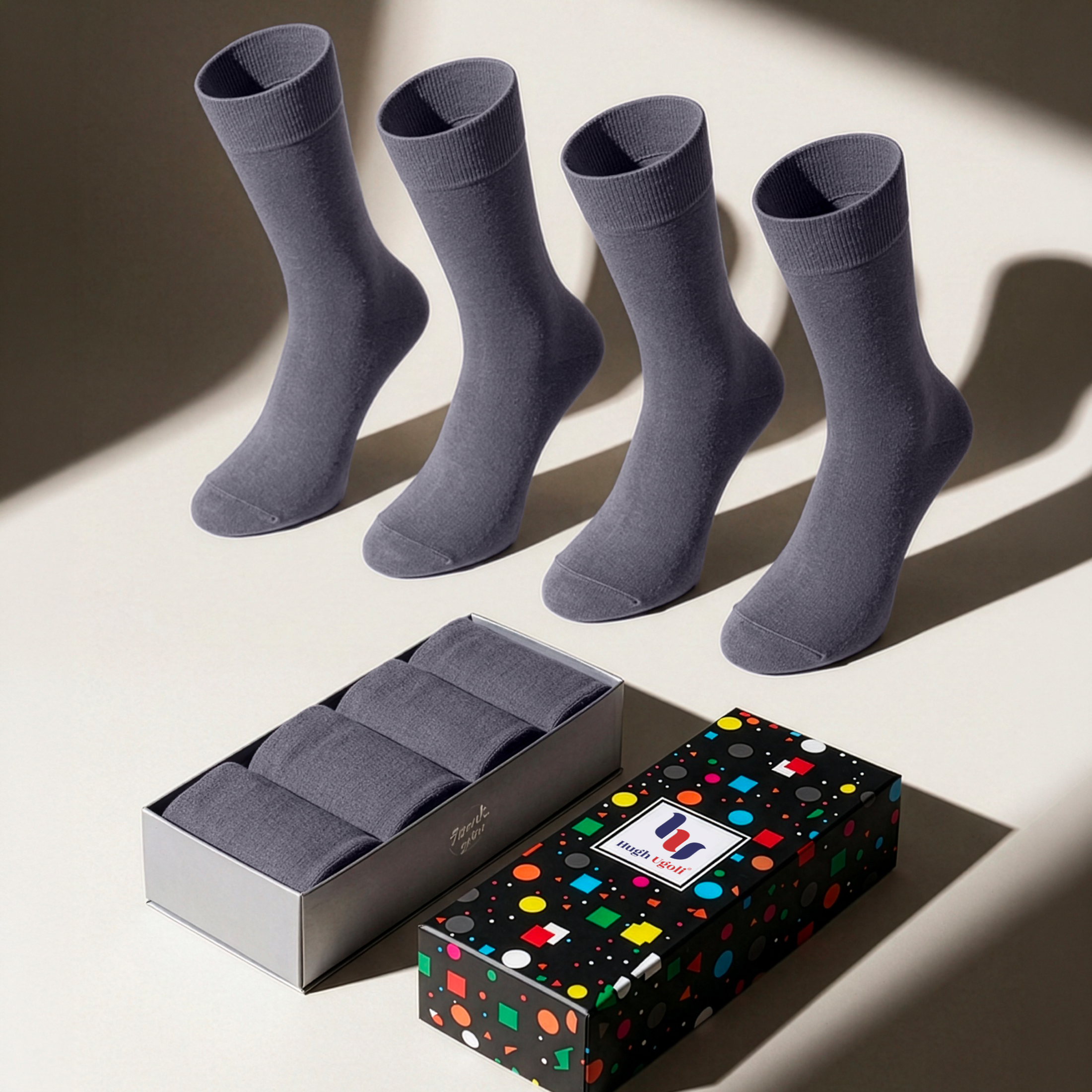
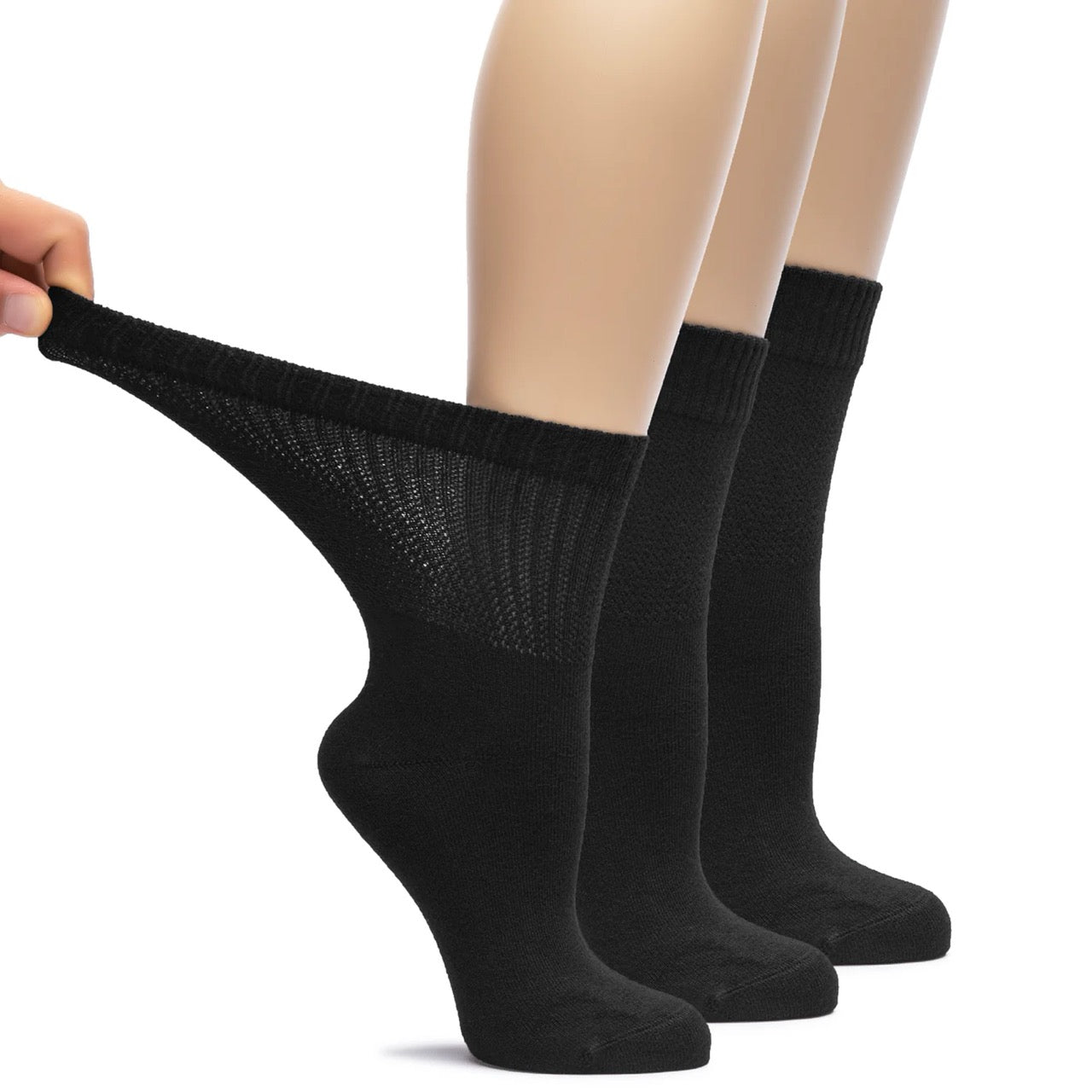
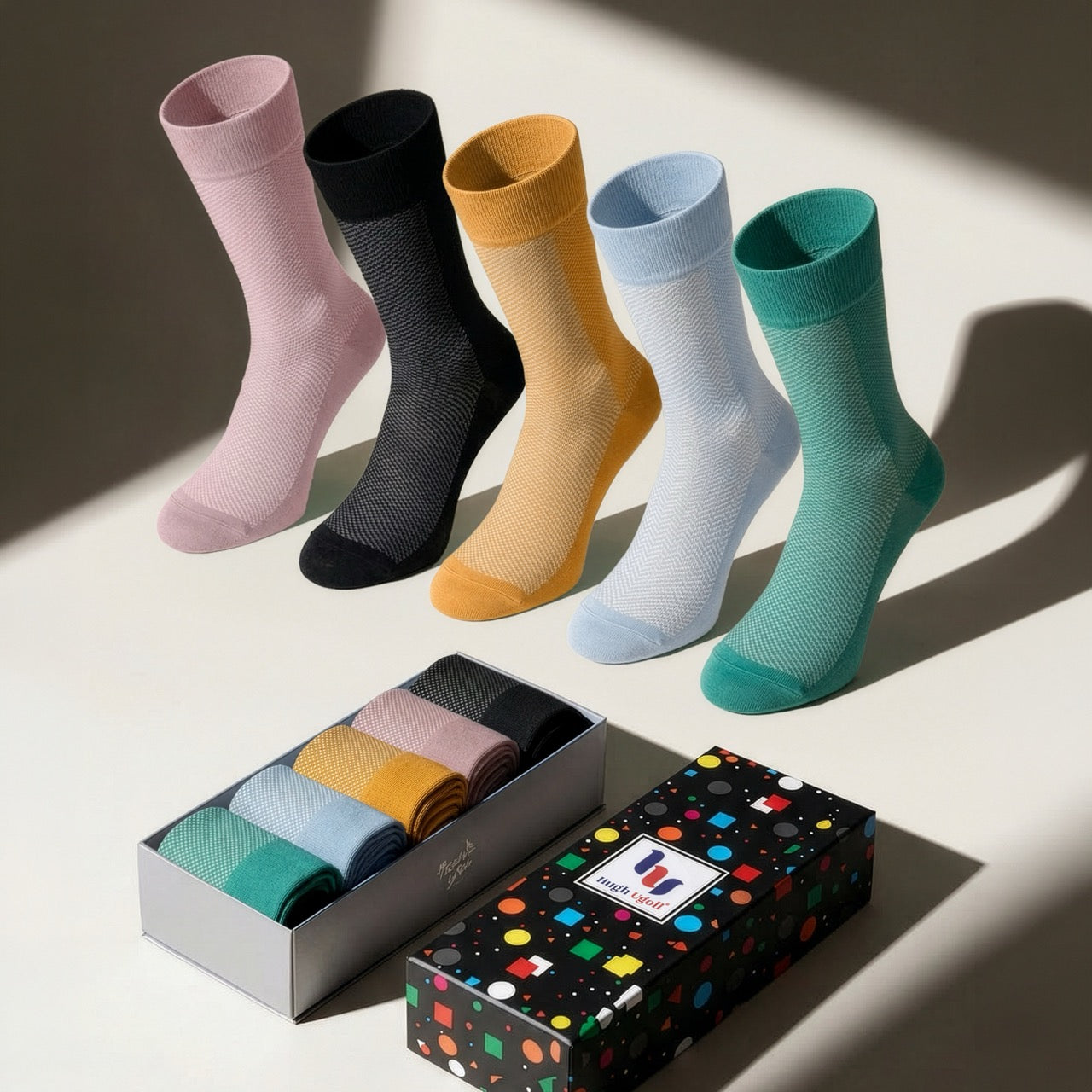
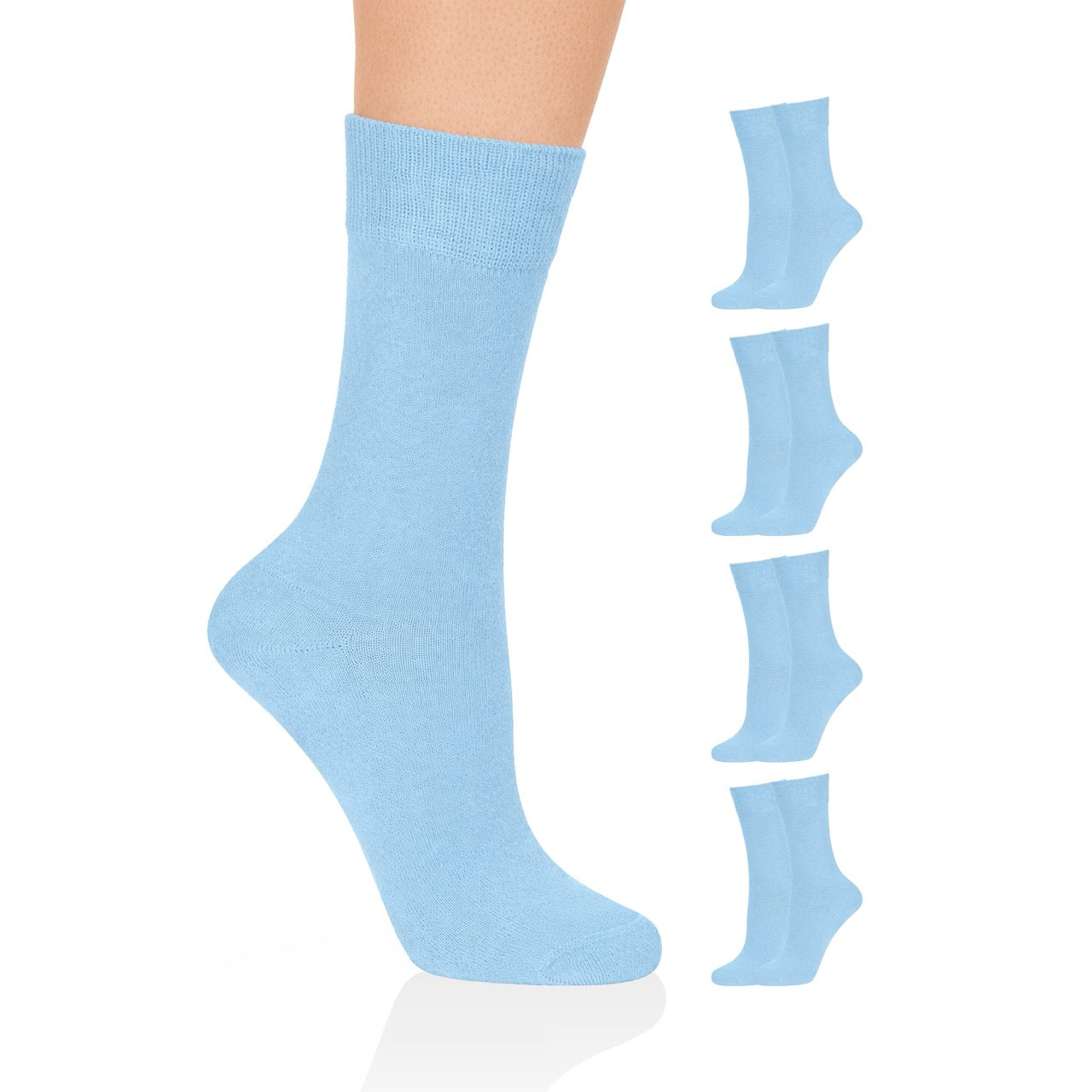
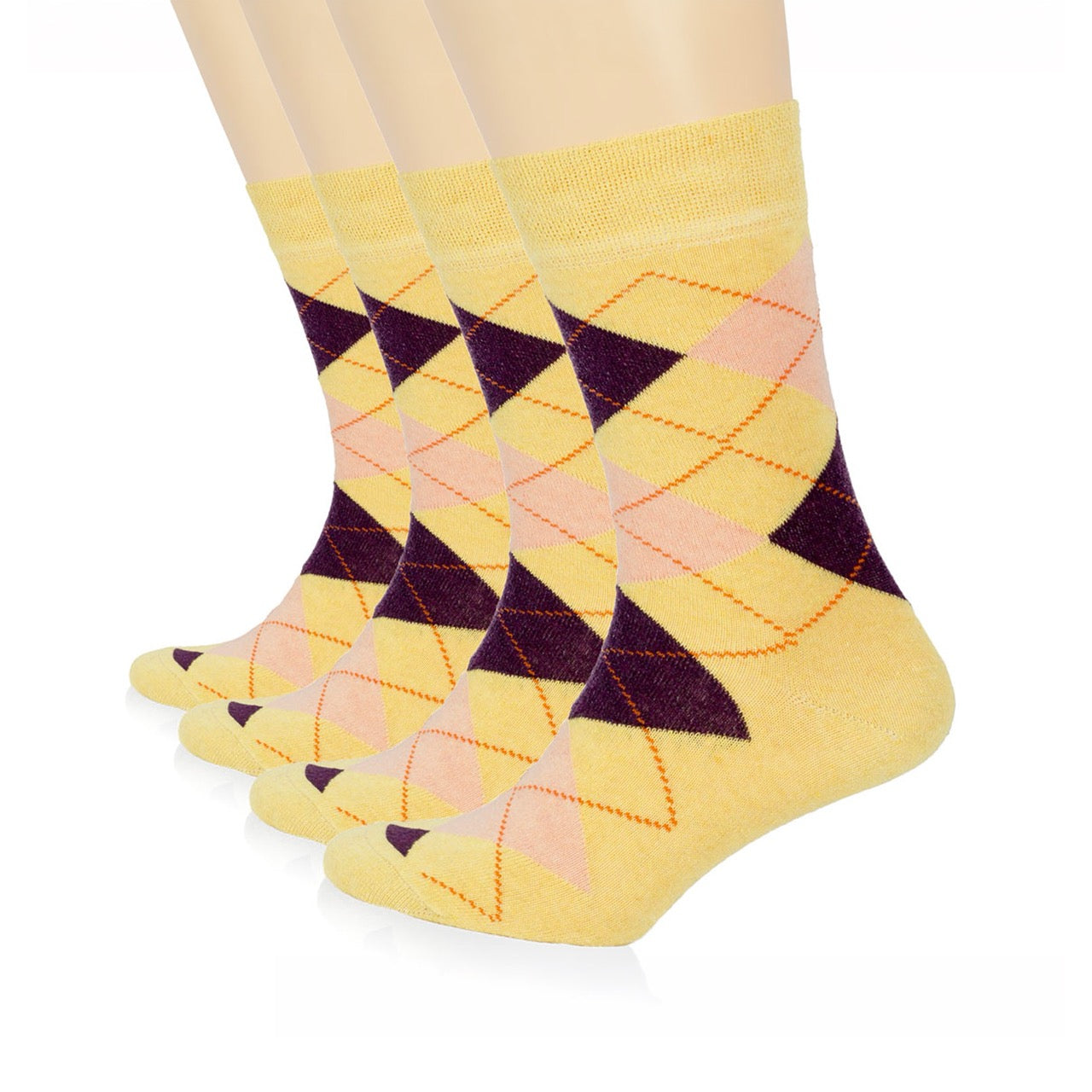
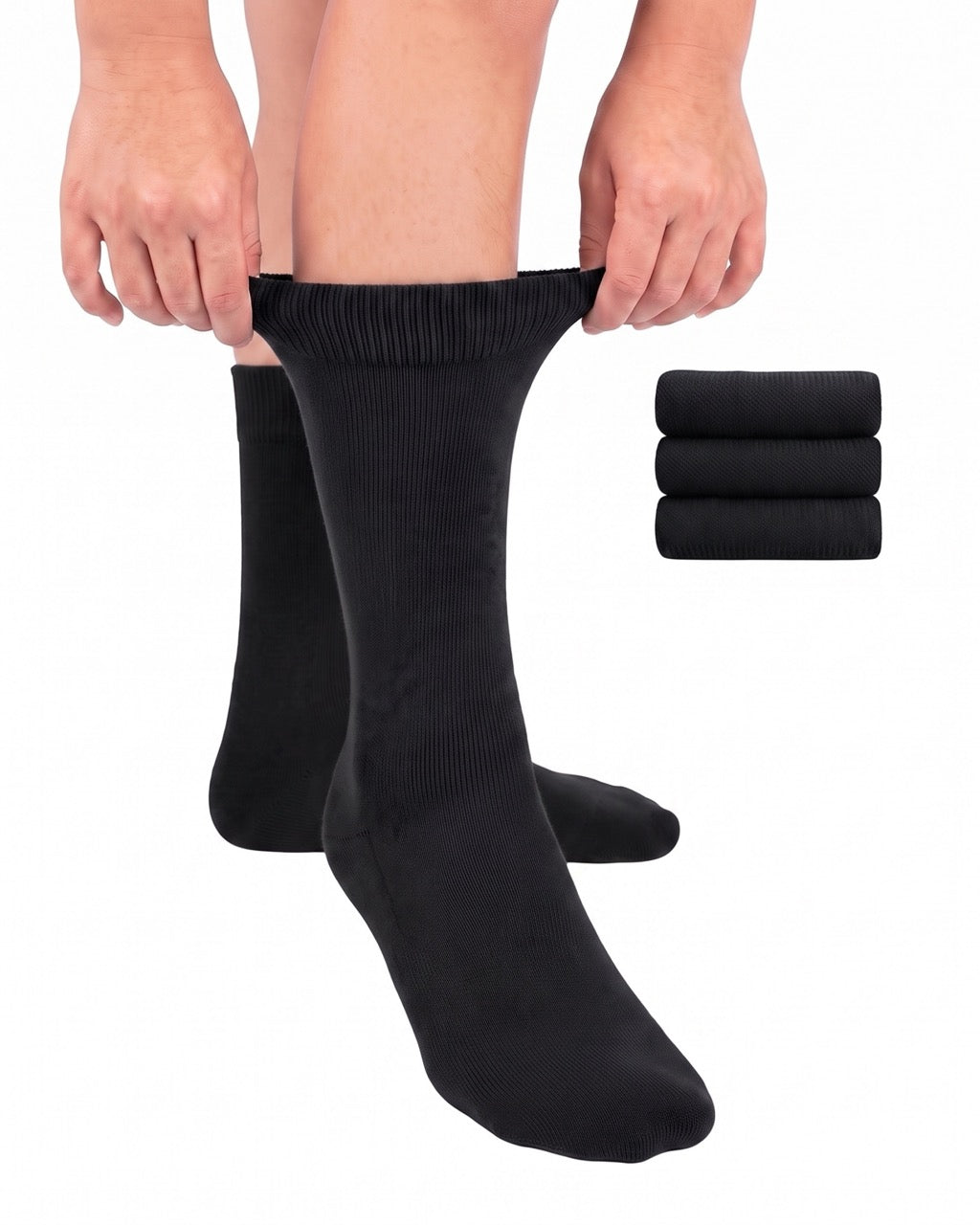
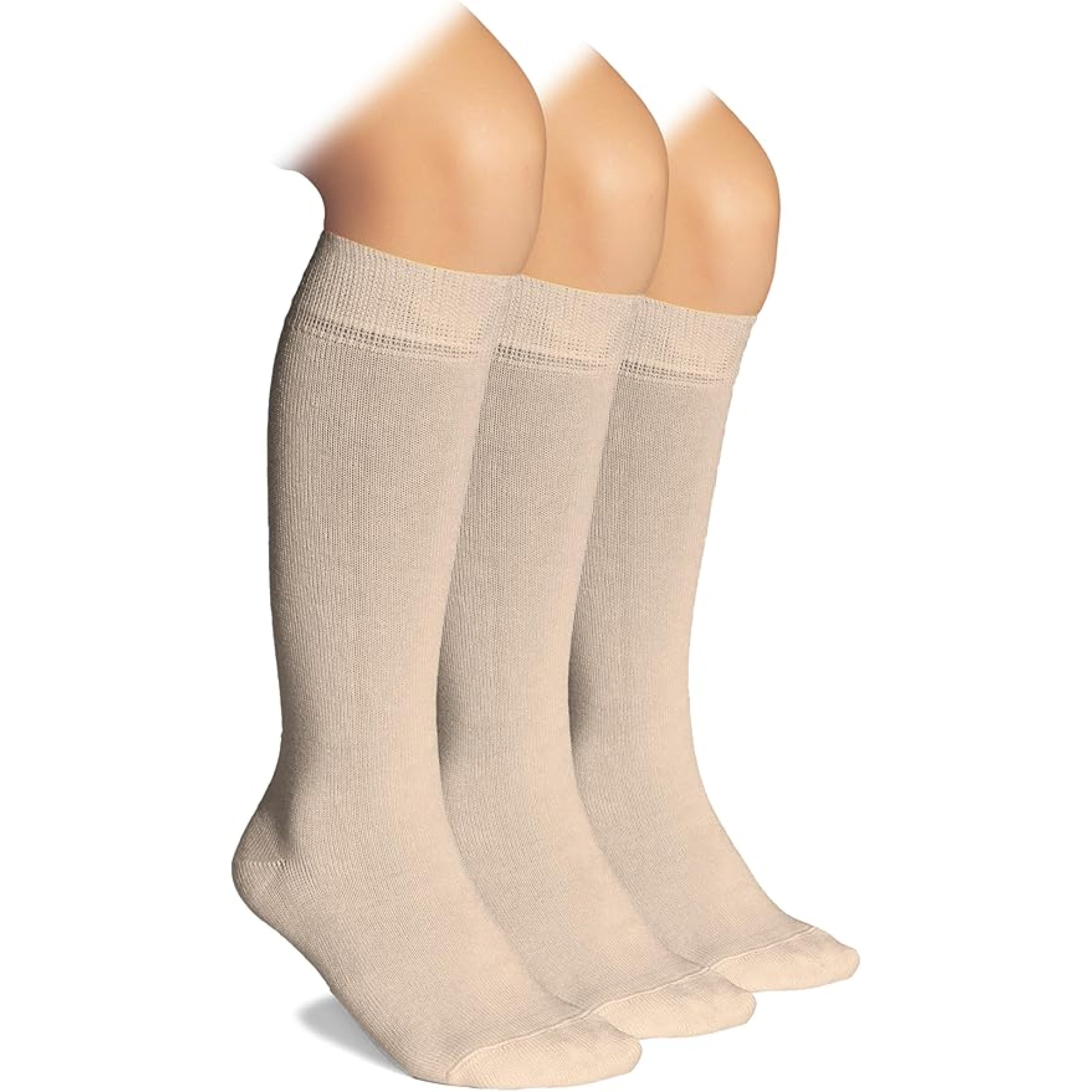


The most common October sock mistake is choosing socks by thickness instead of by fit, fiber and moisture. When the weather turns, people pull on their thickest pair and squeeze it into the same shoes they wore with thin summer socks. The shoe has no extra room, so the sock compresses, loses the trapped air that insulates, and can press on the toes and ankle. Sweat then gets trapped too, and damp fabric chills feet fast. Instead, check fit first, pick a fiber that handles moisture, such as wool or bamboo, and only then choose thickness, making sure your shoes have room for the combination.
Key Takeaways
The first properly cold morning of the year has a predictable effect on people's sock drawers. You step outside, your toes complain, and you do what feels logical: you reach for the thickest, fuzziest pair you own. By lunchtime your feet are damp, the toes feel pinched inside your shoes, and somehow they are colder than they were before. If that sounds familiar, you have just met the most common sock mistake of the autumn, and it is almost always repeated the very next October.
The mistake is simple to state: choosing socks by thickness instead of by fit, fiber and moisture. Thick socks feel warm in your hand, so we assume they will keep feet warm on the street. But warmth in the foot is about trapped dry air and healthy blood flow, and a sock that packs your foot tightly into a shoe can work against both. This guide explains why the thick-sock reflex backfires, what to do instead, and how to rebuild your sock drawer for the first cold snap without spending a fortune.
Here is the scenario that plays out in thousands of households every October. All summer you wore thin socks, or no-shows, in shoes that fit comfortably with that amount of fabric. The weather turns, and you pull on a thick wool or fleece-lined sock without changing anything else. The shoe has not grown. The extra half-centimeter of fabric around your foot now has to fit somewhere, so it compresses against your toes, across the top of the foot and around the ankle.
Compressed insulation does not insulate well. Warm air trapped between fibers is what keeps you warm, and squeezing a sock flattens those tiny air pockets. At the same time, a snug shoe and a tight cuff can narrow the space available to the blood vessels near the surface of the foot. Many people find that the colder their toes feel, the thicker the sock they choose, and the tighter the fit becomes, which only makes the problem worse.
If you recognize more than one of those, the problem is probably not that your socks are too thin. It is that the combination of sock and shoe is wrong.

The second half of the mistake is moisture. Feet have more sweat glands per square inch than almost any other part of the body, and they keep producing sweat in cold weather, especially once you are inside a closed shoe. A very thick, non-breathable sock traps that moisture against the skin. Wet fabric conducts heat away from the body far faster than dry fabric does, which is why a damp sock feels icy the moment you stop moving.
This is why a pair of thinner socks made from a fiber that moves moisture away from the skin can feel warmer than a bulky pair that holds sweat. It is also why cotton, which is comfortable and breathable in mild weather, can disappoint on a cold, wet day if you wear a heavy, tightly knit pair for hours: cotton absorbs a lot of moisture and releases it slowly.
A simple order of priorities fixes most autumn sock problems. Think about it as a checklist you can run through in the sock drawer or at the store.
Most people do this in reverse. They start with thickness, ignore fit and never think about fiber, and wonder why the first cold week is so uncomfortable.
| Fiber | Strengths in cold weather | Watch out for | Good for |
|---|---|---|---|
| Wool | Insulates even when slightly damp; naturally springy so it traps air | Can feel scratchy to sensitive skin; needs gentle washing | Cold, wet days, outdoor walks, boots |
| Bamboo viscose | Soft, breathable, moves moisture away from the skin | Lighter insulation than wool on very cold days | Everyday wear, sensitive skin, indoor-outdoor days |
| Cotton | Soft, easy to care for, comfortable at mild temperatures | Holds moisture; can feel cold if damp | Office days, mild autumn weather, layering over a liner |
| Synthetic blends | Durable, quick drying | Can feel less breathable on their own | Added in small amounts for stretch and durability |
No single fiber is right for everyone. A runner, a nurse on a twelve-hour shift and a person who works at a desk will each want something different, and the same person may want different socks on a drizzly Tuesday and a crisp, dry Saturday.
Layering is a smart way to deal with an unpredictable October. A thin base sock next to the skin and a warmer sock over it can trap more air and manage moisture better than a single heavy sock. The catch is the same as before: two layers take up more room. If you layer, you may need a half size more space in your shoe, or you may need to switch to the shoe you keep for colder weather. If layering makes the shoe feel tight, use one well-chosen sock instead.
Where layering does help is on days when temperatures swing. You can wear a thin, breathable pair on the commute and carry a warmer pair in your bag, or take off the outer layer when you reach a heated building so your feet do not overheat and then chill as the sweat cools.
The cold-weather switch is also the moment to look at the shoes you will be wearing for the next five months. Boots, in particular, are often bought for one sock thickness and worn with another. Our guide to boot season prep and sizing socks for fall footwear walks through how to match sock height and thickness to the boot you actually own. The short version: try boots on while wearing the socks you plan to use, lace or zip them fully and walk around for a couple of minutes before you decide the fit is right.
For most healthy feet, a bad sock choice means a few uncomfortable days. For some people, the thick-sock, tight-shoe combination deserves more attention.
Pull out every pair and look at the heel, the ball of the foot and the cuff. Hold the sock up to the light: if you can see through the heel, the cushioning is gone. If the cuff no longer springs back, the sock will slide down inside your shoes. Retire or repurpose those pairs.
Most people do well with a small set of socks that cover three situations rather than a drawer full of everything.
You can browse the full range in our women's winter socks collection and the wool socks for women collection.
Once you have your socks, try each pair in the shoes it will be worn with. It takes ten minutes, and it will save you weeks of sore toes. Keep thin socks for snug dress shoes and sneakers, and keep warmer socks for roomier boots.
Good socks last longer when you wash them well, and pairs that hold their shape keep you warmer. A few habits make a difference.
Not necessarily. Cold feet can come from damp fabric, a tight fit, poor circulation or simply being cold all over. Warming your core with a proper coat and hat often warms your feet too, because the body prioritizes the center when it is chilled.
Fine wool sold specifically for socks is often much softer than the coarse wool many people remember. If wool bothers you, wear a thin bamboo or cotton sock underneath.
Cotton is not a poor choice for a mid-weight sock on a dry, mild day. It is a poor choice when you are sweating or walking through wet conditions for hours. Fit the fiber to the day, not to a slogan.
The sock mistake of October is not buying cheap socks or cold-weather socks that are too thin. It is grabbing the thickest pair in the drawer and squeezing it into shoes that fit last month's thinner sock. Start with fit, choose a fiber that handles moisture, and only then decide on thickness, checking that your shoes have room for the combination. Replace worn pairs, carry a spare on long days, and give your feet a gentle transition into the cold months instead of a sudden change. Your toes will notice the difference by the first frosty morning.
Thick socks that are squeezed into snug shoes lose the trapped air that insulates and can press on the toes and ankle. They can also hold sweat, and damp fabric pulls heat away from the foot.
Not for mild, dry days. Cotton absorbs moisture and dries slowly, so it can leave feet feeling cold when you sweat or walk in wet conditions for hours. A mid-weight cotton sock works well for office days.
If you wear a much thicker sock, you may need more room, but the better approach is to try the shoes on with the socks you will actually wear. If it feels tight, choose a thinner sock or a roomier shoe.
Wool is known for insulating even when slightly damp. Bamboo viscose is softer and breathable but lighter in insulation, and many people layer a thin bamboo sock under wool.
Look for red lines or deep grooves around the ankle or calf after taking them off, toes that feel numb or pinched, or feet that start warm and turn cold. Choose a non-binding top and the right size.
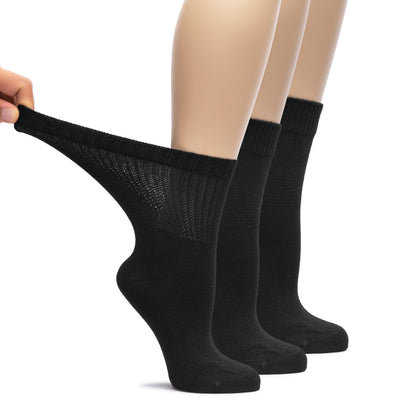
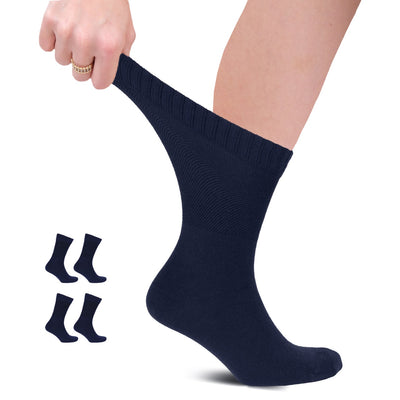
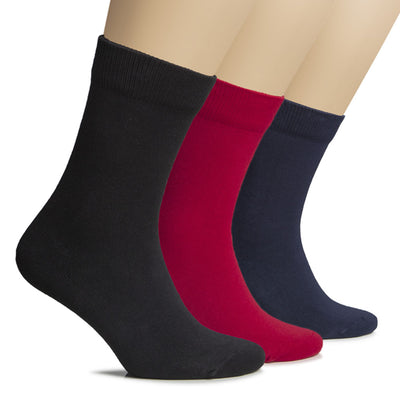
Discover All Hugh Ugoli Socks
Shop All Socks