Cart
0
You may also like
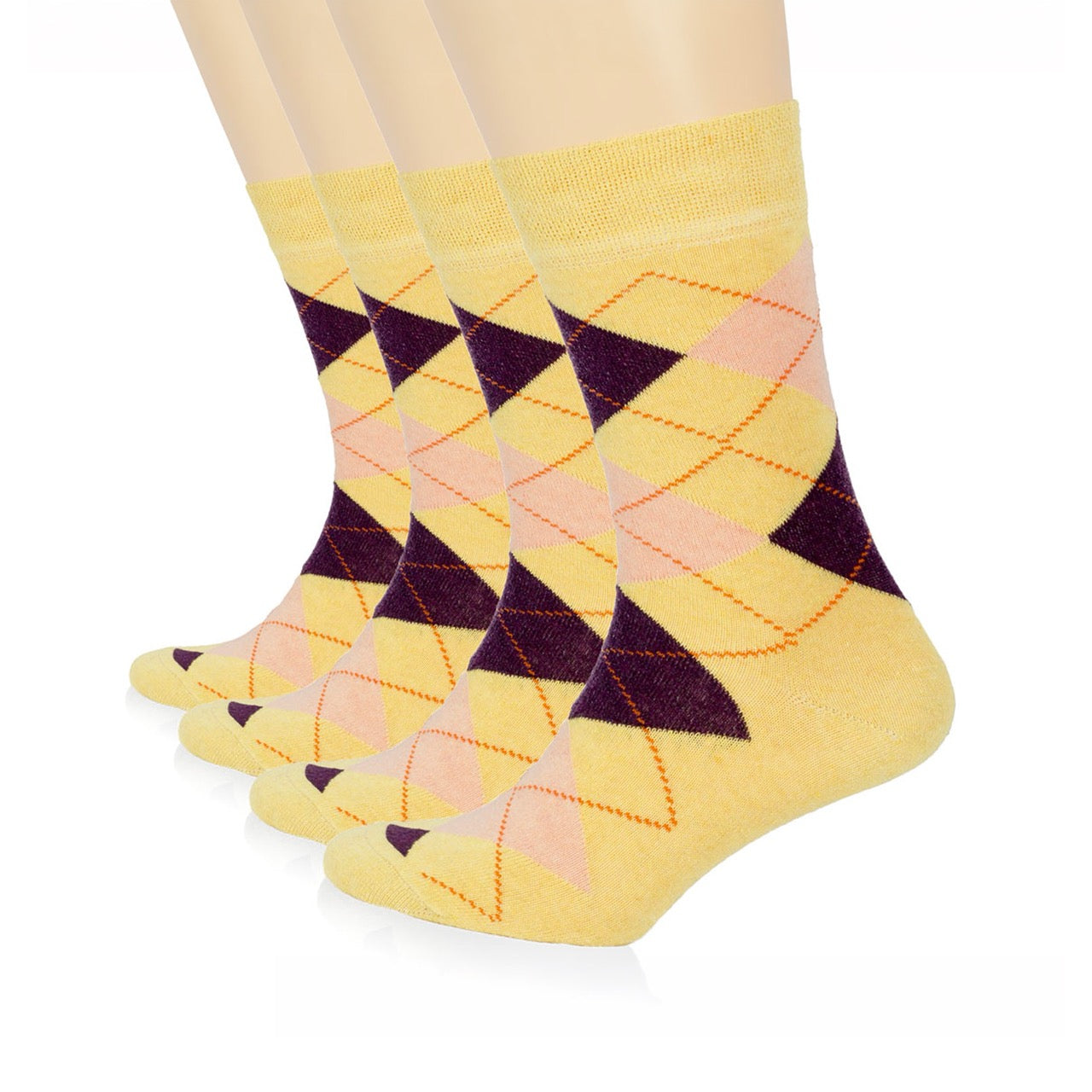
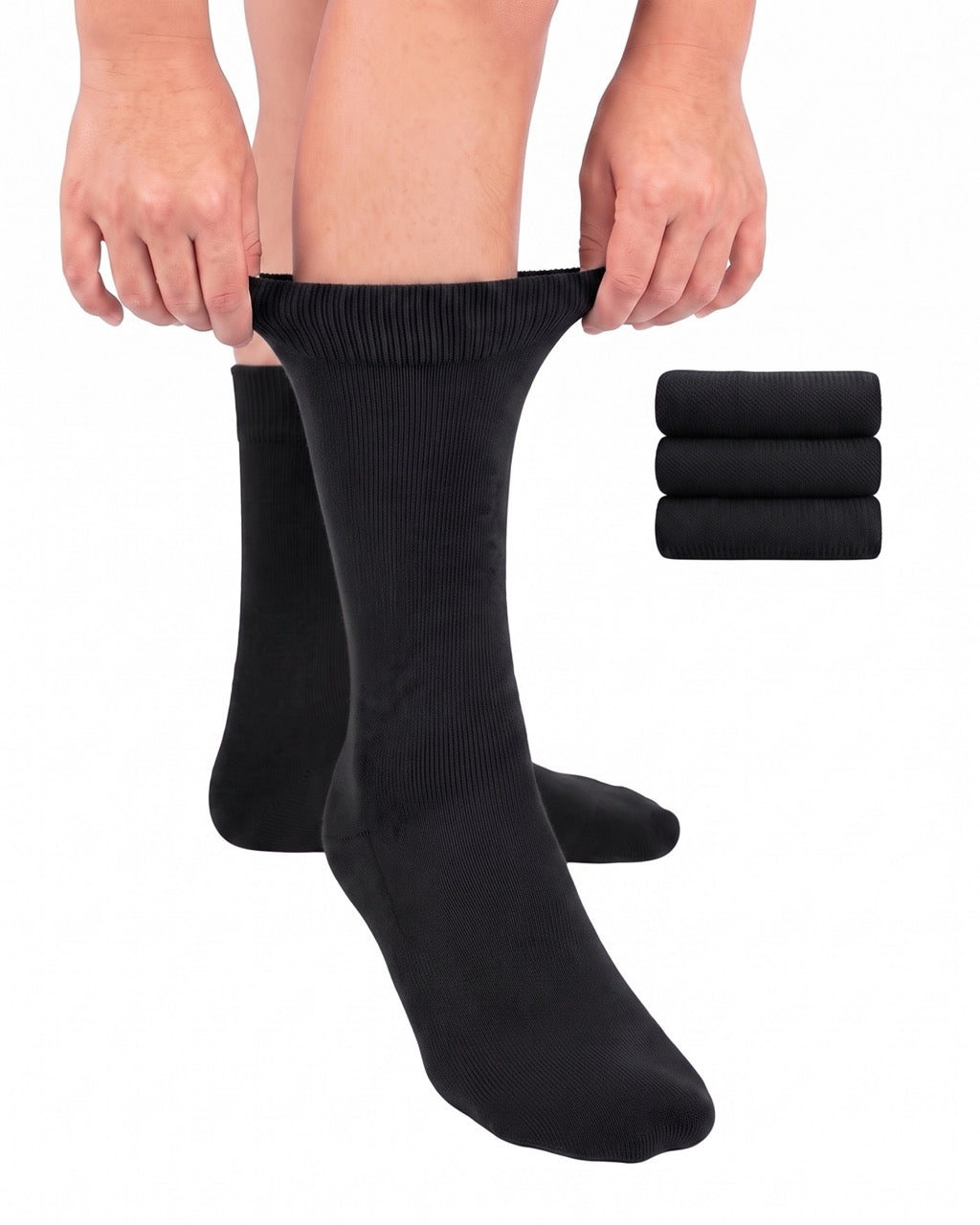


Chilblains, also called pernio, are itchy, swollen, red, blue or purple patches that often appear on the toes a few hours after exposure to cold, damp, non-freezing weather. Major clinics describe them as a reaction of small blood vessels to cold and rewarming, and most cases fade within one to three weeks once the exposure stops. Many people find it helps to keep feet dry, warm up gradually, avoid tight shoes and wear soft, non-binding socks. See a healthcare provider if symptoms last longer, return every winter, involve broken skin, or you have diabetes.
Key Takeaways
You come in from a chilly, damp walk, kick off your shoes and settle onto the couch. An hour later your toes begin to itch, and not the ordinary kind of itch. It is a deep, burning, almost maddening itch, and when you look down, a couple of toes are swollen and have turned red, bluish or purple. If this happens to you every fall or winter, you may be dealing with chilblains, also known as pernio.
Chilblains are common, uncomfortable and often misunderstood. They can look alarming, yet in most cases they settle down on their own once the cold exposure stops. In this guide we explain what chilblains are, why they happen, what they look like, how they differ from frostbite and Raynaud's, and the everyday habits, including sock choices, that many people find helpful for keeping toes comfortable in cool, damp weather. We also cover the signs that mean it is time to call a healthcare provider.
Chilblains are small, inflamed, often itchy or painful patches of skin that appear after exposure to cold, damp conditions that are not freezing. The Mayo Clinic describes them as itchy, swollen areas that usually show up on the hands and feet, with symptoms often beginning a few hours after the cold exposure. The Cleveland Clinic adds that they most often affect the fingers and toes, though the ears and nose can also be involved.
The word "chilblains" comes from "chill" and "blain," an old word for a sore. You will also see the medical term pernio or perniosis. Whatever name is used, the picture is similar: a skin reaction in small blood vessels that appears after the cold and often returns each year.

The appearance varies by person, but these are the features most often described:
Chilblains tend to show up on the toes, especially the smaller ones, as well as the heels and sides of the feet. They can also appear on the fingers, which is why people who notice them on their feet often discover similar spots on their hands.
According to the Cleveland Clinic, most cases clear up by themselves within about one to three weeks once the cold or damp exposure stops, although they can come back. Recurrence is common in people who are prone to them, often with each cold season. If yours last longer than that, or you are concerned, a healthcare provider can take a look.
Researchers do not fully agree on the exact mechanism. The most common explanation is that the small blood vessels near the surface of the skin react unusually to cold and then to rewarming. In the cold, those vessels narrow. When you warm up, they widen again, and in people who are susceptible, fluid can leak into nearby tissue and trigger inflammation. The result is swelling, color change and itching.
Mayo Clinic notes that the cause is not completely known. Genetics, hormones and other health conditions may all play a part. What is clear is that the pattern is linked to cool, damp, non-freezing weather, which is why chilblains are often reported in places with raw winters rather than severe, dry cold.
Sources such as Mayo Clinic and the Cleveland Clinic list several factors associated with chilblains. Having one or more does not mean you will definitely get them, but they raise the odds:
Because they all involve cold toes, these three are easy to confuse. Here is a quick comparison to help you describe your symptoms accurately to a provider.
| Feature | Chilblains | Frostbite | Raynaud's |
|---|---|---|---|
| Typical cause | Cold, damp, non-freezing exposure with rewarming | Exposure to freezing temperatures | Spasms of small blood vessels triggered by cold or stress |
| Main sensation | Itching, burning, swelling | Numbness, hard or waxy-looking skin | Coldness and numbness, then throbbing on rewarming |
| Color | Red, blue or purple patches | White, gray or yellowish, then red or blackened | White, then blue, then red in phases |
| Urgency | Usually mild, see a provider if persistent | Can be a medical emergency | Needs a provider for diagnosis |
Mayo Clinic specifically suggests seeing a doctor if you are unsure whether you were exposed to below-freezing temperatures, because frostbite is possible and is more serious. If your toes were truly frozen, numb, hard or waxy, seek medical care promptly rather than waiting.
If your fingers or toes go white and then blue and are triggered by cold or stress, Raynaud's may be involved. Our article on Raynaud's and cold feet explains how that condition works and which sock materials tend to hold heat best.
Most chilblains are mild, but some situations call for professional advice:
A provider can examine your skin, look for related conditions and discuss options that may include prescription medicines if home measures are not enough. Please do not self-diagnose and do not start any medicine without medical advice.
You cannot control the weather, but you can control how much cold, wet and rewarming shock your feet face. The practical steps below follow the general advice from Mayo Clinic and the Cleveland Clinic, and they are the sort of habits many people find make cold season easier.
Damp feet lose heat quickly. Change out of wet socks as soon as you can, dry your feet thoroughly including between the toes, and keep spare socks in your bag or car. Waterproof, insulated footwear helps on slushy days.
Mayo Clinic suggests warming up gradually after coming in from the cold. Rushing to heat cold toes by holding them next to a space heater, putting them on a radiator or soaking in hot water may feel appealing but can aggravate the skin. Let your feet come back to room temperature in loose socks instead. Skin that has reduced sensation can burn without you noticing, so be extra careful if you have neuropathy.
Tight shoes squeeze the small vessels in the toes and leave less room for insulating air. The Cleveland Clinic lists tight shoes among the risk factors. Choose shoes that leave room for your toes to move, and remember to size up slightly if you wear thicker socks, a point we cover in our guide to boot season prep and sock sizing.
Warmth comes from trapped air, so layers help more than a single thick item. Consider a thin liner under a mid-weight sock. Our piece on silk liner socks describes how this works. Do not squeeze extra layers into already snug footwear, since compression can work against you.
Dry, cracked skin is more vulnerable. A fragrance-free moisturizer, applied to the tops and soles but not between the toes, keeps skin comfortable. Do not scratch or pick at itchy spots, since broken skin can become infected.
Cover your hands, head and core when you are outside. Both clinics also mention the benefits of not smoking, which affects circulation. Staying comfortably warm indoors, including at your desk or in the car, makes a difference too.
Socks cannot change an underlying tendency toward chilblains, and we make no claim that they will. What they can do is help you keep your feet dry, insulated and free of pressure. Here is what to look for.
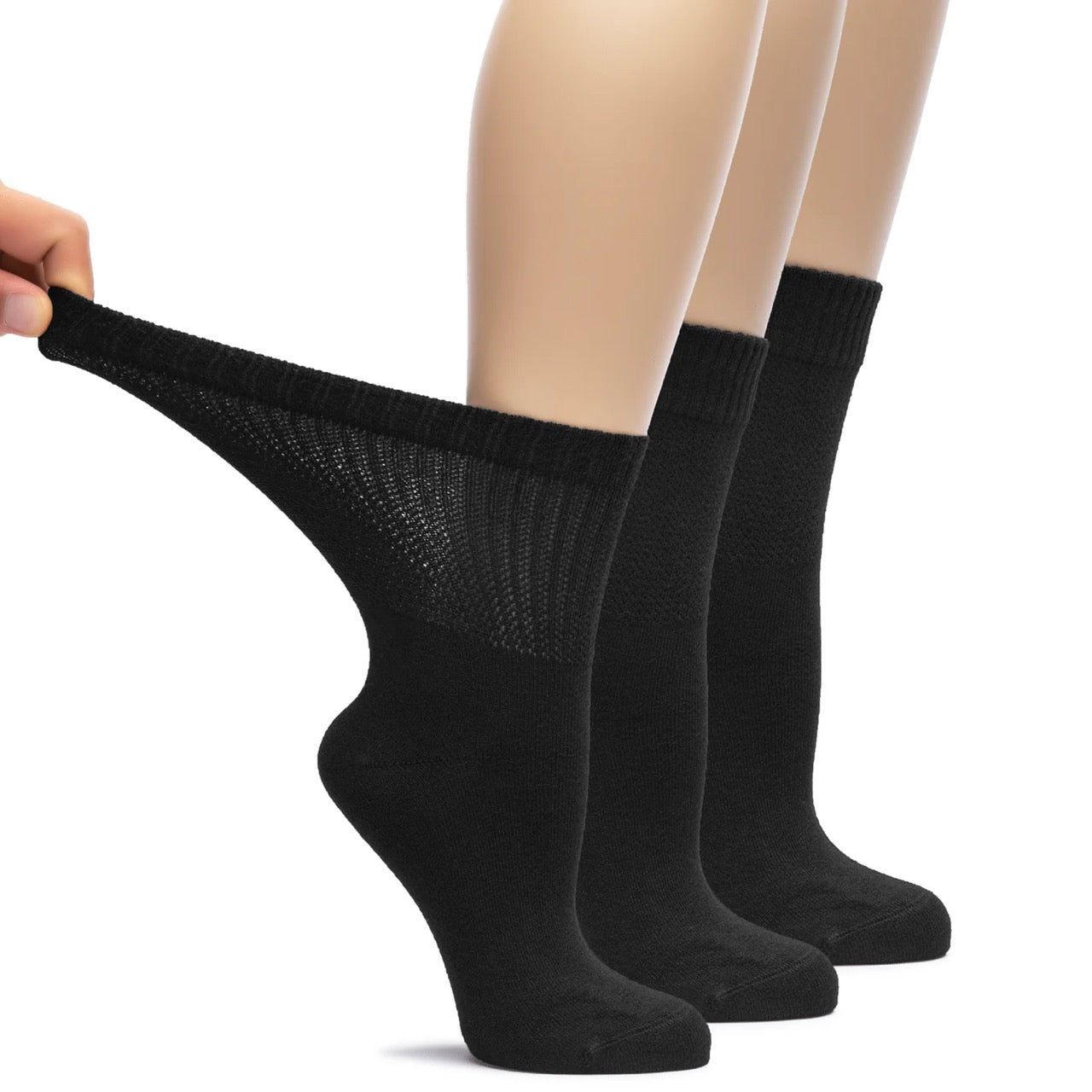
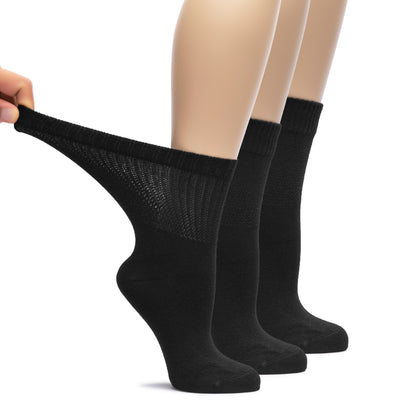
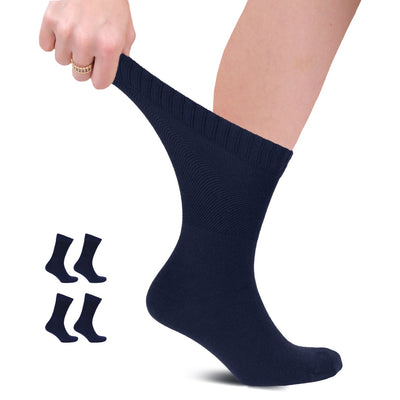
An elastic cuff that squeezes the leg can feel snug and cozy, but a very tight band is not what you want if you are already prone to cold-sensitive circulation. A loose, gentle top is designed to stay up without constricting. Our Bamboo Diabetic Crew Socks for Women and Unisex Cotton Diabetic Crew Socks use this relaxed-top design, which is why many people with sensitive or swollen feet choose them.
Irritated toes do not need extra friction. A flat or seamless toe reduces rubbing on tender spots, which is helpful when the skin is itchy and swollen. You can browse sock features such as the seamless toe and the non-binding design to compare.
Wool holds warmth even when it picks up some dampness, and many people find it a comfortable choice for cold, wet days. Our Warm Wool Women's Crew Socks are one option. Bamboo-derived fibers are soft and breathable, and cotton is comfortable for dry, cool days indoors. Avoid wearing any fiber that is soaked through, whatever it is made of. For a deeper look at materials, see our article on the sock mistake people make every October.
A sock that is too small stretches thin and presses on the toes, while one that is too large bunches into creases. Choose your size from the size chart and leave room in your shoe for the sock you pick. If you want more warmth, add a liner rather than switching to a bulky pair that fills the shoe.
Fast, intense heat can make symptoms worse. Gradual warming is the approach suggested by trusted medical sources.
Rubbing irritated skin can damage it. Gentle handling is better.
Chilblains can affect people of many ages, including young adults. Age alone does not decide who gets them.
Most of the time they do not, but because they are occasionally linked to other conditions, a provider should evaluate chilblains that are severe, long-lasting or recurring.
Itchy, swollen, purple toes after a cold day are uncomfortable, yet understanding what is going on can take away some of the worry. Chilblains are a reaction to cold, damp conditions followed by rewarming, they usually fade within a few weeks, and sensible habits, including dry, well-fitting, non-binding socks, appropriate footwear and gradual warming, may help many people feel more comfortable through the season. If your symptoms last, return every year, involve broken skin, or you live with diabetes, a conversation with your healthcare provider is the right next step.
This article is for general information and is not medical advice. Talk to your healthcare provider about your own feet.
They usually appear as red, bluish or purple patches that can look shiny and swollen, most often on the toes or fingers. They may itch, burn or sting, and sometimes blister.
The Cleveland Clinic notes that most cases clear within about one to three weeks once cold exposure stops, though they can come back each cold season.
No. Chilblains follow cold, damp exposure that is not freezing, while frostbite involves freezing temperatures and can cause numb, hard or waxy skin. Seek prompt medical care if frostbite is possible.
See a provider if symptoms last more than about three weeks, keep returning, involve blisters or signs of infection, or if you have diabetes.
Many people choose soft, non-binding socks with a smooth toe in wool or another moisture-friendly fiber, in a size that leaves room in the shoe. Socks do not change an underlying tendency, so check with a provider.

Discover All Hugh Ugoli Socks
Shop All Socks