Cart
0
You may also like

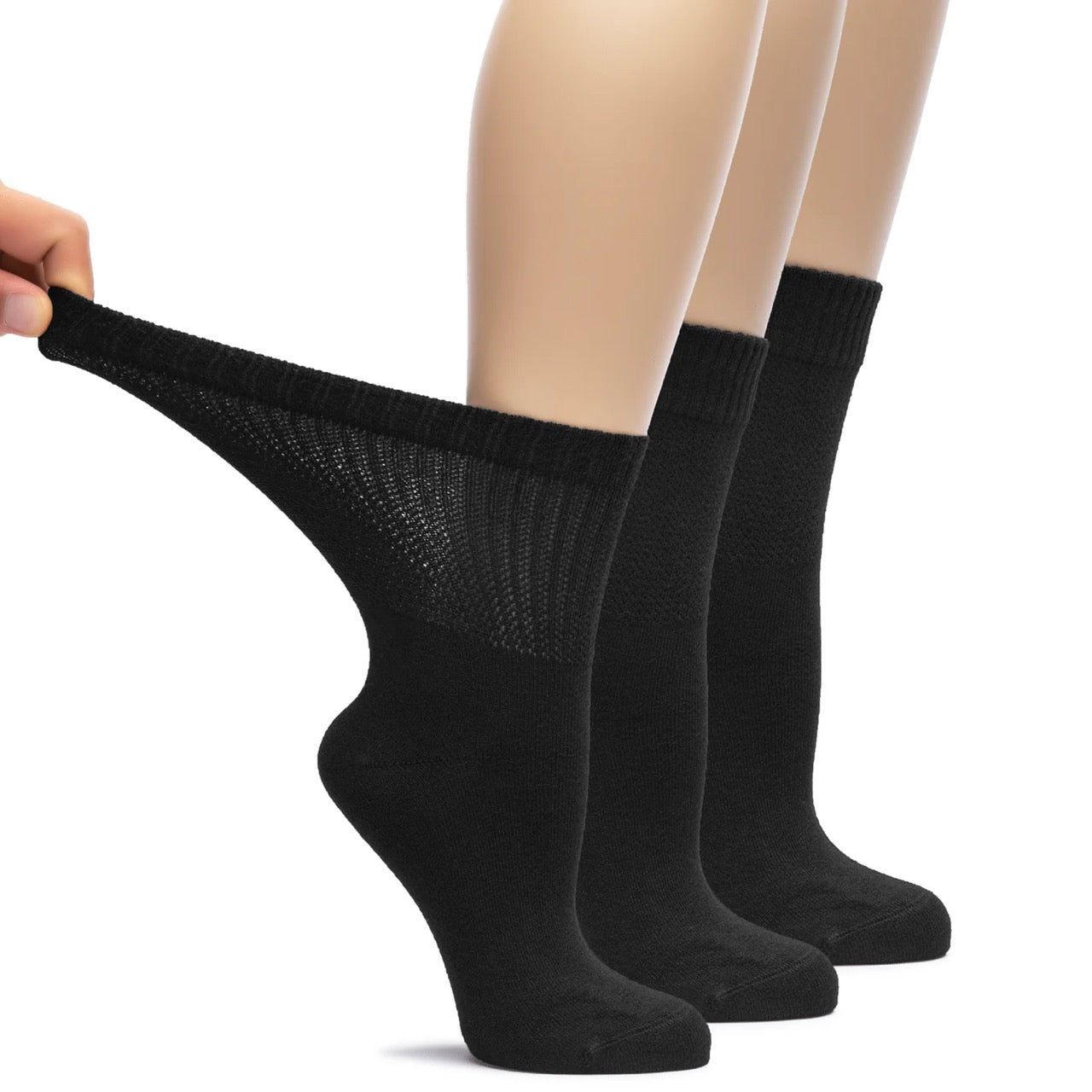

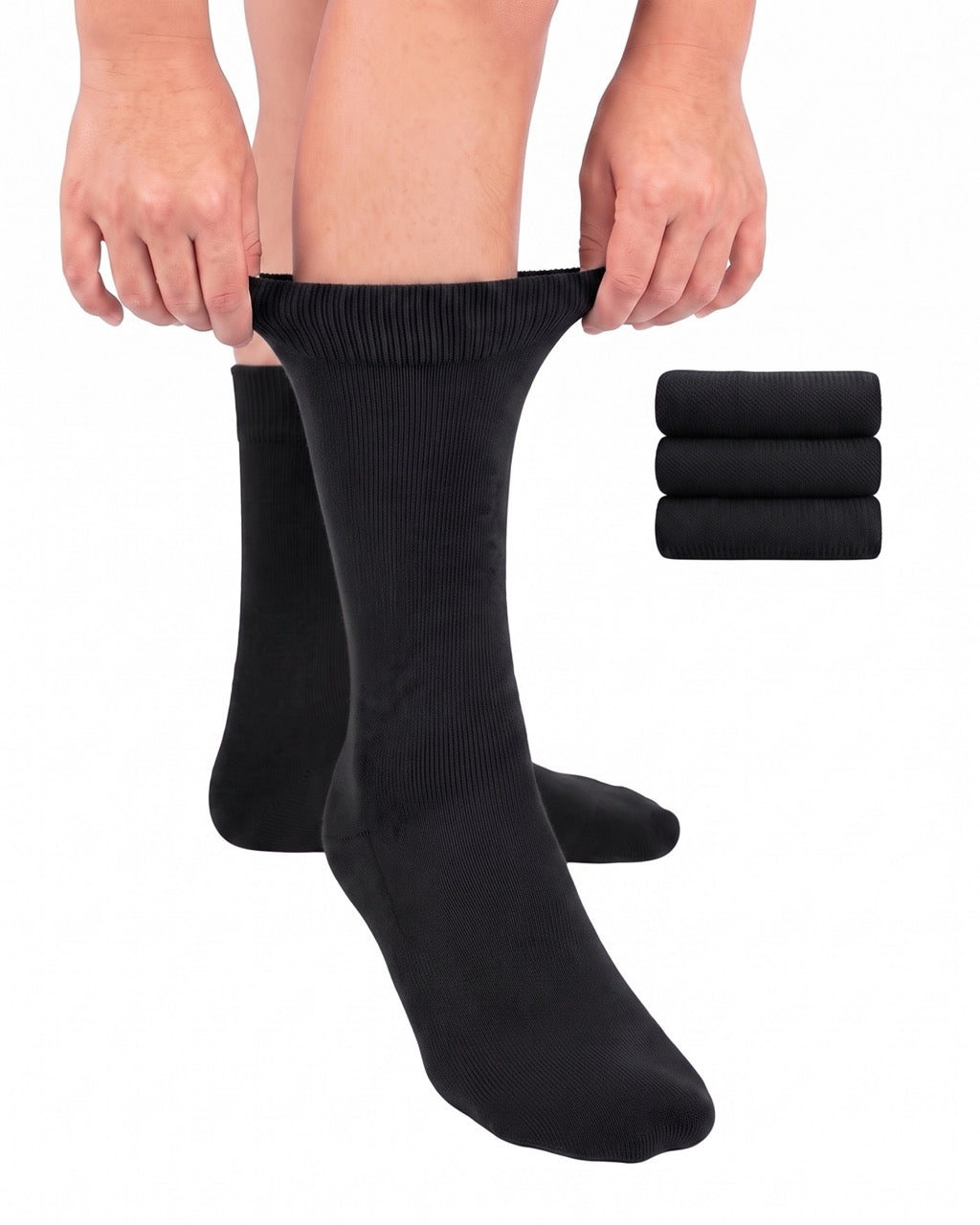
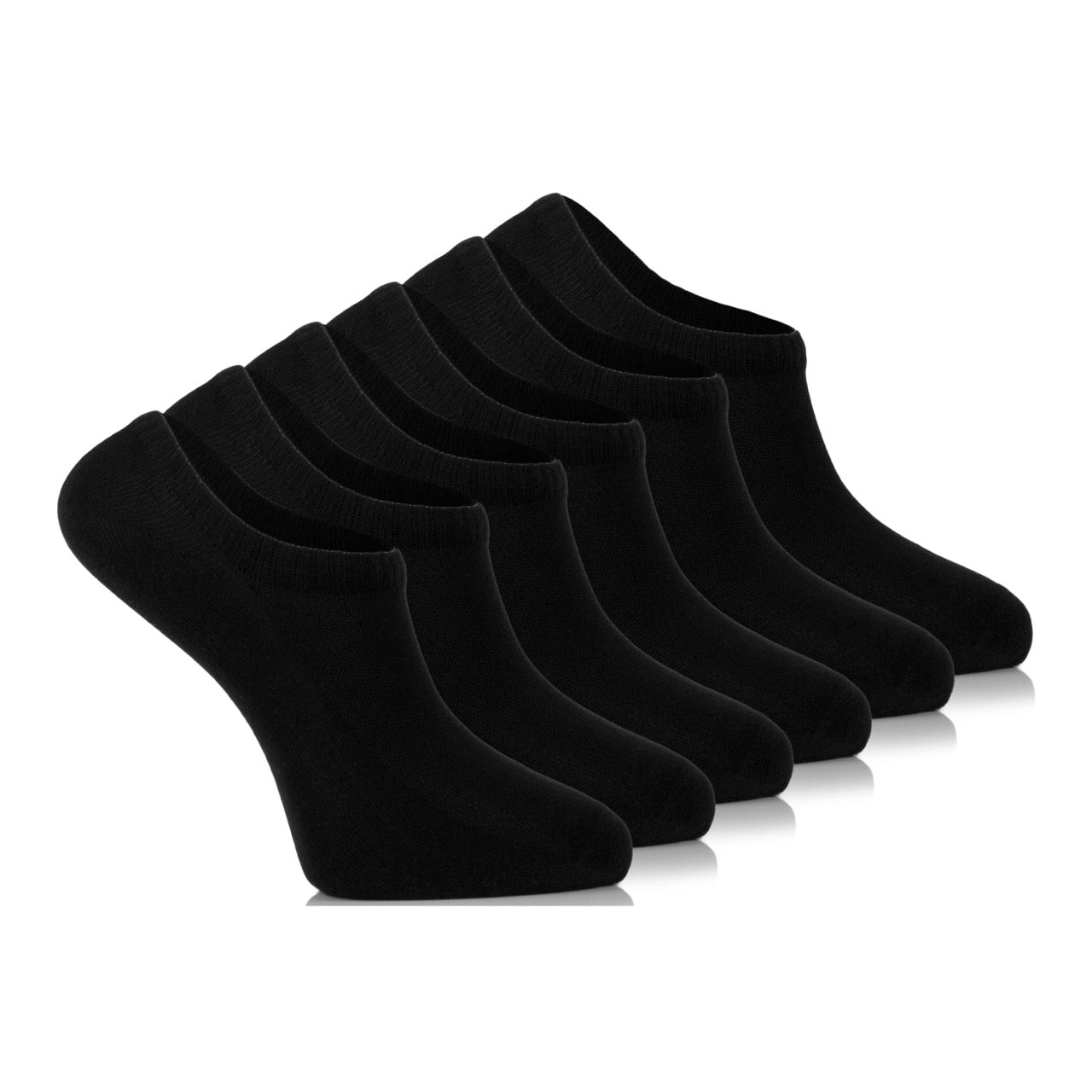
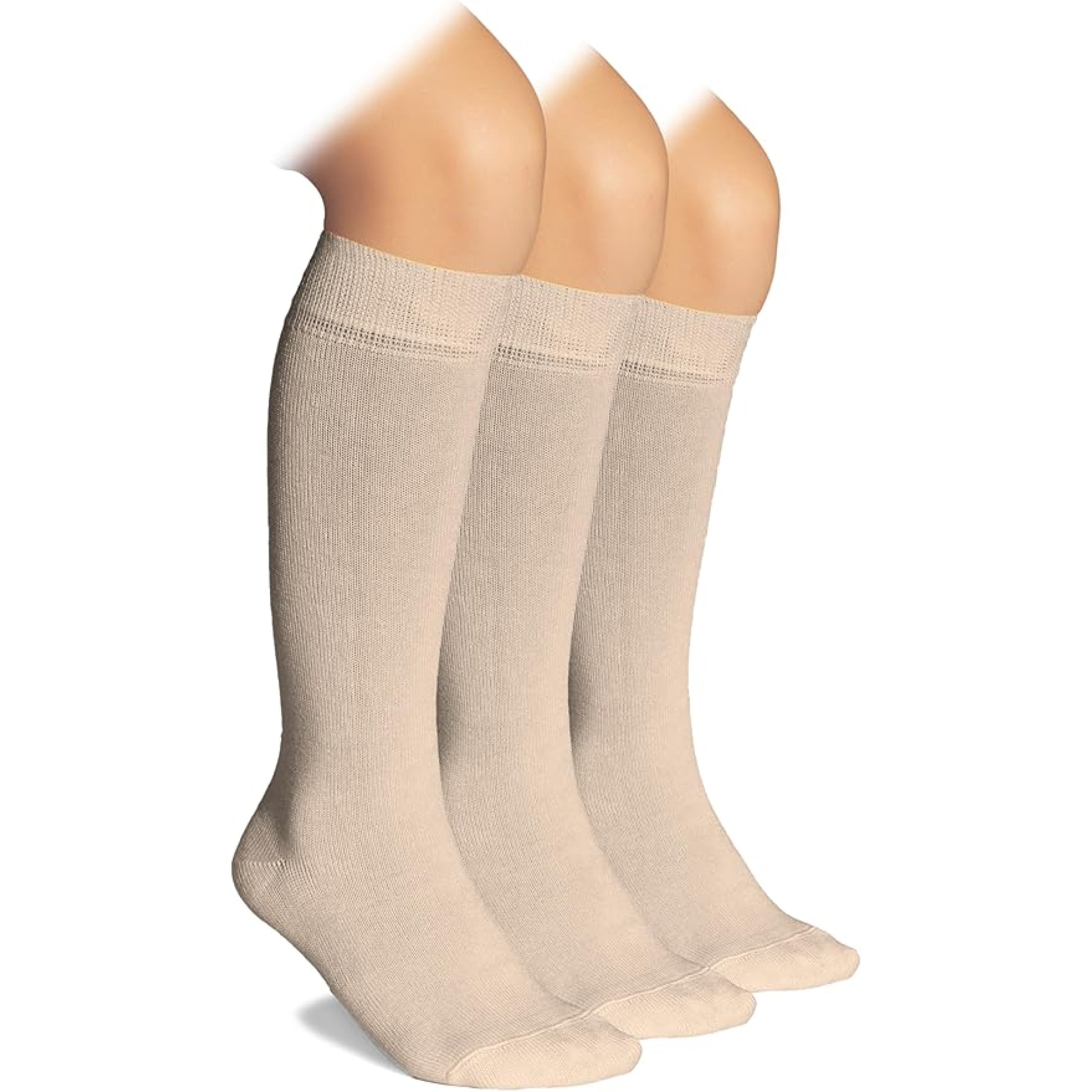


Medicare Open Enrollment runs from October 15 to December 7, and new coverage starts January 1. Before switching plans, ask whether your podiatrist is in network, how many routine foot-care visits are covered, how therapeutic shoes and inserts are handled, and whether an over-the-counter allowance exists and what its catalog includes. Official Medicare descriptions of the therapeutic shoe benefit list shoes and inserts, not socks, so plan to buy socks yourself unless your specific plan says otherwise in writing.
Key Takeaways
Every year between mid-October and early December, millions of people with Medicare sit down at the kitchen table with a stack of plan mailers and try to decide whether to stay put or switch. Most of the questions are about premiums, drug lists and doctor networks. Foot care rarely makes the list, yet for people living with diabetes, nerve changes, circulation concerns or limited mobility, the details of foot coverage can shape the next twelve months of appointments, shoes and out-of-pocket costs.
This guide is designed to help you walk into Open Enrollment with a better set of questions. It explains the key dates, what Original Medicare and Medicare Advantage generally do and do not say about foot care, and a practical checklist you can bring to a plan representative, a State Health Insurance Assistance Program counselor, or your own healthcare provider. We are a sock company, not an insurance advisor, so we stick to general information and point you to the official sources for the rules that apply to you.
Last updated: October 2026. Medicare rules, dollar amounts and plan benefits change from year to year, so confirm every figure with Medicare or your plan before making a decision.
Medicare's own key dates fact sheet lays out the calendar. In plain terms, Open Enrollment runs from October 15 through December 7. During that window, people with Medicare can keep their current health and drug coverage or switch to a different plan for the following year, and the forms generally need to reach the plan by December 7. New coverage begins on January 1.
There is a second window many people forget. If you are enrolled in a Medicare Advantage plan, you can generally switch to a different Medicare Advantage plan or go back to Original Medicare between January 1 and March 31. Coverage from that change starts the first day of the month after the plan receives the request. Medicare also notes that people who return to Original Medicare in that window can join a separate drug plan. If you are unsure which period applies to you, the CMS Open Enrollment resources page is a good starting point, and you can call 1-800-MEDICARE for personal guidance.
According to CMS, if your current plan still meets your needs and is still being offered, you do not have to act. That said, plans change their networks, formularies and benefits each year, so it is worth reading your Annual Notice of Change when it arrives. This is where foot-care changes often hide: a podiatrist who is no longer in network, a new prior authorization requirement or a reduced over-the-counter allowance can show up in the fine print.

Feet carry you through nearly every part of daily life, and for some people they need more attention than average. Diabetes can affect sensation and circulation in the feet, which is why foot exams, properly fitting footwear and daily skin checks are standard parts of diabetes self-care. Arthritis, previous injuries, swelling and balance concerns can add to the picture. If any of these apply to you, the question is not only whether Medicare covers foot care but how, how often, with whom and at what cost.
Because the answers vary between Original Medicare and individual Medicare Advantage plans, and because plans can change from year to year, it pays to ask specific questions before you switch rather than after.
Original Medicare is the traditional, government-run program made up of Part A (hospital) and Part B (medical). Here is a general overview, with the caveat that your individual situation, diagnosis and provider all affect what is covered.
Original Medicare is typically understood to exclude routine foot care such as trimming nails or removing calluses when it is done for convenience or comfort, with exceptions in certain medical circumstances. Care considered medically necessary may be handled differently. The distinction is detailed and depends on documentation, so ask a podiatrist's office how they bill and what they need from you.
Medicare Part B includes a benefit for therapeutic shoes and inserts for people with diabetes who also meet certain foot-condition criteria. The official Medicare therapeutic shoes and inserts page describes who qualifies and what is included. In general, the doctor who manages your diabetes has to certify the need, and the shoes must come from an enrolled, qualified supplier. We walk through the details in our guide to the Medicare Therapeutic Shoe Program.
This is the point that surprises many people: the official descriptions of the therapeutic shoe benefit focus on shoes, inserts and certain modifications. Socks are not listed. We are direct about this because we would rather you plan accurately than assume coverage that does not exist. Our article Does Medicare Cover Diabetic Socks? The Honest Answer goes into more detail. Please do not read anything on our site as saying our socks are covered by Medicare, because Original Medicare does not describe them that way.
Medicare Advantage (Part C) plans are offered by private insurers and must cover what Original Medicare covers, but they often include extra benefits that differ from plan to plan. Some of the extras that may matter to foot care include:
Because these extras are optional and vary widely, you should treat the plan's own documents, not a general article like this one, as the source of truth.
Print this list, write the answers beside each question and keep it with your plan comparison. If you are on the phone with a plan representative, ask them to point you to the page in the plan documents where each answer appears.
Whatever plan you choose, socks remain a day-to-day expense for most people. The good news is that the features that matter most are not especially expensive. For people managing diabetes or sensitive feet, healthcare professionals commonly recommend socks that are soft, free of bulky seams, moisture-managing and not tight around the leg. Those are the characteristics of what are often called non-binding or diabetic socks. If you want to understand the category, our overview What Are Non-Binding Diabetic Socks? explains the design in detail.
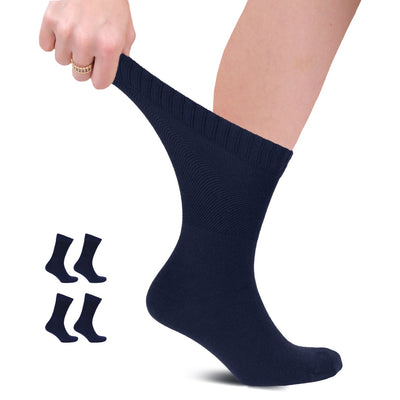
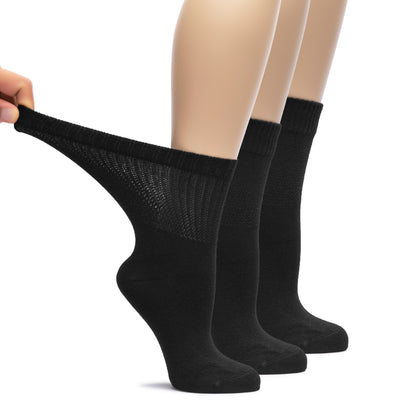
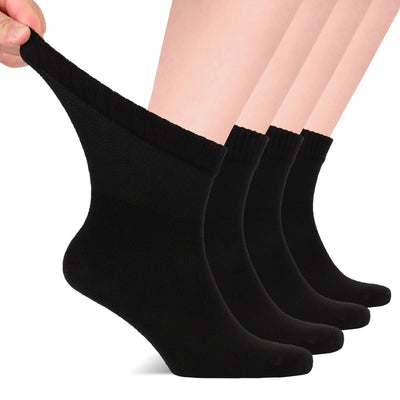
You can browse the full range in our diabetic socks collection. Examples include the Unisex Cotton Diabetic Crew Socks, the Bamboo Diabetic Crew Socks for Women, the Men's Lightweight Bamboo Diabetic Ankle Socks and the Women's Comfortable Diabetic Bamboo Ankle Socks for Swollen Legs. These are products you would buy yourself rather than expect your plan to pay for. If you have an HSA, FSA or an OTC card, check with the administrator about what is eligible, because we cannot tell you that our socks qualify under your specific plan.
Even a generous plan leaves some foot-related costs on your side. A little planning helps.
You do not have to do this alone. Medicare's official line at 1-800-MEDICARE and the Medicare.gov plan finder are the primary tools. Your State Health Insurance Assistance Program (SHIP) offers free, unbiased counseling in every state. Pharmacists, social workers at your clinic and family members can also help you read plan documents. Be cautious of unsolicited calls or mailers that pressure you to switch quickly. If someone asks for your Medicare number out of the blue, hang up and call the official number yourself.
Insurance paperwork can feel far removed from the simple habit of looking at your feet each day. Still, the two are connected. If you live with diabetes or reduced sensation, examining your feet every day for cuts, blisters, color changes or swelling is a basic part of self-care, and a provider can show you how. Our guide to a daily diabetic foot check in 60 seconds offers a quick routine. Many people find that the better they understand their daily foot needs, the clearer their plan questions become.
When the plan comparison starts to feel overwhelming, break it into three steps.
Remember that you can usually revisit your choice. If you are in a Medicare Advantage plan and it turns out to be a poor fit, the January 1 to March 31 window described above may give you a second chance, subject to the rules in effect for you.
Medicare Open Enrollment is a once-a-year opportunity to make sure your coverage fits your life. For people who count on regular foot care, a few well-chosen questions can reveal differences between plans that a brochure's headline benefits do not. Check podiatry access, ask how therapeutic shoes and inserts are handled, find out whether an OTC allowance exists and what it includes, and be realistic about what you will pay for yourself, socks included. When in doubt, call 1-800-MEDICARE, contact your local SHIP counselor and talk with your healthcare provider about what your feet need in the year ahead.
This article is for general information and is not medical advice. Talk to your healthcare provider about your own feet.
It runs from October 15 to December 7 each year. Changes you make generally take effect January 1 of the following year.
The official descriptions of the therapeutic shoe benefit list shoes, inserts and modifications, not socks. Some Medicare Advantage plans offer an over-the-counter allowance, so check your plan's catalog.
Ask whether your podiatrist is in network, how many routine visits are covered, whether you need a referral, how therapeutic shoes are handled, and whether an over-the-counter allowance exists.
People already in a Medicare Advantage plan can generally switch plans or return to Original Medicare between January 1 and March 31. Confirm your own situation with Medicare.
Call 1-800-MEDICARE or contact your State Health Insurance Assistance Program (SHIP) for free counseling, and talk to your healthcare provider about your foot-care needs.
Discover All Hugh Ugoli Socks
Shop All Socks