Cart
0
You may also like
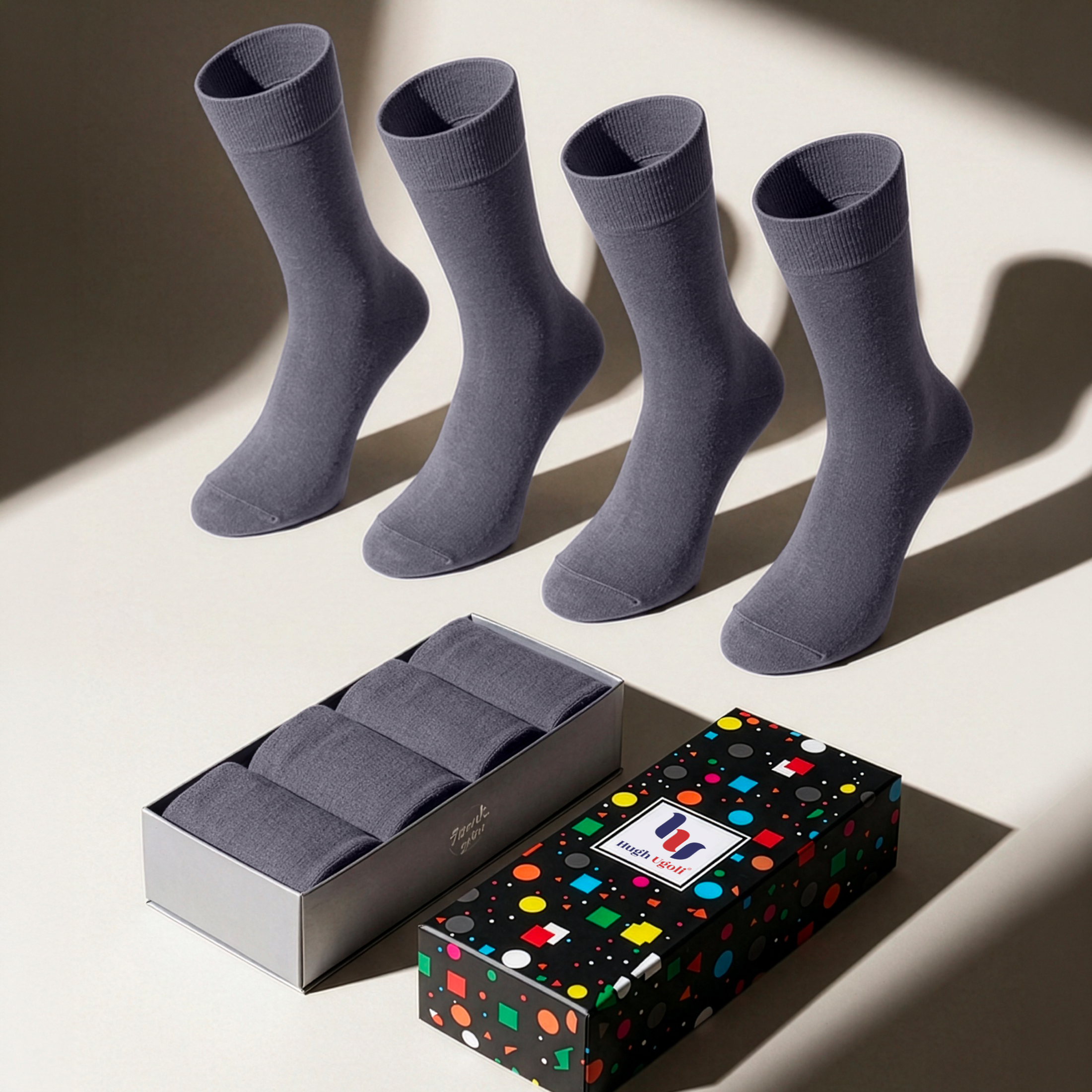
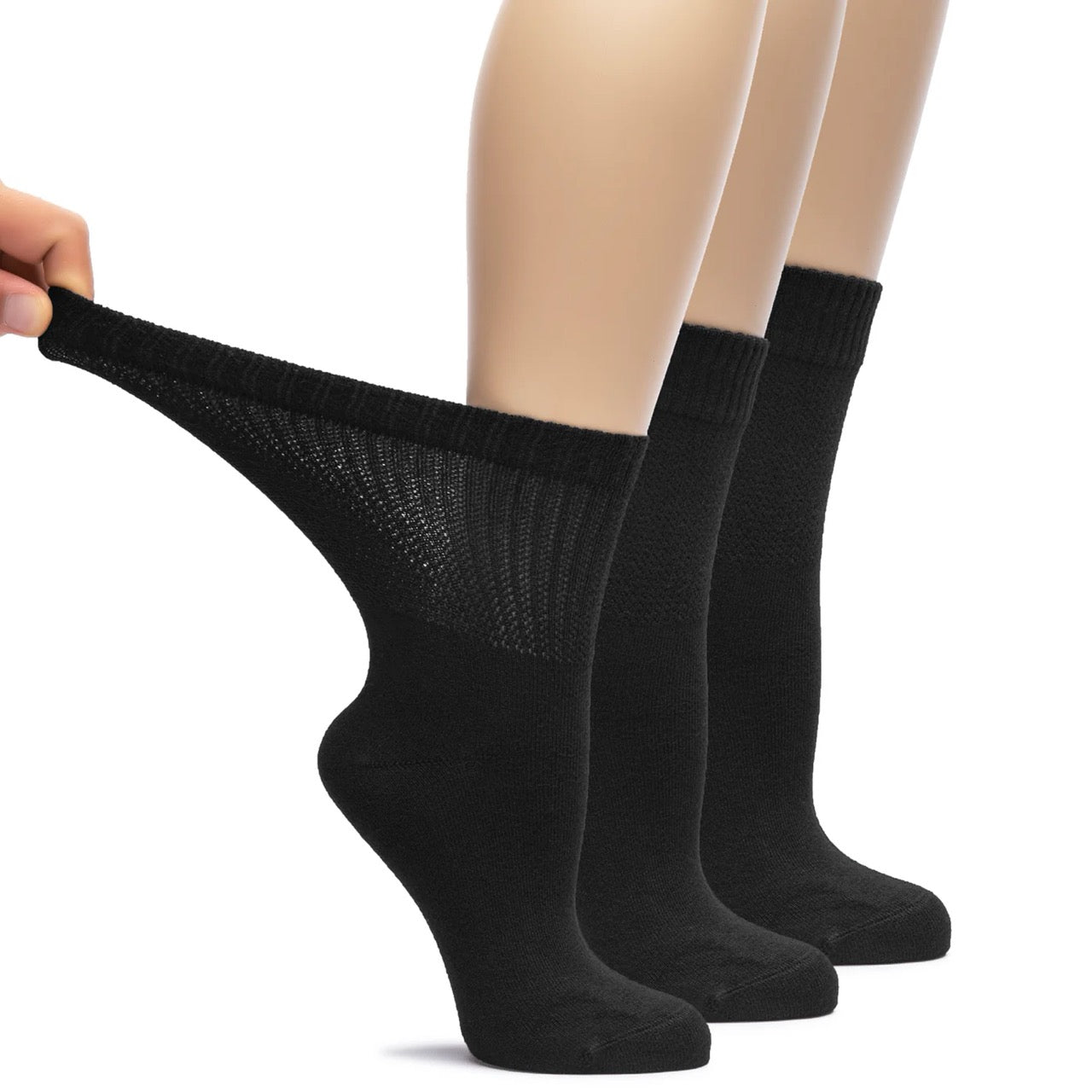

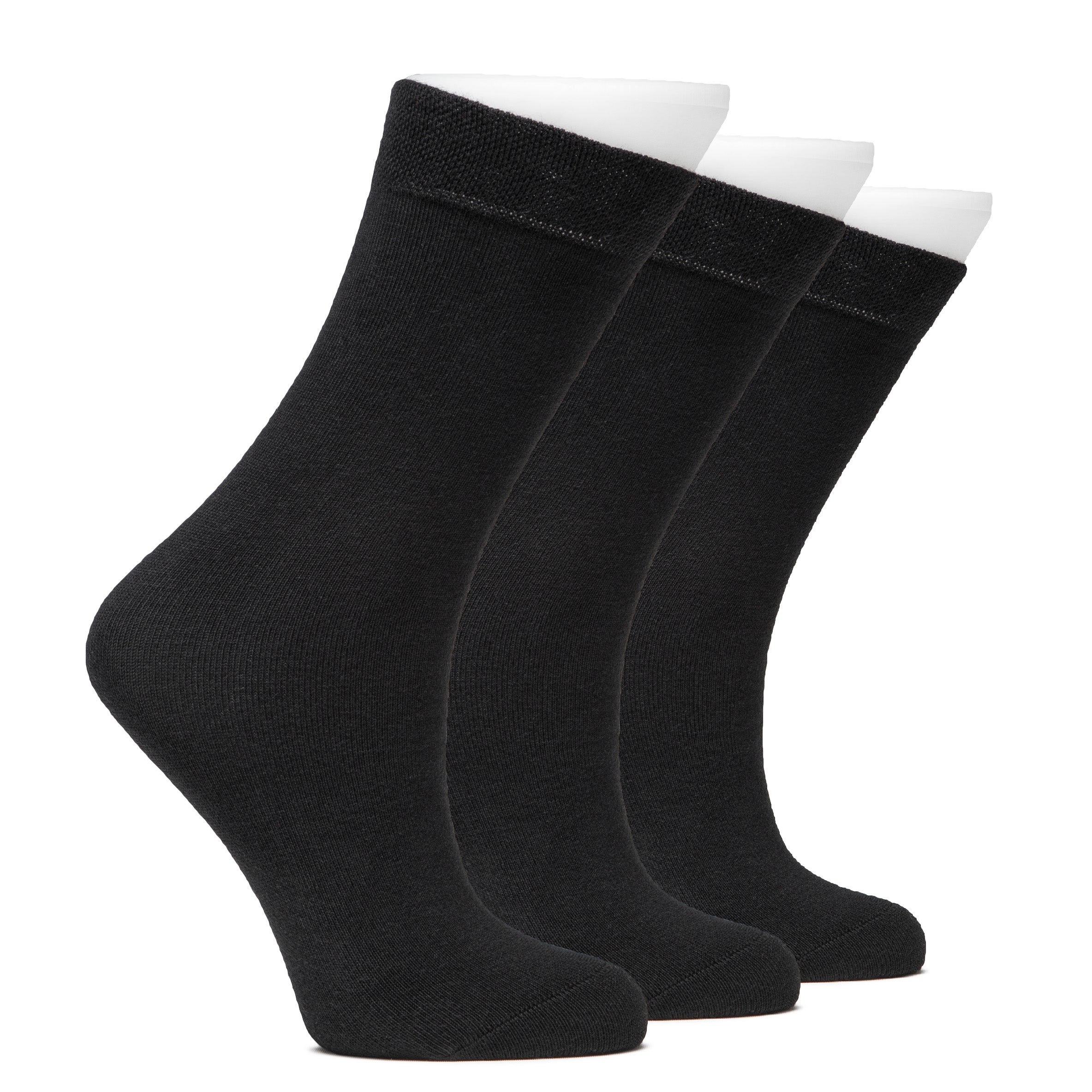
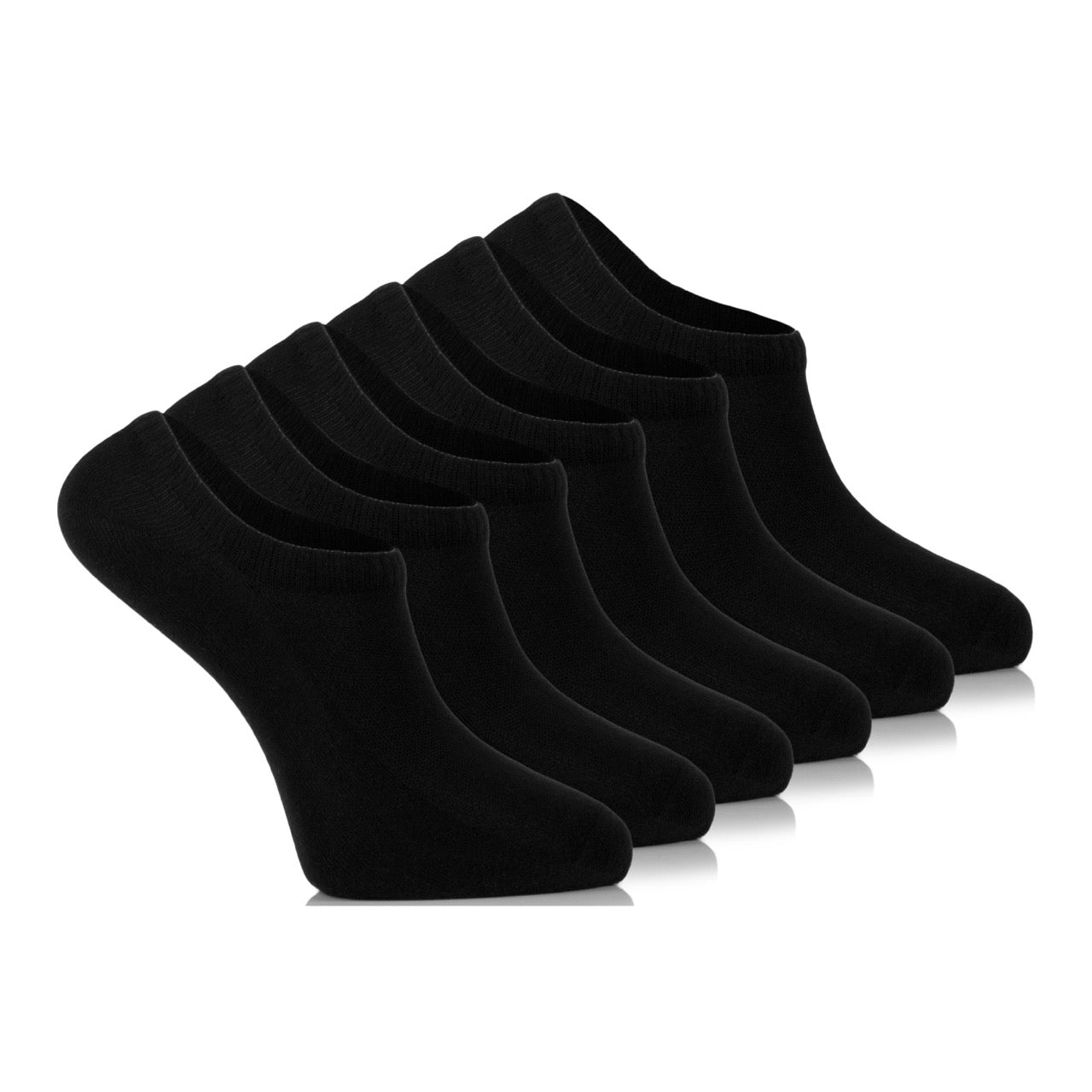
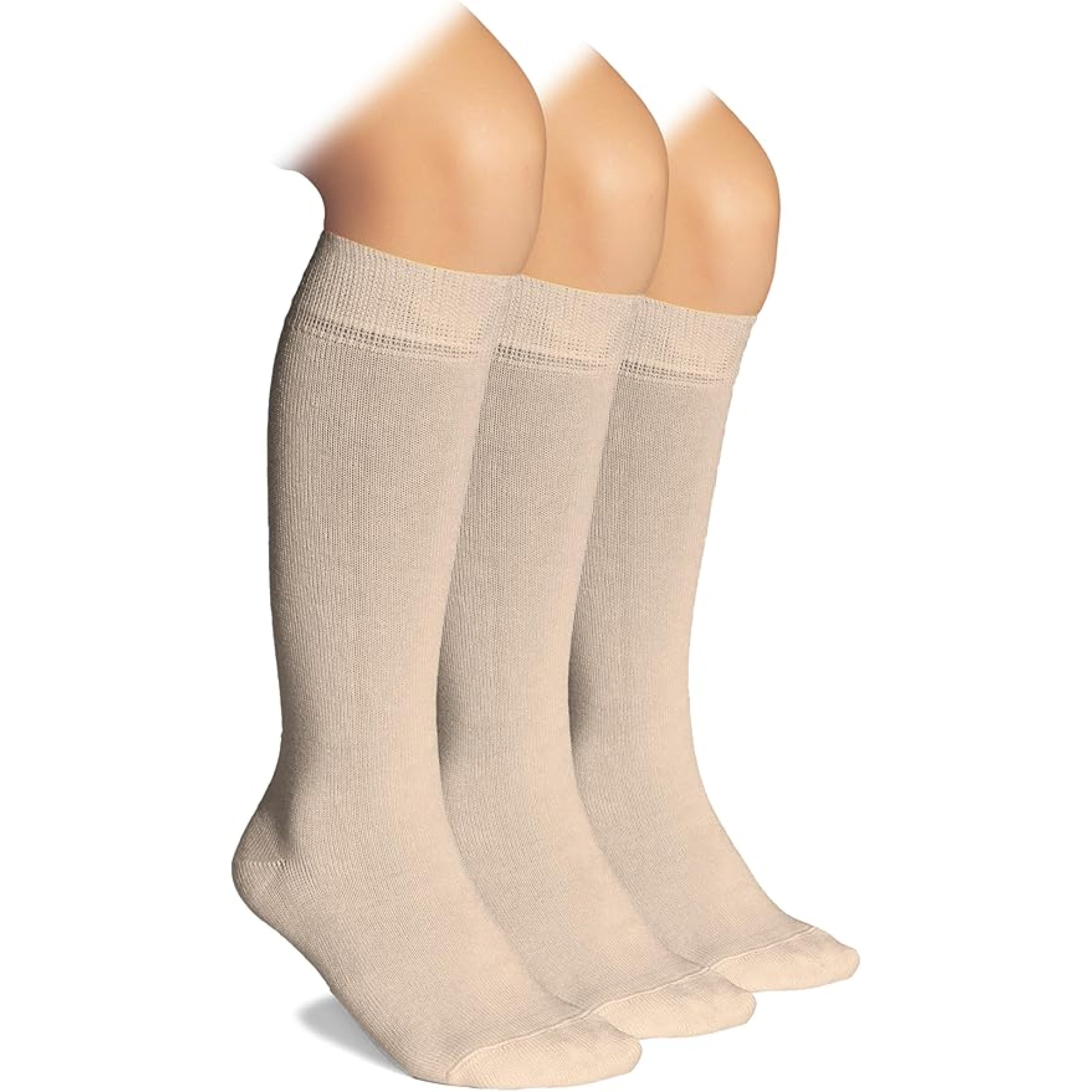


If you have diabetes and Medicare coverage, you've probably wondered whether Medicare pays for diabetic socks. It's a reasonable question — diabetes is one of the most common conditions Medicare beneficiaries manage, diabetic socks are widely recommended by podiatrists and primary care physicians, and the out-of-pocket cost of specialty socks adds up over time. The answer, however, is one that trips up patients and healthcare providers alike because the language around what Medicare does and doesn't cover in this space is genuinely confusing.
Here is the direct answer: Medicare does not cover diabetic socks as a standalone benefit. There is no Medicare Part A or Part B benefit specifically for diabetic socks, and standard diabetic socks sold in retail stores or online are not reimbursable under traditional Medicare coverage. That said, there is a related benefit — the Therapeutic Shoes for Persons with Diabetes benefit under Medicare Part B — that some people confuse with sock coverage. Understanding what that benefit actually covers, what qualifies under it, and where diabetic socks fit in the picture is what this article sets out to clarify.
Medicare provides a range of diabetes-related benefits, and it's worth understanding the full picture before focusing specifically on socks. The Medicare.gov coverage page for diabetes supplies and services outlines what's included under the program.
Medicare Part B covers diabetes self-management training, medical nutrition therapy, glaucoma screenings (elevated risk in diabetes), kidney disease screenings, and a range of preventive services. People with Medicare who have diabetes are also entitled to foot exams — up to one foot exam every six months — if they have diabetic peripheral neuropathy and loss of protective sensation.
Under Medicare Part B's durable medical equipment (DME) benefit, Medicare covers blood glucose monitors, lancets, test strips, and certain insulin delivery equipment for eligible beneficiaries. These items are covered because they are classified as medically necessary durable medical equipment under the DME benefit framework — a classification that diabetic socks do not meet.
Medicare Part B includes a Therapeutic Shoes for Persons with Diabetes benefit. This is the benefit most commonly confused with sock coverage. The CMS National Coverage Determination for Therapeutic Shoes (NCD 230.1) covers specifically:
This benefit does not include socks of any kind — diabetic socks, compression socks, or any other sock category. The benefit is specifically for footwear (shoes) and orthotic inserts, not for socks worn inside shoes. To qualify, beneficiaries must have diabetes, be enrolled in Medicare Part B, have a prescription from their treating physician, and the shoes must be furnished by a podiatrist, orthotist, prosthetist, or pedorthist who participates in Medicare.

Medicare coverage decisions are made through a system of National Coverage Determinations (NCDs) and Local Coverage Determinations (LCDs) that define which items and services meet the criteria for medical necessity under the program. For an item to be covered under Medicare Part B's DME benefit, it generally must be durable (able to withstand repeated use), primarily and customarily used to serve a medical purpose, generally not useful to a person in the absence of illness or injury, and appropriate for use in a home setting.
Socks — including socks specifically designed for people with diabetes — have not been classified as meeting these criteria under current coverage policy. This doesn't mean diabetic socks aren't useful; it means they don't meet the specific definitional requirements of the DME framework. Most medical professionals would agree that non-binding, seamless, moisture-wicking socks are valuable for foot health in people with diabetes, and the American Diabetes Association consistently recommends careful foot care including appropriate socks as part of diabetes management. The recommendation exists; the Medicare coverage mechanism for delivering it at no cost does not.
Medicare Advantage plans (Medicare Part C) are administered by private insurance companies that contract with Medicare. These plans must cover all services that original Medicare covers, but they are also permitted to offer additional benefits beyond original Medicare's coverage. Some Medicare Advantage plans do offer supplemental benefits for over-the-counter health-related items — and in some cases, these supplemental benefits may include diabetic supplies or health and wellness products that original Medicare does not cover.
Whether a specific Medicare Advantage plan covers diabetic socks depends entirely on that plan's supplemental benefits, which vary by plan, by carrier, and by service area. Some plans offer an OTC (over-the-counter) benefit card that beneficiaries can use for approved health items; whether diabetic socks are among the approved items under a specific plan's OTC benefit requires checking that plan's coverage documentation or calling the plan directly. The only reliable way to know whether your Medicare Advantage plan covers diabetic socks is to call your plan's customer service number, which appears on your membership card, and ask specifically about diabetic sock coverage under your supplemental benefits.
Medicaid coverage is administered at the state level, and coverage for diabetes-related items varies considerably from state to state. Some state Medicaid programs do cover diabetic socks as a medical supply under specific circumstances — typically when prescribed by a physician and when the beneficiary meets certain clinical criteria. If you have Medicaid rather than or in addition to Medicare, contacting your state Medicaid program directly is the most reliable way to determine whether diabetic socks are covered under your specific coverage.
For people with both Medicare and Medicaid (dual eligibles), the coverage rules are determined by which program is the primary payer for each service — and diabetic sock coverage, to the extent it exists, would more likely come from a Medicaid benefit than from Medicare.
While Medicare doesn't cover diabetic socks, beneficiaries who are not yet enrolled in Medicare or who have family members managing their care may be familiar with Health Savings Accounts (HSAs) and Flexible Spending Accounts (FSAs). For people who are not yet on Medicare and who have high-deductible health plans or employer health benefits, HSAs and FSAs are a potential mechanism for covering diabetes-related expenses on a pre-tax basis.
The IRS governs what qualifies as a medical expense for HSA and FSA purposes, and the classification of diabetic socks under these accounts is not universally settled. Some FSA administrators classify diabetic socks as eligible with a Letter of Medical Necessity from a physician; others do not classify them as eligible at all. Anyone considering using HSA or FSA funds for diabetic socks should confirm their plan's specific eligibility rules with their plan administrator before purchasing.
The lack of Medicare coverage doesn't diminish the practical value of socks designed for people with diabetes. Healthcare professionals and guidelines consistently recommend them, and the design features that distinguish diabetic socks from standard socks are directly relevant to the foot care challenges diabetes creates.
Diabetes can affect the feet in several significant ways. Peripheral neuropathy — nerve damage that often begins in the feet — may reduce the ability to feel pain, heat, cold, or pressure normally. This means minor foot injuries, friction, or ill-fitting footwear can go unnoticed until they have developed into more serious problems. Reduced circulation to the feet, another common complication, slows healing. Together, these factors make foot care a high priority for diabetes management, which is why the ADA and most diabetes care guidelines place considerable emphasis on daily foot checks, appropriate footwear, and socks that minimize friction and pressure.
Socks designed for people with diabetes typically incorporate several specific features that address these concerns:
These features are available in quality diabetic socks without Medicare reimbursement. A bamboo diabetic ankle sock with a non-binding top and seamless toe incorporates the construction features that healthcare professionals commonly recommend for people with diabetes — non-constricting at the ankle, smooth at the toe, moisture-managing throughout the day. For men, a bamboo ankle sock with the same non-binding construction provides the same foot-health-oriented design. These socks are not Medicare-covered items and are not sold as medical devices — they are consumer products with construction features that many people with diabetes find valuable for daily foot care.
Several specific misconceptions about this coverage question come up frequently, and they're worth addressing directly.
A prescription from a physician, podiatrist, or nurse practitioner indicates that a healthcare provider considers an item medically appropriate for a specific patient. It does not automatically create Medicare coverage. Medicare coverage is determined by the coverage policy (NCDs and LCDs), not by individual prescriptions. Many items physicians prescribe are not Medicare-covered because they fall outside Medicare's defined coverage categories — diabetic socks are one example. If you have a prescription for diabetic socks and want to know whether they're covered, call Medicare directly at 1-800-MEDICARE or check the specific coverage policy rather than assuming that the prescription creates coverage.
Unfortunately, some retailers and marketers have made misleading claims about Medicare coverage for diabetic socks and similar items. Medicare does not cover standard diabetic socks, and any retailer claiming otherwise is making a claim that is inconsistent with the current coverage policy. If you've received socks billed to Medicare, it's worth checking your Medicare Summary Notice (MSN) or the Medicare Explanation of Benefits (EOB) to see how the claim was processed — and if something was charged to Medicare for non-covered items, contacting 1-800-MEDICARE to report a potential billing issue is appropriate.
This is partially true in a narrow context and false in the general case. Standard compression socks are not covered by Medicare. Compression stockings as part of a specific treatment protocol — for example, as part of venous insufficiency management under certain circumstances — may be covered under very specific conditions with documentation of medical necessity. This is different from diabetic socks, and it applies to a specific clinical indication, not to general purchase of compression hosiery.
For Medicare beneficiaries who would benefit from diabetic socks but are concerned about cost, a few practical options are worth considering.
First, check whether your Medicare Advantage plan has a supplemental OTC benefit. Many Advantage plans added or expanded OTC benefits in recent years, and some include health-related products that original Medicare does not cover. The plan's formulary or OTC catalog, available from your plan's member services, will list what's covered.
Second, ask your physician to review whether you qualify for the Therapeutic Shoes benefit under Medicare Part B. This benefit doesn't cover socks, but it does cover therapeutic footwear and inserts — and having appropriate footwear is at least as important as sock choice for people with diabetes.
Third, consider that the annual cost of quality diabetic socks, purchased out of pocket, is typically modest relative to other diabetes management expenses. A few pairs of well-made diabetic socks, cared for appropriately, can last many months — the per-wear cost is low even without insurance coverage.
The honest answer to whether Medicare covers diabetic socks is no — not under original Medicare Part A or B, and not as part of the Therapeutic Shoes benefit, which covers shoes and inserts but not socks. Some Medicare Advantage plans may offer supplemental OTC benefits that could include diabetic socks; checking your specific plan is the only way to know. Despite the absence of Medicare coverage, socks designed for people with diabetes incorporate construction features — non-binding tops, seamless toes, moisture-wicking fibers — that address the specific foot care concerns of diabetes management and are widely recommended by healthcare providers. The cost falls out of pocket for most Medicare beneficiaries, but the value of the features remains regardless of who pays for them.
This article is for general information and is not medical advice. Talk to your healthcare provider about your own feet. Medicare coverage policies change; always verify current coverage at Medicare.gov or by calling 1-800-MEDICARE.
No. Original Medicare (Parts A and B) does not cover diabetic socks. There is no National Coverage Determination or Local Coverage Determination that classifies standard diabetic socks as a covered benefit under Medicare. The Therapeutic Shoes for Persons with Diabetes benefit under Medicare Part B covers therapeutic shoes and inserts only — not socks. Some Medicare Advantage (Part C) plans have supplemental OTC benefits that may include diabetic socks; checking your specific plan's coverage documentation or calling your plan's member services number is the only reliable way to know whether your plan includes this benefit.
The Therapeutic Shoes for Persons with Diabetes benefit under Medicare Part B covers one pair of depth-inlay shoes per calendar year, plus three pairs of orthotic inserts. Alternatively, it covers two pairs of custom-molded shoes if standard depth-inlay shoes cannot be used. The benefit does not include socks. To qualify, you must have diabetes, be enrolled in Medicare Part B, have a prescription from your treating physician, and have the shoes provided by a qualified supplier who participates in Medicare.
It depends on your specific plan's rules. Some FSA administrators classify diabetic socks as eligible expenses, particularly when accompanied by a Letter of Medical Necessity from a physician. Others do not classify them as eligible. HSA rules follow IRS guidelines for qualified medical expenses, which don't explicitly include or exclude diabetic socks as a category. Check your plan's eligibility list or contact your plan administrator before purchasing to confirm whether diabetic socks are covered under your specific account. Note that once enrolled in Medicare, you are no longer eligible to contribute to an HSA.
Standard compression socks or stockings are generally not covered by Medicare. In very specific clinical circumstances — such as certain venous insufficiency conditions with documented medical necessity — compression hosiery may be coverable, but this is a narrow exception rather than a general benefit. The Therapeutic Shoes benefit covers footwear and inserts, not hosiery. If you believe you may have a clinical indication for covered compression garments, discuss the specific coverage criteria with your physician, who can determine whether your condition meets the requirements for a covered claim.
Your doctor's recommendation reflects what's clinically appropriate for your foot health, not what Medicare's coverage policy includes. Medicare coverage is determined by policy definitions — whether something meets the criteria for a benefit category — not by clinical value alone. Many items with genuine clinical benefit for specific conditions are not covered by Medicare because they don't meet the definitional requirements of any covered benefit category. Diabetic socks are recommended because the non-binding tops, seamless toes, and moisture-wicking materials address real foot care risks in diabetes. They aren't covered because they don't meet Medicare's DME classification criteria. Both things are true simultaneously.
He has been working for more than 20 years in the textile industry and has work experience in many parts of the world.