
Cart
0
You may also like
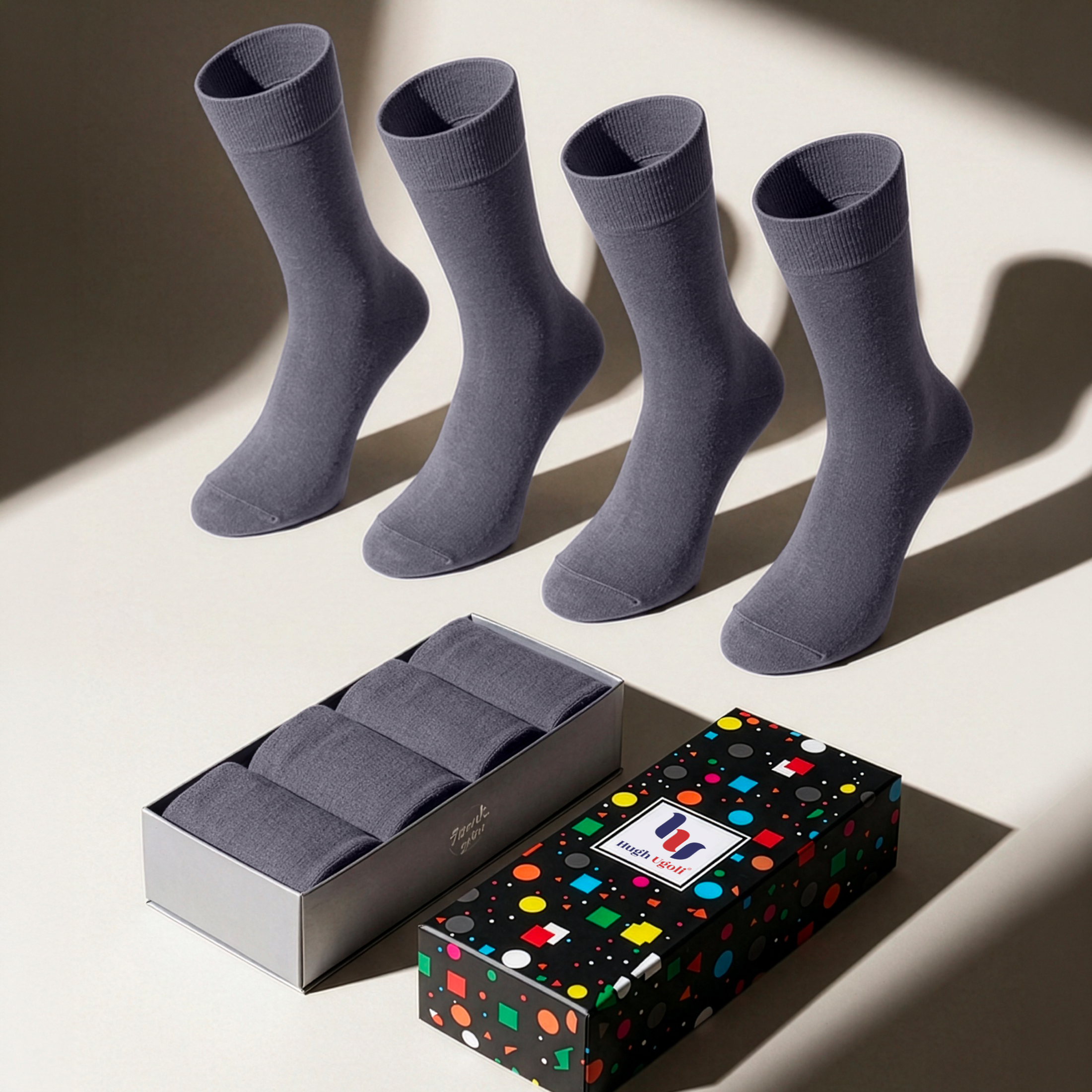
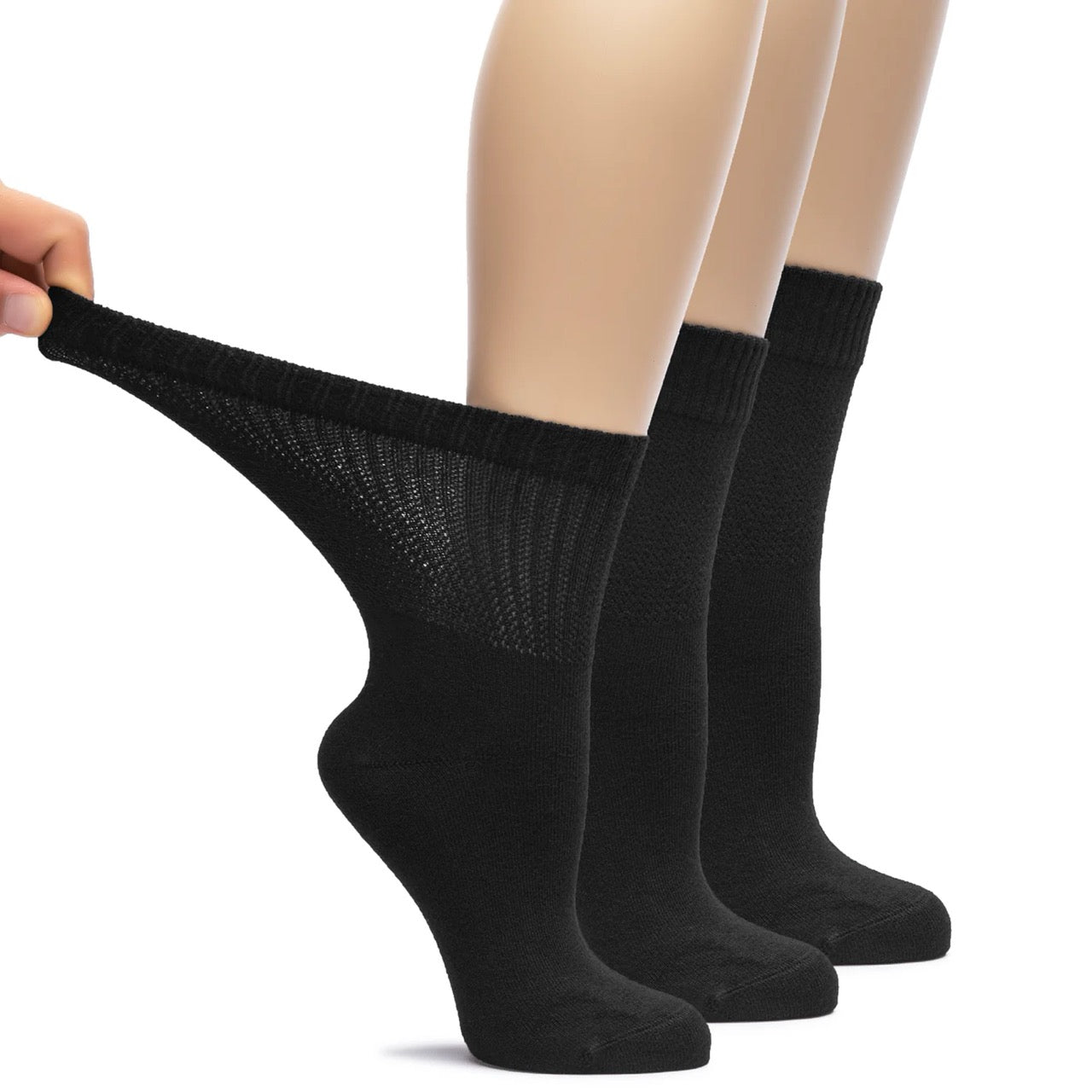
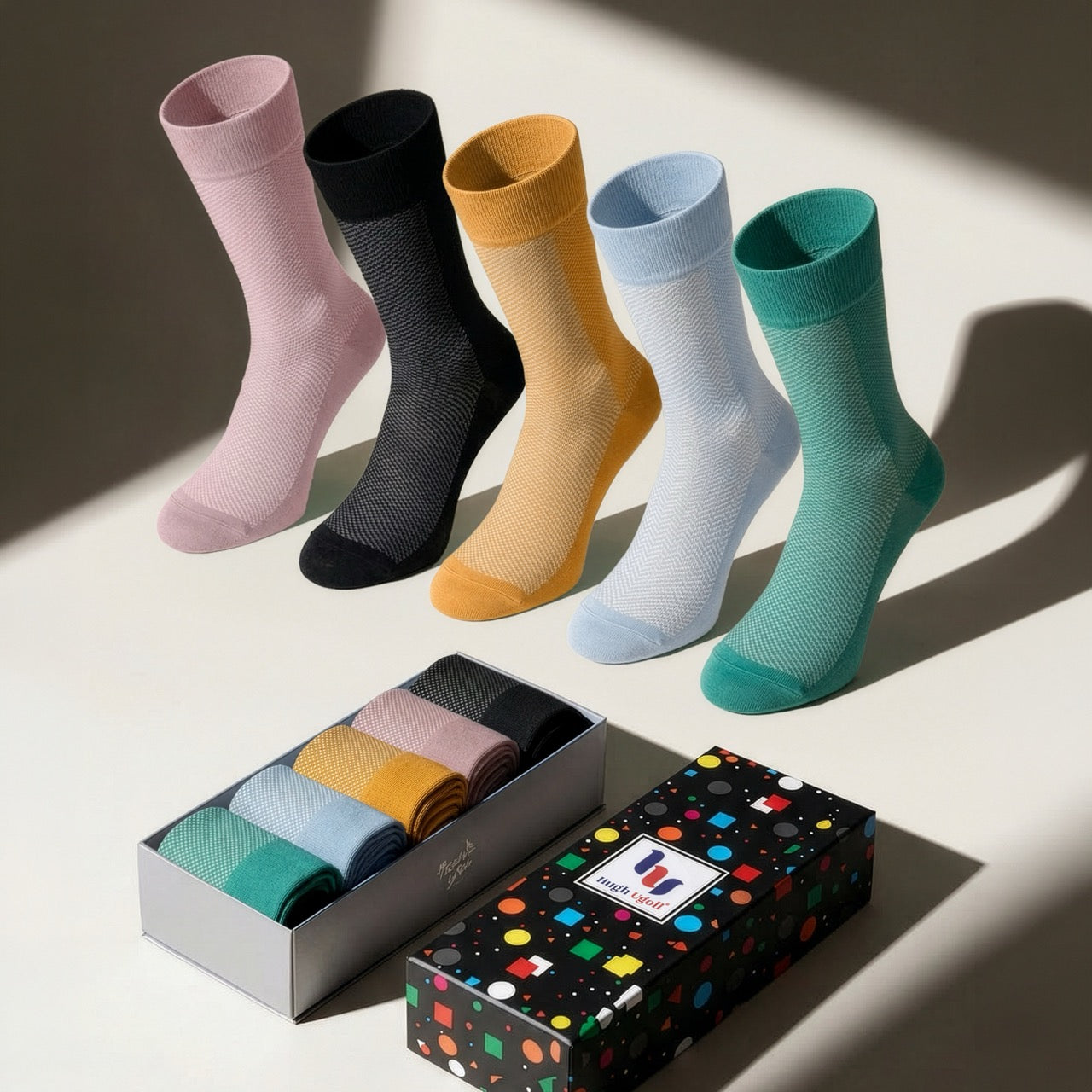
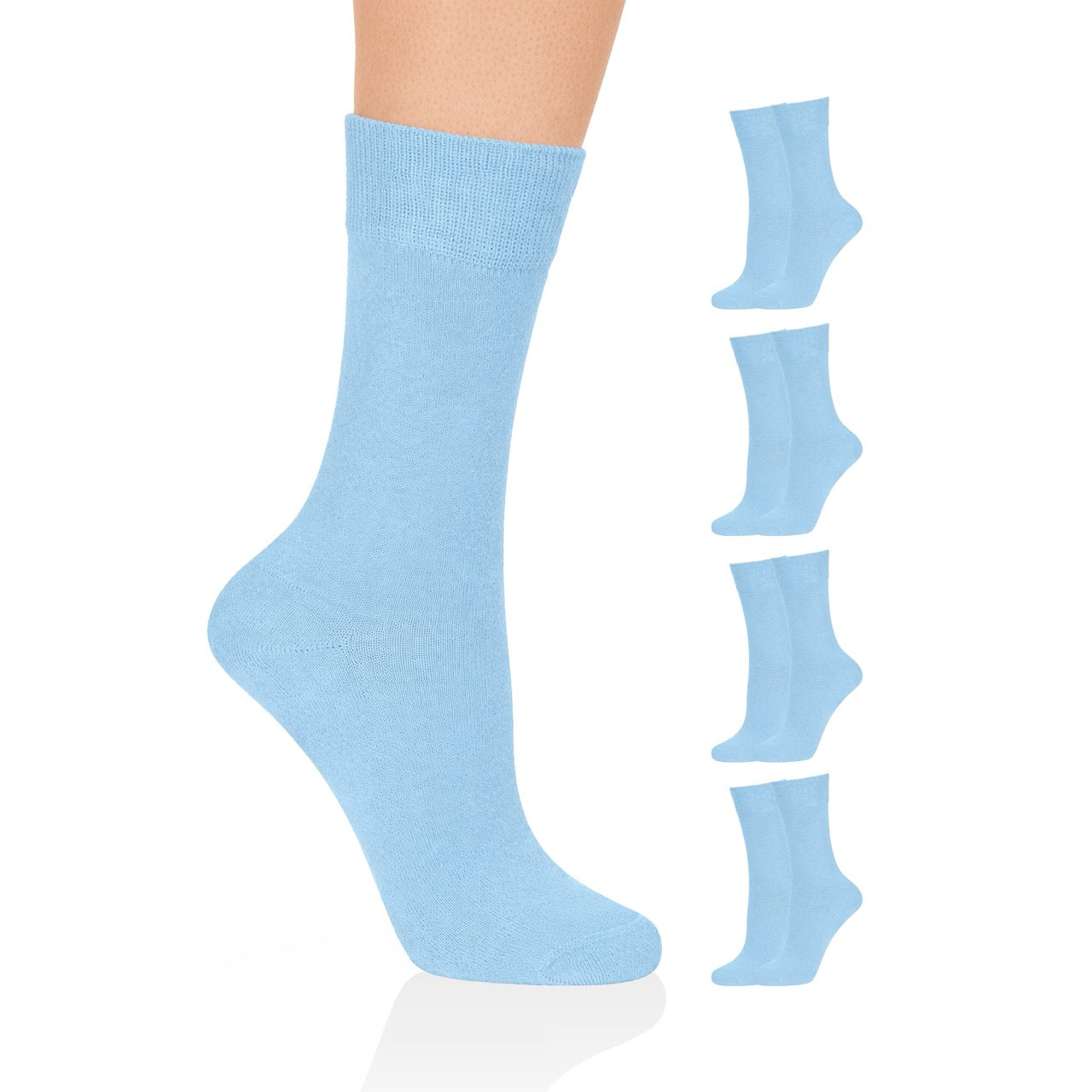
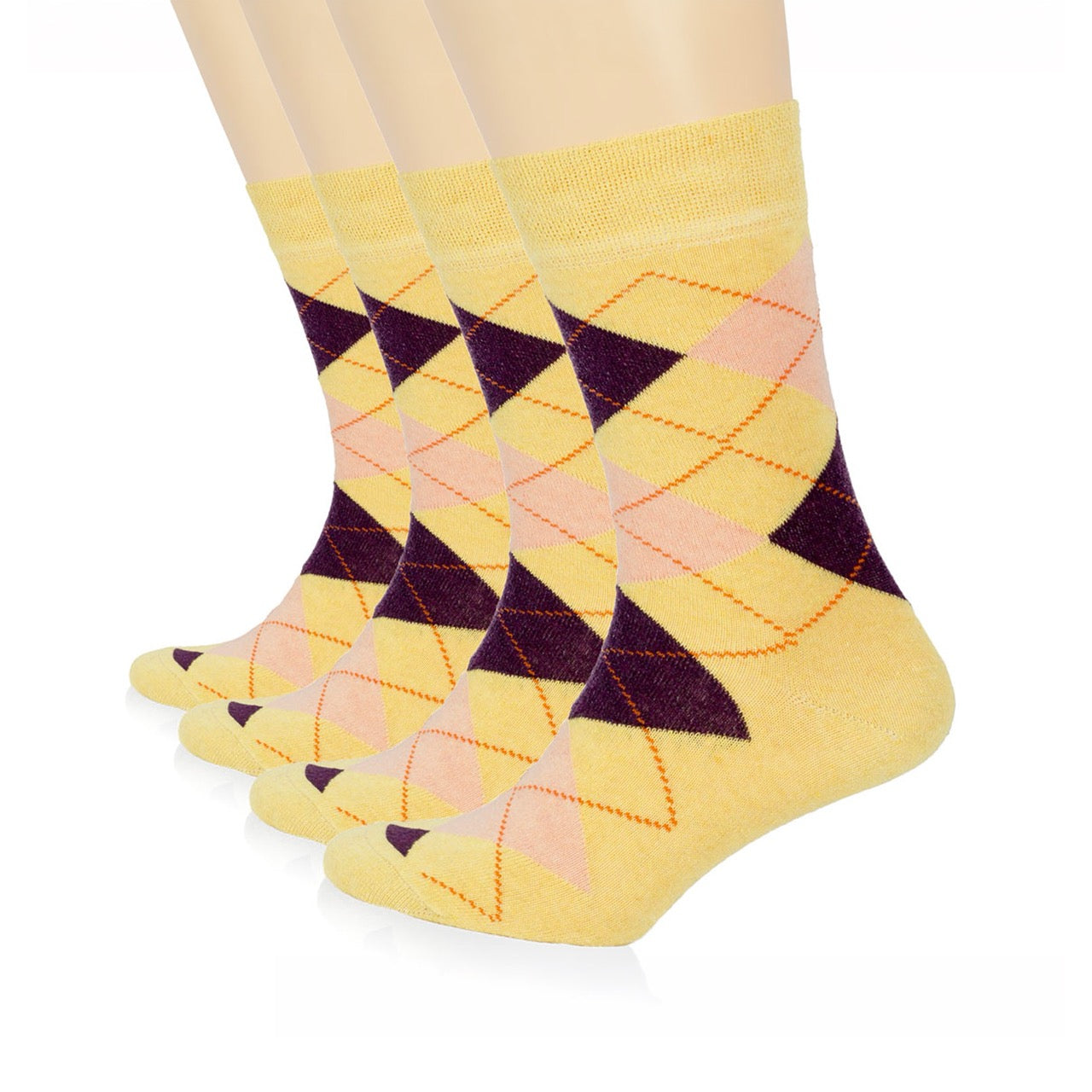
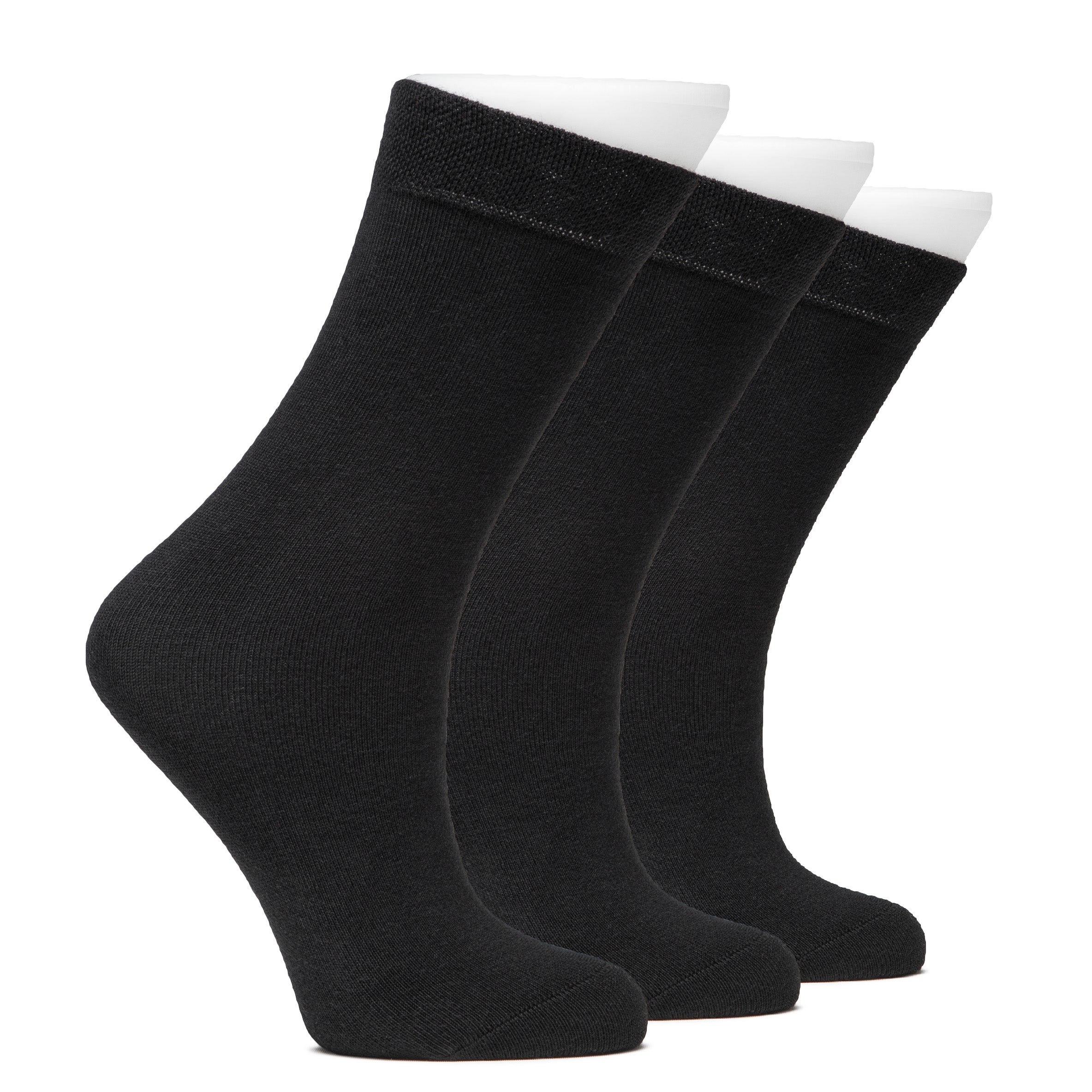
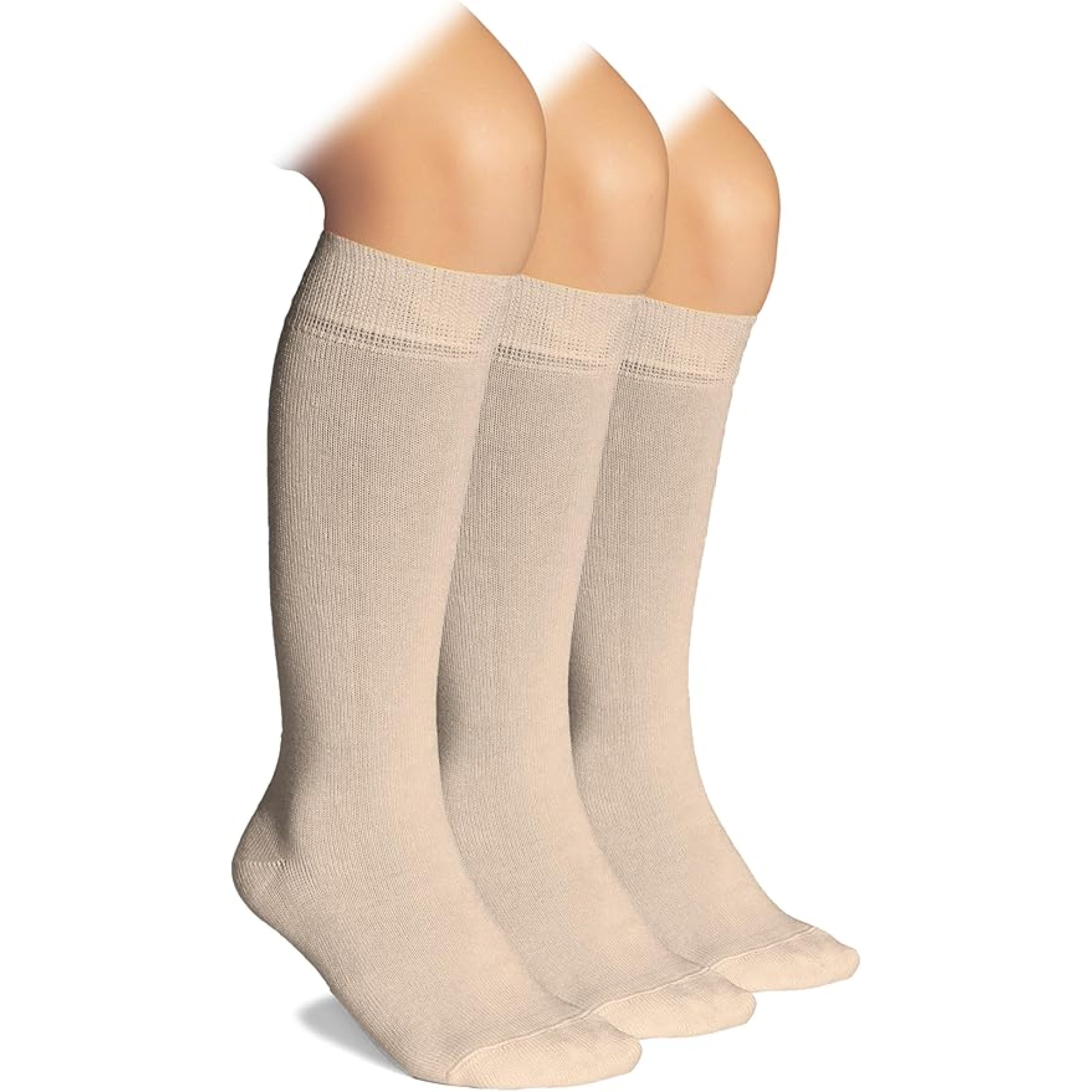


For a long holiday drive, wear a crew-height sock in a breathable natural fiber with a non-binding cuff, and keep a fresh pair in the car rather than the trunk. Sitting still switches off the calf muscle pump that normally pushes blood back up your legs, so fluid collects in the ankles and your calves are measurably larger by hour four. A standard ribbed sock top that felt fine at 9 a.m. becomes a pressure band by afternoon. The single most effective thing you can do is unrelated to socks: stop and walk for three minutes every two to three hours.
Key Takeaways
Labor Day weekend is the last big travel push of the American summer, and it is almost always a driving weekend. Millions of people load a car on Friday afternoon, sit in holiday traffic for five or six hours, arrive with tight ankles and swollen feet, and do the same thing in reverse on Monday. Then they spend Tuesday wondering why their shoes feel a size too small.
Almost nobody plans what goes on their feet for a road trip. We plan snacks, playlists, gas stops and hotel check-in times. Meanwhile the single item in direct contact with the part of the body most affected by six hours of sitting gets grabbed out of the drawer at random. This guide covers what actually happens to your feet on a long drive, what to wear for it, and how to pack for a three-day weekend without overthinking it.
Sitting still in a confined space is the specific condition that causes trouble, and the mechanism is not complicated. When you are upright and moving, the muscles in your calves contract with every step and squeeze the deep veins in your legs, pushing blood back toward the heart. Podiatrists sometimes call the calf the "second heart" for this reason. Sitting shuts that pump off. Blood pools in the lower legs, fluid moves out of the vessels into surrounding tissue, and your feet and ankles swell.
For most people on most trips this is simply uncomfortable — puffy ankles, shoes that pinch by hour four, socks leaving a deep ring on the calf. But prolonged immobility also carries a small increase in the risk of a blood clot forming in the deep veins of the leg. The CDC notes that anyone traveling more than four hours — by air, car or bus — has some elevated risk, and that the longer you stay immobile, the greater that risk becomes. For most healthy travelers the absolute risk stays very small. It rises for people with additional risk factors, and their travel guidance on blood clots is worth reading before a long drive if any of those apply to you.
Two things follow from this. First, movement matters more than any product: stopping to walk every two to three hours does more than anything you can put on your feet. Second, what you wear can either work with your circulation or against it.
Swelling on a road trip is not only about hours. It compounds with heat — a car footwell in September can stay warm even with air conditioning running — with salt from road-trip food, with dehydration from skipping water so you can skip bathroom stops, and with the fixed ankle angle of a foot resting on a pedal or a floor mat. If you have noticed that your feet swell more on drives than on flights of similar length, this stacking effect is usually why.

The default road trip sock is a cotton athletic crew with a tight ribbed cuff, or a thin no-show that disappears into a sneaker. Both create problems over a long drive.
The tight cuff is the bigger issue. A standard elastic sock top is designed to hold the sock up on a leg that is the same size all day. Your leg is not the same size all day — it is measurably larger after four hours of sitting. A cuff that felt fine at 9 a.m. becomes a tourniquet at 2 p.m., leaving that familiar deep indentation above the ankle. It is compressing exactly where you least want compression: at a single narrow band, rather than as a gentle gradient.
The no-show has a different problem. It leaves the top of the foot in direct contact with the shoe, so moisture goes into the lining rather than into the sock, and in a warm footwell that adds up over hours.
The alternative is a non-binding sock: one whose cuff stretches to accommodate a leg that changes size, holding position without leaving a mark. It is the same design principle behind our non-binding sock range, and it is as useful for a healthy person in a car for six hours as it is for anyone managing swelling day to day.
For a warm-weather holiday weekend, breathability matters more than insulation.
The rule that survives contact with reality: one pair per day, plus one spare, plus one pair for the drive home if the drive is long.
For a Friday-to-Monday Labor Day trip, that means five pairs. It sounds like more than you need, and every experienced traveler has learned it is not. The spare covers rain, an unexpected lake stop, or a pair that simply got soaked with sweat by lunchtime. Socks weigh nothing and take almost no space — they are the cheapest possible insurance in a bag.
A few packing habits worth adopting:
Our full guide to the best socks for travel goes deeper on packing systems, and how many socks to pack for a week covers longer trips.
Every two to three hours, when you stop for fuel or food, do this before you get back in the car:
In the car between stops, flex your feet up and down at the ankle every twenty minutes or so. Passengers can do this continuously; drivers can do it with the non-pedal foot and at every red light or traffic jam.
Reduced sensation means a rubbing seam or a fold in a sock can cause damage you will not feel until you take your shoes off at the hotel. Wear a seamless-toe, non-binding sock, check your feet at every stop rather than at the end of the day, and never travel in a brand-new pair of shoes. Our 60-second daily foot check takes less time than filling the tank.
Long sedentary travel tends to make existing venous symptoms more noticeable. Elevating your feet at the destination, staying hydrated, and choosing socks that do not band at the calf all help. Our comparison of compression versus non-binding socks for varicose veins covers when each makes sense.
Children in car seats are even more immobile than adults, and they will not tell you their feet hurt until they are already miserable. Loose shoes they can kick off, a breathable sock, and getting them out to run at every stop handles most of it. The kids' sock range has lightweight crew options that work well for travel days.
Swelling that built up over six hours does not disappear the moment you park. Give it a hand.
If swelling is significantly worse in one leg than the other, or if there is pain, warmth or redness in a calf, that is not ordinary travel swelling and it warrants prompt medical attention rather than a night of elevation.
This article is for general information and is not medical advice. Talk to your healthcare provider about your own feet.
A crew-height sock in a breathable natural fiber such as bamboo or cotton, with a non-binding cuff that will not dig in once your calves swell. Avoid tight-ribbed athletic socks and pure polyester. If you have a history of leg swelling or a long uninterrupted leg of the drive, graduated compression is a reasonable addition — talk to your provider about whether it suits you.
The mechanism is the same in both settings: they support venous return while you are sitting still, and the immobility of a car is comparable to that of a plane seat. They are commonly recommended for long journeys of either kind. They are not a substitute for stopping and walking every few hours, and anyone with circulatory conditions should confirm the right pressure level with a healthcare provider first.
Every two to three hours is the general guidance, and CDC travel advice on immobility points the same direction. Three to five minutes of genuine walking is enough — the goal is restarting the calf muscle pump, not a workout.
Car footwells tend to be warmer than a cabin floor, the ankle stays at a more fixed angle when a foot is on a pedal, road trip food and drinks are typically saltier, and drivers often drink less water to avoid stops. Flights also tend to involve more forced walking through terminals. The combination usually makes driving worse for swelling despite the cabin pressure changes on a plane.
One per day plus one spare, and one more for the drive home if it is a long one — five pairs for a Friday-to-Monday trip. Keep one fresh pair in the passenger cabin rather than the trunk so you can change at a rest stop.
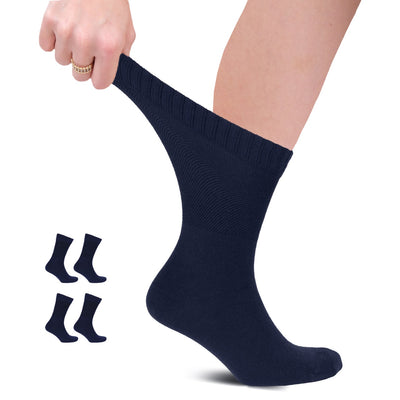
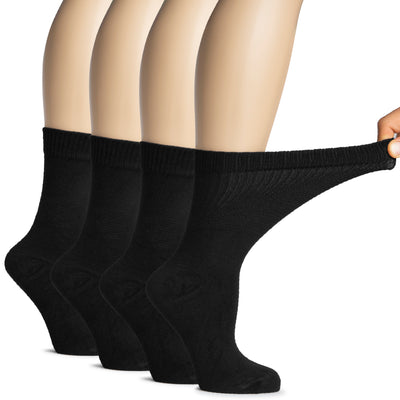
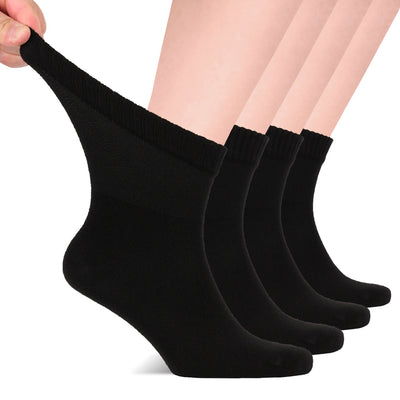
Discover All Hugh Ugoli Socks
Shop All Socks


