Cart
0
You may also like
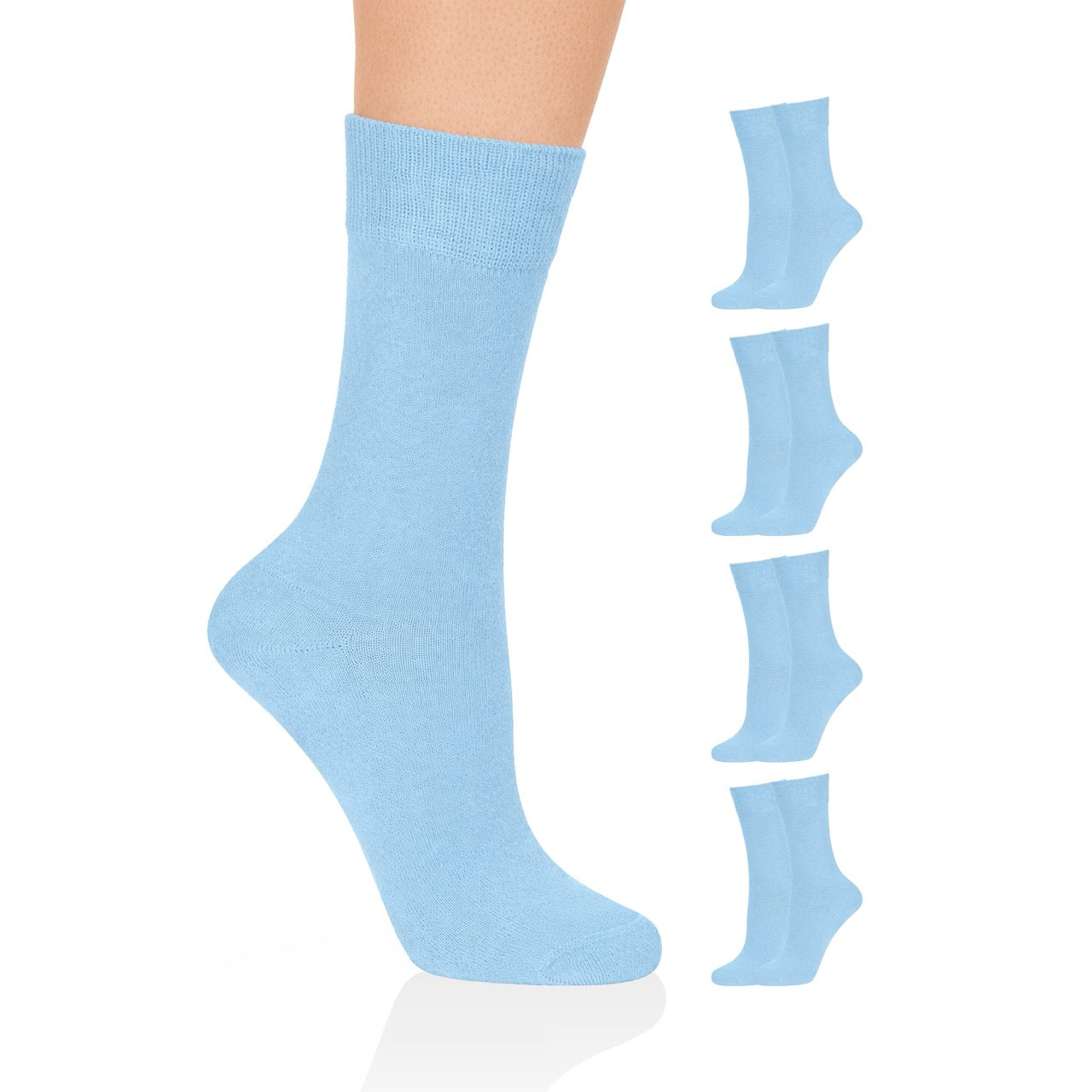
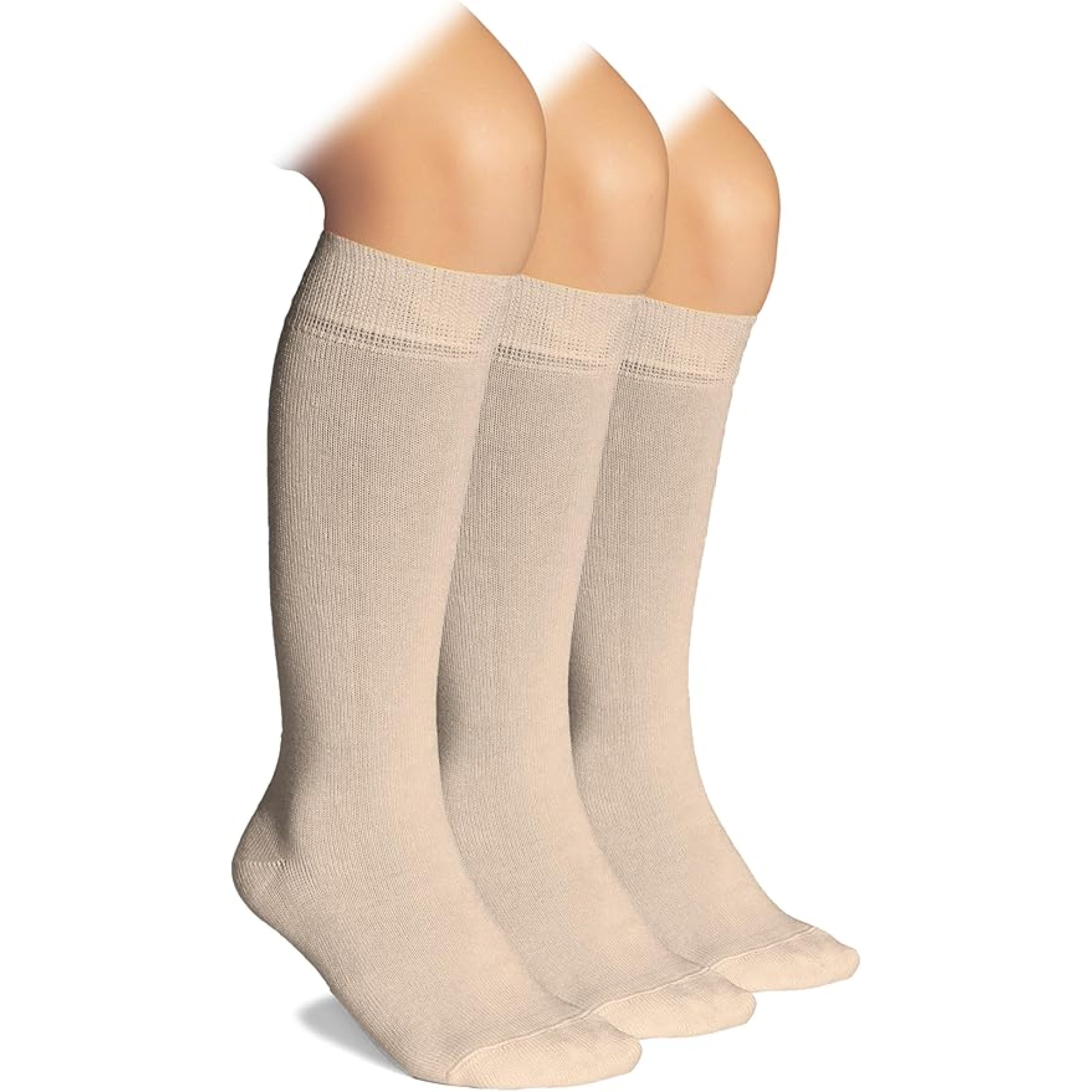


For most children, putting on socks is a thirty-second task they barely think about. For children with sensory processing differences, that same routine can become one of the most distressing parts of the morning. The sensation of a toe seam pressing against the tips of the toes, the feeling of elastic gripping the ankle, or the texture of certain fabrics against the skin can register as genuinely painful to a nervous system that processes tactile input differently than the neurotypical average. Parents who haven't experienced this often struggle to understand why something as ordinary as a sock can produce tears, meltdowns, or a complete refusal to leave the house — but for children whose sensory systems amplify these signals, the distress is real and physiologically driven, not behavioral.
Seamless socks were not originally designed with sensory-sensitive children in mind, but they have become one of the most widely recommended practical interventions for this specific population. Understanding why certain sock features cause distress, what makes a seamless sock genuinely different from a standard one, and what to look for when evaluating options can help parents cut through the noise of an increasingly crowded market and find what actually works for their child.
Sensory processing differences affect how the brain interprets and organizes sensory information received from the body and the environment. According to the STAR Institute for Sensory Processing, children who experience sensory over-responsivity — one of the more common patterns in sensory processing differences — may perceive ordinary tactile stimulation as significantly more intense than it would register for a neurotypical child. A seam that most children barely notice can feel, to a child with tactile over-responsivity, like something sharp digging into their toe with every step.
The specific features of conventional socks that cause the most distress for sensory-sensitive children tend to cluster around the same construction details: the toe seam, the elastic cuff, the overall texture of the fabric, and the way the sock moves against the foot inside the shoe. None of these features are problems in themselves for most wearers, but for children whose tactile processing is amplified, each represents a potential source of distracting or distressing sensation that can make wearing socks feel genuinely intolerable.
The closing seam at the toe of a standard sock is constructed by linking the toe flap closed after knitting, which creates a raised ridge that sits perpendicular to the toe tips inside the shoe. For most wearers, this ridge is a minor awareness at most. For a sensory-sensitive child, that ridge — in contact with the most sensitive part of the foot with every step — can produce a constant tactile signal that the nervous system cannot habituate to and cannot ignore. Parents of sensory-sensitive children describe their kids pulling off socks to check their toes, insisting the sock is twisted when it isn't, or refusing shoes entirely because the combination of sock seam and shoe creates a sensation they cannot tolerate.
Cuff elastic creates constant, mild pressure around the ankle and lower leg. For many sensory-sensitive children, particularly those who also experience tactile defensiveness, this consistent pressure is perceived as highly intrusive. The sensation of something gripping the leg doesn't fade into background awareness as it does for most people — it stays in the foreground throughout the day. A non-binding cuff that holds the sock in place without constricting the ankle significantly reduces this source of sensory input.
Coarser fibers — standard cotton, certain synthetics, low-grade blends — have a microscopic roughness that is imperceptible to most wearers but can be a significant irritant for children with tactile sensitivity. The foot contains a high density of sensory receptors, making it particularly responsive to texture. Fabrics that feel smooth to an adult's hand may still produce noticeable texture sensation against the more sensitive foot skin, especially in children whose sensory systems amplify that input.

The word "seamless" appears on a wide range of sock products, and it doesn't always mean the same thing. Understanding the distinction helps parents evaluate whether a sock marketed as seamless will actually address their child's specific sensory concerns.
True seamless socks are knitted in the round — the tube of the sock is produced as a continuous circular knit, and the toe is closed using a technique that produces no raised seam on the inside of the sock. The toe closure is either linked by a specialized machine that produces a flat, virtually invisible join, or the sock is designed with a toe that folds in a way that eliminates the standard closing seam altogether. In a genuinely seamless sock, running a finger across the interior of the toe box reveals either no seam at all or a barely perceptible flat line that lies flush with the surrounding fabric.
Some socks marketed as having a "flat seam" or "smooth toe" are not truly seamless — they still have a closing seam, but it is positioned differently and constructed to lie flat rather than sitting perpendicular to the toe. A well-executed flat-link toe can be significantly more comfortable for sensory-sensitive children than a standard raised seam, though it is not equivalent to a truly seamless construction. The difference matters most for children with the highest degree of tactile sensitivity — for them, even a flat seam can be perceptible and bothersome, while for children with moderate sensitivity, a flat seam may be sufficient.
Several specific features together make a sock well-suited for children with tactile sensory sensitivities. No single feature is sufficient on its own — it's the combination that produces a sock the child can actually wear comfortably.
This is the feature most frequently cited by parents and occupational therapists as the highest-priority selection criterion for sensory-sensitive children. A sock that eliminates the raised toe seam removes the most common and most significant source of tactile distress in conventional socks. When evaluating a specific product, look for explicit language like "seamless toe," "no-seam toe," or "hand-linked flat toe" in the product description. "Seamless" appearing in the sock's general description without specific reference to the toe may refer only to the absence of seams along the body of the sock, not to the toe closure.
A non-binding cuff is designed to hold the sock in position without creating noticeable constricting pressure around the ankle. This is achieved through a combination of elastic content, knit structure, and band width — a wider cuff distributes any tension over a larger area, reducing the concentration of pressure that makes tight elastic cuffs uncomfortable for sensory-sensitive children. Look for product descriptions that specifically note "non-binding top," "non-constricting cuff," or "wide band" — these are the terms that indicate the cuff was designed with comfort under extended wear in mind.
The fiber composition of the sock determines its texture at a microscopic level. Bamboo viscose is among the softest natural-derived fibers available in sock construction — it is finer than most cotton at equivalent yarn weights and has a smooth, low-friction surface that produces minimal tactile stimulation against the skin. Children who are sensitive to fabric texture often tolerate bamboo socks better than cotton or blended alternatives, though individual response varies and some children are also sensitive to specific fiber textures within the natural fiber category.
The American Academy of Pediatrics acknowledges that sensory sensitivities in children can significantly affect daily routines, and recommends parents work with occupational therapists to identify specific sensory triggers and strategies. When fabric texture is identified as a sensory trigger, selecting socks in the softest available fiber — bamboo, merino wool, or high-grade combed cotton — is a practical first step alongside any therapeutic intervention.
Even in soft-fiber socks, additional interior construction elements — terrycloth loops, interior ribbing, cushioning panels — can add texture that sensory-sensitive children find distracting or uncomfortable. A thinner, flat-knit interior without added texture elements may be more comfortable for children with high tactile sensitivity than a cushioned sock, even if the cushioned version would otherwise be the more premium product. When evaluating a cushioned sock for a sensory-sensitive child, consider whether the cushioning is applied only to specific zones (heel and ball of foot) or covers the entire interior — and whether your child's sensory profile is more affected by cushioning texture or by impact against hard floors.
A sock that moves around on the foot — bunching at the toe, sliding toward the heel, wrinkling across the arch — creates dynamic sensory input that many sensory-sensitive children find significantly more distressing than the static sensation of a well-fitted sock. Getting the size right matters as much for sensory-sensitive children as the construction features: a seamless sock that's too large and shifts with every step may produce more sensory distress than a seamed sock that fits perfectly. Socks should lie flat and still against the foot, with no wrinkling or excess fabric.
If your child has significant sensory sensitivities affecting their ability to wear clothing comfortably, an occupational therapist (OT) specializing in sensory processing can provide structured assessment and intervention. OTs working with sensory processing differences often use desensitization techniques — gradual, structured exposure to sensory inputs that cause distress — alongside environmental adaptations like sensory-friendly clothing, to help children build tolerance over time.
The STAR Institute for Sensory Processing offers a directory of therapists trained in sensory processing assessment and intervention. An OT can help determine whether your child's clothing distress is primarily tactile defensiveness, proprioceptive sensitivity, or another sensory pattern — which matters because different sensory profiles respond to different interventions. For example, some children with sensory sensitivities actually find certain kinds of gentle compression helpful for overall regulation, while others find any compression highly aversive. An OT can help identify which pattern applies to your child before you invest in multiple pairs of specialty socks.
Finding the right sock is one part of the solution; the morning routine itself is another. Many families find that even the right sock produces resistance at first simply because the getting-dressed routine has accumulated negative associations. A few strategies that parents and OTs commonly report as helpful:
Children who are sensory-sensitive about socks often remain so into adolescence and adulthood — sensory processing differences don't reliably resolve with age, though many people develop adaptive strategies and their sensory thresholds change over time. As children transition into adult shoe sizes, it's worth knowing that the seamless-toe and non-binding-cuff features that help younger children aren't limited to kids' products.
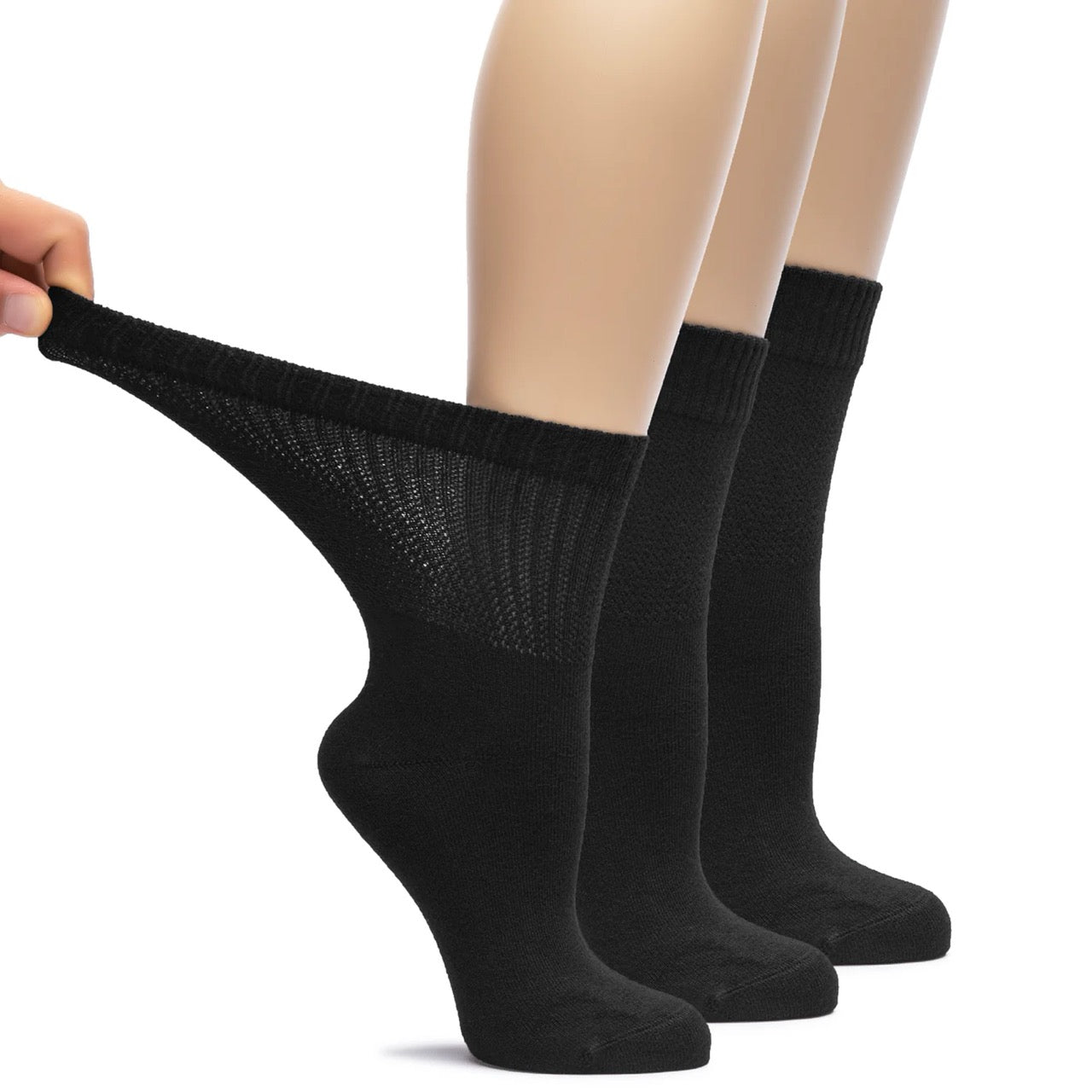
Adult socks designed with foot health in mind often incorporate exactly the same features that sensory-sensitive children need: seamless toe construction, non-binding cuffs, and soft natural-fiber compositions. A thin bamboo ankle sock with a seamless toe and non-binding top provides the same tactile-friendly construction that sensory-sensitive children benefit from, in adult women's sizing for teens and older children who have transitioned into adult shoe sizes. The non-binding cuff means no grip pressure around the ankle, the seamless toe eliminates the raised ridge at the toe box, and the bamboo fiber provides the soft, low-friction surface against the skin that minimizes tactile stimulation during wear. For older boys and teen males who have moved into adult men's sizing, a bamboo ankle sock with non-binding construction offers the same combination in a men's fit.
Parents sometimes report that switching to seamless socks immediately resolves their child's resistance. More often, the improvement is real but gradual — the child is more willing to put socks on, less distressed during the process, and able to keep socks on longer, but the change doesn't happen in a single day. If your child has strong negative associations with socks built up over months or years, the introduction of a better-fitting sock is most effective when combined with a consistent, low-pressure introduction rather than a forced immediate transition.
It's also worth managing expectations about which specific sensory concern the socks will address. Seamless socks specifically address toe seam sensitivity and, when non-binding, ankle pressure sensitivity. They don't change the overall experience of wearing something on the foot — children who are averse to any foot covering may still resist even the most sensory-friendly sock. In those cases, the sock selection is one piece of a broader sensory intervention strategy, not a complete solution on its own.
For children with sensory processing differences, the tactile distress caused by standard socks is a genuine physiological experience, not a behavioral choice. Seamless socks — particularly those with non-binding cuffs and soft natural-fiber construction — address the specific features of conventional socks that produce the most distress for tactile-sensitive children: the raised toe seam, elastic ankle pressure, and rough fiber texture. Finding the right combination of features for a specific child's sensory profile takes some experimentation, and working with an occupational therapist can help identify the precise sensory triggers that need addressing. When the right sock is found, it can meaningfully reduce one of the most consistent daily friction points for sensory-sensitive children and their families.
This article is for general information and is not medical advice. Talk to your healthcare provider about your own child's sensory needs.
Children with sensory processing differences, particularly tactile over-responsivity, may perceive ordinary sock sensations — the toe seam, cuff elastic, and fabric texture — as significantly more intense than most children do. The STAR Institute for Sensory Processing notes that sensory over-responsivity can make typically minor stimuli register as genuinely uncomfortable or distressing. The toe seam is the most common culprit, as it sits directly against the most sensitive part of the foot and creates ongoing tactile input with every step that many sensory-sensitive children cannot habituate to or ignore.
A genuinely seamless sock eliminates the raised toe seam entirely — the toe is closed during knitting in a way that produces no perpendicular ridge on the interior of the toe box. Running a finger along the inside of a truly seamless toe should reveal either nothing at all or a barely perceptible flat line flush with the fabric. Some socks labeled as having a "smooth seam" or "flat seam" still have a closing seam, but it is positioned flat rather than raised — this is better than a standard seam but not equivalent to a seamless construction for the most seam-sensitive children.
Bamboo viscose is finer and smoother at a fiber level than most cotton, which typically makes it gentler against sensitive skin. Many parents and occupational therapists report that children who tolerate bamboo socks better than cotton alternatives are responding to the reduced texture and friction of the finer bamboo fiber against the skin. That said, individual sensory responses vary — some children are also sensitive to specific fiber textures within the natural fiber category, and finding what works may require trying a few different materials. Soft bamboo is a reasonable first choice to try for children with tactile sensitivity.
If a child's sock or clothing sensitivity is significantly affecting daily routines — making morning dressing a consistent crisis, causing school refusal or delays, or producing distress that affects the child's or family's quality of life — an occupational therapist specializing in sensory processing can help. OTs can assess whether the sensitivity is tactile defensiveness, proprioceptive sensitivity, or another sensory pattern, and can provide structured desensitization strategies alongside practical recommendations for clothing and footwear. The American Academy of Pediatrics recommends professional evaluation when sensory sensitivities significantly impair daily function. The STAR Institute maintains a directory of trained sensory processing therapists.
Some children with sensory sensitivities resist any foot covering regardless of construction. In these cases, finding the right sock is one piece of a broader strategy rather than a complete solution. Working with an occupational therapist on gradual desensitization — starting with very brief sock-wearing periods and building tolerance over time — is often more effective than finding the perfect sock and expecting immediate acceptance. Many parents find that the combination of the most sensory-friendly sock available and a structured introduction process produces results that neither approach achieves alone. Minimizing negative associations with the process — keeping the introduction calm, low-pressure, and brief — is as important as the sock selection itself.
He has been working for more than 20 years in the textile industry and has work experience in many parts of the world.