
Cart
0
You may also like
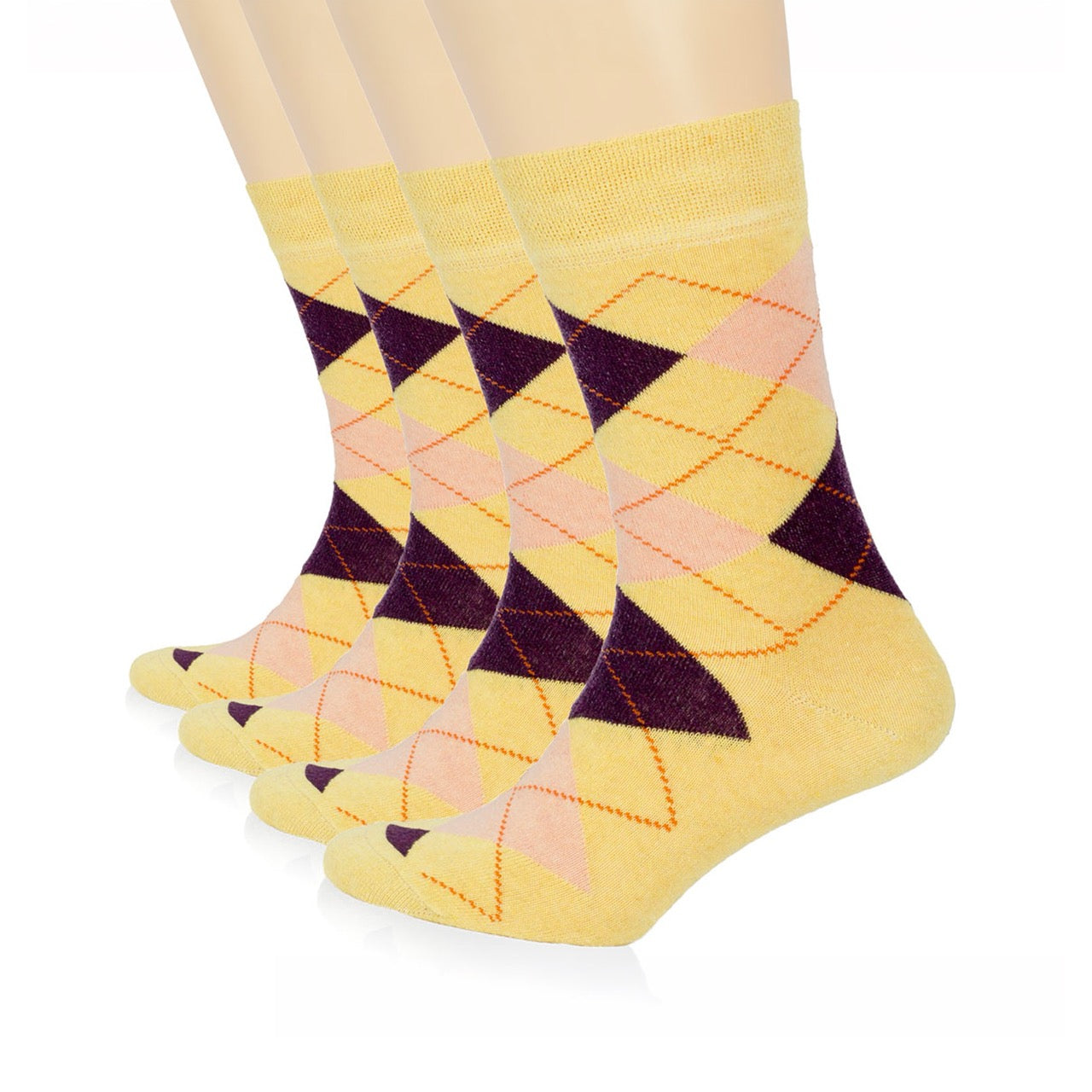
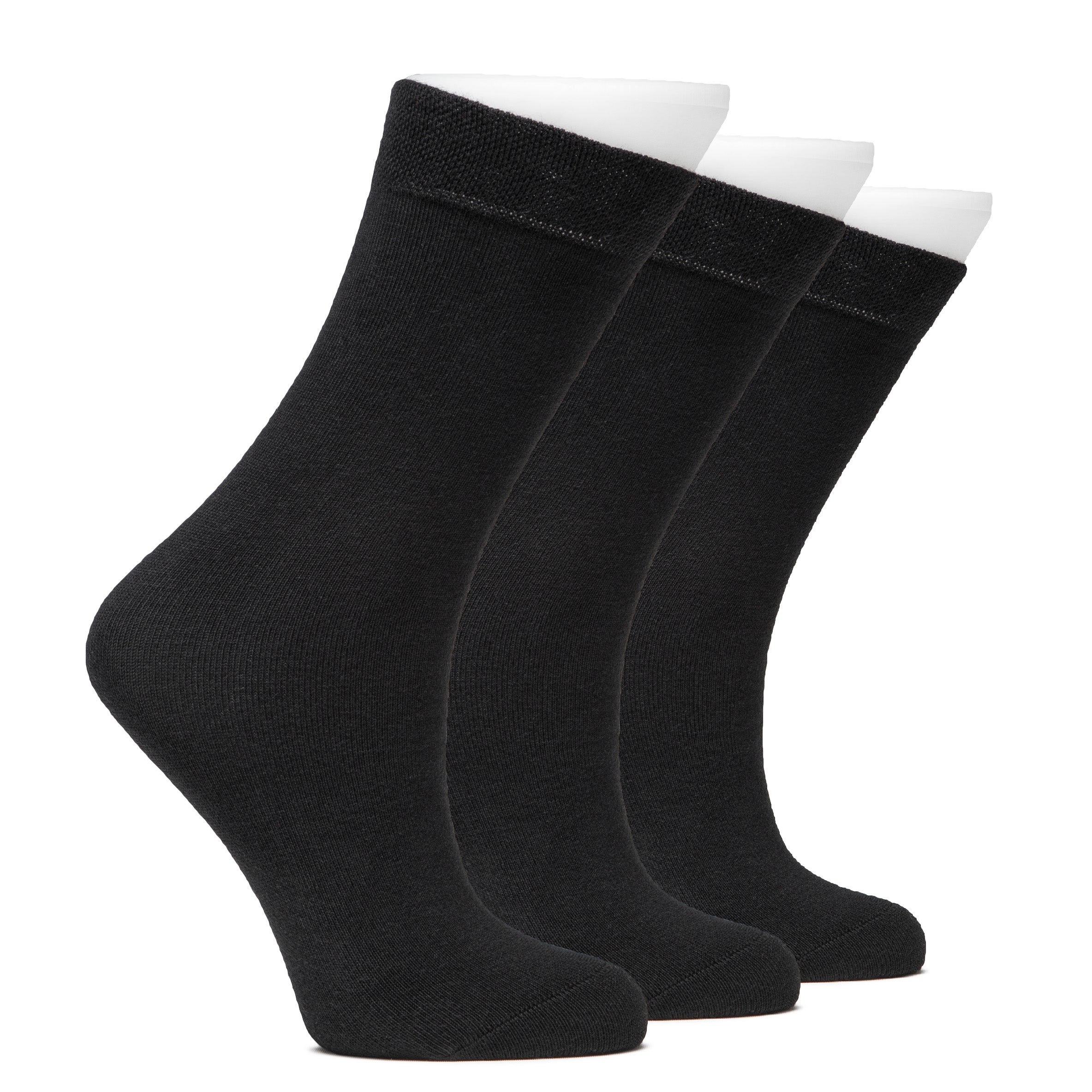
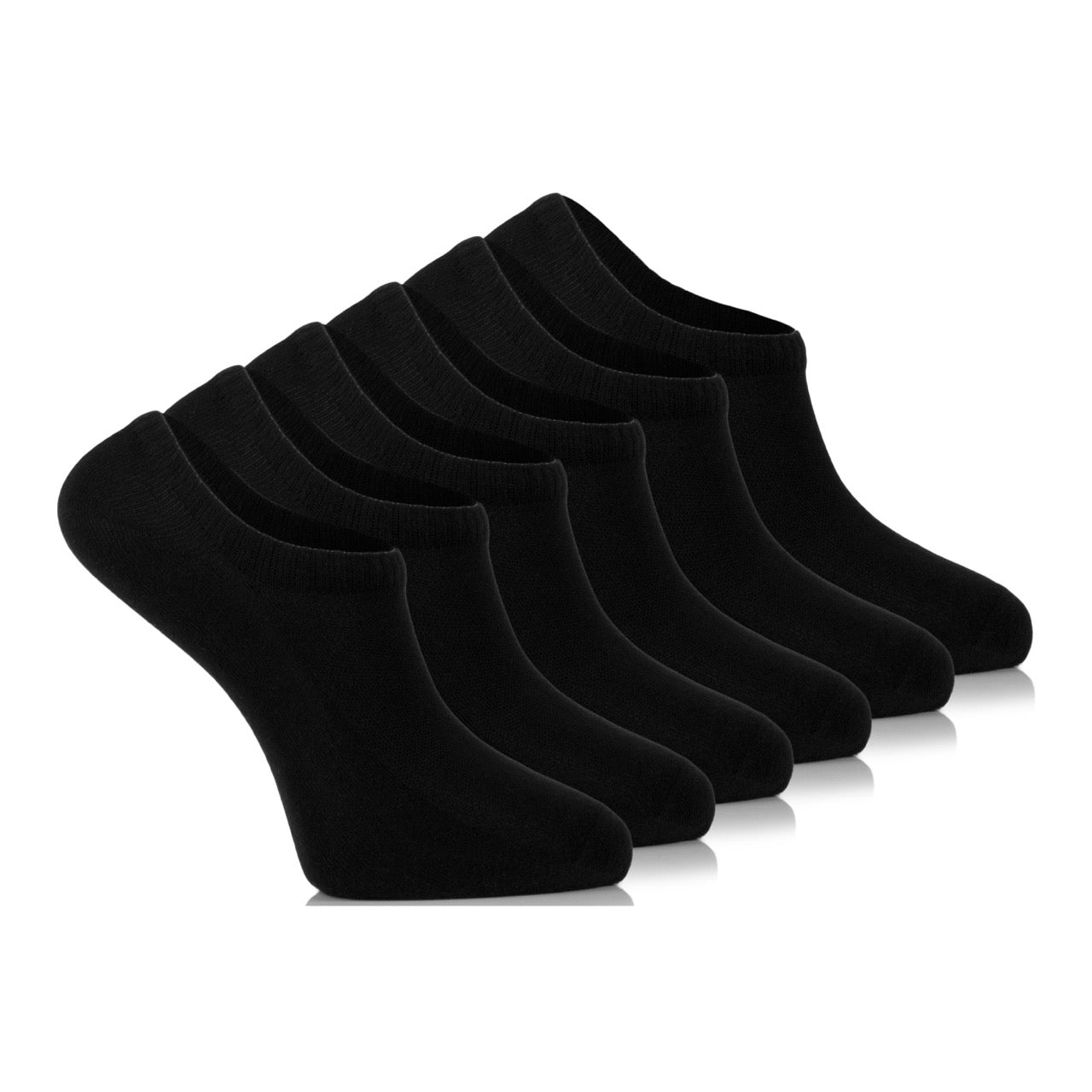
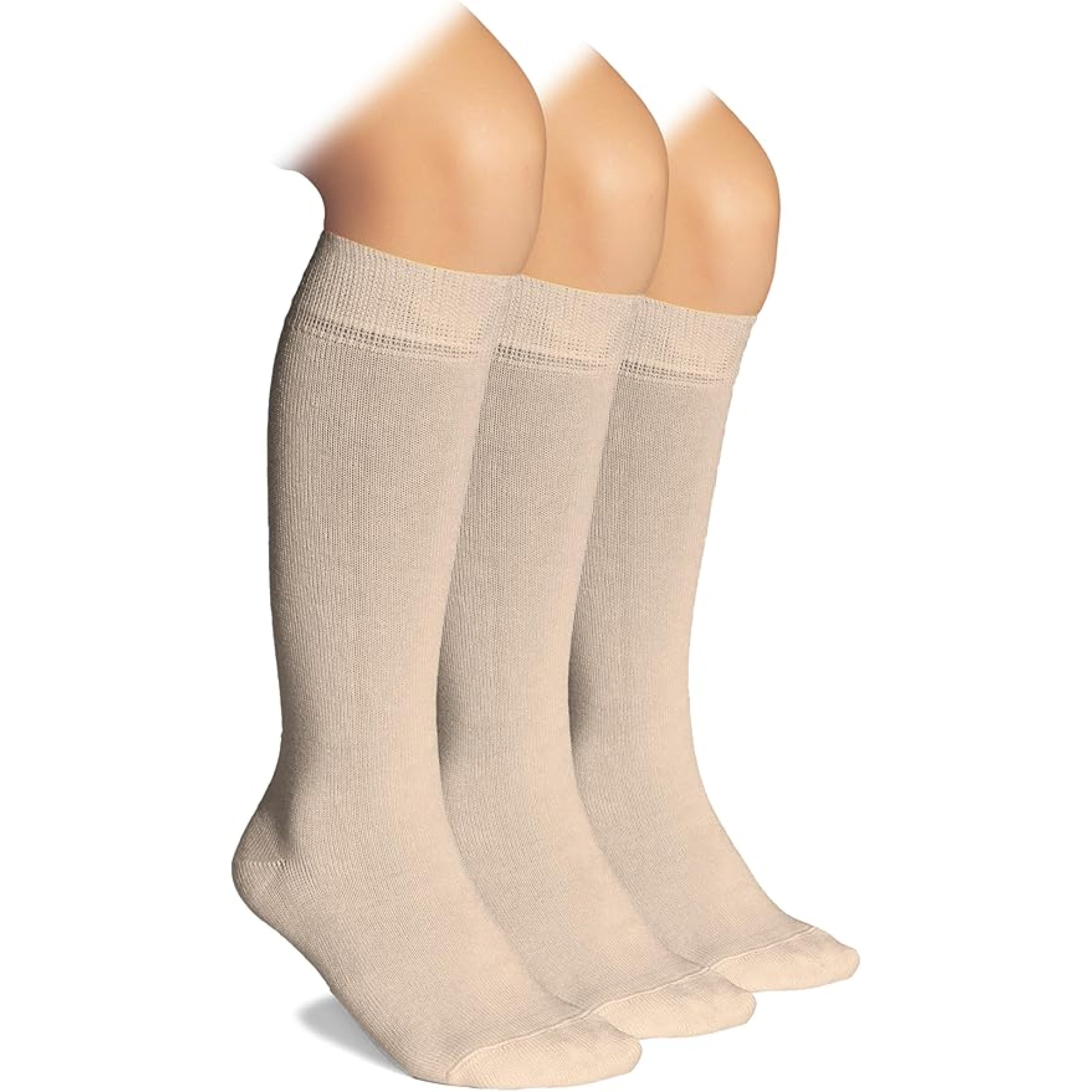


Kids' foot odor is a moisture problem, not a hygiene problem. Sweat itself is nearly odorless; the smell comes from bacteria feeding on dead skin cells in sweat that stays trapped against the foot all day. The fastest fixes are the ones parents rarely try: rotate two pairs of shoes so each gets 24 hours to dry, switch from polyester multipack socks to a breathable fiber like bamboo or cotton, and stop using fabric softener on socks. Scrubbing harder does not help, because the problem is how long the foot stays damp, not how clean it started.
Key Takeaways
You open the front door, your child kicks off their sneakers, and the smell hits before the shoes do. It is not subtle, it is not occasional, and your child somehow does not notice it at all. Kids' foot odor can range from mildly distracting to genuinely eye-watering, and while most parents know that it has something to do with sweating, the full picture is a bit more interesting than that.
This guide explains why children's feet smell, what makes some kids much worse than others, when to be concerned versus when to just change the socks, and what actually works to bring it under control.
The smell itself is bacterial, not sweat. Human sweat is almost odorless. The job of producing a smell belongs to bacteria that live naturally on the skin and thrive in the warm, dark, moist environment inside a shoe. Those bacteria break down sweat and dead skin cells and release compounds — primarily isovaleric acid and others in the same family — that produce the characteristic sharp, sour, cheesy smell associated with foot odor.
Children have a particular version of this problem for several reasons.
First, kids are physically active in ways that adults are not. A child spends hours running, jumping, and playing in ways that keep feet in near-constant motion and near-constant sweat. The American College of Foot and Ankle Surgeons notes that feet have more sweat glands per square inch than almost anywhere else on the body, and those glands respond to both heat and physical activity. Active children are sweating from their feet for most of their waking hours.
Second, children rarely change their socks or shoes with adult frequency, and their shoes are often worn until they fall apart rather than rotated. A shoe worn every day for months becomes a bacterial colony in its own right. The interior foam and lining absorb sweat and never fully dry out, providing a permanent wet environment for bacteria between wears.
Third, children's feet are still developing, and some produce more sweat than others for reasons that have nothing to do with hygiene. Some kids simply have highly active sweat glands, and for a small number of children, this crosses into a condition called plantar hyperhidrosis — excessive sweating of the feet — that is worth knowing about.

Tinea pedis — athlete's foot — is a fungal infection, not a hygiene failure, and it is more common in children than most parents realize. It typically presents as itchy, scaling skin between the toes (particularly the third and fourth) or on the arch, sometimes with redness or small blisters. It can produce its own smell, and it creates damaged skin that is more hospitable to secondary bacterial growth.
Children pick it up from pool surroundings, gym floors, shared changing areas, and contaminated footwear. The American Academy of Dermatology Association has a detailed overview of athlete's foot in its various presentations. If foot odor is accompanied by itching, skin changes between the toes or on the sole, or the child is complaining about burning or discomfort, this is worth checking before assuming the problem is just sweat.
A small number of children sweat significantly more than expected from activity or temperature alone. Primary focal hyperhidrosis — excessive sweating localized to the hands, feet, underarms, or face — is thought to be neurological rather than glandular, and it runs in families. The International Hyperhidrosis Society estimates that hyperhidrosis affects roughly 4.8% of the population, and primary focal hyperhidrosis often begins in childhood or adolescence.
If your child's socks are soaked through within an hour of putting them on, their feet are wet to the touch consistently regardless of activity level, or they are developing skin breakdown, blisters, or maceration (soft, whitened, peeling skin) from constant moisture, it is worth raising with a pediatrician. There are effective treatments available, from prescription antiperspirants to iontophoresis and beyond.
Parents often blame the child's socks or washing routine when the real culprit is a pair of shoes that smells independent of what goes in them. Shoe interiors can reach bacterial and fungal loads that are not addressed by airing them out, and the smell from the shoe itself transfers to clean feet and clean socks within minutes of wearing them.
The tell is simple: a fresh pair of socks that smells bad after thirty minutes in a particular shoe means the shoe is the source, not the child's hygiene. If cleaning the shoes does not solve it, the shoes need to be replaced.
Changing from synthetic to natural-fiber socks makes a bigger difference in most cases than any other single change.
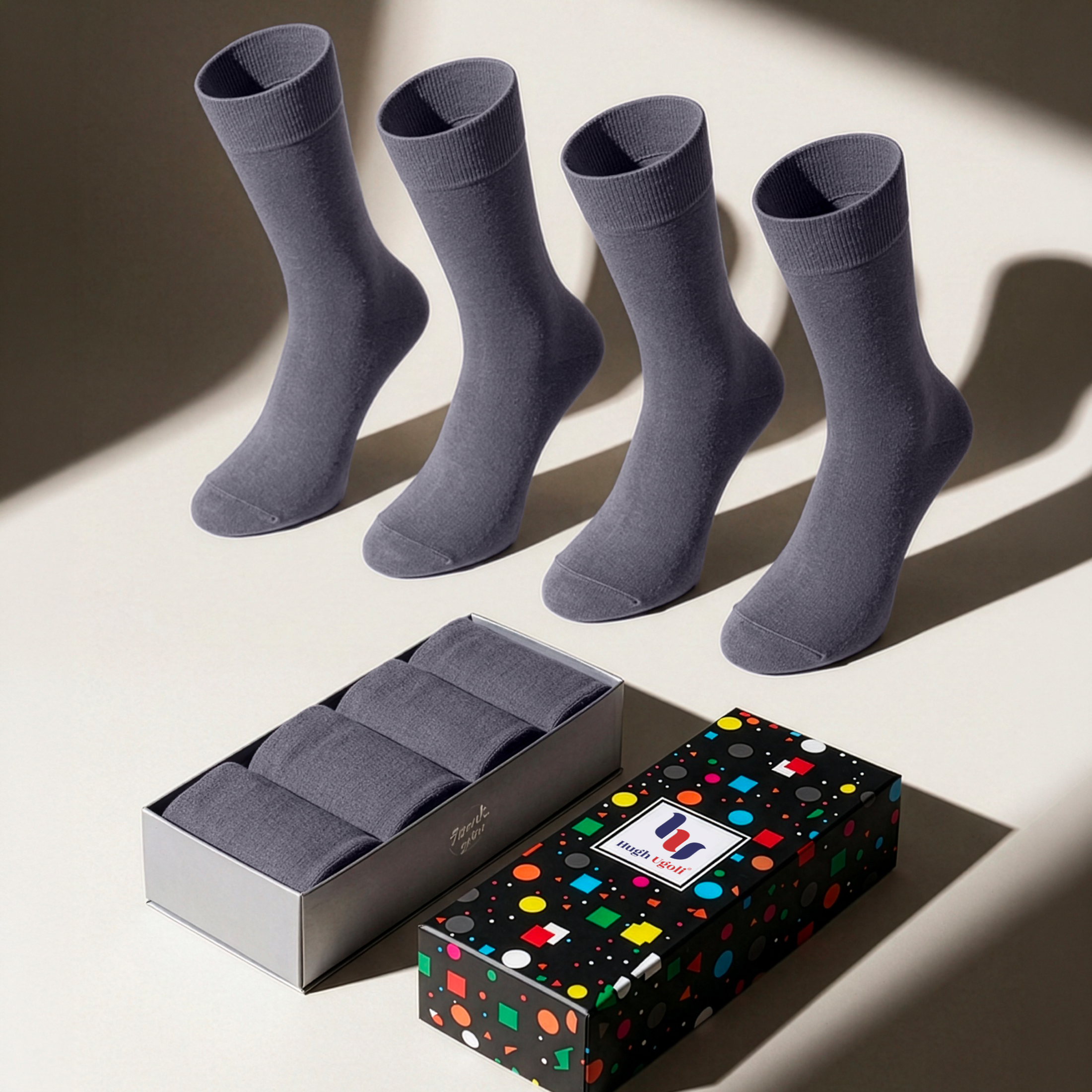
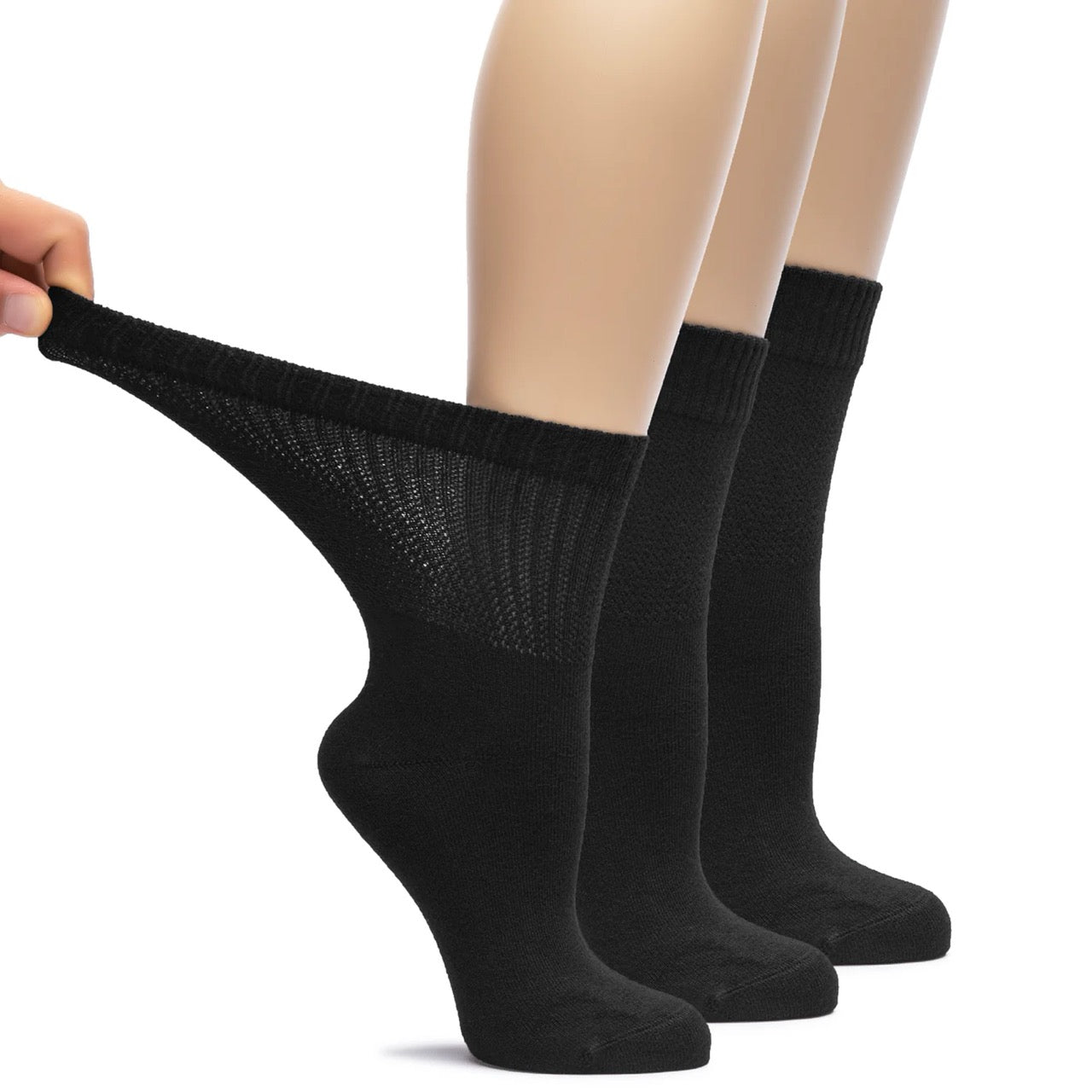
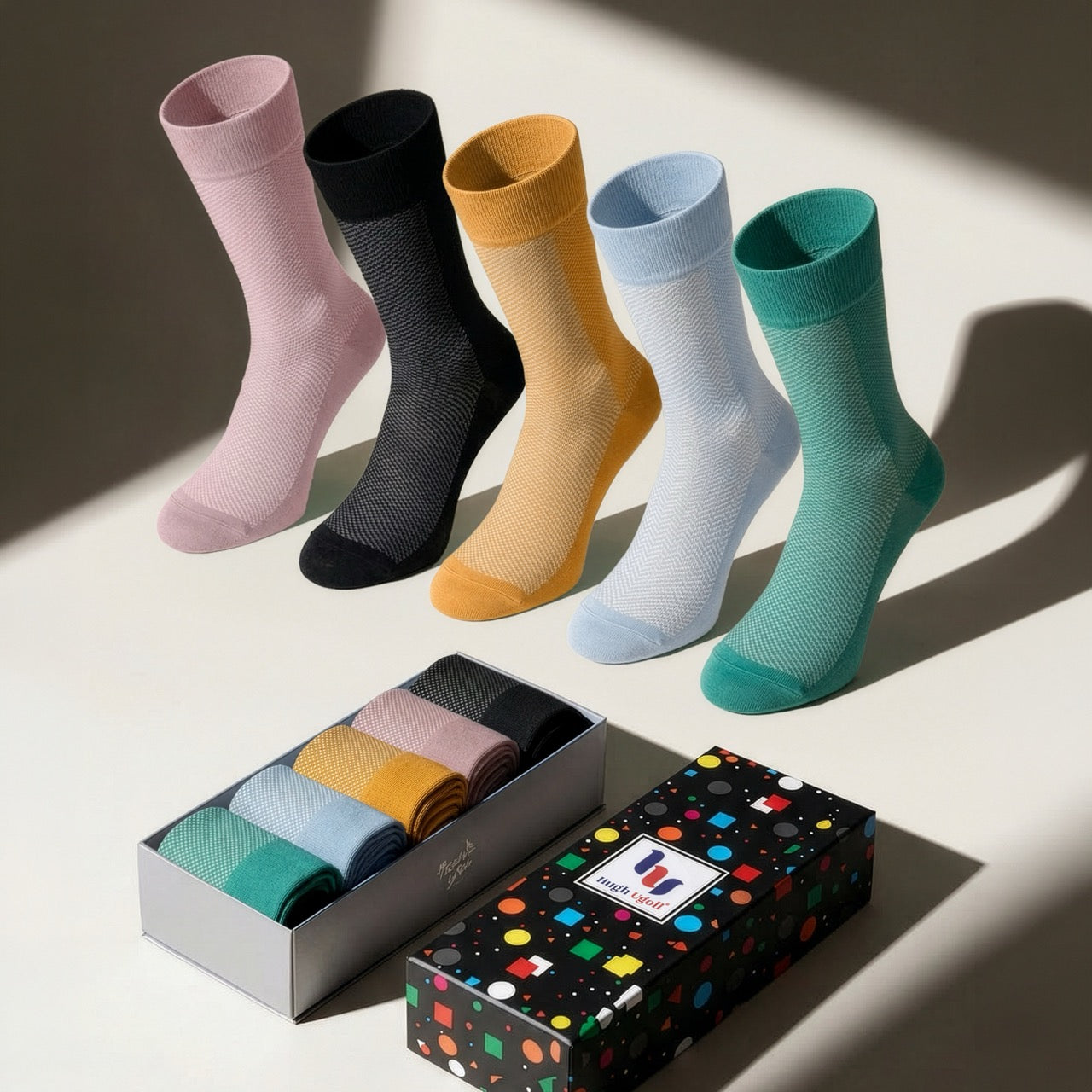
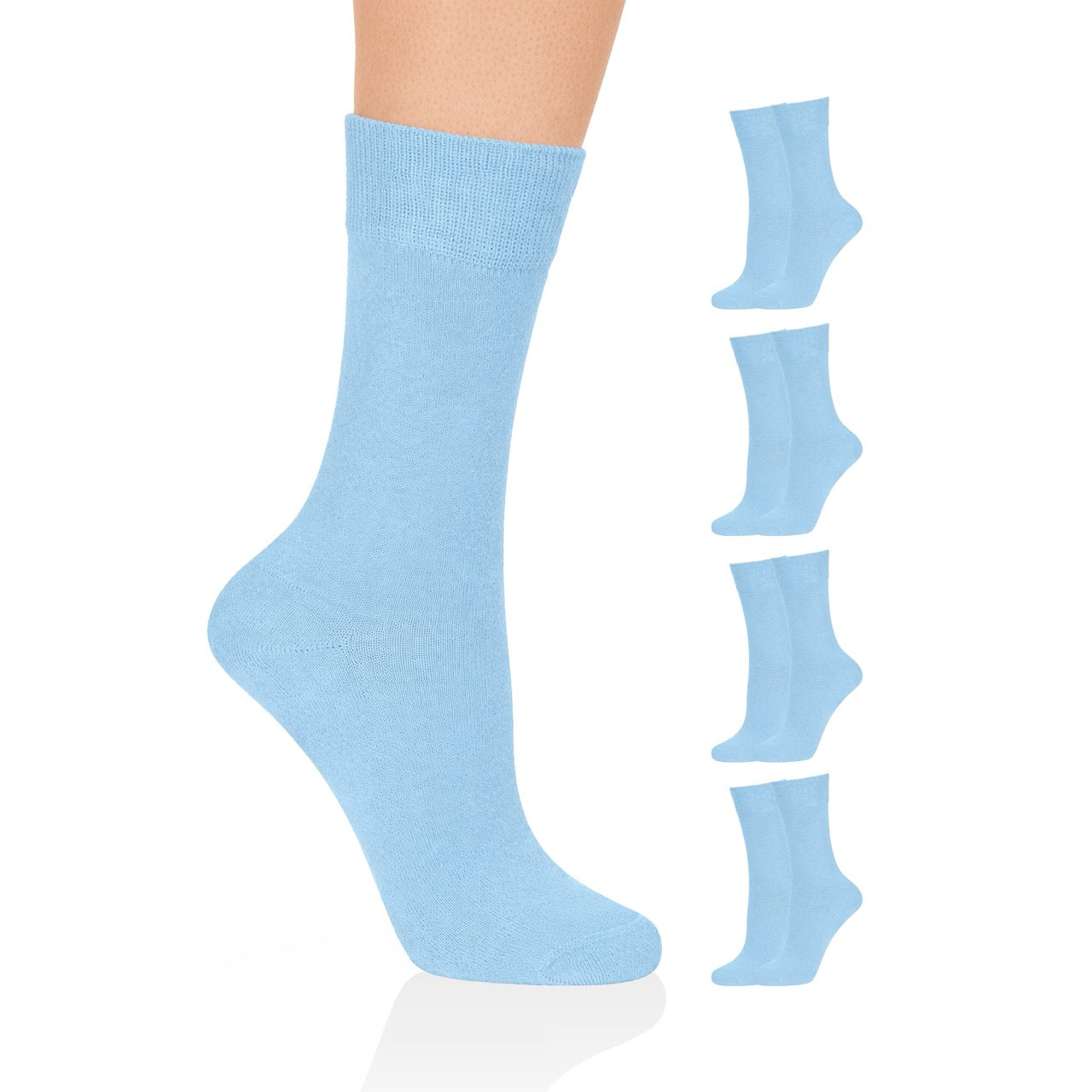
Bamboo viscose is the most effective fiber for active children's feet. It absorbs moisture and releases it into the air more readily than cotton, stays softer through repeated washing, and — unlike polyester — does not hold odor-causing bacteria after washing. Our kids' bamboo sock range was designed specifically for this: enough cushioning underfoot for all-day wear, no toe seam to irritate sensitive feet, and a non-binding cuff that does not leave a ring on the leg after a school day.
Cotton is a reasonable second choice — it breathes well and absorbs moisture — but it holds it rather than moving it away, so bamboo is better for children who are very active or whose feet sweat heavily.
Polyester and nylon should simply be avoided. They do not help with moisture, and once they absorb bacterial byproducts, they hold the smell even after washing. If a sock comes out of the dryer and still smells like feet, it is a synthetic sock.
For shoes that smell despite good socks and hygiene:
Most childhood foot odor is a normal function of sweating and bacteria. But see a healthcare provider if:
A pediatrician can rule out fungal infections, assess whether excessive sweating is worth treating, and refer to a pediatric dermatologist or podiatrist if needed. Most of these causes have straightforward treatments once identified.
For children with persistent foot odor, a few features matter more than others:
The full range covers ankle and crew heights, and the bamboo options are the strongest choice for children whose foot odor has not responded to other changes.
This article is for general information and is not medical advice. Talk to your child's healthcare provider about foot concerns.
Children are generally more physically active than adults, spend longer stretches in closed shoes without removing them, and are less likely to change socks midday. They also tend to have fewer pairs of shoes in rotation, so their footwear never fully dries between wears. The biology is the same; the exposure is different.
Bamboo viscose absorbs moisture and then releases it into the air more readily than standard cotton, which tends to hold sweat once saturated. For a child in shoes for seven or eight hours, that faster drying means less time with damp skin, which means less bacterial activity. Many parents find it makes a noticeable difference, though it works best combined with shoe rotation rather than on its own.
Once a day at minimum, always with a fresh pair. For children who play sport after school, who sweat heavily, or who wear the same shoes for very long days, a second pair midday is a simple and effective addition. Never re-wear a pair that has been worn once.
Asymmetry is worth paying attention to. It can point to a localized fungal infection, a wound or an ingrown nail on one side, or a shoe problem specific to one foot. If washing and fresh socks do not resolve it within a week or two, it is reasonable to have a pediatrician take a look.
Consider booking an appointment if you see redness, cracking, peeling or scaling skin; if the odor is accompanied by itching or pain; if socks are soaked through on ordinary days; if the smell is unusually strong or has a distinctly different character than before; or if consistent changes to socks, shoes and washing over three or four weeks have not helped at all.
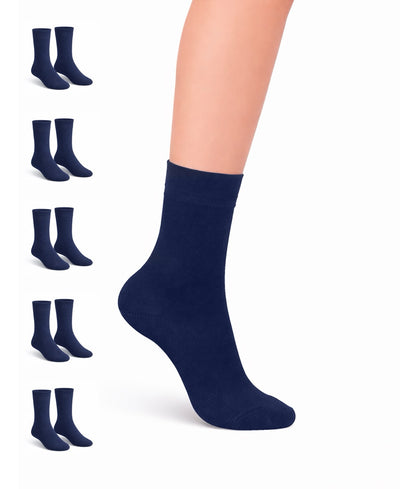

Discover All Hugh Ugoli Socks
Shop All Socks


