Cart
0
You may also like


Medicare Part B covers therapeutic shoes and inserts for people with diabetes who also have a qualifying foot condition, such as neuropathy with calluses, a deformity, poor circulation, or a history of ulcers or amputation. Each calendar year you can get one pair of extra-depth shoes with three pairs of inserts, or one pair of custom-molded shoes with two extra inserts. Your diabetes doctor must certify the need and the shoes must come from an enrolled, qualified supplier. The official pages describe shoes, inserts and modifications only, so socks are not listed as covered.
Key Takeaways
If you or someone you love lives with diabetes, you have probably heard that Medicare helps pay for special shoes. That is true, but the details trip up a lot of people: who qualifies, what the doctor has to sign, how many pairs you can get, where you are allowed to buy them, and, the question we hear most often, whether socks are part of the deal. This guide walks through the Medicare therapeutic shoe program in plain English so you can walk into your next appointment knowing what to ask.
We are a sock company, not a Medicare office or a medical practice, so consider this a starting point rather than a ruling on your own coverage. The rules below come from Medicare.gov and the compliance guidance published on CMS.gov, and they can change, so always confirm the current details with Medicare or your own plan.
Medicare Part B, the medical insurance portion of original Medicare, includes a benefit for therapeutic shoes and inserts for people with diabetes who also have certain foot problems. The idea is simple. Diabetes can affect nerves and circulation in the feet, which can make small pressure points or friction spots harder to notice and slower to heal. Footwear that is deeper, wider and better padded than ordinary shoes is designed to reduce pressure and friction, so Medicare covers a limited amount of it each year when a doctor says it is needed.
Three words matter here: shoes, inserts and modifications. The program is built around footwear and the pieces that go in or on it. It is not a general foot-care allowance, and it is not a benefit that pays for everyday clothing items. Keep that in mind when we get to the sock question below.
According to the guidance on Medicare.gov, the benefit is meant for people who have diabetes and severe diabetes-related foot disease. The CMS compliance page spells out what that means in practice. The patient must have diabetes, and the certifying physician must document at least one of these conditions in the medical record:
Having diabetes alone is not enough. Many people who manage their diabetes well, and have healthy feet, will not meet the foot-condition requirement, and that is a good thing rather than a gap in coverage. If you are unsure which category you fall into, the daily self-check described in our guide to the 60-second diabetic foot check is a useful way to notice changes worth bringing up with your care team.
Medicare limits how much footwear it will pay for within a calendar year. Based on the CMS guidance, the allowance is one of two bundles:
In some situations Medicare may instead cover separate inserts or shoe modifications. The limit resets with the calendar year, not on the anniversary of your last purchase, so a pair delivered in December and a new allowance in January are two separate benefit years.
Medicare.gov explains that, once you have met your Part B deductible, you generally pay 20 percent of the Medicare-approved amount when the supplier accepts assignment. Suppliers that participate in Medicare must accept assignment. A supplier that does not participate can charge without a limit, which is one more reason to check enrollment before you order anything. If you have a Medigap policy or other secondary coverage, it may pick up some or all of that 20 percent, so ask your plan.

The shoe benefit is one of the more paperwork-heavy parts of Medicare, and claims get denied when a step is missed. Knowing the sequence helps you keep things moving.
If you are the person organizing care for a parent or spouse, it can help to keep a simple folder with appointment dates, the name of the certifying doctor, and the supplier's contact information. When a claim is questioned months later, that folder saves a lot of phone calls.
The two shoe types in the program solve different problems, and your clinician will usually recommend one based on your foot shape and history.
Extra-depth (sometimes called depth) shoes have a roomier toe box and more vertical space inside, so a cushioned insert can sit in the shoe without crowding your toes. They are made in standard sizes and widths, which makes them the more common choice for people whose feet are generally the usual shape but need more room and softer padding.
Custom-molded shoes are made over a mold of your own foot. They are typically reserved for people with a significant deformity or a foot shape that cannot be accommodated by an off-the-shelf shoe. They take longer to make and cost more, which is why the program includes fewer additional inserts with them.
Inserts are the contoured, cushioned layers that sit inside the shoe. They are designed to spread pressure across a larger area of the foot, so no single spot carries too much load. Because inserts compress and wear out with use, the program includes extra pairs within the year.
This is the question behind most searches for this topic, and the honest answer is that the therapeutic shoe pages on Medicare.gov and CMS.gov describe coverage for shoes, inserts and modifications. Neither page lists socks. In other words, as those pages describe the benefit, socks are not part of what the program pays for.
We have covered this at greater length in Does Medicare Cover Diabetic Socks? The Honest Answer, and the short version is worth repeating: do not assume that a diabetic sock, from us or from anyone else, will be reimbursed under original Medicare. We do not claim our socks are covered by Medicare, and you should be cautious of any seller that implies otherwise.
There is one other place to look. Some Medicare Advantage plans (Part C) include extra benefits such as an over-the-counter allowance that can be used on certain health and wellness items. Whether socks are on a plan's approved list, if the plan has a list at all, varies from plan to plan and year to year. Our article on Medicare Advantage and over-the-counter sock purchases explains how to check your plan's catalog and what to ask the member services line.
Even though socks are outside the program, they are part of how therapeutic shoes work. A deep shoe with a carefully fitted insert can still rub if the sock inside it bunches, slips or squeezes. Many podiatry offices ask patients to bring the socks they normally wear to the fitting, because the thickness and stretch of a sock change how much room there is in the shoe.
If you have reduced sensation in your feet, a rough seam or a tight cuff may not feel like much until a sore has already formed. That is why the features people look for in a diabetic sock are practical rather than fancy:
Because extra-depth shoes are built to hold an insert, they often have more vertical space than a standard shoe, but the toe box is not unlimited. As a rule of thumb, start with a thin or semi-cushioned sock at your fitting, then decide with your clinician whether a thicker option works comfortably. Try on shoes with the same type of sock you will wear daily, and take a second look at your feet at the end of the first day.
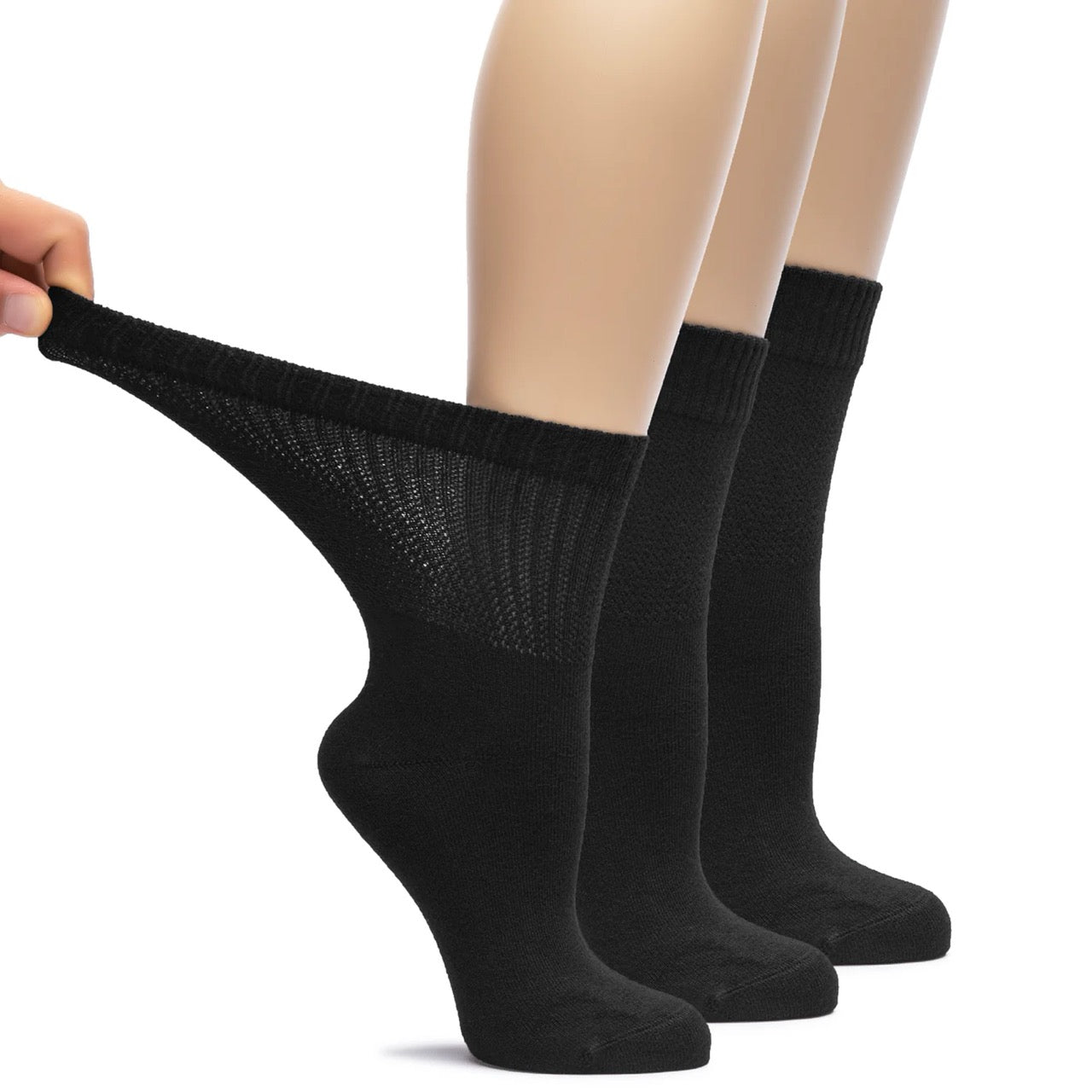
For people who want a lightweight option in a shoe that is already full, the Men's Lightweight Bamboo Diabetic Ankle Socks are made with a thin knit. For more cushioning in a roomier shoe, the Women's Comfortable Diabetic Bamboo Ankle Socks for Swollen Legs offer a softer, thicker feel. Those who want a crew length in cotton may prefer the Unisex Cotton Diabetic Crew Socks, and the Bamboo Diabetic Crew Socks for Women are another crew-length option. You can browse the full range in our diabetic socks collection.
The CMS compliance guidance is written for providers, but reading it from the patient side highlights where things go wrong. Here are the issues that come up again and again.
If a claim is denied, ask for the reason in writing. Sometimes a missing document can be supplied and the claim resubmitted. You can also ask your doctor's office what they have on file so you can compare it against the list above.
Walking in with a short list makes the visit more productive. Consider asking:
Therapeutic shoes are one piece of a bigger routine. The habits that tend to matter most are fairly ordinary: looking at your feet every day, keeping skin clean and dry, trimming nails carefully or having a professional do it, never walking barefoot, and checking the inside of your shoes for anything that could rub. If you are comparing sock options on a budget, our piece on drugstore diabetic socks vs specialty brands lays out what you are paying for at each price point.
Change socks daily, and more often if your feet sweat. Rotate shoes so each pair has a day to dry. Replace inserts when they flatten or crack, because worn padding no longer spreads pressure the way it was designed to. And if you notice a blister, a red patch that does not fade, new numbness, or drainage on a sock, contact your healthcare provider promptly rather than waiting for your next scheduled visit.
Medicare rules, payment amounts and documentation requirements are updated from time to time. The figures and criteria in this article reflect the pages we reviewed on Medicare.gov and CMS.gov at the time of writing. Before you order, call 1-800-MEDICARE or check the current page, and confirm details with your plan if you have a Medicare Advantage or supplemental policy. If something here no longer matches what you see on the official sites, trust the official sites.
The Medicare therapeutic shoe program can be a real help for people with diabetes and a qualifying foot condition, and it works best when you understand the steps: the right doctor certifies, the condition is documented, a qualified enrolled supplier fits the shoes, and you stay within the annual limit. Socks are not part of what those official pages describe as covered, so plan to buy them yourself or check whether a Medicare Advantage plan offers an over-the-counter allowance. Choose socks that fit the shoes you are being given, because the best insert in the world works less well inside a sock that bunches or binds.
This article is for general information and is not medical advice. Talk to your healthcare provider about your own feet.
The Medicare pages that describe the therapeutic shoe benefit list shoes, inserts and modifications, not socks. Some Medicare Advantage plans offer an over-the-counter allowance, so check your plan's catalog.
You need diabetes plus a documented foot condition, such as a past amputation, ulcer or pre-ulcerative callus, neuropathy with callus, a foot deformity, or poor circulation. Your diabetes doctor must certify the need.
Each calendar year the allowance is either one pair of custom-molded shoes plus two extra pairs of inserts, or one pair of extra-depth shoes plus three pairs of inserts.
After the Part B deductible, you generally pay 20 percent of the Medicare-approved amount when the supplier accepts assignment. Supplemental coverage may help with that share.
They must come from a podiatrist, orthotist, prosthetist, pedorthist or another qualified supplier, and both your doctor and the supplier need to be enrolled in Medicare.
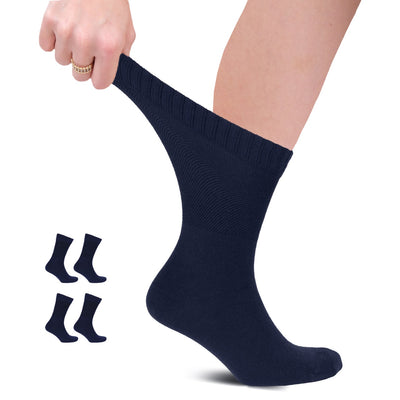
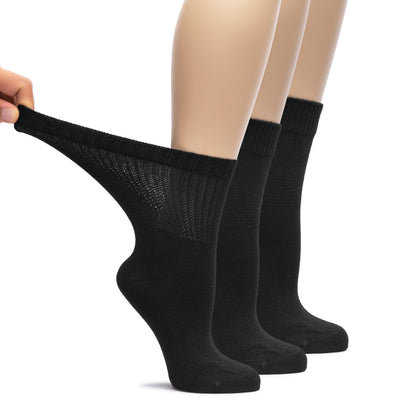
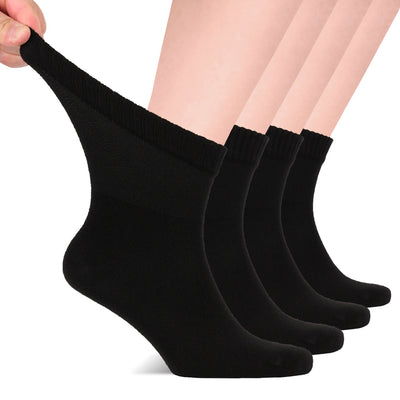
Discover All Hugh Ugoli Socks
Shop All Socks