Cart
0
You may also like
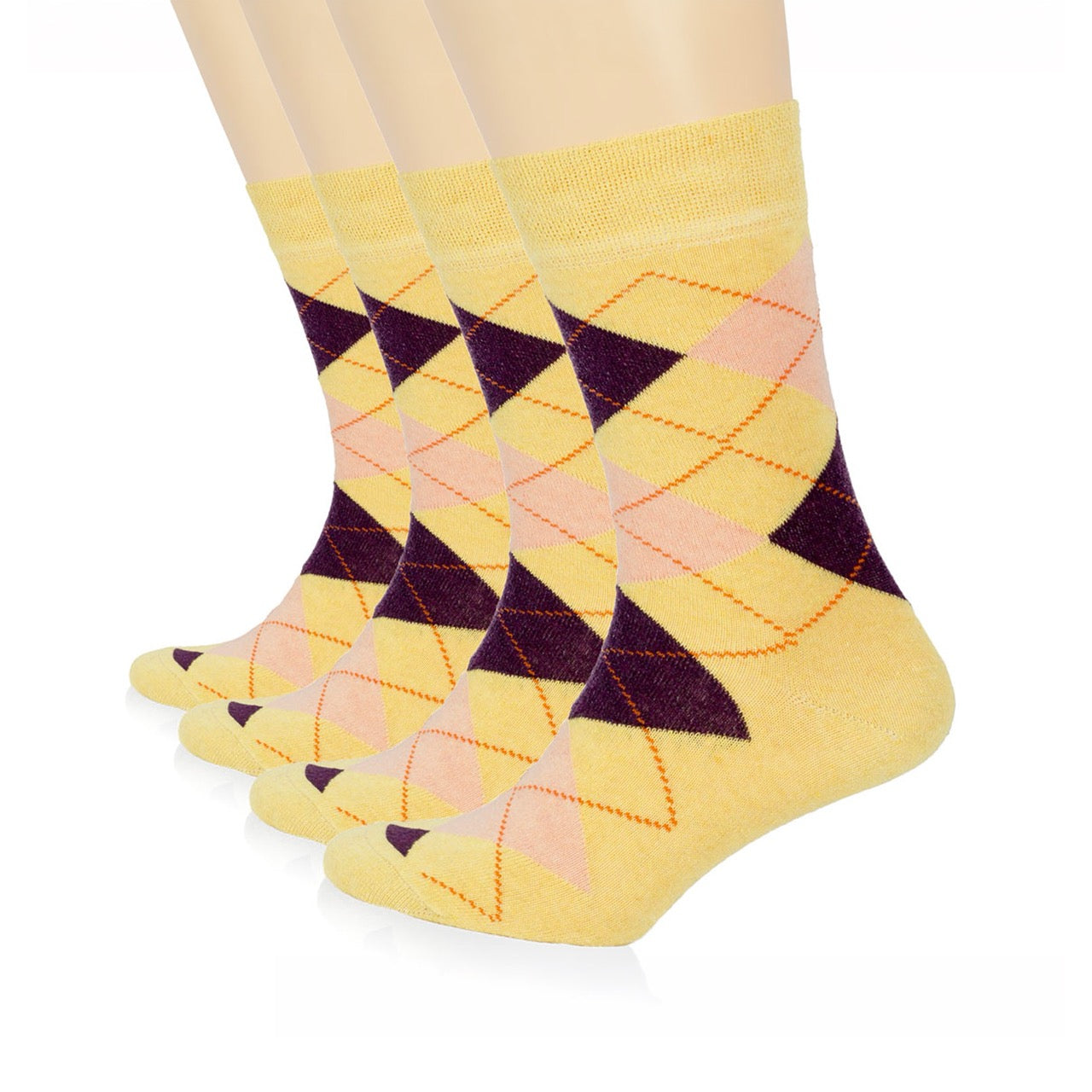
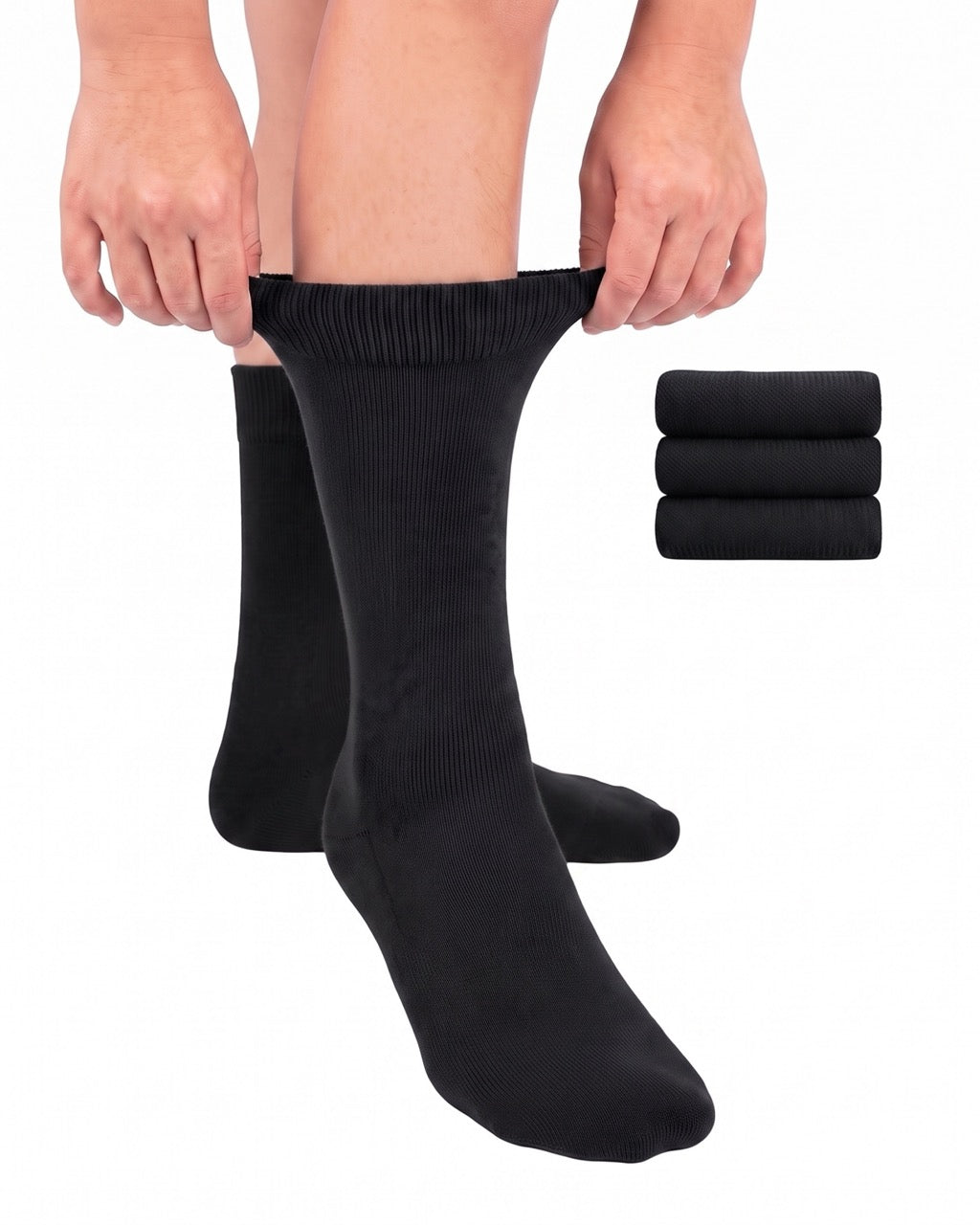
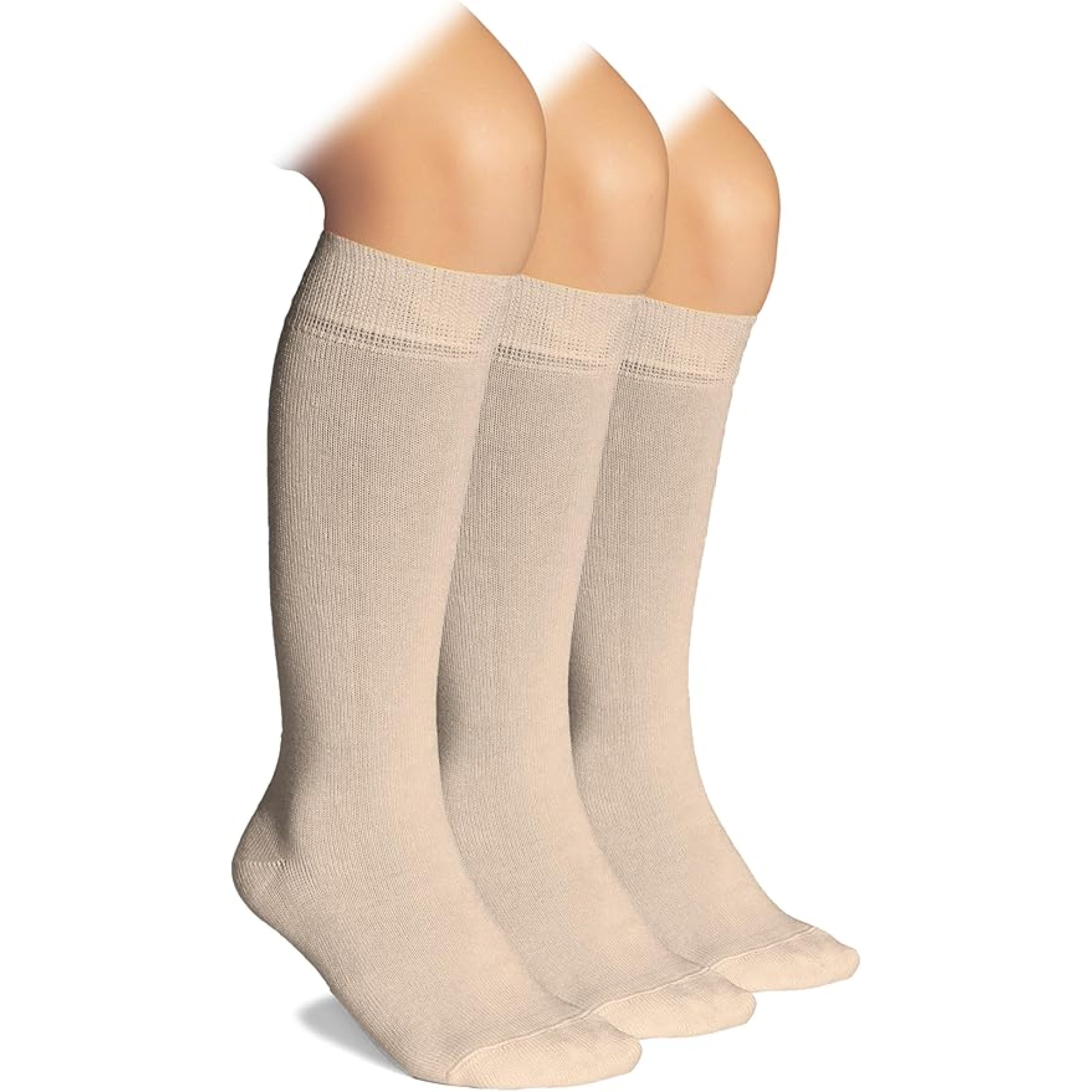


Thicker ski socks often make feet colder because a bulky sock compressed inside a ski boot loses the trapped air that insulates, and a tight fit can restrict blood flow to the toes. Moisture also matters, since damp socks pull heat away quickly. For warmer feet, make sure the boot fits, wear one lightweight or midweight sock in merino wool or a wool blend, avoid cotton, keep your feet dry, and leave room for your toes to move.
Key Takeaways
Every ski season the same scene plays out in rental shops and boot-fitting rooms. Someone with cold feet in last year's boots decides the answer is a fatter sock. They pull on a thick, fluffy pair, wrestle their foot into the boot, buckle up and head to the lift feeling cozy. An hour later their toes are numb, their arches ache and their feet are colder than ever.
The idea that thicker means warmer is one of the most persistent myths in winter sports. It feels logical, since thick coats are warmer than thin ones. But a ski boot is not a coat, and your foot is not a torso. In this guide we explain why the thick-sock theory fails, what actually keeps feet warm on the mountain, and how to choose a ski sock that works with your boot rather than against it.
Warmth comes from two things: trapped air and blood flow. Insulation works by holding a layer of still air close to the body, and that air only insulates when it can stay still. Feet stay warm when blood can reach the toes and carry heat with it. Thick socks interfere with both.
A ski boot has a fixed amount of space inside. When you stuff a bulky sock into that space and then cinch the buckles, the fibers are squashed flat. Squashed fibers hold very little air, so a sock that felt plush in your hand ends up providing less insulation than a thinner sock with room to keep its loft. You paid for fluff, then flattened it.
Your feet get their heat from circulating blood. A boot that is snug in the right places supports your foot and gives you control. A boot that is tight everywhere presses on the small vessels in the toes and top of the foot. Add a thick sock to an already close fit and you can end up squeezing the foot enough to slow circulation, which is exactly what you do not want on a cold day. If your toes tingle or go numb within the first couple of runs, tightness is the first thing to suspect.
Thick terry or fleece socks tend to bunch under the heel and across the top of the foot. In a ski boot those folds become pressure points, which means pain, blisters and a shifting, unstable feel in the boot. The discomfort also makes you tense, and tense muscles and tired legs do not help warmth.
Feet can produce a surprising amount of moisture during an active day. A thick cotton or fluffy blended sock soaks it up and holds it. Once you stop moving, on a lift ride, say, that dampness pulls heat away from your skin quickly. Wet feet are cold feet, no matter how thick the sock. This is one of the main reasons we suggest staying away from cotton on the slopes.

The good news is that warm feet are mostly a matter of getting a handful of basics right. Think of this as a short checklist.
Merino is the standard recommendation for good reason. Its fine, crimped fibers trap air, and the fiber can absorb a notable amount of moisture vapor before it feels wet. It also stays comfortable when slightly damp and resists odor. If you are comparing merino and other premium wools, our breakdown of wool vs merino wool socks covers the differences, and Alpaca vs Merino Socks compares two popular options on warmth and cost.
Pure wool can wear out at the heel and toe, so many ski socks blend in nylon or polyamide for durability and elastane for stretch. A blend of mostly wool with a smaller share of synthetics gives you most of the warmth along with a sock that holds its shape through a season.
Polyester and nylon socks dry quickly and handle sweat well, which suits people who run hot or ski in spring conditions. They can feel less insulating on a bitter day, and some hold odor. They work well as part of a blend.
Bamboo viscose is soft and breathable and moves moisture away from the skin. It is lighter in insulation than wool, so we think of it more as a comfortable base or an off-slope option than as the main choice for a cold day on the mountain.
Cotton absorbs moisture, dries slowly and loses insulating ability when wet. It is a lovely everyday fiber, and we use it in many of our own socks, but it is not the right pick for a day of skiing in cold conditions.
Does this mean thin socks are always better? Not quite. Ski socks come in a few common weights, and the best one depends on your boot and your feet.
| Weight | Best for | Watch out for |
|---|---|---|
| Ultralight | Race boots, very snug fits, warm days | May feel too cool in bitter cold |
| Lightweight | Most skiers in most boots | Can be less cushioned on long days |
| Midweight | Roomier boots, cold climates, beginners | Can make a snug boot too tight |
| Heavyweight | Very roomy boots, extreme cold, low activity | Bulk, pressure points, sweat |
Most experienced skiers end up in the lightweight to midweight range. If you are not sure, start thinner. You can always add warmth through a neck gaiter, mittens or a hand-warming habit, but there is no easy way to add room to a boot that is already full.
Good ski socks do not need to be thick everywhere. Look for targeted padding in the areas that take pressure and thin, ventilated zones elsewhere. Typical layouts include:
Ski socks should reach over the top of the boot cuff so there is no gap between the sock and the boot where the liner can rub on bare skin. They should also pull up smoothly without a tight band at the top. A cuff that digs into the calf slows circulation and can leave deep marks. Look for a gentle, stretchy top that stays put without squeezing.
Wash socks inside out in cool or lukewarm water and skip fabric softener, which can coat fibers and reduce moisture handling. Air dry or tumble on low. High heat shrinks wool and wears out elastic. Rotate between pairs so each one has time to recover its shape, and replace them when the heel or toe thins out. The same care principles apply across wool socks in general, and our guide on washing wool socks without shrinking covers the details.
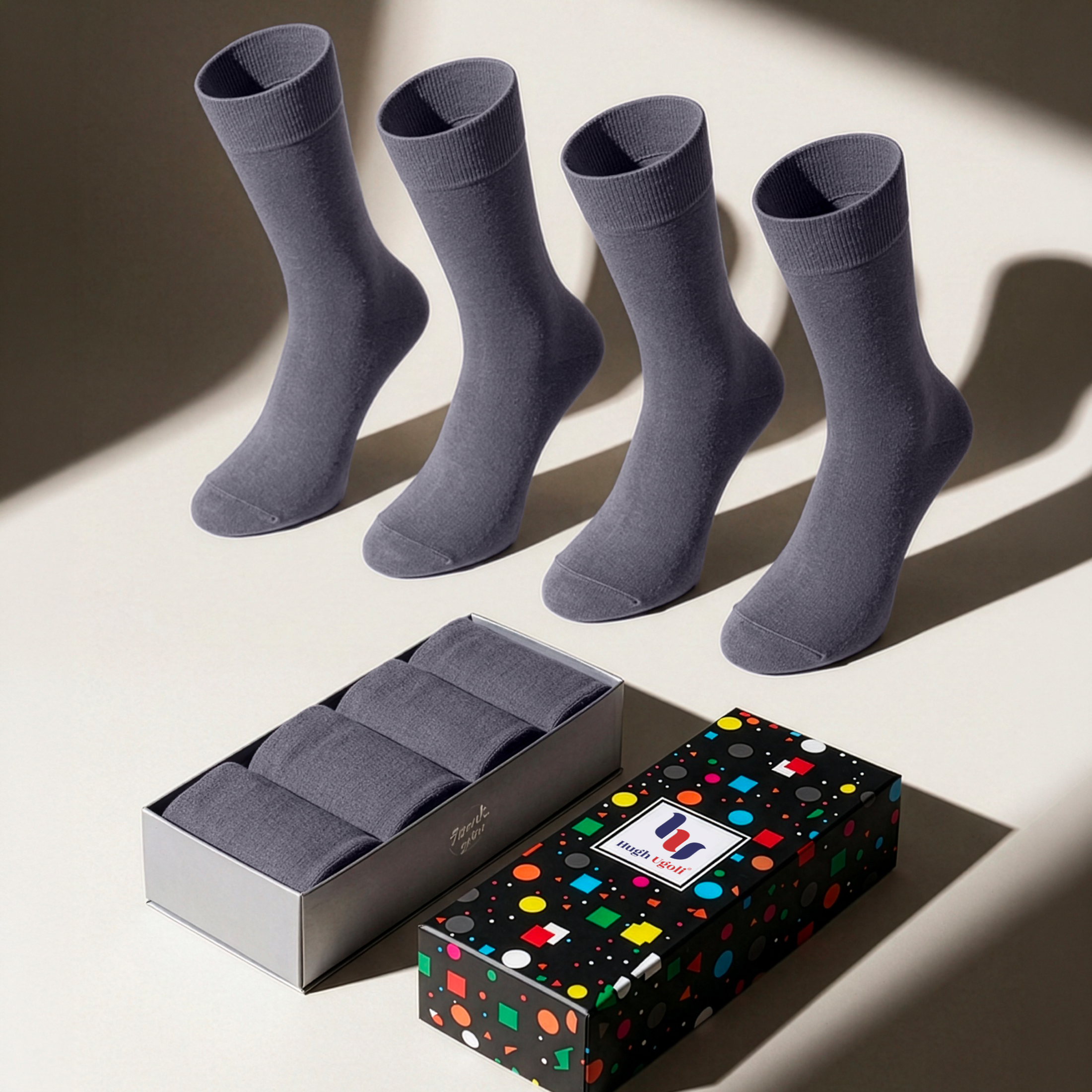
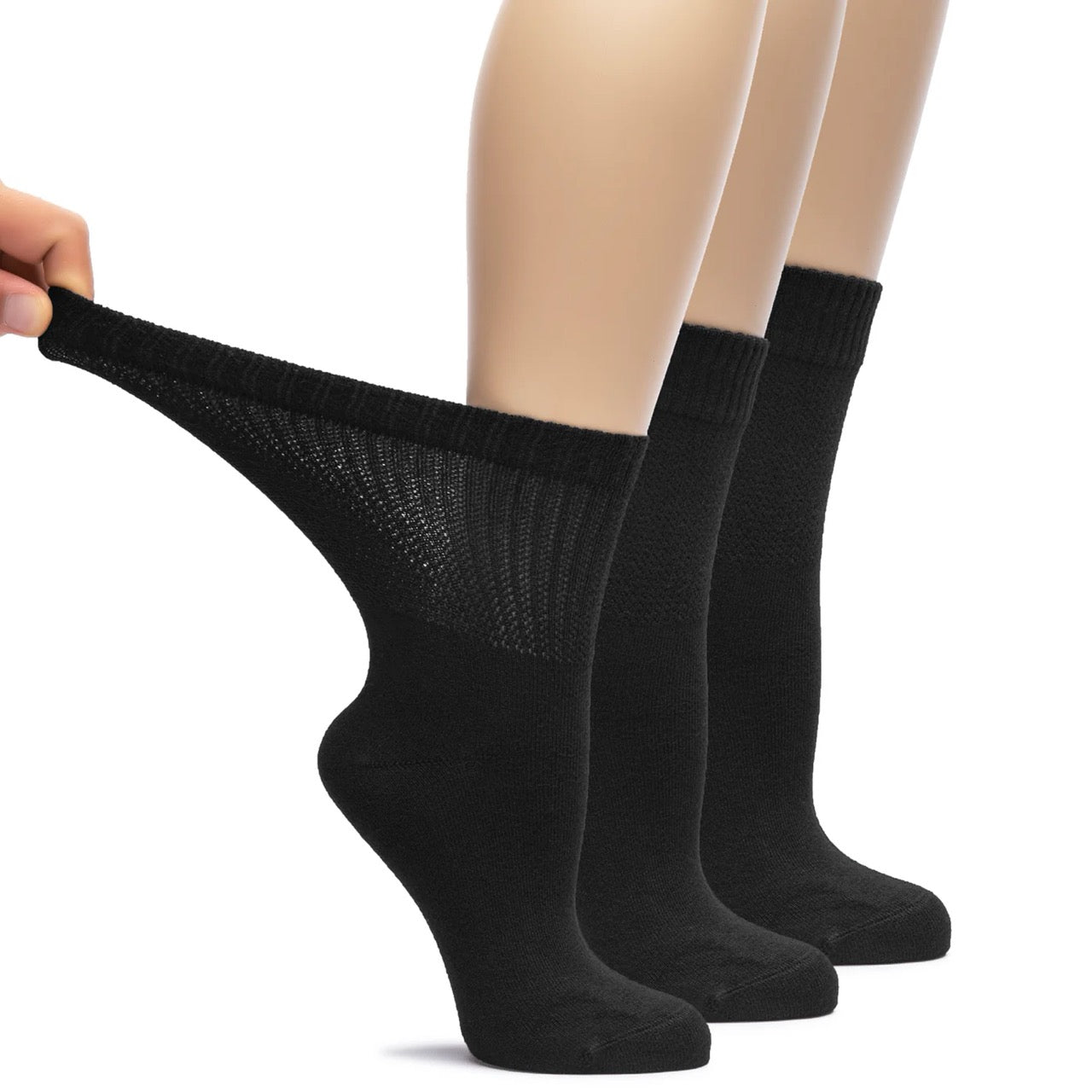
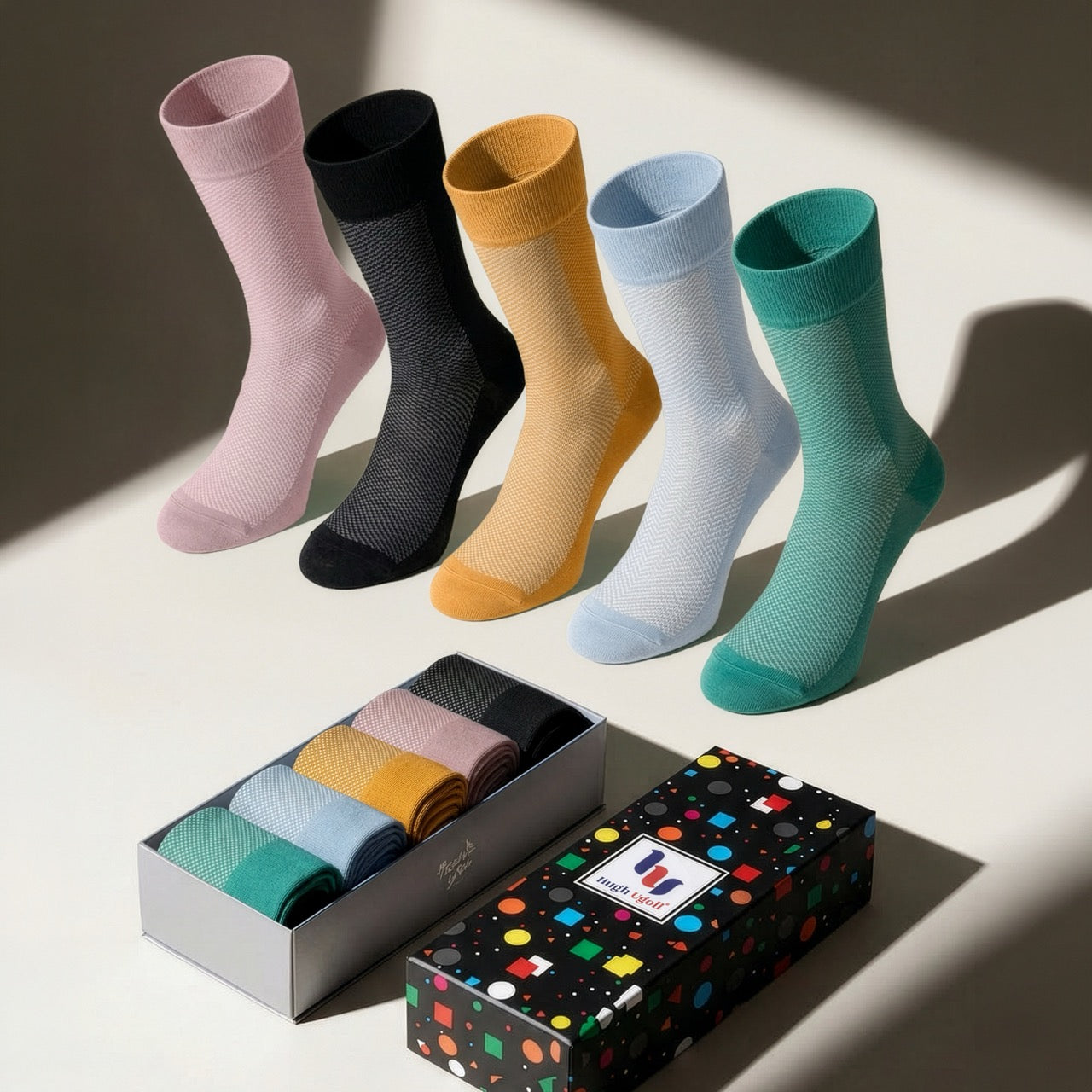
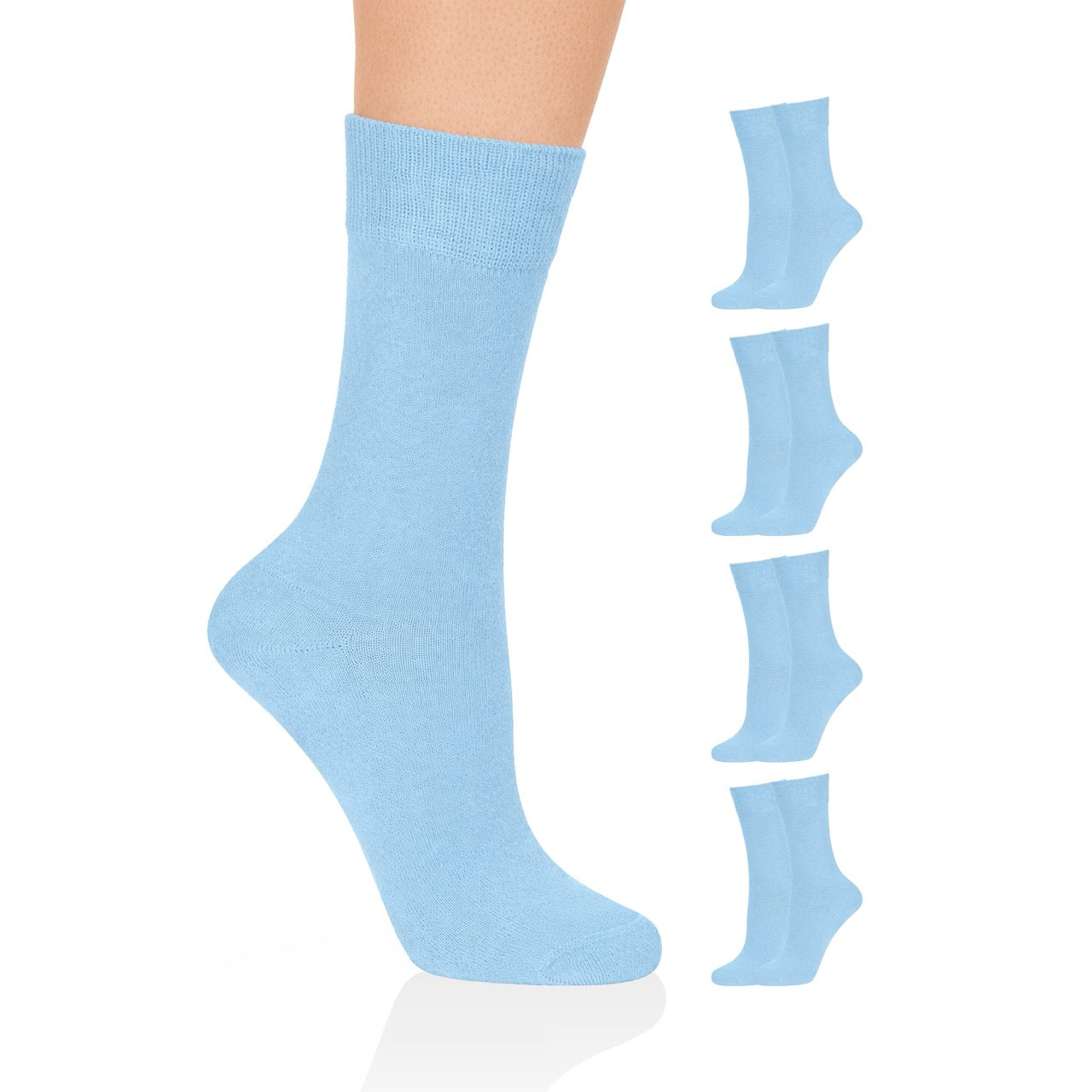
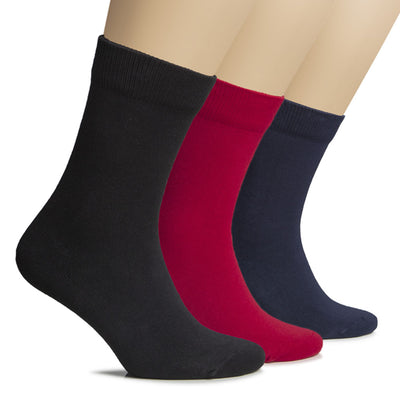
Not every cold day is a ski day. For the commute, the dog walk, the cabin weekend and the lodge, regular winter socks do the job, and the same principles apply: choose a fiber that handles moisture and make sure the socks fit your shoes. We should be upfront that Hugh Ugoli does not make technical ski socks, and we would not tell you to wear our everyday socks inside a ski boot. But for the rest of the winter, a few of our pairs are worth knowing about.
You can see more cold-weather options in our women's winter socks and wool socks for women collections. For a more general look at fall and winter footwear sizing, Boot Season Prep explains how to leave room for the socks you plan to wear, and silk liner socks are a trick worth trying if you want a thin moisture-managing layer.
The best moment to solve a cold-feet problem is before the season starts, not on the chairlift. When you try on boots, bring the exact socks you plan to ski in, since a boot fitter will size the shell around them. Stand in the boot with your knees bent forward, the way you will ski, and check three things: your toes should just brush the front and pull back slightly when you stand upright, your heel should stay planted when you flex, and there should be no sharp pressure spots across the top of the foot. If you are between sizes, a professional boot fitter can adjust the shell or the liner, which is nearly always a better fix than adding sock bulk. Finally, give any new boot a full day of use before judging it, because liners pack out and settle after a few outings.
Warm feet on the mountain come from fit, fiber and circulation, not from stacking thickness. A single lightweight or midweight merino-blend sock in a boot that fits correctly will beat a fat cotton pair almost every time. If you are heading out this season with cold feet from last year, resist the urge to add bulk. Check your boot fit, swap in a proper ski sock, keep your feet dry, and give your toes the room they need to do their job.
Not usually. Thick socks compress in the boot and lose insulating air, and a tight fit can reduce blood flow. A thinner merino or wool-blend sock in a well-fitting boot is often warmer.
Most experienced skiers wear one. Two layers add bulk, create friction that can cause blisters and can squeeze the foot.
Merino wool and wool-synthetic blends are the usual choice because they insulate, handle moisture and resist odor. Cotton is the fiber to skip.
Most skiers do best with lightweight to midweight socks. Heavier socks only make sense in a roomy boot or extreme cold.
Common causes are boots that are too tight, bulky or damp socks, over-tightened buckles and poor circulation. Check fit first, then fiber and moisture.


Discover All Hugh Ugoli Socks
Shop All Socks