Cart
0
You may also like
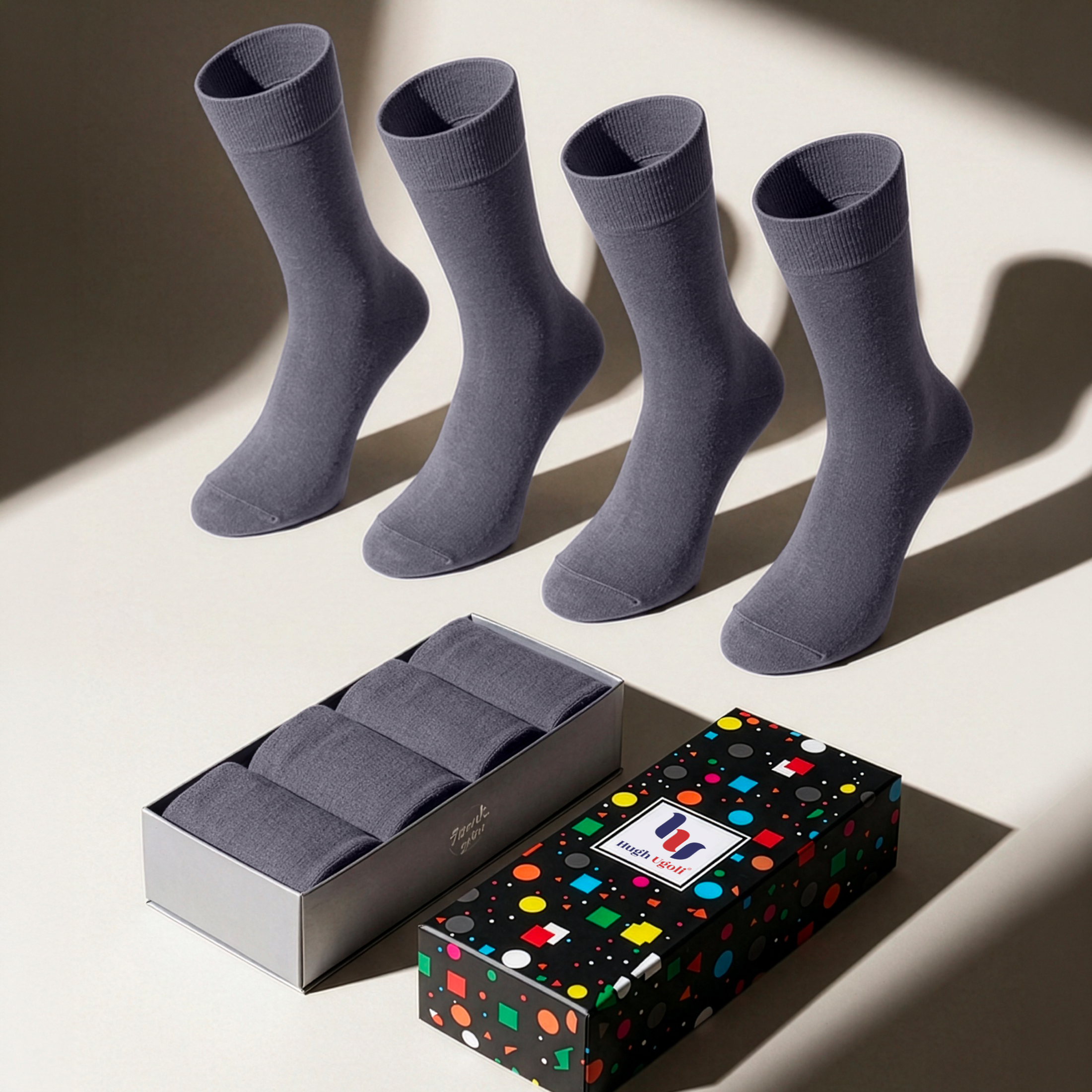
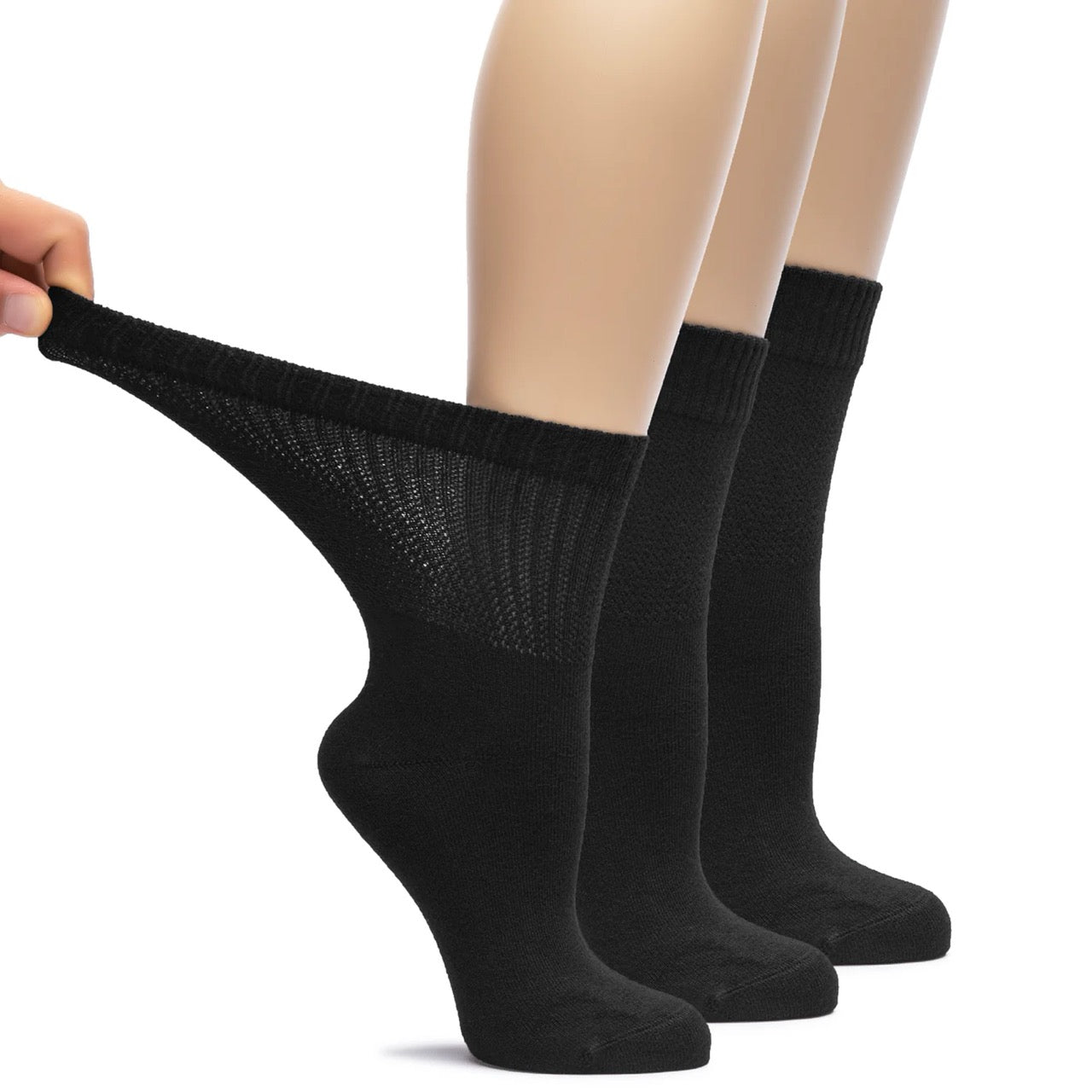

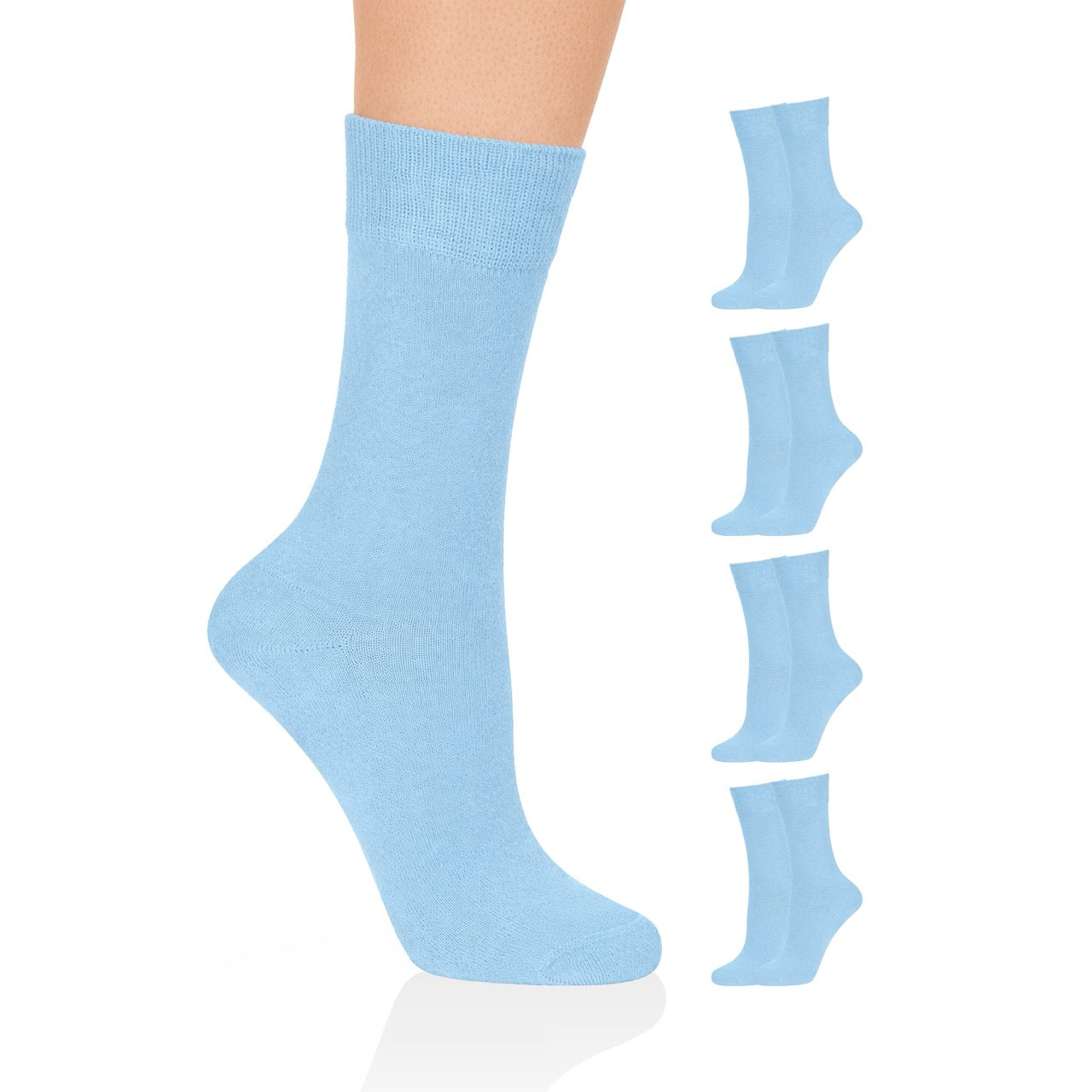
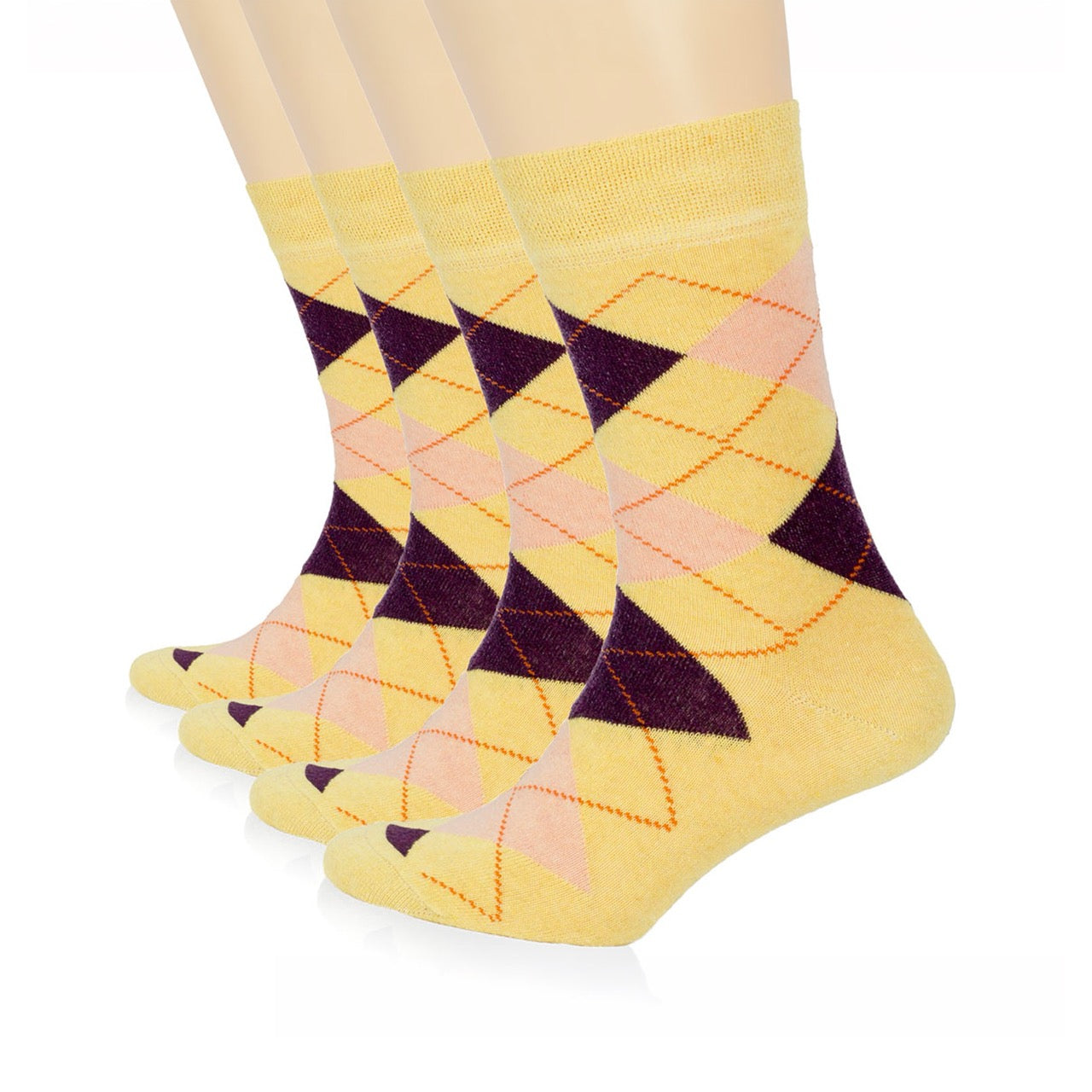
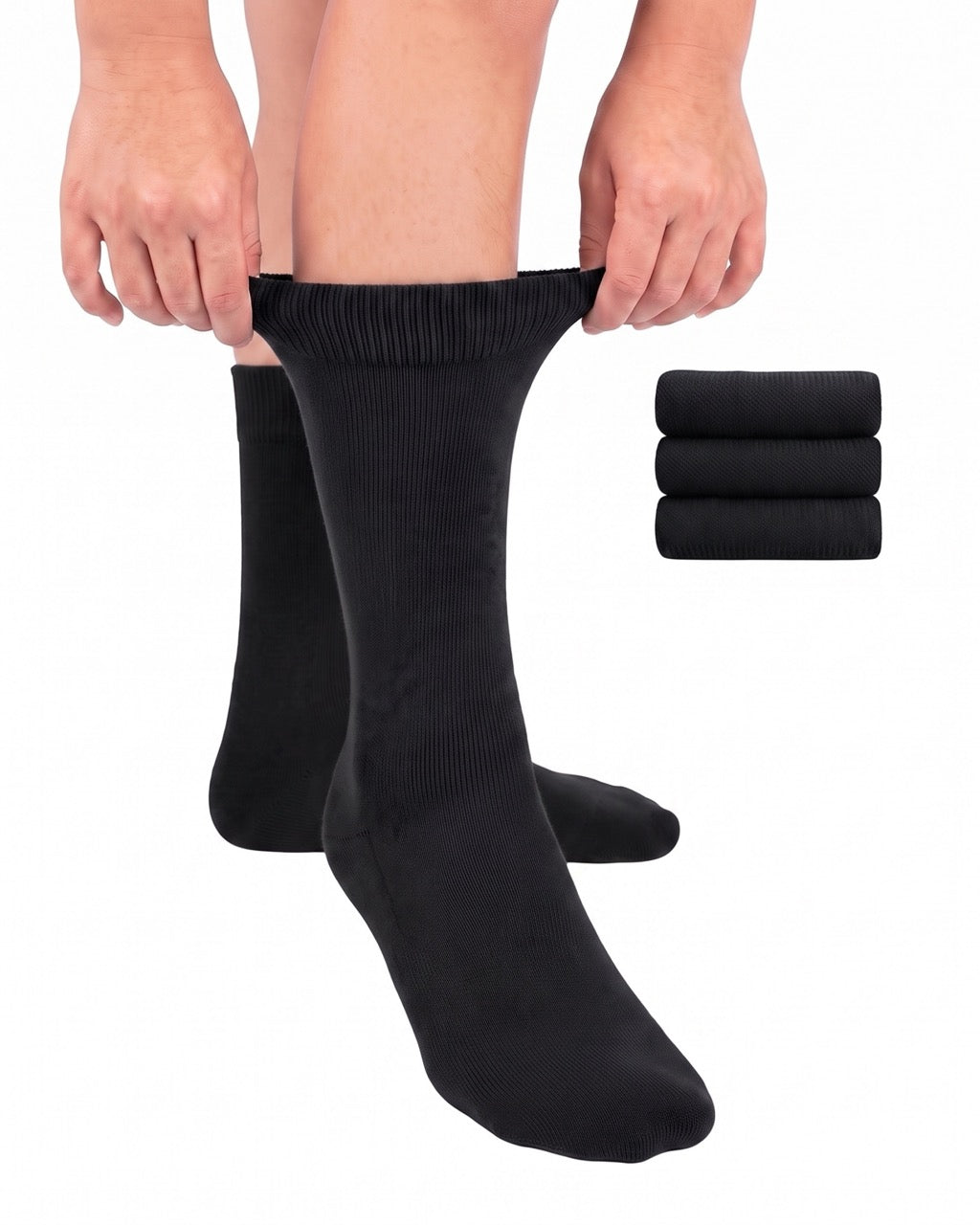


Sort your socks first. New or very clean pairs can go to shelters, pantries and charities, so call ahead about their policy on used items. Small holes can be darned. Worn-out socks that are clean and dry can go to textile recycling bins that accept them, such as those run by some nonprofits, but read each bin's notice because rules vary. Do not put socks in curbside recycling. Anything damp, moldy or beyond saving can be reused as rags or thrown away as a last resort.
Key Takeaways
Socks are the item that disappears from drawers one at a time and eventually wears out all at once. The heel thins, a toe gives way, the elastic gives up, or you find eleven singles with no partners. Then comes the question almost nobody has a good answer for: can you donate socks, recycle them, or do they simply belong in the trash?
The honest answer is that it depends on the condition of the sock and on where you live. There are good options in the United States, but they come with fine print, and the most useful rule is a simple one: match the sock's condition to the right destination. This guide sorts your old socks into categories, then walks through donation, textile recycling, creative reuse and the last resort, so you can clear out the drawer without feeling guilty about the landfill.
Textiles make up a meaningful share of what Americans throw away. The U.S. Environmental Protection Agency's textiles data page reports that in 2018 the country generated about 17 million tons of textile waste in municipal solid waste, around 5.8 percent of the total, and that roughly 2.5 million tons of it were recycled, a recycling rate of about 14.7 percent. Most of the rest ended up in landfills. Socks are a tiny slice of that, but they are small, made of blended fibers and easy to overlook, which is part of why they so often go straight into the bin.
We have written before about how clothing production affects the environment in The Environmental Impact of Sock Production. The simplest way to shrink that footprint is to keep each pair in use for as long as possible, and then send it somewhere useful when it finally reaches the end.

Before you decide where to take them, lay everything out and sort into four piles. This takes five minutes and makes every later decision easier.
Wash everything that you plan to donate or recycle. Organizations are consistently asking for clean items, and a clean bag is much more likely to be sorted and used.
Shelters, food pantries and outreach programs regularly list socks among their most requested items, and for good reason. People who spend a lot of time on their feet, or who are outdoors, go through socks quickly, and clean dry socks are difficult to come by. Many organizations ask specifically for new socks, for hygiene reasons. If you have unopened pairs, they are likely to be warmly welcomed.
Where to take them:
Many thrift stores and charities do not resell used socks, for hygiene reasons. If your socks are clean and in very good condition and you want to donate them, call the organization first. If they cannot take used socks, the textile recycling route below is a better home for them than the donation shelf.
A small hole is not the end. Darning takes about fifteen minutes and a little thread, and it can give a favorite pair months or years of extra use. Our walkthrough on how to darn a sock covers the supplies, the stitch pattern and how to decide whether a pair is worth saving. The easiest repairs are small holes in otherwise sturdy fabric. If the whole heel is thin enough to see through, move the pair to the worn-out pile.
This is the category most people struggle with. Worn-out socks cannot be resold, and they usually cannot go in your curbside recycling bin, since household recycling programs are set up for paper, metal, glass and certain plastics, not clothing. They also tend to be blended fabrics (cotton with polyamide and elastane, for example), which are hard to separate. Still, a few routes exist.
Some clothing collection organizations accept textiles that are too worn for resale and send them to be sorted for reuse or recycling. Planet Aid, a nonprofit that operates donation bins across much of the country, lists socks among the items it takes on its bin locator page. According to that page, items with minor tears, stains or imperfections are accepted, but items that are tattered beyond repair, dirty, wet or moldy are not. Because rules differ by operator, read the notice on the bin you plan to use, put your socks in a sealed bag, and make sure everything is clean and dry.
Look for a bin near you by searching for a local textile recycling program, checking your city or county solid-waste website, or contacting your waste authority. Some municipalities hold periodic textile collection days or maintain a list of approved drop-off sites. A growing number of places also run dedicated textile-collection programs, so it is worth a quick search for your area.
Some clothing and footwear brands run mail-in or in-store take-back programs. Availability and rules change often and many are limited to the brand's own products, so we will not list specific programs here. If you own a sock brand you are fond of, check its website or send a quick message to ask whether it accepts worn-out pairs.
There are paid mail-in recycling services for hard-to-recycle materials. These can be useful for a household or office that has a large amount of one item, but they usually cost money, so they make the most sense when you are collecting socks in bulk or sharing the cost with others.
If you cannot find a recycling option nearby, or you simply enjoy making things, old socks make surprisingly good raw material.
Cotton and wool socks tend to work best for rags and craft uses because they are absorbent and break down more naturally than synthetics. If your socks contain a high share of synthetic fibers, plan to reuse them rather than compost them.
Sometimes a sock is simply done: threadbare, stained, damp from mold or mixed with synthetics. If you have tried the options above and nothing fits, throwing it away is acceptable. Not every item can be recycled. The better lever is the next purchase, which brings us to the longer game.
The easiest way to reduce sock waste is to buy socks that last. A few habits help.
If you are replacing a drawer, our Women's Bamboo Dress Crew Socks, Bamboo Business Dress Socks for Men and Cotton Dress Crew Socks for Kids are everyday options worth a look when you restock. You can browse everything in our best sellers collection. For more on the topic of low-impact wardrobe choices, see Sustainable Wardrobe and Socks.
If you have more socks than one household can sort, or you want to make an impact with friends and coworkers, a small sock drive is easy to run. Pick a local organization first and ask what it needs, since some want only new socks in adult sizes and others need children's sizes or specific types, such as warm wool pairs in winter. Set a start and end date of two to three weeks, place a clearly labeled box in a shared space such as an office lobby, school entrance or community center, and send a short reminder halfway through. When the drive ends, count the pairs, drop them off together and share the total with everyone who took part. Autumn, before the first hard cold, is the time of year when requests tend to be the highest, so planning now means the socks arrive when they matter most.
Old socks do not have to go straight to the landfill. New and clean pairs can warm someone else's feet, repairable pairs can stay in your rotation, worn-out pairs can go to a textile bin that accepts them, and the rest can become rags or craft supplies. Policies vary by location and organization, so a quick phone call or a look at the notice on a bin saves a lot of wasted trips. Start with one drawer, sort honestly and send each sock to the place where it can still do some good.
Some organizations do not resell used socks for hygiene reasons, so call ahead. Clean worn pairs may fit a textile recycling bin better than a donation shelf.
Shelters, food pantries, domestic violence programs, community groups and many school or hospital programs welcome new socks. Local Goodwill stores vary, so check your nearest location.
Generally no. Curbside programs are set up for paper, metal, glass and certain plastics, and socks can jam sorting machinery.
Some do. One nonprofit's bin page lists socks and accepts items with minor tears or stains but not items that are tattered beyond repair, dirty, wet or moldy. Check the bin's notice.
Use them as dust mitts, shoe polishers, draft stoppers, packing sleeves, cord holders or craft material, or add them to a textile bin that accepts worn items.


Discover All Hugh Ugoli Socks
Shop All Socks