Cart
0
You may also like
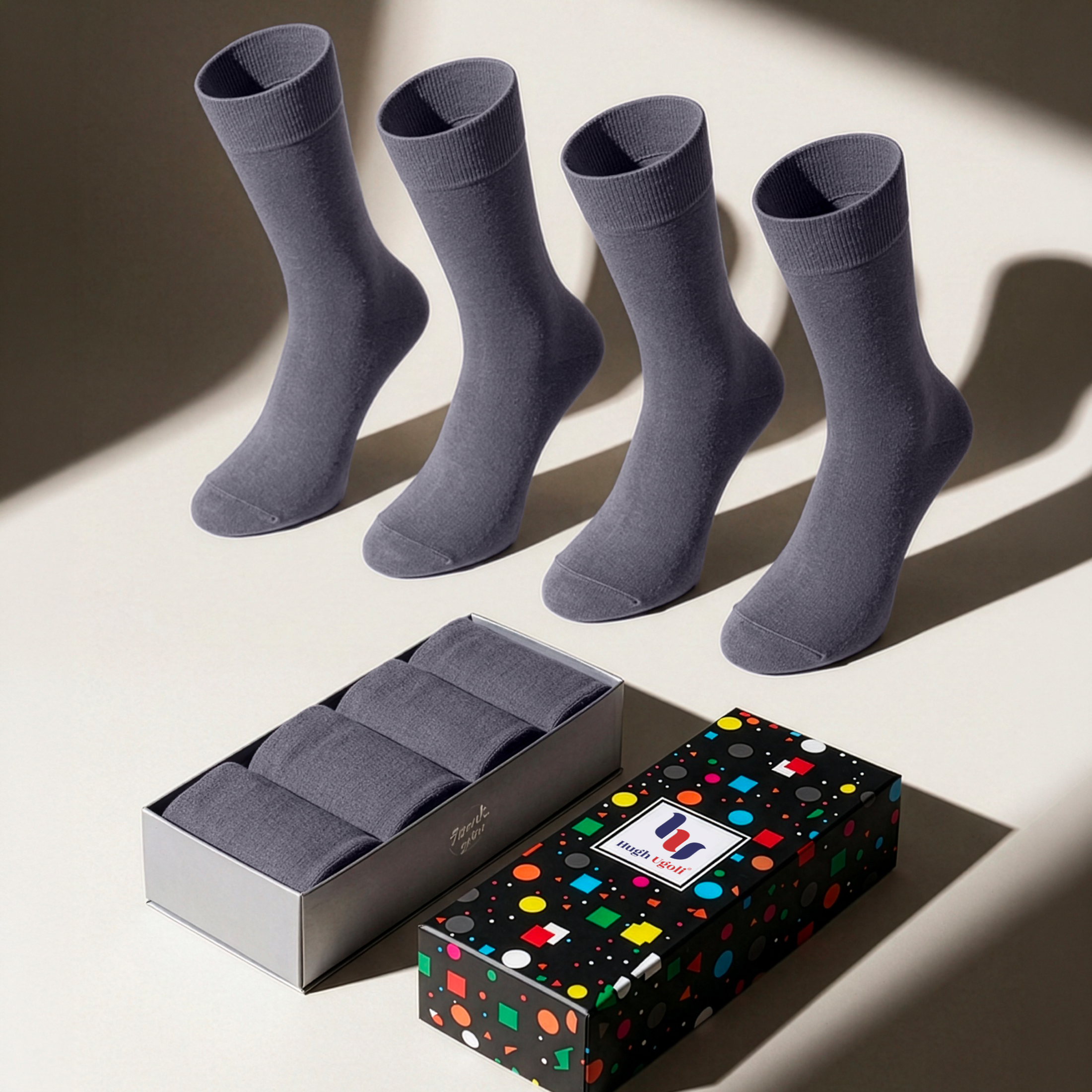
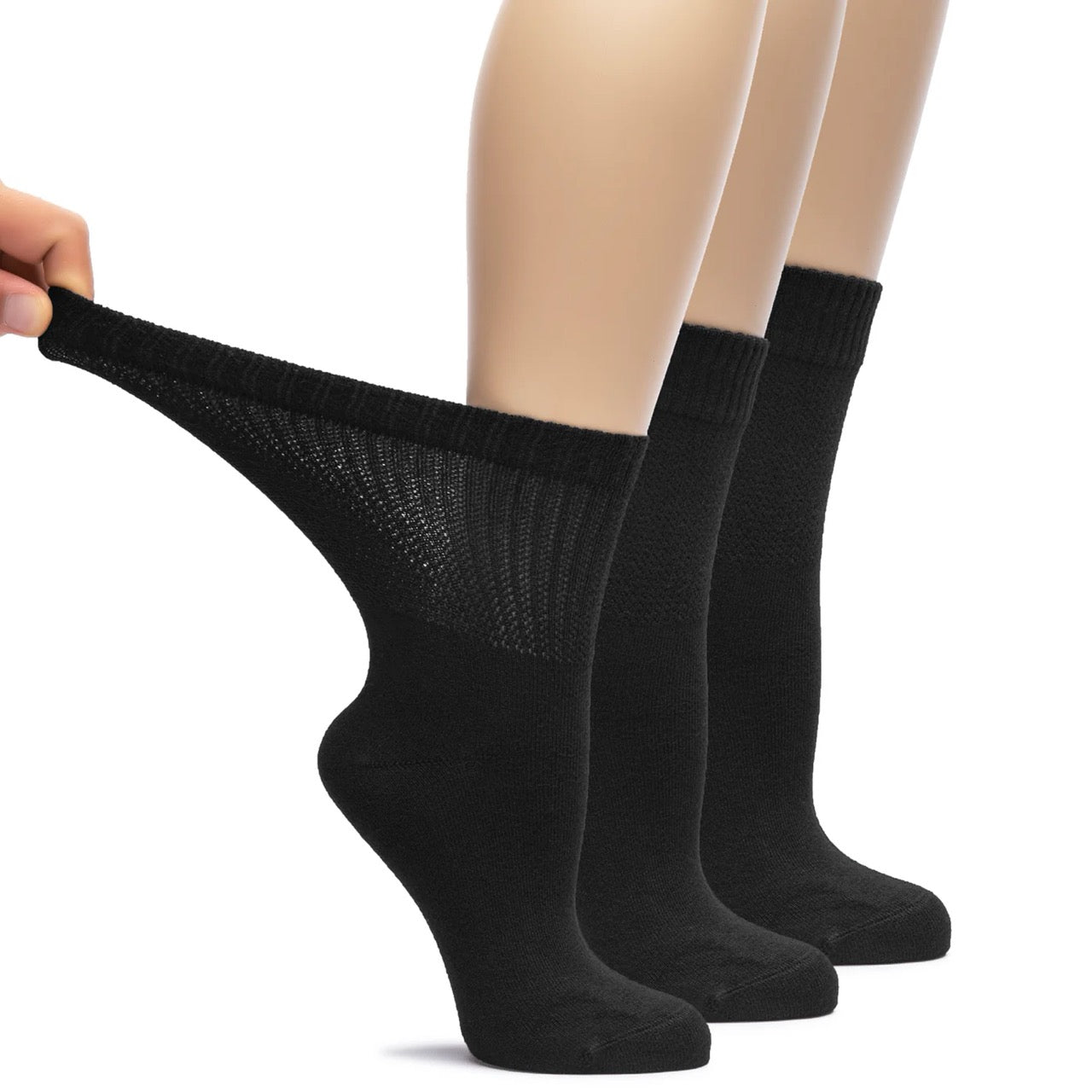
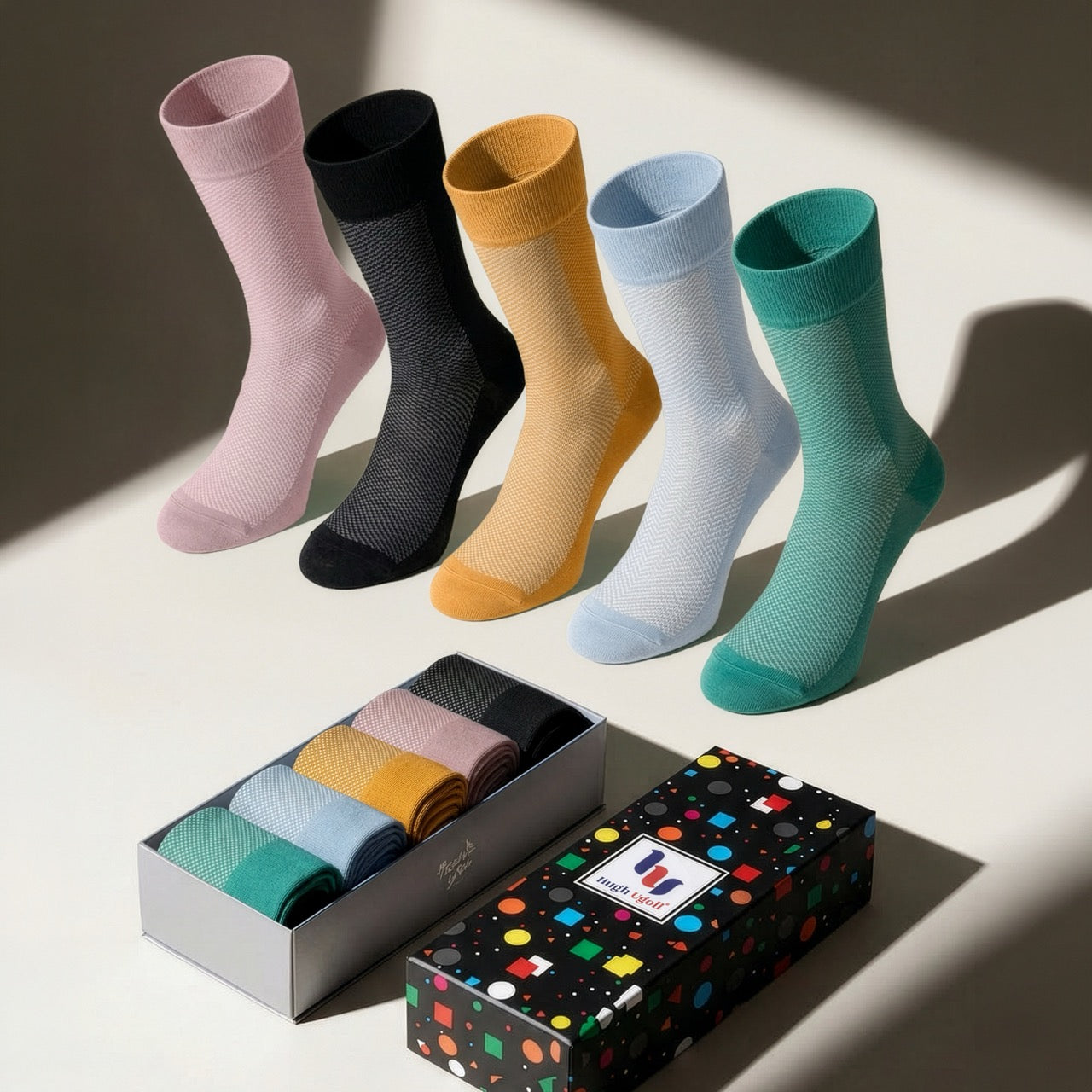
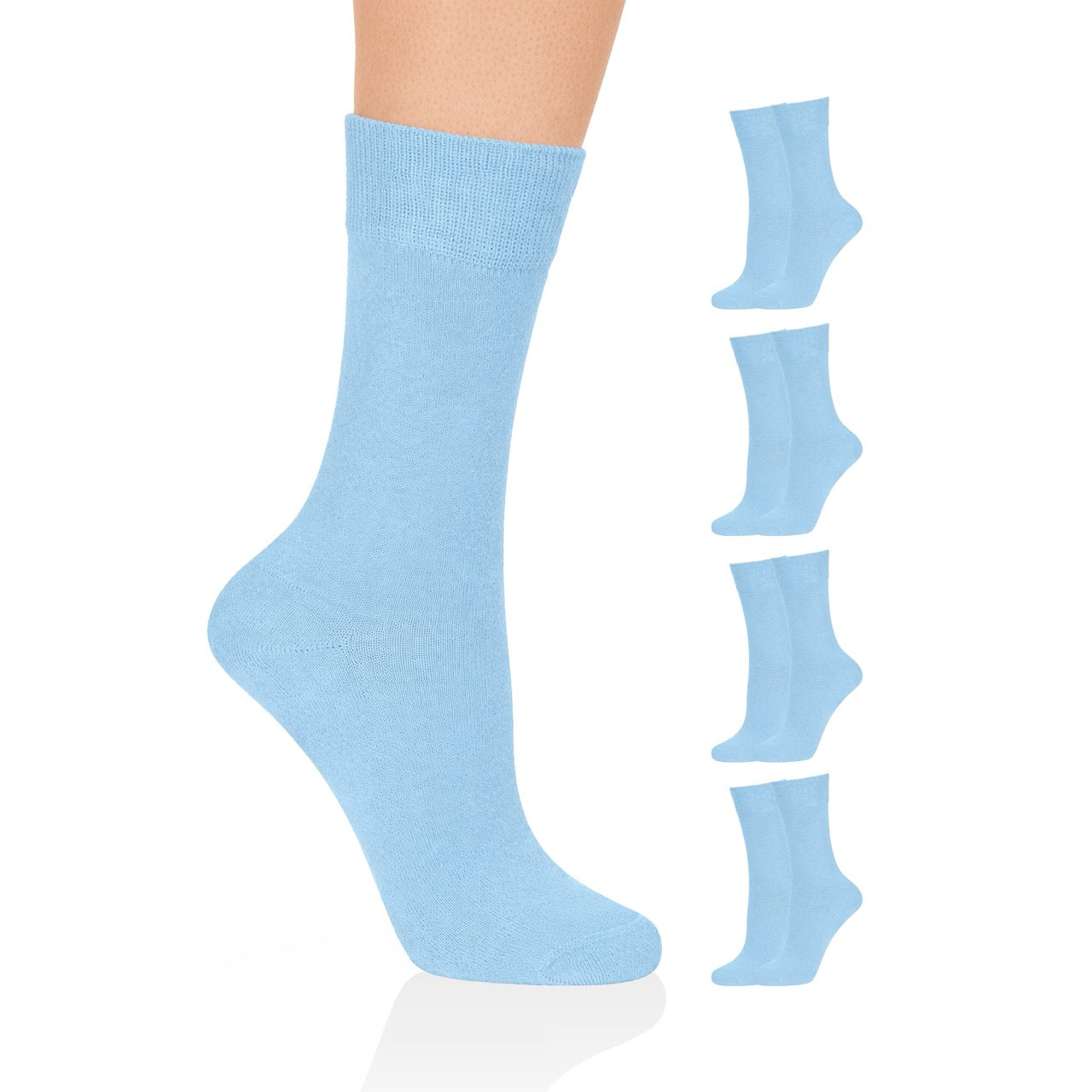
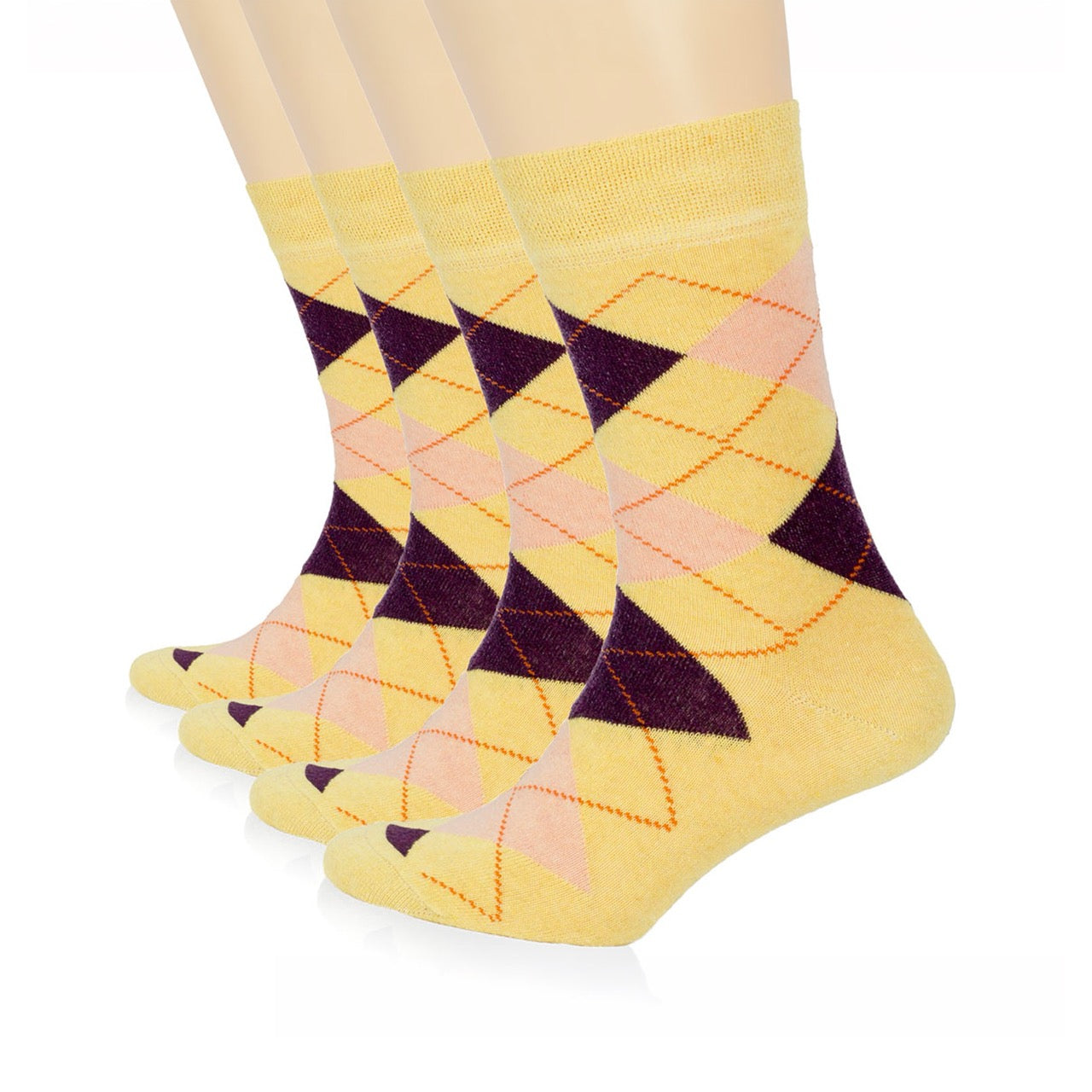
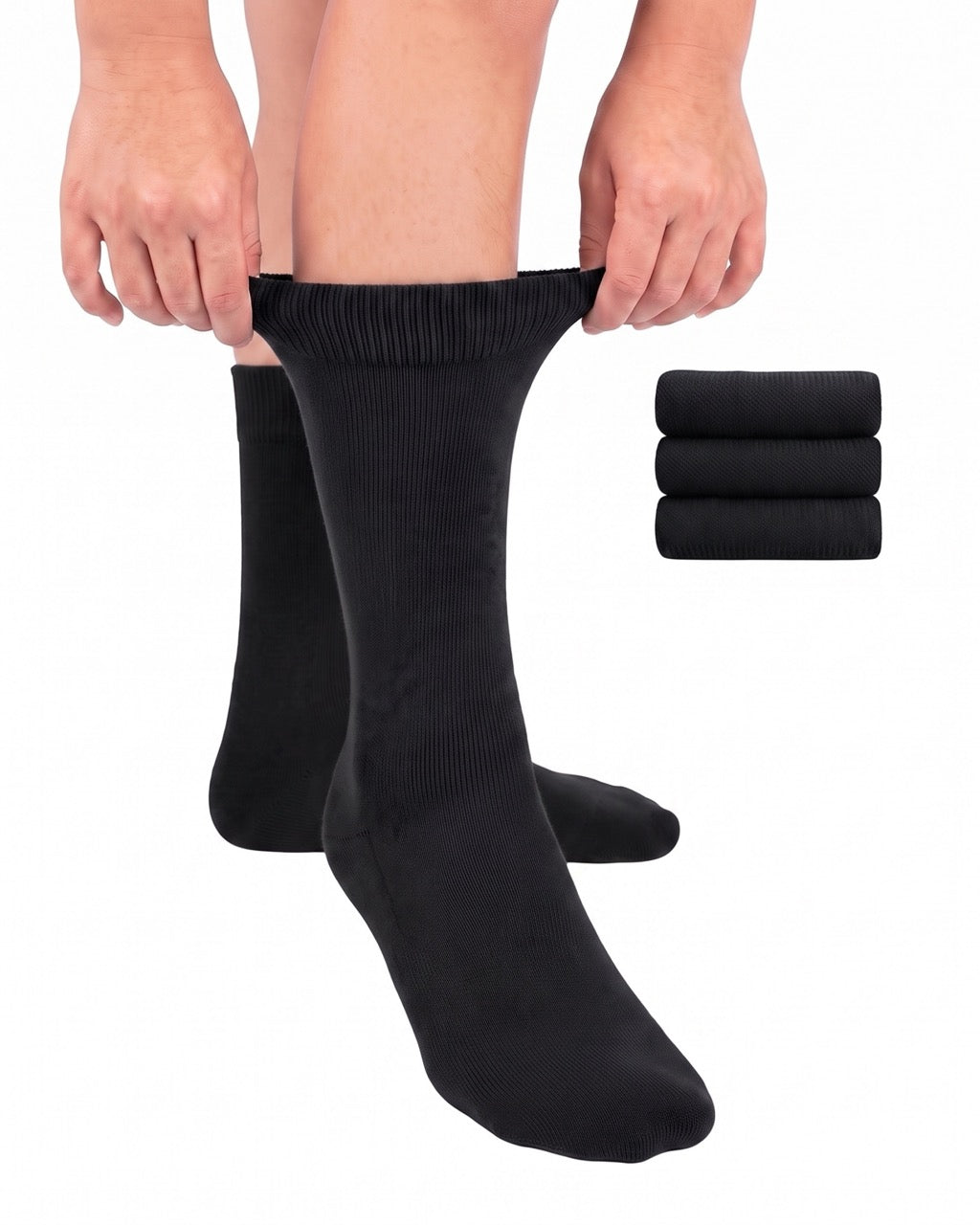
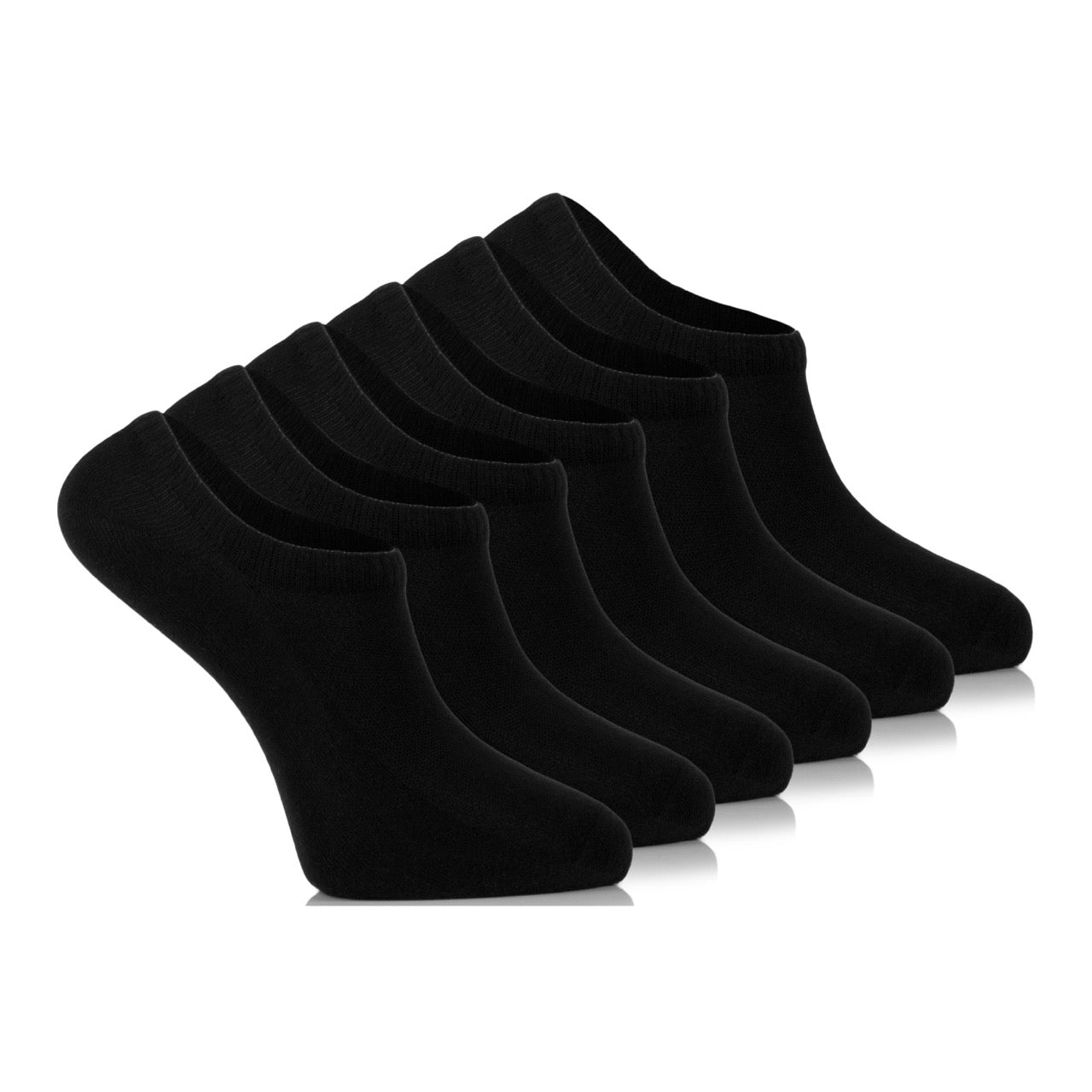
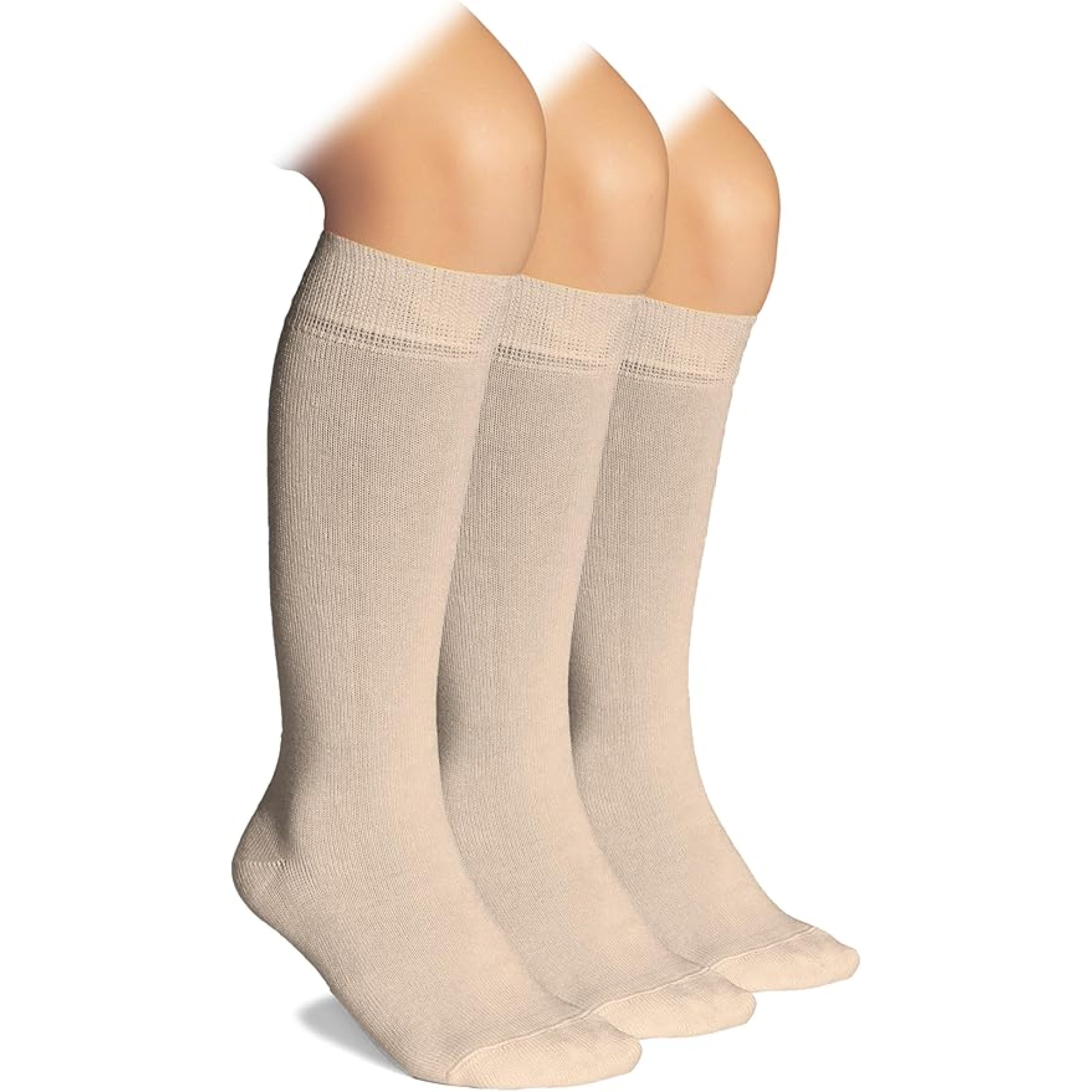


If you have peripheral artery disease, look for socks that stay out of the way: a loose, non-binding top, a seamless or flat toe, soft moisture-friendly fiber such as bamboo viscose or cotton, light cushioning and a size that matches your shoe. Avoid anything that leaves a deep groove on your leg. Compression socks need extra caution because they apply firm pressure to legs with reduced blood flow, so talk to your healthcare provider before using them. Check your feet daily, and report sores that do not heal.
Key Takeaways
When the arteries that carry blood to your legs and feet are narrowed, everyday things like socks start to matter more than they used to. The wrong pair can squeeze, rub, hide a problem or hold moisture against skin that is already slower to heal. The right pair is usually quiet and uncomplicated: soft, roomy at the top, smooth inside and easy to check at the end of the day.
This guide explains what to look for in socks if you have peripheral artery disease (PAD), why the usual advice about compression socks does not automatically apply, which fabrics and features tend to work well, and the habits that matter more than any single product. It is written for people living with PAD, for family members who shop for them, and for anyone who has been told their circulation is poor and is trying to figure out what to put on their feet.
The National Heart, Lung, and Blood Institute explains that peripheral artery disease happens when plaque builds up and narrows the arteries that carry blood away from the heart to the rest of the body. The legs and feet are the most common place for it to show up. With less blood arriving, the muscles and skin of the lower leg get less oxygen than they need, particularly when they are working hard, such as when you walk.
The same NHLBI page notes that more than 8 million adults in the United States aged 40 and older have PAD, and that smoking and high blood pressure are among the recognized risk factors. Because the underlying plaque can affect arteries elsewhere in the body, clinicians also regard PAD as a signal about overall cardiovascular health, which is one reason a diagnosis is worth taking seriously even when symptoms feel mild.
Many people with PAD have no symptoms or only mild ones. The American Heart Association describes the most typical symptom as aching, burning, cramping or fatigue in the buttock, thigh, calf or ankle during activity that eases after a few minutes of rest. The AHA also points out that some people notice changes in the feet and legs even without pain, including:
The Mayo Clinic's overview of PAD symptoms adds numbness or weakness in the legs, a weak or absent pulse in the feet, and, in more severe cases, pain that disrupts sleep or occurs at rest. Many people mistake these signs for ordinary aging or arthritis, so if any of them sound familiar, mention them to a healthcare professional rather than assuming they are normal.

Socks cannot change how much blood your arteries deliver. Only a medical team can address that. What socks can do is reduce the everyday stresses that your feet are less equipped to handle when circulation is limited. There are three main reasons they matter.
If you search for socks for poor circulation, most of what you will see is compression hosiery. Graduated compression socks work by applying more pressure at the ankle and gradually less up the leg, which is designed to help venous blood move back toward the heart. That makes sense for swelling and vein problems. PAD is an artery problem, though, and the situation is different.
When blood flow into the leg is already reduced, firm external pressure is something that clinicians often want to assess before you use it. Many healthcare providers measure blood flow in the legs, commonly with a simple test comparing blood pressure at the ankle and the arm, before recommending or advising against compression. We cannot tell you whether compression is appropriate for your legs, and no sock company can. What we can say is this: do not start wearing compression socks for PAD on your own, and if a clinician has prescribed a particular level, follow their instructions exactly.
If you are trying to understand how compression differs from a loose, non-binding design, our article on compression vs non-binding socks for varicose veins explains the two approaches side by side, and the principles about fit carry over to this topic.
With compression off the table until a clinician weighs in, the goal is a sock that stays out of the way. The features below are the ones most often recommended by foot-care professionals for people with circulation concerns.
A non-binding cuff is designed to hold the sock up without squeezing the leg. You should be able to slide a finger under the band, and when you take the sock off there should be no deep, lasting groove in your skin. A sock that leaves a heavy ring is working like a mild tourniquet, which is the opposite of what you want. We explain the idea in detail in How Non-Binding Socks Support Better Circulation.
The toe seam is where many socks cause trouble. A ridge across the tops of the toes can rub against the shoe, especially if the shoe is snug. A seamless or flat-seam toe reduces the chance of that kind of pressure line.
Moisture that stays against the skin can soften it and make it more prone to irritation. Bamboo viscose and cotton blends are popular because they feel soft and move moisture away from the skin. Wool is warmer, and some people with cold feet like a fine wool sock in winter, but it is worth testing for itchiness first because irritation is the last thing you need.
Padding under the heel and ball of the foot helps spread pressure while you walk. But more padding is not always better. A sock that is too thick for your shoe fills the space and increases pressure, which can be worse than a thinner sock with room to breathe. Choose cushioning that fits comfortably in the shoes you wear most.
Some people prefer white or light-colored soles because a small spot of blood or drainage is easier to see when you take the sock off. If you check your feet daily, that visual cue can be a useful extra.
A sock that is too big will wrinkle inside the shoe, and wrinkles create the pressure points you are trying to avoid. A sock that is too small stretches thin and can squeeze. Match the sock size to your shoe size, and replace socks that have lost their elasticity or developed thin spots.
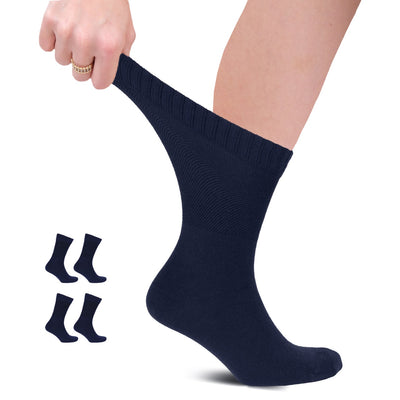
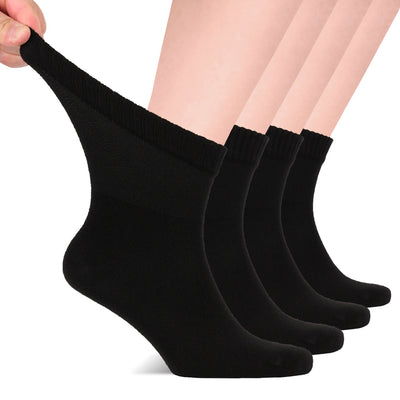
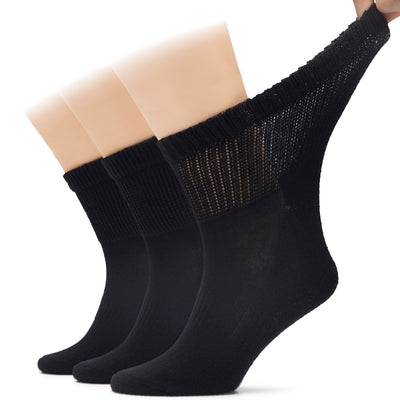
The products below are made as diabetic-style socks, which means a loose fit, a wide top and soft fibers. We do not claim they are a medical product for PAD, and they are not a replacement for medical care, but those design features match what foot-care professionals commonly look for when circulation is a concern.
For more choices, see the diabetic socks for women and diabetic socks for men collections.
Cold feet are one of the most common complaints with PAD, and the temptation to bundle up is natural. A few cautions apply.
Socks work best as part of a short daily routine. Spending a minute or two on your feet every day helps you spot changes early, and early is when problems are easiest to address with your care team.
Our step-by-step 60-second foot check was written for people with diabetes, but the same routine is a good habit for anyone with circulation concerns.
Socks are only half of the equation. A well-fitting sock in a tight shoe can still cause trouble. Shop for shoes later in the day, when feet are at their largest, and wear the same socks you plan to wear regularly. Leave about a thumb's width of space at the toe. Avoid walking barefoot, even at home, because a small injury you do not feel can become a bigger one.
Many people with PAD are also encouraged to stay active, because walking is often part of a supervised plan. If walking brings on leg pain, ask your provider how to pace yourself. Comfortable socks and shoes make it easier to keep moving.
Contact a healthcare professional promptly if you notice any of the following:
Sudden severe symptoms, such as a leg that becomes cold, pale and painful, need urgent medical attention. Do not wait for a routine appointment.
The best socks for PAD are not the most technical or the most expensive. They are soft, non-binding, smooth against the toes, sized correctly and easy to wash and inspect. Pair them with shoes that give your feet space, a daily look at your skin, and regular visits with a provider who knows your history, and you have covered most of what socks can contribute. Check with your care team before using compression of any kind, and remember that the goal is to remove sources of friction and pressure, not to solve the circulation problem itself.
This article is for general information and is not medical advice. Talk to your healthcare provider about your own feet.
Not without asking your healthcare provider first. PAD reduces blood flow into the leg, and many providers check circulation before advising for or against compression.
Most people choose soft, non-binding socks with a seamless toe, moisture-friendly fiber and light cushioning. The goal is to avoid squeezing and friction.
Diabetic-style socks share features that foot-care professionals often look for, such as a loose top and smooth seams. They are not a medical product for PAD, so ask your provider about your own feet.
Many clinicians advise caution, because feet with reduced sensation and blood flow can burn easily and heal slowly. Ask your provider what is safe for you.
Contact a provider promptly for a sore that is not improving, new color changes, sudden coldness or numbness, rest pain, or signs of infection. Sudden severe symptoms need urgent care.
Discover All Hugh Ugoli Socks
Shop All Socks