Cart
0
You may also like
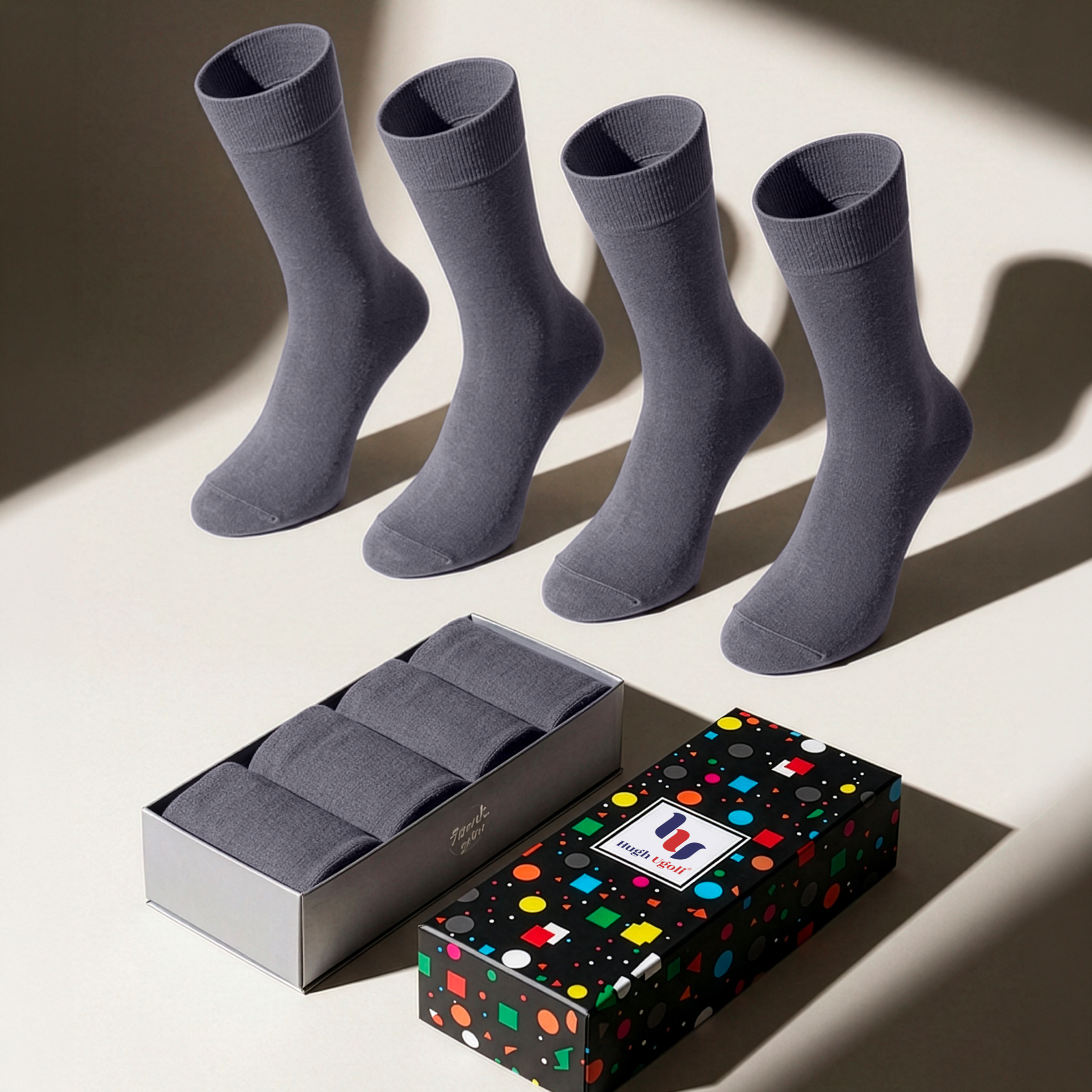
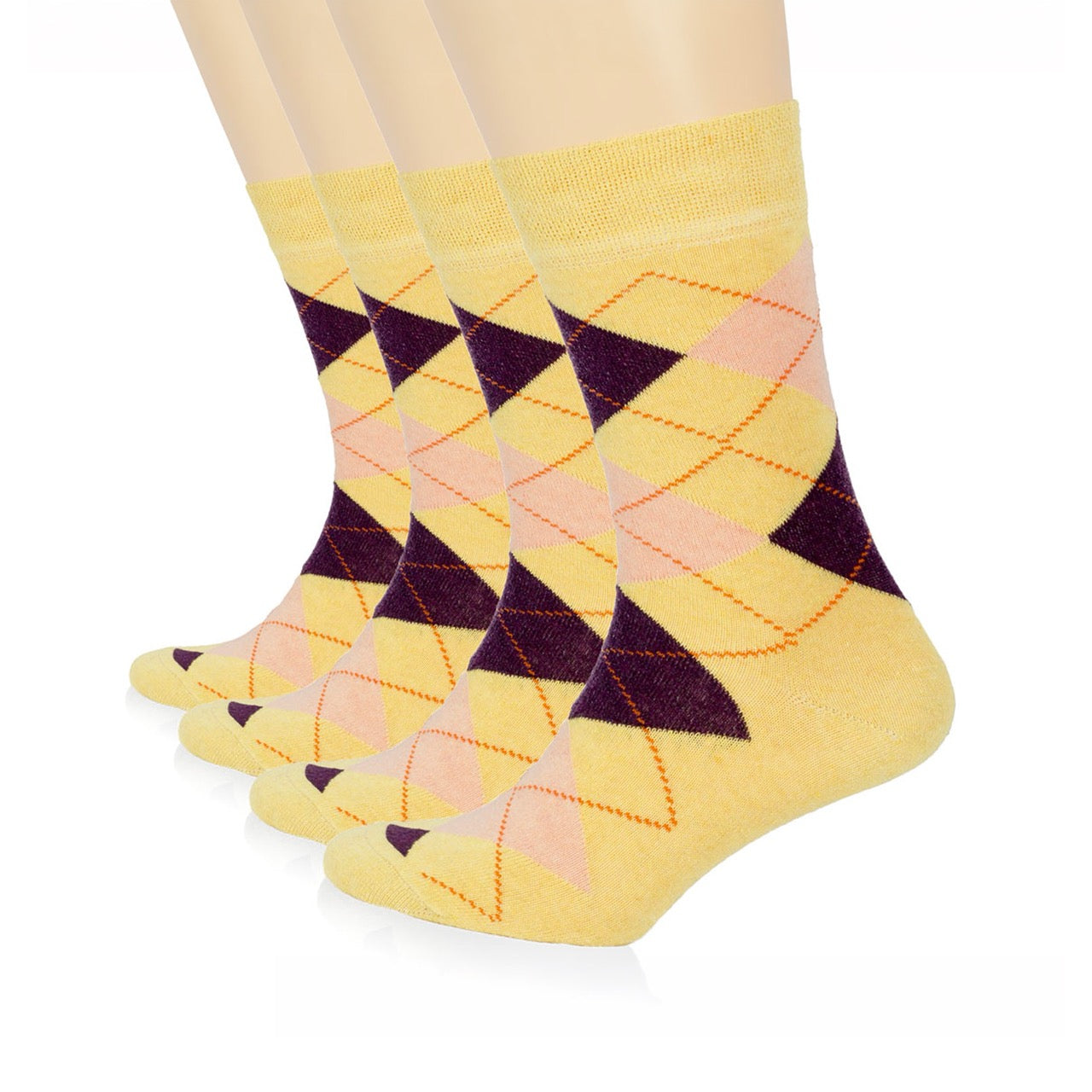
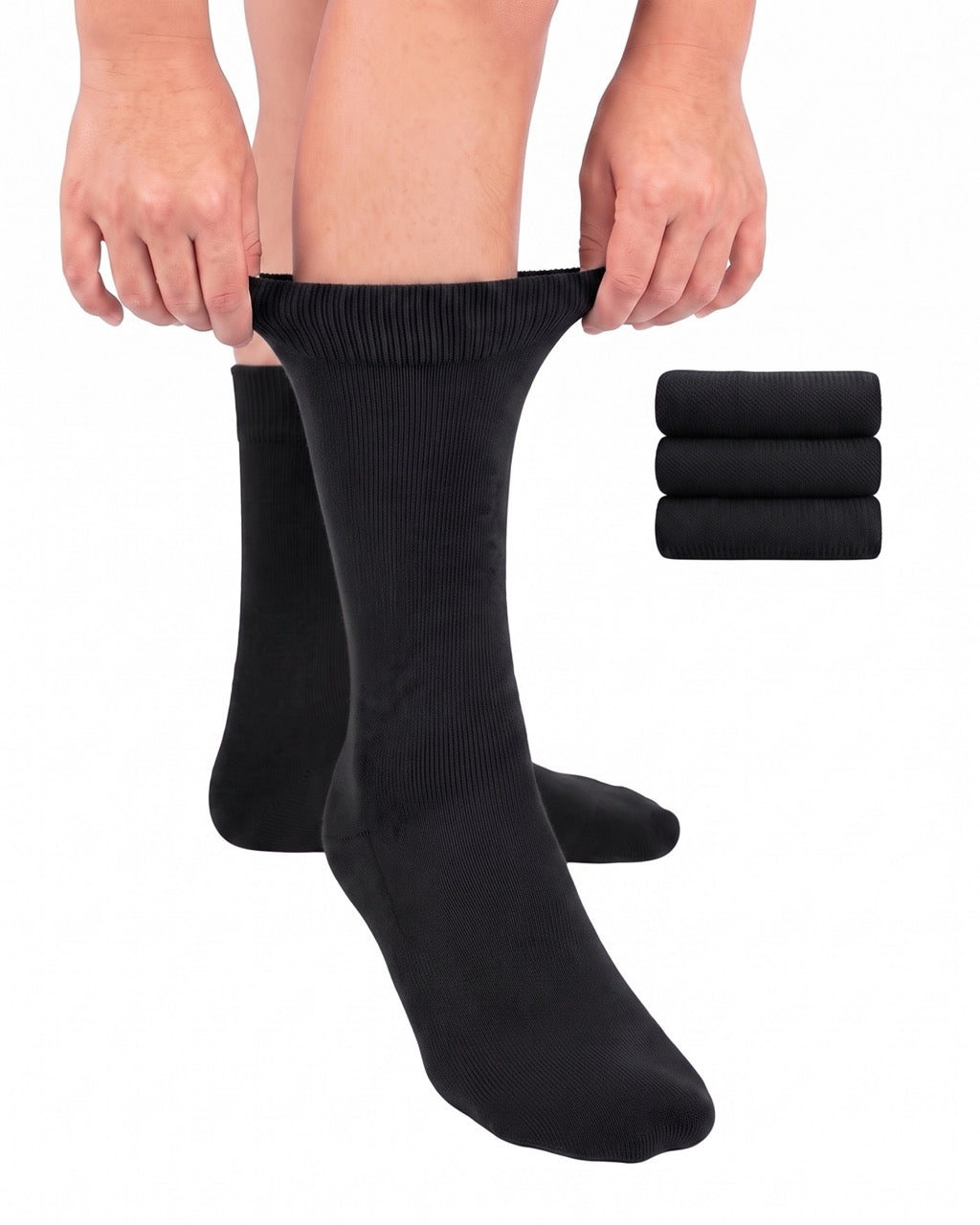
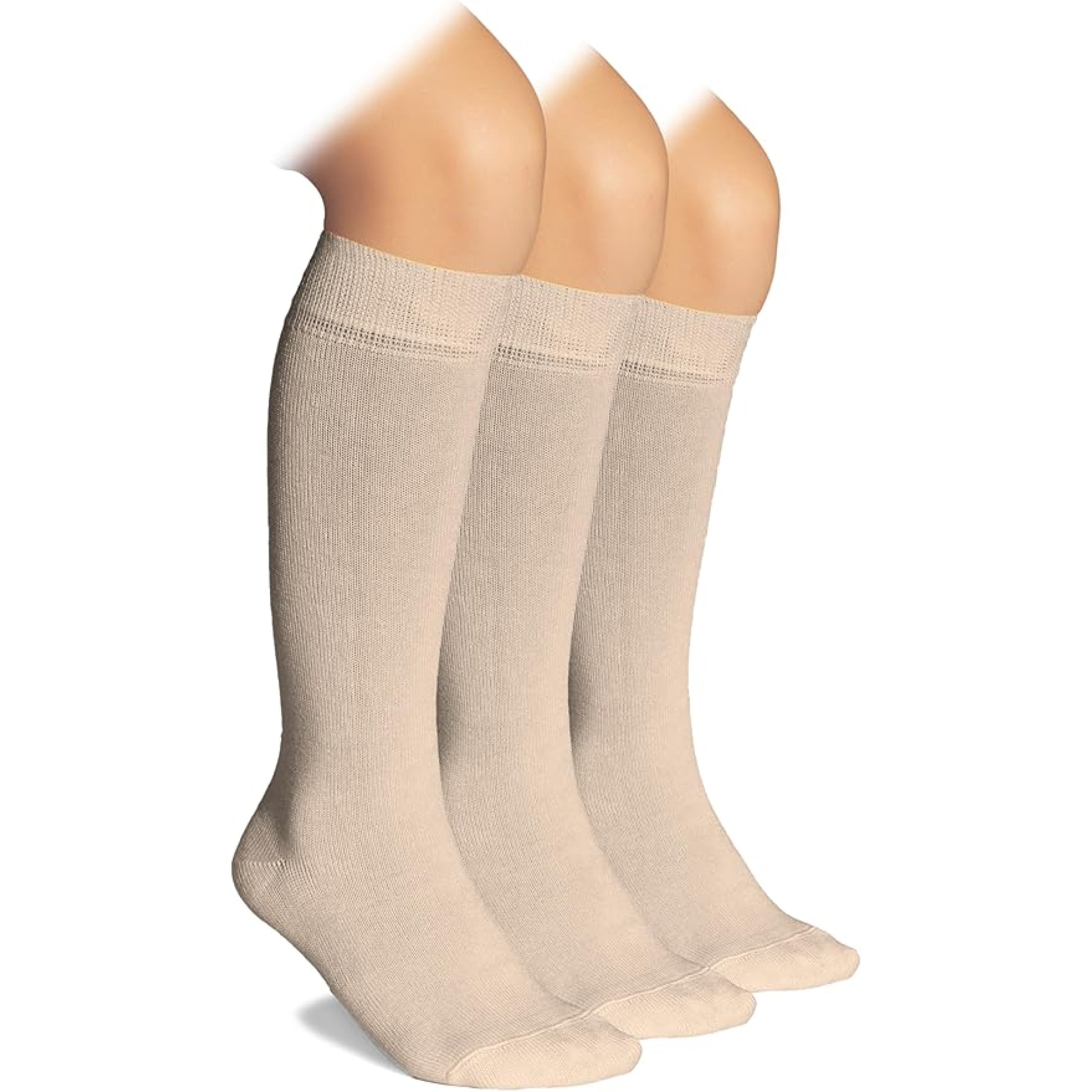


The best socks for mail carriers and delivery drivers are mid-weight crew socks with cushioning in the heel and forefoot, a shaped heel pocket, a smooth toe and a top band that does not squeeze. Choose wool or wool blends for cold and wet routes, softer cotton or bamboo blends for heated cabs and dry days, and avoid cotton as your only layer in prolonged rain or slush. Keep at least five pairs in rotation plus a spare in the vehicle, and make sure your work shoes leave room for the sock you wear.
Key Takeaways
From the middle of November through the end of December, the people who bring packages to our doors work some of the longest days of their year. Mail carriers, parcel couriers, food and grocery drivers and gig delivery workers climb in and out of vehicles dozens or hundreds of times per shift, walk miles on pavement, stairs and icy driveways, and do it in weather that swings from cold rain to dry wind to slush. Through all of it, their feet carry the load.
If you deliver for a living, or you are shopping for someone who does, this guide covers how to choose socks for peak-season delivery work. We look at what your feet go through on a route, which fibers and constructions hold up, how to handle wet and cold days, how to manage the in-and-out of a vehicle, and a few routines that make a long shift more comfortable. We are a sock company, so we will be upfront: socks are only one part of the picture. Footwear, fit and rest matter just as much, and we point that out where it counts.
Delivery work sounds like walking, but the demands are more varied than that. Understanding them is the first step toward choosing the right sock.
Walking routes can add up to many miles, and much of it is on concrete, asphalt and stairs. Hard surfaces return more impact to the foot than soft ground, so cushioning in the heel and forefoot makes a noticeable difference by the end of a shift.
Getting in and out of a truck or car, climbing a step, walking to a door, returning to the vehicle: this pattern repeats all day. Each transition shifts weight and flexes the foot, and a sock that slips or bunches will create friction. A secure heel pocket and a snug, even fit matter more here than in steady walking.
Heated cabs and freezing sidewalks sit minutes apart. Feet warm up while you drive, then chill the moment you step outside. Socks that manage moisture help, because sweat from the warm cab turns cold fast outdoors.
Rain, snow, puddles at curbs and wet porches soak shoes. Once socks are damp, they lose much of their warmth, and prolonged dampness can cause skin irritation and blisters.
Even drivers who spend part of the day sitting often stand at depots, load and unload and carry packages. For general background on how long hours affect feet, see our article on the best socks for standing all day.

| Fiber | Strengths for delivery work | Watch-outs |
|---|---|---|
| Wool or wool blend | Stays warm when damp, resists odor, good for cold routes | Can feel warm in a heated cab; needs gentle washing |
| Cotton blend | Soft, affordable, comfortable on dry days | Holds moisture; chills when wet |
| Bamboo-derived fiber | Soft, breathable, comfortable for long wear | Moderate warmth; pair with a wool layer for very cold routes |
| Synthetic blend (nylon, polyester) | Dries quickly, adds durability | Less breathable on its own; can hold odor |
Most good work socks are blends. A wool and nylon blend, for example, gives you warmth and durability. A cotton and nylon blend with a cushioned sole gives you comfort and strength at a lower price. Check the label for the fiber breakdown rather than judging on color or name, and if you want a refresher, how to read a sock label breaks down the most common terms.
Crew socks cover the lower calf, protect against boot and shoe collars, and keep cold air and rain off exposed skin between pant cuff and shoe. Browse options in the men's crew socks collection or crew socks for women.
A mid-weight sock with some cushioning serves most carriers well. Very thick socks fill the shoe, compress and can cause pressure points, while very thin ones offer little padding over a long shift. If your route is truly cold, add a thin liner rather than forcing a bulky pair into your shoes.
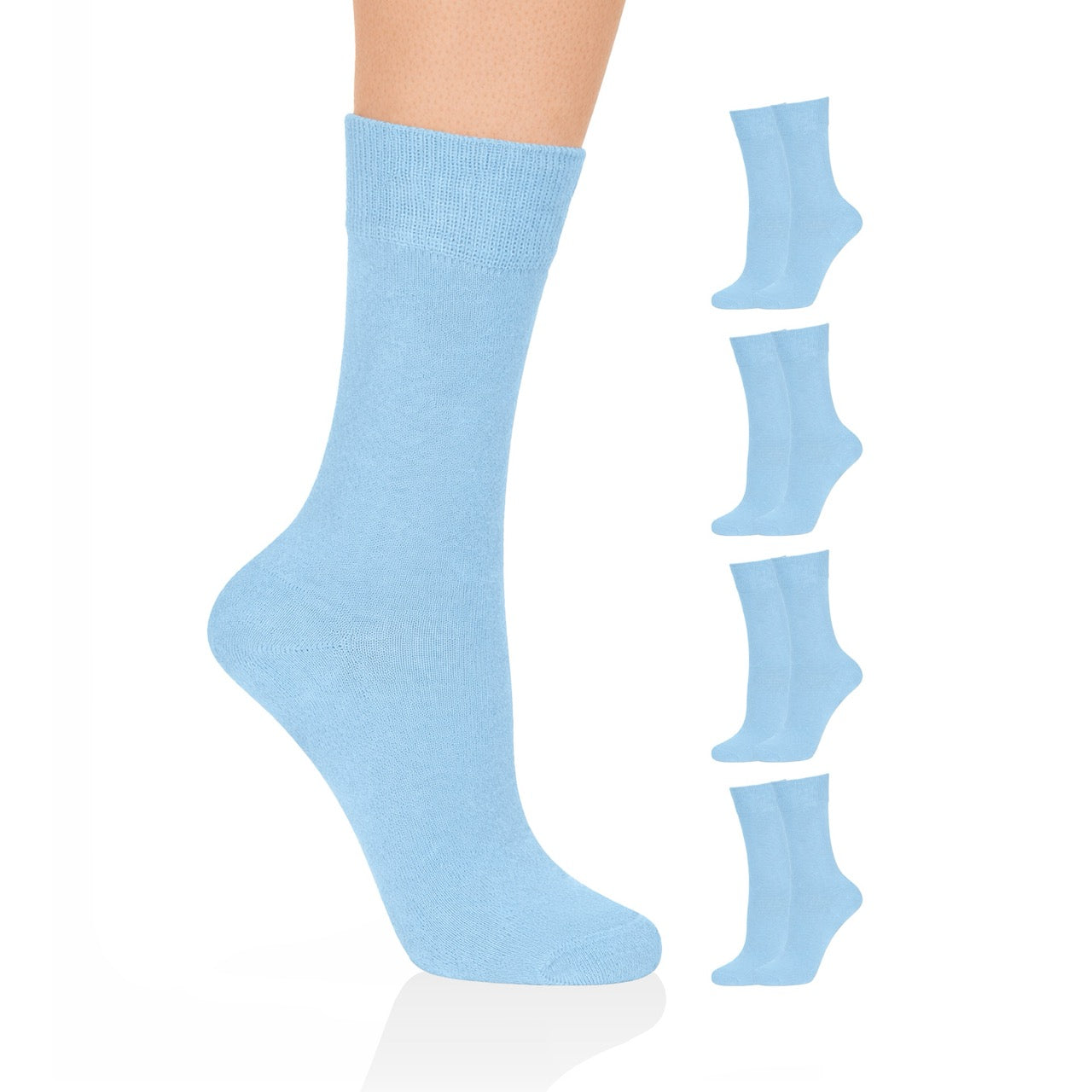
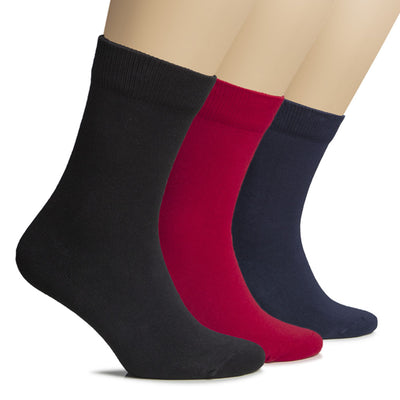
For cooler days when you want a soft, warmer cotton option, the Women's Warm Winter Cotton Dress Crew Socks are a mid-weight crew worth a look.
Your shoes decide how much sock you can wear. Boots with room for a thicker sock can handle wool cushion crews. Lighter walking shoes may call for mid-weight socks. Try on your work shoes with the sock you plan to wear, and size up if needed. Our guide to sizing socks for fall footwear covers this.
When temperatures drop, warmth is a mix of insulation, dryness and circulation. A few practical tips for cold peak-season shifts:
For more on the sock mistakes that make the first cold days worse, read the first cold snap sock mistake.
Wet weather is the hardest test. Waterproof footwear helps, but it also traps sweat, so socks that handle moisture become more important, not less. Consider these habits:
Blisters form where skin rubs repeatedly, especially when moisture is present. A sock that fits well, stays in place and wicks moisture reduces the odds. If you notice a hot spot, address it early with a bandage or protective pad and adjust your sock or shoe.
A smooth toe seam makes a difference over thousands of steps. Browse the seamless toe and reinforced heel and toe pages to see what those features look like.
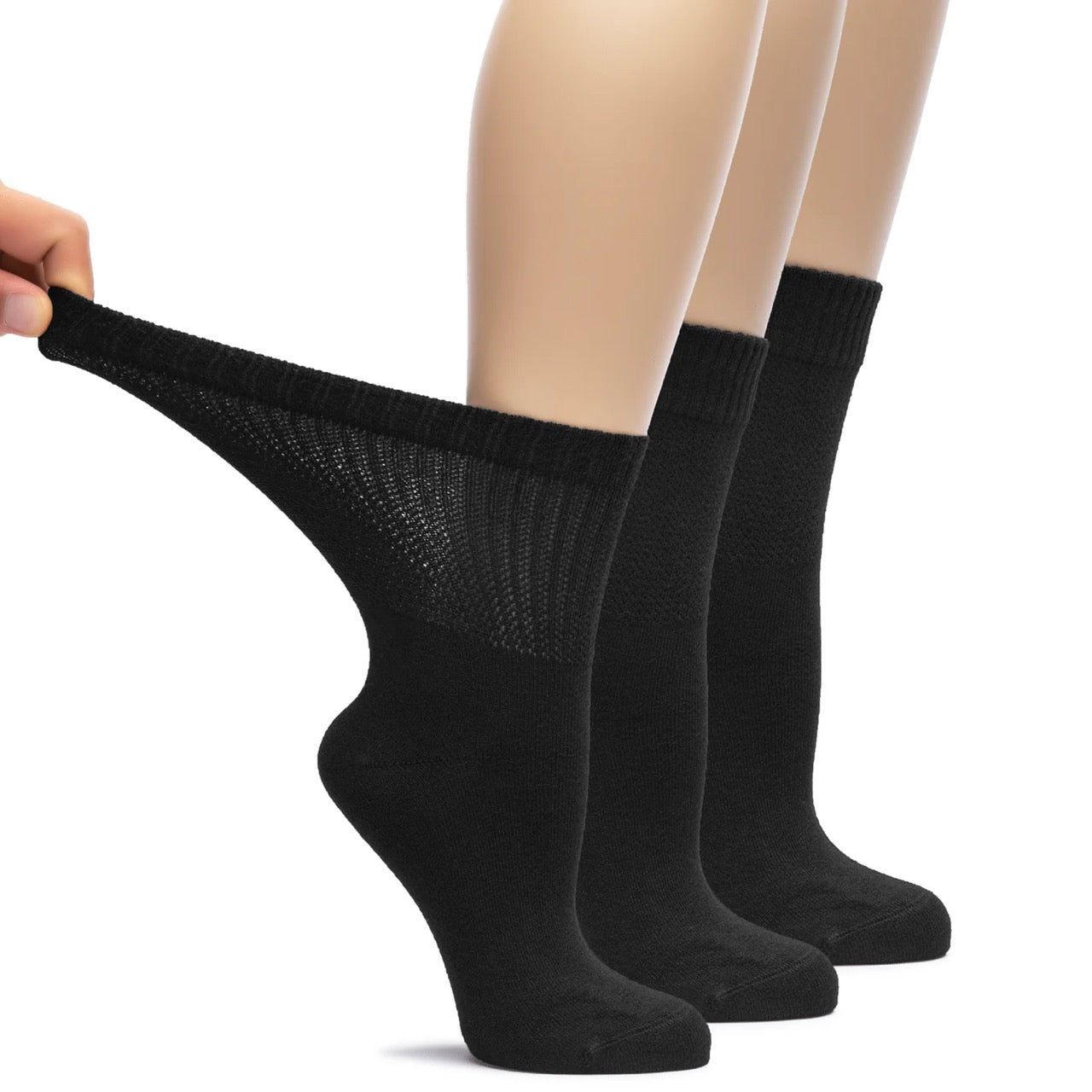
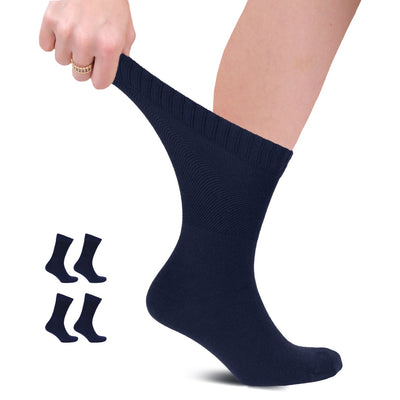
Many delivery workers notice their feet and ankles feel puffy by the end of a long day, especially when they alternate between sitting in a vehicle and standing. A gentle, non-binding top avoids adding pressure at the calf. Our Unisex Cotton Diabetic Crew Socks use this design, and plenty of people without diabetes choose them for exactly that reason. If you have ongoing swelling, pain or numbness, talk to a healthcare provider.
Keep at least five pairs in rotation so no pair is worn two days in a row. Fibers recover and dry between wears, and pairs last longer. Multi-pair packs make this easier and cheaper.
No sock can fix an unsuitable shoe. Good delivery footwear generally has a stable, cushioned midsole, a grippy outsole for wet porches and ice, enough toe room, and a secure heel. Replace shoes when the cushioning flattens or the tread is worn. For those who spend long days on their feet, our piece on socks that survive a double shift and the guide for truck drivers dealing with long sitting and ankle swelling both overlap with delivery work.
Five pairs of mid-weight cushioned crew socks with reinforced heels and toes, plus two pairs of wool blends for the coldest weeks and one spare pair in the bag.
A mix of mid-weight crews in cotton or bamboo blends for the heated cab, with a thin liner and one wool pair for outdoor stretches. Relaxed tops matter because of the sitting and getting out dozens of times.
Lighter weights for warm kitchens and doorsteps, with quick-drying fibers. Keep a spare pair in the car for rainy nights.
Cushioned crews with snug heels, since stairs highlight any slipping. Choose a mid-weight sock and check your shoes for toe room.
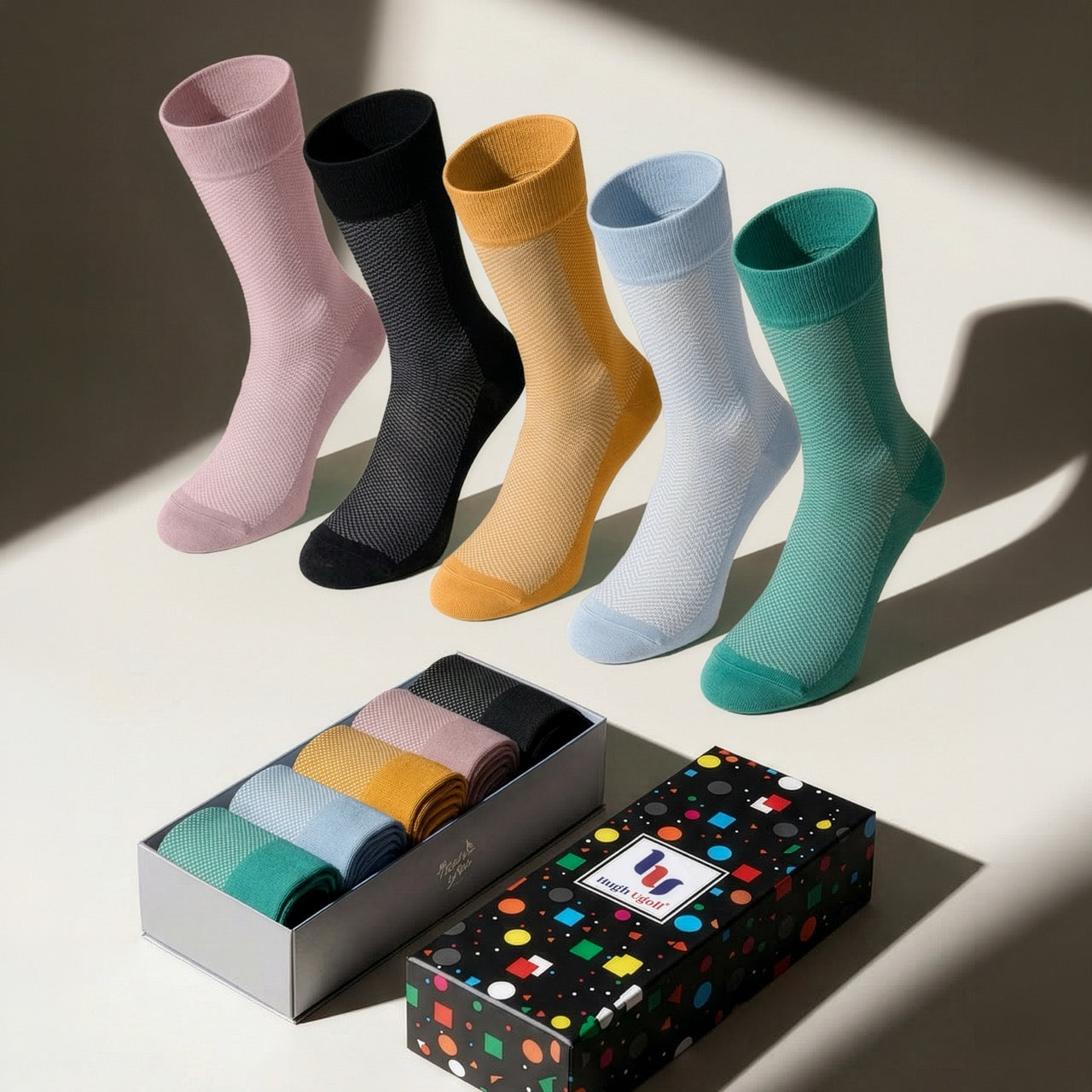
If you are shopping for a mail carrier, courier or driver you know, practical socks are a thoughtful peak-season gift. Look for a multi-pack so they can rotate pairs, mid-weight crew height, durable blends and comfortable tops. Our gift box collection and best sellers are good places to start. A note of thanks goes a long way too.
Pain that does not ease with rest, numbness, ongoing swelling, a blister that does not heal, or any sore that looks infected deserves a conversation with a healthcare provider. If you have diabetes or circulation concerns, check your feet daily and discuss footwear and sock choices with your care team. Workers who spend all day on their feet sometimes try to push through discomfort. Please do not.
What you do after the route matters nearly as much as what you wore during it. A short routine helps your feet recover for tomorrow:
Rotating work shoes helps too. Giving a pair a full day to dry means you start every shift with footwear that is not holding yesterday's sweat, and your socks start every shift from a better place.
Peak season is demanding on the people who keep packages and mail moving, and their feet bear a large share of that demand. The right socks will not do the route for you, but they can lower friction, manage moisture, add a little warmth and make it easier to stay comfortable from the first stop to the last. Choose mid-weight crew socks in fibers that suit your weather, keep a rotation going, carry a spare pair and give your feet the room they need. It is a small decision with a big payoff when you are on your hundredth stop of the day.
Mid-weight crew socks with cushioned heels and forefoot, a smooth toe and a non-squeezing top suit most walking routes. Wool blends work well in cold, wet weather.
Wool or wool blends handle cold, wet routes well, while cotton or bamboo blends can feel comfortable in heated cabs and dry weather. Avoid cotton alone in prolonged rain.
Keep at least five pairs in rotation so no pair is worn two days in a row, plus a spare in the vehicle.
Choose a well-fitting sock that stays in place and manages moisture, with a smooth toe seam. Address hot spots early and change damp socks.
A relaxed top avoids adding pressure at the calf, and many workers prefer it. Ongoing swelling or pain should be checked by a healthcare provider.

Discover All Hugh Ugoli Socks
Shop All Socks