Cart
0
You may also like
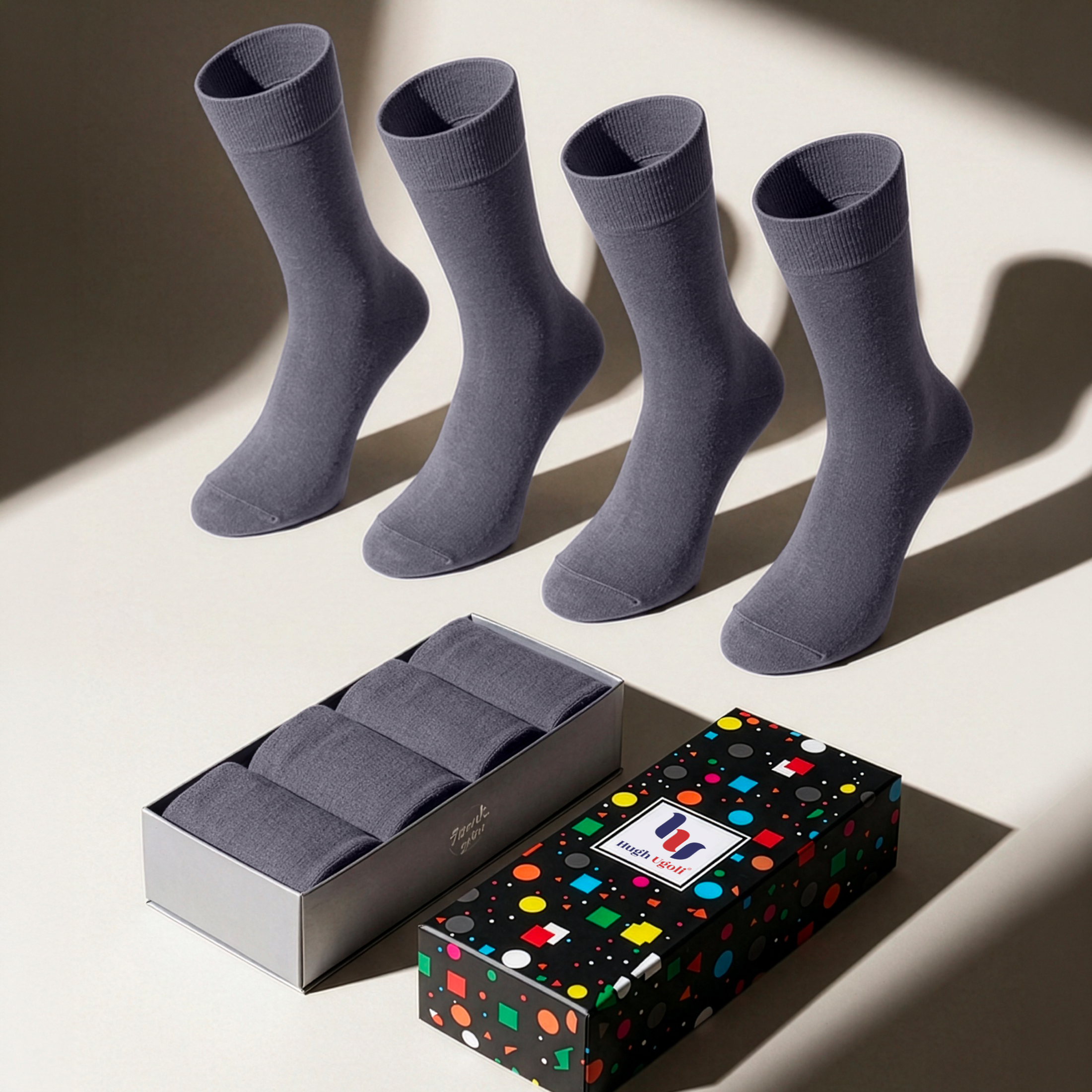
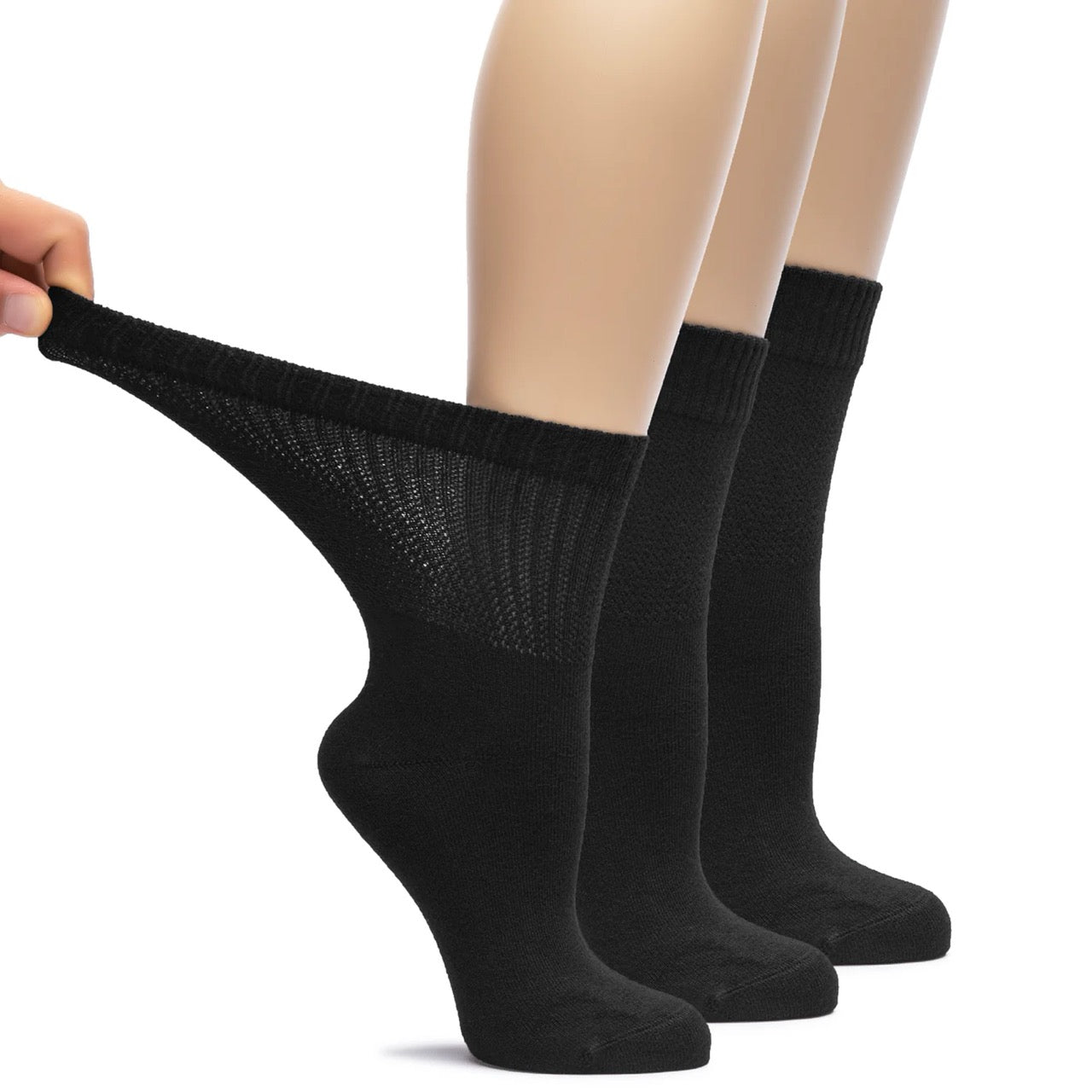

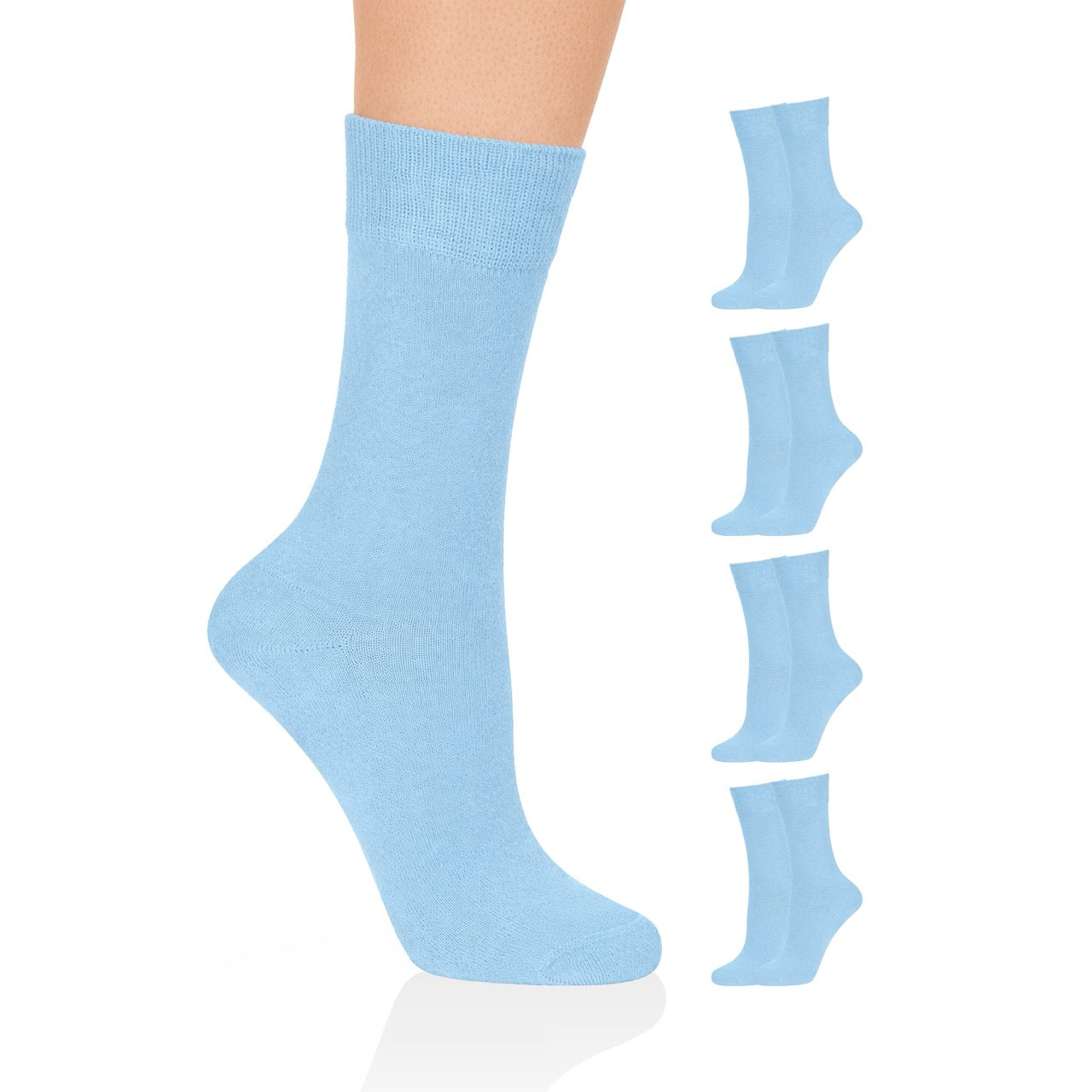
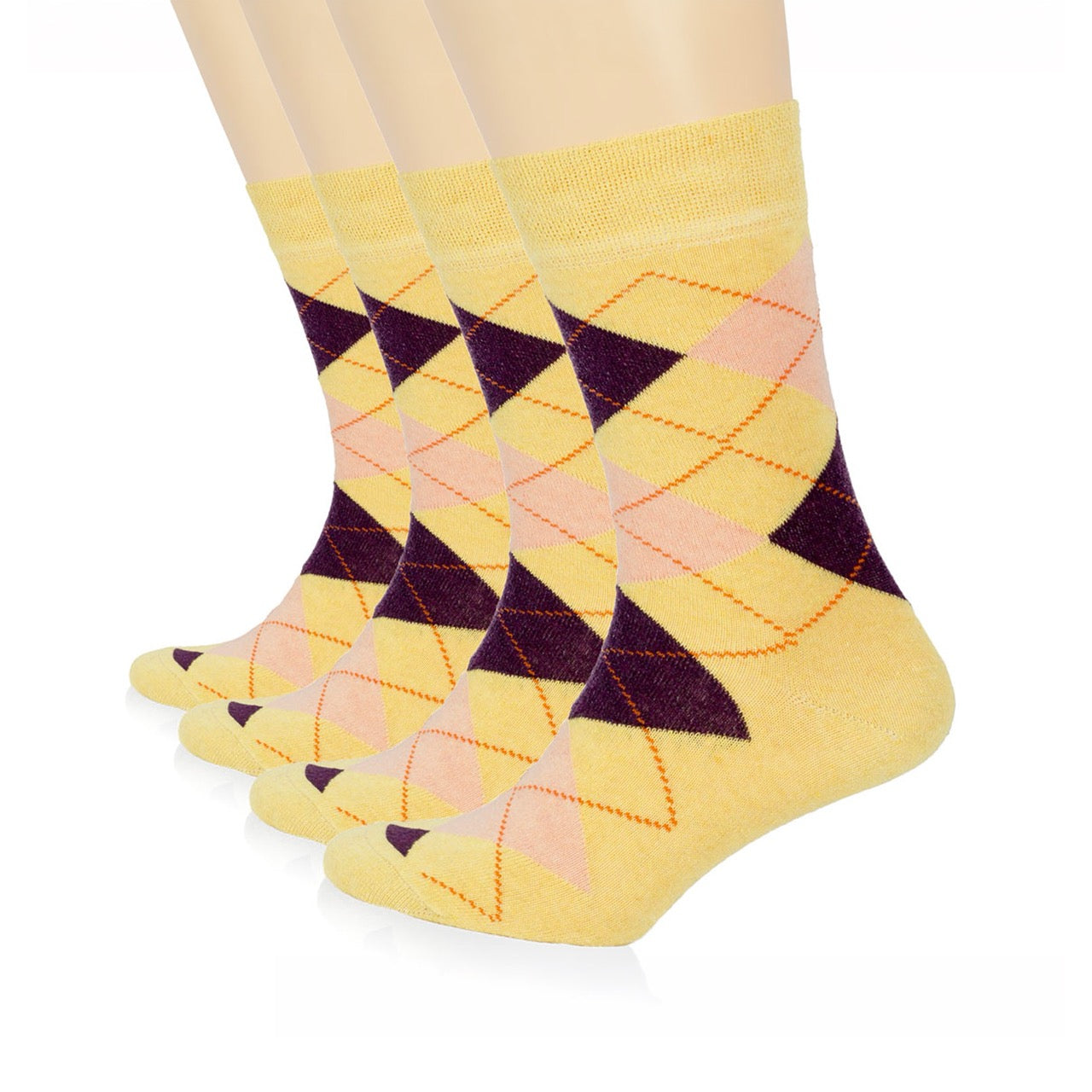
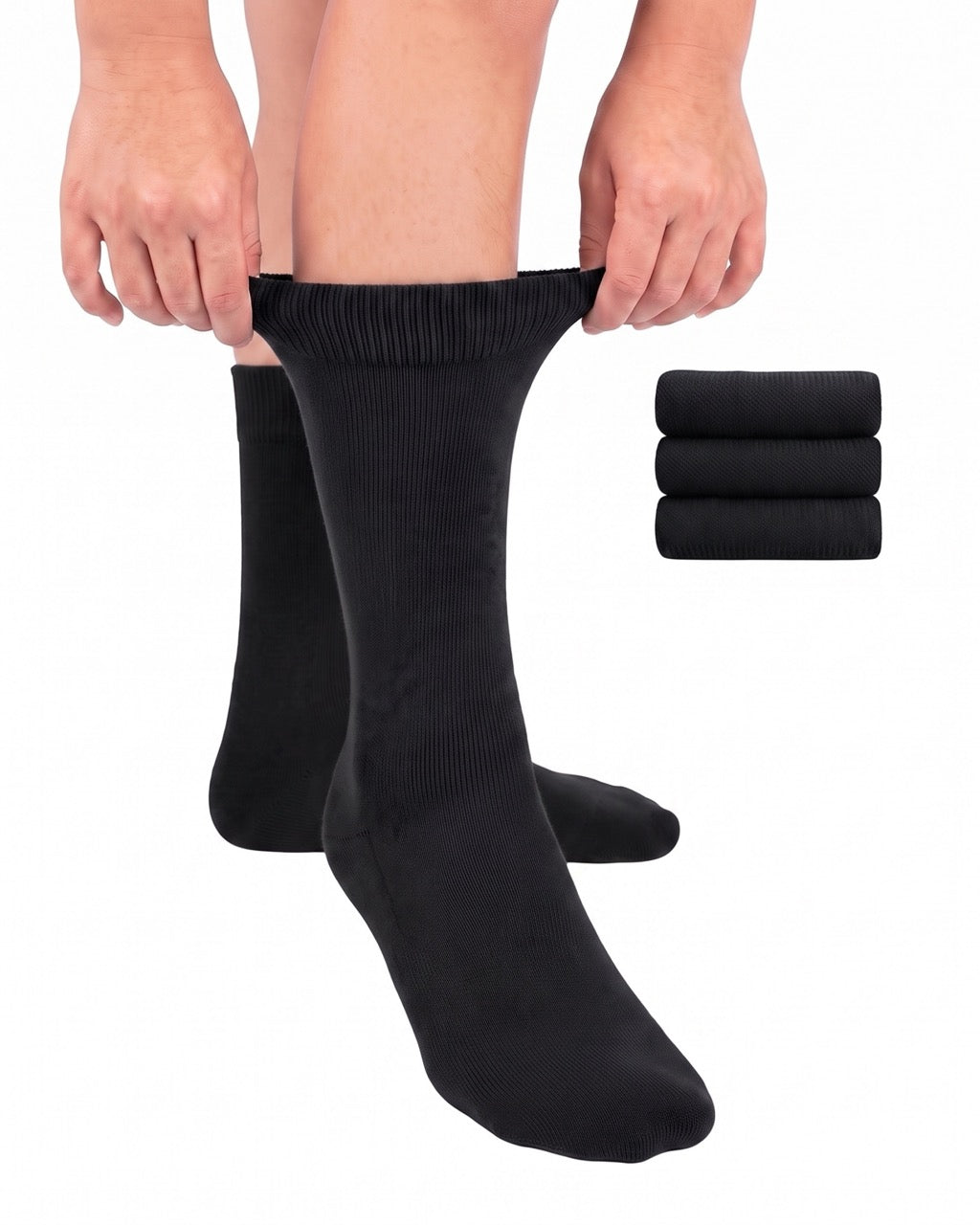
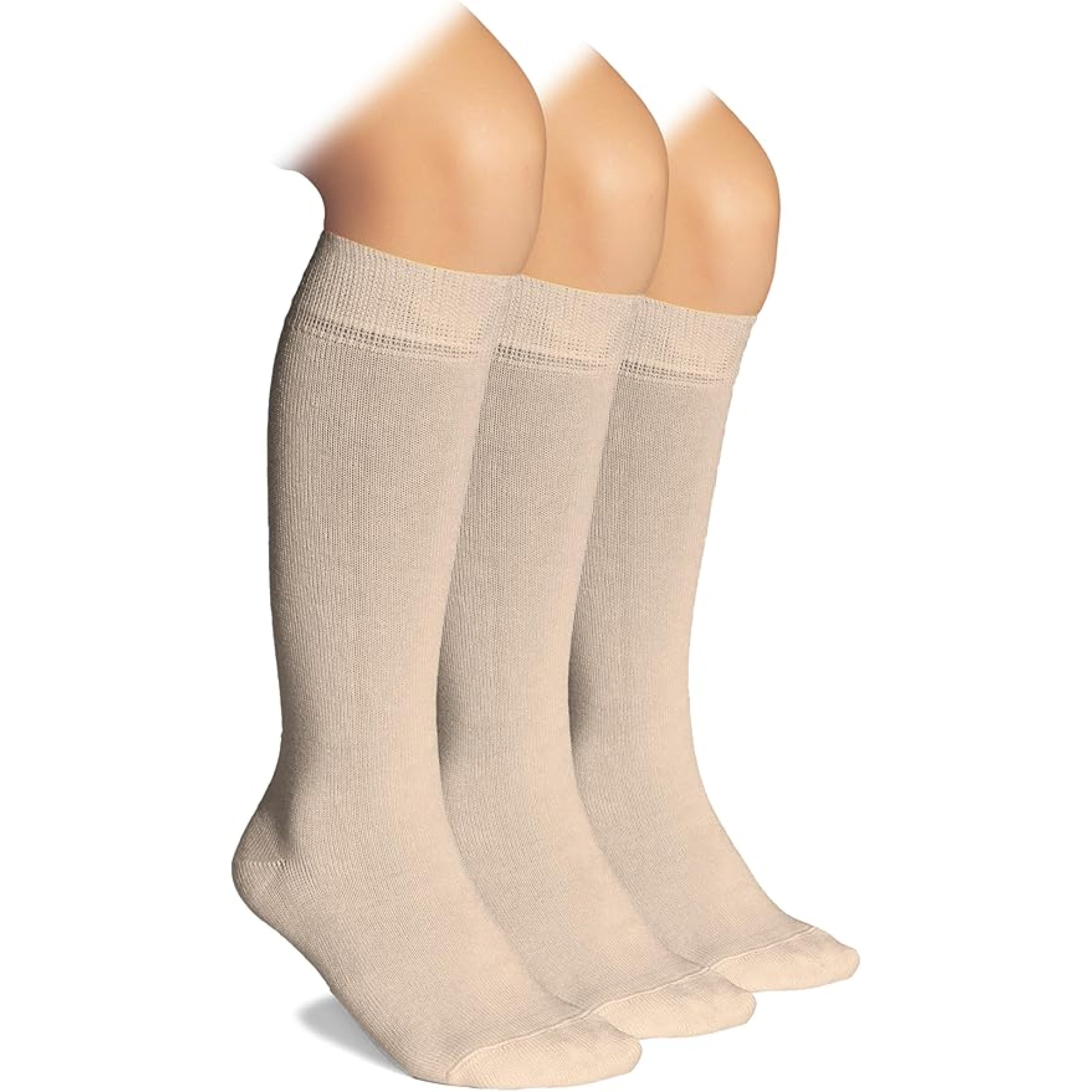


The best socks for standing all day combine five things: moderate cushioning at the heel and ball of the foot, moisture-wicking fabric such as bamboo or merino rather than plain cotton, a non-binding top band, a heel that grips so the sock does not slide, and a seamless or flat toe. Standing is harder on feet than walking because the calf muscle pump barely engages, so blood pools and ankles swell. Graduated compression in the 15-20 mmHg range helps if swelling is your main complaint; if it is foot fatigue, cushioned non-binding socks are usually enough.
Key Takeaways
Standing all day is one of those challenges that seems modest until you've actually done it for a full week at a new job, or started a routine that keeps you on your feet for eight or more hours. Retail workers, teachers, line cooks, hair stylists, factory workers, warehouse staff, and dozens of other occupations involve prolonged standing — often on hard concrete or tile surfaces. By the end of the day, the feet ache, the legs feel heavy, and the lower back registers its complaints. Footwear choices make a real difference here, and socks are a bigger part of that equation than most people realize. This guide covers what to look for in socks if standing all day is part of your regular life, which features matter most, and how to build a practical collection that keeps your feet comfortable through demanding shifts.
Standing on a hard surface for extended periods creates several biomechanical stresses that help explain why sock features matter so specifically:
These are the two primary impact points when standing. A sock with added cushioning in these areas creates a layer of shock absorption between foot and hard floor. For eight-plus hours of standing, even modest padding reduces cumulative stress substantially. Look for socks described as "semi-cushion" or "moderate cushion" rather than ultra-thin dress socks (insufficient) or heavily padded hiking socks (excessive bulk). The sweet spot is a cushion level that adds protection without meaningfully increasing thickness inside the shoe.
Standing for long periods in warm environments or closed footwear produces significant perspiration. A sock that retains moisture keeps the foot damp for hours — a setup for blisters, odor, and skin breakdown in people with diabetes or poor circulation. Cotton is the wrong choice here. Bamboo, merino wool, and technical synthetic blends all wick moisture away from the skin and release it more effectively.
Static standing reduces the pumping action of the leg muscles that aids venous return. A sock with a constrictive band at the ankle or calf compounds this by adding a physical restriction to circulation. Non-binding construction — where the top band is soft enough to hold the sock up without gripping — keeps blood circulating freely throughout the leg. This is especially important for people who stand predominantly rather than walk.
A sock that shifts inside a shoe while you're on your feet all day is a blister waiting to happen. Heel friction from a sliding sock creates the repetitive rubbing that eventually breaks the skin. Quality socks for standing work feature enough structure and friction at the heel to stay firmly in place through a full shift.
In fitted work shoes, a raised toe seam sits against the longest toe for the entire shift. Multiplied across eight or twelve hours, this is enough friction to cause real irritation. Seamless or hand-linked toes eliminate this contact point.
Graduated compression socks — which apply more pressure at the ankle and progressively less as they extend up the leg — are specifically designed to aid venous return during prolonged standing and reduce lower-leg swelling. They are widely used by retail workers, teachers, and others in standing occupations. Light to moderate compression (15–20 mmHg) is the range most commonly used for occupational standing fatigue without a specific medical indication.
Practical points about compression for standing work: put compression socks on in the morning before significant swelling develops; knee-high compression is more effective for whole-leg support than ankle-height; graduated compression is contraindicated for some conditions (peripheral artery disease, certain cardiac conditions) — check with a healthcare provider if you have circulatory concerns.
That said, compression isn't required for everyone who stands all day. If your main complaint is foot fatigue rather than leg swelling, well-cushioned non-binding bamboo socks may serve you just as well for daily use.

Retail workers typically stand on tile or concrete floors for shifts ranging from 4 to 12 hours. The priorities are cushioning at the heel and ball, moisture management, and a non-binding top. A bamboo crew or ankle sock with moderate cushioning fits most retail footwear. For longer shifts, mild compression is worth considering.
Kitchen workers stand on hard floors with the added factor of heat — kitchens are warm, which increases perspiration significantly. Moisture-wicking fabric becomes the top priority alongside cushioning. A well-fitted bamboo sock inside appropriate non-slip kitchen footwear is the standard approach.
Teachers often stand for long periods, walk continuously between desks, and may be on their feet during outdoor supervision. The combination of standing and walking makes moderate cushioning important. Crew-height socks work well with the range of footwear teachers typically wear.
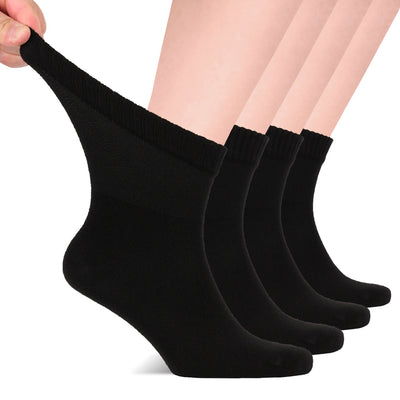
Standing on concrete for full shifts is standard in manufacturing and warehouse settings. Steel-toed boots or safety footwear further compress the foot, making sock construction — particularly seamless toes and precise sizing — more important than usual. The Hugh Ugoli Men's Lightweight Bamboo Diabetic Ankle Socks provide a well-cushioned, moisture-wicking foundation that pairs well with enclosed work boots — the non-binding band and seamless toe perform equally well whether or not diabetes is a concern.
For people whose work involves standing most of the day, consider 7–10 pairs minimum — enough to rotate through a full week without repeating. Keep work-specific socks separate from casual socks so you always have a full rotation available for shifts. Budget for annual replacement: even quality socks with regular standing-job use will compress and thin at the heel over time.
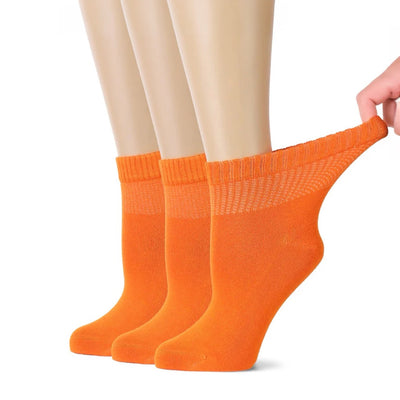
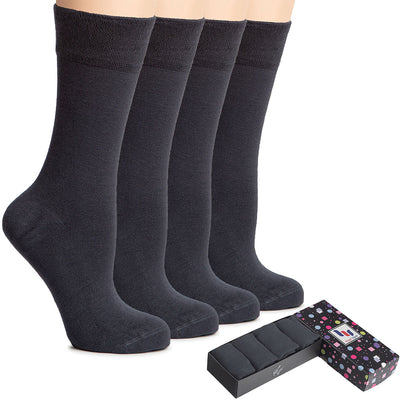
The Hugh Ugoli Women's Comfortable Diabetic Bamboo Ankle Socks for Swollen Legs are a strong option for women in standing occupations. The slightly thicker construction provides more cushioning than standard dress socks, the bamboo blend manages moisture effectively, and the non-binding top allows comfortable circulation. For women who prefer a crew height, the Hugh Ugoli Women's Dress Crew Bamboo Business Socks offer a taller cut with the same bamboo construction — appropriate for standing-heavy office environments or service roles with professional dress codes.
Socks alone don't resolve the challenges of standing all day. Pair them with: shoes with a cushioned midsole for primary impact absorption; arch support to reduce arch fatigue on flat hard surfaces; a firm heel counter to stabilize the foot and reduce blister-causing shifting; and replace work shoes when the midsole compresses. Anti-fatigue mats at workstations where static standing is common are worth using where available.
Brief foot elevation — raising feet above heart level for 15–20 minutes — after a standing shift helps reduce venous pooling and swelling. Gentle calf and foot stretches maintain flexibility in muscles that fatigue during prolonged standing. Changing out of work footwear promptly after a shift allows the shoe and sock to dry properly before the next use. Wearing the same shoes two days in a row without airing them out contributes to odor buildup and accelerates shoe breakdown.
This article is for general information and is not medical advice. Talk to your healthcare provider about your own feet.
Not necessarily — thickness alone doesn't determine quality. What matters is strategic cushioning at the heel and ball of the foot, moisture-wicking fabric, and construction quality. A moderately cushioned sock in the right fabric outperforms a thick sock in poor material. Very thin dress socks lack adequate padding; very thick hiking socks may not fit properly inside work shoes. The middle range — a semi-cushioned everyday sock in bamboo or merino — is typically the most practical choice.
Bamboo moves moisture away from the skin and releases it more readily than cotton, which keeps the foot drier through a shift and gives odour-causing bacteria less to work with. Compared to cotton socks that retain moisture, bamboo socks generally produce less odour at the end of a long day. Changing socks mid-shift is the most effective approach for very long shifts in warm environments.
Compression socks are designed to limit swelling from developing during the shift rather than to reverse swelling that has already occurred. For maximum benefit, put them on in the morning before starting work. If you are experiencing significant end-of-shift swelling regularly, it is worth discussing with a healthcare provider — persistent swelling can sometimes point to a circulatory condition worth evaluating.
Bunching is usually caused by a sock that is too large, so it stretches and loses structure, or by fabric that lacks enough elasticity to hold its shape. Choose socks sized to your shoe size rather than one-size-fits-all, and look for a small percentage of elastane (3-5%) for shape recovery. If socks bunch consistently in one particular pair of shoes, the shoe itself may be too wide or too long.
For daily use in a standing occupation, plan to replace your work sock rotation annually. Signs it is time: heel padding that has noticeably thinned, bands that no longer hold the sock up through a shift, visible thinning or holes, or fabric that has roughened significantly. Worn-out socks have lost the cushioning and moisture management you bought them for.
Discover All Hugh Ugoli Socks
Shop All Socks