Cart
0
You may also like
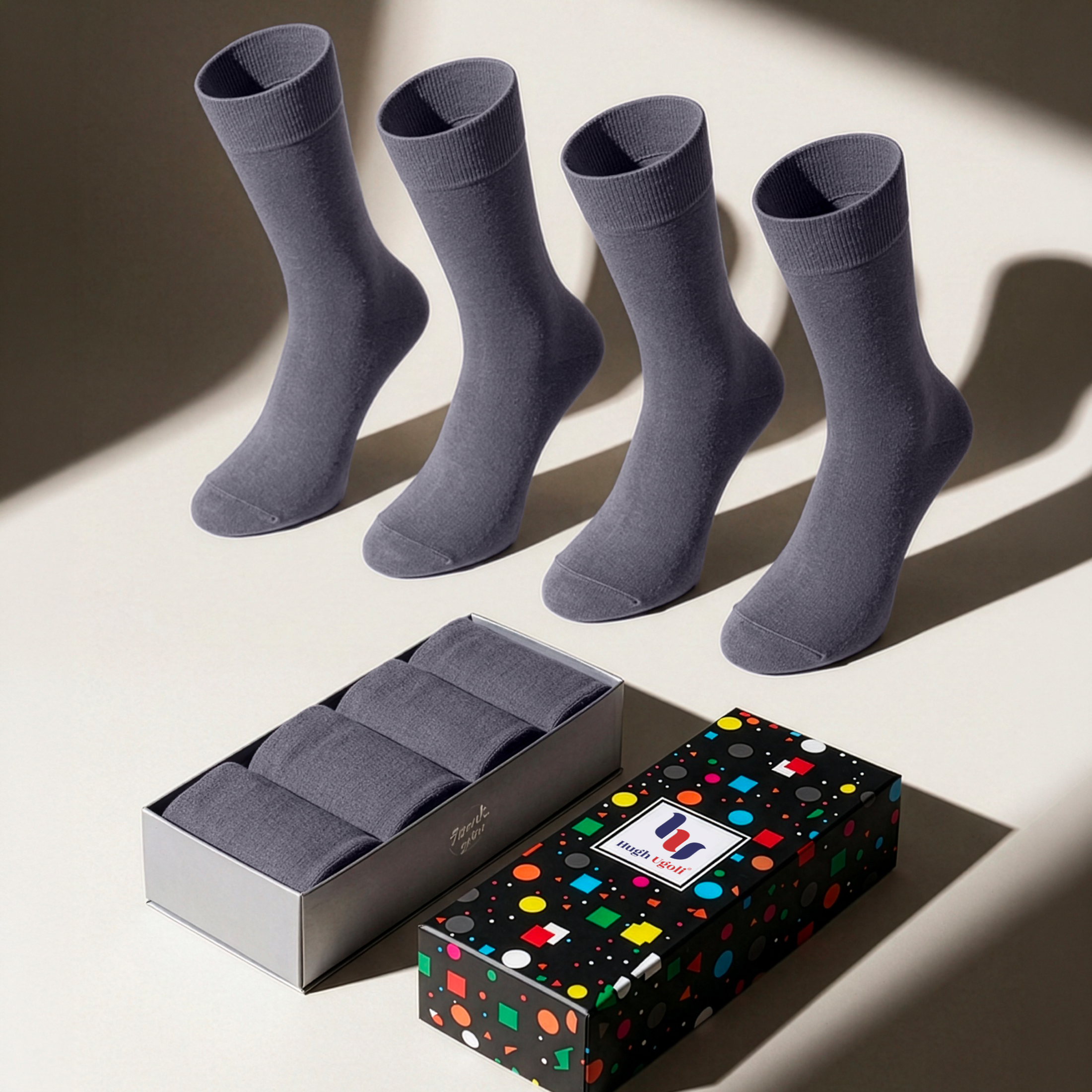
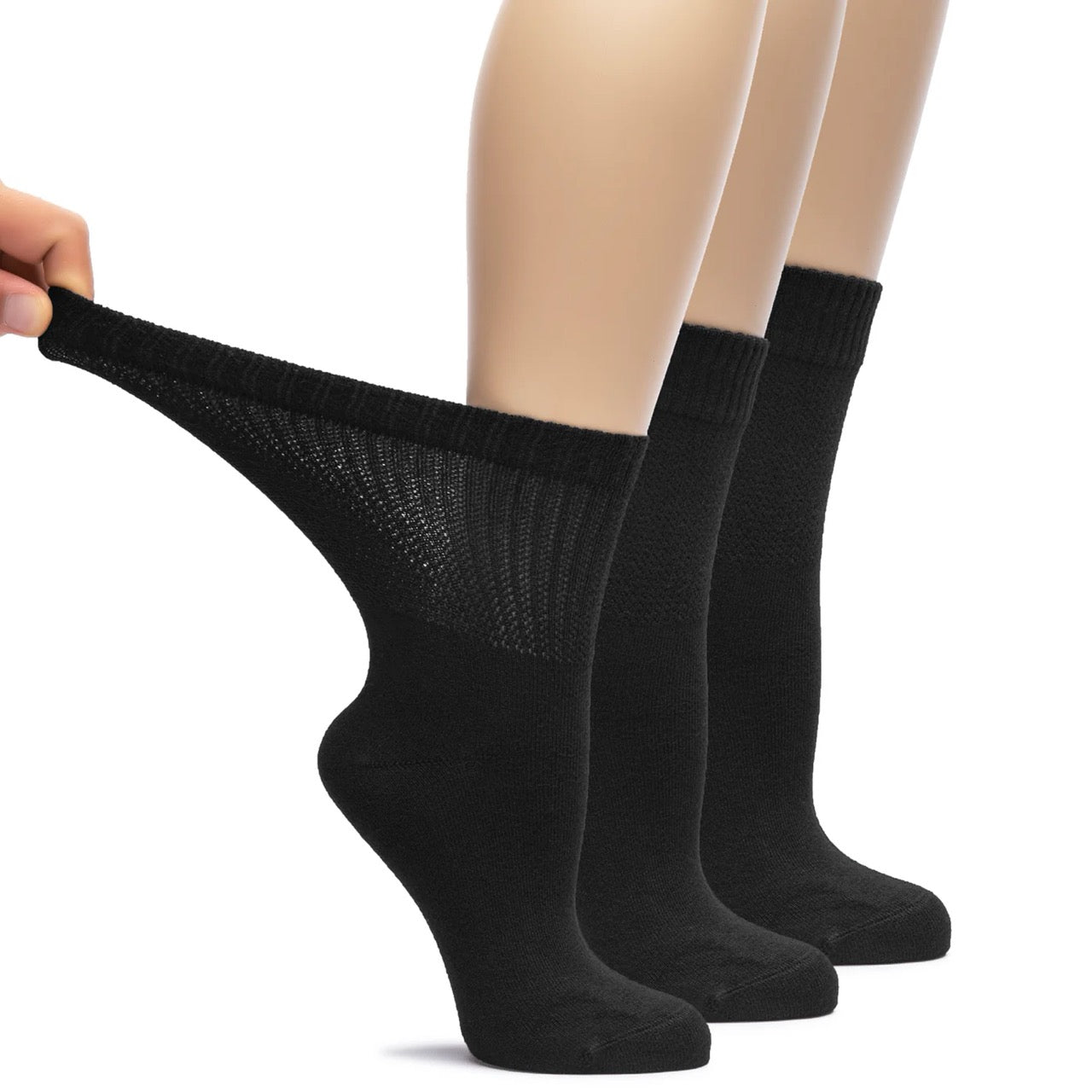
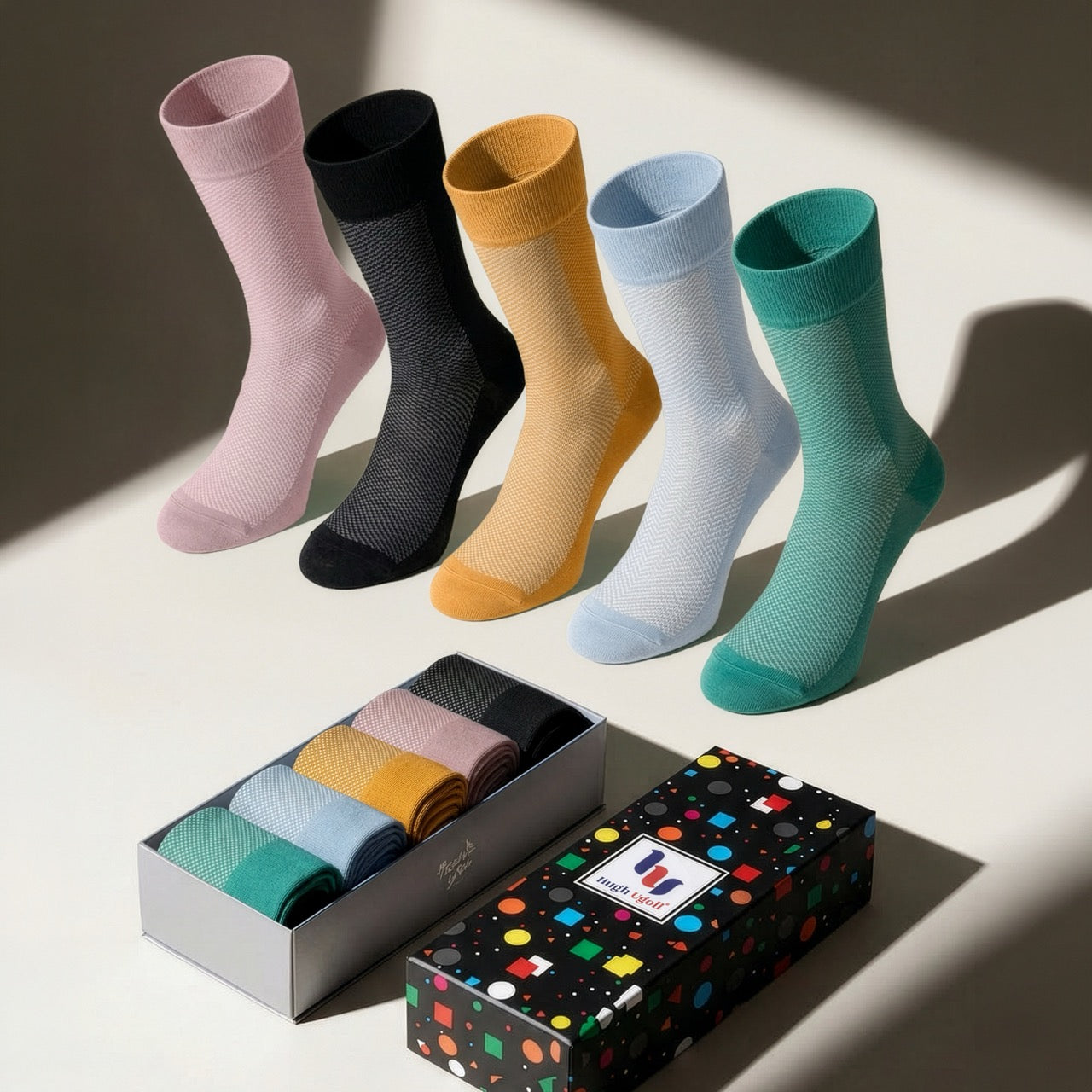
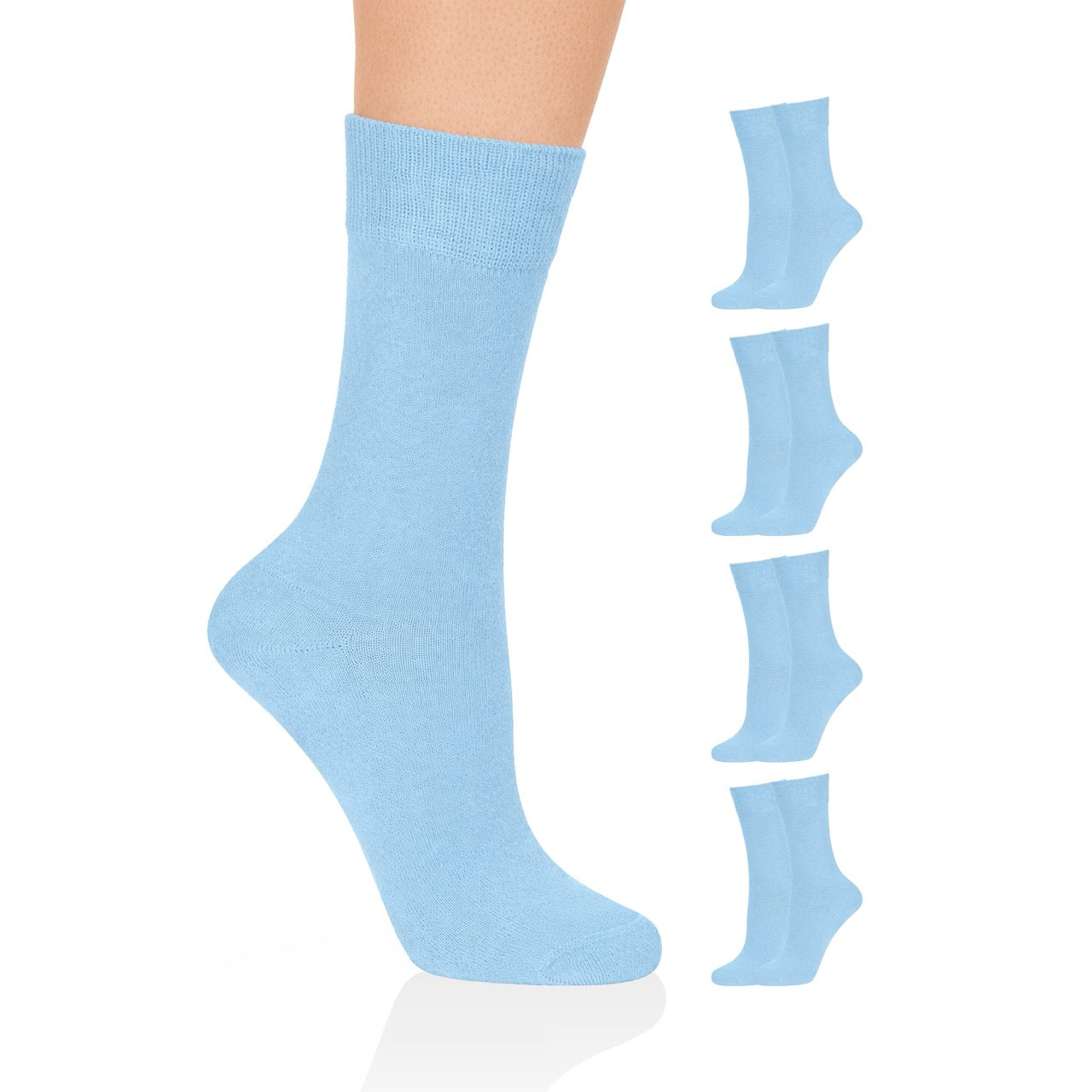
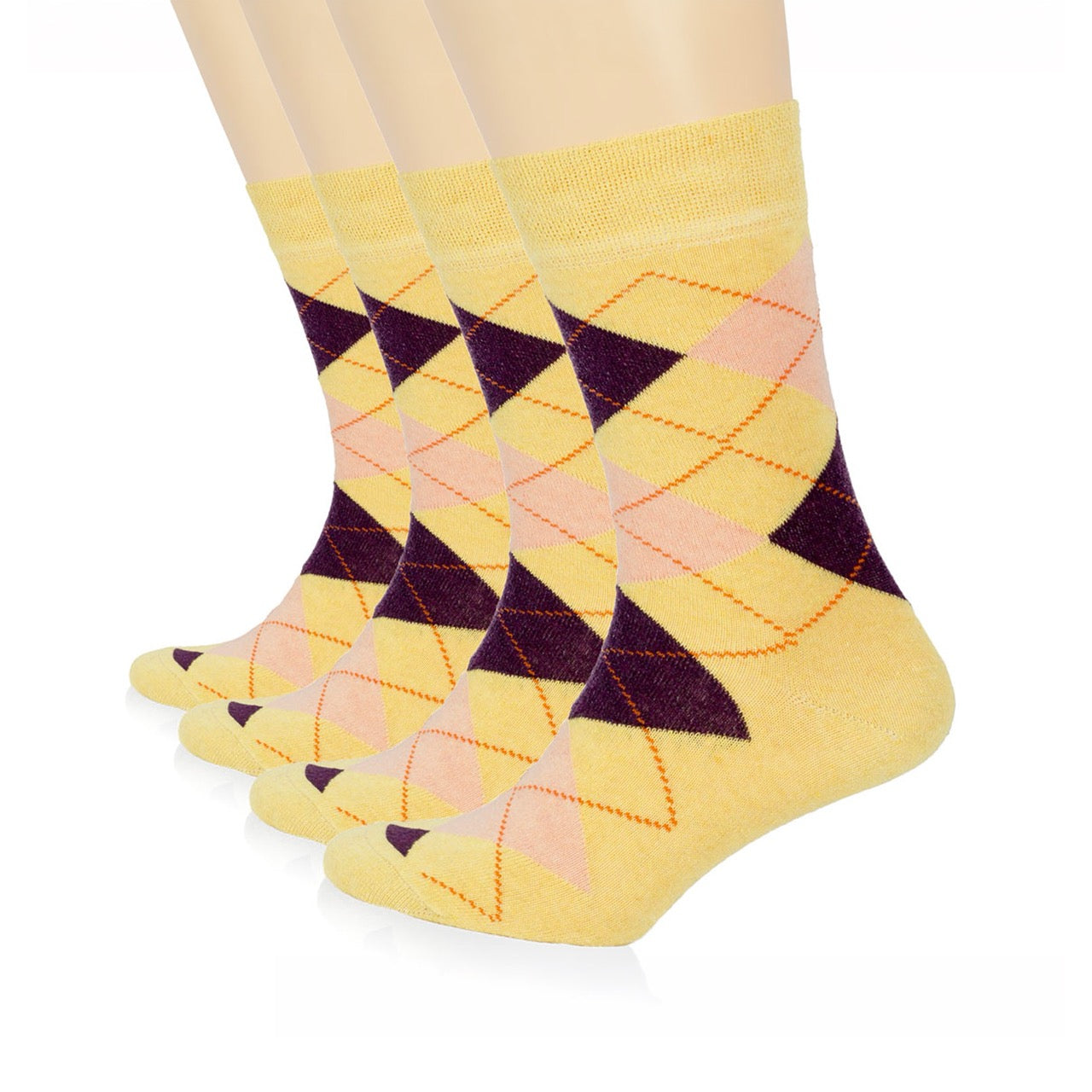
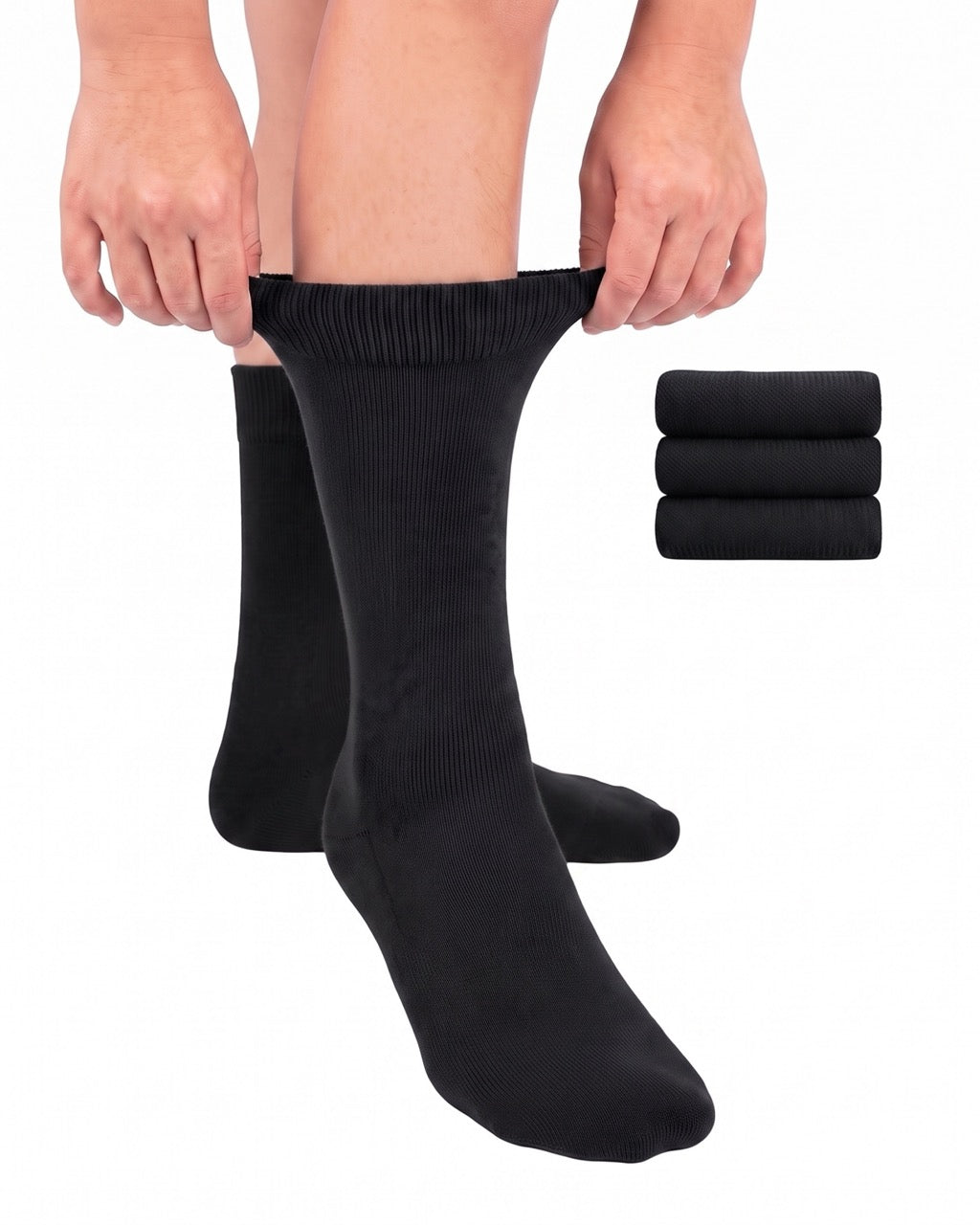
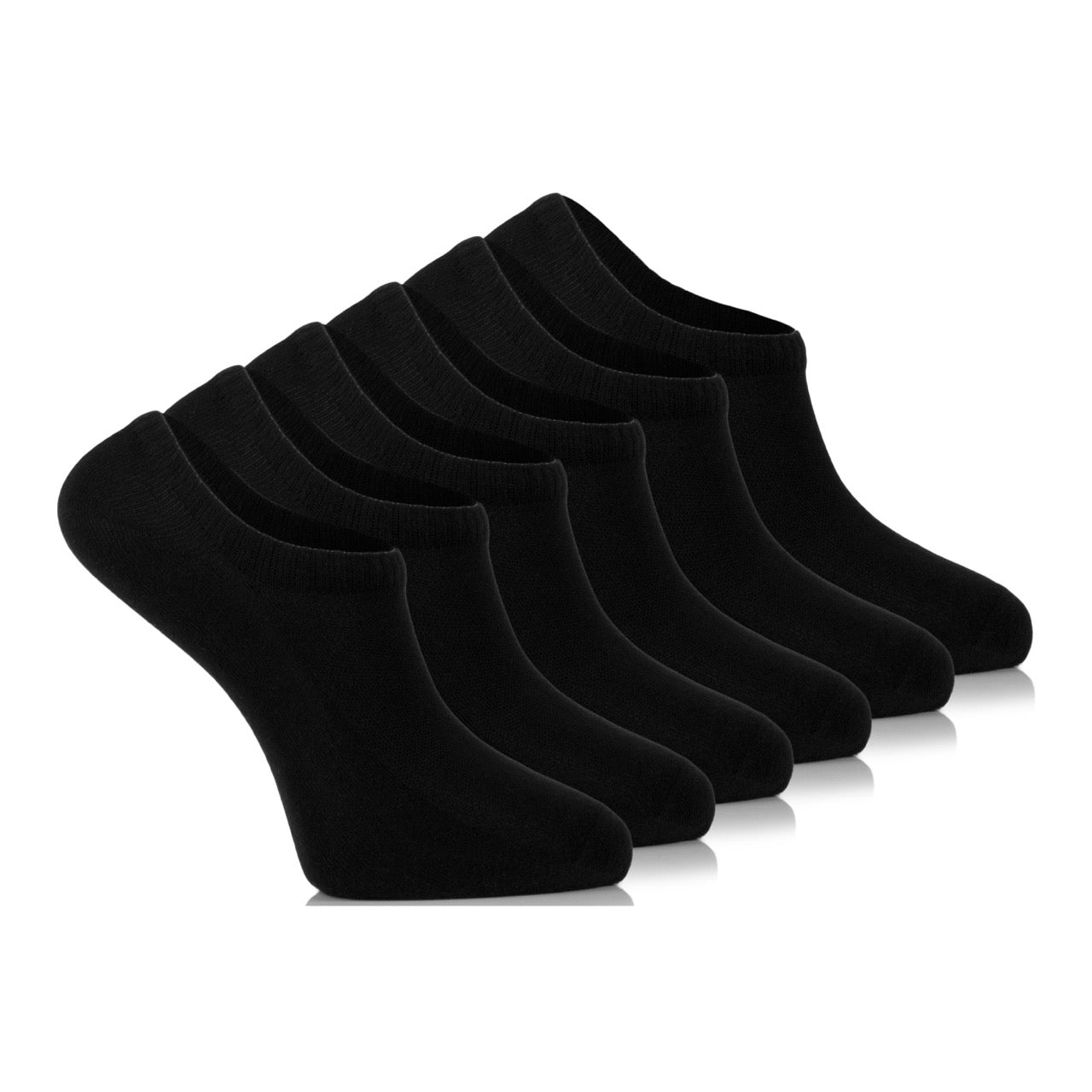
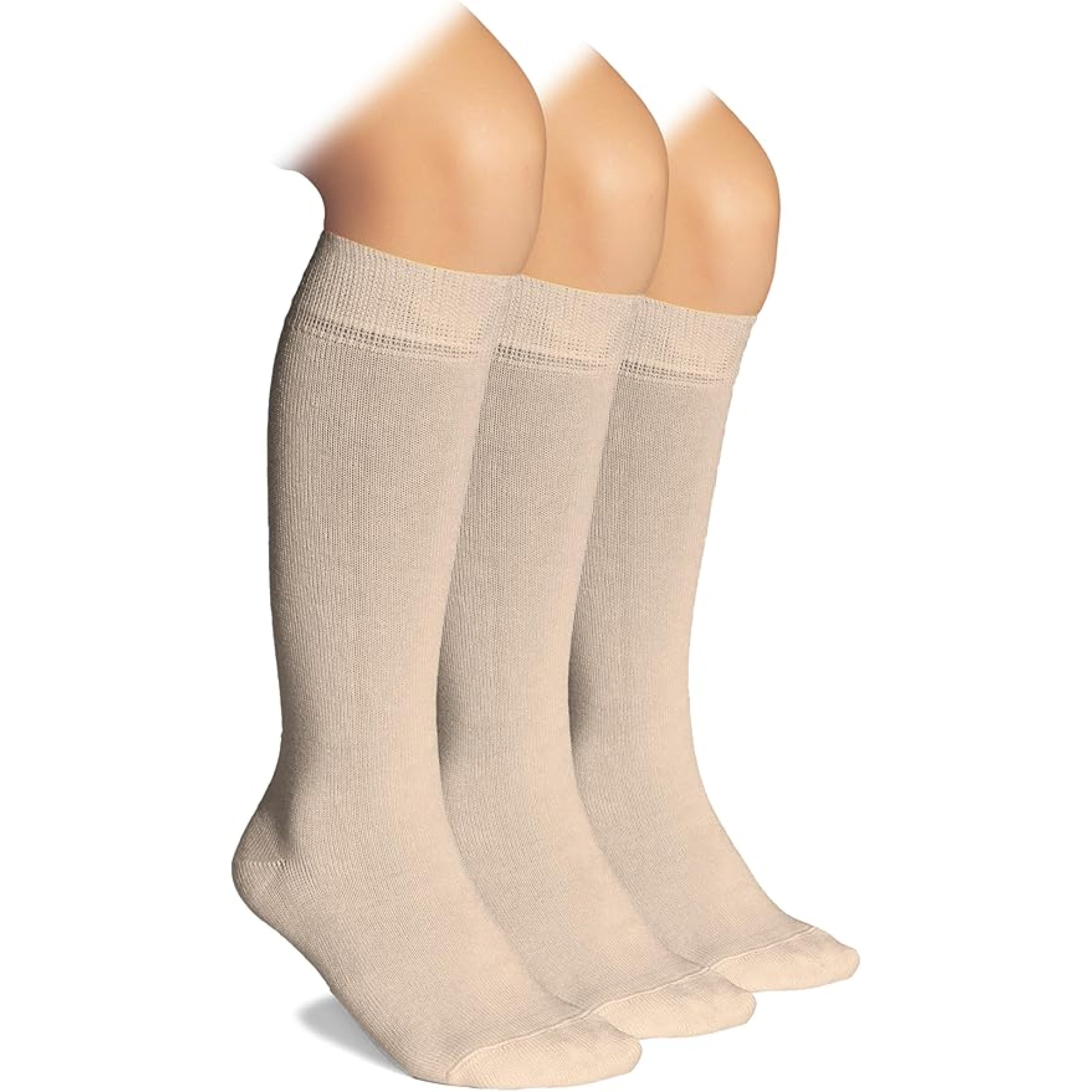


The best socks for retail work have cushioning at the heel and ball of the foot, a non-binding top that won't dig in as feet swell over a long shift, a seamless or flat toe, and breathable fibers like cotton, bamboo viscose or wool blends. Choose crew or ankle lengths for sneaker uniforms and cushioned dress crews for trouser-and-leather-shoe dress codes. On a double shift, changing into a fresh pair at your break is the single easiest improvement. Keep a rotation of eight to ten pairs and retire socks once the heel thins or the cuff stops holding.
Key Takeaways
If you work retail, you already know the real enemy of a long day is not the customers. It's the floor. Hours of standing at a register, walking the aisles, climbing stepladders in the stockroom and pacing between fitting rooms add up fast. By the second half of a double shift, feet are hot, sore and swollen, and the socks that felt fine at 7am are bunched, damp and digging in.
Shoes get most of the attention when people talk about working on their feet. But socks are the layer that sits directly against your skin for twelve or more hours, and they have a lot to do with how your feet feel at closing time. This guide covers what retail work actually does to your feet, which sock features matter most for long shifts, how to handle dress codes, and how to build a small sock rotation that holds up through holiday season.
Retail combines two things that are hard on feet: long periods of standing still and frequent short bursts of walking, often on hard floors.
Standing at a register or a service counter keeps your weight on the same parts of the foot for long stretches. Your calf muscles aren't moving much, so fluid tends to settle in the lower legs and feet over the course of the day. That's why shoes and socks often feel tighter in the afternoon than they did in the morning.
Most shop floors are concrete, tile or thin commercial carpet over concrete. They are easy to clean and hard on joints. Every step lands on a surface that doesn't absorb any of the impact.
Stores are warm, especially in winter when heating is on and you are moving around. Feet sweat. Damp socks create more friction, and more friction means hot spots and blisters, particularly at the heel and the toes.
A single eight-hour shift is manageable in most socks. A double shift, often 12 to 16 hours, is where cheap socks give out. The cuff stretches and slides, the heel moves out of position, the fabric thins at the ball of the foot, and swelling makes a snug sock feel tight.

You don't need a thick sock everywhere. You need padding at the heel and the ball of the foot, which are the two areas that take the most load when you stand. A semi-cushioned sole gives you that support without making your shoes feel tight. Fully cushioned hiking-style socks are usually too warm for indoor retail work.
Because feet and ankles tend to swell over a long shift, a tight elastic cuff that feels fine at the start of the day can leave a deep ring by the end. Look for socks with a non-binding top, a wider, softer band that holds the sock up without squeezing. This is one of the most noticeable differences on a double shift.
A bulky seam across the toes is a small irritation at the start of a shift and a real problem twelve hours later. A seamless or flat-linked toe removes that ridge. If you wear slim dress shoes as part of a uniform, this matters even more.
Cotton is comfortable and breathable, especially in blends. Bamboo viscose has a soft, smooth feel many people like for long days indoors. Wool blends are warmer and handle moisture well, which makes them useful for stockroom work in cold weather or for stores near constantly opening doors. Heavy acrylic socks tend to trap heat and feel clammy after a few hours.
A sock that is too big bunches under your foot and creates friction points. A sock that is too small pulls on your toes and wears out quickly at the heel. Check the size chart for the exact style you're buying rather than assuming one size fits.
| Sock length | Best for | Watch out for |
|---|---|---|
| Ankle / quarter | Sneaker-based uniforms, warm stores, stockroom and warehouse areas | Heel slip if the sock is too low for your shoe |
| Crew | Most retail uniforms; gives a bit of warmth and protection from shoe collars | Cuffs that tighten as the day goes on |
| Dress crew | Department stores, luxury retail, banking-style uniforms with trousers and leather shoes | Thin soles with no cushioning |
| Knee-high | Skirt uniforms, cold stores, tall boots | Tight bands behind the knee |
Dress codes vary a lot. A sporting goods store may be happy with sneakers and ankle socks. A department store may expect dark trousers, leather shoes and dark dress socks. A few practical tips:
Even the best sock can't fully make up for shoes that don't fit or have lost their support. A few things to check:
Thicker socks change how a shoe fits. If you switch from thin dress socks to cushioned ankle socks, your shoes may feel tighter. Try both with the shoe before a long shift.
One of the most effective habits for long days is also one of the simplest: change your socks at your break.
By the midpoint of a double shift, your socks have absorbed hours of sweat. Damp fabric creates more friction, loses some of its cushioning, and makes feet feel hotter. Changing into a fresh, dry pair gives your feet a reset. Many retail workers who try this say it is the single biggest improvement to how their feet feel at closing time.
If you work five shifts a week and do occasional doubles, a rotation of about eight to ten pairs is practical: enough to cover a week, spares for mid-shift changes, and a buffer so you aren't washing socks every night.
Retire socks when the heel or ball of the foot is visibly thinner, the cuff no longer holds, or the sock has stretched out of shape. Worn socks lose cushioning and move more inside the shoe, which is exactly what you don't want on a double shift. Our guide to how many washes a good pair of socks should last can help you judge when it's time.
When you can, shift your weight from foot to foot, rise onto your toes a few times, or walk a short loop. Movement engages the calf muscles and can help reduce that heavy-legs feeling at the end of the day.
If your store provides mats at registers or service counters, use them. If it doesn't, it is worth asking. They make a noticeable difference for long periods of standing in one spot.
Aching feet after a long shift are common. Persistent heel pain in the mornings, swelling that doesn't go down overnight, numbness, or pain that gets worse over several weeks are worth mentioning to a doctor or podiatrist.
Not every retail job is the same on the feet, and it's worth tuning your socks to the part of the store where you spend most of your time.
Long stretches of standing in one spot. Cushioning under the heel and ball of the foot matters most here, along with a soft top that won't tighten as your ankles swell. If your store allows it, an anti-fatigue mat and a sock with a semi-cushioned sole make a good pair.
More walking, more turning, more crouching to restock low shelves. A sock that stays put is the priority, so check that the heel pocket sits exactly on your heel and that the sock is the right size. Bunching is what causes blisters on a busy floor.
Heavier lifting, ladders, cold loading docks and often safety shoes or boots. A slightly warmer crew sock in a wool blend works well in winter, and a crew length protects your ankles from the collar of a stiffer work shoe.
For retail workers, November and December are the ultimate double-shift season. Longer hours, busier stores, more stock to move and less time to rest. A few extra steps help:
Retail shares a lot with other on-your-feet jobs, but the mix is slightly different. Chefs and restaurant staff deal with more heat, wet floors and slip-resistant shoes. Nurses combine long shifts with more walking and often compression. Teachers stand for long periods but have more chances to sit. If you want to compare, our guides to socks for chefs and restaurant staff and socks for nurses and healthcare workers cover those settings, and our general guide to the best socks for standing all day pulls the common principles together.
Retail work puts steady, repetitive stress on your feet, and double shifts magnify every weak point in your socks. The good news is that the fix doesn't have to be complicated: cushioning where your weight lands, a top that doesn't squeeze, a smooth toe, breathable fibers, and a fresh pair halfway through the day. Get those right, and closing time feels a lot less like a countdown.
Browse our women's socks and men's socks to build a rotation that fits your uniform.
Socks with cushioning at the heel and ball of the foot, a non-binding top, a seamless toe and breathable fibers like cotton or bamboo viscose. Choose the length and color to match your store's dress code.
Yes, if you can. Changing into a fresh, dry pair at your break reduces friction and heat, and many retail workers find it makes a noticeable difference to how their feet feel at closing time.
Not necessarily. Targeted cushioning at the heel and ball of the foot is usually better than a thick sock everywhere, which can make shoes tight and feet hot in a warm store.
Dark dress crew socks that match your trousers are the safe default for most dress codes. Look for dress socks with some sole cushioning and a comfortable top, and buy several identical pairs.
For five shifts a week with occasional doubles, eight to ten pairs covers the week, allows for mid-shift changes, and means you aren't washing socks every night.
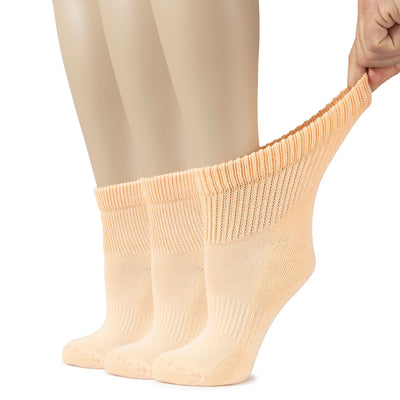
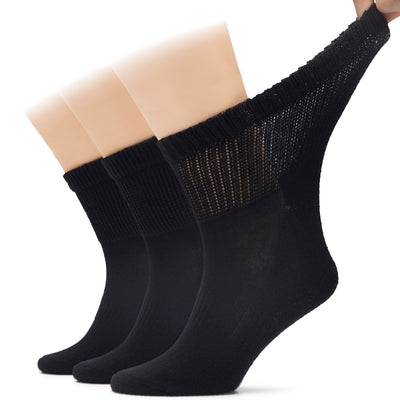

Discover All Hugh Ugoli Socks
Shop All Socks