Cart
0
You may also like
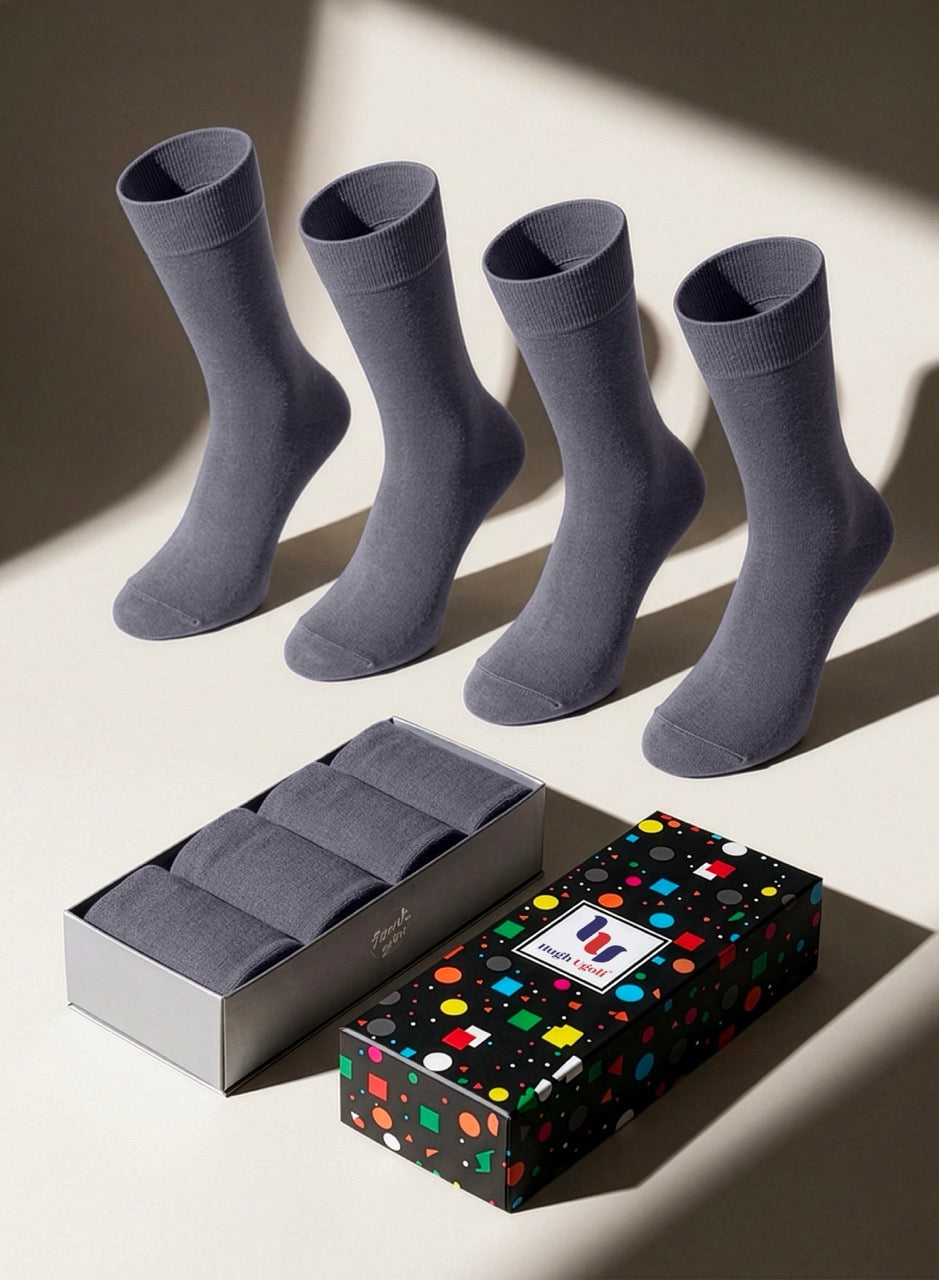
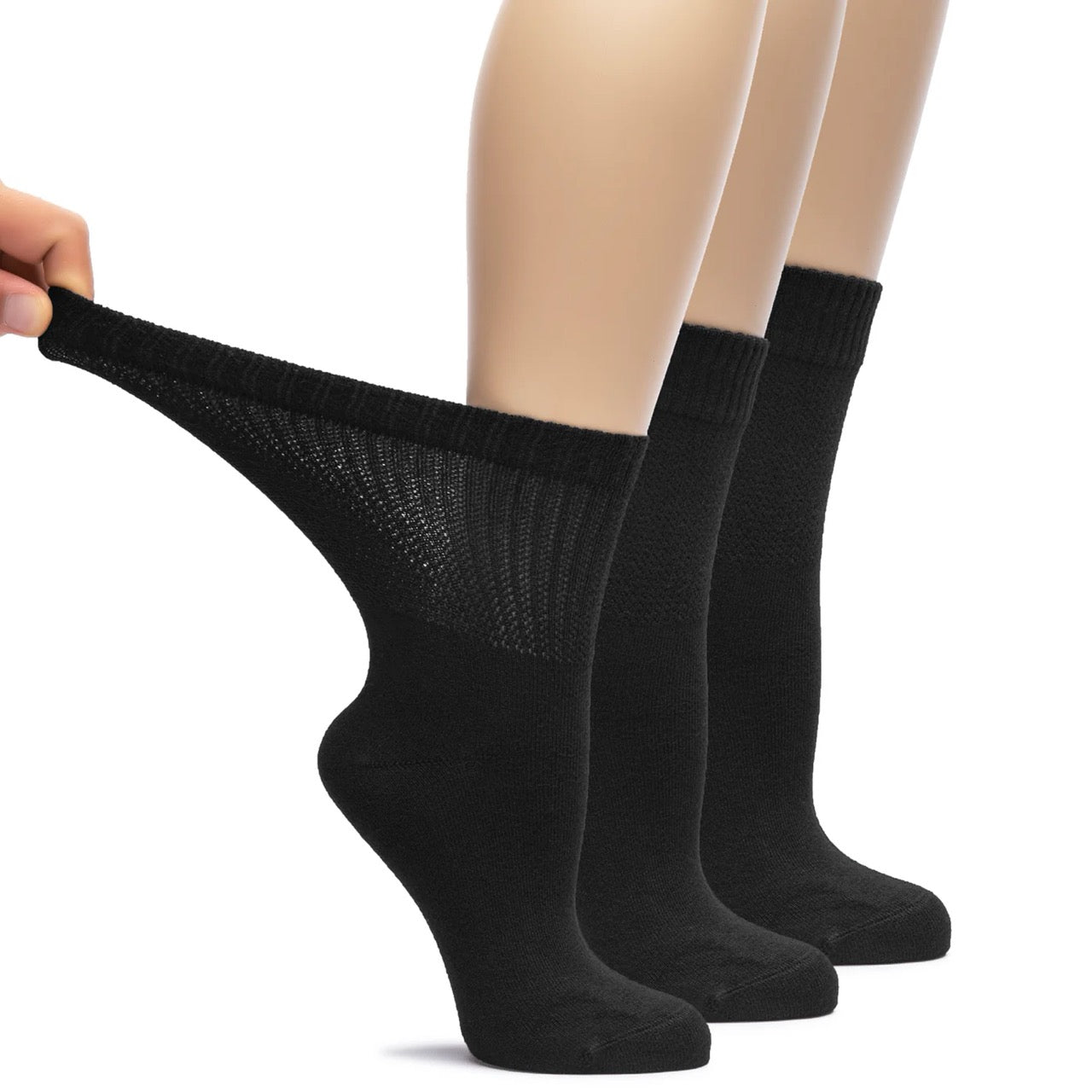
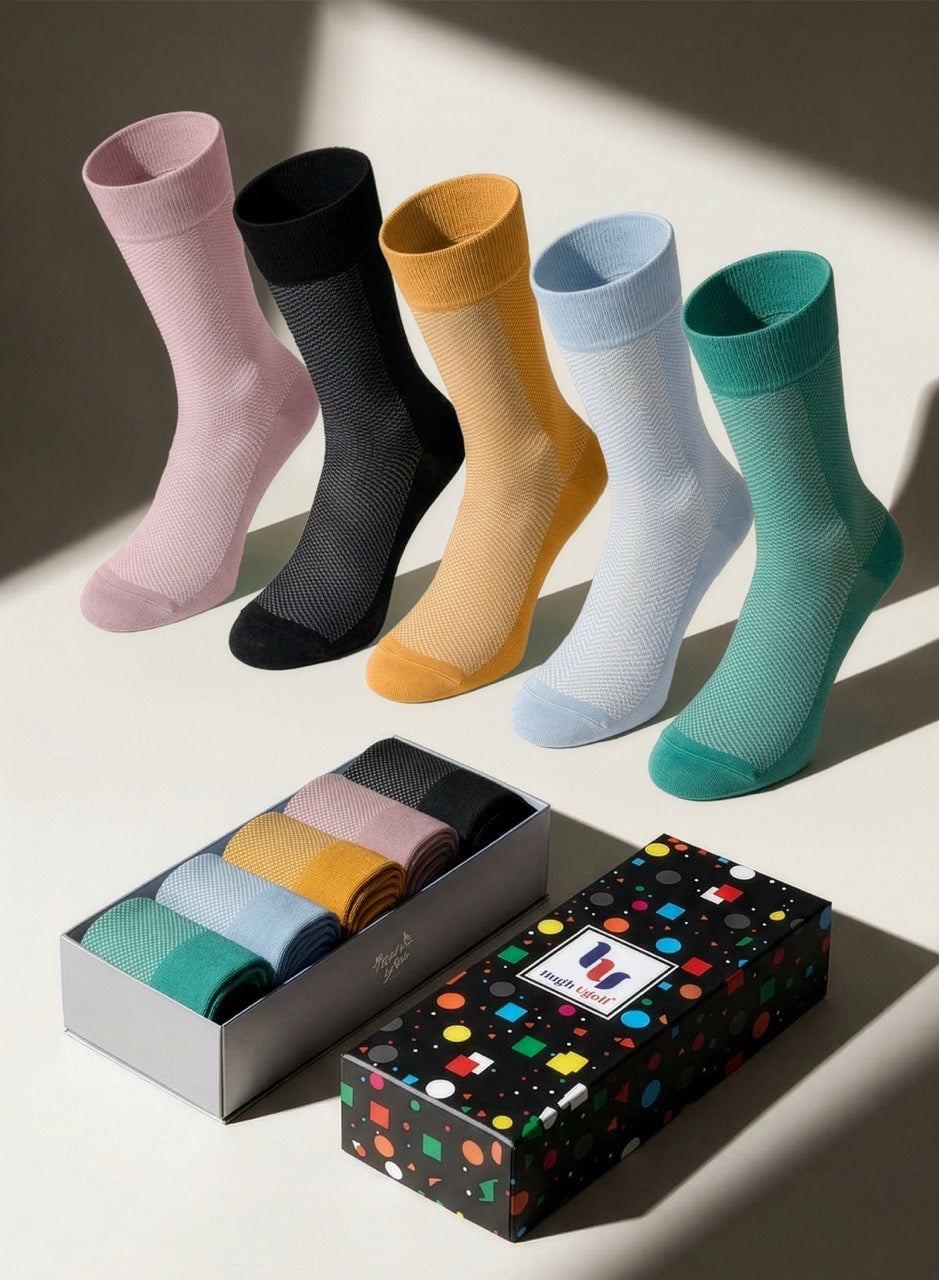
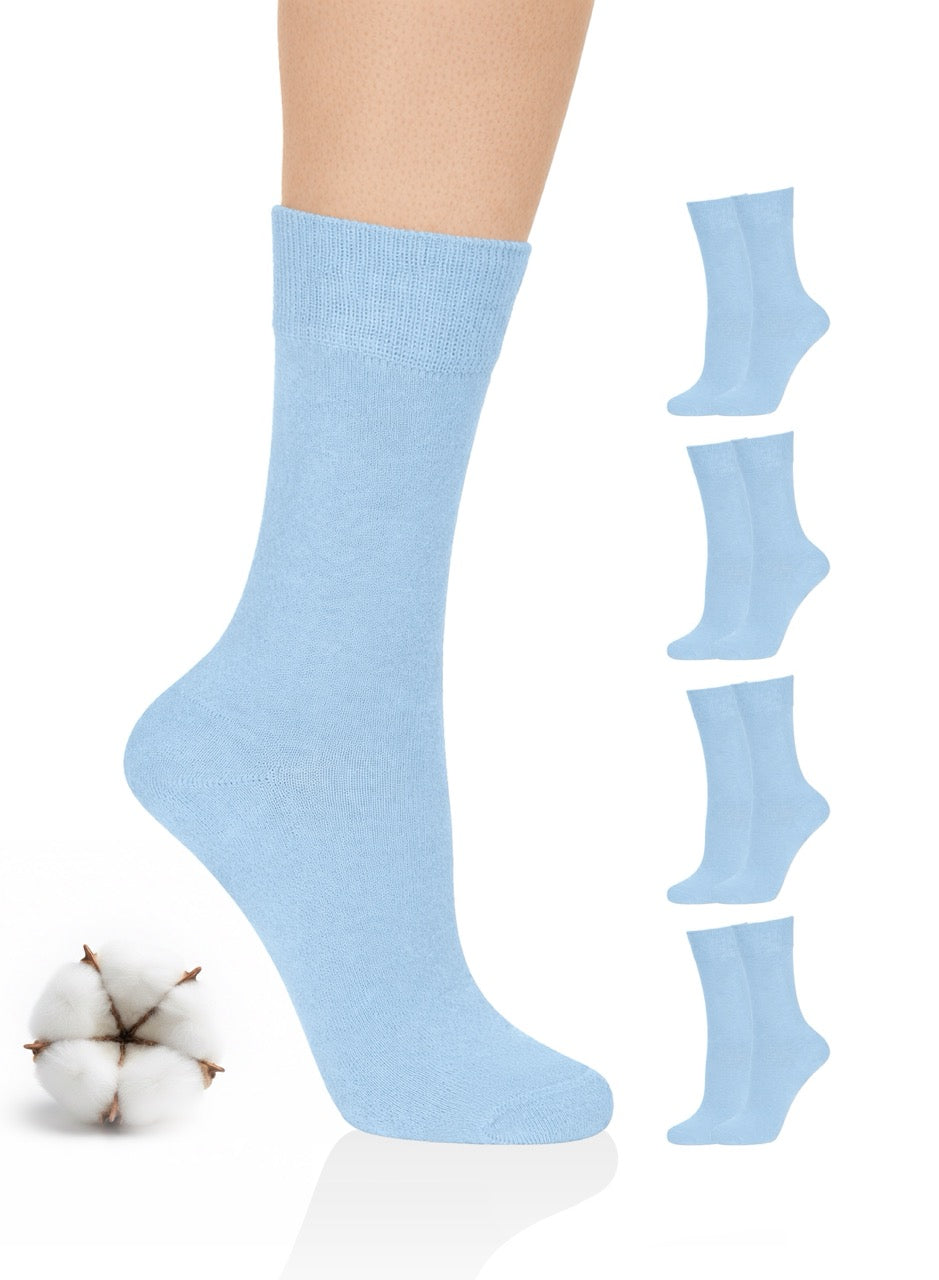
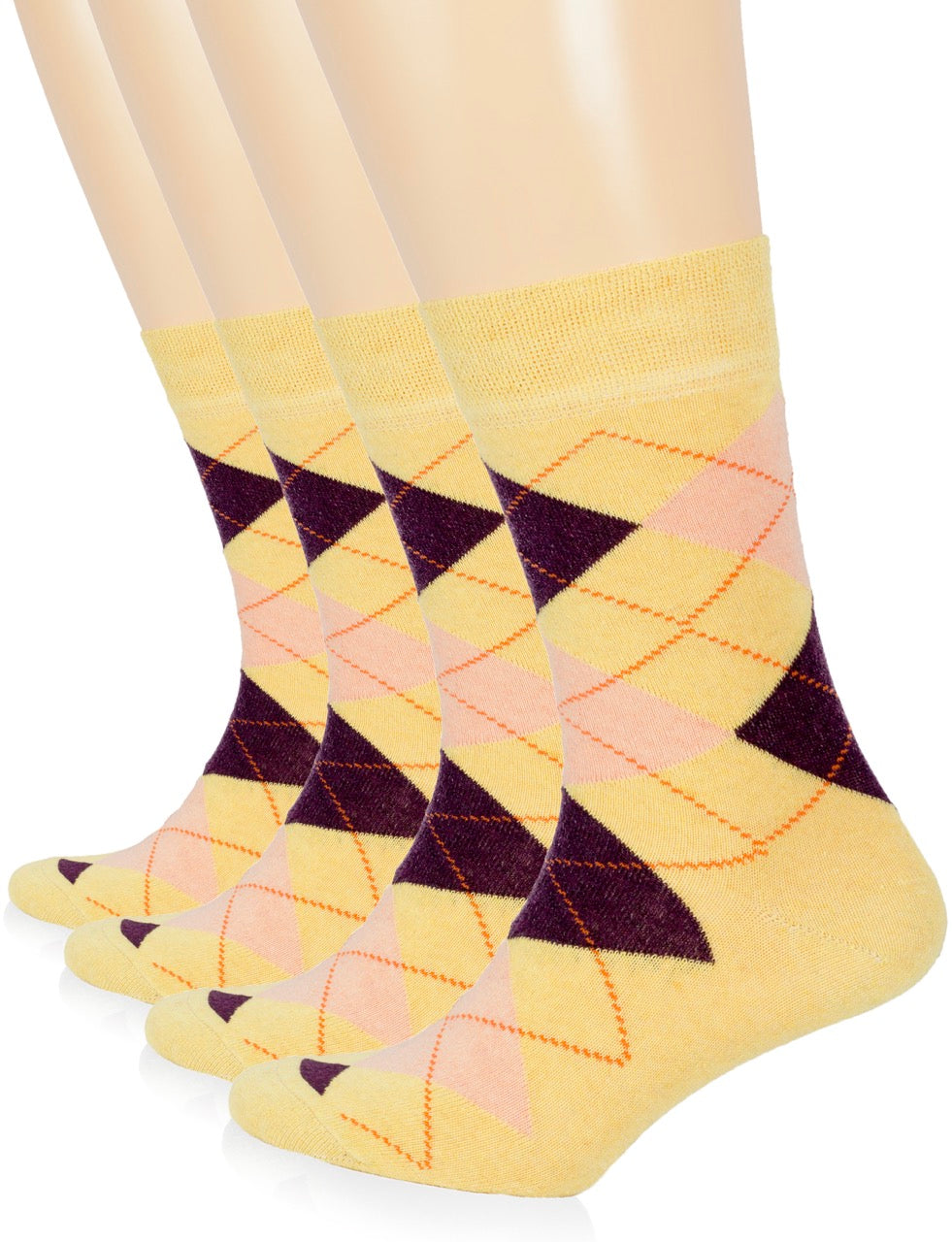


Cotton has a long-standing reputation as the natural, breathable, skin-friendly choice for almost everything you wear close to your body. That reputation is well-earned in some contexts, but when it comes to socks specifically, it's only part of the story. Whether cotton is the healthiest option depends heavily on what you're doing, the climate you're in, and what your feet actually need, and in some situations, cotton is quietly the worst fiber you could choose.
Here's a more complete look at where cotton earns its reputation, where it falls short, and what the alternatives actually offer.
Cotton's association with health and comfort is largely rooted in its natural origin and its softness against skin. Compared to early synthetic fabrics, cotton was genuinely more breathable, more comfortable, and less likely to cause irritation. It also became the default mass-market sock fiber for decades, which meant that for most people, cotton simply became what socks were made of, and anything other than cotton felt like a deviation from normal.
The "natural equals healthy" assumption also reinforced this. Wool felt scratchy. Early synthetics felt sweaty. Cotton felt soft, familiar, and safe, and that perception stuck long past the point where alternatives had improved significantly.
Cotton genuinely is a good choice in the right circumstances, and it's worth being specific about what those circumstances are.
For a day spent mostly at a desk or in light activity, cotton performs well. It's soft, it breathes adequately in moderate temperatures, and it's generally gentle enough for most skin types. The limitations of cotton tend to show up when things get more demanding, not during an ordinary office day.
Cotton's biggest weakness is moisture management, and in dry conditions that weakness matters less. When feet aren't sweating heavily and the environment isn't adding external moisture, cotton holds up reasonably well. It's in wet, hot, or high-activity conditions where the gap between cotton and better-performing alternatives becomes obvious.
For people with wool sensitivities or concerns about specific synthetic fibers, high-quality cotton remains a reliable, well-tolerated option. A well-made cotton diabetic ankle sock with a seamless toe and non-binding top brings together the skin-friendliness cotton is known for with construction details that address the specific needs of more sensitive feet.

Cotton's limitations aren't minor caveats. In certain situations, they represent a real trade-off that the "cotton is healthiest" assumption tends to gloss over.
Cotton absorbs moisture readily but releases it slowly. During exercise, a long walking day, or hot weather, feet sweat more than most people realize, and cotton holds onto that moisture rather than moving it away from the skin. A wet sock against the skin for hours at a time is one of the primary causes of blisters, skin maceration, and fungal conditions. In active or warm contexts, cotton's moisture retention actively works against foot health.
Related to the above: once cotton gets wet, it stays wet longer than wool or bamboo. This isn't only a comfort issue. Prolonged moisture against the skin creates the warm, humid conditions that make foot infections more likely, particularly between the toes. For someone spending a full day on their feet in a hot environment, a wet cotton sock by midday can become a real problem by evening.
Cotton doesn't actively regulate temperature the way wool does. It traps some warmth but doesn't respond dynamically to changing conditions. In cold and wet environments particularly, a soaked cotton sock loses its ability to keep feet warm almost entirely, while wool continues to provide insulation even when damp.
Bamboo fabric has become increasingly common in premium socks over the past decade, and its advantages in the foot-health context are genuine rather than marketing.
Bamboo draws moisture away from the skin more actively than cotton, which keeps the foot surface drier through a longer day of activity. This matters both for immediate comfort and for the longer-term skin health concerns that come with sustained moisture exposure.
Bamboo fiber is notably soft and tends to be well-tolerated by people with sensitive skin. For anyone managing conditions that affect skin sensitivity, including neuropathy or diabetes, where even minor irritation carries more consequence than it would for someone with normal sensation and healing capacity, the softness of bamboo against the skin is a meaningful practical advantage. A lightweight bamboo diabetic ankle sock is a common choice in that context precisely because it combines active moisture management with the kind of gentle feel that more sensitive feet need throughout a full day.
Wool is the fiber that most directly challenges cotton's claim to the "healthiest" title in demanding conditions. Unlike cotton, wool manages moisture by wicking it away from the skin rather than absorbing and holding it. It also regulates temperature more actively, keeping feet warmer when it's cold and cooler than you might expect when conditions are milder. Modern merino wool, in particular, is soft enough for sensitive skin without the scratchiness that older wool fabrics were known for, which removes the main historical objection to wool for everyday wear.
For most healthy adults in ordinary conditions, the difference between good cotton and good bamboo is real but not dramatic. The calculus shifts considerably for certain groups.
It's also worth noting that most socks, including high-quality ones, aren't made from a single pure fiber. A cotton sock that includes a small percentage of spandex for stretch and shape retention is a meaningfully different product from 100% cotton. The same is true for bamboo blends. The blend often matters as much as the primary fiber, since it determines how well the sock holds its shape, manages movement, and holds up over time. Evaluating socks by the primary fiber name alone misses a significant part of what actually determines how they perform.
There isn't a single universally healthiest sock fiber. The right answer depends on what your feet are doing, what conditions you're in, and what specific health considerations apply to you. High-quality cotton in the right context is a genuinely good choice. In active, wet, hot, or medically sensitive contexts, bamboo or wool will often serve your feet better, not because cotton is bad, but because those fibers are more specifically suited to what those situations demand.
Cotton socks earned their reputation for good reasons, and in the right context they remain a solid option. But the assumption that cotton is automatically the healthiest choice regardless of activity, climate, or foot health needs doesn't hold up to scrutiny. The healthiest sock is the one that matches what your feet are actually dealing with, and that depends on more than just the fiber name on the label.
Not in general, but in specific situations, particularly during high activity or in hot weather, cotton's tendency to hold moisture can contribute to blisters and skin irritation. For everyday, low-activity wear in moderate conditions, cotton performs well.
Bamboo fiber is notably softer and manages moisture more actively than standard cotton, drawing sweat away from the skin rather than absorbing and holding it. The result is a drier, often cooler feel against the skin over the course of a day.
Many people managing diabetes find bamboo socks more comfortable for extended wear due to their moisture-wicking properties and softness. That said, individual foot health needs vary, and it's worth discussing specific sock recommendations with a healthcare professional.
Not necessarily. A cotton blend that includes a small percentage of spandex or nylon often holds its shape and elasticity better than 100% cotton, which can stretch and lose structure more quickly with repeated washing and wear.
Wool tends to outperform cotton in cold, wet, or high-activity conditions, since it manages moisture better and provides insulation even when damp. For milder, drier, lower-activity situations, the difference is less significant.
He has been working for more than 20 years in the textile industry and has work experience in many parts of the world.