Cart
0
You may also like
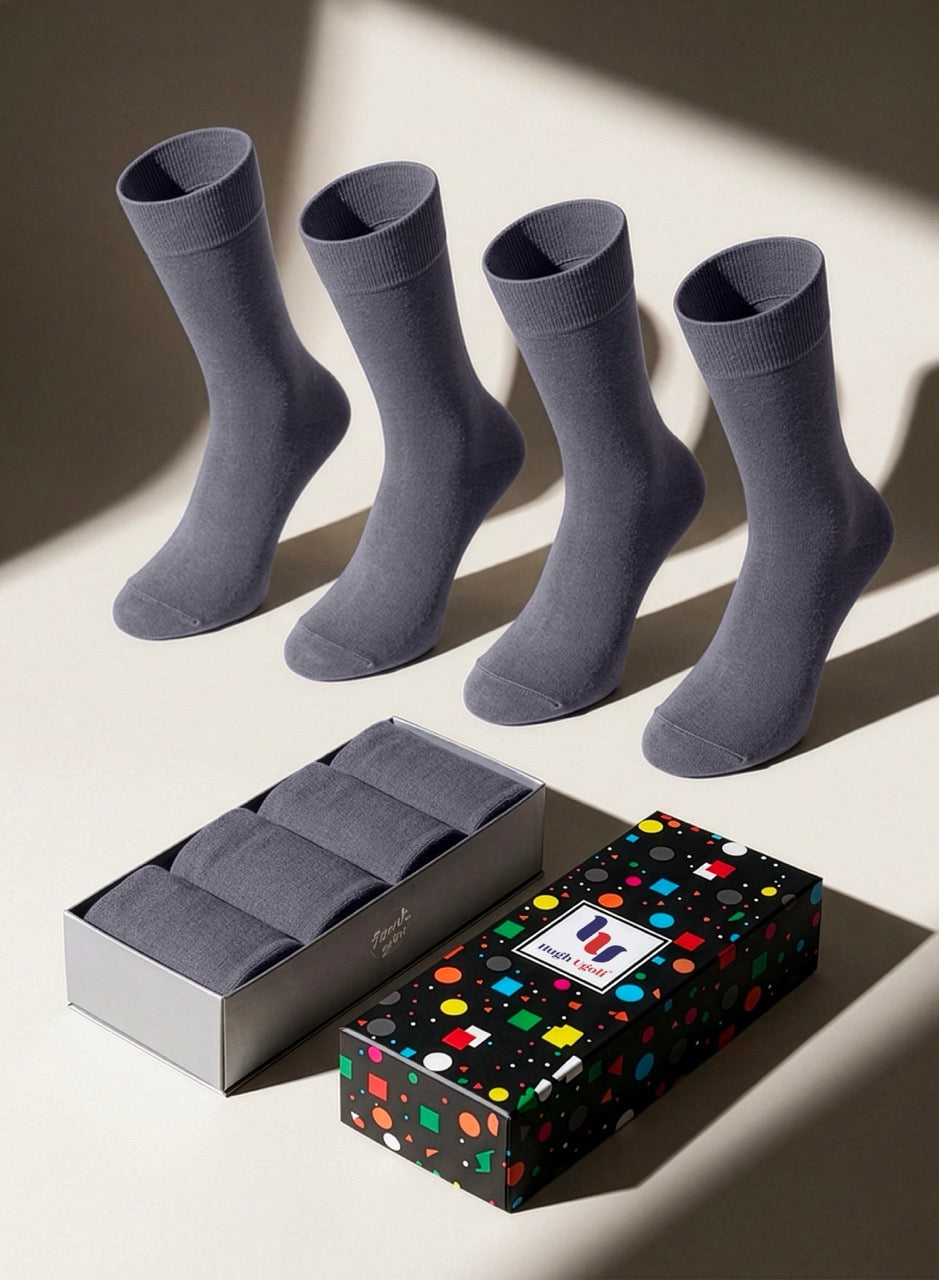
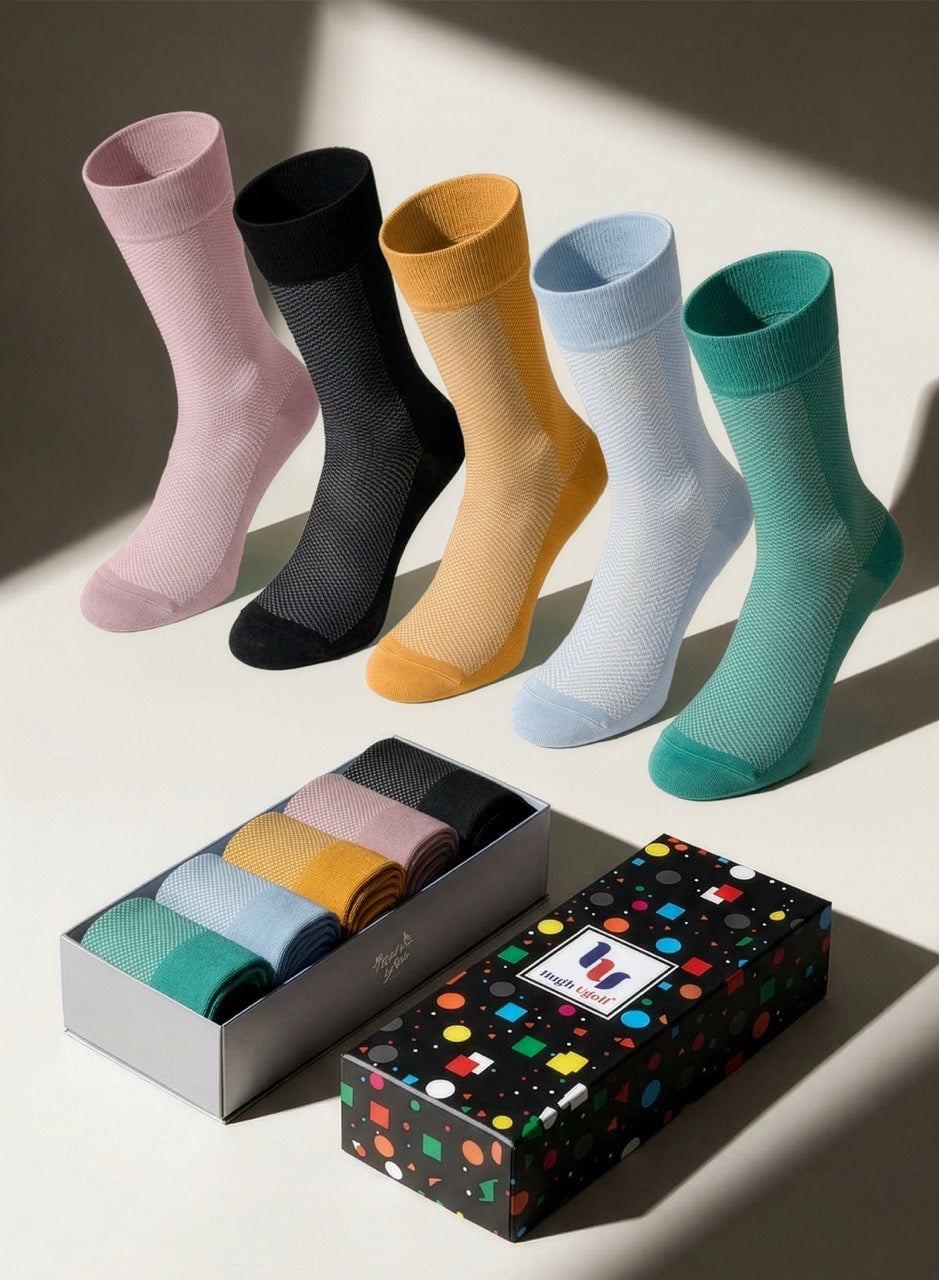
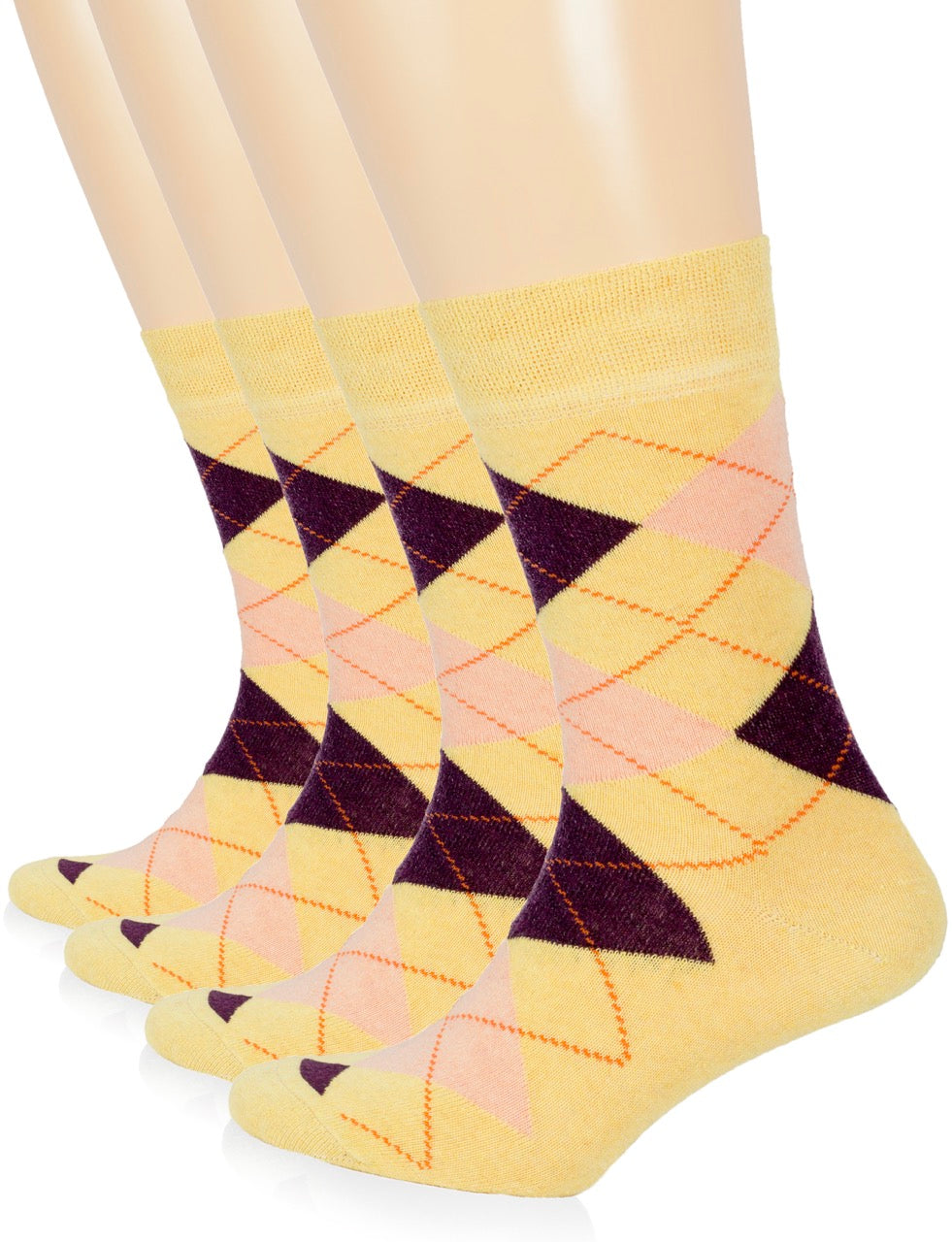


Most people own dozens of socks and never think twice about which pair they grab. But once you start paying attention, a pattern shows up: the socks you wear running errands rarely match the ones you reach for once you're home for the night. That's not a coincidence. House socks and everyday socks are often built with different goals in mind, even when they look similar in a drawer.
Understanding the difference can help you choose better socks for each part of your day, whether you're walking on hardwood floors at home or spending eight hours on your feet at work.
House socks are designed around one main job: keeping you comfortable and steady while you move around indoors, often without shoes. That changes a few things about how they're constructed compared to a standard pair of socks meant to go inside sneakers or dress shoes.
The most obvious feature on many house socks is a grip pattern on the bottom, usually made from small rubber or silicone dots. Hardwood, tile, and laminate floors can get slippery, especially in socks with smooth bottoms. Grip socks reduce that sliding feeling and are commonly recommended for households with young kids, older adults, or anyone recovering from a procedure that limits balance.
Since house socks often replace shoes entirely, they tend to have more cushioning under the heel and ball of the foot. Walking on hard floors all day without that extra padding can leave feet feeling tired or sore by evening. A thicker knit also adds a bit of insulation, which matters more than people expect on cold mornings.
Everyday socks, by contrast, are designed to work as part of a system that includes a shoe. That single difference shapes almost everything about their design.
A sock meant for sneakers, work boots, or dress shoes needs to fit smoothly inside footwear without bunching at the toe or slipping at the heel. Many everyday socks include reinforced heels and toes, arch support bands, or a slimmer profile so they don't crowd the shoe. None of that matters much for a sock that's only ever touching a floor.
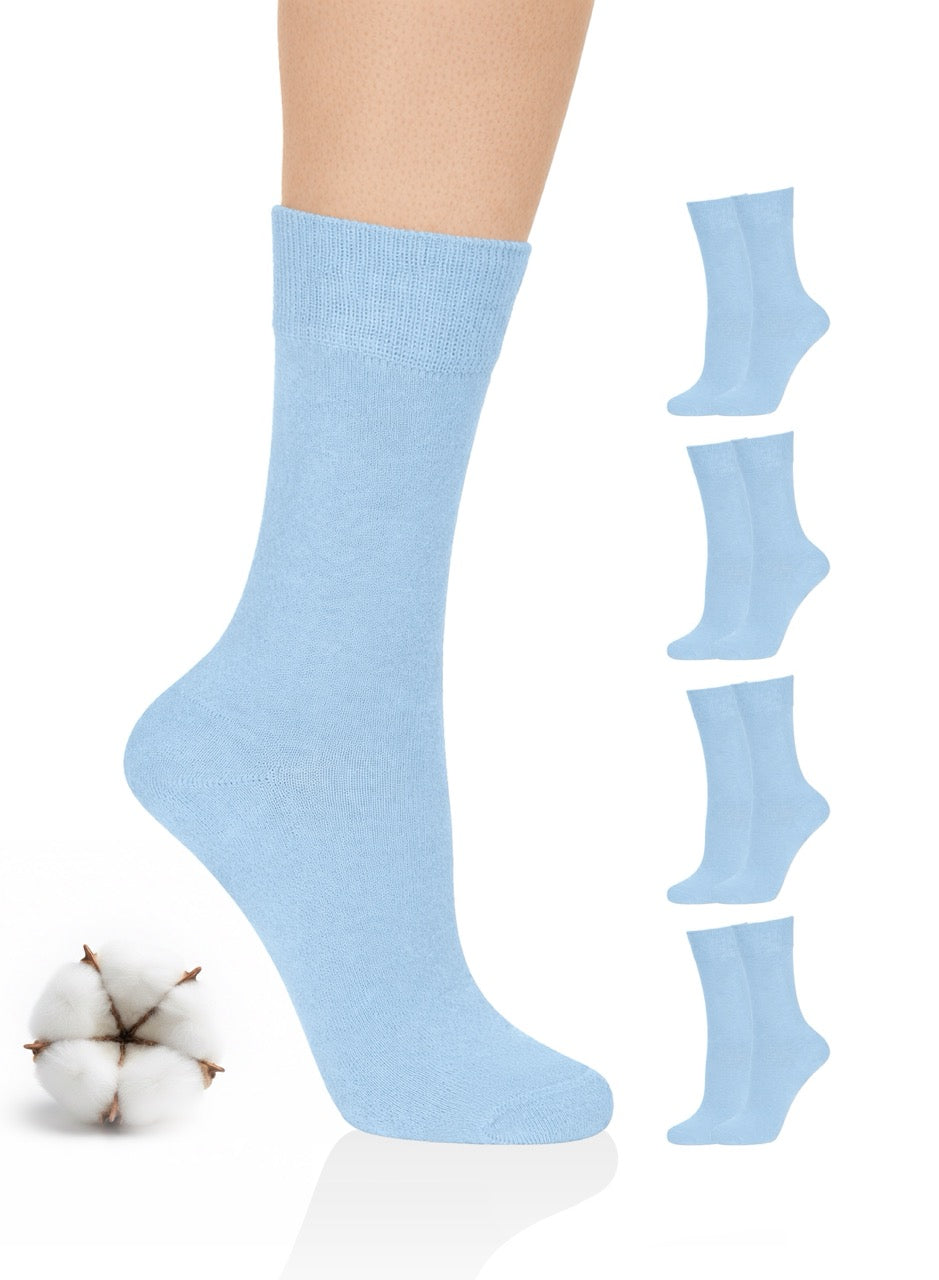
Because shoes already trap heat, everyday socks are often made from lighter, more breathable materials to help manage sweat and odor during the day. Cotton and bamboo blends are popular here because they're soft against the skin and tend to wick moisture away, which can help feet stay drier during long days on your feet.
Both categories use familiar materials like cotton, bamboo, and wool, but the weight and weave usually differ. House socks lean toward heavier knits and looser, non-binding tops since there's no shoe constraining the fit. Everyday socks favor closer-fitting, often blended fabrics that hold their shape through movement, washing, and daily wear.
If you tend to run cold at home, a wool or wool-blend crew sock with extra cushioning, like a warm wool crew sock, can make a noticeable difference on chilly floors without feeling heavy or restrictive.

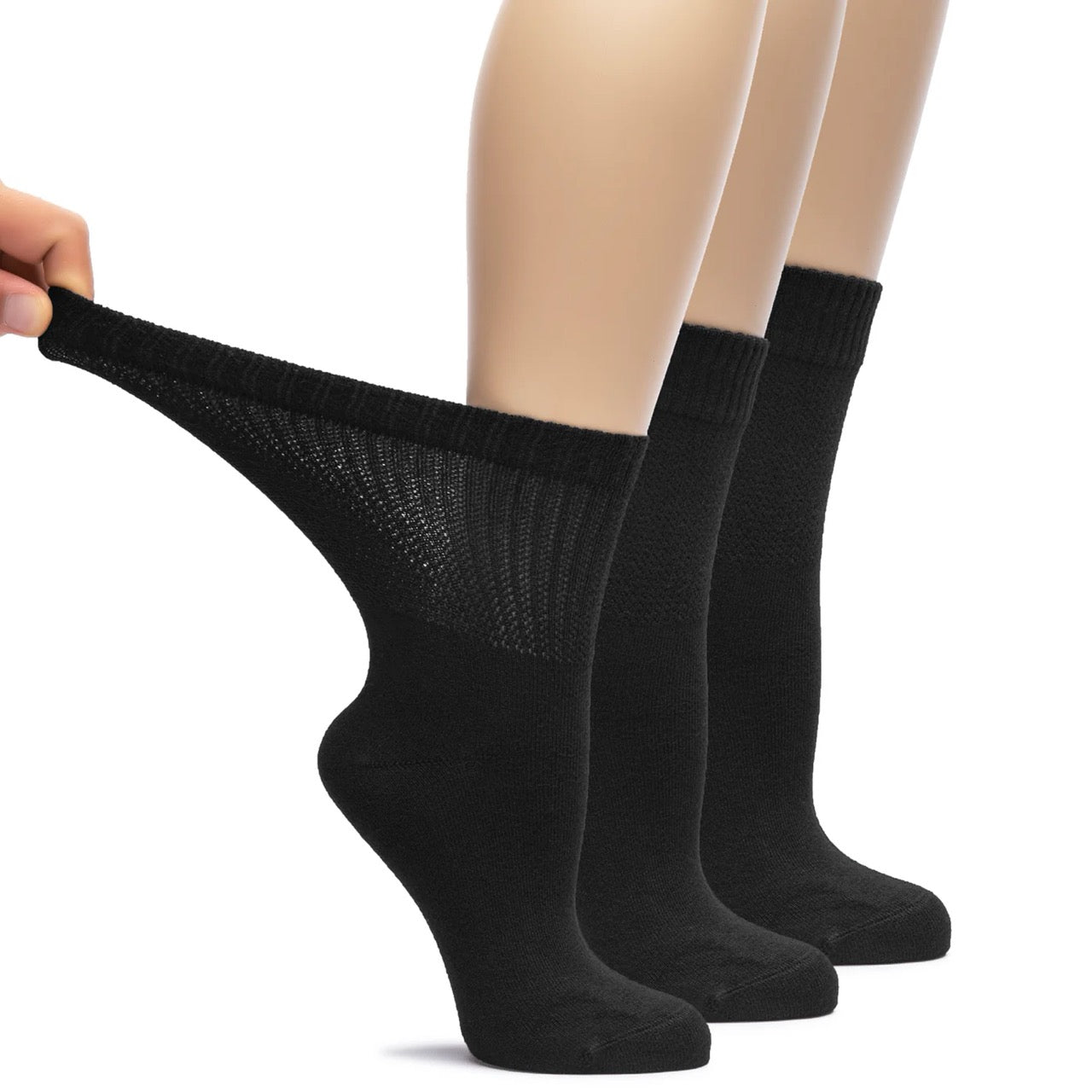
For some people, sock choice at home is about more than comfort. Many individuals managing swelling, sensitive skin, or circulation concerns find that a non-binding top and a soft, seamless toe seam are easier on their feet than a standard tight-cuffed sock. Features like these are often associated with reduced pressure around the ankle, which many people find more comfortable during long stretches of sitting or resting at home.
A pair with a secure, non-slip sole can also support safer movement around the house, which is something non-slip grip socks with a seamless toe are often chosen for. As with any foot health concern, it's a good idea to talk with a healthcare professional if you're managing diabetes, poor circulation, or persistent swelling, since they can recommend what's appropriate for your specific situation.
There's no rule that says you need to pick one or the other. Most households end up using both, depending on the setting:
Paying attention to where and how you'll wear a sock, rather than just its color or pattern, usually leads to a more comfortable choice either way.
House socks and everyday socks may look similar at a glance, but they're typically built for different jobs. One prioritizes grip, cushioning, and warmth for bare-floor comfort, while the other is shaped to work smoothly inside a shoe through a busy day. Knowing the difference makes it easier to stock a sock drawer that actually fits how you live, rather than just grabbing whatever pair is on top.
You can, but regular socks usually lack grip soles, so floors can feel more slippery, especially hardwood or tile. If you spend a lot of time walking around barefoot-style at home, a grip-soled pair is generally more practical.
No. While grip socks are often recommended for households with young children or older adults due to balance concerns, plenty of people simply prefer the added traction and use them year-round at home.
It depends on the flooring and how often they're worn. Rough surfaces like unfinished concrete can wear down grip patterns faster, while smooth floors like hardwood or tile tend to be gentler on the material.
Wool and heavier cotton blends are commonly recommended for cold floors since they trap warmth well and add a layer of cushioning. Many people keep a thicker pair specifically for winter mornings.
Many people managing diabetes look for non-binding tops, seamless toes, and moisture-wicking materials, since these features are often associated with added comfort. It's best to check with a healthcare professional about what's right for your situation.
He has been working for more than 20 years in the textile industry and has work experience in many parts of the world.