Cart
0
You may also like
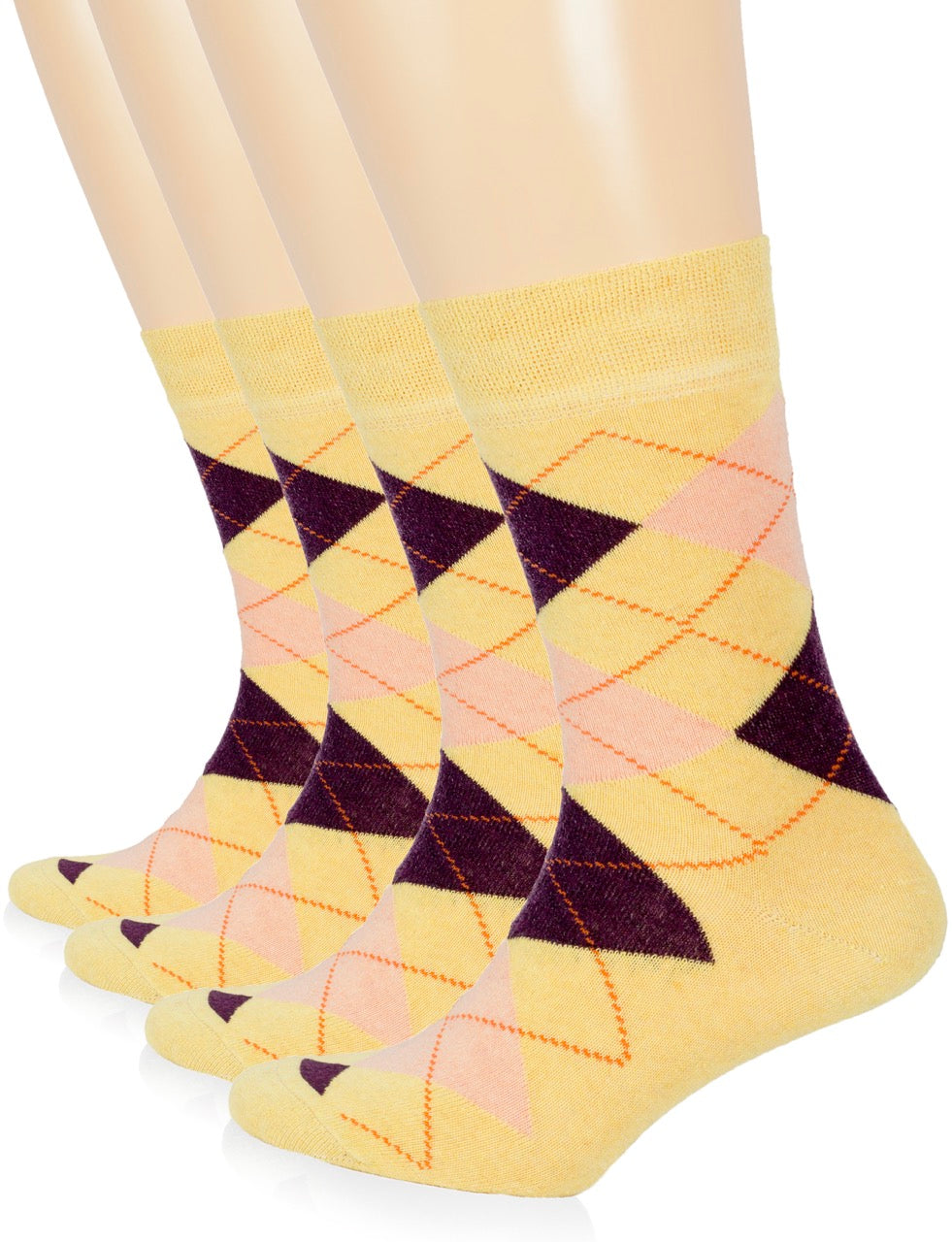
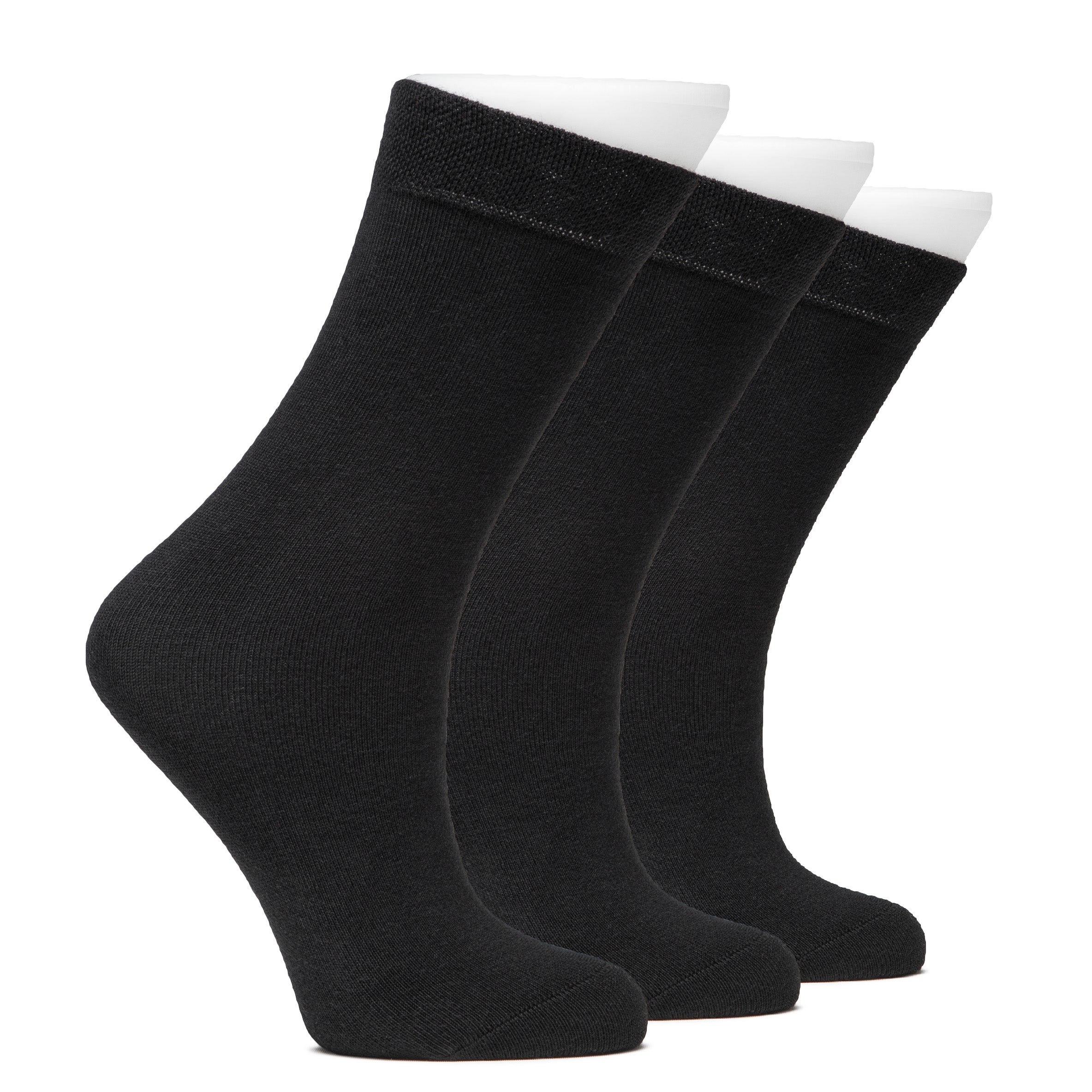
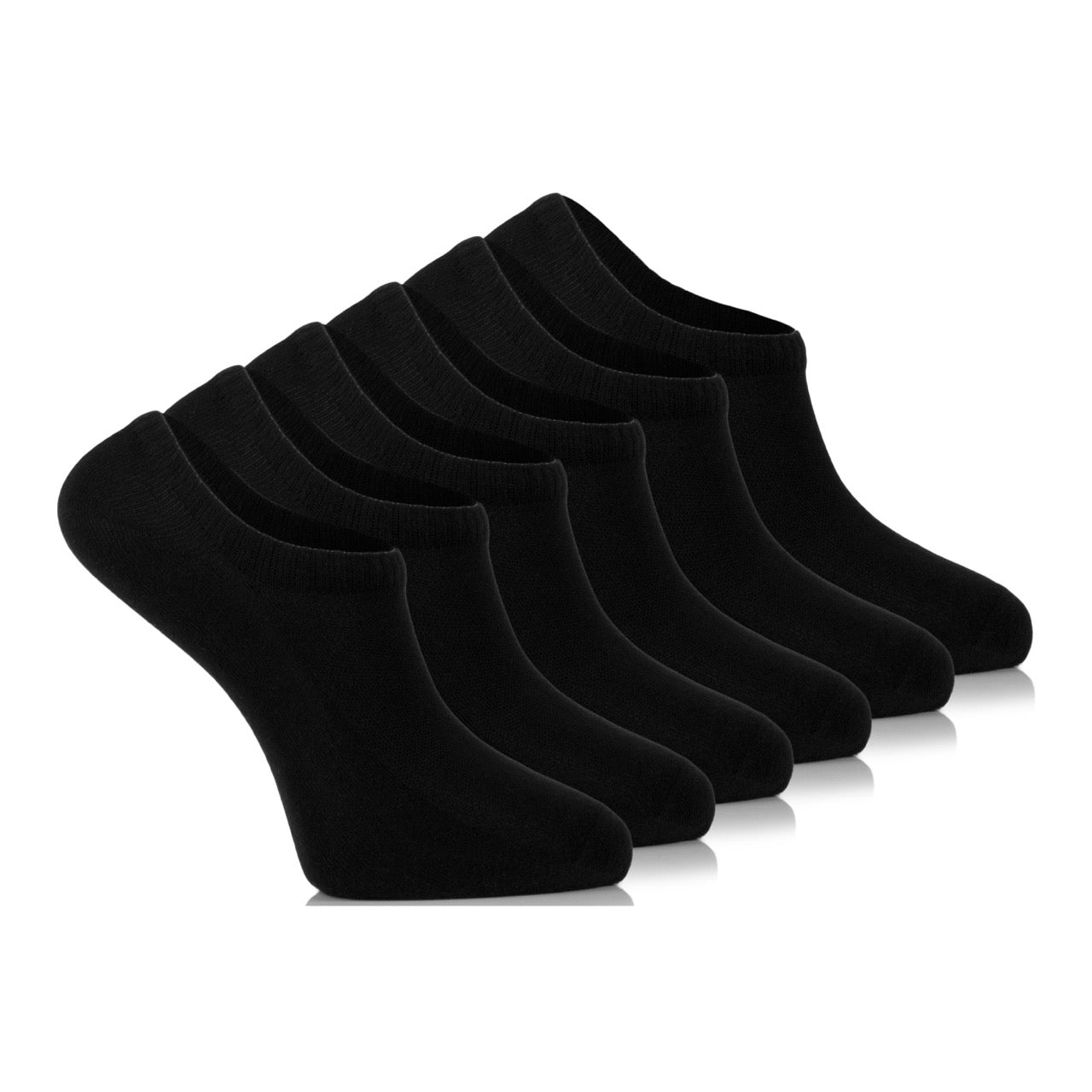
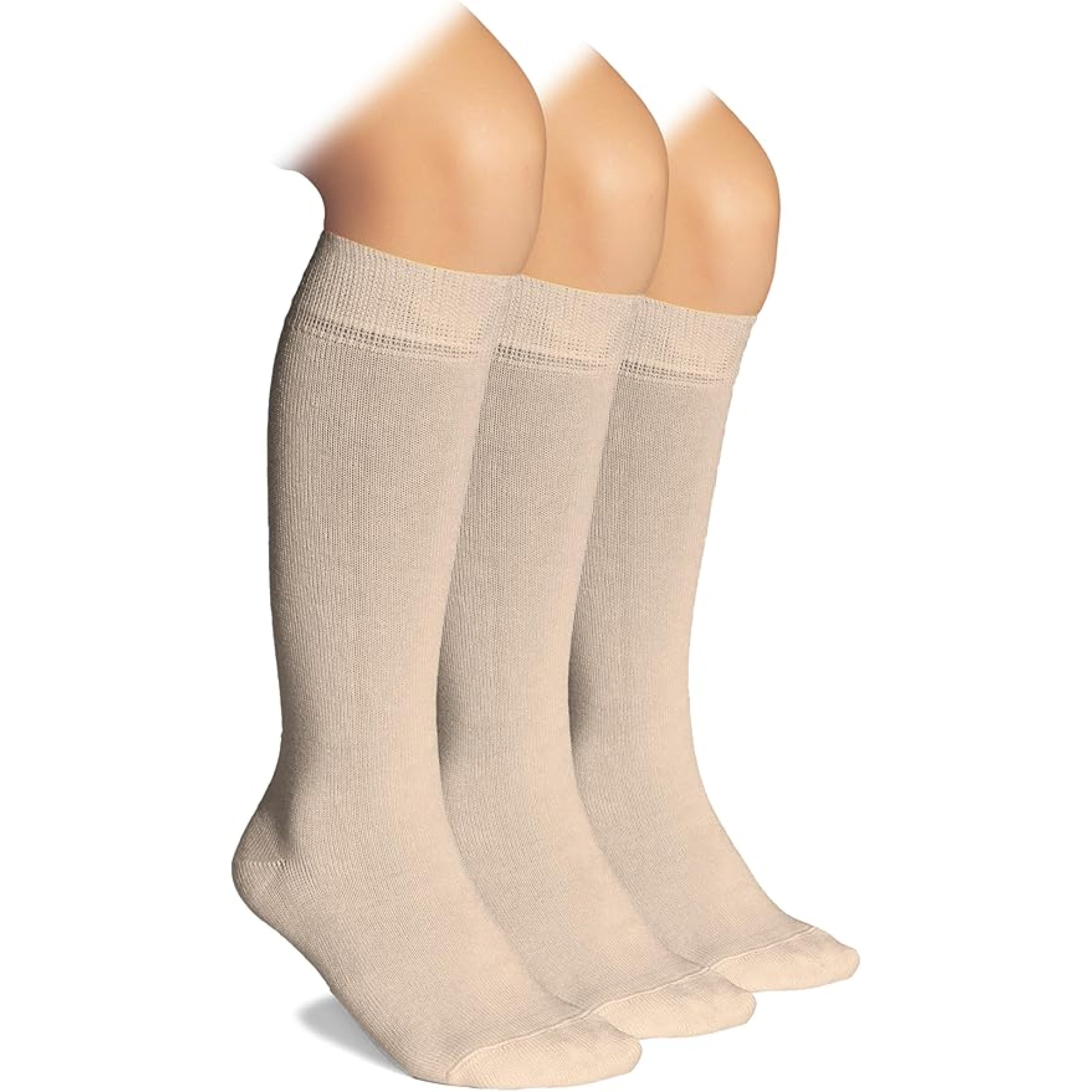


When temperatures rise, many people automatically reach for thin socks thinking they are the best solution for staying comfortable. At first glance, thinner fabric seems like the obvious choice for keeping your feet cool during summer. However, the reality is more complicated.
The best socks for hot weather are not simply the thinnest ones available. Comfort depends on a combination of breathability, moisture control, material quality, and fit. In some situations, socks that are too thin can actually make your feet hotter, wetter, and more uncomfortable.
No, thin socks are not always better for warm weather. While lightweight socks can feel cooler initially, the best summer socks use breathable materials and strong moisture management to keep feet cool and dry. Materials like merino wool can sometimes outperform ultra-thin synthetic socks in hot conditions.
The logic seems simple:
And in some cases, lightweight socks do improve comfort during summer. However, thickness alone does not determine temperature control.
What matters more is how well the socks:
Heat itself is not usually the main issue. Sweat is.
Feet naturally sweat throughout the day, especially during activity or outdoor movement. If socks cannot wick away moisture, sweat stays trapped against the skin.
This is why proper moisture management matters more than simply choosing the thinnest fabric possible.

Very thin socks may seem cooler initially, but they can create problems over time.
Ultra-thin materials often absorb moisture quickly without moving it away effectively.
This can leave feet feeling:
Thin socks provide minimal protection against friction.
This can:
This becomes especially noticeable during travel, exercise, or summer hiking.
Some thin synthetic socks trap heat because they lack proper airflow.
Without breathable construction, thinness alone cannot keep feet comfortable.
The fabric itself has a much greater impact on comfort than thickness alone.
Many people are surprised to learn that merino wool performs extremely well in summer.
Unlike heavy traditional wool, modern wool socks made from merino fibers are lightweight and breathable.
This makes merino wool one of the best materials for active summer use.
Lightweight cotton blends can also work well when combined with moisture-managing fibers.
However, pure cotton often absorbs sweat instead of moving it away from the skin.
Modern performance fibers are engineered with advanced moisture wicking properties.
High-quality synthetic blends may:
The quality of construction matters significantly here.
Good summer socks rely heavily on breathable materials.
Breathability allows heat and moisture to escape instead of becoming trapped inside the shoe.
These features help keep feet cool even during long summer days.
Some people avoid socks entirely during summer, but this is not always the best choice.
Choosing to wear socks in summer can actually improve comfort when the right materials are used.
The key is selecting the right socks to wear for the conditions.
Show socks or low-cut socks work well with sneakers and casual shoes in summer.
They provide:
Mid calf socks can still work in summer if made from breathable materials.
They are often preferred for:
The material matters more than the height.
Many high-performance socks are not ultra-thin. Instead, they balance:
This combination usually performs better than extremely thin fashion socks.
For summer hiking, extremely thin socks are rarely ideal.
Hiking involves:
Proper hiking socks use moisture-managing materials and strategic cushioning to prevent discomfort and lead to blisters.
Socks should effectively wick away moisture and dry quickly.
Choose socks made from breathable materials that support airflow.
Balanced construction usually works best.
The ideal socks for walking, office wear, and outdoor activities may differ.
Thin socks are not automatically the best option for hot weather. While lightweight designs can help, comfort depends much more on moisture control, breathability, and material quality.
Socks made with advanced moisture wicking properties and temperature-regulating fibers like merino wool often outperform extremely thin alternatives. The goal is not simply to wear less fabric—it is to keep your feet cool and dry throughout the day.
Sometimes, but not always. Breathability and moisture control matter more than thickness alone.
Yes. Merino wool helps regulate temperature and manage moisture effectively.
Yes. Thin socks with poor cushioning may increase friction and lead to blisters.
Yes. The right summer socks improve comfort, moisture control, and foot hygiene.
Breathable socks with moisture management and light cushioning are usually best for hiking in warm weather.
He has been working for more than 20 years in the textile industry and has work experience in many parts of the world.