Cart
0
You may also like
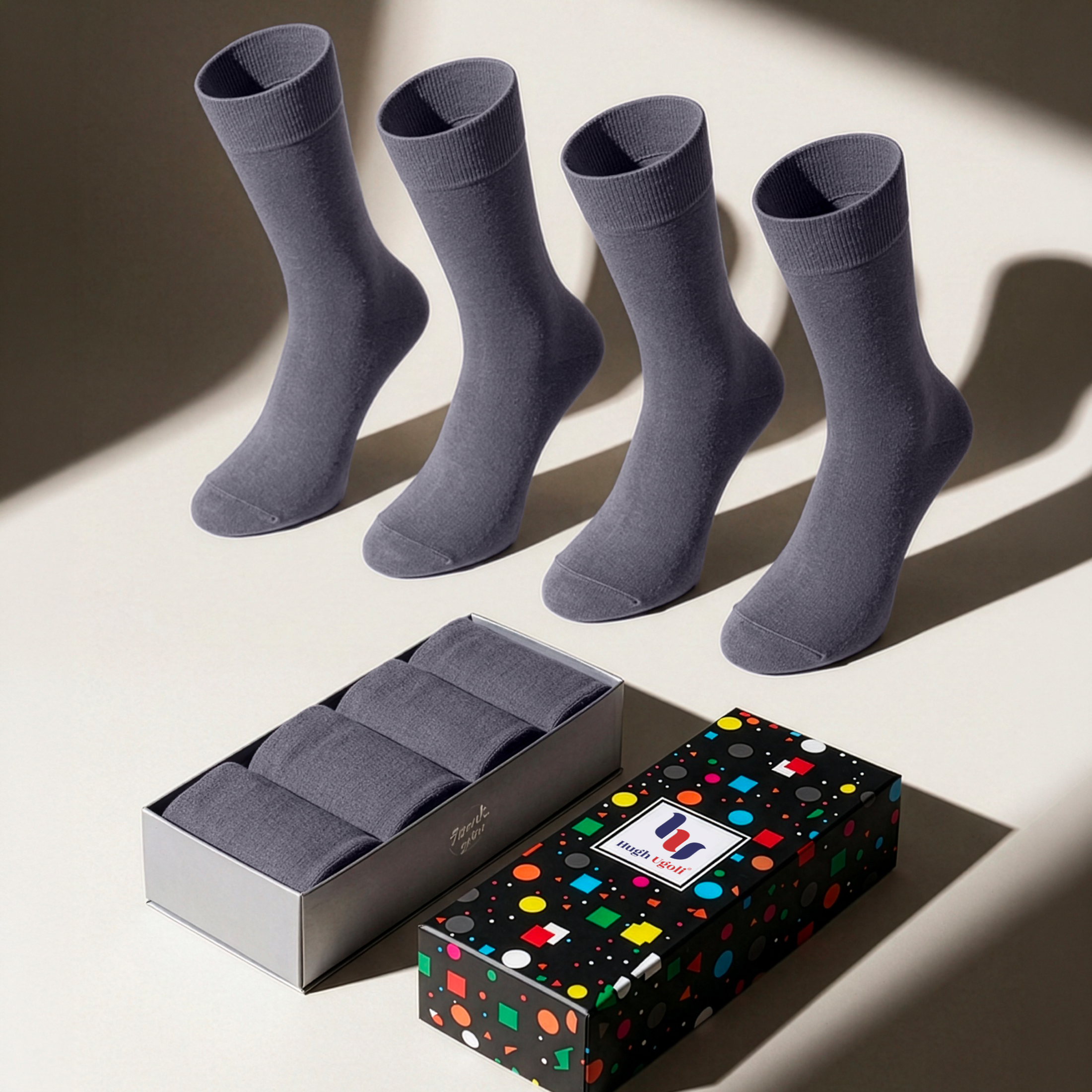
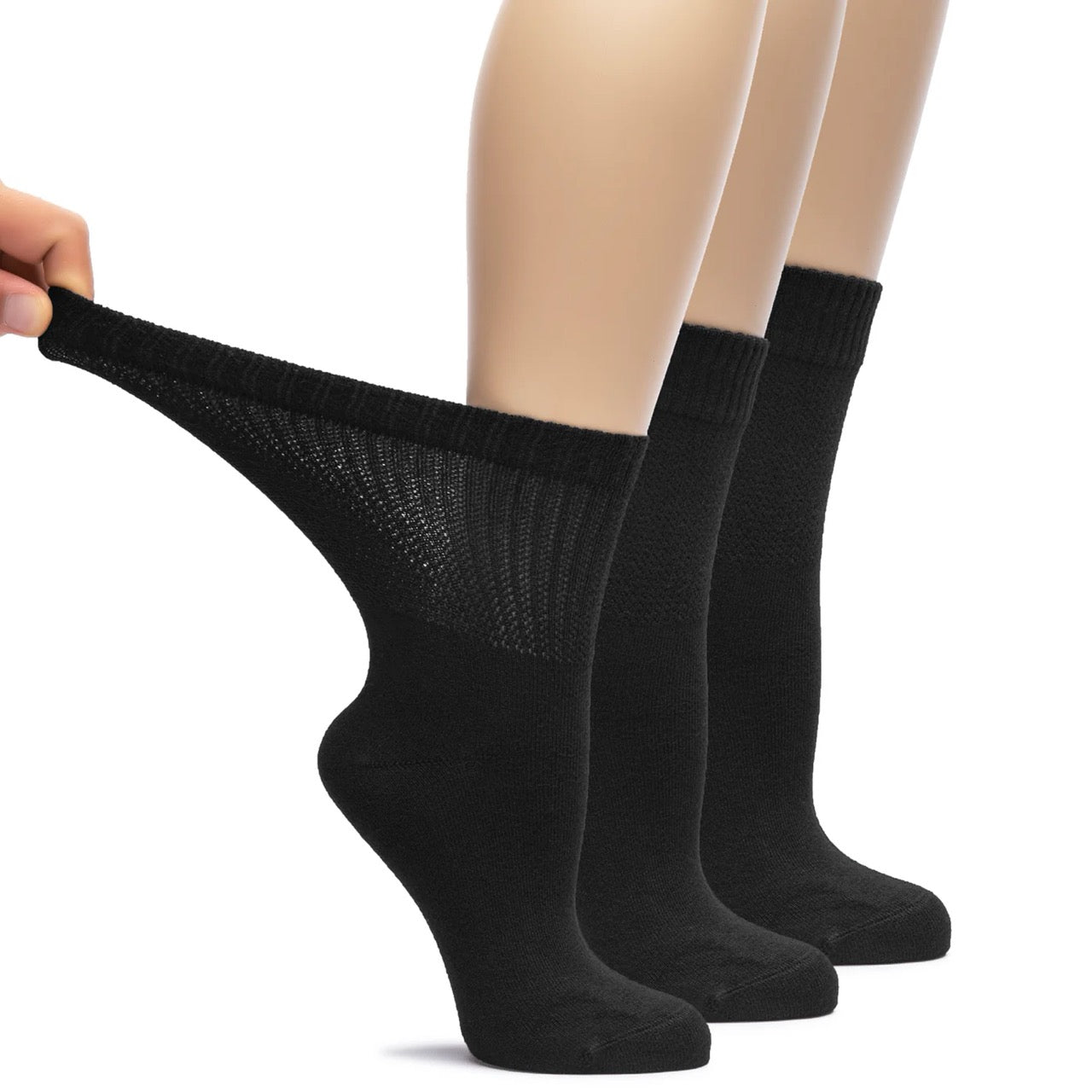
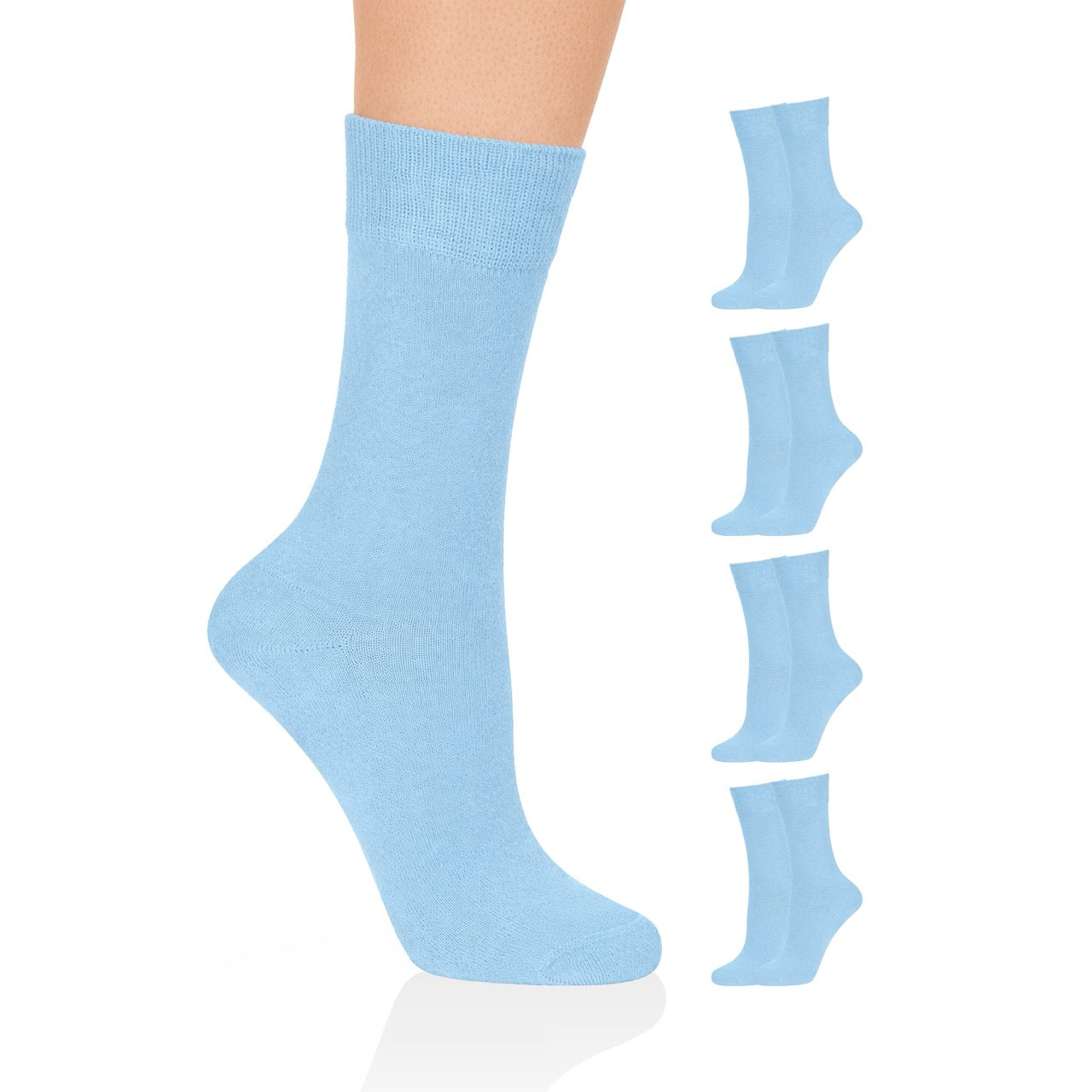
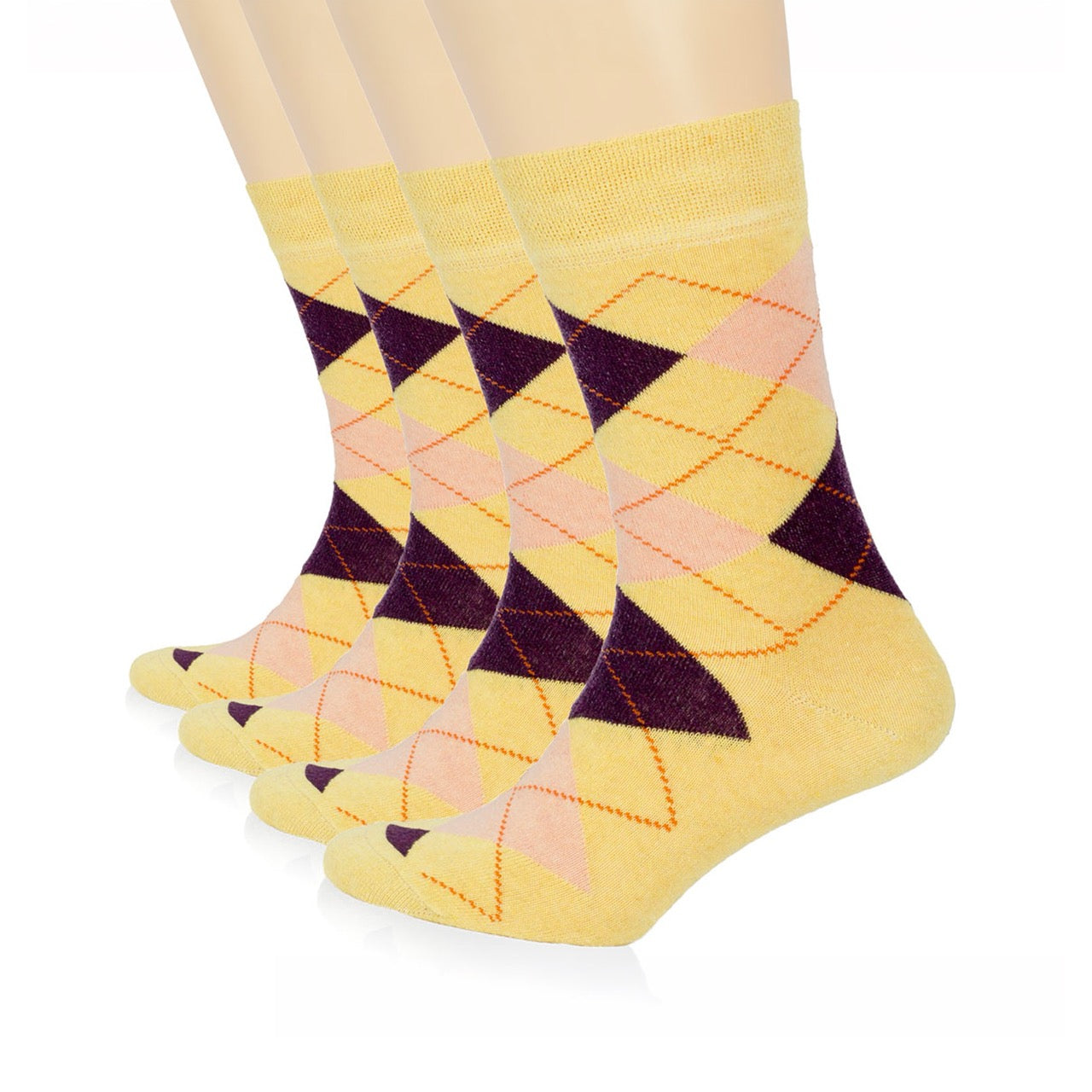
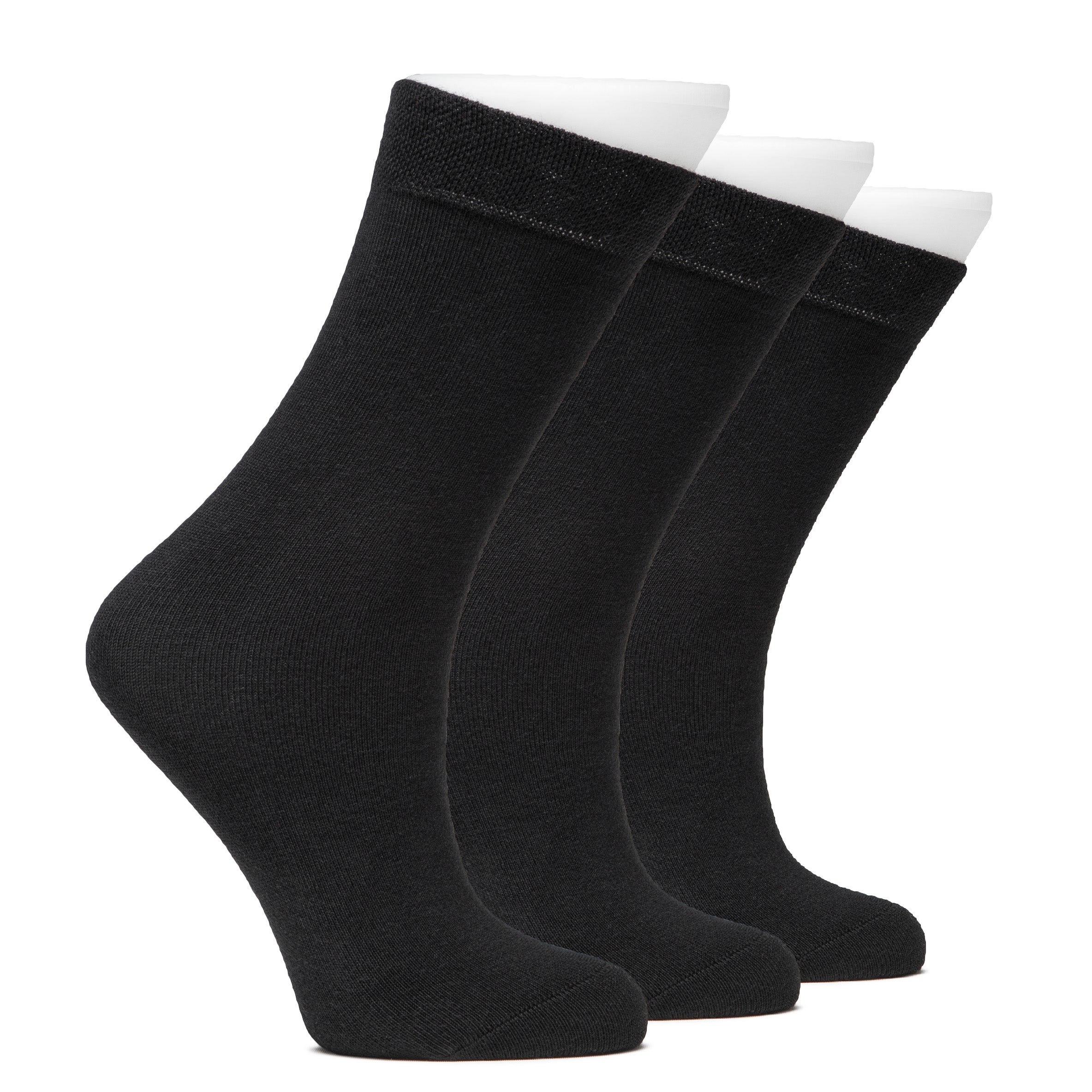
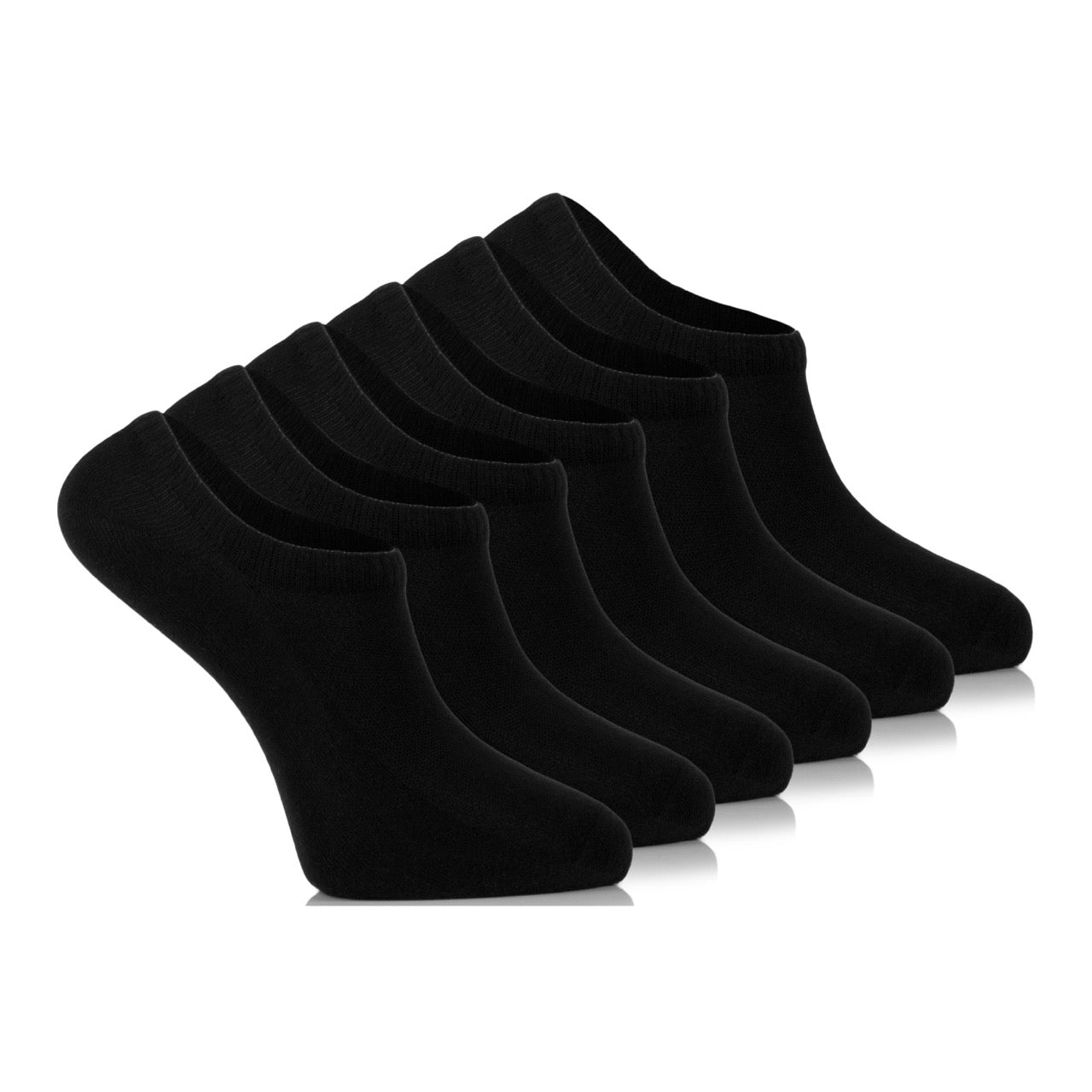
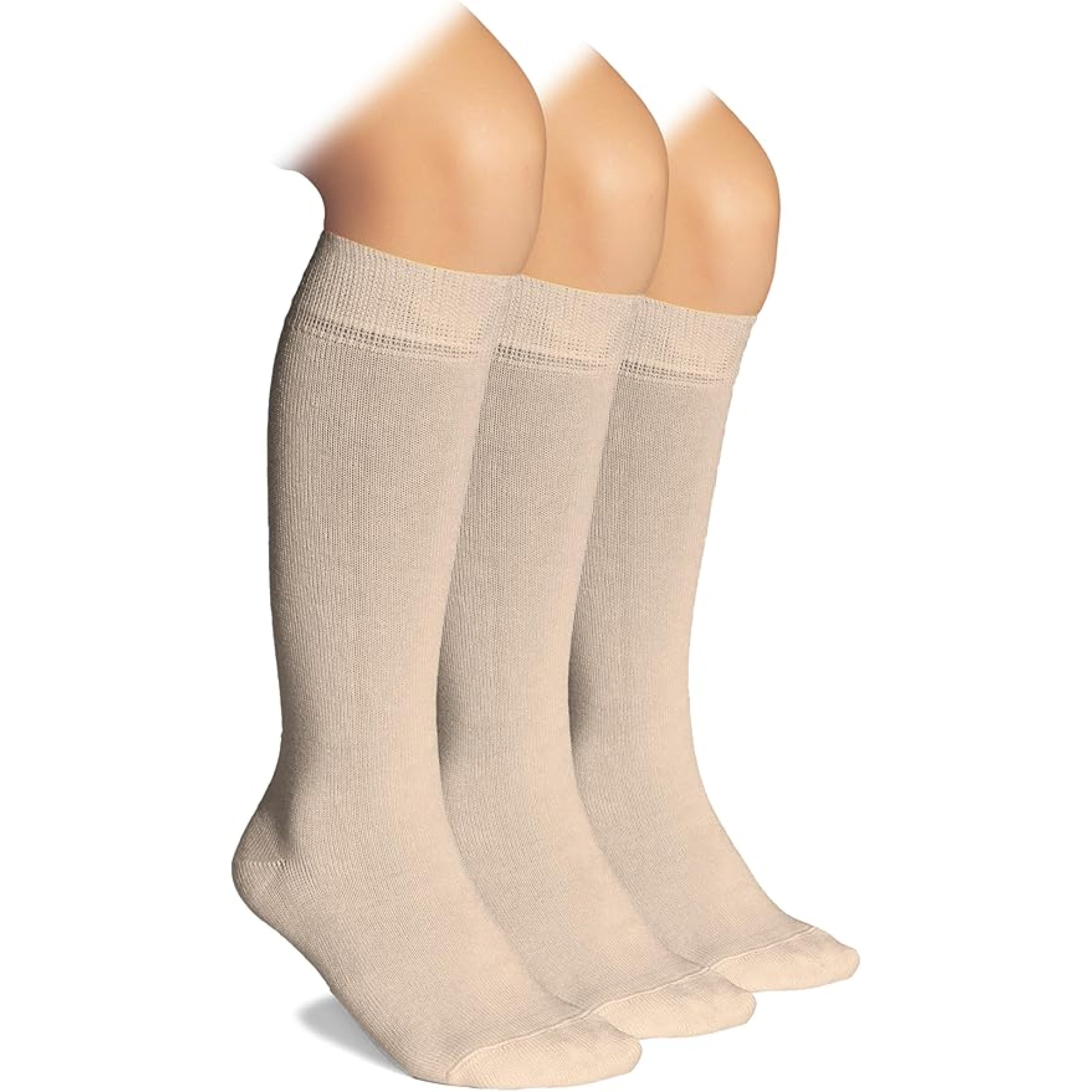



For older women living with diabetes, every detail can make a difference in day-to-day comfort and foot health—right down to their socks. Choosing the right type of diabetic socks matters for reducing the risk of complications that can arise from poor circulation and sensitive skin. This post walks through what to look for in diabetic socks, prioritizing comfort and health without sacrificing style.
Diabetic socks are designed with the needs of people managing diabetes in mind, offering features ordinary socks lack. Older women, in particular, benefit from diabetic socks with a non-binding fit, which avoids adding unnecessary pressure on the legs. Let's look at what to consider when choosing them.
Diabetic socks differ from regular socks in a few key ways, tailored to the needs of people with diabetes. First, they usually come with non-elasticated cuffs, which avoid restricting blood flow — helpful for those who experience swelling in the feet and ankles. Second, diabetic socks often have seamless toes to reduce rubbing and blisters, combined with cushioning that eases pressure points.
Another important feature is moisture-wicking fabric. Keeping feet dry helps reduce the risk of fungal infections. Fabrics in these socks are usually breathable and good at drawing moisture away from the skin. Many also have some natural antibacterial properties that help with odor.
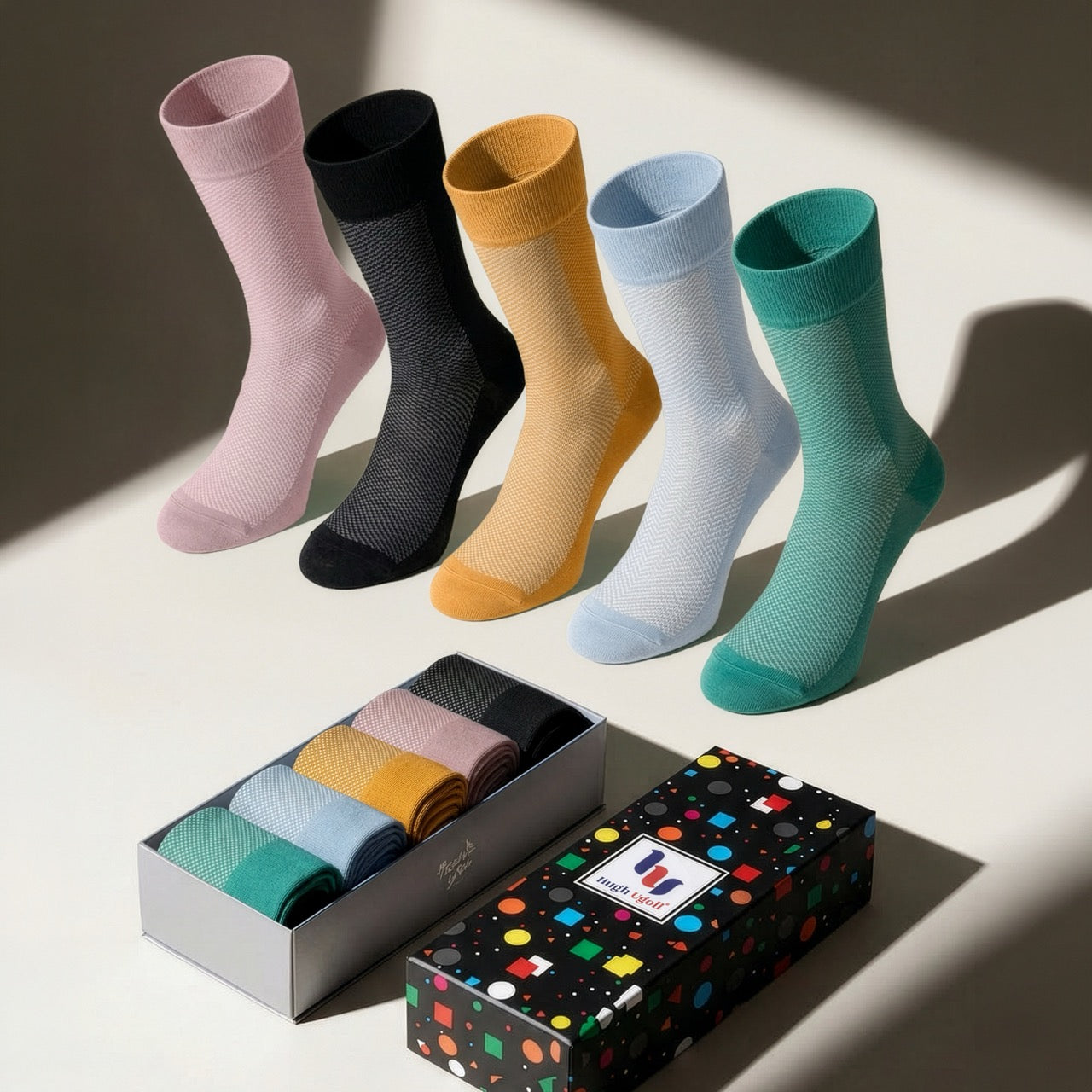
Diabetic socks also come in plenty of stylish options today — classic looks and vibrant patterns alike — so comfort and foot health don't have to come at the expense of personal style.

Bamboo fabric is often a strong choice for diabetic socks. The naturally soft fibers provide genuine comfort, which matters for the sensitive skin common among people with diabetes. Bamboo also has good thermo-regulating properties, helping keep feet comfortable across seasons.
Bamboo's moisture-wicking ability is a real, practical benefit, especially for keeping feet dry to help prevent infections. Bamboo fabric is also generally gentle on the skin, which some people with sensitive skin or minor irritation find more comfortable than rougher fabrics — though it's worth noting that specific "hypoallergenic" claims go beyond clinical evidence, and bamboo socks aren't a treatment for diagnosed allergies or skin conditions. If you have a specific skin condition, your dermatologist's fabric guidance should take priority.
Bamboo is also a more sustainable material choice than some alternatives, which is a nice bonus alongside the comfort benefits.
Choosing diabetic socks isn't just about the fabric; it's about finding the right combination of features. Non-binding tops are essential — comfortable yet secure enough to stay up without digging into the skin.
Cushioning in diabetic socks is another feature worth prioritizing. It adds a layer of protection against injury, providing a buffer between your foot and the shoe. Over time, older women can lose some of the fatty padding on the soles of their feet, which makes cushioned socks especially useful for daily wear.
Color fastness and easy maintenance matter too. A good pair of diabetic socks should be machine washable and resist fading, so you can keep wearing your favorites without them losing their look.
When shopping for diabetic socks, start with the health-focused features mentioned above. From there, explore the variety of patterns and shades available — solids, stripes, or florals, there's likely a diabetic sock design that fits your style.
E-commerce sites and specialty stores offer options that combine therapeutic features with contemporary style, so there's no need to sacrifice one for the other.
Once you find socks that suit your needs, consider buying multiple pairs so you always have a clean, comfortable option ready — whatever the occasion.
This article is for general information and is not medical advice. Talk to your healthcare provider about foot care recommendations for your situation.
He has been working for more than 20 years in the textile industry and has work experience in many parts of the world.