Cart
0
You may also like
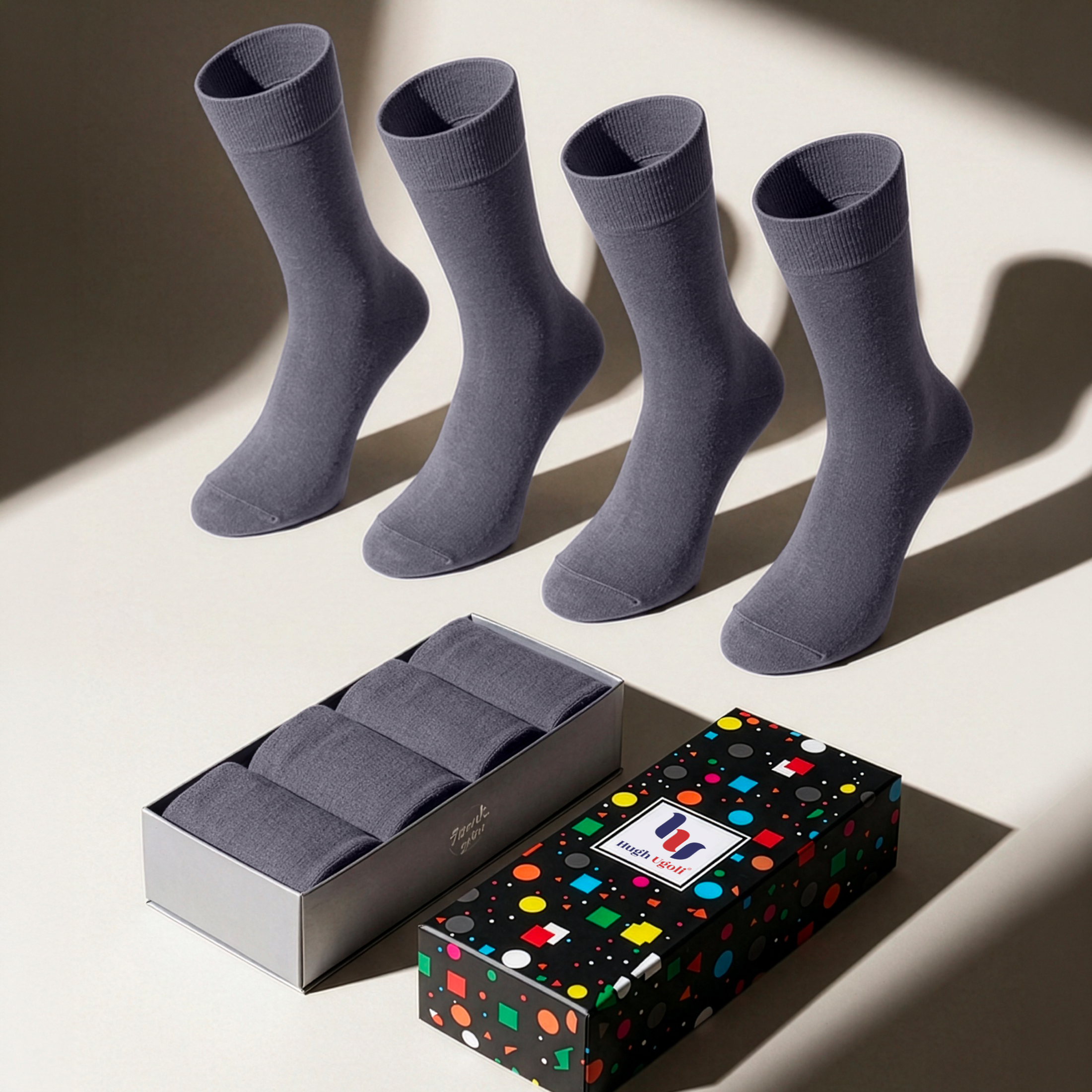
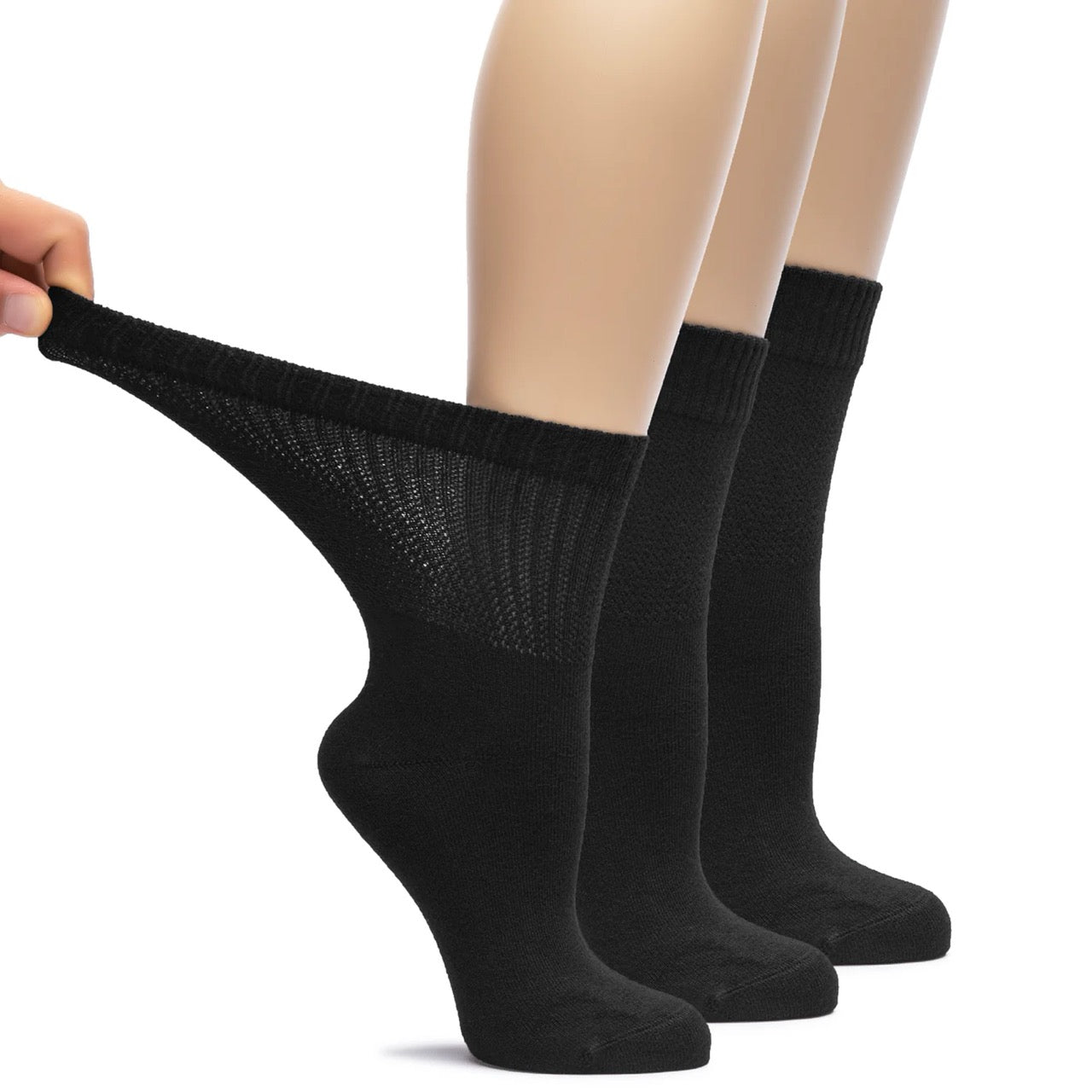
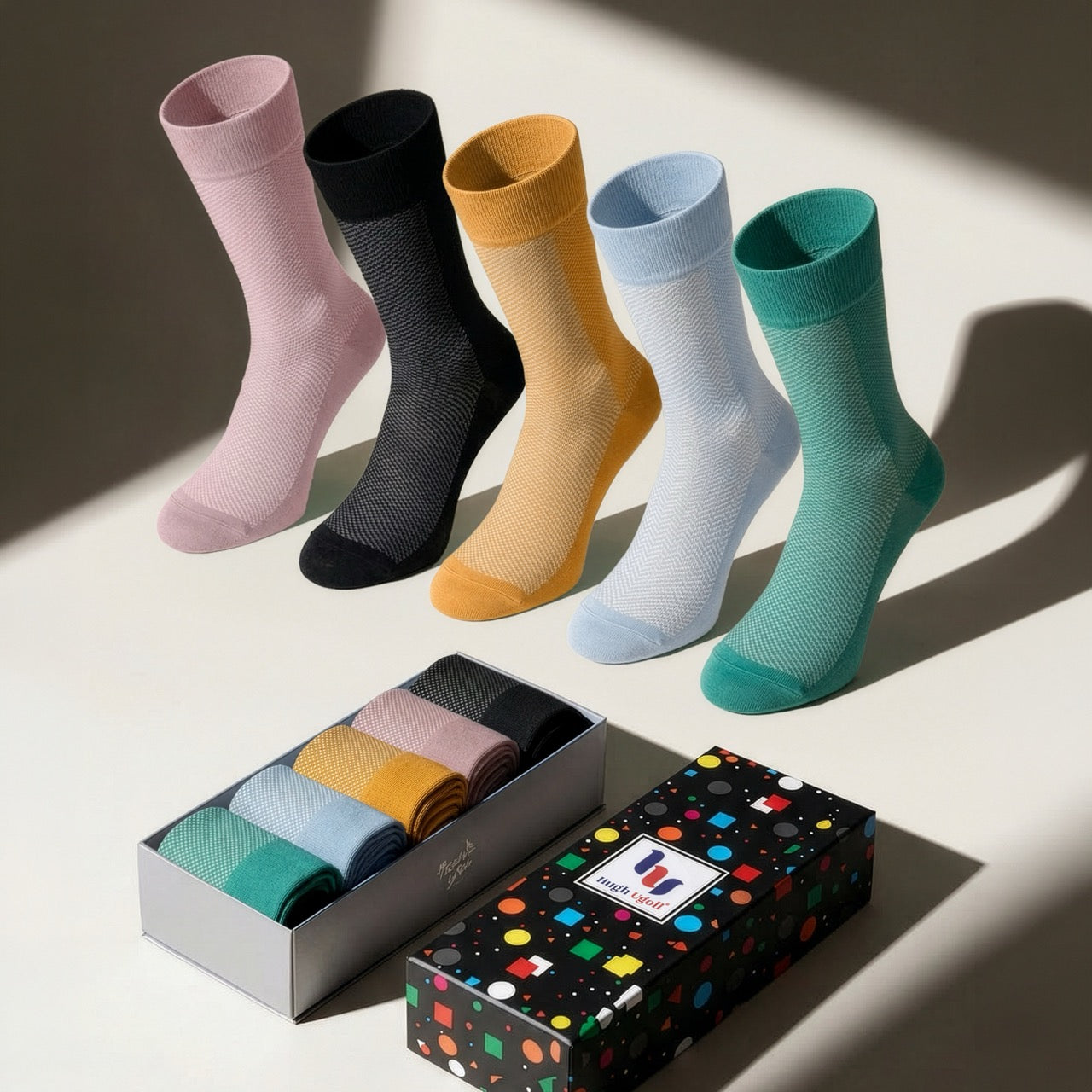
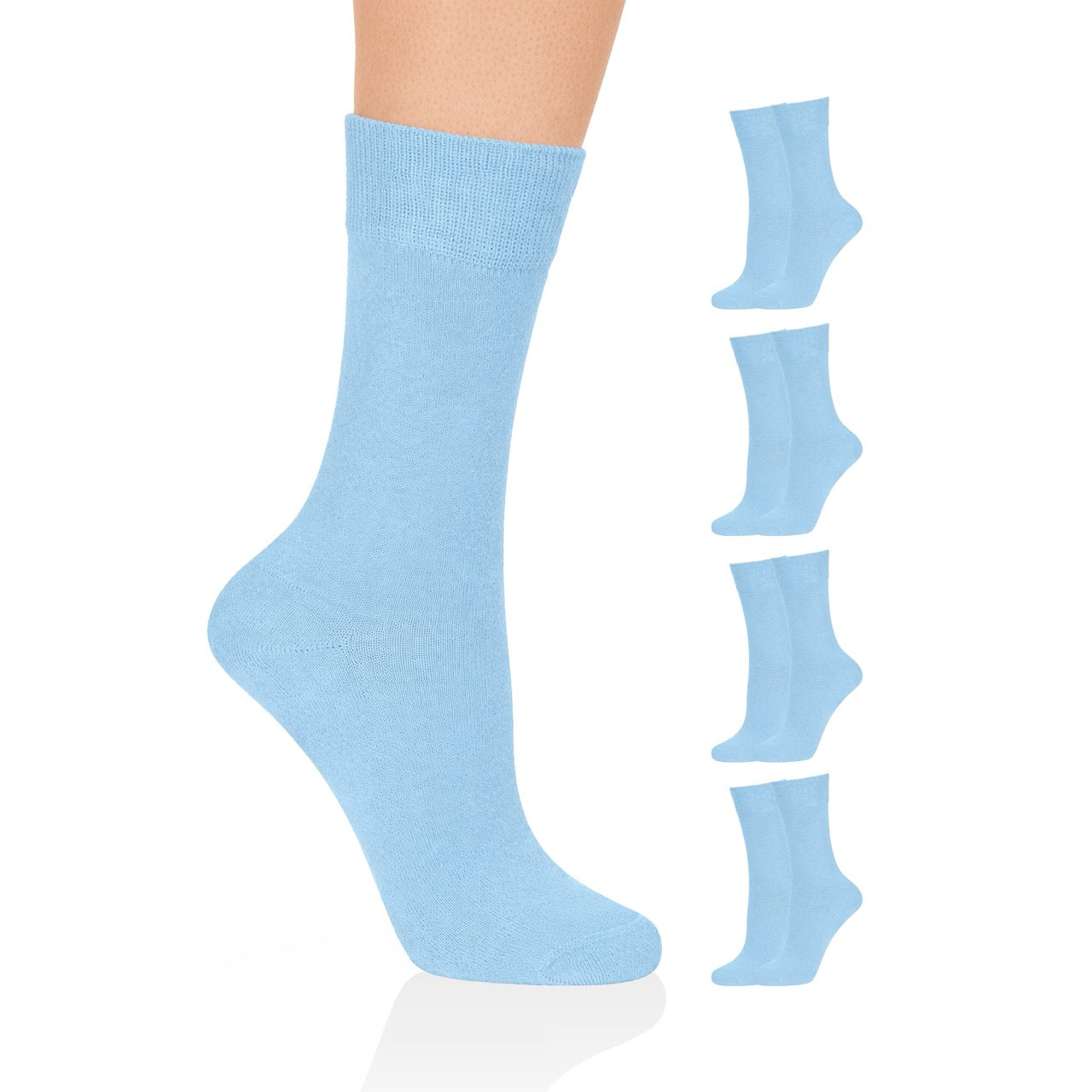
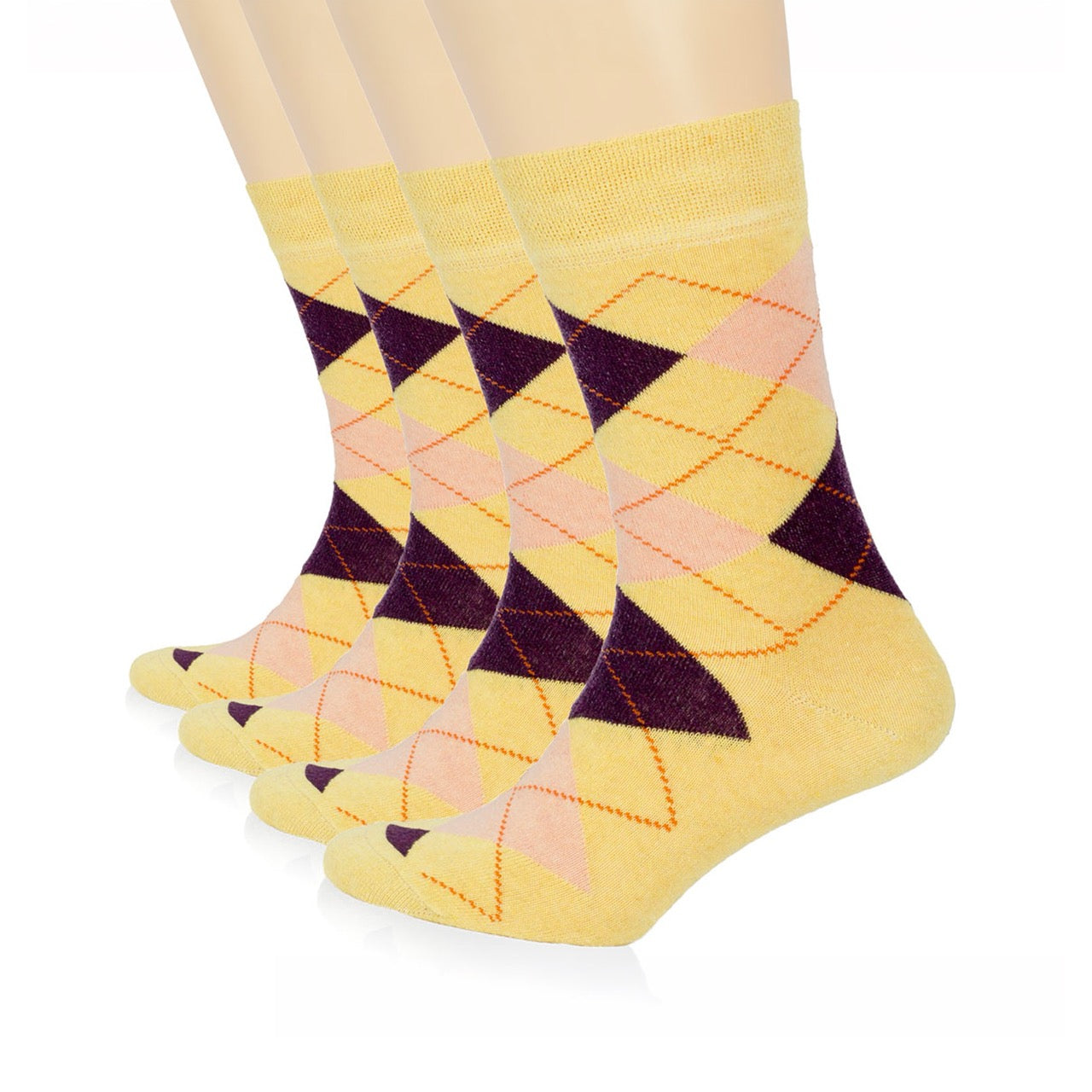
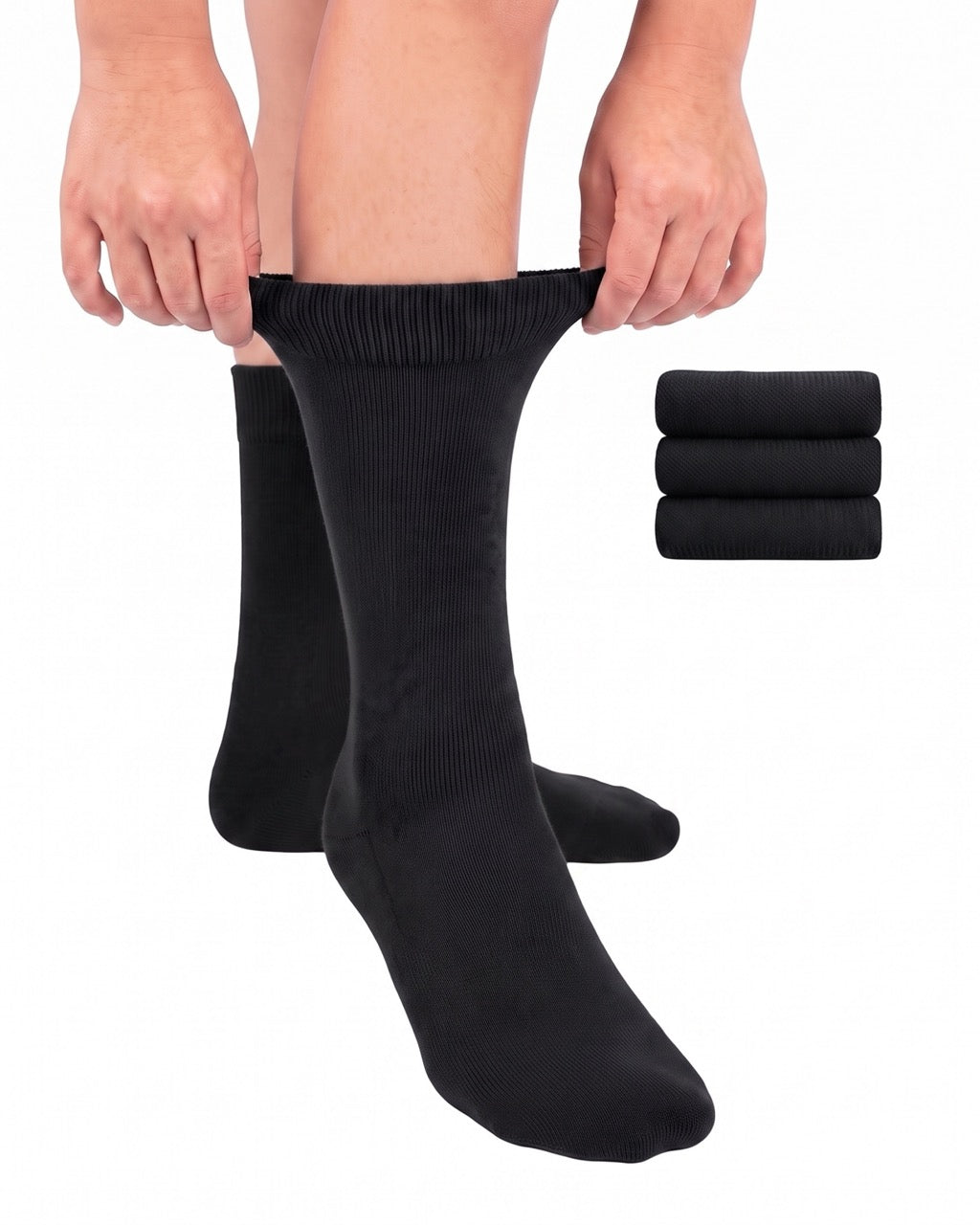
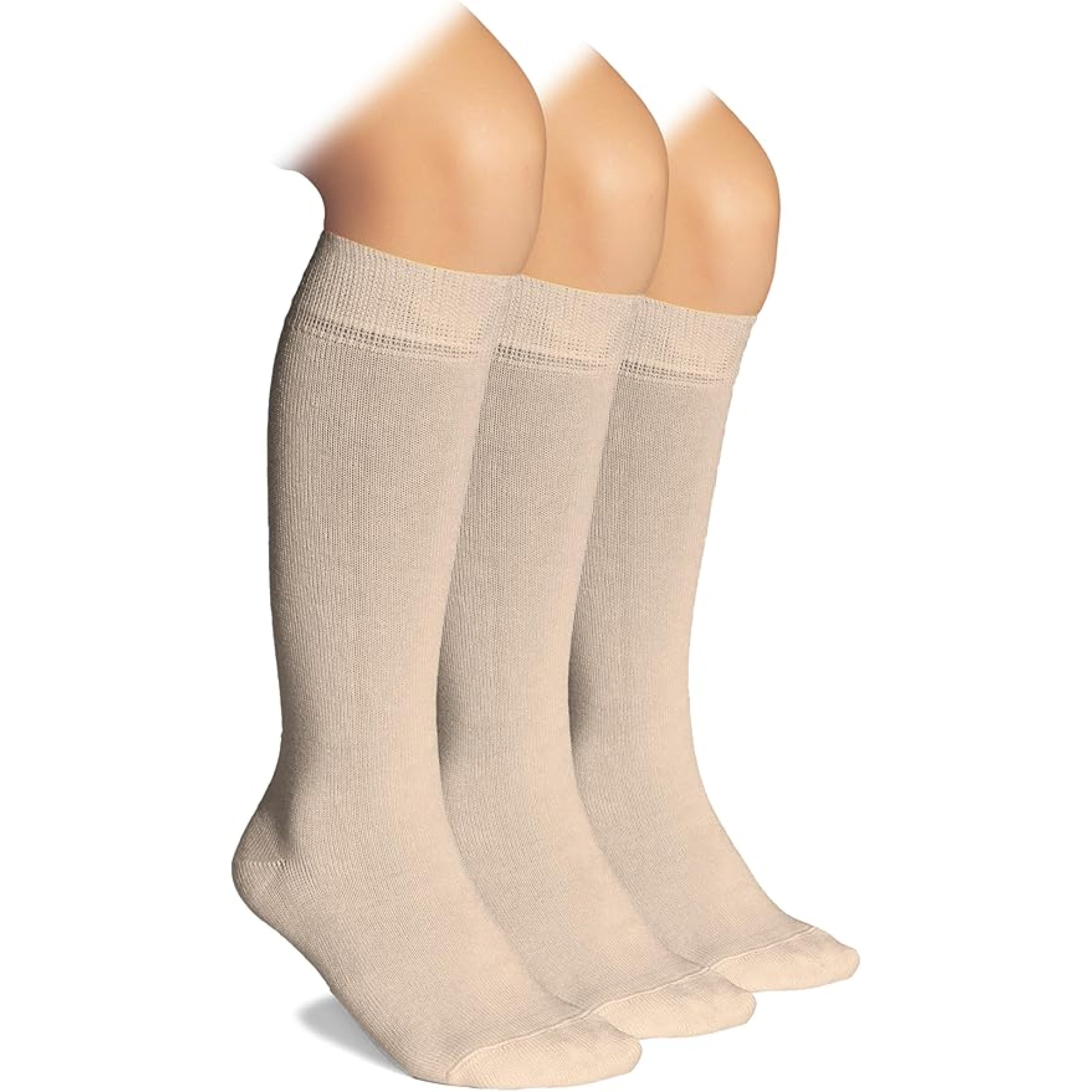


Choosing the right socks is more important than most people realize. While socks may seem like a simple accessory, the wrong choice can impact comfort, circulation, and overall foot health. Two of the most commonly confused options are compression socks and diabetic socks. Although they may look similar, they are designed for very different purposes.
This guide explains the key differences between diabetic socks and compression socks, how they work, and when you should choose each.
Compression socks apply graduated compression to improve blood flow and reduce swelling. Diabetic socks focus on comfort, moisture control, and protection for sensitive feet. Choose compression socks for circulation support and diabetic socks for gentle, non-restrictive foot care.
Compression socks are designed to improve circulation by applying controlled pressure to the legs. This pressure is not uniform—it follows a graduated pressure system, meaning it is strongest at the ankle and gradually decreases up the leg.
This design helps:
Compression socks apply gentle pressure to the veins and muscles in your legs. This helps prevent blood from pooling, which is especially important for people at risk of circulation problems.
They are commonly used for:
You may benefit from compression socks if you:
Many people also wear compression socks daily to reduce fatigue and improve comfort.

Diabetic socks are specifically designed for people with sensitive feet, especially people with diabetes. Their primary goal is to protect the foot, reduce irritation, and support overall foot care.
Unlike compression socks, diabetic socks do not apply tight pressure. Instead, they focus on comfort and safety.
These features are essential for preventing complications like nerve damage irritation and skin breakdown.
People with diabetes often experience reduced sensation in their feet due to nerve damage. This makes it harder to notice small injuries, which can become serious if untreated.
Wearing diabetic socks helps:
Compression socks use graduated compression to actively improve circulation. In contrast, diabetic socks are designed to avoid pressure and provide a loose, comfortable fit.
Compression socks are tighter and structured. Diabetic socks are softer, looser, and focus on minimizing friction.
You should choose compression socks when circulation support is the priority.
They are ideal for:
Compression socks work best when you need to improve blood circulation actively.
Diabetic socks are the better choice when comfort, protection, and skin safety are the main concerns.
They are recommended for:
Wearing diabetic socks regularly can help prevent complications and maintain long-term foot health.
In some cases, people may benefit from both types of socks—but not at the same time.
For example:
However, people with diabetes should consult a healthcare provider before using compression socks, especially if circulation issues are already present.
When deciding between diabetic socks and compression socks, consider your primary need:
Both types of socks serve important roles, but using the wrong one can reduce effectiveness or even cause discomfort.
Understanding the difference between compression socks and diabetic socks is essential for making the right choice. While compression socks focus on circulation and pressure, diabetic socks prioritize comfort, protection, and moisture control.
Choosing correctly can help reduce health risks, improve comfort, and support your daily routine—whether you're managing circulation concerns or focusing on long-term foot health.
Sometimes, but only with medical advice. Compression socks may restrict circulation if not properly fitted.
They do not apply compression but help avoid restriction, which supports healthy blood flow.
Yes, especially for long workdays, travel, or standing for extended periods.
Yes. They reduce friction, manage moisture, and lower the risk of irritation and injury.
Compression socks apply pressure to improve circulation, while diabetic socks avoid pressure to protect sensitive feet.
He has been working for more than 20 years in the textile industry and has work experience in many parts of the world.