Cart
0
You may also like
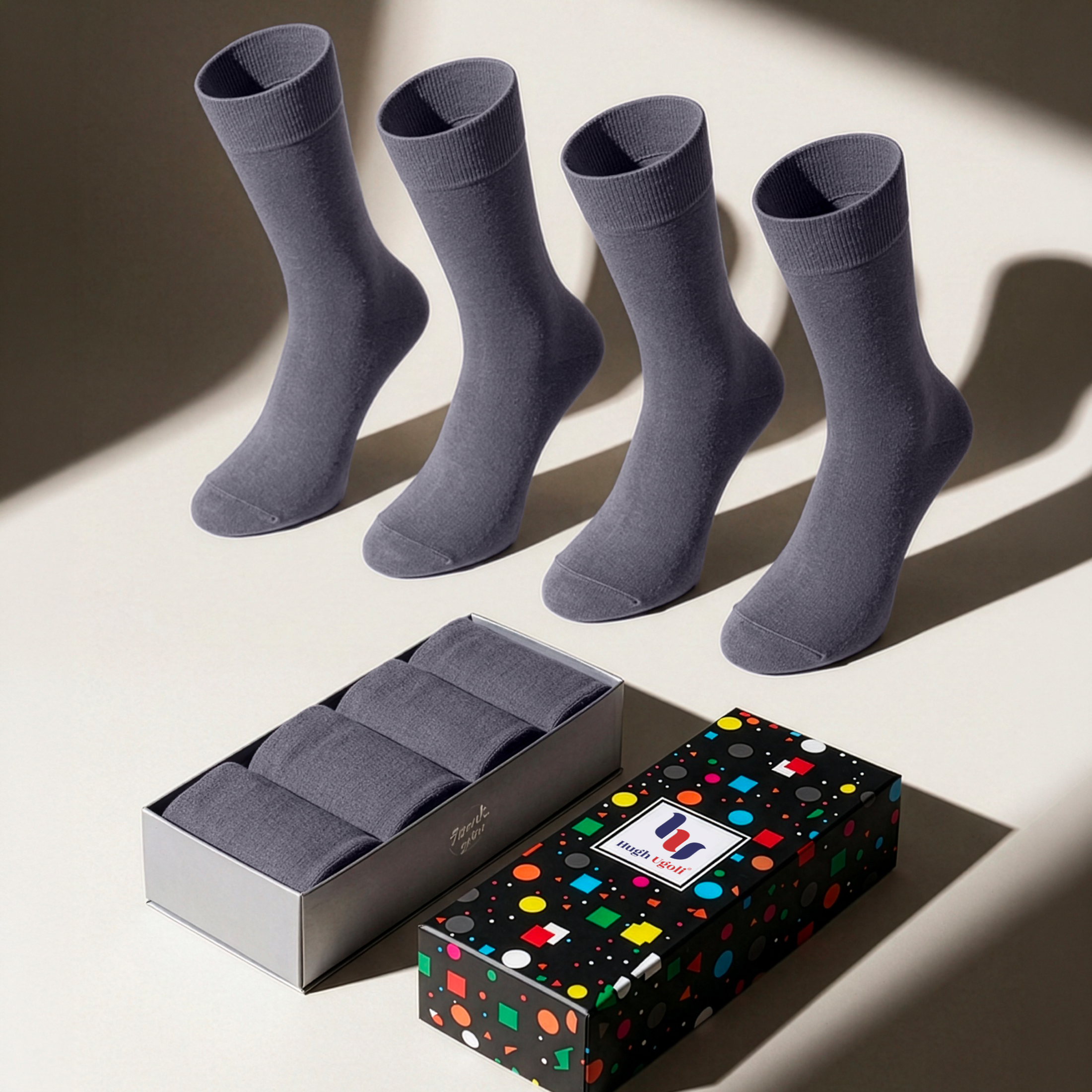
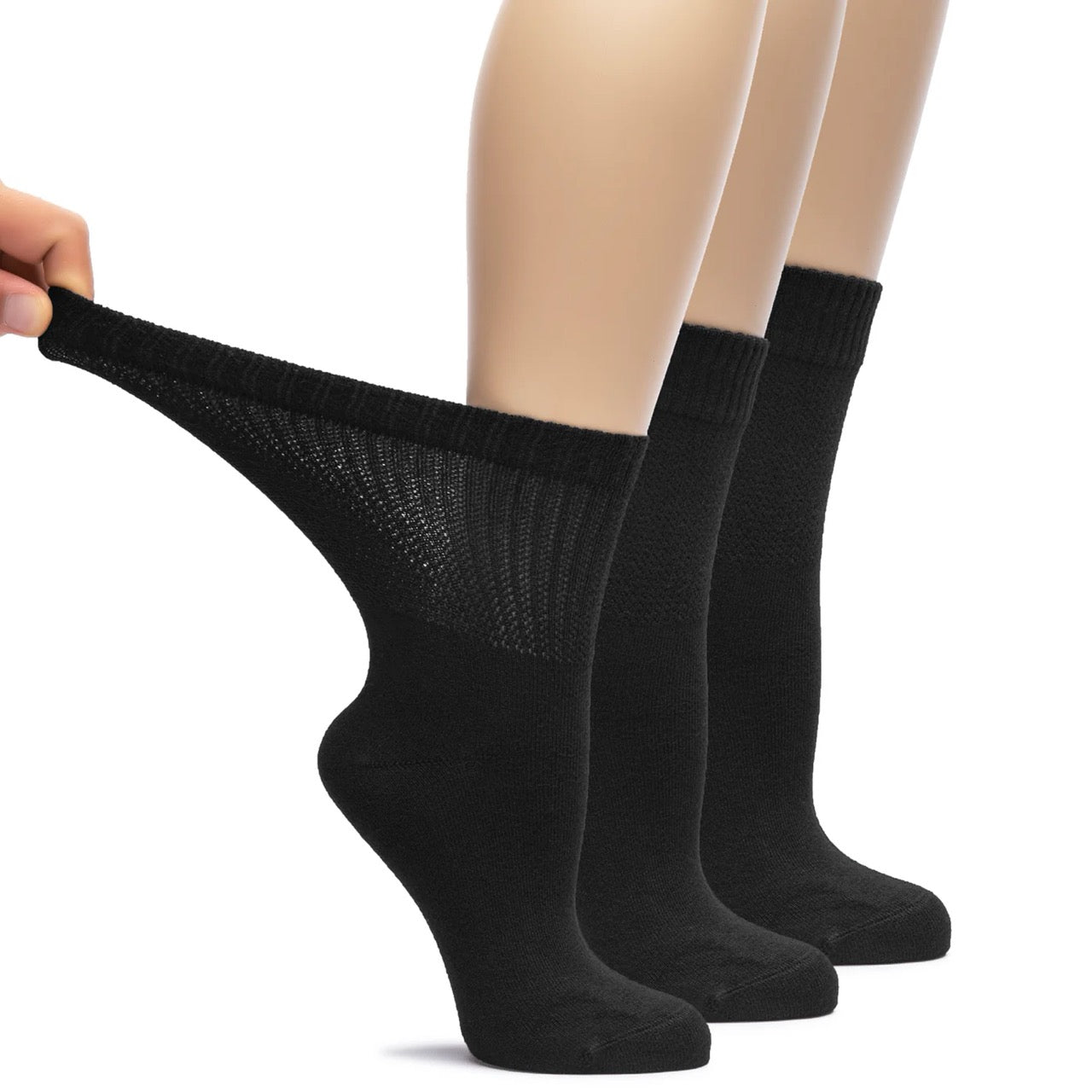
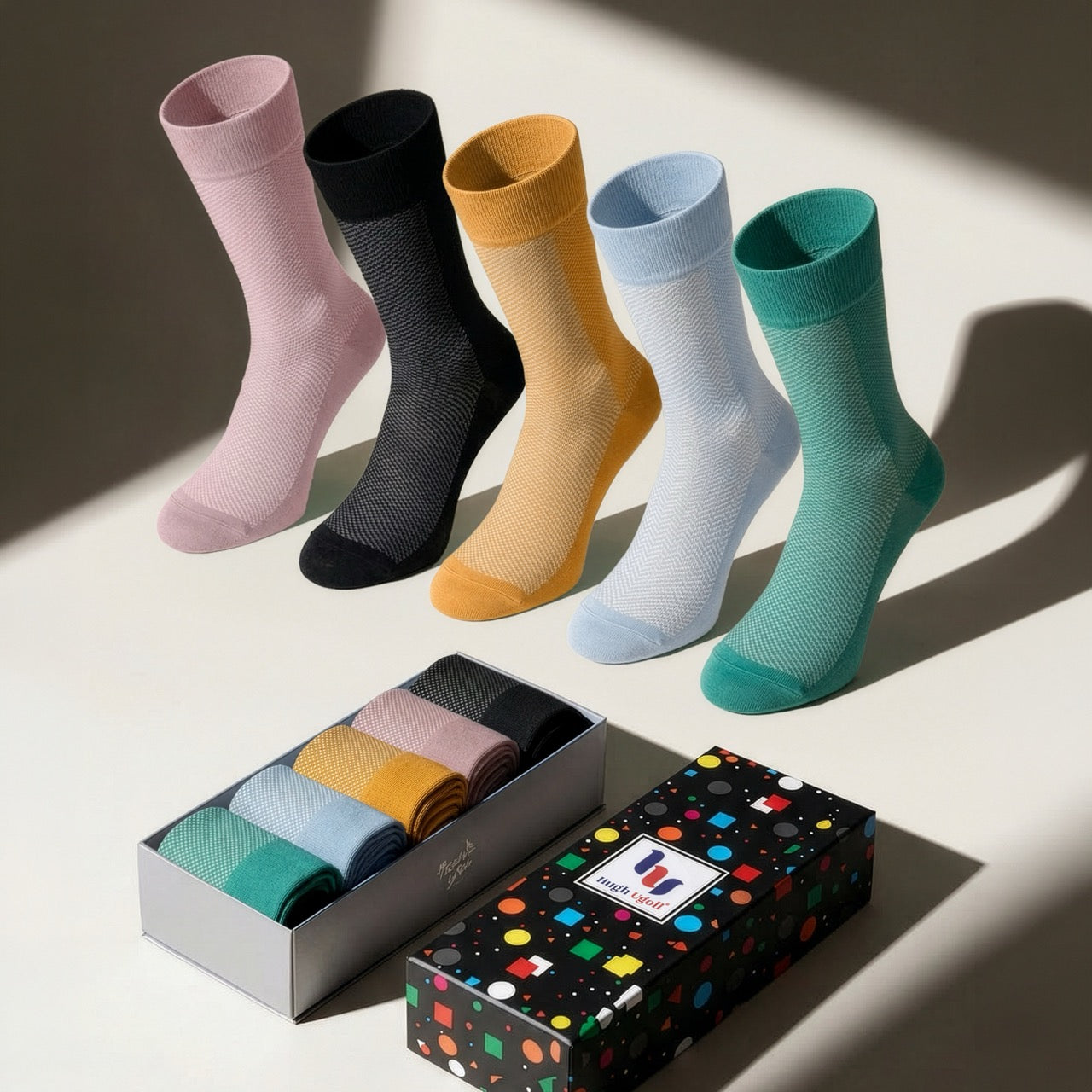
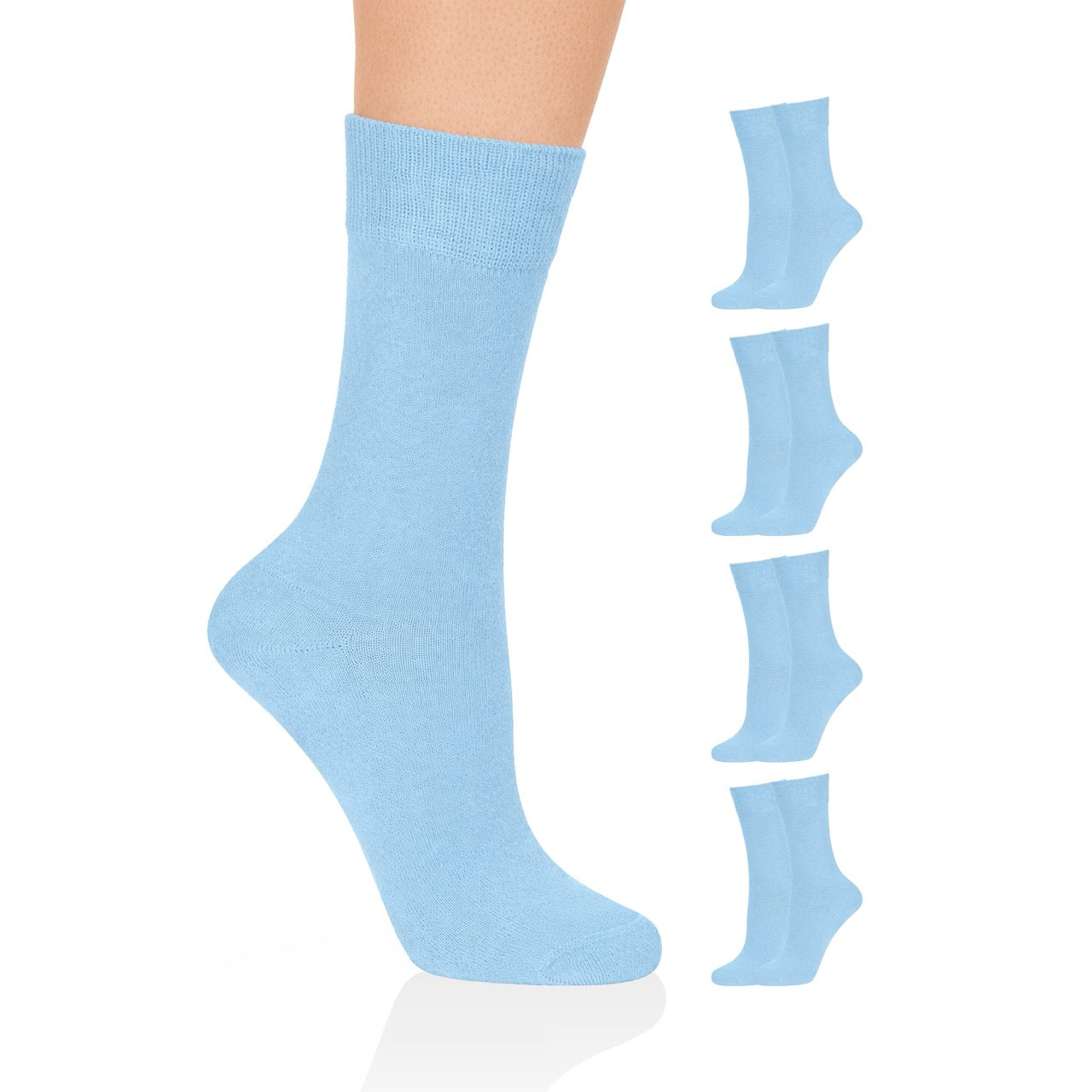
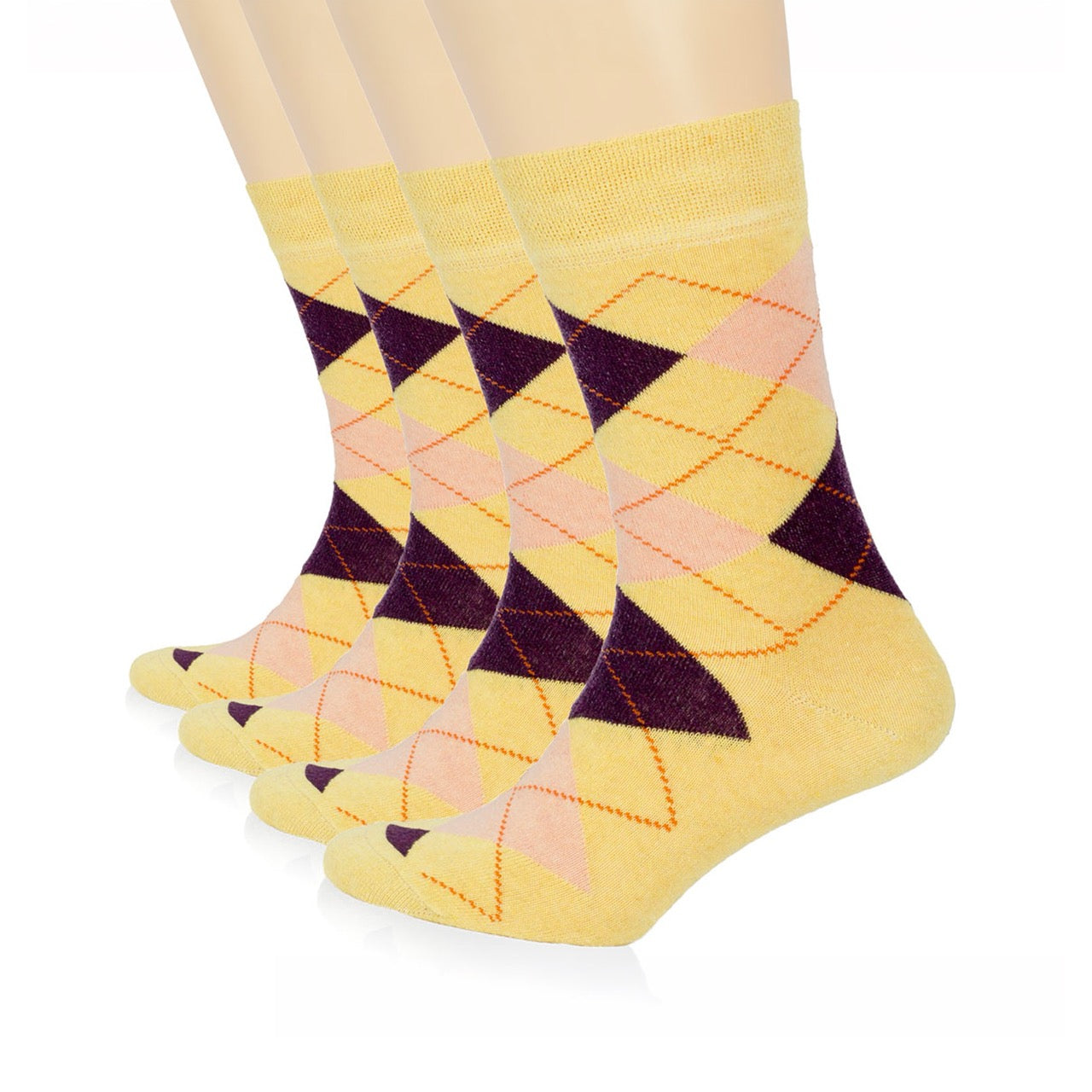
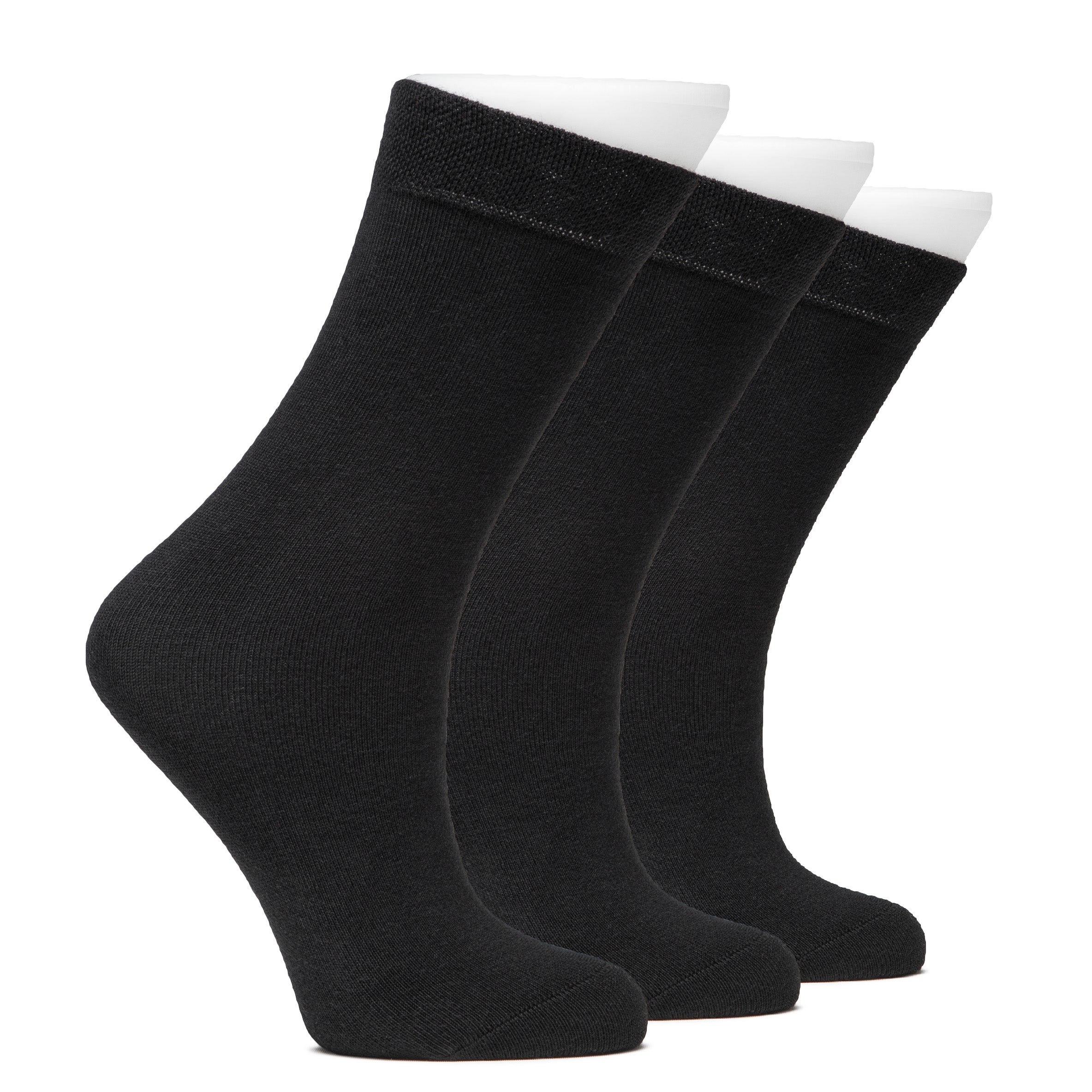
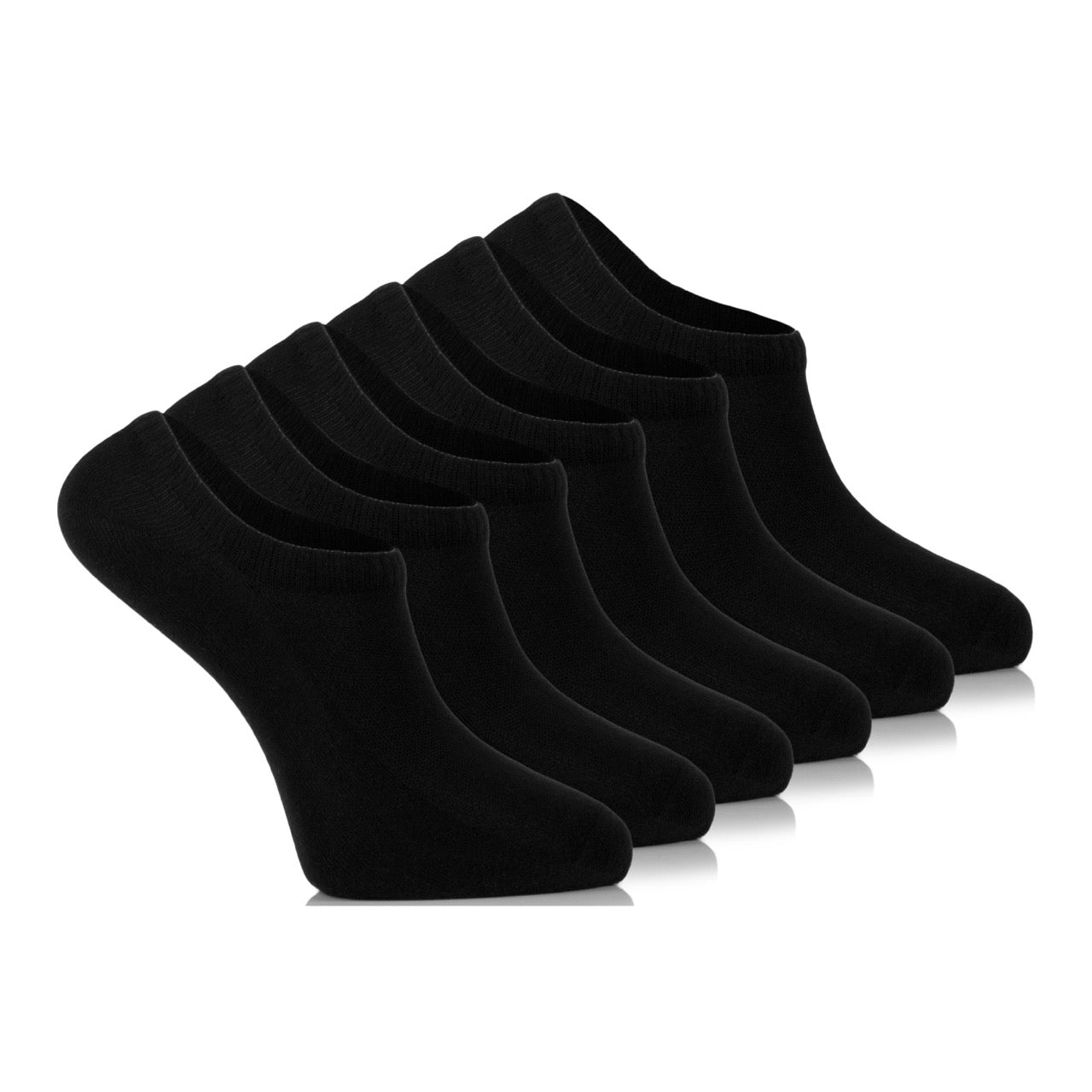
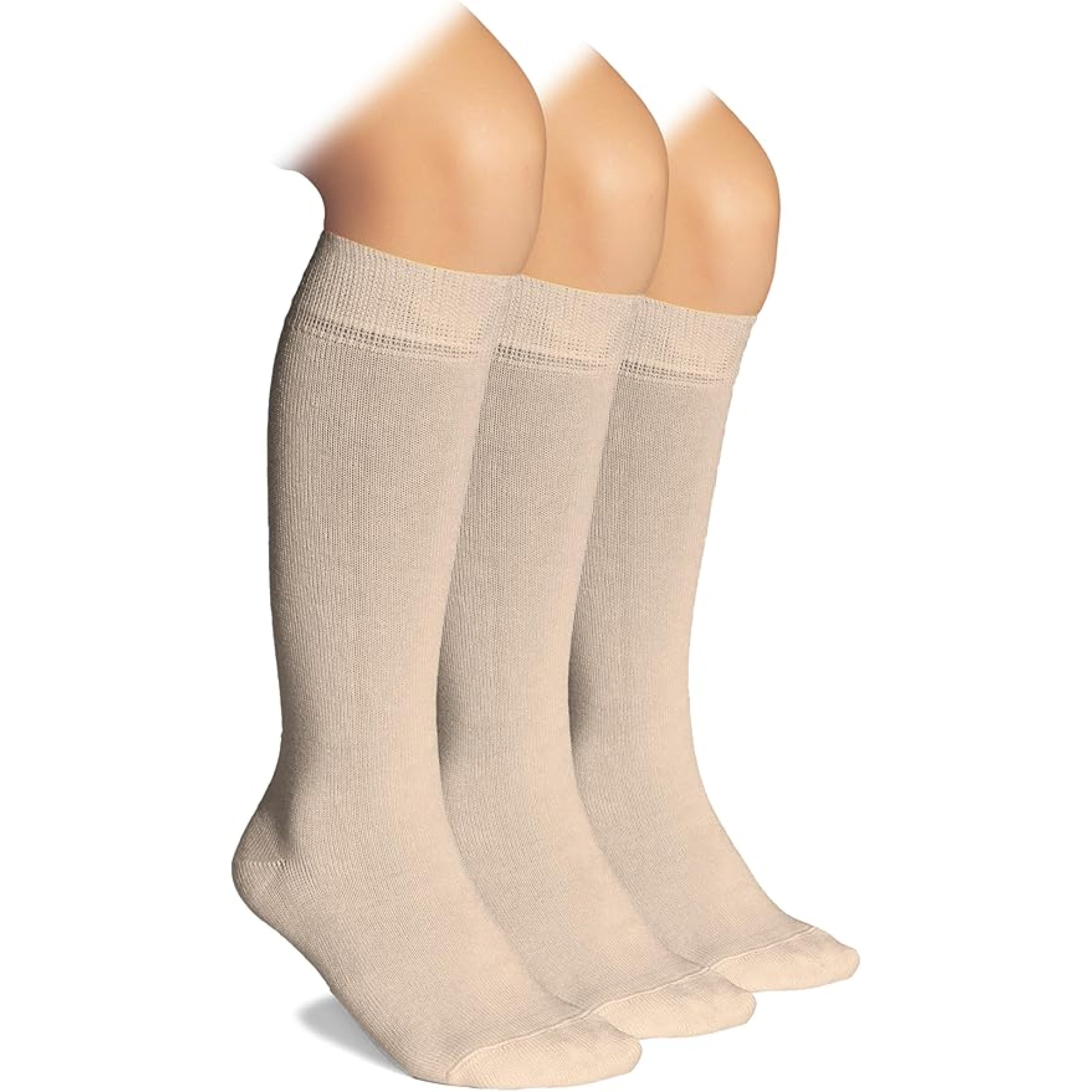


Dress socks may seem like a small detail, but they play a major role in comfort, appearance, and long-term foot health. Whether you're heading to the office, attending formal events, or spending long hours on your feet, choosing the right pair can make a noticeable difference.
High-quality dress socks are not just about style—they are designed to support comfort, reduce fatigue, and maintain healthy circulation throughout the day.
High-quality dress socks should offer breathable materials, strong moisture wicking properties, a seamless fit, and durable construction. Look for socks that support comfort, reduce the risk of blisters, and help maintain proper circulation without applying excessive pressure.
The foundation of any great dress sock is its material. Premium fabrics not only improve comfort but also extend the life of the sock.
High-quality socks use materials that support both comfort and long-term foot care.
Good dress socks should actively move sweat away from the skin. Effective moisture wicking properties help:
This is especially important during long workdays or formal events.
A quality dress sock should feel almost invisible on your foot. Fit plays a critical role in both comfort and performance.
Seamless construction prevents friction and irritation. This is particularly important for individuals with sensitive feet or nerve damage.
Durability is key. Reinforced areas help socks withstand daily wear while maintaining structure.
Dress socks should stay in place without squeezing the leg. Socks that are too tight may affect blood circulation, while loose socks can bunch and cause discomfort.

High-quality dress socks are designed to maintain comfort in different conditions.
They should:
This balance is essential for maintaining comfort throughout the day.
While dress socks are not medical products, they still impact circulation. Poorly designed socks can restrict blood flow and cause discomfort.
Socks that are too tight can contribute to:
High-quality socks are designed to avoid these issues while maintaining a secure fit.
Some dress socks include mild support features inspired by graduated compression. These socks apply very light pressure—not medical-level compression—to support circulation.
This can help:
Unlike full compression socks used for deep vein thrombosis (DVT) prevention, dress socks should only apply gentle pressure, not tight compression.
Dress socks are often worn for extended periods, especially in professional settings. Comfort should always be a priority.
Look for socks that:
For individuals who stand or sit for long periods—including pregnant women or office workers—comfort-focused socks are essential.
Some people require additional features beyond standard dress socks.
Wearing diabetic socks may be beneficial for those with sensitive feet. These socks are designed to:
They are particularly useful for people with diabetes or anyone with sensitive skin.
For individuals dealing with circulation issues, mild compression socks may be more appropriate than standard dress socks. However, stronger compression designed for conditions such as varicose veins or blood clots should be chosen carefully.
In such cases, some people wear compression socks instead of traditional dress socks for added support.
High-quality dress socks are built to last. Investing in better socks means fewer replacements over time.
Durable socks:
This not only saves money but also ensures consistent comfort.
While comfort is essential, style still matters. Dress socks should complement your outfit while maintaining a refined look.
Key considerations include:
A high-quality sock balances both function and appearance.
Choosing high-quality dress socks is about more than just appearance. The right pair supports comfort, improves durability, and protects your feet throughout the day.
By focusing on materials, fit, moisture control, and circulation-friendly design, you can find socks that meet both your style and performance needs. Whether you prioritize long-day comfort or subtle support, investing in better socks leads to a better overall experience.
Merino wool and high-quality blends are ideal because they offer breathability and moisture control.
Yes. Socks that are too tight can restrict blood flow, while well-designed socks support healthy circulation.
Not always. Mild support is helpful, but full compression is typically used for medical needs like DVT or varicose veins.
Yes. They are a good option for people who need extra comfort and reduced pressure.
Check the material, stitching, elasticity, and how well the sock maintains its shape after washing.
He has been working for more than 20 years in the textile industry and has work experience in many parts of the world.