Cart
0
You may also like
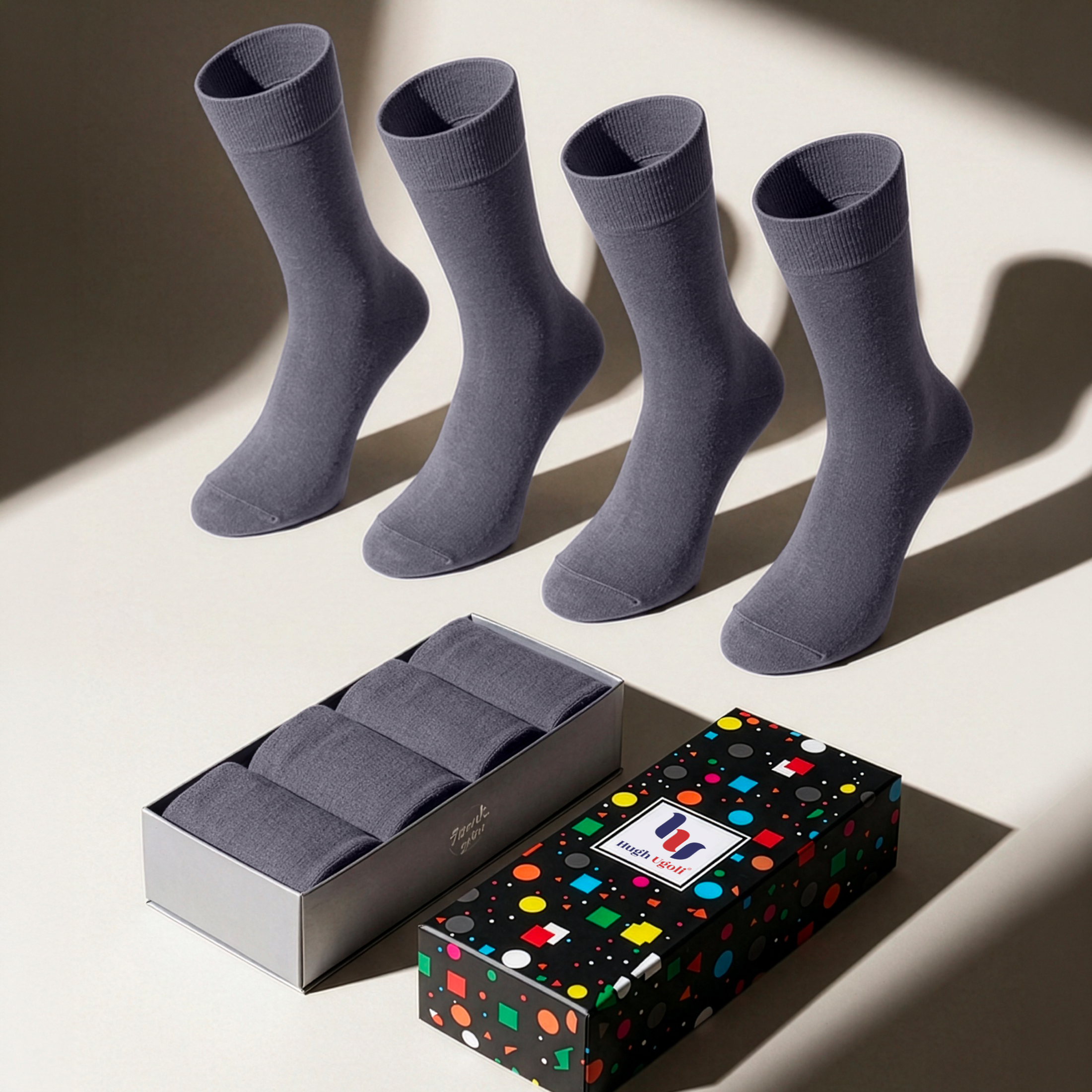
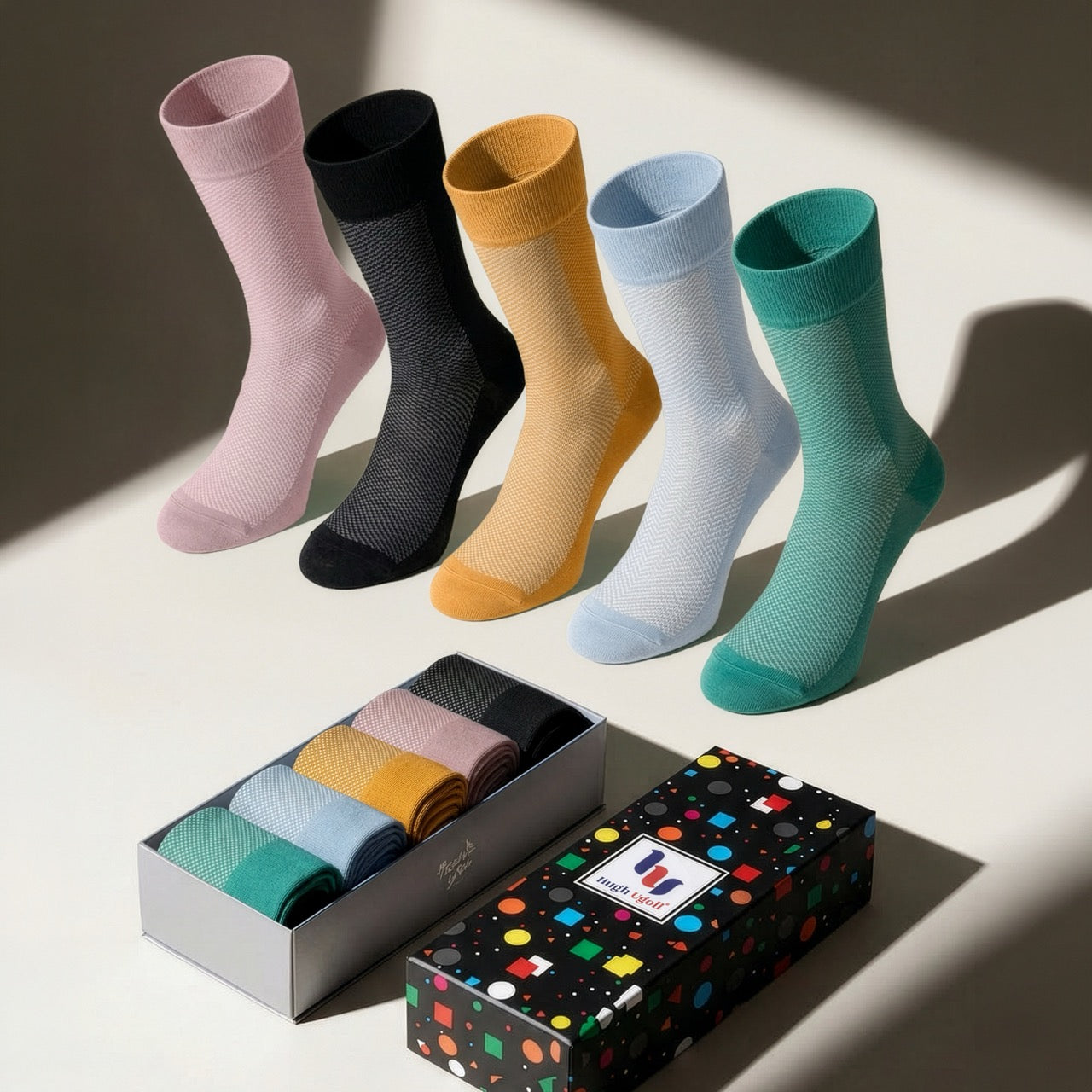
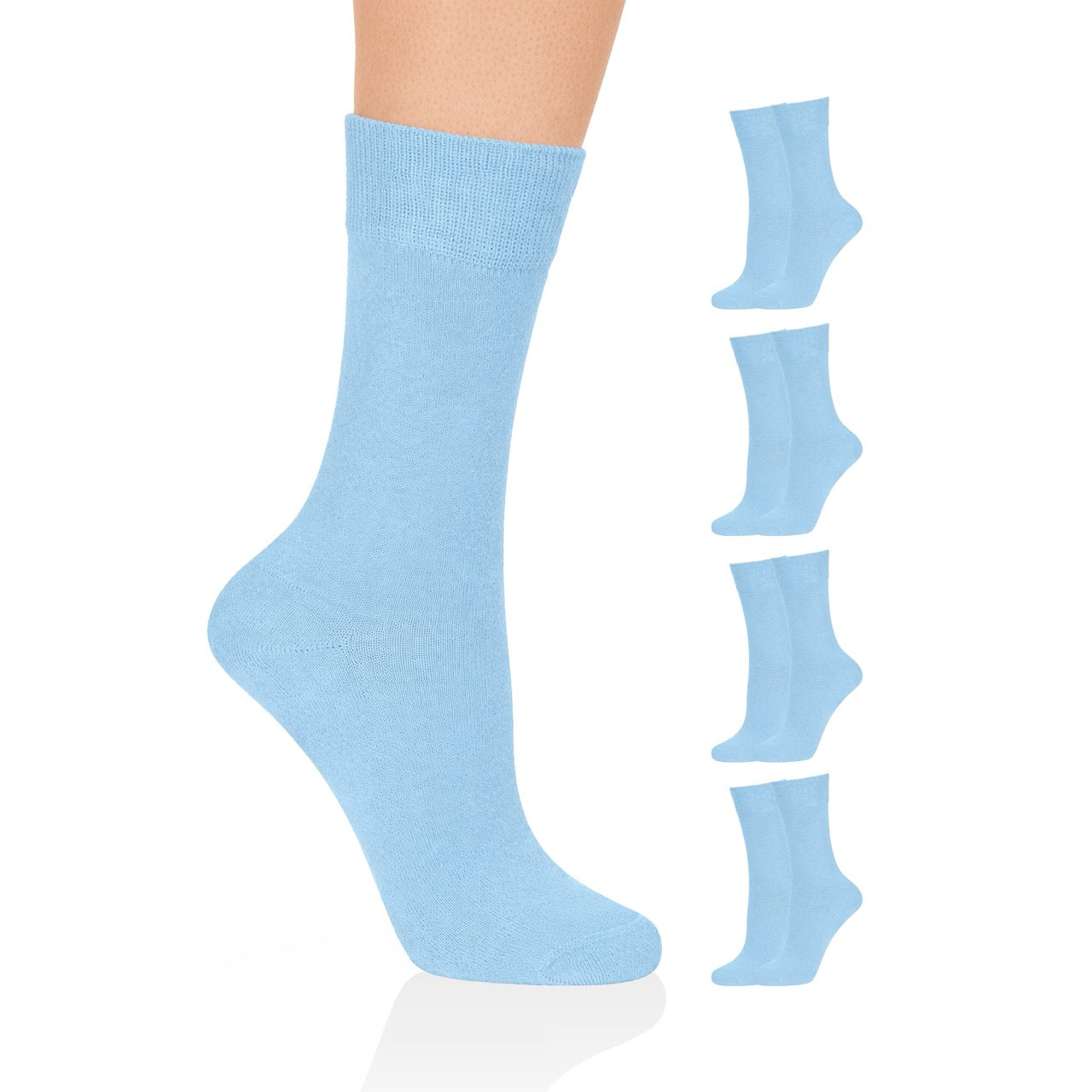
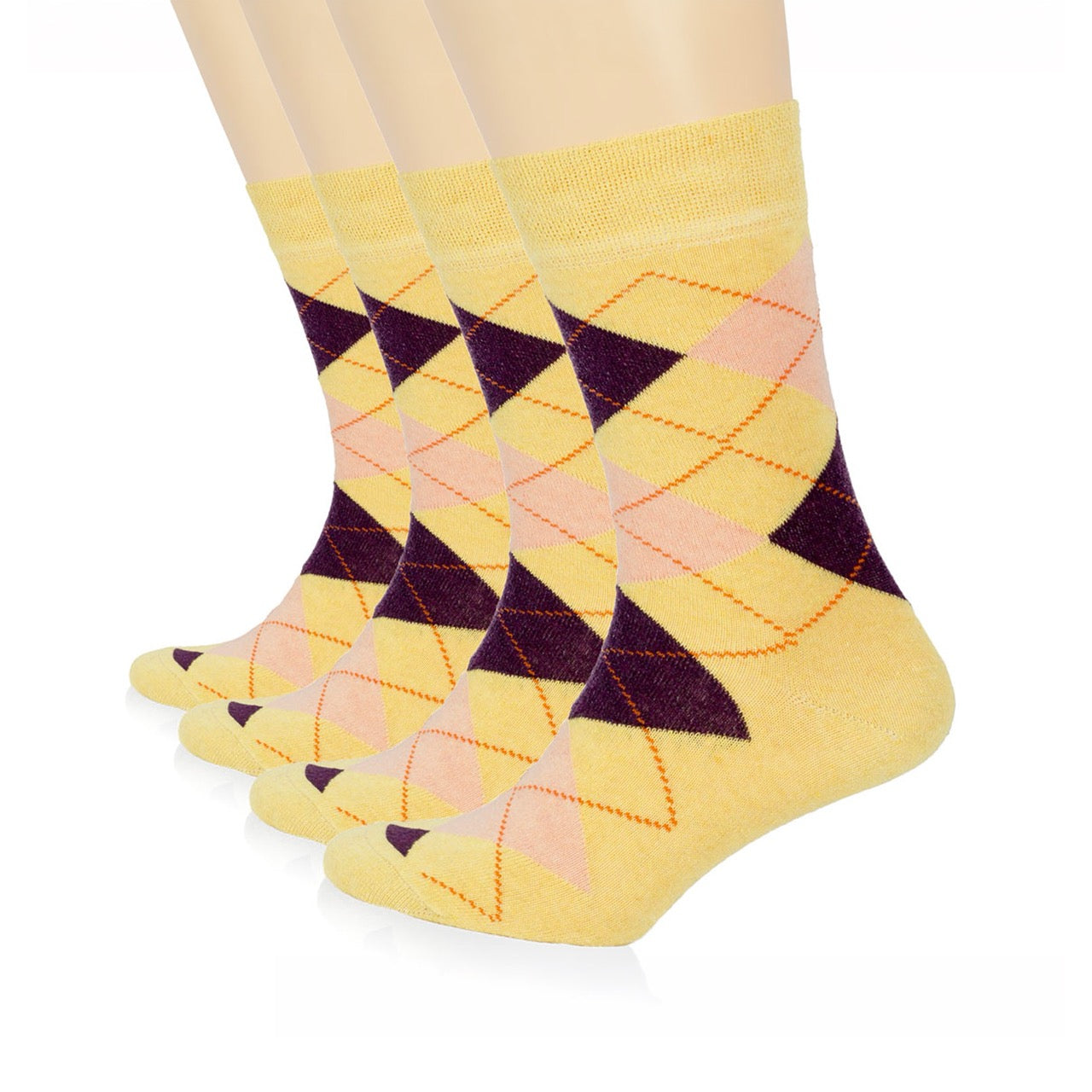
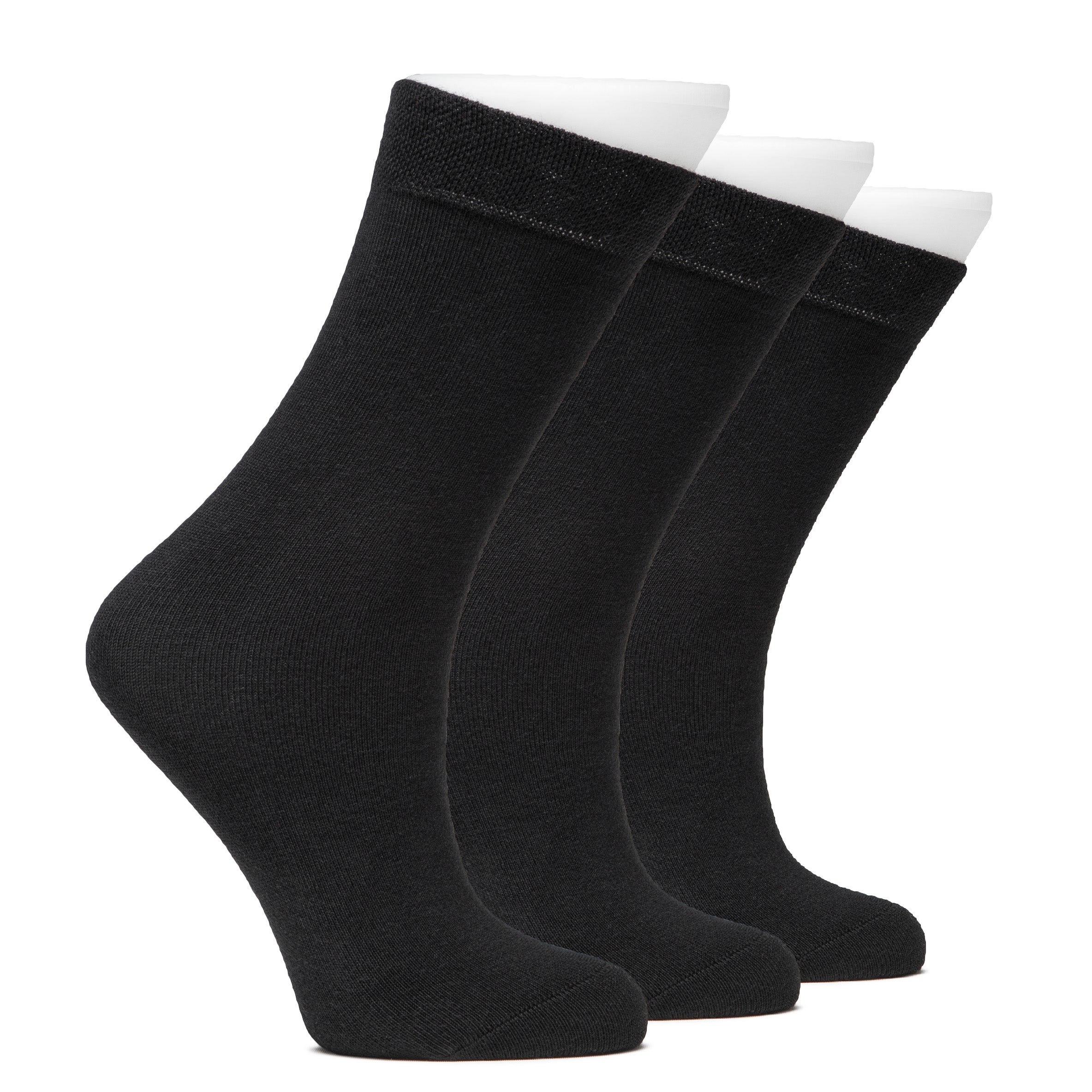
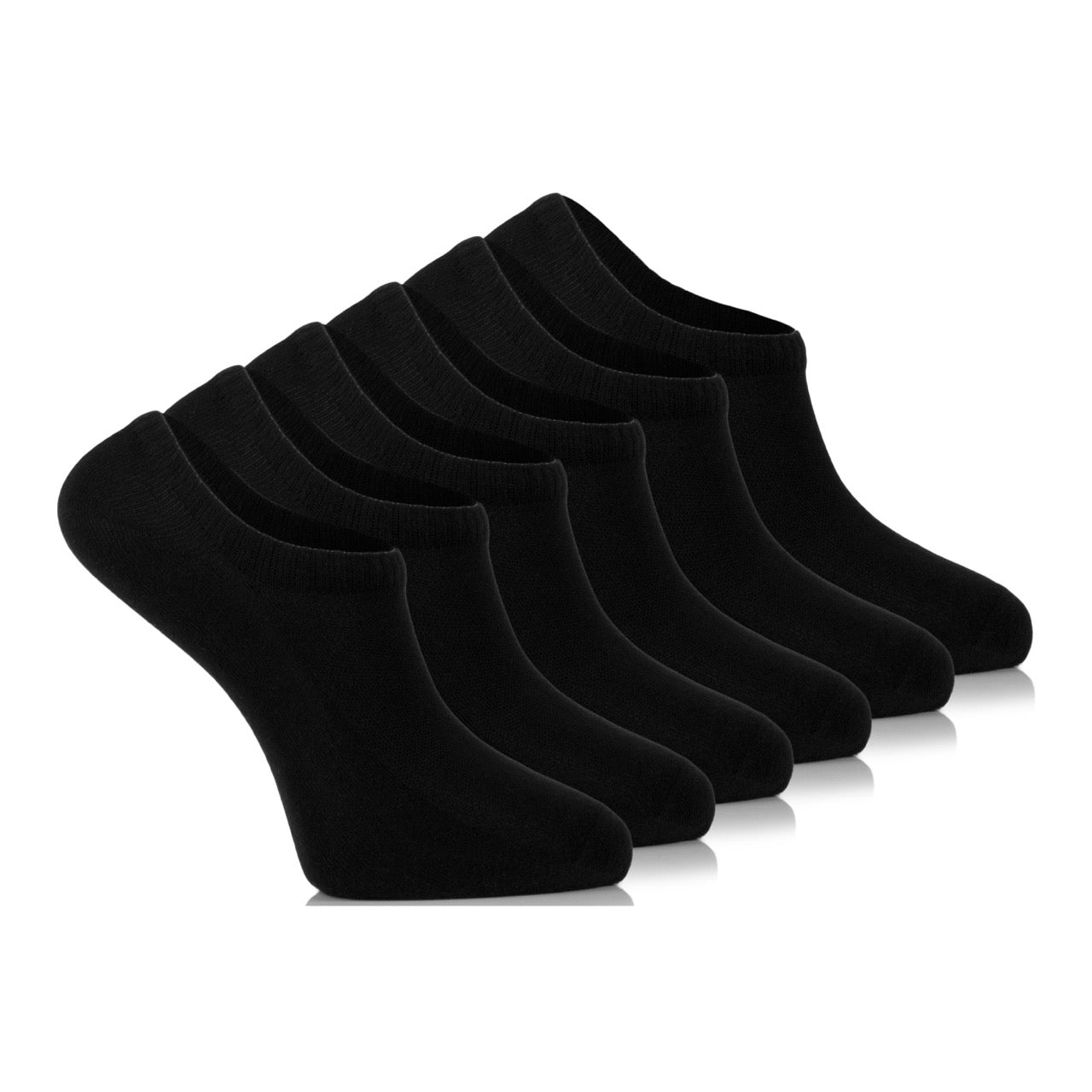
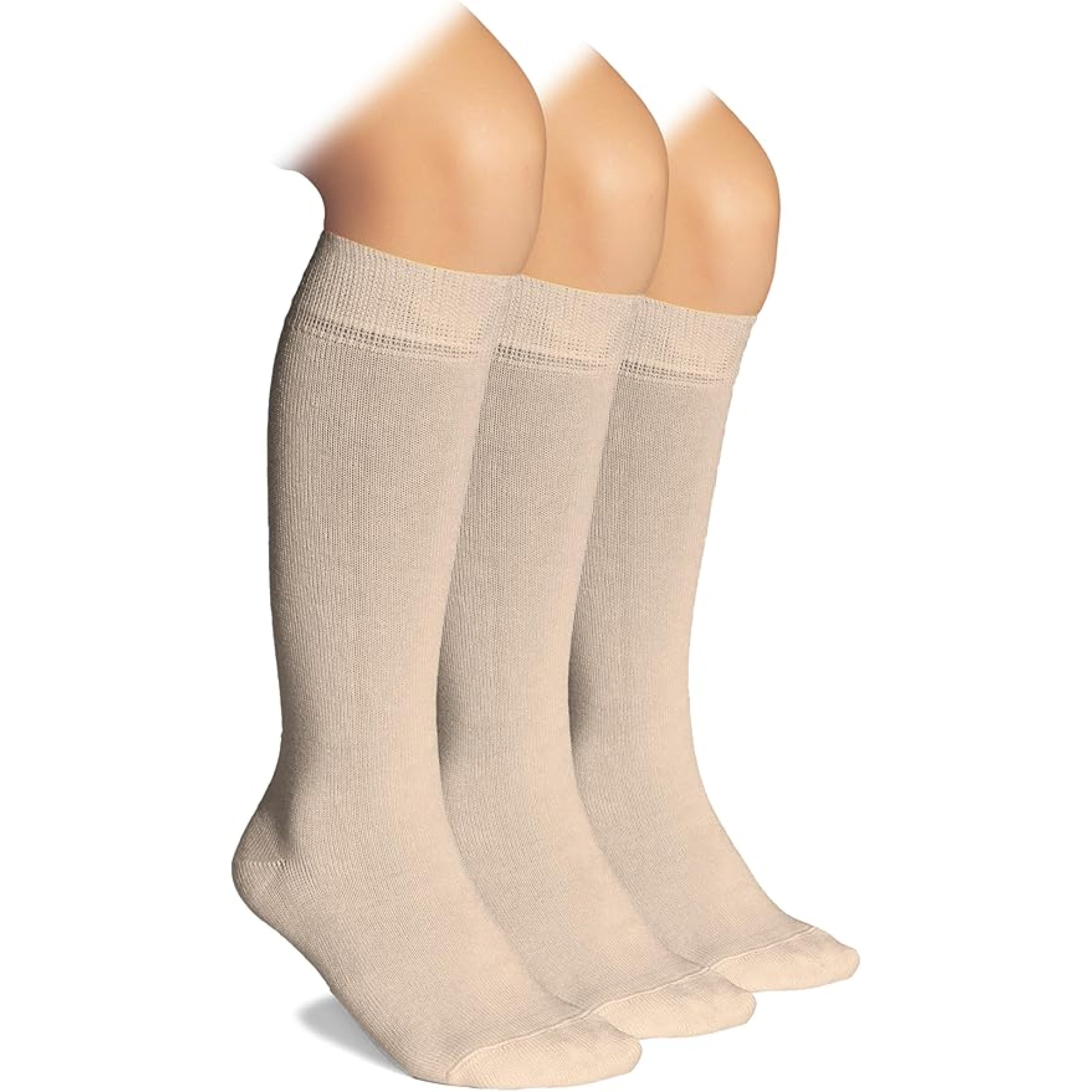


The short answer is no. In the United States, diabetic socks are sold over the counter, and you do not need a prescription from a doctor to buy a pair. You can order them online, pick them up in a pharmacy, or buy them from a retailer without any paperwork at all.
The longer answer is the one people are usually after, because the question is rarely just about permission. It is about money. If a clinician mentioned diabetic socks at an appointment, or a family member said something about insurance covering them, it is reasonable to assume there must be a prescription route that makes them cheaper. This article explains why that route mostly does not exist for socks, what Medicare does and does not cover, when a written order genuinely matters, and how to make a sensible decision without waiting for a referral you do not need.
Prescription requirements exist to manage risk. A medication can harm you at the wrong dose. A powered medical device can be misused. A sock, however carefully engineered, sits in a different category — it is a garment, and wearing the wrong one does not carry the kind of risk that regulators build a gatekeeping system around.
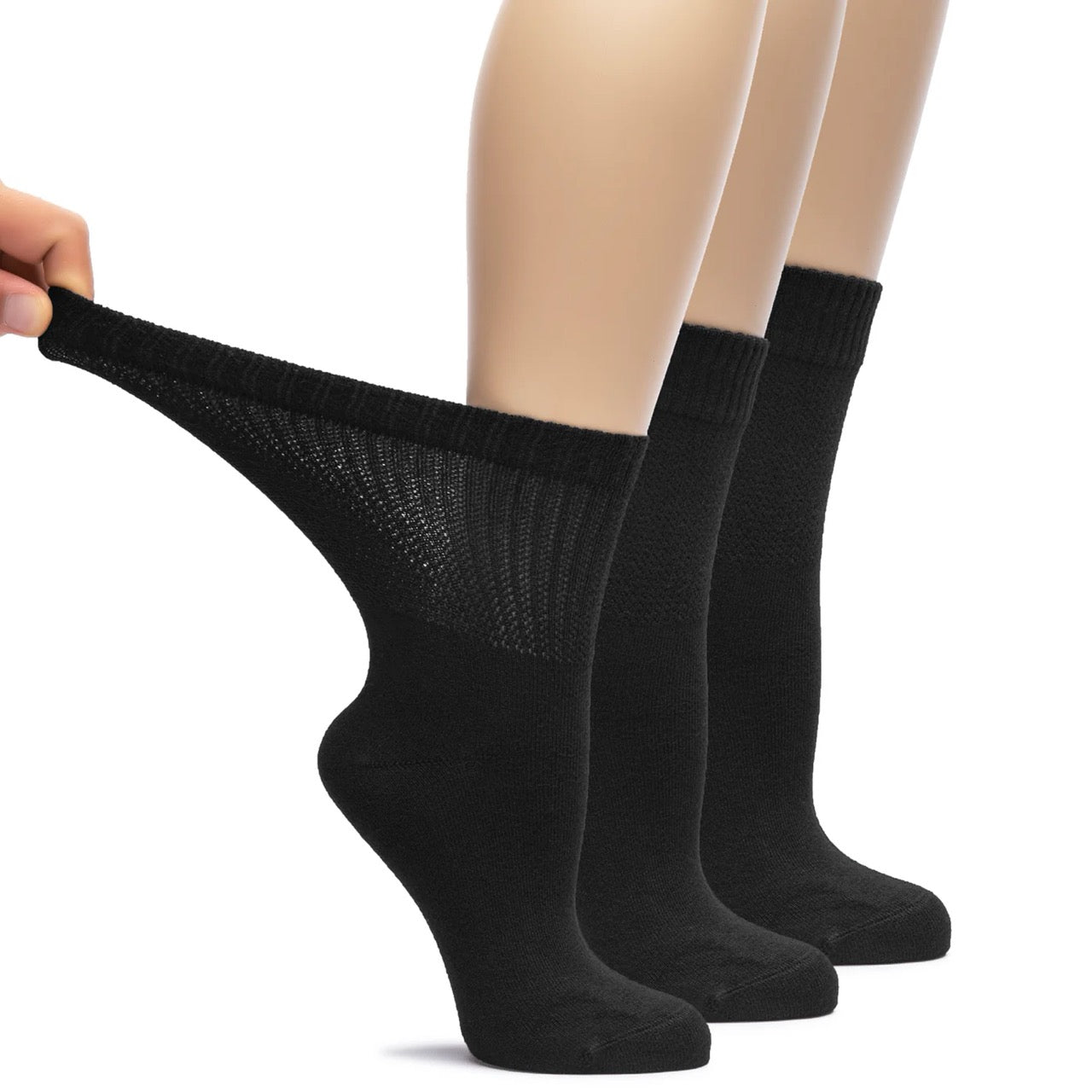
So diabetic socks are classified and sold as ordinary consumer goods. What distinguishes them from regular socks is construction rather than regulatory status: a flat or seamless toe, a non-binding cuff, a smooth interior with no protruding seams, and often a moisture-moving fibre and light cushioning at pressure points. Those features are designed to reduce friction and constriction on feet that may have reduced sensation. None of them require supervision to use.
This is genuinely good news. It means the answer to "should I wait until my next appointment?" is no. If your clinician has raised footwear as a concern, you can act on it this week.
This is where most of the confusion originates, and it is worth being precise, because a lot of what circulates online is wrong.
Medicare's therapeutic footwear benefit covers shoes and inserts, not socks. Under the Part B benefit described on Medicare.gov's therapeutic shoes and inserts page, a person with diabetes who also has severe diabetes-related foot disease may be eligible for one pair of custom-moulded shoes with inserts, or one pair of extra-depth shoes with three pairs of inserts, in a calendar year. The doctor treating the diabetes has to certify the need, a podiatrist or other qualified doctor has to write the order, and the supplier has to be enrolled in Medicare.
Diabetic socks are not part of that benefit. The CMS local coverage determination for therapeutic shoes for persons with diabetes sets out what falls inside the benefit category, and socks are not among the covered items. No amount of documentation changes that, because the issue is not whether the paperwork is sufficient — it is that the item is outside the benefit.
We are stating this plainly because the alternative is worse. People delay buying socks while they chase a referral, or they buy from a seller implying coverage and are surprised by the bill. If you have seen a claim that a particular brand of diabetic socks is "Medicare covered," treat it with scepticism. Our fuller breakdown in does Medicare cover diabetic socks walks through the same rules in more detail.
One genuine nuance: Medicare Advantage plans are private plans that must cover at least what Original Medicare covers, and many add supplemental benefits on top — over-the-counter allowances being the most common. Some of those allowances can be spent on health-related everyday items through a plan catalogue.
Whether socks appear in a given plan's catalogue varies by plan, by insurer and by year. If you are on a Medicare Advantage plan with an OTC allowance, the only reliable way to find out is to check your own plan's current catalogue or call the number on your card. Nobody selling socks can tell you what is in your plan.

Health savings accounts and flexible spending accounts work on a different principle. Rather than a covered-items list, they turn on whether an expense qualifies as a medical expense under the tax rules, and everyday clothing generally does not.
Where an item has both a personal and a medical use, administrators often look for a letter of medical necessity from a clinician explaining why the item is needed to manage a specific condition. Some administrators accept such letters for specialised footwear items; others do not. Rules also change from year to year.
We are deliberately not telling you whether our socks qualify for your account, because that is not something a retailer can determine. If you have an HSA or FSA and want to explore it, ask your plan administrator directly what documentation they require, and ask your clinician whether they are willing to provide it. Keep the receipt either way.
There are a few situations where clinical input genuinely changes the answer — not because you need permission to buy socks, but because the details matter.
Outside these situations, buying a good non-binding, seamless-toe sock is an ordinary consumer decision.
Since nobody is going to hand you a specification, here is what actually distinguishes a well-made diabetic sock from a marketing label.
Our men's lightweight bamboo diabetic ankle socks and women's bamboo diabetic crew socks are designed with comfort-focused features such as non-binding cuffs and smooth toe construction. Our unisex cotton diabetic crew socks offer a heavier-weight alternative for everyday wear. The full diabetic socks collection covers both ankle and crew heights in thin and cushioned weights.
If you are going to see a clinician anyway, there are a handful of questions that are more useful than "can I have a prescription for socks?" — because they get at the things that genuinely differ between people.
None of these require a special appointment. They fit into a routine diabetes review, and the answers change what you buy far more than a prescription would.
If coverage is off the table, the practical question becomes cost per wear rather than cost per pair. A well-constructed sock that keeps its cuff through a hundred washes is cheaper over a year than a cheap multipack replaced every season, and the cuff is usually what fails first.
Two habits extend that life considerably: wash at 40°C or below, and skip the tumble dryer. Heat is what degrades elastane, and a sock with dead elastane either slips down or, worse, has lost the gentle even grip it was designed around.
Buying in multipacks rather than single pairs is also worth doing, mostly because it makes daily changing realistic. Our note on what to look for in bamboo diabetic socks goes into the fibre question, and the complete guide to diabetic socks is the place to start if this is new territory.
No. Diabetic socks are sold over the counter in the United States and can be bought online or in shops without any prescription or written order. They are classified as ordinary garments rather than prescription medical devices.
Original Medicare's therapeutic footwear benefit covers therapeutic shoes and inserts for people with diabetes who meet specific clinical criteria — it does not cover socks. Some Medicare Advantage plans include an over-the-counter allowance that may be spendable on a catalogue of everyday health items, but what is in that catalogue varies by plan and year. Check your own plan documents or call the number on your card.
It depends on your plan administrator and on the tax rules for the year in question. Everyday clothing is generally not a qualifying medical expense, and administrators that do consider specialised items usually ask for a letter of medical necessity from a clinician. Ask your administrator what they require before you buy, and keep the receipt.
Some clinicians will write a note or a letter of medical necessity if they think it is clinically justified, particularly for an HSA or FSA claim. It will not create Medicare coverage, because socks fall outside that benefit category regardless of documentation. It is still a reasonable thing to ask about at your next appointment.
There is no prescription-only class of diabetic socks to compare against. What varies is construction quality — the flatness of the toe, how gently the cuff grips, the fibre, and how well the sock holds its shape after washing. Judge socks on those features rather than on how they are sold.
This article is for general information and is not medical advice. Talk to your healthcare provider about your own feet.
He has been working for more than 20 years in the textile industry and has work experience in many parts of the world.