Cart
0
You may also like
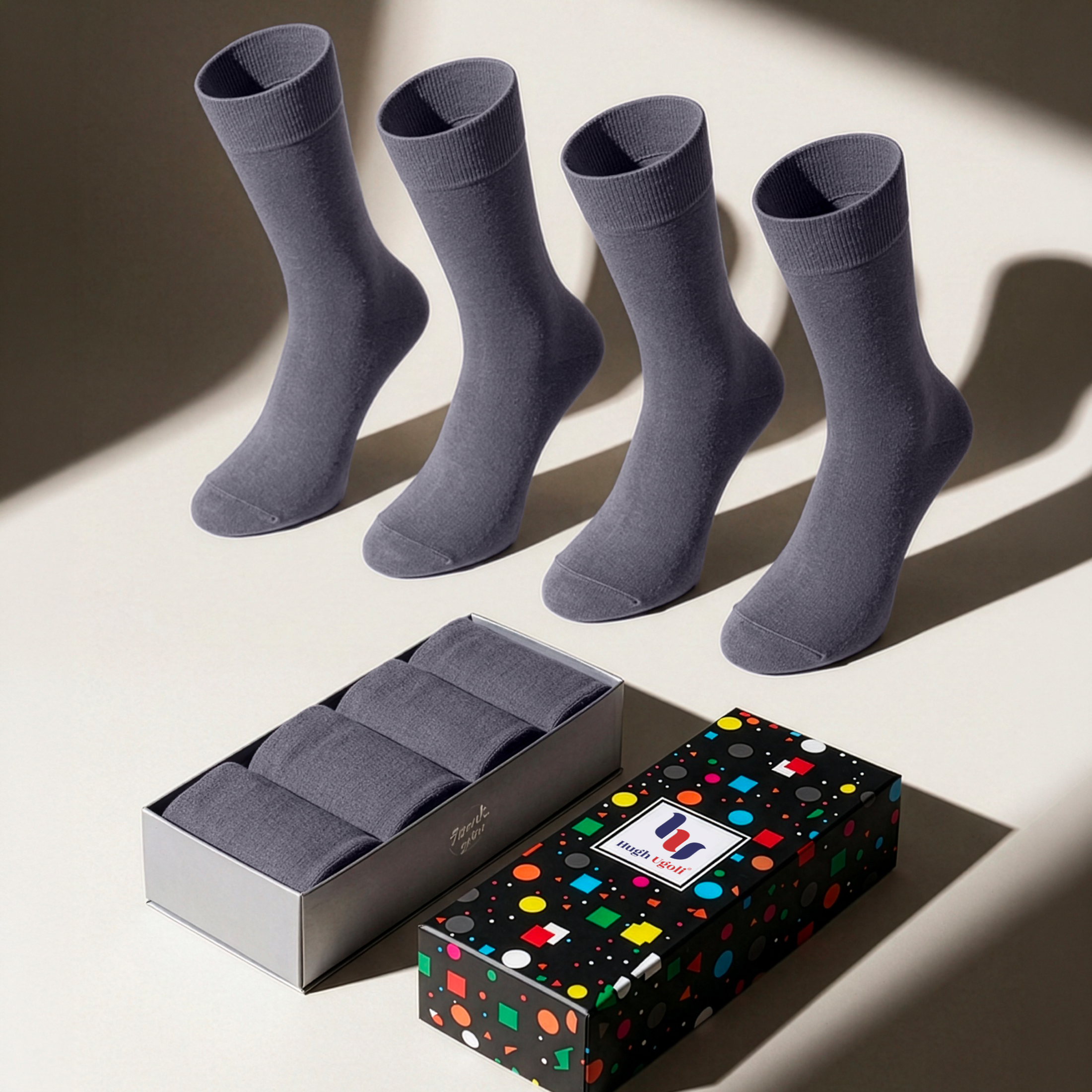
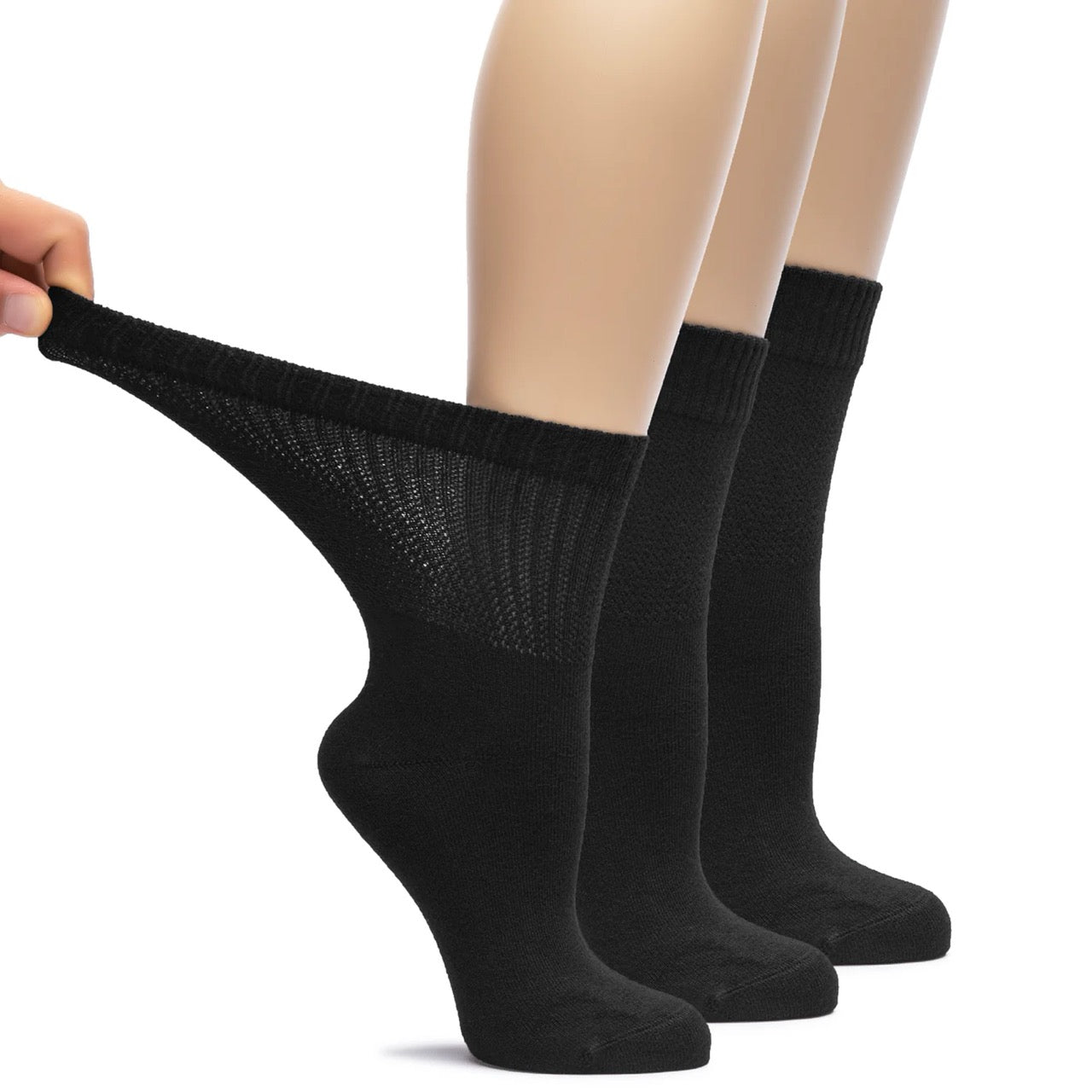
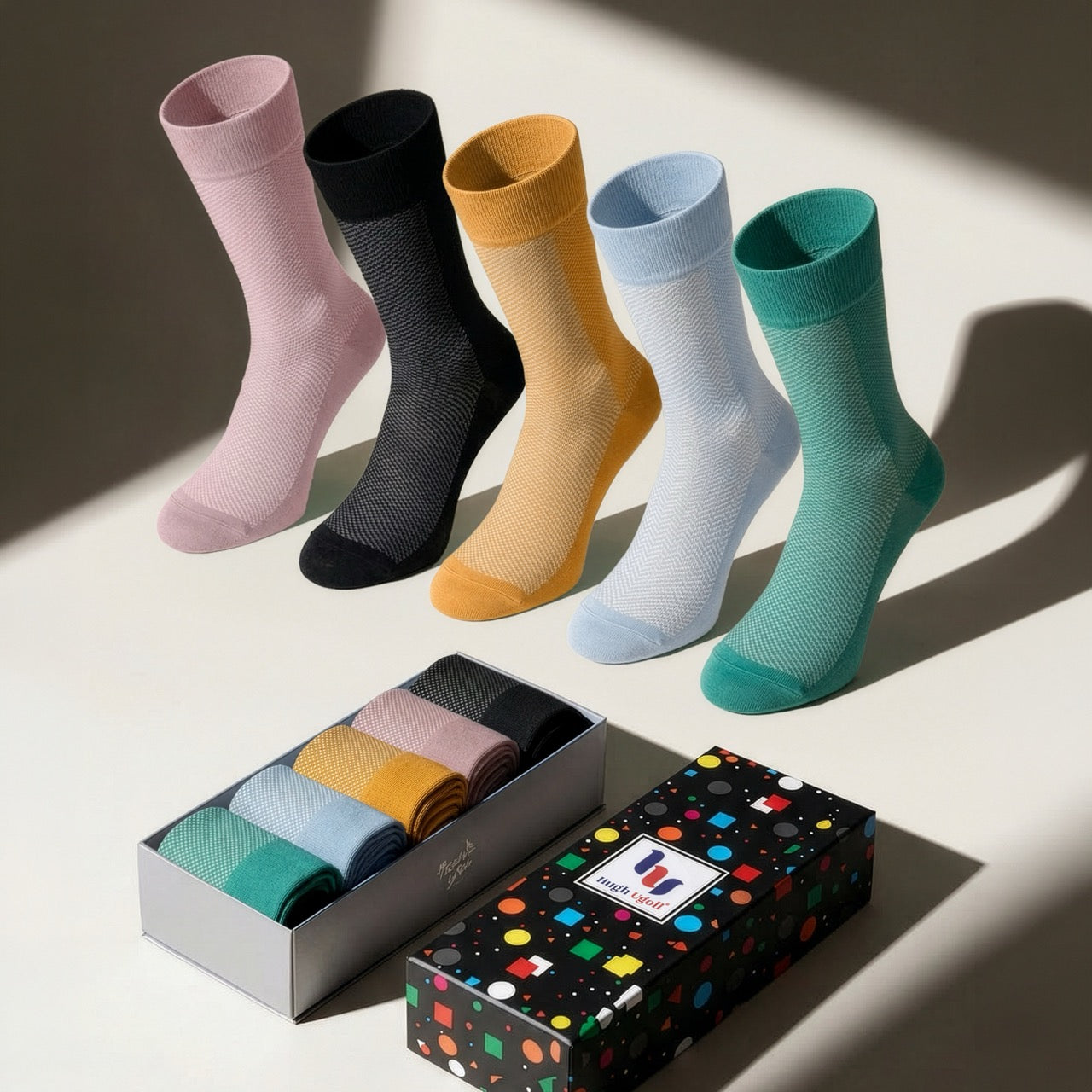


Every autumn the same bag comes out of the cupboard: boots, a ball, a pair of shin guards, and a question nobody in the family can answer with confidence. Does the sock go over the guard or under it? Do you need two pairs? Why does the kit list say "one pair of match socks" when the guards clearly need something to hold them in place?
The confusion is understandable, because the answer changed. Shin guard design moved on, sock design moved on, and the rule that most parents half-remember from their own school days no longer describes what teams actually do. This is a straightforward explanation of what goes under shin guards in the 2026 season, why it matters for comfort and blisters, and how to put together a setup that survives a full autumn of training.
For football, hockey and most guard-wearing sports, the standard arrangement is three layers:
That is it. The guard is sandwiched. It does not go against bare skin, and it does not go outside the match sock.
The two common variants both come from the same place. Some guards, particularly junior sizes, come with an integrated sleeve or an elasticated strap system, which replaces the base sock's job of holding the guard in place — but not its job of protecting the skin. And some guards are sold as a slip-in insert that lives inside a purpose-made sleeve. In both cases you still want a thin layer between plastic and skin.
A shin guard is a moulded shell. Its edges are the problem, not its face. Over ninety minutes of training, the top edge of the guard works against the shin and the bottom edge works against the ankle bone, and both edges move slightly with every stride. Against bare or barely-covered skin, that produces exactly what you would expect: a hot spot at the top of the shin and a rubbed patch on the inside ankle.
The base sock does three things. It puts a smooth surface between the shell edge and the skin. It absorbs the sweat that would otherwise sit between the plastic and the leg and make the friction worse. And it gives the guard something with a little grip to sit against, so it slides less.
The base layer is the part parents most often get wrong, usually by grabbing whatever is in the drawer. What you want is close to the opposite of a thick sports sock.
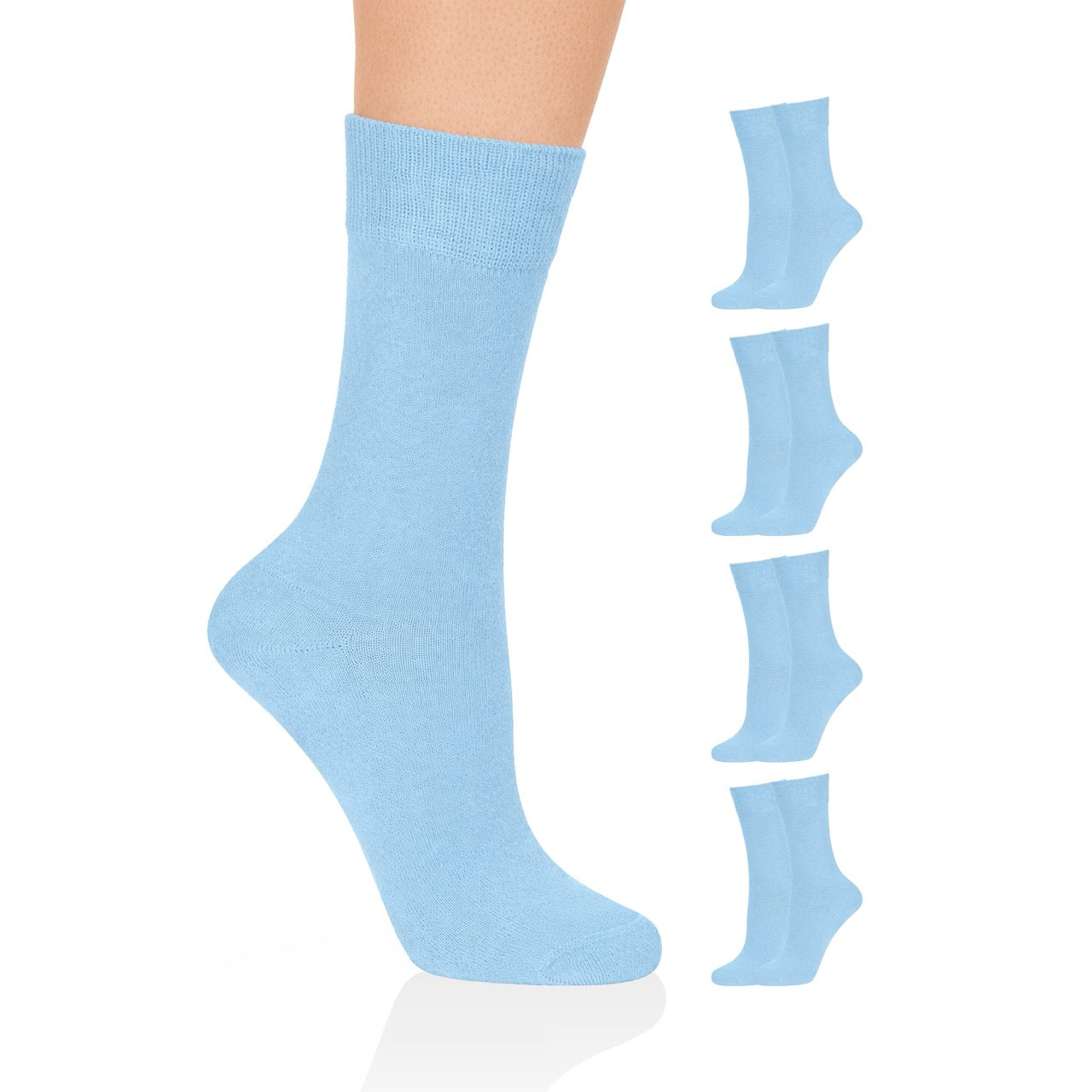
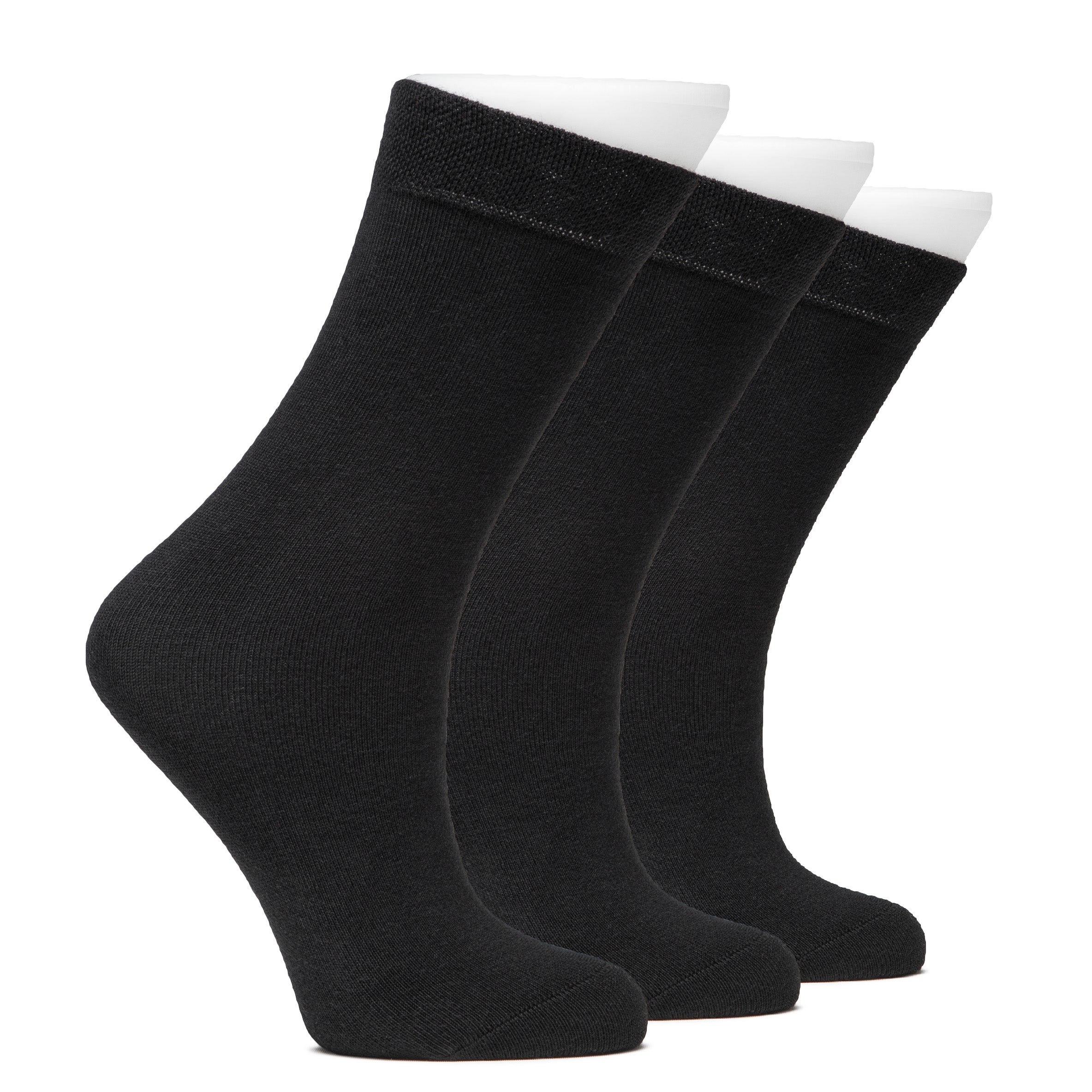
An ankle-length or short crew sock in a lightweight bamboo knit is close to ideal. Something like our kids' bamboo crew socks works well as a base layer for exactly these reasons — thin, seamless at the toe, and non-binding at the cuff — even though they were designed for school rather than sport.
The outer sock is usually dictated by the club, so there is less to decide. Two things are worth knowing anyway.
First, if the match sock is a heavy synthetic knit — most club socks are — it will hold heat and moisture. That is a good reason to make the base layer breathable rather than adding a second synthetic layer.
Second, if the calf of the match sock is leaving deep marks, the usual cause is the total stack: base sock plus guard plus match sock is more circumference than the sock was cut for. Thinning the base layer fixes it more reliably than sizing up the match sock, which then slips down.
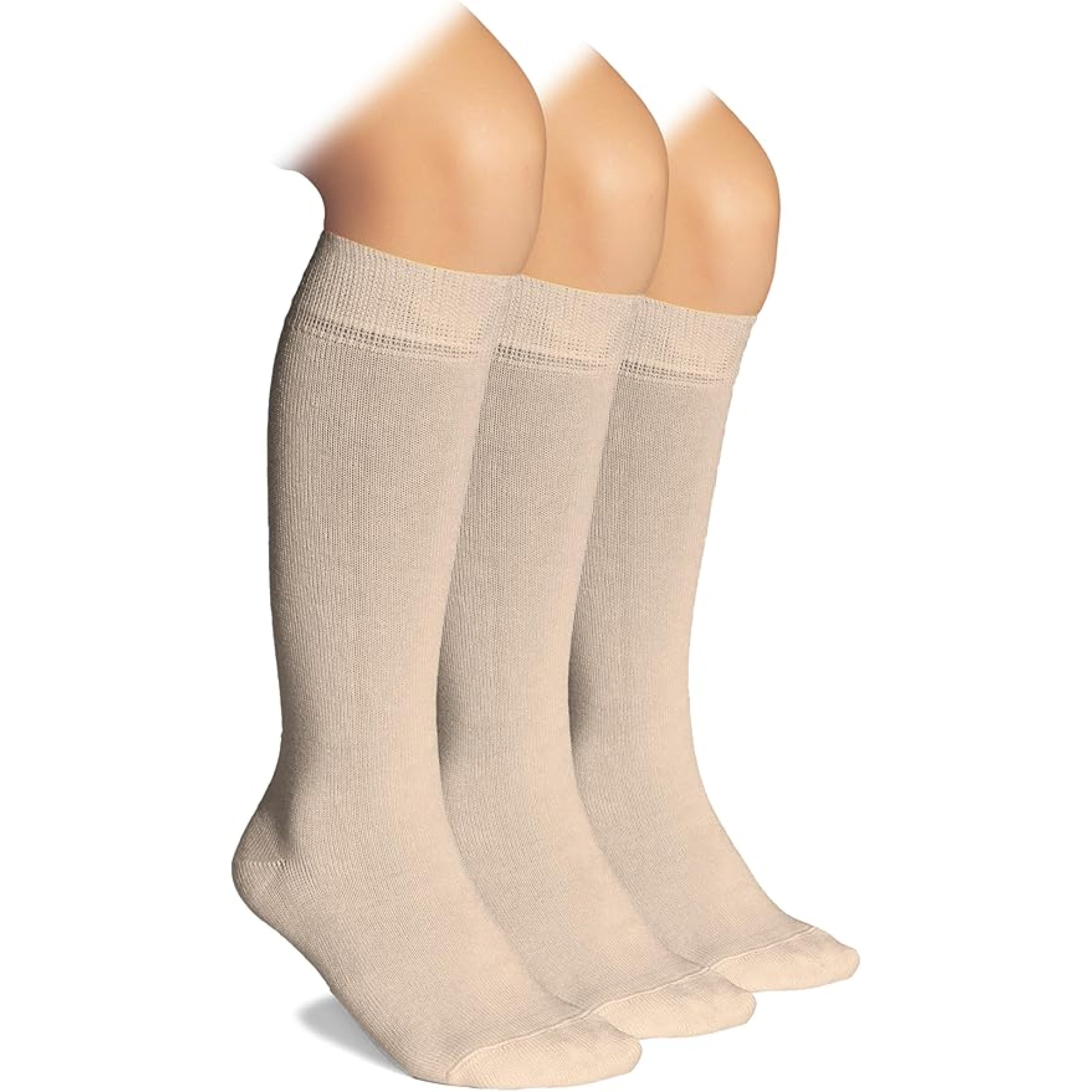
For school and training days that do not need club colours, a plain bamboo knee-high or a cotton knee-high covers the same job without the synthetic heat.

Sock choice cannot rescue a badly sized guard. A guard should finish roughly two fingers' width below the kneecap and cover the shin down to just above the ankle bone — not onto it. Guards that are too long dig into the ankle every stride, which is the complaint most often misdiagnosed as "the socks are rubbing."
Because guard length is fixed and children grow, this is worth rechecking at the start of each season alongside boots and socks. If you are already doing a sizing pass, our note on kids' sock sizes by age and shoe size is a useful companion — feet and calves rarely grow on the same schedule, and a sock that still fits the foot can be well past its limit at the calf.
Grip socks — with silicone dots or pads on the sole — became standard in professional football and then filtered down to junior levels, which is why half a team turns up in them and half does not.
What they do is reduce the small amount of slippage between foot and boot during hard changes of direction. In a well-fitted boot the difference is modest. In a boot that is slightly loose, or a boot with a slick synthetic lining, it is noticeable.
The usual setup is a grip sock as the base layer, with the match sock cut off below the calf or worn over the top. That is a legitimate arrangement and many clubs allow it, but check the rules — some junior leagues require the base sock to match the team colour if any of it is visible.
Two practical caveats. Grip socks are generally a snugger fit than an ordinary sock, so the toe construction matters more, not less. And the silicone pads are the first thing to fail in a hot wash. If you go this route, our guide on how grip socks work and how to look after them covers the washing side.
For most children playing recreational autumn football, a thin, smooth, seamless base sock does the great majority of the work and grip socks are an optional extra rather than a requirement.
Autumn is the worst season for foot problems in kit, and the reason is moisture rather than cold. Training moves onto wet grass, boots stay damp between sessions, and the bag comes home and sits in the hallway until Thursday.
A few things reliably help:
If odour is already an established problem in your house, our guide to getting rid of foot odour goes through the causes properly, and our piece on which sock fabrics make athlete's foot worse is relevant for anyone sharing changing rooms.
Football gets the attention, but shin guards turn up in several sports and the layering logic barely changes.
The common thread is that in every case the base layer is doing two jobs — protecting skin from a hard edge, and moving sweat away from a space that cannot breathe. Cushioning is not one of those jobs, which is why the instinct to reach for a thick sports sock usually makes things worse rather than better.
Everything a junior player actually needs for shin guards, in one place:
You can find the full range in our kids' socks collection. If sock loss across the season is a running battle, our labelling and laundry systems for kids' socks is worth ten minutes in September.
Both, in layers. A thin base sock goes on first, the shin guard sits on top of it, and the long match sock is pulled over the guard to hold it in place. The guard should never sit directly against bare skin, and it should not be worn outside the match sock.
You can, but it is the arrangement most likely to cause rubbing. The edges of the guard move against the shin and ankle throughout a session, and a thin base sock gives that movement something smooth to work against and absorbs the sweat that makes friction worse.
Thin, smooth-faced, with a flat or seamless toe and a cuff that holds position without digging in. Breathable fibres such as bamboo viscose or a good cotton blend handle the moisture better than plain synthetics. Avoid cushioned or heavily ribbed sports socks — the extra bulk makes the match sock tight at the calf.
They can reduce slipping inside the boot, which is most noticeable if the boot is slightly loose or has a slick lining. For most recreational junior players they are a nice-to-have rather than a necessity, and a well-fitting thin base sock delivers most of the comfort benefit. Check your league's rules on visible non-team colours before buying.
Most slipping comes from one of three things: a guard that is too large for the leg, a base sock with a stretched-out cuff, or a match sock that has lost its elasticity from hot washing. Check the guard size first, replace base socks whose cuffs no longer hold, and wash match socks at 40°C or below. Guard stays or sleeves are a reasonable fix if the sizing is already correct.
He has been working for more than 20 years in the textile industry and has work experience in many parts of the world.