Cart
0
You may also like
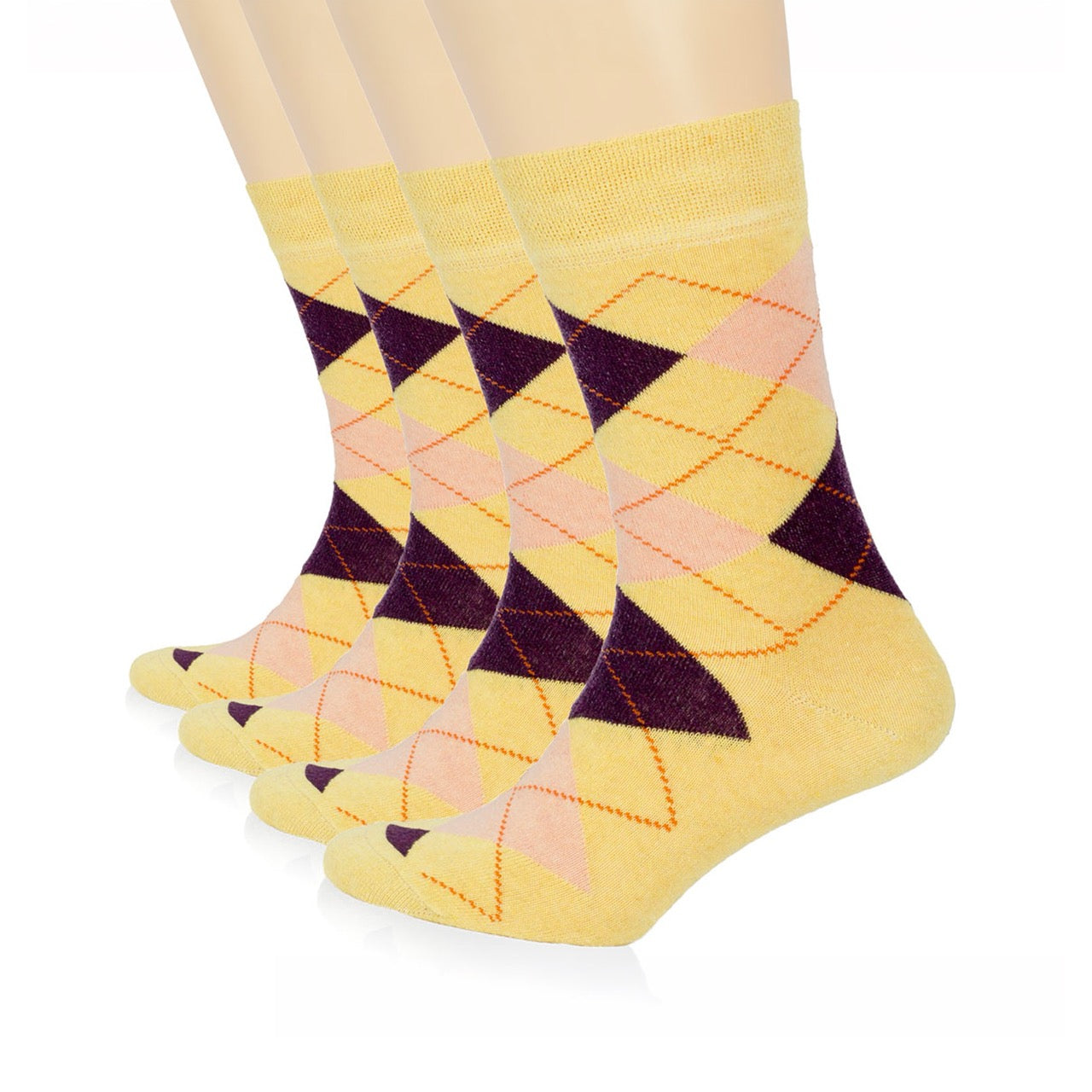


Finding the right socks for both indoor comfort and outdoor performance can be challenging. Many socks are designed for specific environments—soft for home use or durable for outdoor conditions—but not both. The ideal solution is a versatile pair that supports foot health, maintains comfort, and adapts to different activities throughout the day.
This guide explains what makes socks suitable for both indoor and outdoor use, and how to choose a pair that balances comfort, durability, and performance.
Socks that work indoors and outdoors combine breathable materials, moisture wicking properties, a comfortable fit, and light support. They should reduce the risk of blisters, help manage temperature, and provide enough structure for daily wear without restricting circulation.
Switching between indoor and outdoor environments puts different demands on your socks. Indoors, comfort and softness are key. Outdoors, durability and moisture control become more important.
A well-designed sock bridges this gap by offering:
This balance is essential for maintaining overall foot care throughout the day.
Socks used across different environments must handle sweat effectively. Strong moisture wicking properties help keep feet dry, whether you are indoors or outside.
This reduces:
Keeping feet dry is one of the most important aspects of maintaining foot health.
Materials play a major role in versatility. The best socks use fibers that regulate temperature and adapt to different conditions.
These materials help prevent overheating indoors while keeping feet comfortable outdoors.
Indoor-outdoor socks should include moderate cushioning—not too thick, not too thin.
This helps:
Balanced cushioning ensures all-day usability.
A good fit is critical for both environments. Socks that are too loose can slip, while tight socks may restrict circulation.
High-quality socks are designed to:
This is especially important for individuals with sensitive feet or nerve damage.

While everyday socks are not medical products, they still influence circulation and comfort.
Some socks include mild support inspired by graduated compression. These designs apply gentle pressure to improve comfort during long wear.
This can help:
However, stronger compression socks are typically used for medical needs such as deep vein thrombosis (DVT) prevention or managing conditions such as varicose veins.
In some cases, individuals may choose to wear compression socks instead of standard socks for added support.
For indoor use, comfort is the main focus. Socks should feel soft, breathable, and non-restrictive.
Key indoor features:
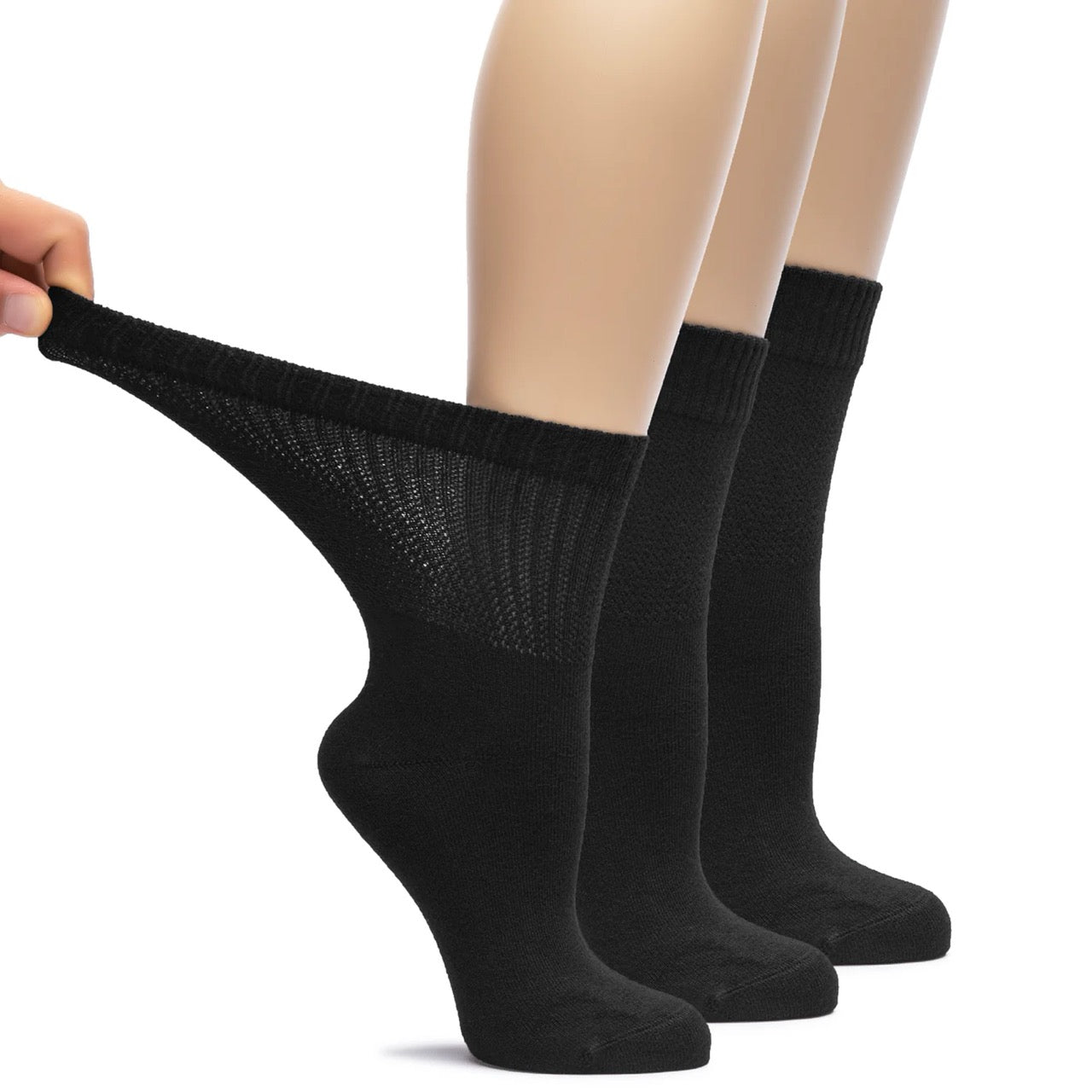
For individuals with sensitive skin or people with diabetes, wearing diabetic socks indoors can provide extra protection and comfort.
Outdoor environments require socks that can handle movement, friction, and varying temperatures.
Important outdoor features:
These features help reduce wear and maintain comfort during outdoor activities.
Versatile socks should actively prevent common foot problems.
Blisters often occur due to friction and moisture. Socks with proper fit and moisture control help in reducing the risk of irritation.
Supportive socks can help minimize leg fatigue, especially during long days.
Proper socks protect against issues such as:
This is essential for maintaining long-term foot care.
While most people benefit from versatile socks, some individuals may need specialized options.
Diabetic socks and compression solutions are different. Diabetic socks focus on comfort and protection rather than pressure.
They are ideal for:
Compression socks are better suited for circulation-related concerns, including:
When selecting socks for both indoor and outdoor use, focus on:
A well-balanced sock should transition seamlessly between environments without sacrificing performance.
The best socks for both indoor and outdoor use combine comfort, durability, and smart design. By choosing socks with breathable materials, proper fit, and effective moisture control, you can ensure your feet stay comfortable in any setting.
Whether you're relaxing at home or heading outside, the right pair supports your daily routine while protecting your overall foot health.
Yes. Socks with balanced cushioning, breathable materials, and moisture control can perform well in both environments.
Yes. Moisture control helps maintain comfort and prevents odor, even indoors.
They can be, especially for long hours or travel, but they serve a different purpose than everyday socks.
Proper fit, breathability, and moisture control all contribute to better foot health.
Yes. Diabetic socks provide extra protection and reduce irritation for sensitive feet.
He has been working for more than 20 years in the textile industry and has work experience in many parts of the world.