Cart
0
You may also like
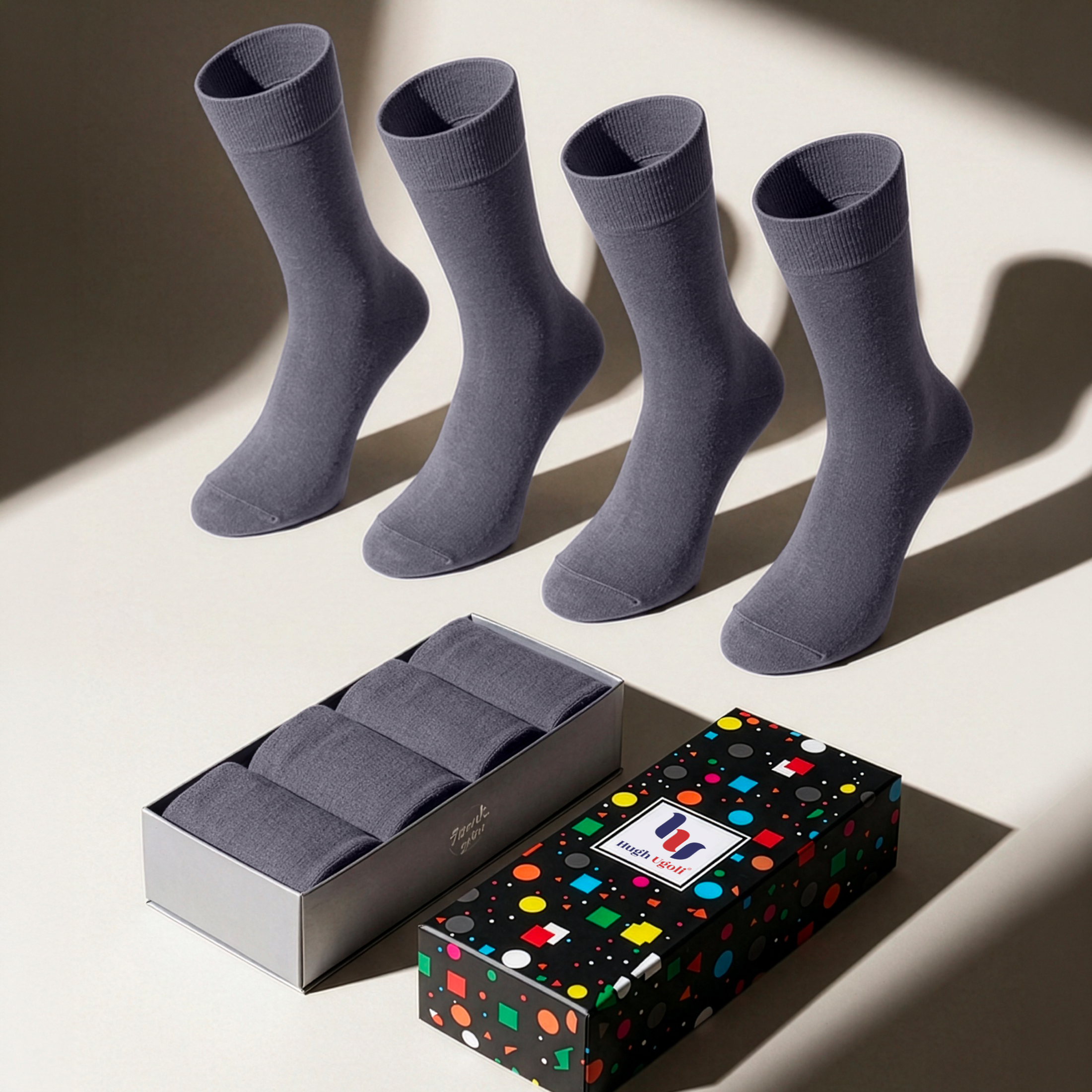
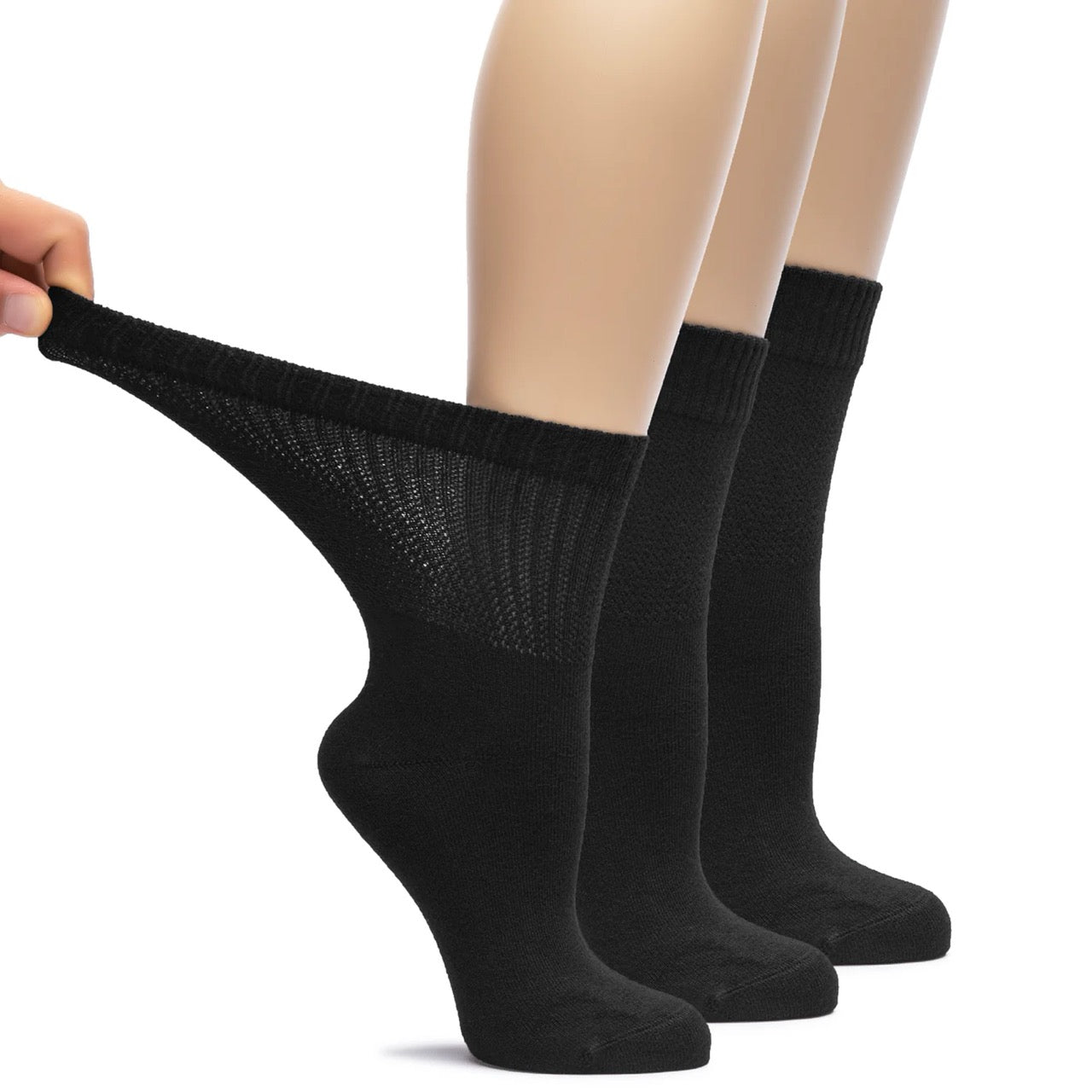
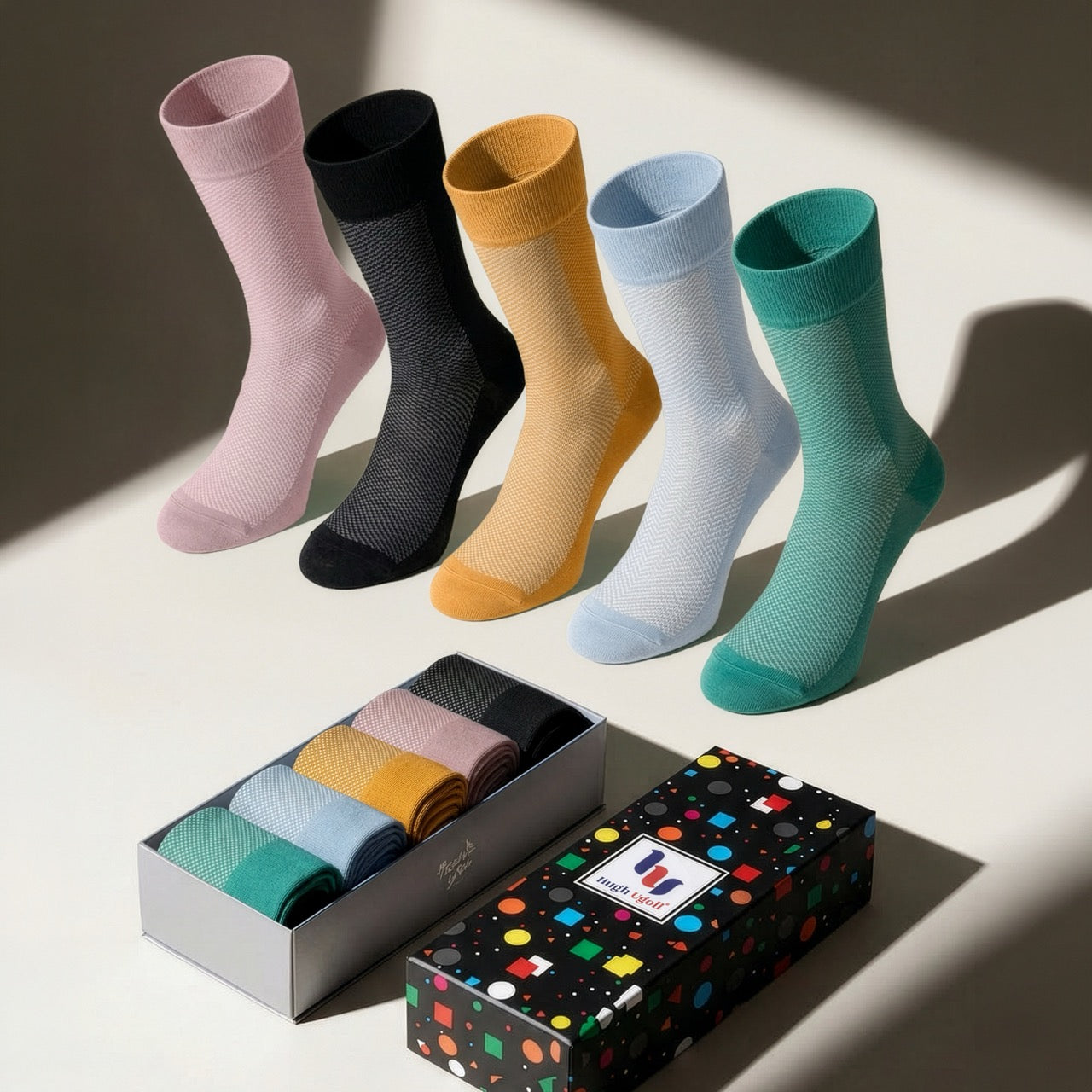
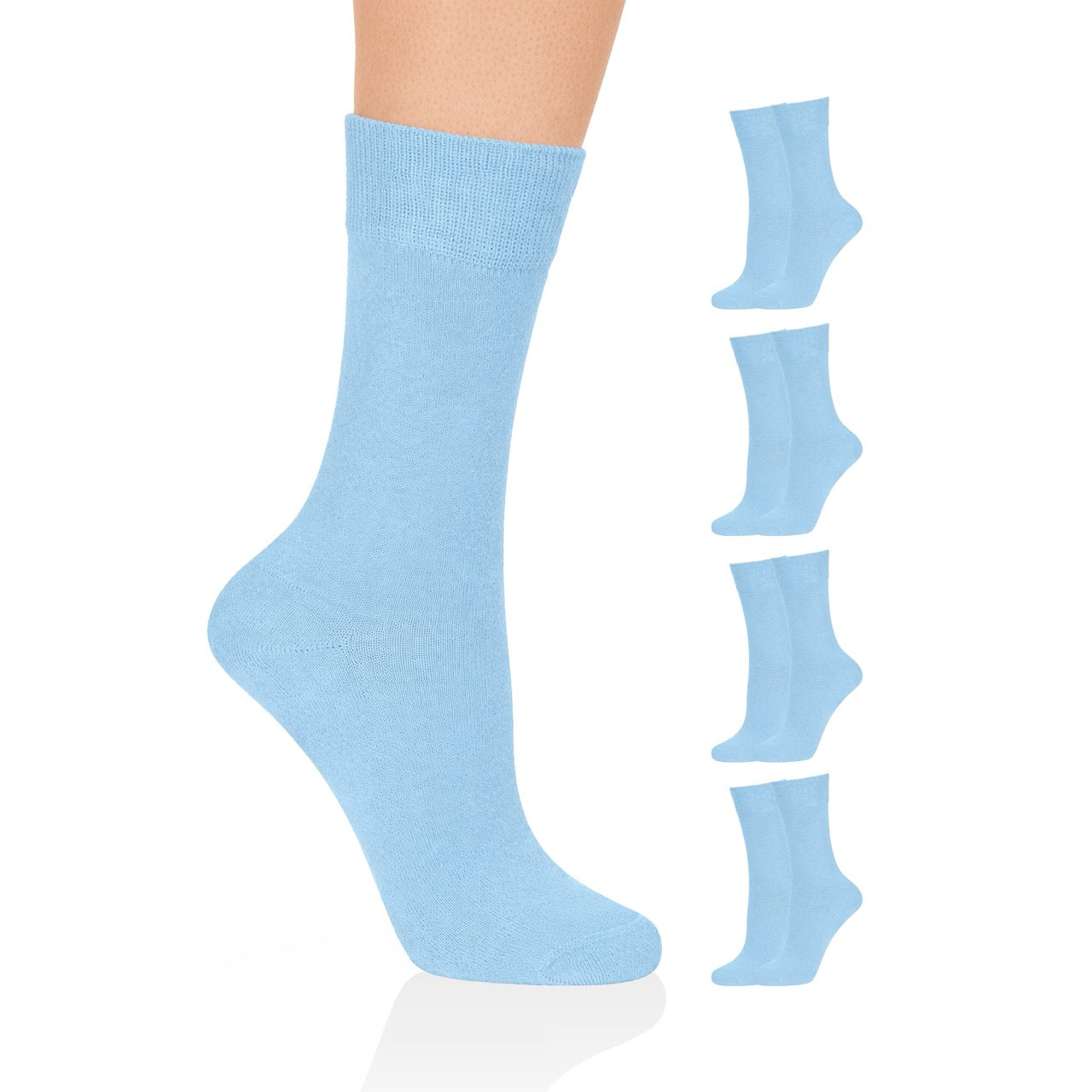
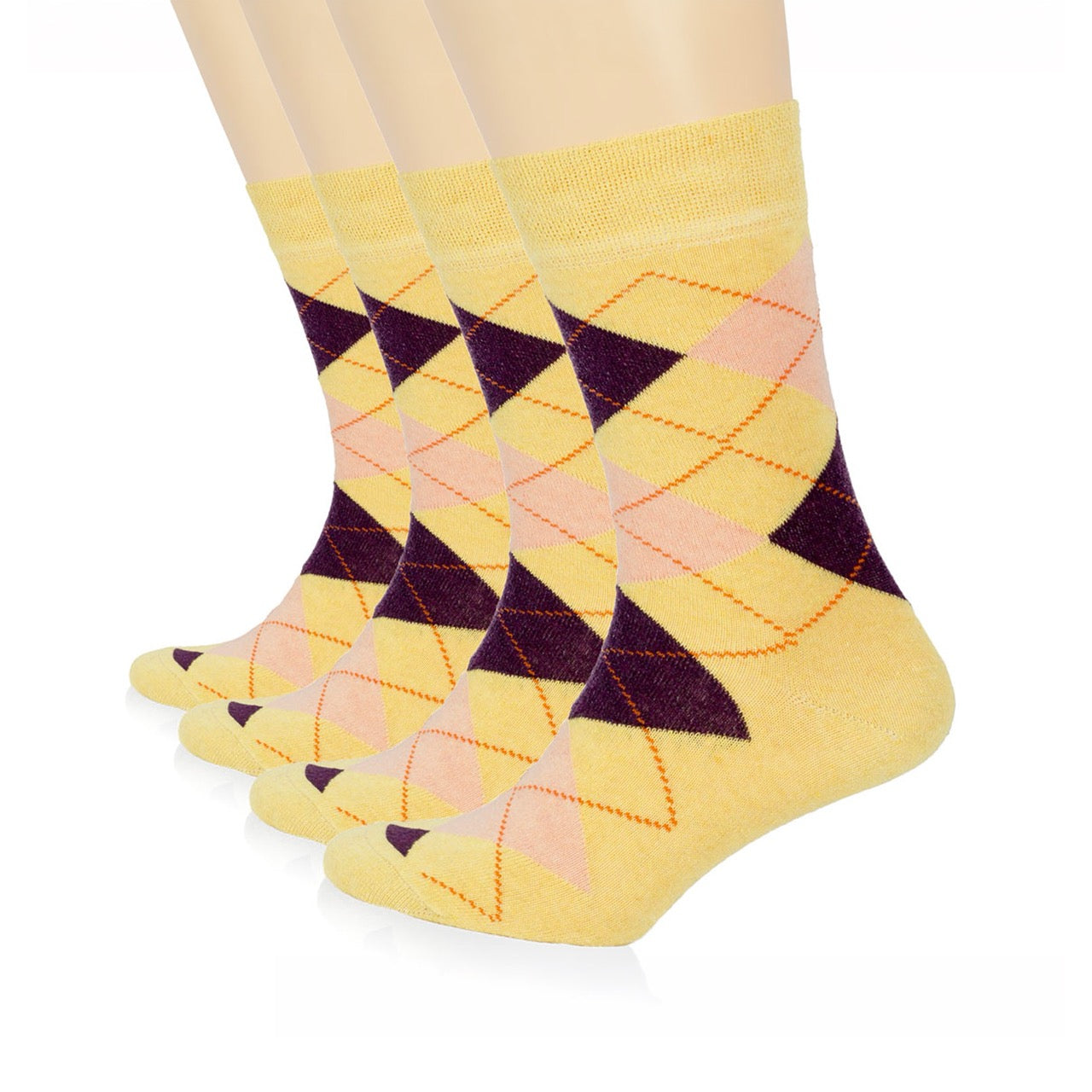
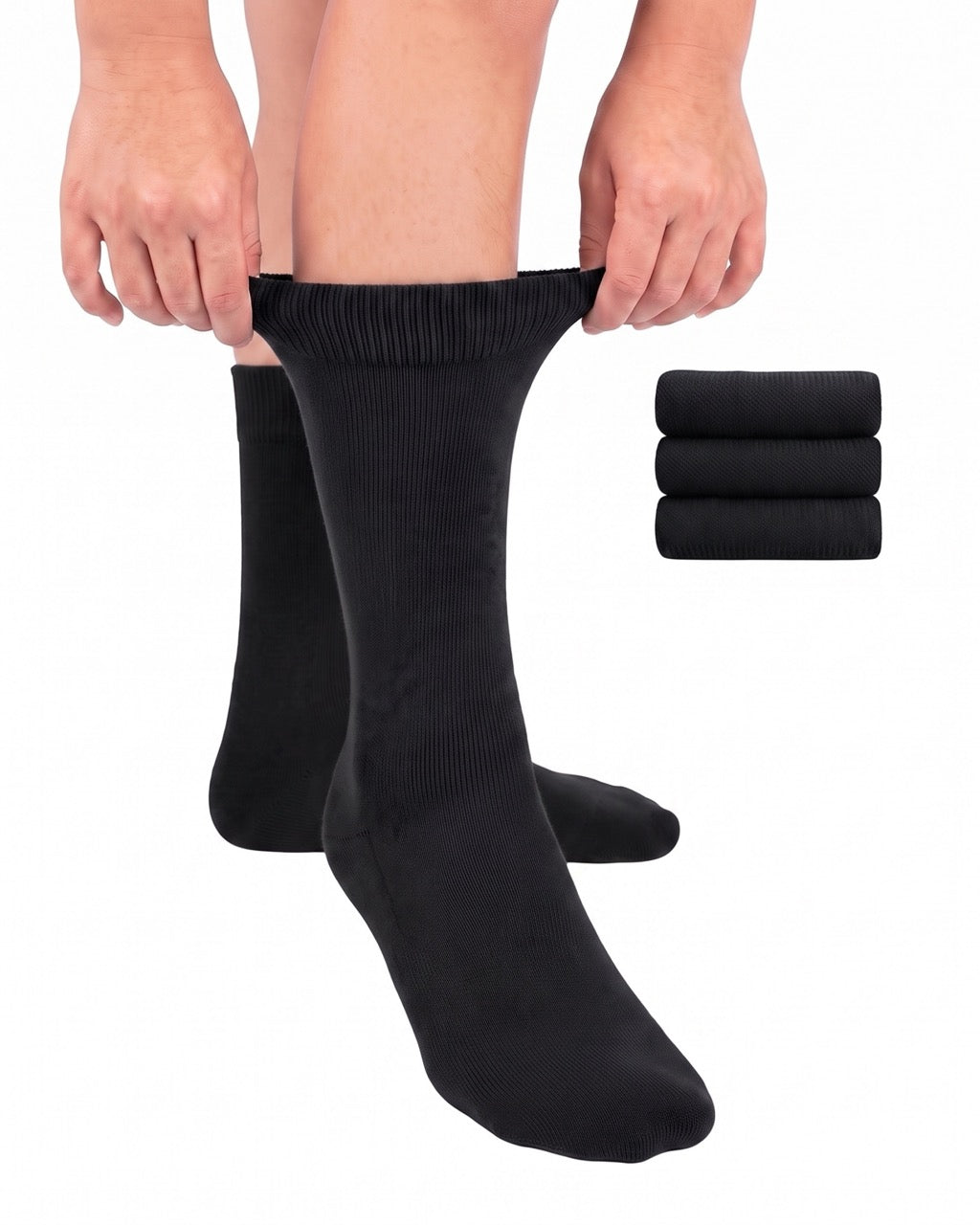
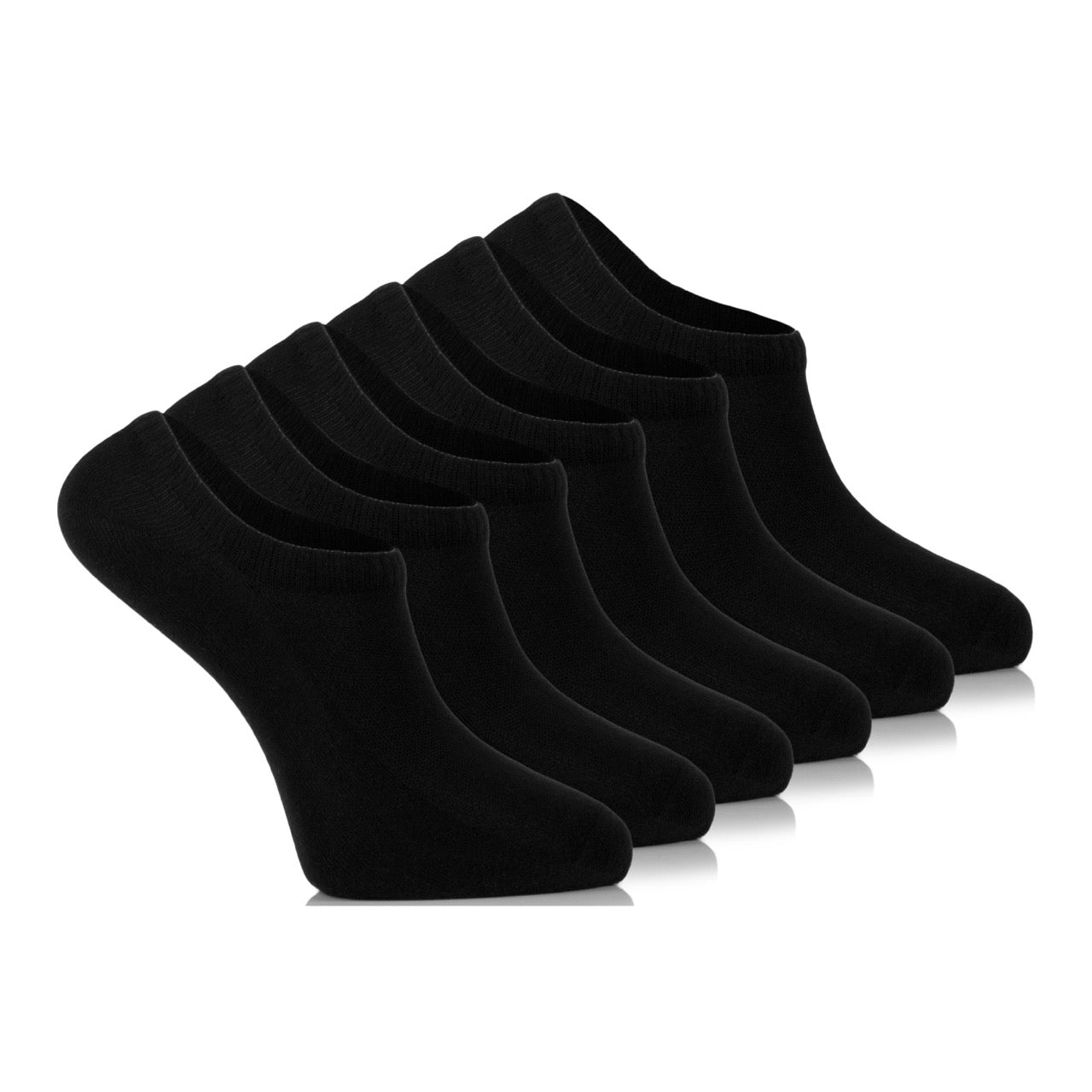
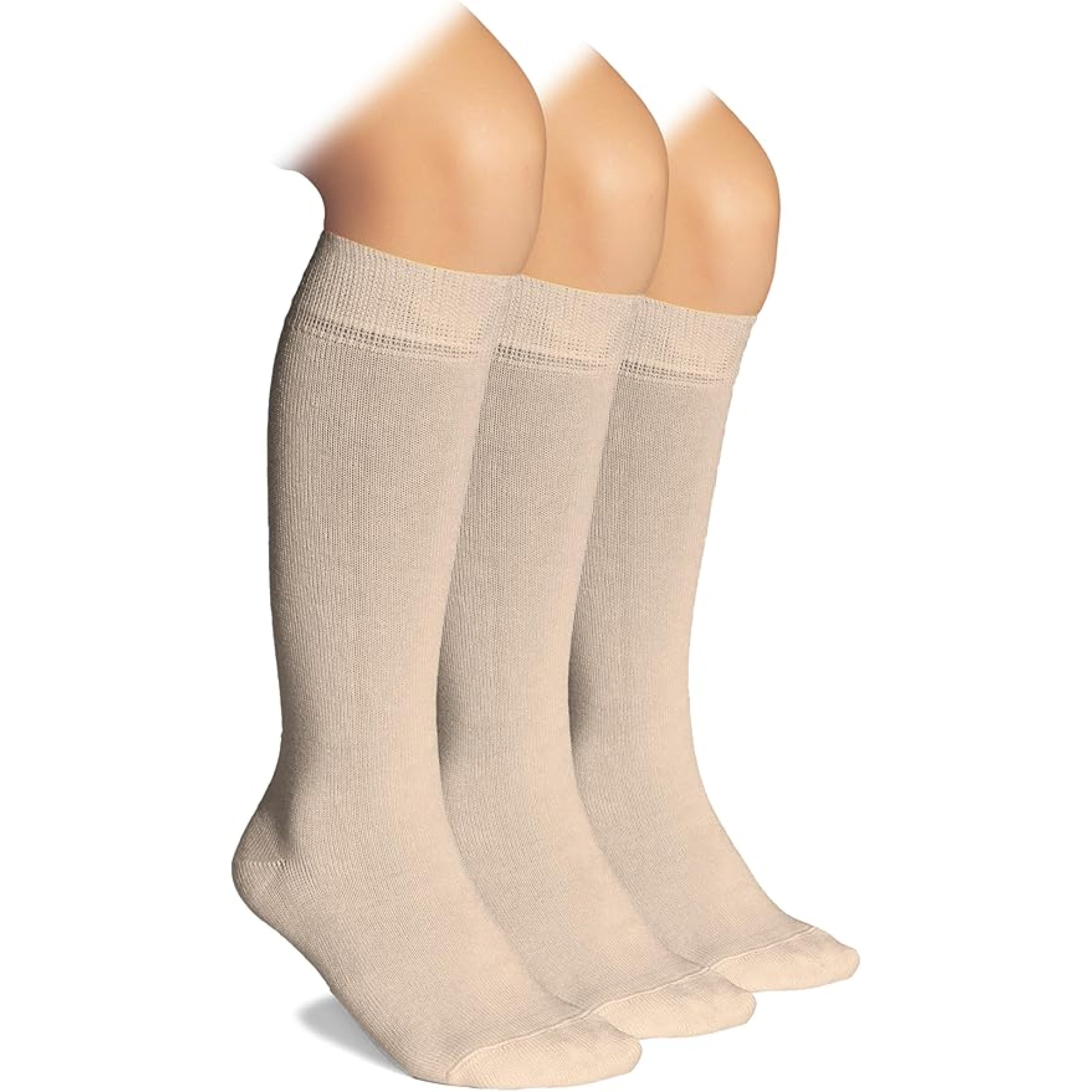


Plant-based sock materials such as organic cotton and bamboo are growing in popularity because they pair softness and breathability with a lighter environmental footprint. Organic cotton is grown without synthetic pesticides or fertilizers, and sustainably sourced wool adds warmth and moisture control. Bamboo fibers are known for their softness and moisture-wicking feel, and these materials also tend to dry quickly and wear well day to day. Choosing socks made from renewable, natural fibers is one way to combine comfort, style, and more mindful shopping.
Key Takeaways
In recent years, the fashion industry has witnessed a transformative shift towards sustainability, with eco-friendly practices becoming a cornerstone of design and production. Among these sustainable ventures, the evolution of eco-friendly socks has marked a significant step forward, marrying environmental responsibility with style and innovation. This first part of our blog series delves into the world of eco-friendly socks, highlighting the importance of organic cotton, wool, and other natural materials in creating sustainable, comfortable footwear options.
The movement towards eco-friendly socks represents a broader commitment within the fashion industry to reduce its environmental footprint. Consumers are increasingly seeking products that not only look good and feel comfortable but also align with their values of environmental stewardship. This shift has led to a surge in demand for socks made from organic cotton, sustainable wool, and other natural, renewable resources that minimize harm to the ecosystem.
Organic cotton and wool have emerged as pivotal materials in the production of eco-friendly socks. Grown without the use of harmful pesticides or synthetic fertilizers, organic cotton offers a softer, gentler alternative to conventional cotton, making it ideal for those with sensitive skin or allergies. Similarly, wool, especially when sourced from sustainable practices, provides excellent moisture-wicking properties and natural temperature regulation, keeping feet warm in winter and cool in summer.
Choosing socks made from eco-friendly materials is not just a personal fashion statement; it's a contribution towards a healthier planet. Sustainable socks made from organic cotton or wool significantly reduce the amount of water and chemicals used in production, contributing to cleaner water and soil. Moreover, these materials are biodegradable, ensuring that once they've reached the end of their lifecycle, they won't linger in landfills for centuries.
Eco-friendly socks don't sacrifice style or comfort for sustainability. Brands like Hugh Ugoli have mastered the art of combining environmentally friendly materials with cutting-edge design to produce socks that are not only good for the earth but also offer superior comfort and aesthetic appeal. For instance, Hugh Ugoli's Bamboo Dress Socks utilize the natural benefits of bamboo fiber—softness, breathability, and moisture-wicking—while offering a sleek, stylish look suitable for both casual and formal wear.
Moreover, the use of Wool Socks for Everyday Wear showcases how sustainable practices can extend to all aspects of sock production, from material sourcing to the final product. These socks cater to the eco-conscious consumer who does not want to compromise on quality or ethical standards.
As we move forward, the importance of eco-friendly socks in the fashion industry continues to grow. With advancements in sustainable farming and textile production, consumers can expect an even wider range of eco-friendly options that don't compromise on quality, comfort, or style. The rise of plant-based sock materials is not just a trend but a testament to the fashion industry's potential to influence positive change in the world.
In the next part of our blog series, we'll dive deeper into the specifics of sock materials, exploring how features like moisture-wicking, fast-drying capabilities, and suitability for sensitive skin make eco-friendly socks a practical choice for everyday wear. Stay tuned to learn more about how the materials behind your favorite eco-friendly socks contribute to their performance, comfort, and impact on the environment.
Continuing from our exploration of the eco-friendly revolution in sock materials, let's delve deeper into the specific characteristics that make these materials ideal for daily wear, focusing on their health benefits, performance features, and how they align with an eco-conscious lifestyle.
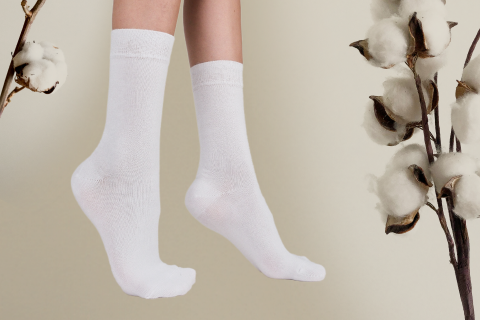
One of the standout features of eco-friendly socks, particularly those made from bamboo and high-quality wool, is their moisture-wicking ability. Unlike traditional materials that may retain moisture and create an uncomfortable environment for your feet, bamboo socks excel at drawing moisture away from the skin. This not only helps keep feet dry throughout the day but also reduces the risk of fungal infections and odors. The natural properties of bamboo fibers make them an excellent choice for active individuals or anyone looking for a comfortable, dry feel in their footwear.
For those with sensitive skin, the choice of sock material can make a significant difference in daily comfort. Eco-friendly materials like organic cotton and bamboo are known for their softness and hypoallergenic properties, making them gentle on the skin and reducing the likelihood of irritation or allergic reactions. This is particularly beneficial for individuals who may be prone to discomfort or rashes from synthetic fibers. By choosing socks made from these natural materials, you can enjoy all-day comfort without sacrificing style or sustainability.
Eco-friendly socks aren't just about being kind to the planet and gentle on your skin; they're also designed for practicality and durability. Materials like bamboo not only absorb moisture effectively but also dry quickly, ensuring that your socks are ready to wear again after a short drying period. This feature is especially useful for those who lead an active lifestyle or need to wash their socks frequently. Additionally, the durability of materials like high-quality wool means that your socks can withstand regular wear and washing, making them a long-lasting addition to your wardrobe.
Opting for socks made from eco-friendly materials like bamboo, organic cotton, and wool isn't just a personal health and comfort choice—it's a decision that contributes to reducing the environmental impact of clothing production. These materials are renewable and biodegradable, meaning they leave a smaller ecological footprint than their synthetic counterparts. By choosing socks made from these materials, you're supporting sustainable farming and production practices that help preserve the natural world for future generations.
Choosing the right materials for your socks goes beyond fabric feel and performance features; it's about integrating sustainable choices into every aspect of your life. Brands like Hugh Ugoli are leading the way in offering a wide range of eco-friendly socks that don't compromise on quality or style. Whether you're looking for Bamboo Socks for moisture-wicking comfort or Wool Socks for warmth and durability, there's an eco-friendly option to suit every need and preference.
As consumers become more aware of their environmental footprint, the demand for sustainable, high-quality sock materials will continue to grow. By making informed choices about the socks we wear, we can enjoy superior comfort and style while contributing to a healthier planet.
Fibers from renewable plants, such as cotton and bamboo, used instead of fully synthetic fabrics.
It is grown without synthetic pesticides or fertilizers and is known for being soft.
Softness, breathability, and a moisture-wicking feel.
Yes. Plant-based materials come in many designs for casual and formal wear.
Follow the care label and avoid high heat so the fabric keeps its softness.


Discover All Hugh Ugoli Socks
Shop All Socks