Cart
0
You may also like
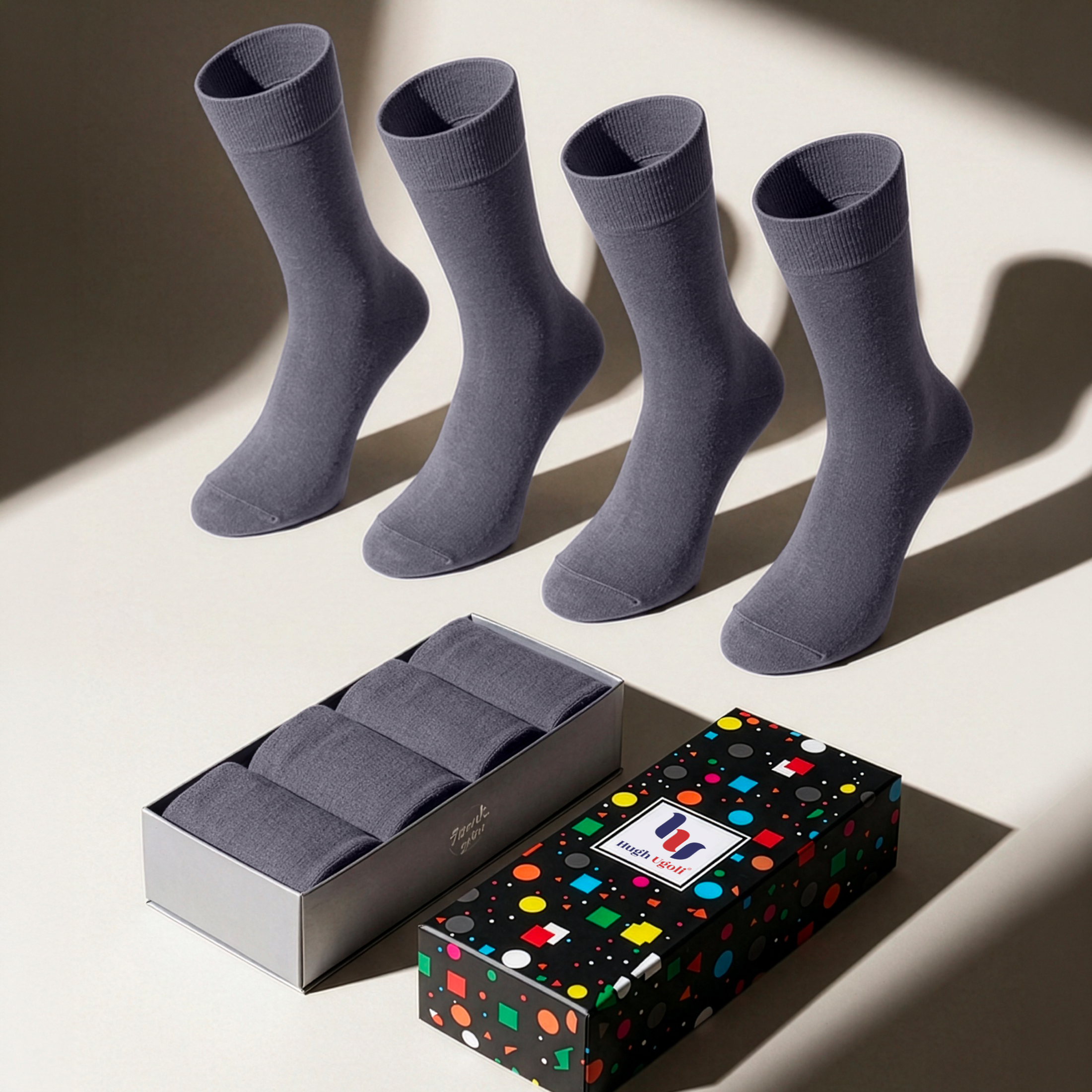
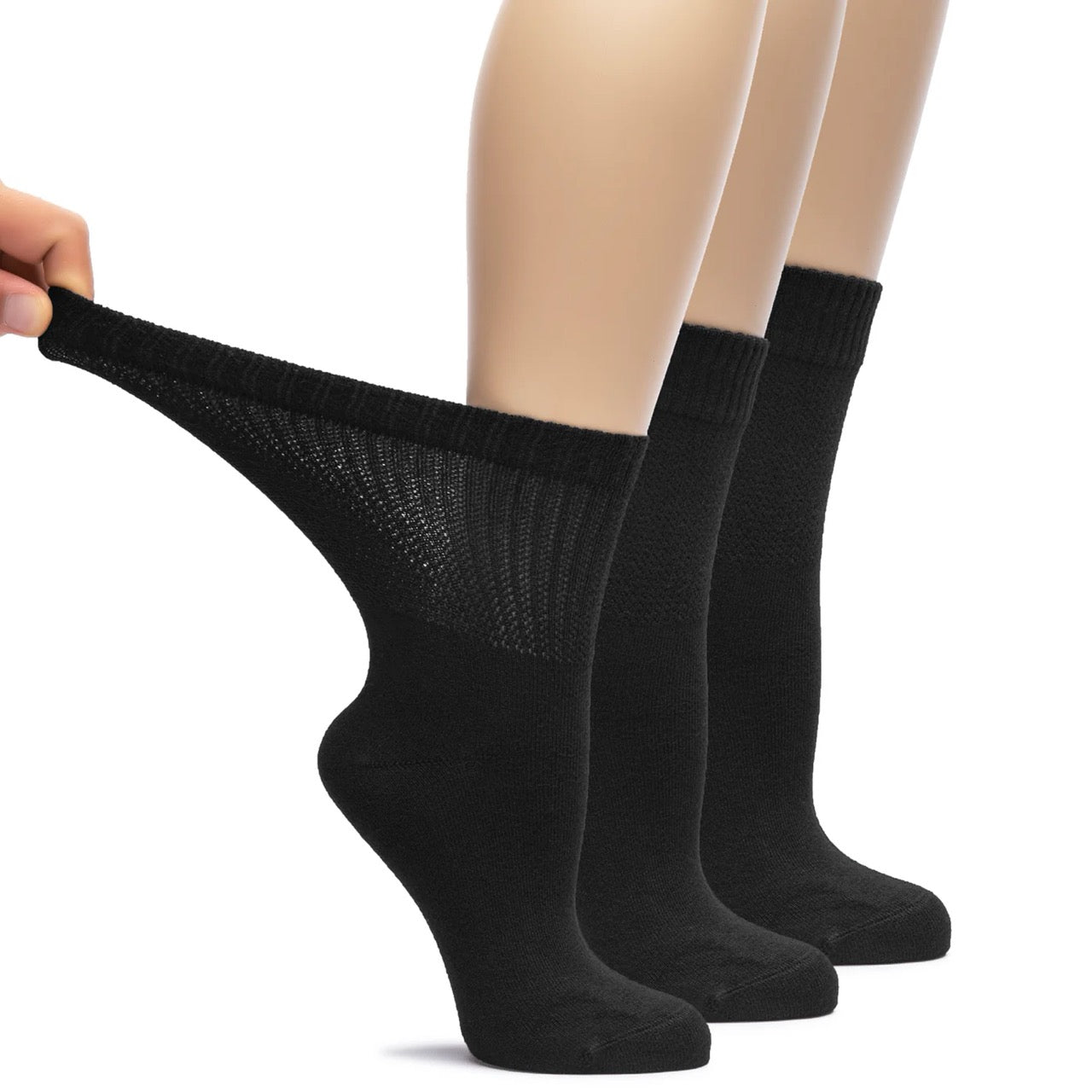
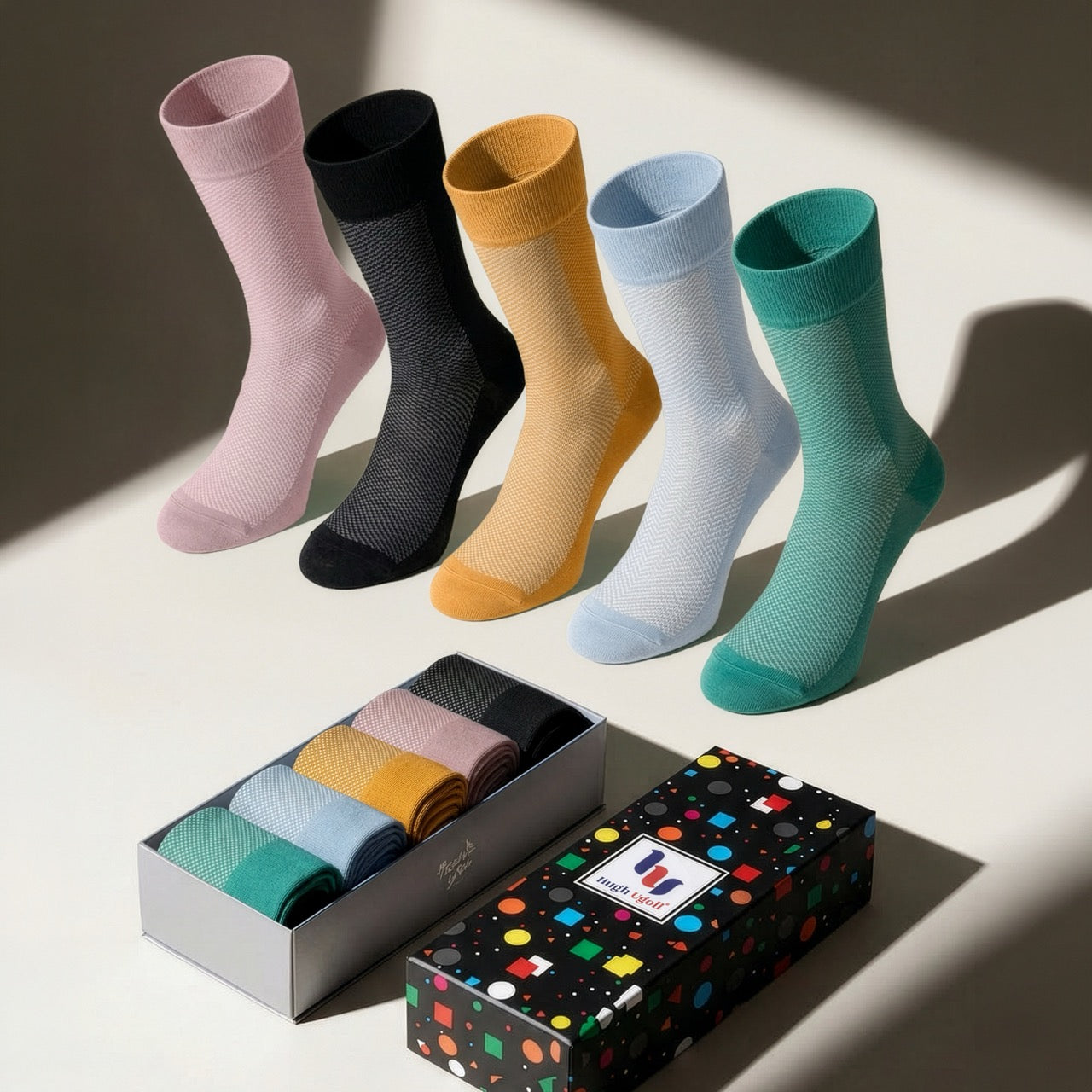
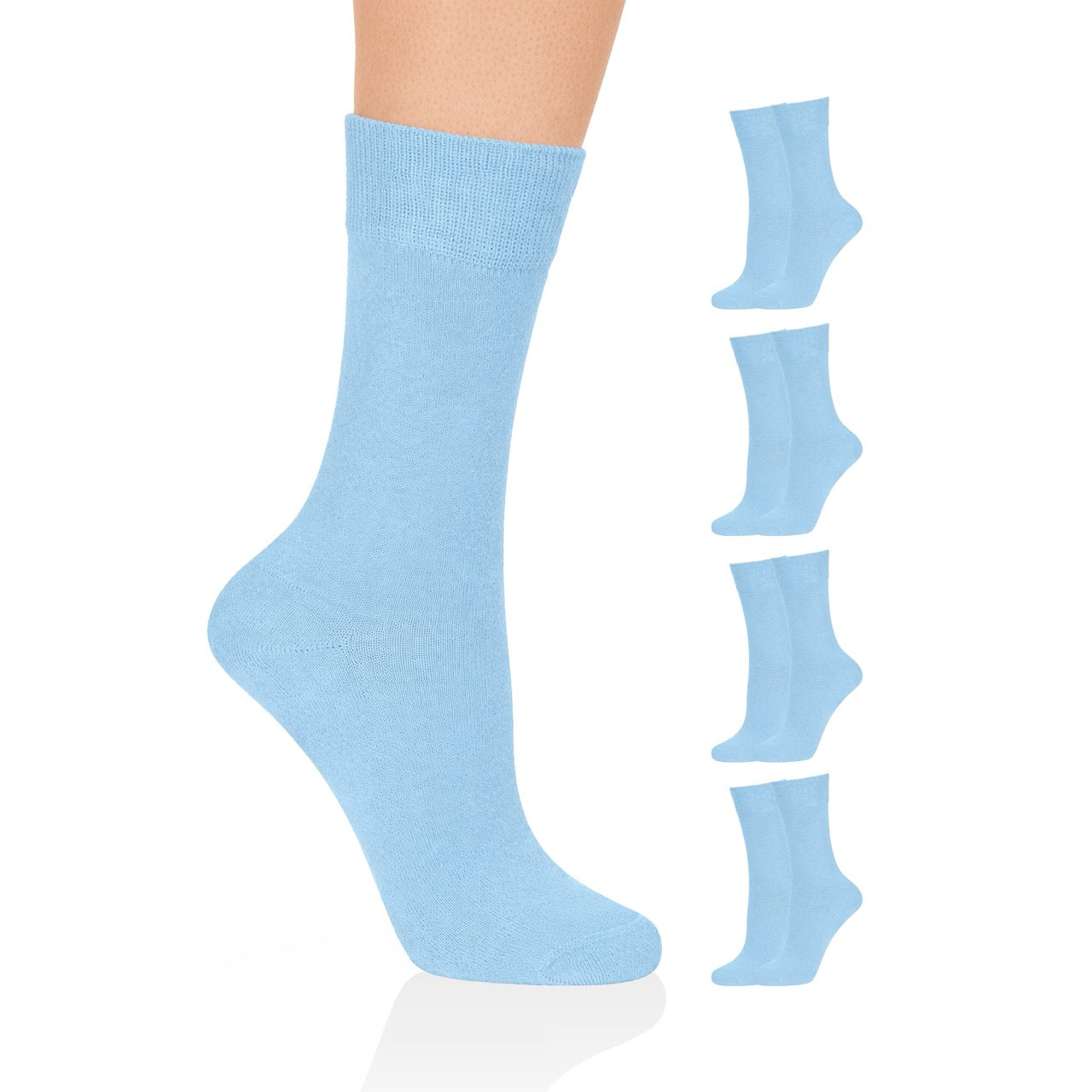
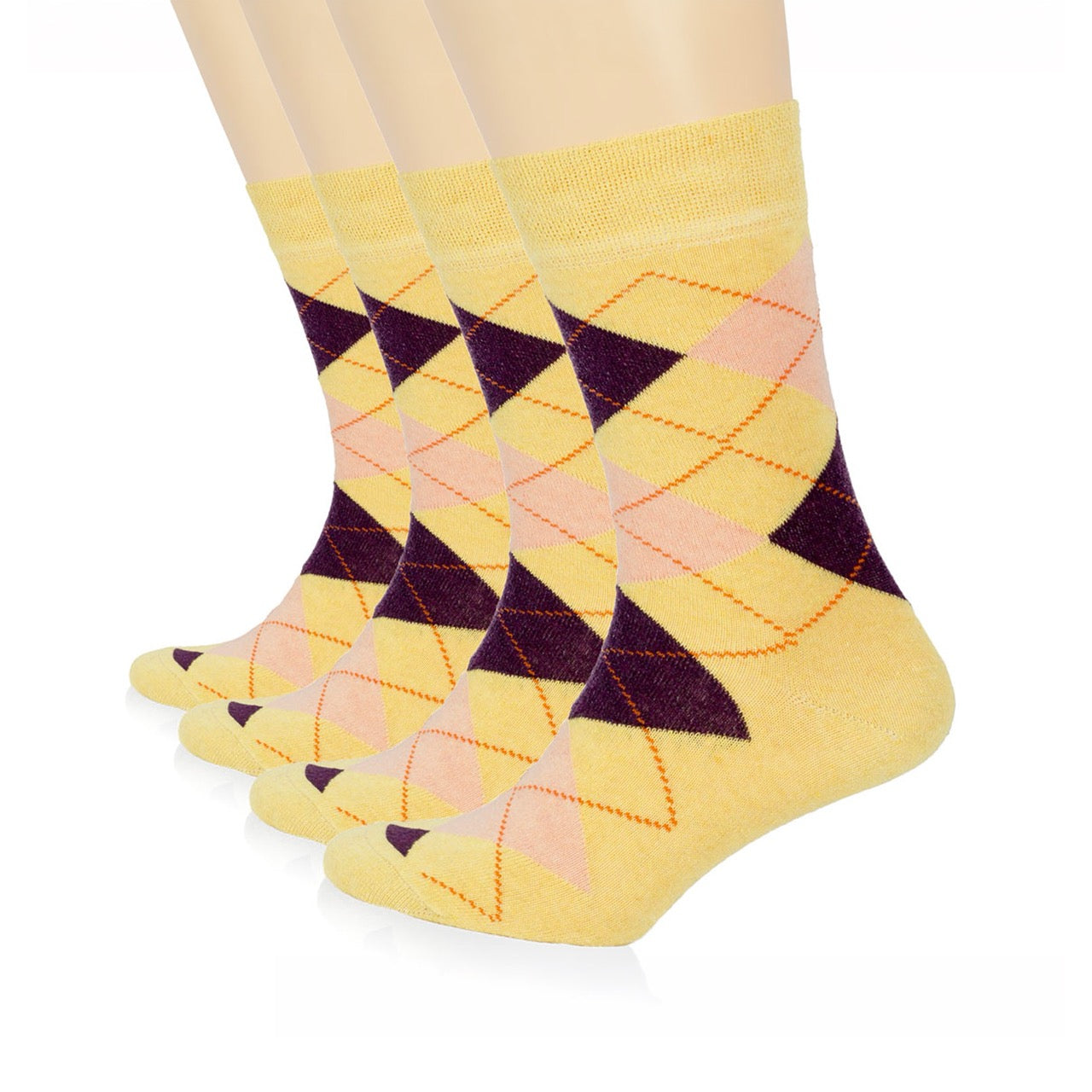
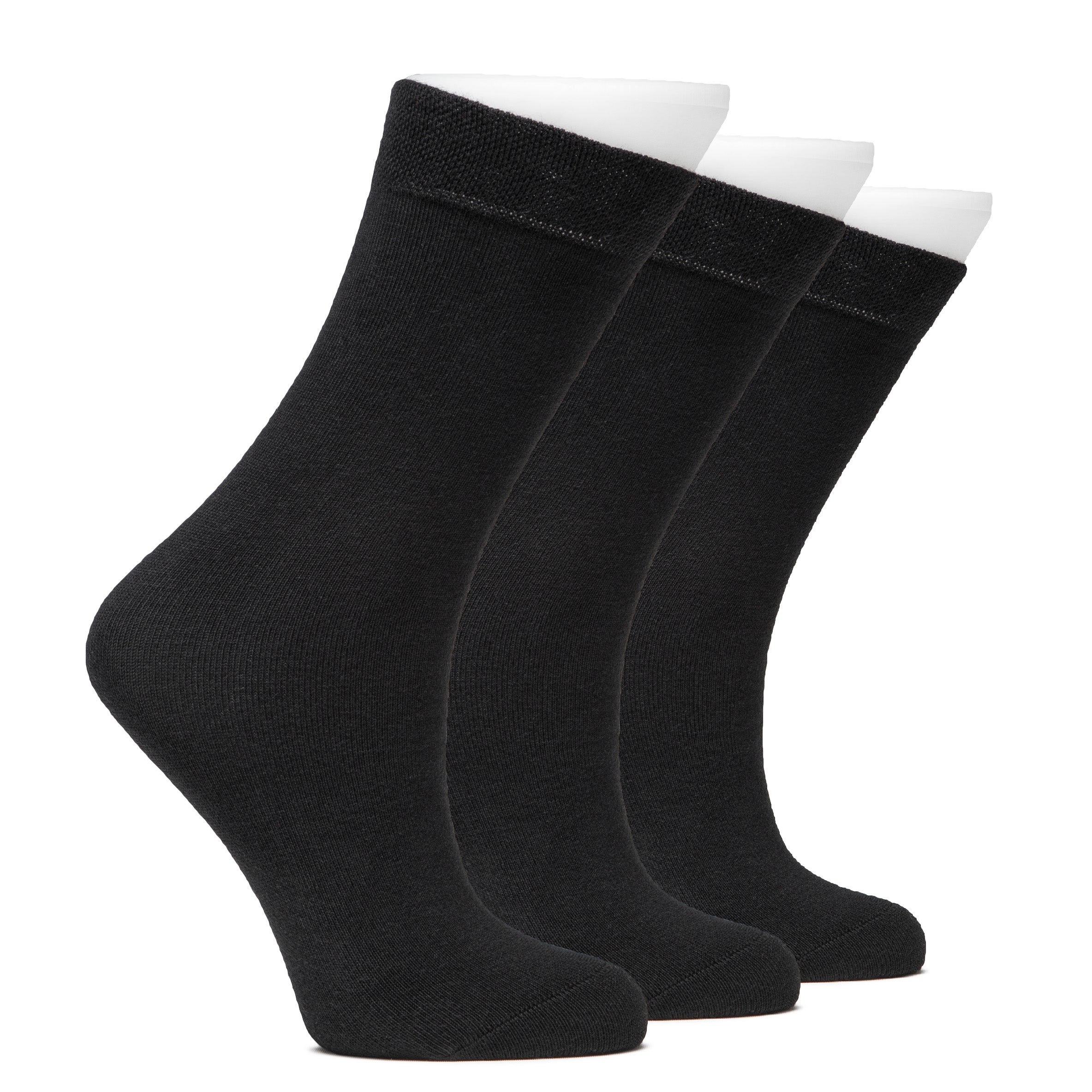
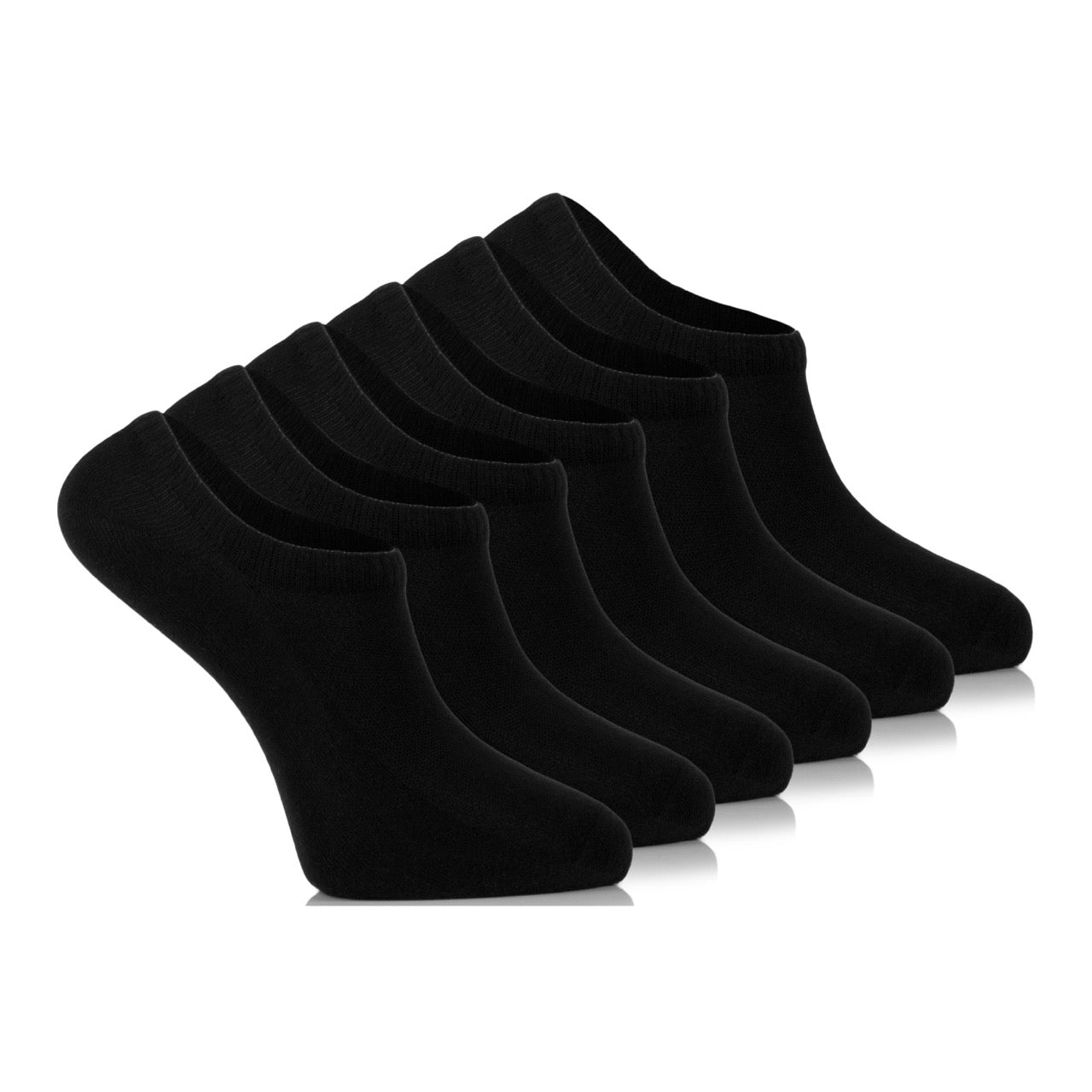
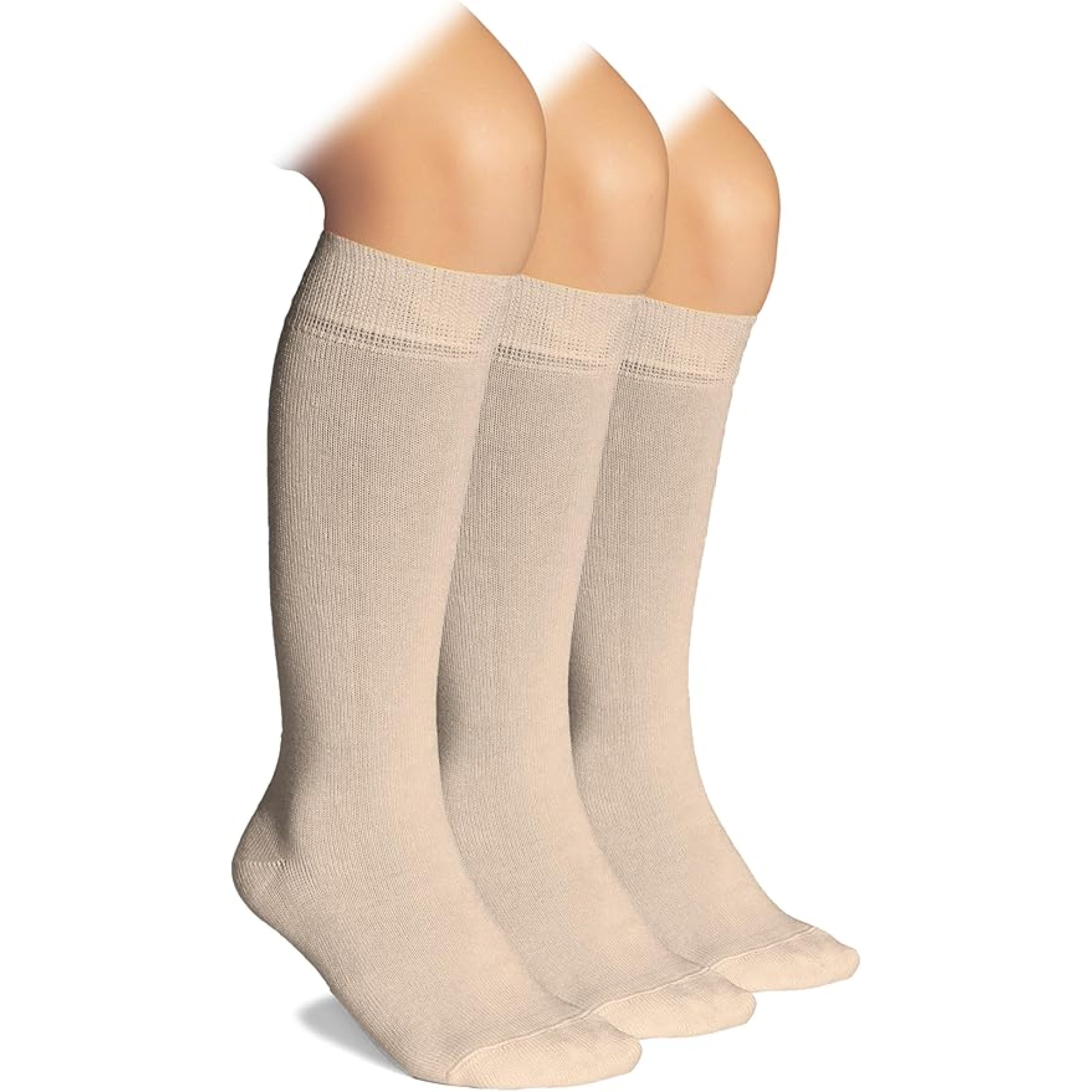


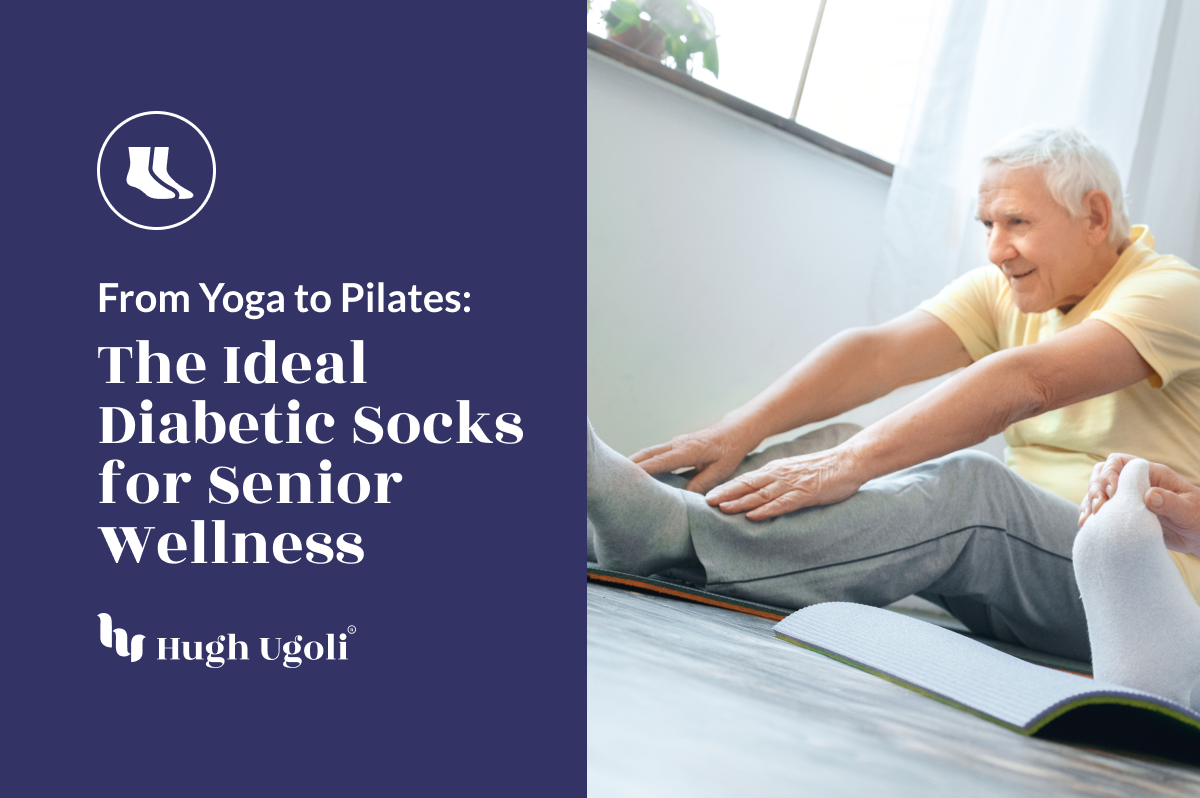
Staying active later in life calls for gear that genuinely supports comfort and safety. For those managing diabetes, that includes thinking carefully about socks. Diabetic socks — non-binding, cushioned, moisture-wicking socks — are a genuinely useful choice for any exercise routine, from the gentle stretches of yoga to the core work of Pilates.
Living with diabetes means paying extra attention to foot health, since diabetes raises the risk of circulation issues and neuropathy. That makes sock choice for exercise worth thinking about — you want something that stays comfortable and doesn't add unnecessary pressure, so your focus stays on your yoga pose or Pilates routine rather than your feet.
Modern diabetic socks for seniors have come a long way from bulky, purely functional designs. Many now combine moisture-wicking fabrics to keep feet dry — a genuine concern for diabetic seniors, since damp feet raise infection risk — with styles people actually enjoy wearing.
Seamless designs reduce the risk of blisters and irritation. Varied cushioning allows for extra padding where it's needed, whether at the heel or the ball of the foot. And style hasn't taken a backseat — plenty of colors and patterns are available for workout wear.
One feature worth understanding correctly: non-binding tops. These avoid the tight elastic bands of regular socks, which is genuinely useful for people with diabetes — but it's worth being precise about what this does. A non-binding top doesn't actively "boost" circulation; it simply avoids unnecessarily restricting it, which matters for feet that may already have reduced sensation or circulation.
Some diabetic socks also have natural antibacterial properties from fabrics like bamboo, which can help with odor management during workouts.

For low-impact exercises like yoga and Pilates, the selection criteria get a bit more specific. Look for socks that move comfortably with you through every pose and stretch.
Non-slip varieties can give extra stability during poses or reformer exercises, which supports confidence during a session — worth considering if balance is a concern for you.
When selecting diabetic socks for exercise, focus on a snug but not tight fit to avoid constriction. Look for materials with some stretch, since flexibility helps even gentle routines feel more comfortable. And choose socks that can handle regular, active use — the goal is to support your workout, not distract from it.
Sock choice is a small piece of an active lifestyle, but a genuinely useful one. Comfortable, well-fitting diabetic socks help make a regular exercise routine feel more secure and less distracting.
Key features worth prioritizing in a diabetic sock for your fitness kit:
Diabetic socks designed with active use in mind make the transition from yoga's calming poses to Pilates' strength-building routines more comfortable.
They aren't a treatment or a substitute for medical foot care — but as a comfortable, low-risk part of an active routine, moisture-wicking, non-binding diabetic socks are a genuinely sensible choice.
This article is for general information and is not medical advice. Talk to your healthcare provider about exercise and foot care recommendations for your situation.
He has been working for more than 20 years in the textile industry and has work experience in many parts of the world.