Cart
0
You may also like
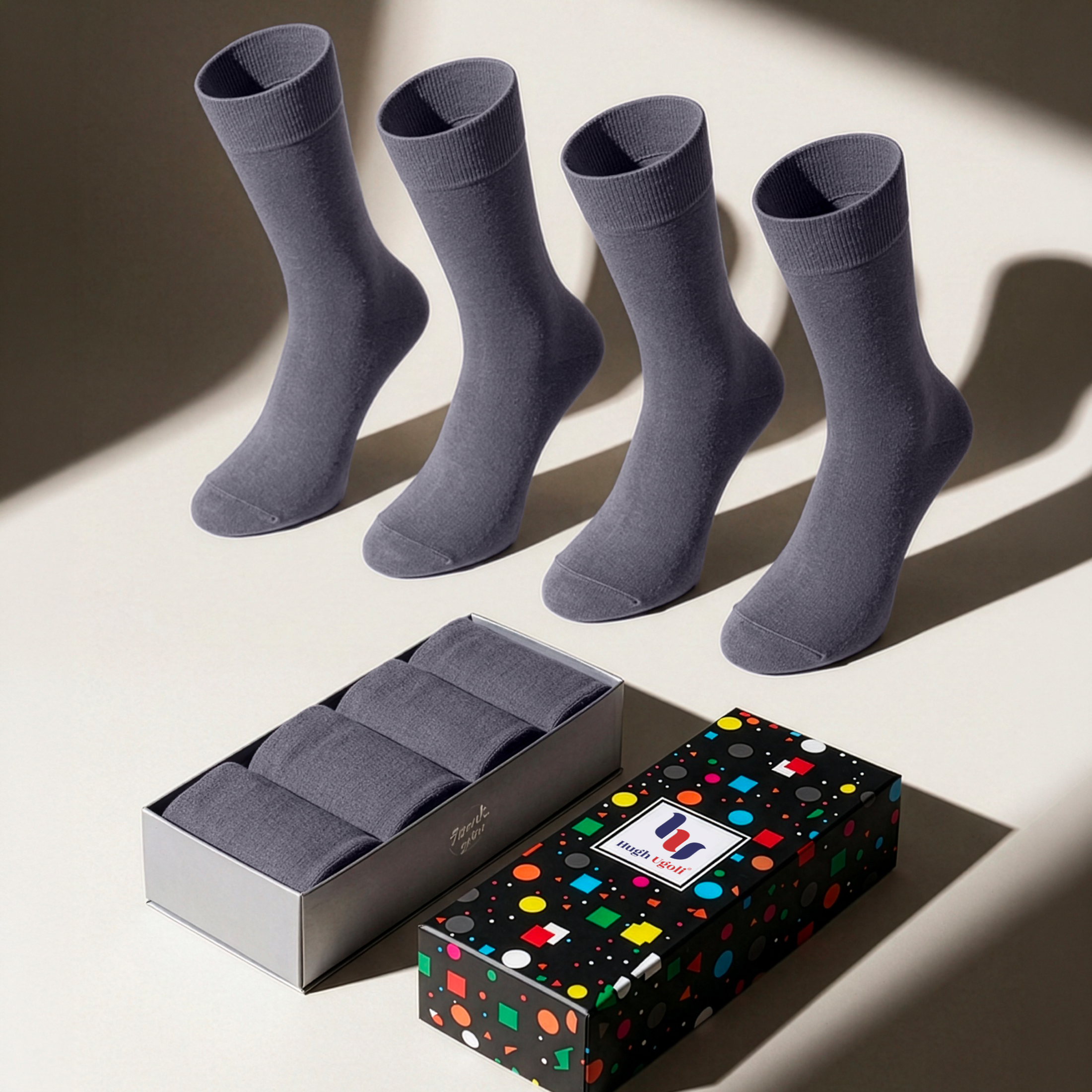
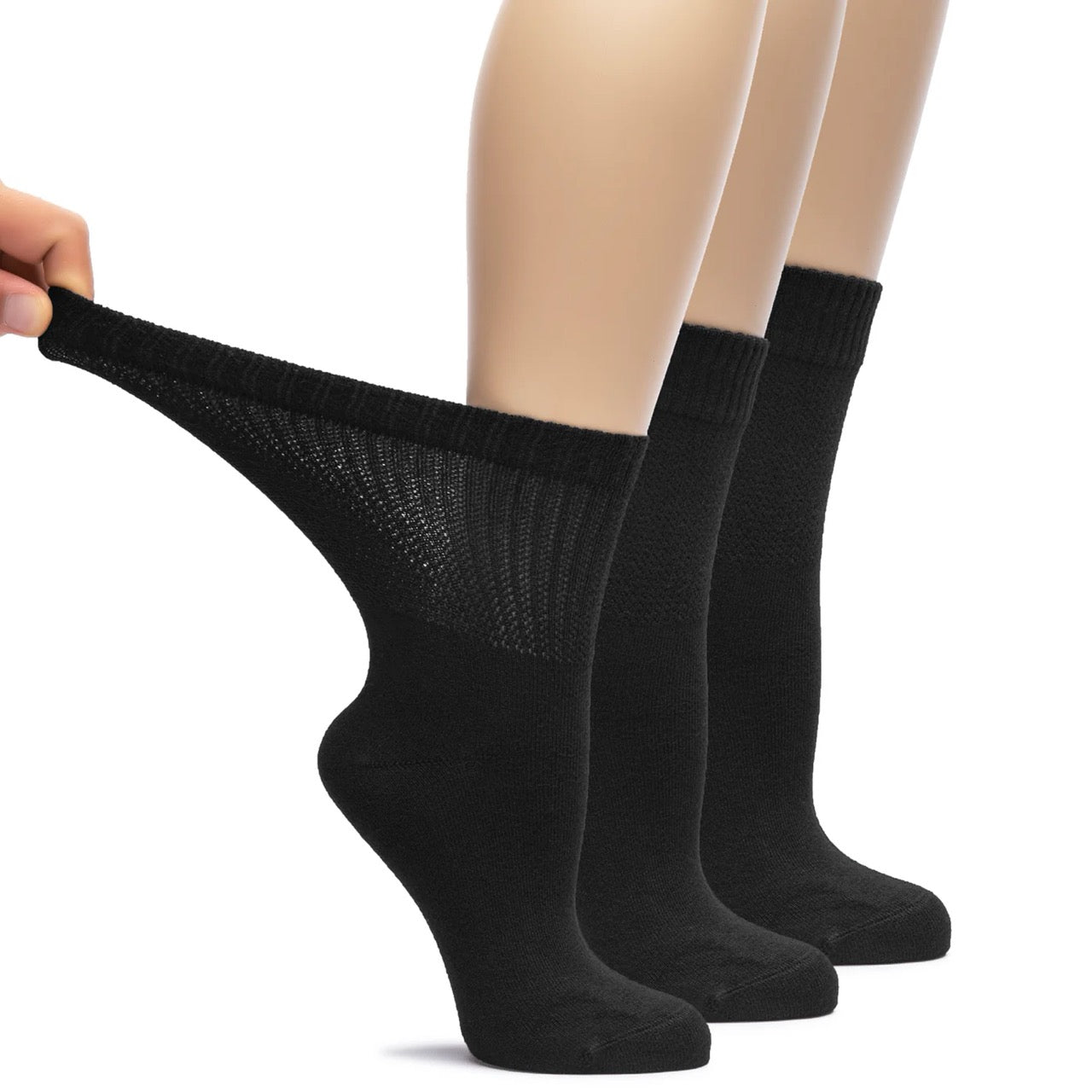

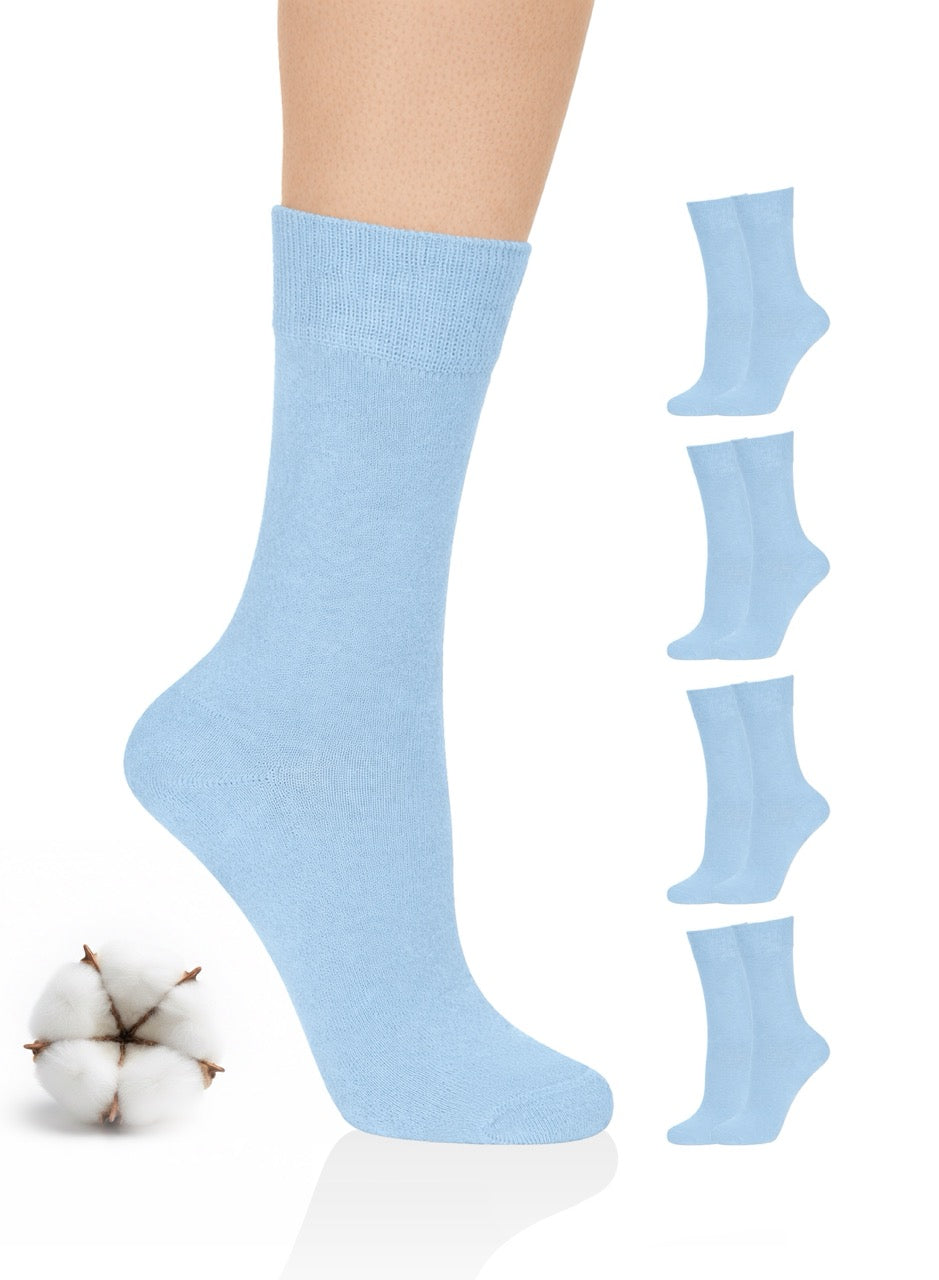
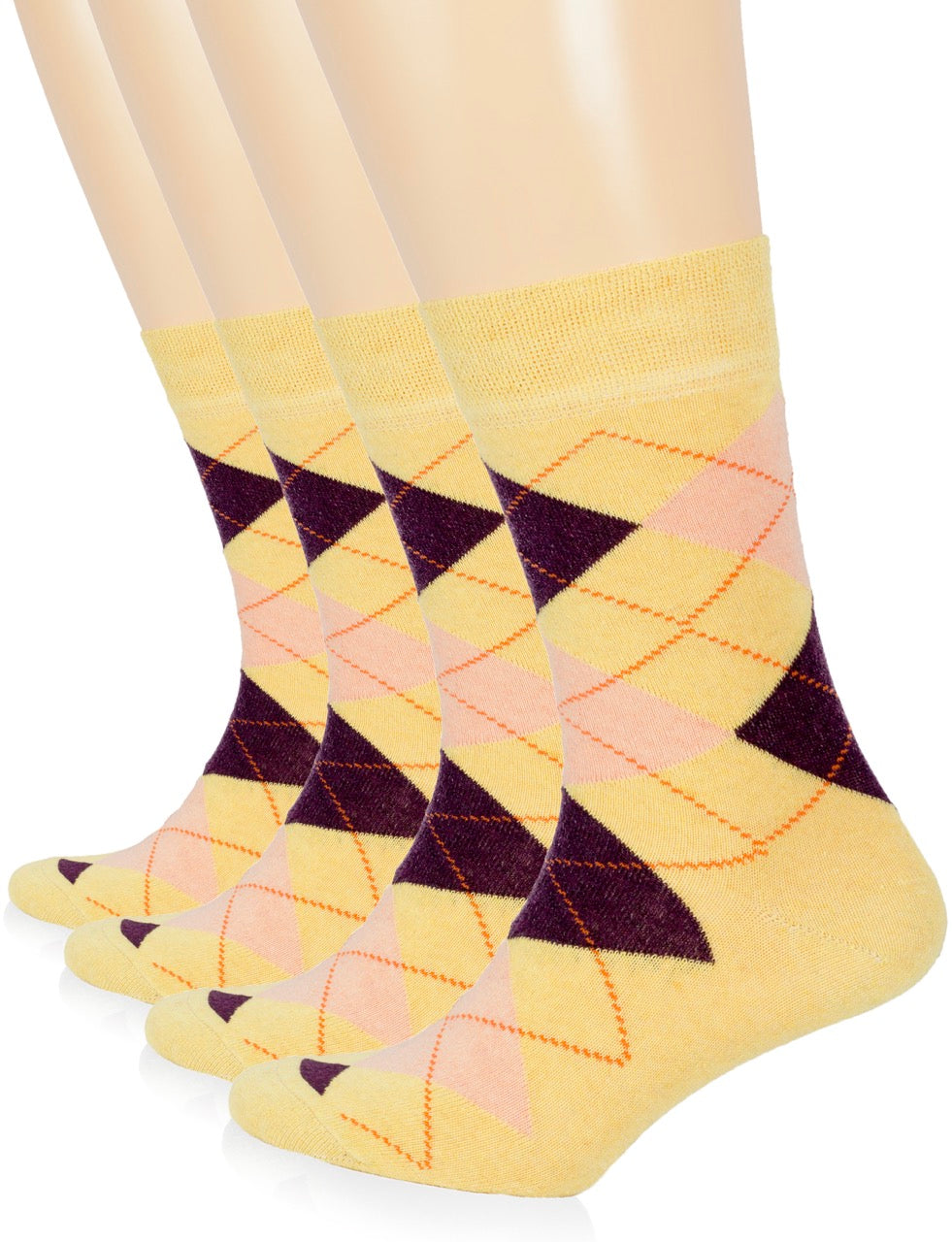
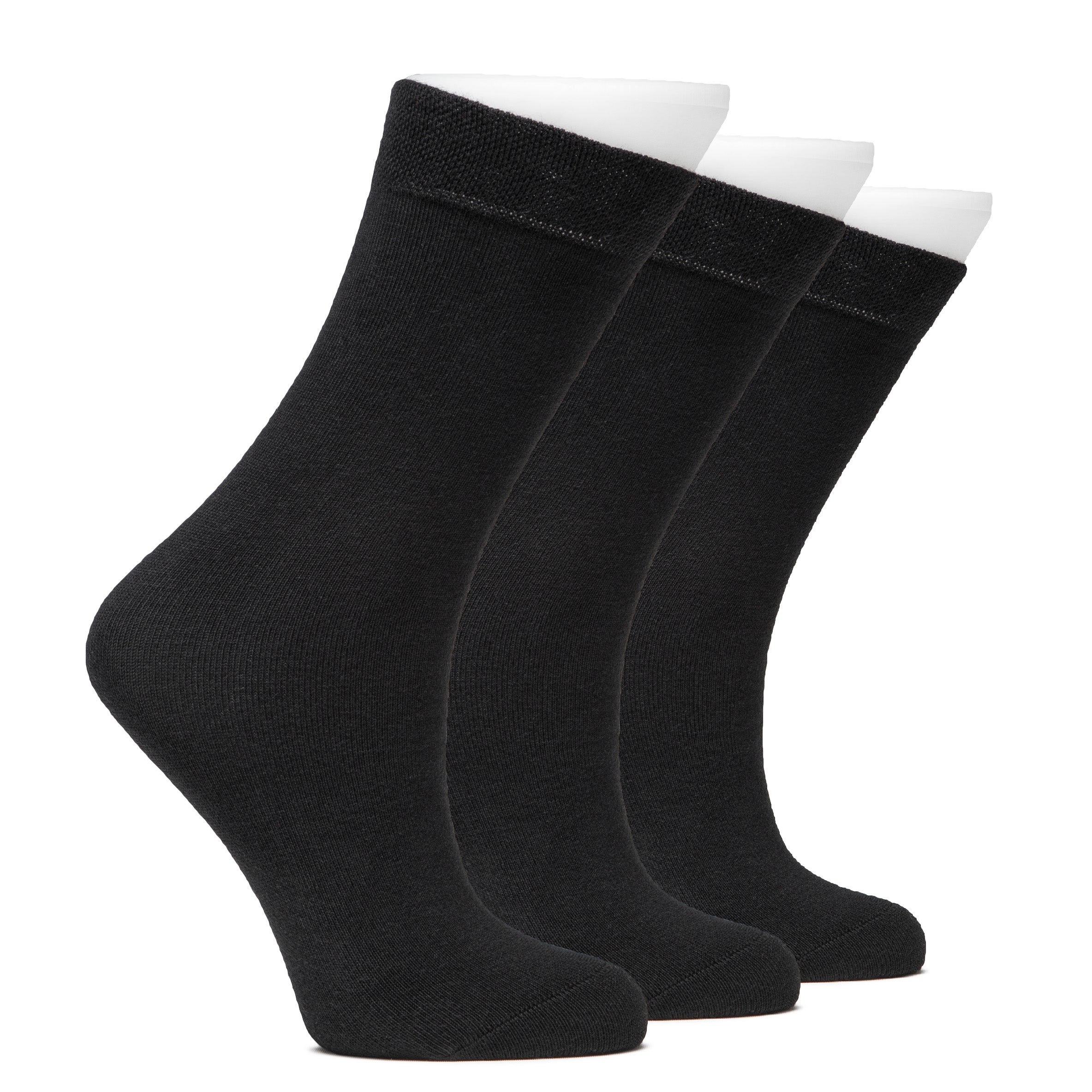
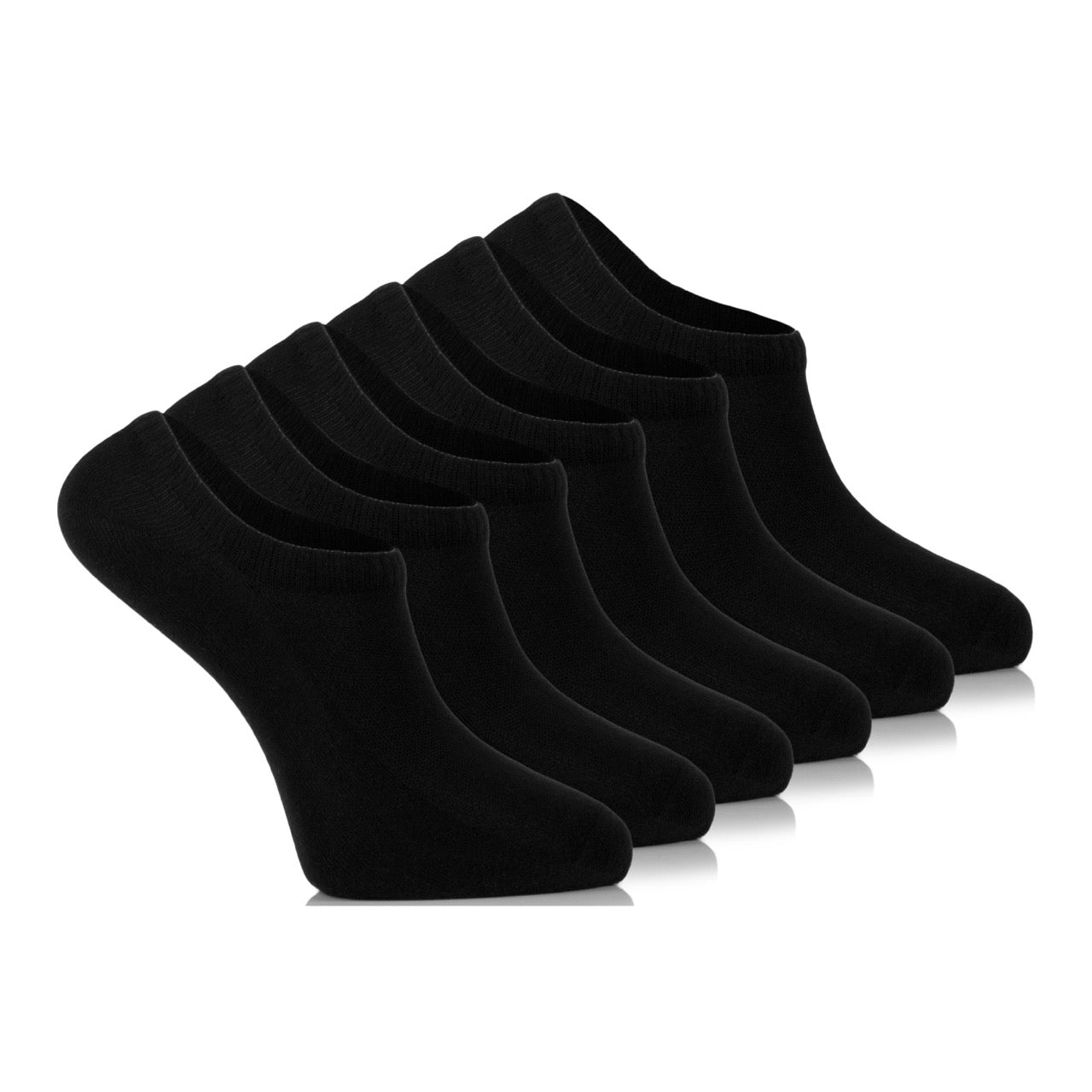
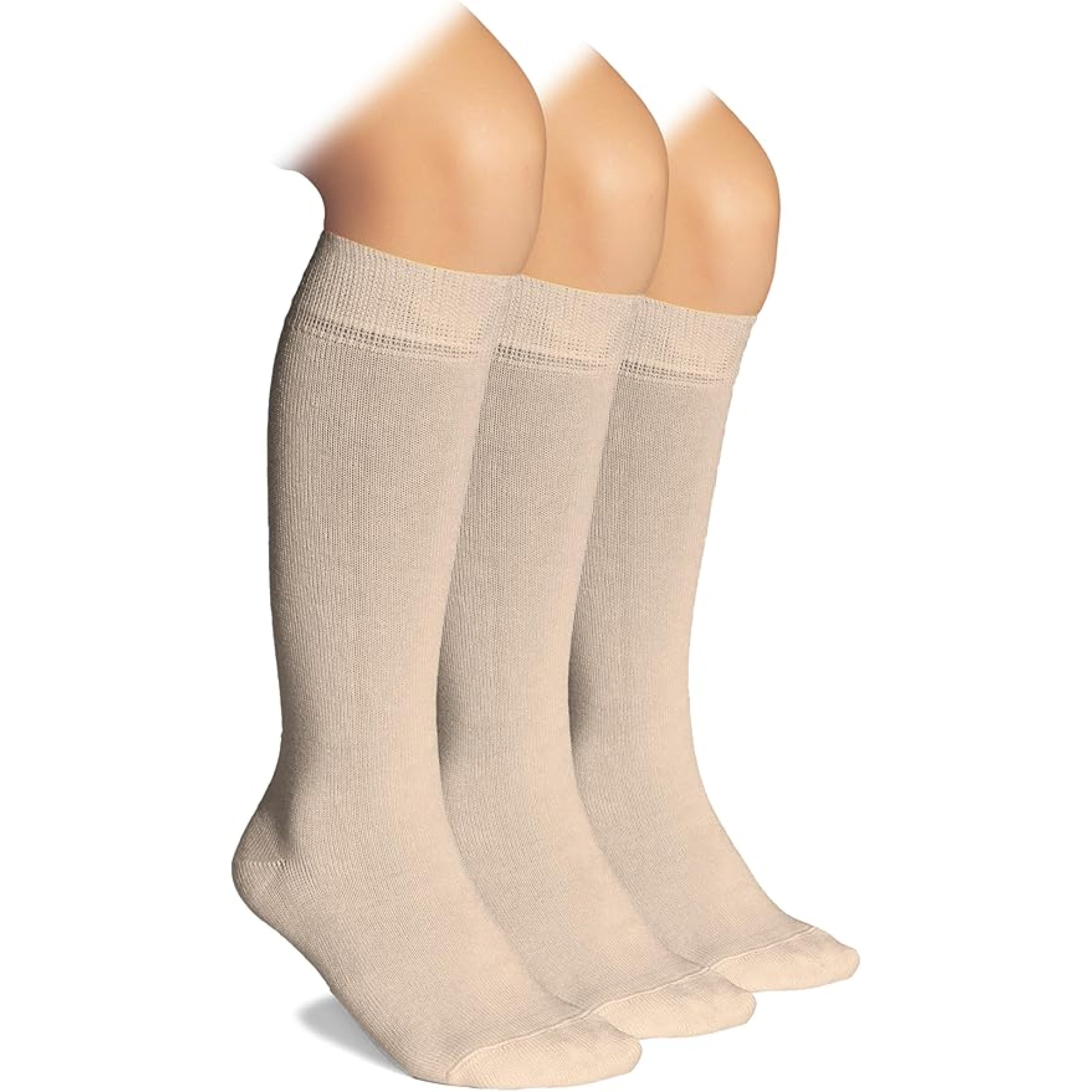


The honest answer to how long a good pair of socks should last is: considerably longer than most people's socks actually do. The gap between what quality socks are capable of and what people typically experience comes down to a handful of factors that are almost entirely within your control — and most of them have nothing to do with the socks themselves.
A well-made sock, properly cared for and rotated sensibly, can remain in genuinely good condition for two to three years of regular use. Most socks fail significantly earlier than that, not because of poor quality alone, but because of how they're washed, how often they're worn, and whether they're part of a rotation or carrying the full weight of daily use on two or three pairs indefinitely.
Longevity in a sock isn't a single property — it's the result of several construction decisions that compound over time. A sock can be made from excellent fiber but have poor elastic construction and still fail at the cuff long before the fabric wears through. A sock with a well-built cuff but no heel reinforcement will lose its protective function at the heel before the rest of the sock shows any wear. Genuine longevity requires the whole sock to be built well, not just one element.
The construction markers most directly associated with a longer lifespan are reinforced heels and toes, which add denser fabric exactly where abrasion is greatest; high-quality elastic in the cuff, which maintains its tension through more wash cycles than cheaper alternatives; a fiber blend that includes some nylon, which resists abrasion significantly better than pure cotton or bamboo alone; and tight, even knitting across the entire sock, which ensures the fabric wears consistently rather than developing thin spots in isolated areas. A sock built with all of these details will outlast a sock built without them by a margin that becomes very apparent once you've experienced both.
Construction sets the ceiling for how long a sock can last. Everything else determines whether it reaches that ceiling or falls short of it.
The single most controllable factor in sock lifespan is how often each pair is worn. Every time a sock is worn, it accumulates mechanical stress — stretching, compressing, rubbing — that degrades the fibers and elastic incrementally. Every wash cycle adds further degradation. A sock worn three times a week accumulates wear at roughly six times the rate of one worn every two weeks.
Most people underestimate how dramatically rotation affects lifespan. Someone who owns four pairs of socks and wears them in a tight cycle will typically find each pair has reached the end of its useful life within six to nine months. Someone who owns ten pairs of the same quality and rotates through all of them will find those same socks lasting two years or more — not because the socks are better, but because each pair accumulates wear at a fraction of the rate. Adding pairs to your rotation is one of the most cost-effective ways to extend the total lifespan of your sock collection without buying better socks at all. Doing both produces results that are significantly longer than either alone.
Heat is the primary enemy of both elastic fiber and fabric structure in socks. Washing at high temperatures — above 40°C or roughly 104°F — accelerates the breakdown of elastic fibers in the cuff, which is why socks in households that routinely wash at high temperatures typically start slipping and losing shape earlier than socks washed in cool or warm water. The dryer compounds the problem significantly: tumble drying at high heat subjects the elastic to sustained high temperatures that compress and stretch it simultaneously, which is one of the faster ways to degrade cuff tension. Air drying after a cool or warm wash is the single most effective care habit for extending sock lifespan, and it costs nothing.
The washing machine cycle itself also matters. Heavy-duty cycles put more mechanical agitation on fabrics than delicate or gentle cycles, which over many washes produces more pilling and fiber breakdown than a gentler alternative. Turning socks inside out before washing directs the machine's agitation toward the inner surface, which typically has more cushioning, and protects the outer surface that's more visually prominent when wear does appear.
A sock worn in an office chair for eight hours accumulates far less wear than one worn during a day of active walking on hard floors. More steps mean more heel strikes, more friction between the sock and shoe lining, and more stretching at the toe and arch as the foot flexes. People who are on their feet all day will go through socks faster than those in sedentary roles, regardless of quality. This isn't a reason to buy lower-quality socks in active contexts — it's a reason to factor higher replacement frequency into the equation and to prioritize reinforced construction that handles that wear more gracefully.
Surface type also plays a role. Walking on carpet introduces far less abrasion to a sock's outer surface than walking on concrete or tile, which is rougher and harder. People who work on hard floors will typically see heel wear accelerate compared to those on softer surfaces, which is one reason cushioned heel construction matters more for certain lifestyles than for others.

Not all socks are designed to last the same amount of time, and matching expectations to sock type avoids misplaced frustration.
Dress socks, by design, are thin. A slim cotton or bamboo dress sock is not built for high-abrasion use or for being the workhorse of a small rotation — it's built for a specific context where a slim profile matters more than maximum durability. Expecting a fine dress sock to last as long as a thicker everyday sock is setting the wrong benchmark. Well-made dress socks with reinforced heels and toes, rotated sensibly and washed correctly, can last a year to two years of regular professional use. Identical dress socks worn daily and washed hot will show heel wear within months.
Everyday cotton socks in medium weight with good construction are typically the most durable category for general use. They handle more varied conditions and more frequent wear better than fine dress socks, and a well-built pair in this category — combed cotton with nylon reinforcement at heel and toe — is often capable of lasting two to three years in a reasonable rotation. The key qualifier is well-built: a commodity cotton sock without reinforcement will fail significantly faster than one with those details, even though both look similar on the shelf.
Bamboo socks, when made from properly processed bamboo viscose, tend to retain their softness and shape through more wash cycles than equivalent cotton at the same weight. The fiber is inherently more resilient at the same thread count, and quality bamboo blends with nylon reinforcement often hold up particularly well over time. The main variable is processing quality: a high-quality bamboo blend outperforms standard cotton; a low-quality bamboo blend processed inconsistently may not.
Wool socks — particularly merino — are among the most durable natural fiber socks available, but their longevity depends heavily on correct care. Wool cannot be washed hot and should never go in a tumble dryer. Socks that are cared for correctly can last many years. Socks that are washed hot will felt and shrink dramatically within one or two cycles, ending their useful life immediately.
It's worth spending more time on rotation because it's the most underutilized tool for extending sock life and the one with the most dramatic effect. The relationship is roughly proportional: doubling your sock rotation approximately doubles the lifespan of each pair, since each pair accumulates half the wear cycles in the same calendar period.
A practical rotation for everyday use is between seven and ten pairs for a person wearing socks daily. This allows each pair to rest for at least a week between wears, which also gives the elastic time to recover its natural tension after stretching. Elastic that is allowed to rest between wears retains its snap longer than elastic that is stretched and immediately re-stretched. It's a small detail, but it's one of the reasons well-managed rotations produce noticeably longer-lasting socks than tight ones.
The full lifespan that quality socks are capable of requires pairing good construction with reasonable care. A bamboo dress sock with a reinforced heel and toe built from quality bamboo viscose with nylon reinforcement has the construction to last well — but it still needs to be washed in cool water, air-dried where possible, and rotated among enough other pairs to avoid being worn to exhaustion every week. The same sock handled carelessly will still outlast a cheaper alternative handled the same way, but it won't reach anywhere near what it's capable of under proper care.
For everyday use rather than dress contexts, a well-constructed cotton sock with reinforced areas provides excellent longevity under normal conditions. A cotton dress crew with a seamless toe and reinforced heel in a rotation of seven or more pairs, washed in warm rather than hot water, will typically remain in genuinely good condition for well over a year of daily use — considerably longer than the same construction worn in a tight three-pair rotation and washed hot.
A good pair of socks, properly defined, is capable of lasting two to three years in active use — sometimes longer with ideal care and rotation. Most socks fall short of that potential not because of quality limits but because of care habits and rotation size that work against longevity. Washing cooler, drying without heat, and building a rotation large enough that no single pair carries too much of the weekly load are the three levers that make the biggest difference. Combined with socks that are actually built well, they produce a meaningful and noticeable improvement in how long your socks stay genuinely comfortable to wear.
A well-made sock that is properly cared for and part of a reasonable rotation can remain in genuinely good condition for two to three years of regular use. Most socks fall short of this not because of their quality ceiling but because of how they're washed, how frequently they're worn, and whether they're being rotated among enough other pairs.
Yes, significantly. The relationship is roughly proportional: doubling the size of your rotation approximately doubles the lifespan of each pair, since each accumulates wear at half the rate. A rotation of seven to ten everyday pairs is a practical target for extending sock life meaningfully without requiring many pairs of unusually expensive socks.
High-temperature washing and tumble drying are the two biggest contributors to premature sock failure. Both accelerate elastic degradation and fiber breakdown. Washing in cool or warm water and air-drying rather than machine-drying extends sock lifespan significantly, often doubling the number of wash cycles before visible deterioration sets in.
Quality bamboo blends tend to retain softness and shape through more wash cycles than standard cotton at the same weight. The fiber is naturally more resilient, and a good bamboo blend with nylon reinforcement often holds up particularly well over time. However, processing quality varies considerably between products — a high-quality bamboo blend outperforms standard cotton, while a low-quality one may not.
Because price doesn't reliably reflect construction quality. The key durability features — reinforced heels and toes, quality elastic, appropriate fiber blends — can be absent from socks sold at mid-range prices, while some less prominently marketed socks include all of them. The construction details matter more than the price point in determining how long a sock actually lasts.
He has been working for more than 20 years in the textile industry and has work experience in many parts of the world.