Cart
0
You may also like
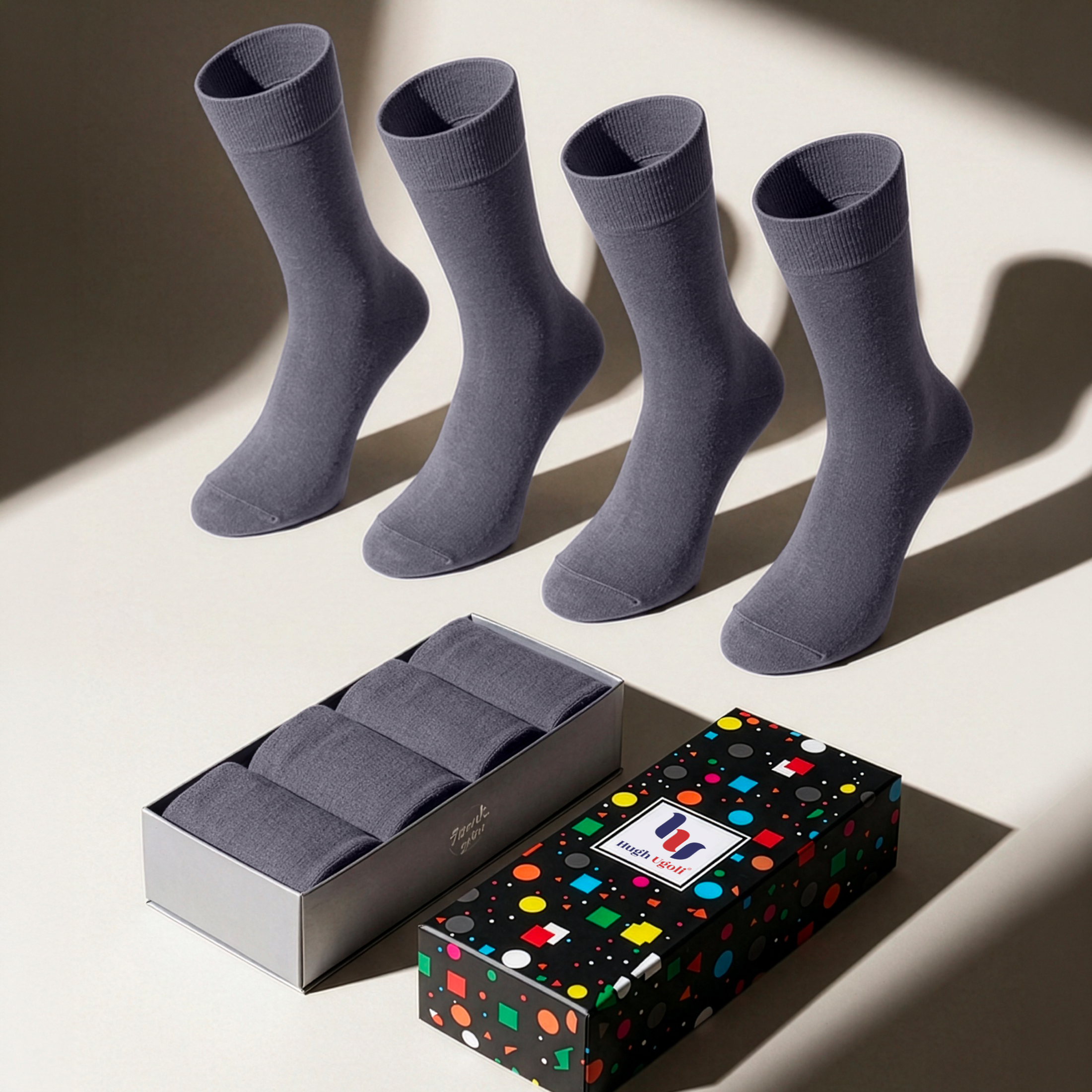
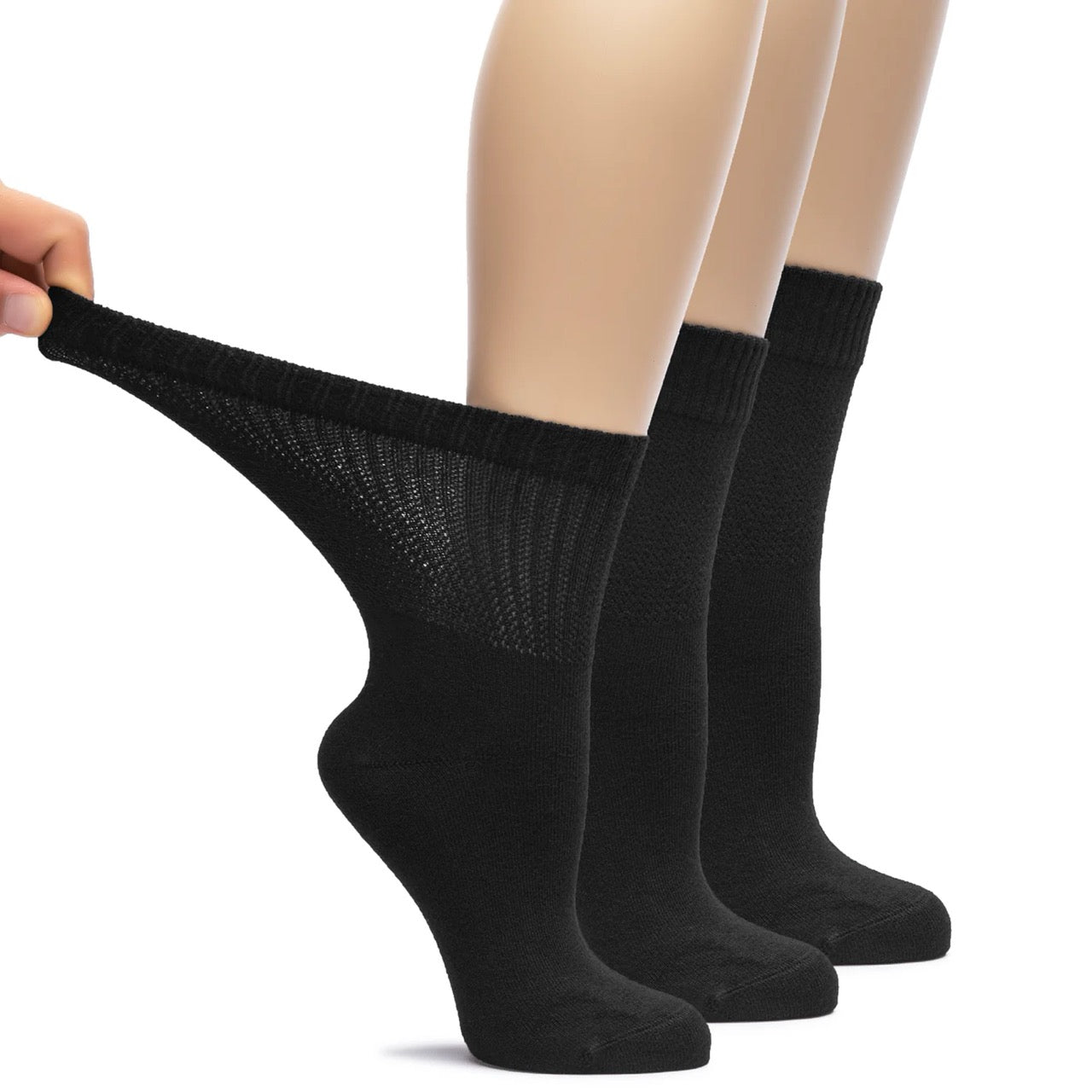
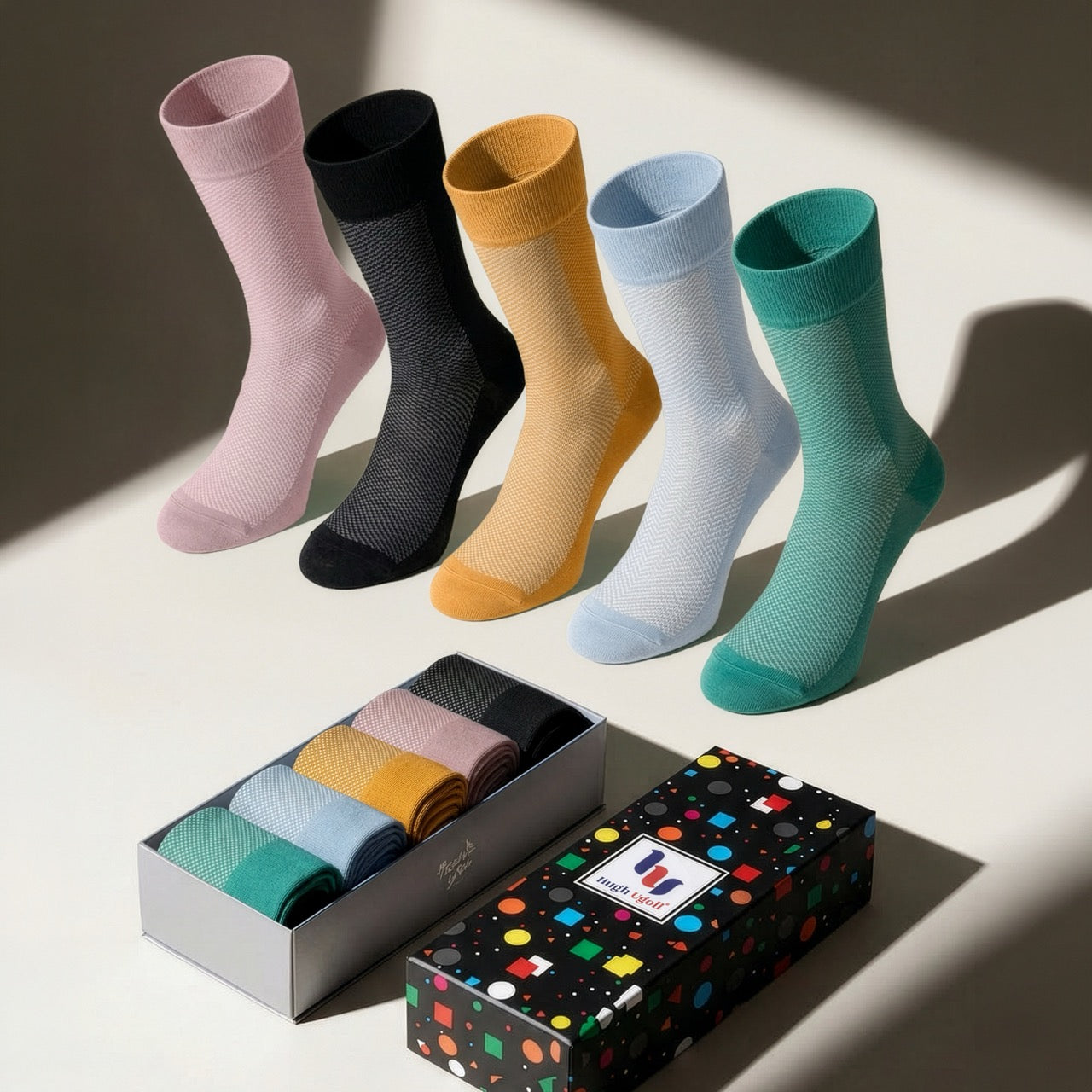
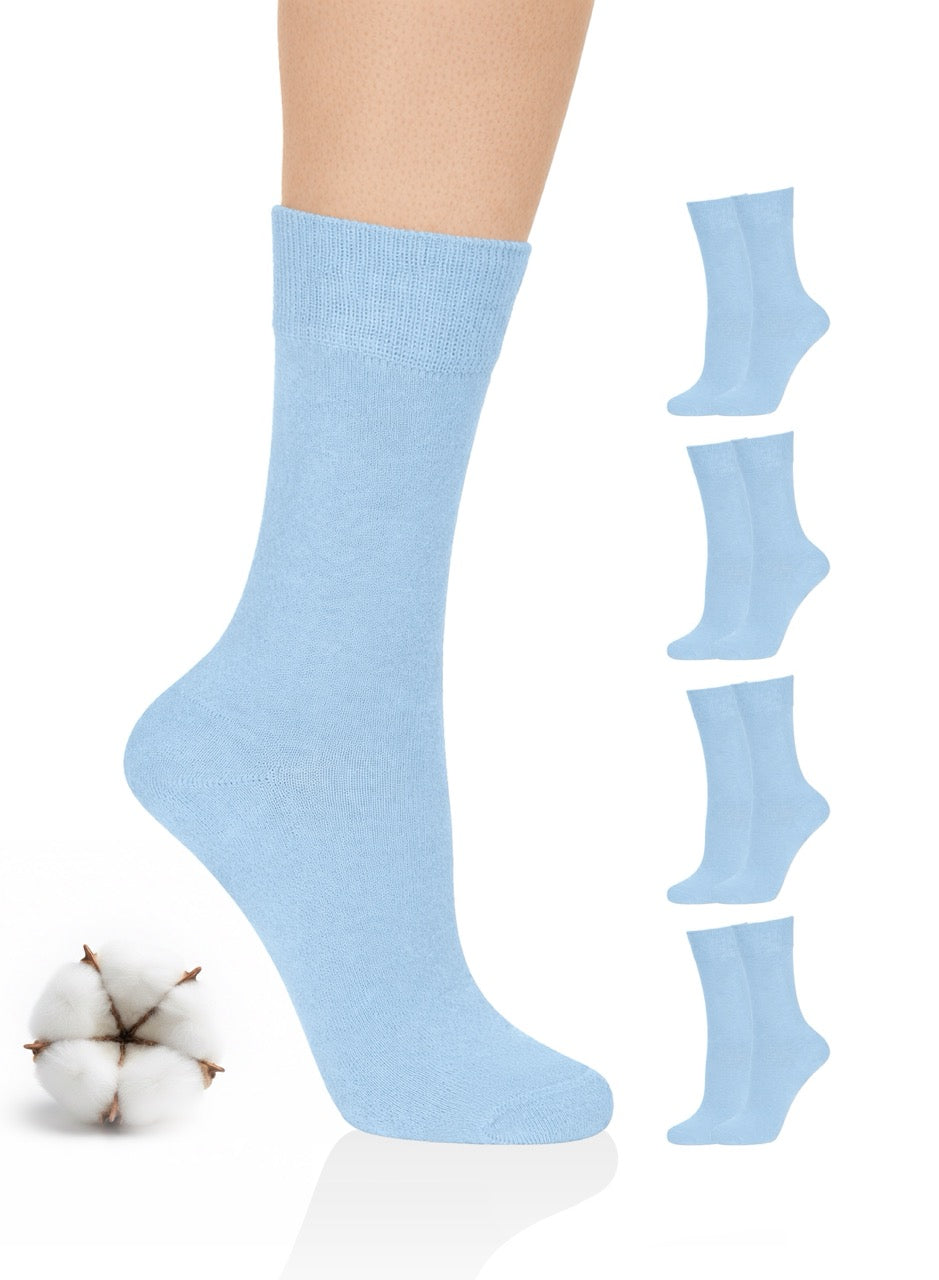
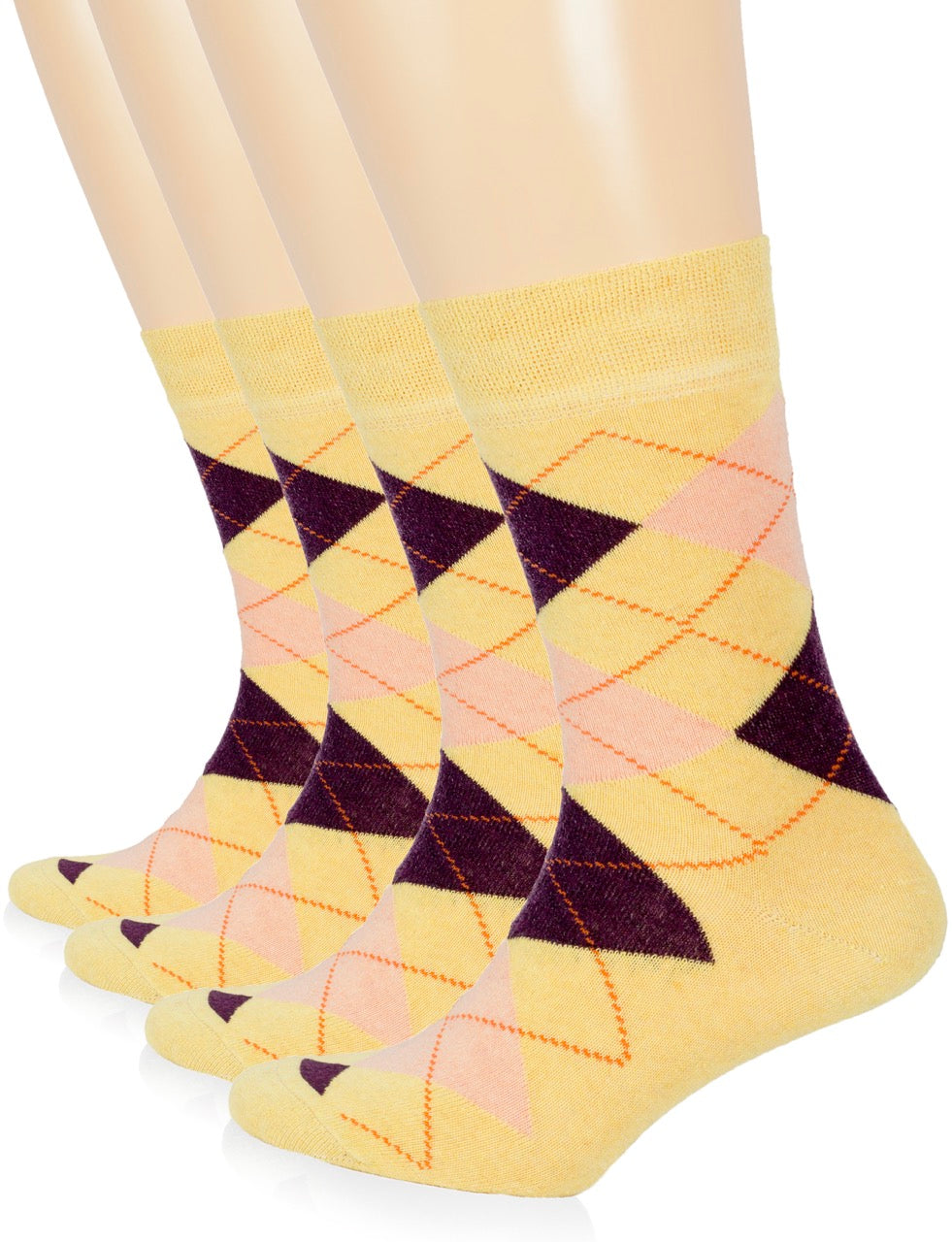
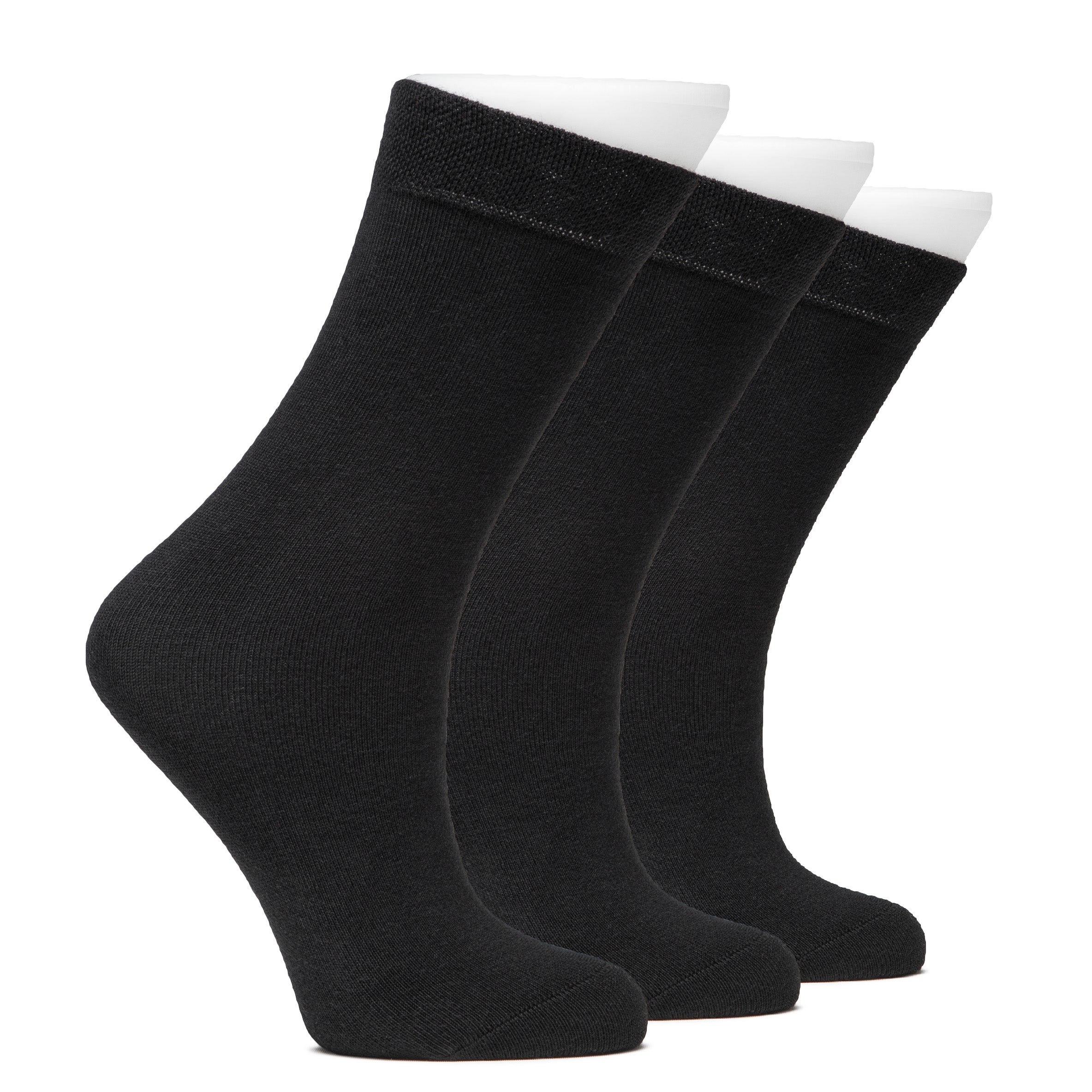
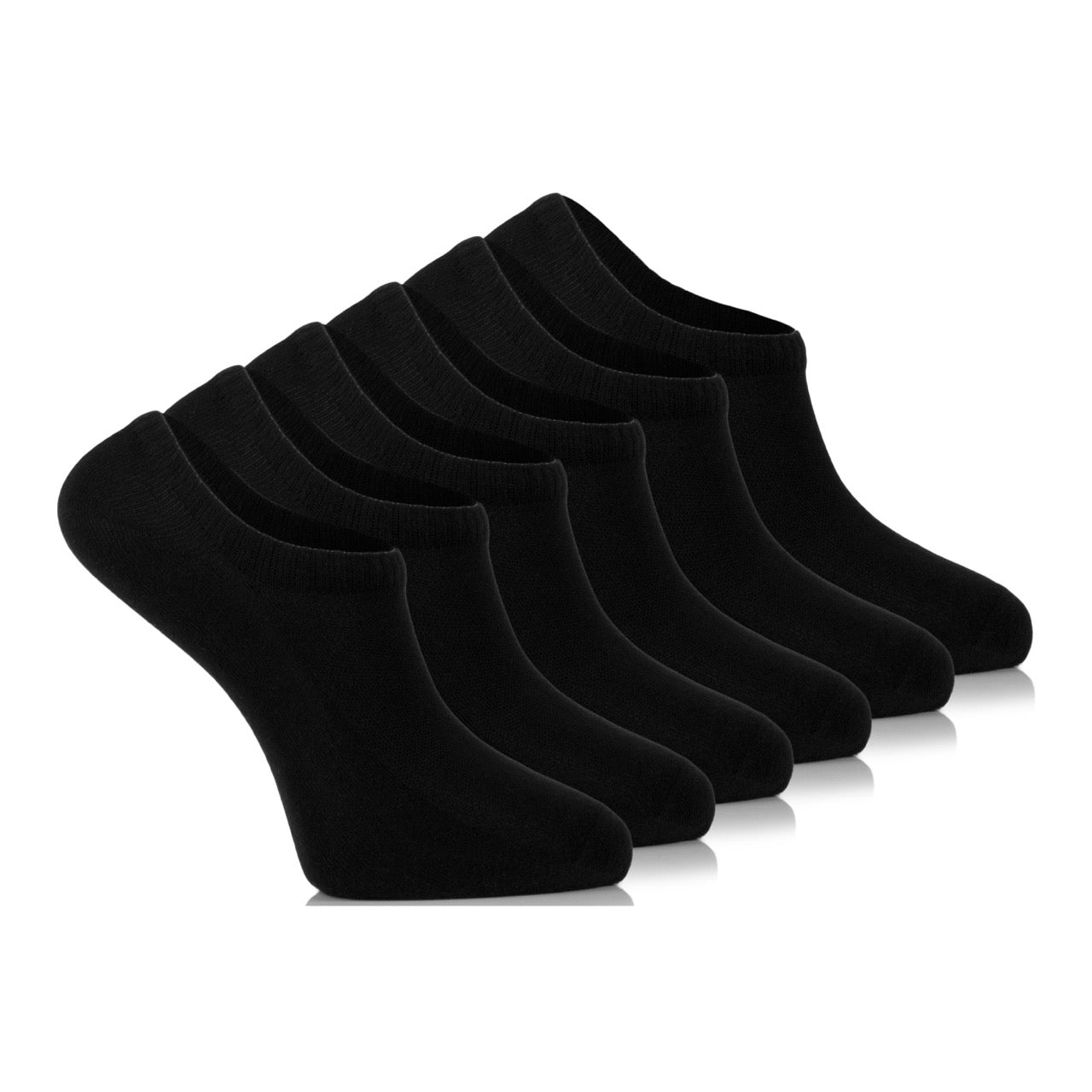
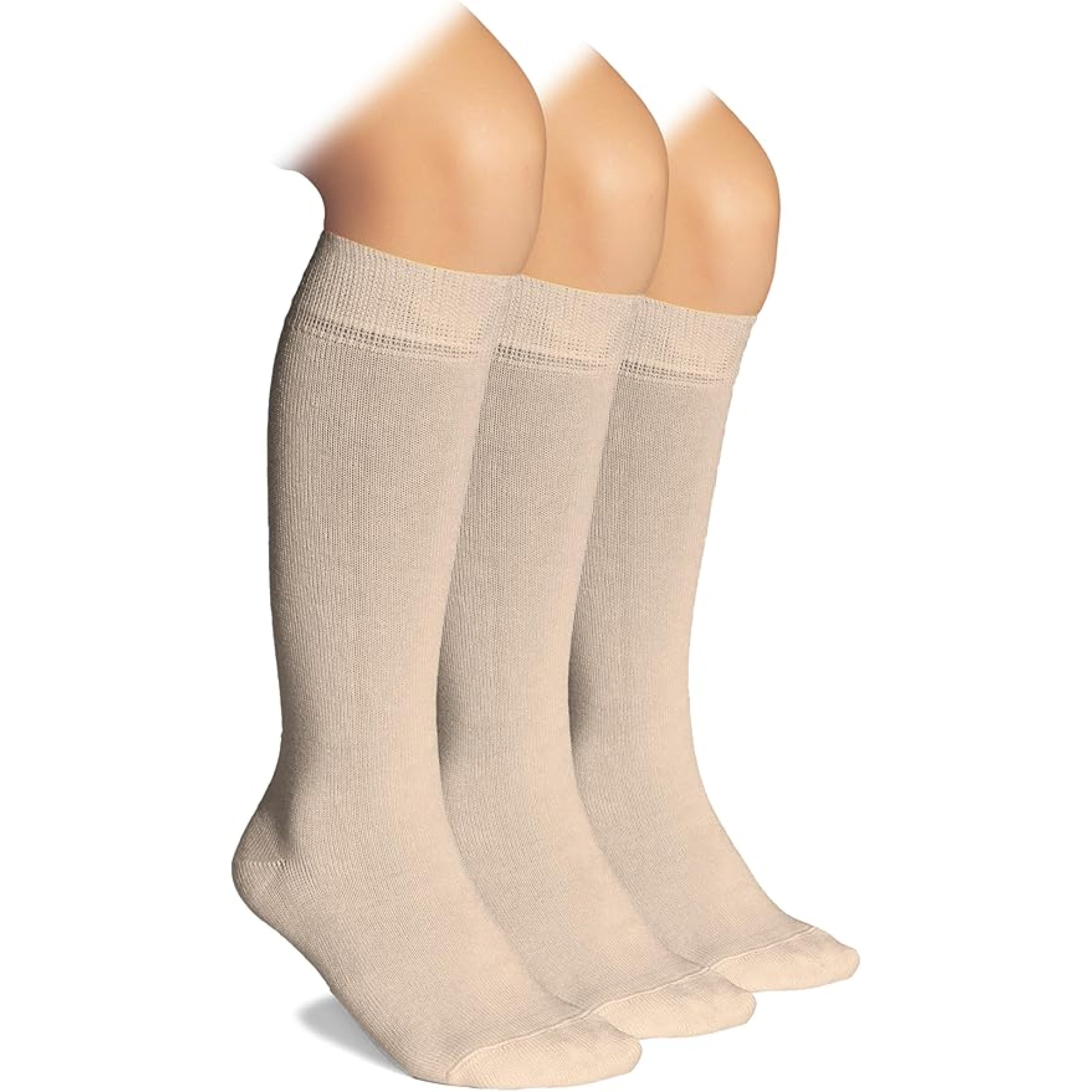


Seven days, seven pairs — it seems logical. One sock per day, problem solved. But anyone who's packed that way and spent day three in wet socks after an unexpected rain, or arrived at a business dinner wishing they had something other than the hiking socks currently on their feet, knows that the one-per-day formula misses the actual complexity of the question.
How many socks you need for a one-week trip isn't really about the number of days. It's about how many different contexts your feet will be in, how active the trip is, whether you'll have access to laundry, and what kinds of shoes you're bringing. Once you factor those in, the right number becomes specific to your trip rather than just a function of the calendar.
The one-pair-per-day logic holds in one specific scenario: a trip where you're wearing the same type of shoe every day, doing a consistent level of activity, and have no ability or desire to rewear or hand-wash anything. Outside of that scenario — which describes very few actual trips — the number should be higher or lower depending on what's actually happening.
For some trips, seven pairs is too many and adds unnecessary weight and bulk. A beach holiday where socks are only needed for a couple of flights and one city day might genuinely require three or four pairs total, and packing seven means carrying four pairs that never leave the suitcase. For other trips — a city walking trip where you're putting in ten miles a day in warm weather and sweating through a pair by midday — seven might be exactly right or even slightly short. The day count is a starting point, not a formula.
There are four variables that matter more than the number of days when calculating your sock count for a week-long trip.
A lightly active day — a conference, a beach day, a day mostly in a car or on a train — will produce a sock that can comfortably be reworn the next day if needed, or at minimum has only been worn in one pair of shoes for a few hours. A high-activity day — ten miles of city walking, a full day at a theme park, a hiking day — will produce a sock that is genuinely spent by the end of it and shouldn't be reworn without washing. The more high-activity days your trip contains, the closer to one-per-day you need to be. A week of city walking often needs seven pairs or more. A week with a mix of light and heavy days needs fewer.
This is the variable most people forget entirely. If you're bringing two or three different shoe types — sneakers for walking, dress shoes for evenings, sandals for the beach — you need socks appropriate for each type, and those socks often can't substitute for each other. A thick walking sock looks wrong with a dress shoe. A no-show sock does nothing inside a hiking boot. A dress sock worn for a full day of walking will be uncomfortable by afternoon and shouldn't be expected to hold up the same way a walking sock would.
The practical implication is that for a trip with multiple shoe types, you're effectively packing multiple sub-rotations. Two or three pairs per shoe type, scaled to how many days each type will be used, gets you to a more accurate total than simply counting the days on the calendar.
Laundry access is a significant modifier. A trip where you have access to a washing machine at the midpoint — or a hotel with a laundry service — halves the number of pairs you need to bring. Many experienced travelers who pack light plan a midtrip wash as a deliberate strategy rather than as a backup: pack four or five pairs, wash halfway through, and you're covered for the week without the weight of seven pairs.
Hand-washing in a hotel sink is also a viable option for the right socks, though not for all of them. Thin bamboo or lightweight cotton socks wash easily in a sink, dry overnight when wrung out and hung, and can be back in rotation by morning. Thick wool or heavily cushioned athletic socks hold too much water to dry overnight in a humid bathroom and aren't practical for this approach. If hand-washing is part of your plan, choose socks for the trip with that in mind.
Heat and humidity change the sock equation in one consistent direction: upward. In hot climates, feet sweat significantly more than in cool ones, which means a sock that would be comfortable to rewear after a mild day is genuinely unpleasant after a hot one. People who travel to warm destinations and try to apply the same sock count they'd use for a moderate-climate trip consistently end up with too few pairs by the end of the week. A rough rule: add one to two pairs to your base count for every three days you'll spend in genuinely hot weather.
Cold climates go the other way. In cold conditions, feet sweat less and socks stay cleaner longer per wear. A heavier wool sock worn for a day of cold-weather sightseeing is often comfortable to wear again the next day, which means a cold-weather trip with wool socks can sometimes get by with five pairs for seven days comfortably.

Rather than counting days and assigning one pair per day, a more reliable method is to inventory the shoes you're bringing and build your sock count from there. For each shoe type, ask: how many days will I wear these? How active will those days be? Can any of these pairs be reworn?
For a typical mixed city-and-leisure week-long trip with three shoe types — walking shoes, dress shoes, and sandals — the math might look like this: four walking socks for four active days in sneakers (no rewear given the activity level), two dress socks for two evenings in dress shoes, and one or two no-show pairs for the sandal days when socks are occasionally needed. That's seven or eight pairs total, but distributed specifically rather than uniformly across days.
That specific distribution also tells you what types to pack, not just how many — which is the more useful output. Seven pairs of the same sock type is the wrong answer if you need variety; six pairs of the right types is the correct answer even though it's a smaller number.
Beyond quantity, fabric choice affects the practical experience of managing socks on a trip. Socks that dry quickly after hand-washing, compress well in a bag without losing shape, and stay comfortable through a long active day are significantly more useful on a week-long trip than socks that are comfortable in one context but awkward in everything else.
For warm destinations and city travel, a lightweight bamboo no-show or ankle sock is often the single most versatile option. It works across the widest range of shoe types, manages heat and moisture well, and dries quickly if hand-washed. A bamboo no-show with a non-slip heel stays in place through a full day of walking without migrating into the shoe, which matters more on a trip where you can't easily swap socks midday.
For business travel or trips that include professional contexts, a slim bamboo dress sock handles both the meeting and the after-dinner walk comfortably without requiring a separate pair for each. A bamboo dress sock breathes well enough through a long day in a closed dress shoe to remain comfortable in a way that a standard cotton dress sock often doesn't, which reduces the need for a midday change and lets a single pair cover more ground.
For a one-week trip, the right sock count for most people falls between five and nine pairs, with the specific number driven by shoe variety, activity level, climate, and laundry access rather than simply by the number of days. Starting from your shoes rather than your calendar, assigning pairs by how hard each day will be, and choosing socks that are genuinely versatile for the context of the trip produces a more accurate and more useful answer than the simple one-per-day formula — and typically results in a bag that's slightly lighter and socks you're actually glad you brought.
Most people need between five and nine pairs for a week-long trip, depending on activity level, climate, how many shoe types they're bringing, and whether laundry is available midtrip. A one-pair-per-day formula is a reasonable starting point but misses the variables that most commonly lead to over- or under-packing.
Yes, in the right conditions. A sock worn for a light, cool day can comfortably be reworn the next day. A sock worn for a high-activity day in warm weather generally shouldn't be reworn without washing. Climate and activity level determine whether rewearing is practical, not the day count alone.
For the right sock types, yes. Thin bamboo and lightweight cotton socks wash easily in a sink and dry overnight, which can reduce your total pack count by two or three pairs. Heavy wool or thick cushioned socks retain too much water to dry overnight reliably and aren't practical for midtrip hand-washing.
Yes, if you're bringing more than one type of shoe. A walking sock worn with dress shoes looks wrong and feels worse by midday; a dress sock worn for a day of heavy walking doesn't hold up the way a dedicated walking sock would. Matching sock type to shoe type produces a better experience even if it means bringing a slightly larger variety.
Generally yes. Feet sweat significantly more in hot weather, which means socks reach the end of their comfortable wear much faster than they would in moderate temperatures. Adding one to two pairs to your base count for every three genuinely hot days is a reasonable adjustment for warm-destination travel.
He has been working for more than 20 years in the textile industry and has work experience in many parts of the world.