Cart
0
You may also like
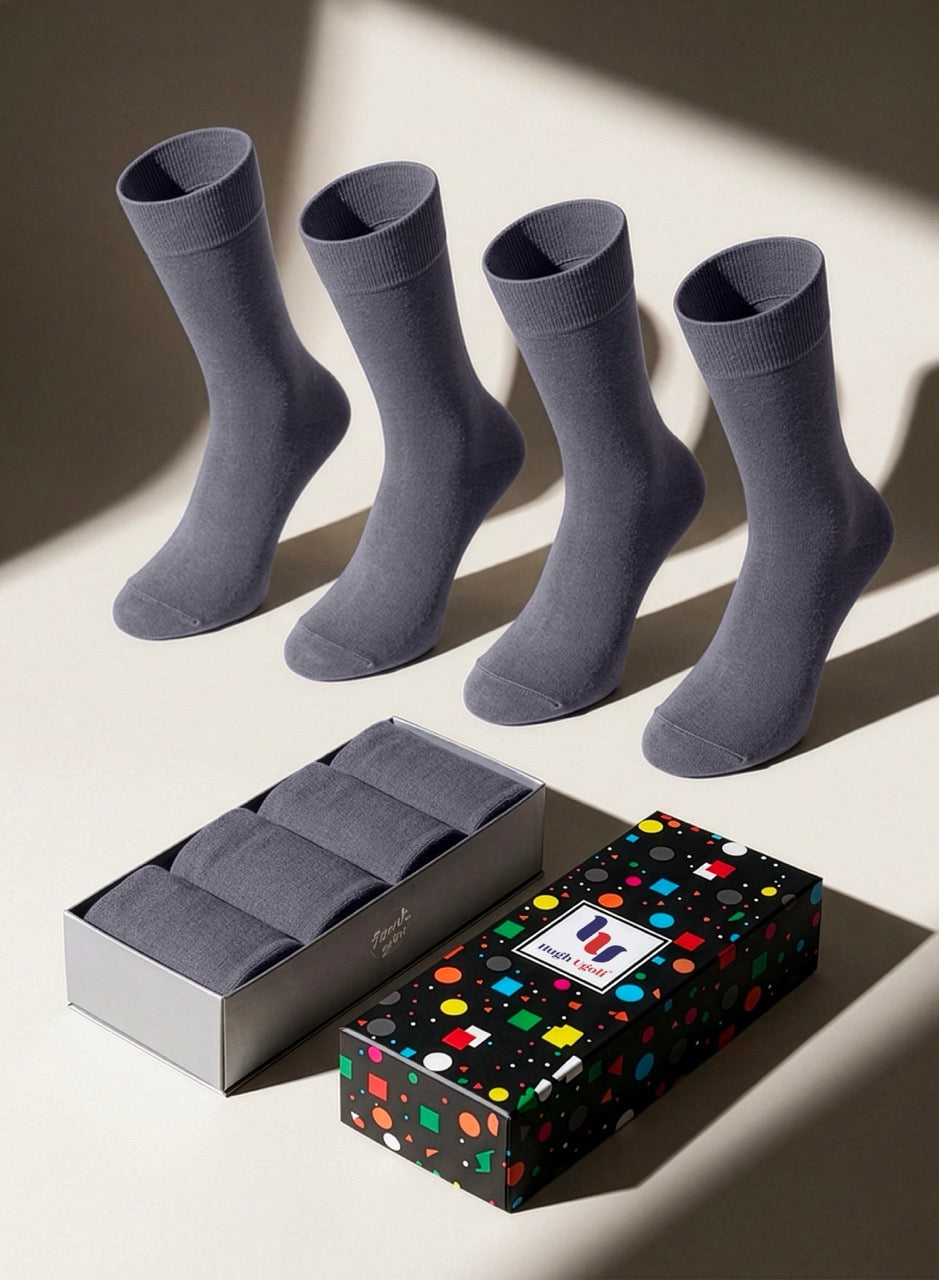
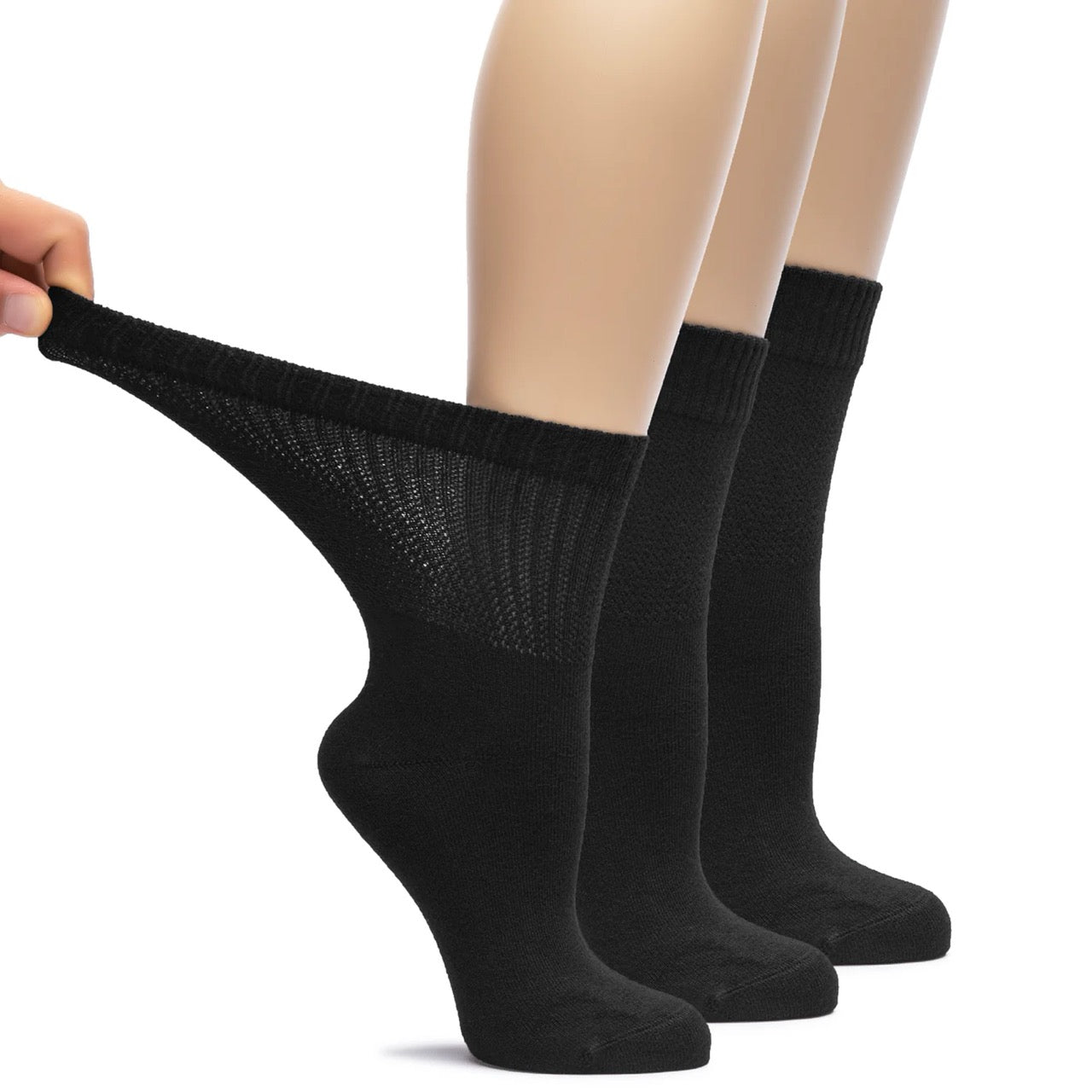
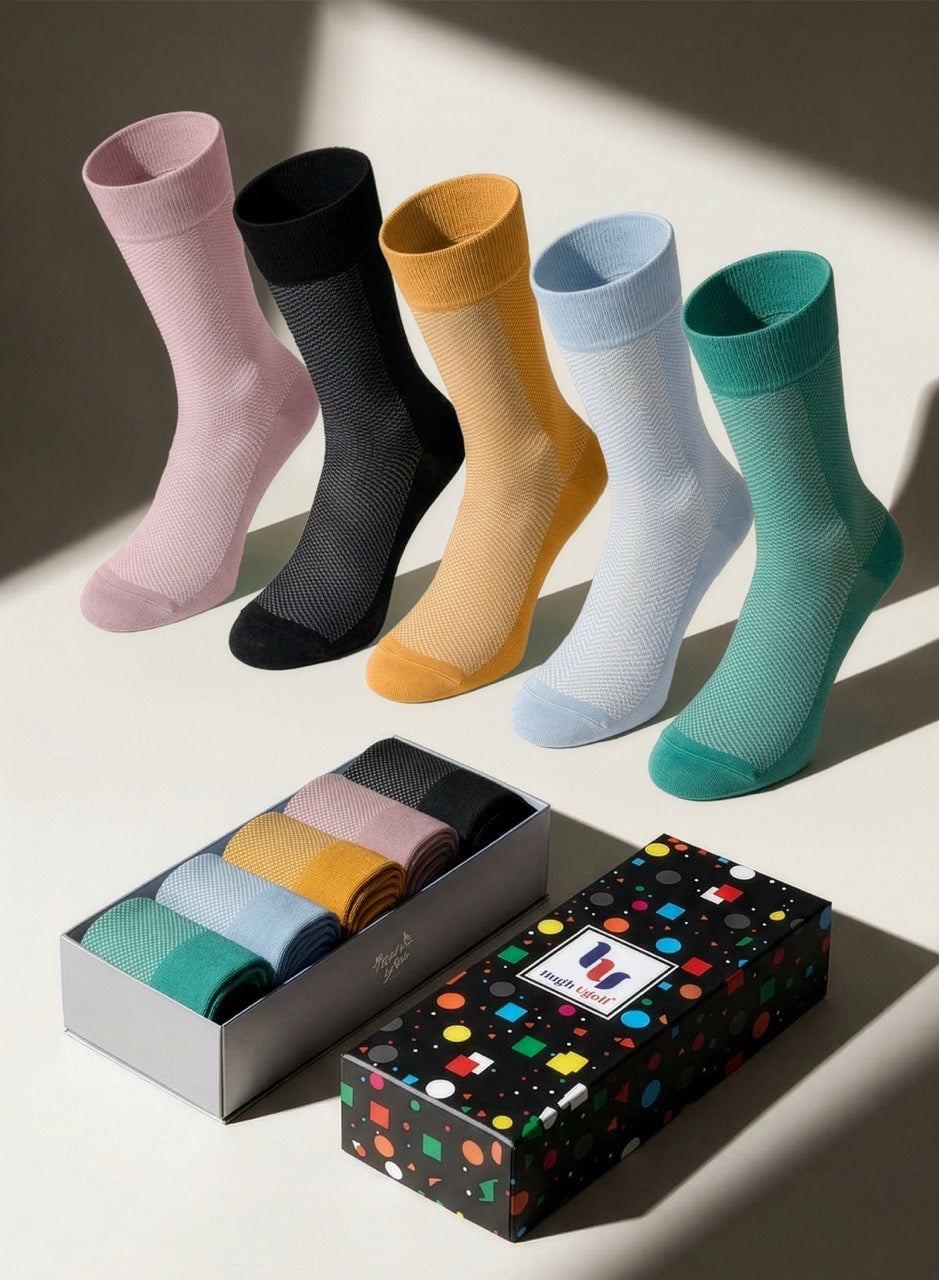
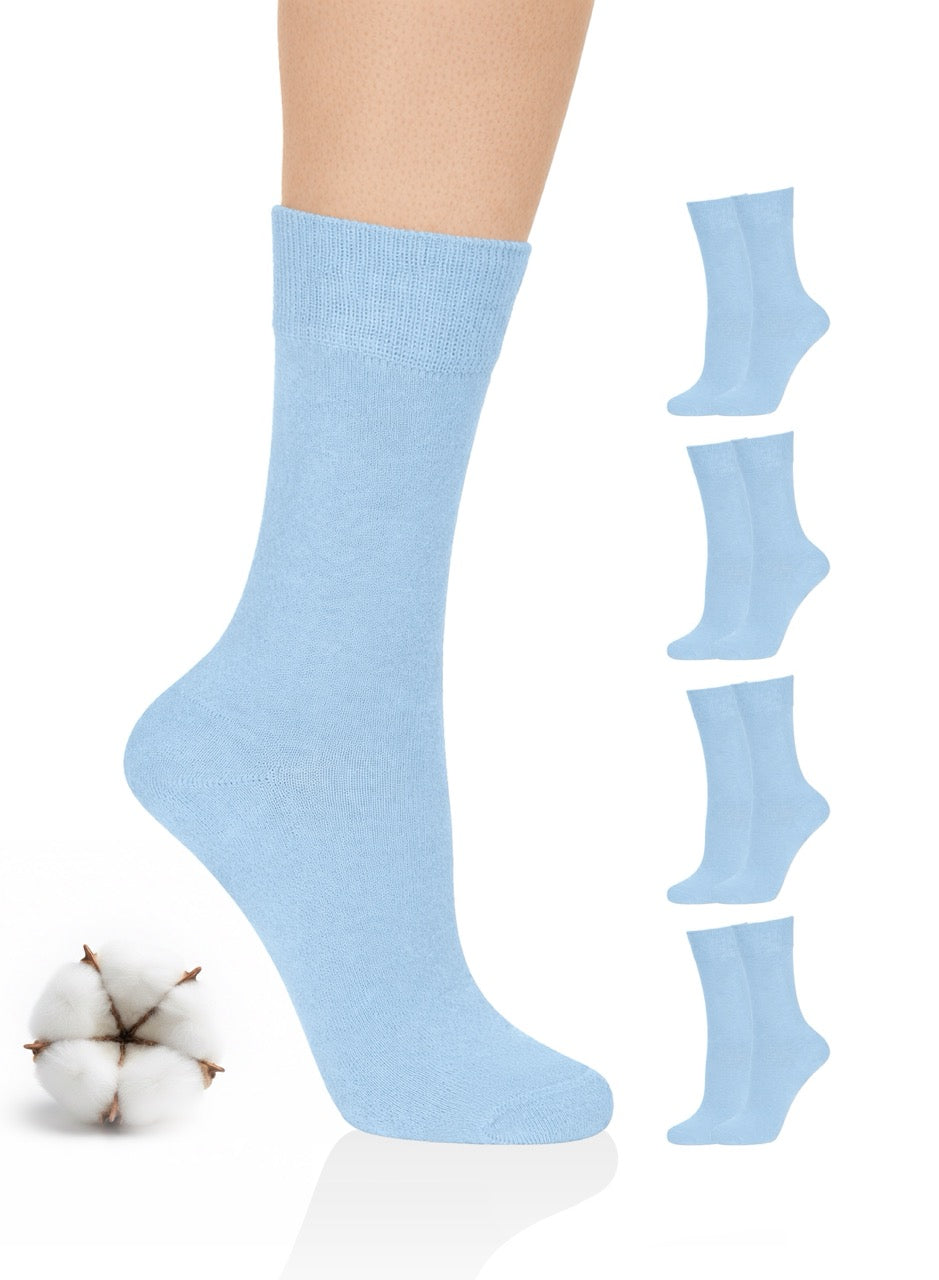
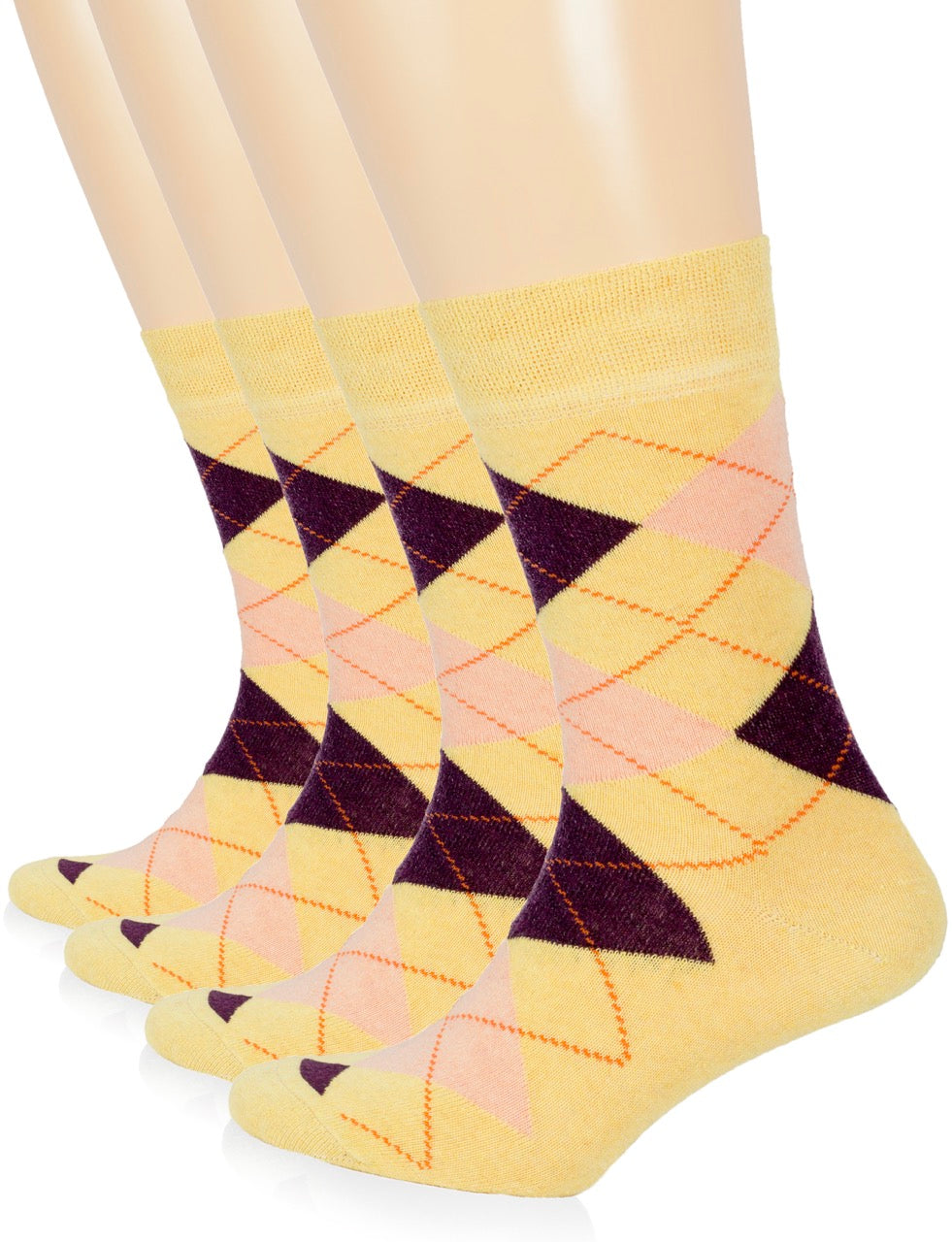
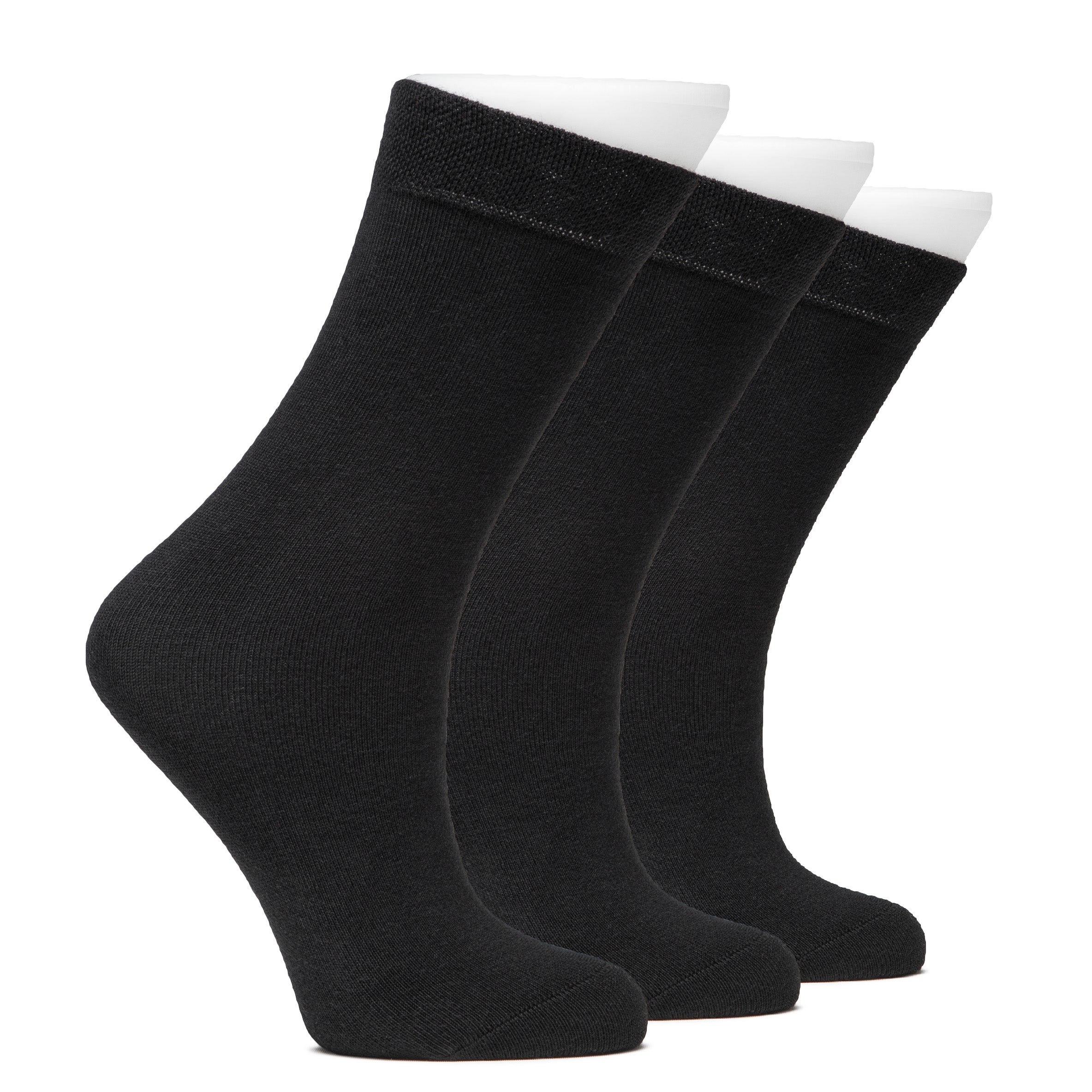
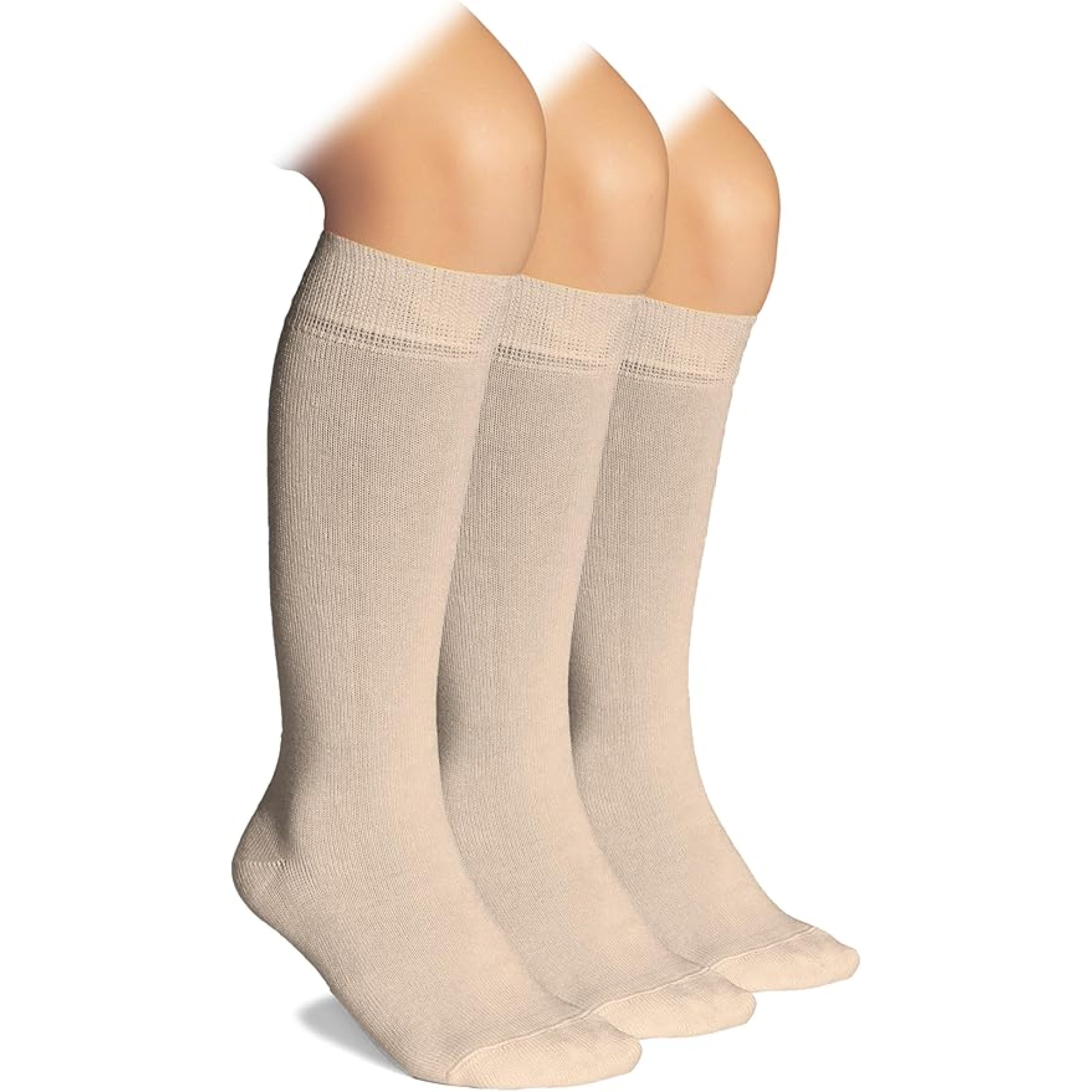


It's one of those style questions that seems simple until you're standing in front of a mirror with a navy sock in one hand and a brown one in the other. Match the trousers? Match the shoes? Neither? Both rules get stated with complete confidence by people who hold opposite opinions, which is a reliable sign that the real answer is more nuanced than either camp admits.
Here's how each rule works, when each one makes sense, and when the better move is to ignore both of them.
For most of the twentieth century, the dominant advice in classic menswear was to match your socks to your trousers. The reasoning was visual rather than arbitrary: a sock that continues the color of the trouser leg creates an unbroken vertical line from the knee to the floor, which visually lengthens the leg and makes the overall silhouette look cleaner. In formal settings where suits were the norm and a flash of sock between trouser hem and shoe was considered a small style vulnerability, the sock-to-trouser match minimized that exposure rather than drawing attention to it.
This rule worked particularly well in an era when trouser hems sat closer to the floor, men sat down in formal settings more often, and visible socks were considered a potential distraction from an otherwise composed outfit. Black suit, black sock. Navy trousers, navy sock. The logic was defensive rather than expressive.
The match-your-shoes approach comes from a different visual logic. Instead of extending the trouser line, it creates a unified anchor at the foot, treating the shoe and sock as a single unit. Brown shoes with tan or cognac socks, black shoes with black socks, dark grey shoes with charcoal socks: the effect grounds the foot rather than elongating the leg, and it gives the eye a clear, finished endpoint rather than a transitional blur between trouser and floor.
This rule tends to work best in smart-casual or business-casual dressing, where there's more visual variety in the outfit and matching the sock to the shoe creates one fewer decision to explain. It's also more practical in environments where trouser hems sit higher, since it avoids the jarring contrast of a trouser-matched sock meeting a differently colored shoe.

The honest answer is that both rules were developed for a more uniform dressing era, when most professional men wore a fairly narrow range of trouser and shoe colors. Today's wardrobe is more varied, trouser cuts differ widely in length and break, and the occasions that require strict formality are fewer. The context that made one rule or the other "correct" has loosened considerably, which is partly why both rules are now stated as universal truths by different people with equal conviction.
In practice, the better frame isn't which rule to follow but which visual outcome you're trying to create, and what the specific combination of trouser, shoe, and occasion calls for.
In genuinely formal contexts, a dark suit for a professional meeting or a formal event, the traditional sock-to-trouser match still earns its place. The goal in formal dressing is usually a clean, uninterrupted silhouette where no single element stands out. A sock that blends into the trouser serves that goal by disappearing rather than creating a visible transition point. A slim cotton dress crew sock in a neutral that echoes the trouser color is the functional choice here: present but not noticed, which is exactly what formal dressing asks of its components.
If the trouser is the standout element of the outfit, whether through texture, cut, or color, a sock that extends that line keeps the focus where you want it. Breaking the line with a contrasting shoe-match can draw the eye downward prematurely and pull attention away from the trouser before you want it to arrive at the shoe.
Outside formal and business contexts, the shoe-match approach often produces a more natural result. Chinos, casual trousers, and jeans in a wide range of colors don't have the same "extend the line" logic as a suit trouser, and trying to match every trouser color to a sock would require a sock wardrobe that most people don't have or want. Keeping a few pairs of versatile, shoe-matching neutrals, tan, dark brown, and charcoal, handles the majority of casual and smart-casual situations cleanly without requiring deliberate coordination each morning.
When the shoe is the deliberate focal point, a loafer in an interesting leather, a premium sneaker, a boot in a distinctive color, the sock-to-shoe match frames that choice rather than competing with it. A contrasting sock in this context can flatten a shoe that was supposed to be the highlight, while a matching or tonal sock lets the shoe do its job.
There's a third approach that sidesteps both rules entirely: using the sock as a deliberate accent. A brightly colored or patterned sock against a neutral trouser and shoe combination is a recognized style move, popular in business-casual settings where personality is welcome but full informality isn't. The key word is intentional. A contrasting sock that looks considered reads as a style choice. The same contrasting sock that looks like an oversight reads as an oversight.
A few conditions help a contrast sock work rather than just look mismatched: the trouser hem should be short enough for the sock to actually be visible when you sit or cross your legs, the rest of the outfit should be relatively controlled so the sock is the one deliberate disruption rather than one of several, and the sock itself should be genuinely interesting rather than simply a different neutral. A bamboo dress sock in a distinct color or subtle pattern fits this role well, since the quality of the fabric and construction makes the choice feel deliberate rather than accidental.
Once you've moved past picking a rule to follow, a few practical factors matter more than the rule itself.
Neither rule is wrong, and neither is universally right. The match-pants approach serves formal and traditional dressing well. The match-shoes approach handles smart-casual and varied wardrobes more practically. Intentional contrast works when the rest of the outfit supports it and the sock choice looks deliberate. Knowing why each approach works, rather than treating one as the rule, gives you the flexibility to make the right call for the actual outfit in front of you.
No. Both approaches have sound logic behind them, and the match-to-shoes rule is widely used and accepted, particularly in smart-casual dressing. The right choice depends more on the outfit and occasion than on a single universal rule.
In formal settings, a sock that matches or closely echoes the suit trouser is still the cleanest choice. It extends the trouser line and avoids drawing attention to the sock, which is usually the goal in genuinely formal dressing.
A contrasting sock works well in smart-casual and business-casual settings when the rest of the outfit is controlled and the sock choice reads as intentional. A short trouser hem that actually reveals the sock when seated also helps the choice land as deliberate rather than random.
Dark neutrals like black, charcoal, and dark navy cover the widest range of trouser and shoe combinations without requiring deliberate coordination. They satisfy both the match-to-pants and match-to-shoes approaches for the most common outfit combinations.
Women's sock choices in formal and professional contexts follow broadly similar logic, though the variety of trouser cuts, skirt lengths, and footwear styles creates more situations where personal preference and occasion drive the decision more directly than any fixed rule.
He has been working for more than 20 years in the textile industry and has work experience in many parts of the world.