Cart
0
You may also like
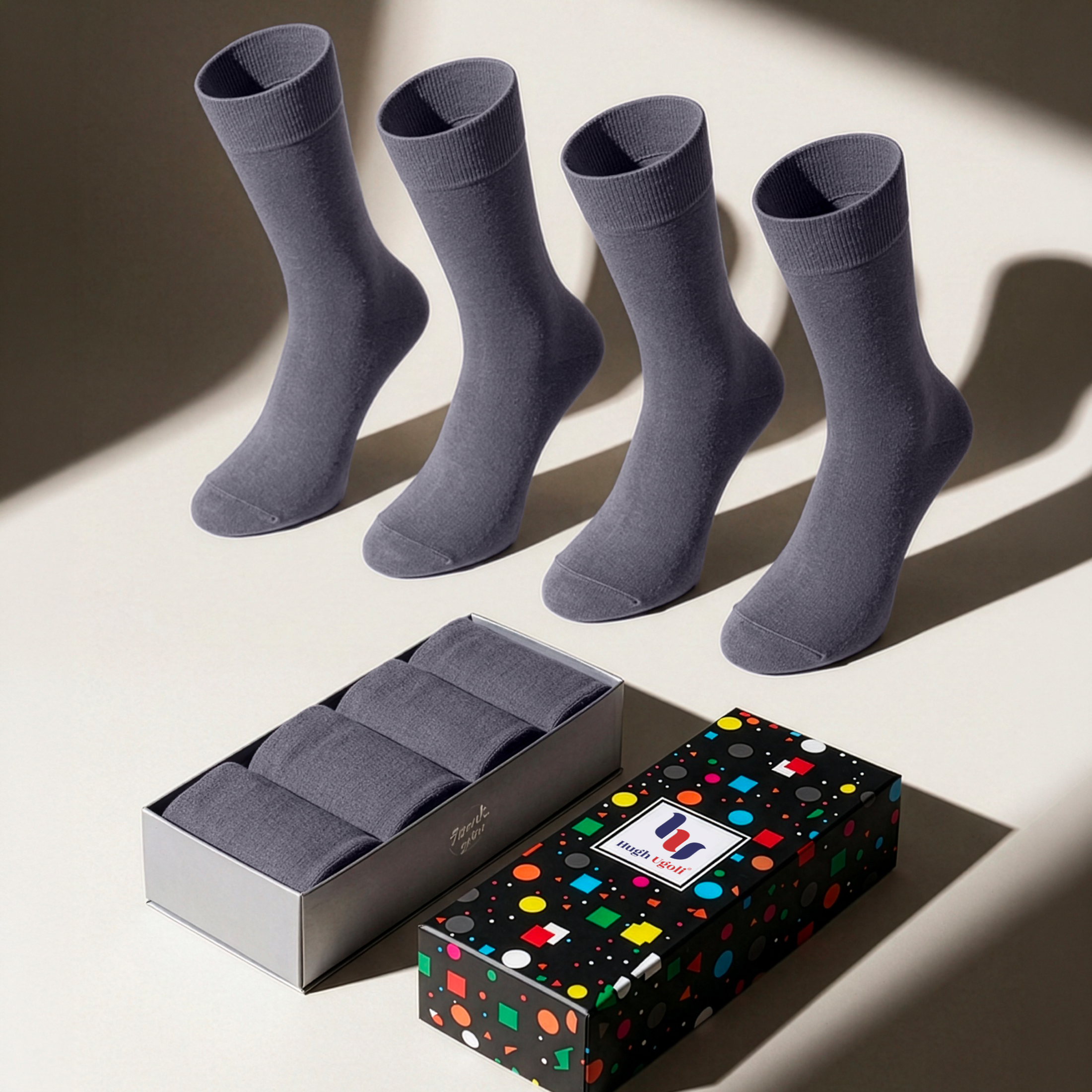
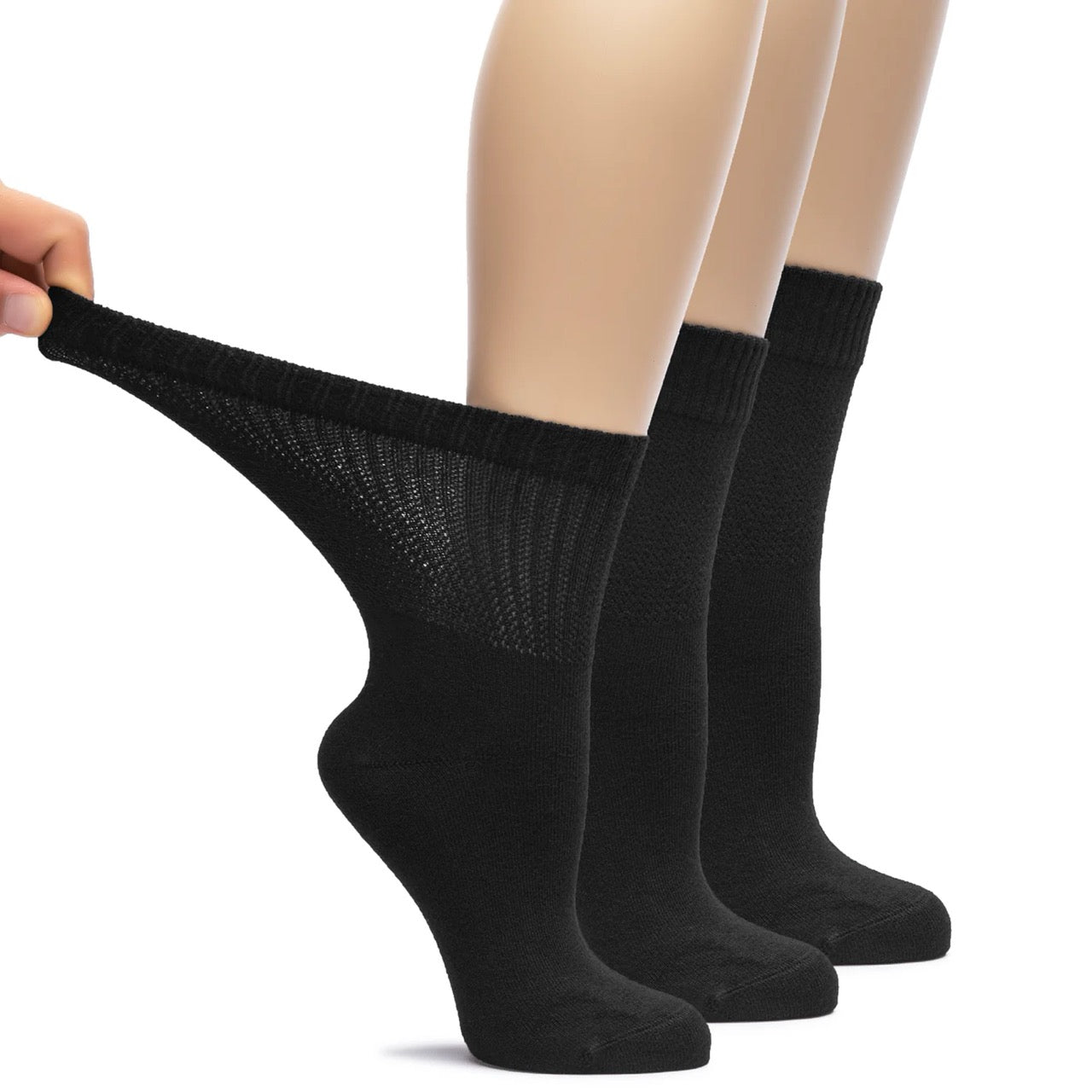
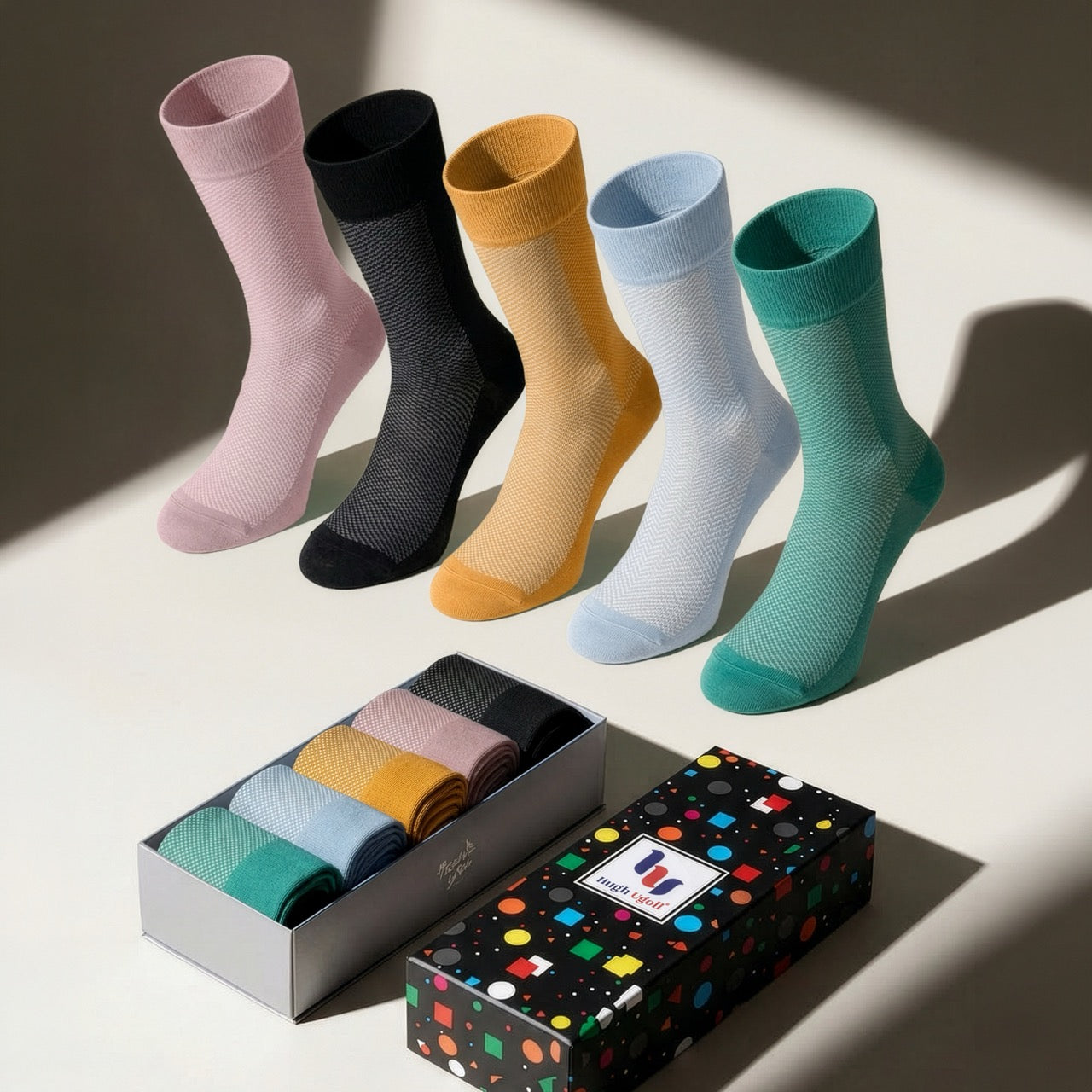
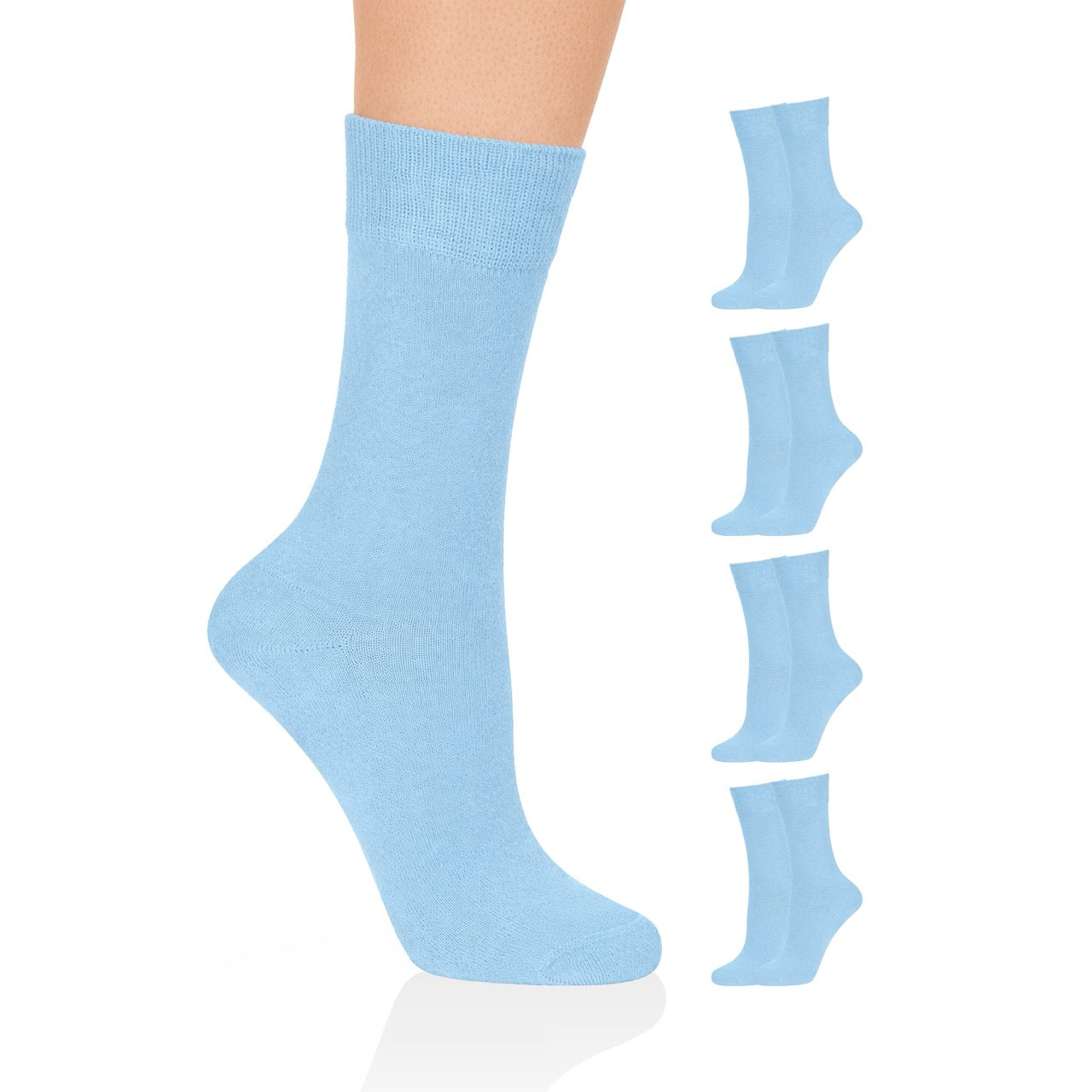
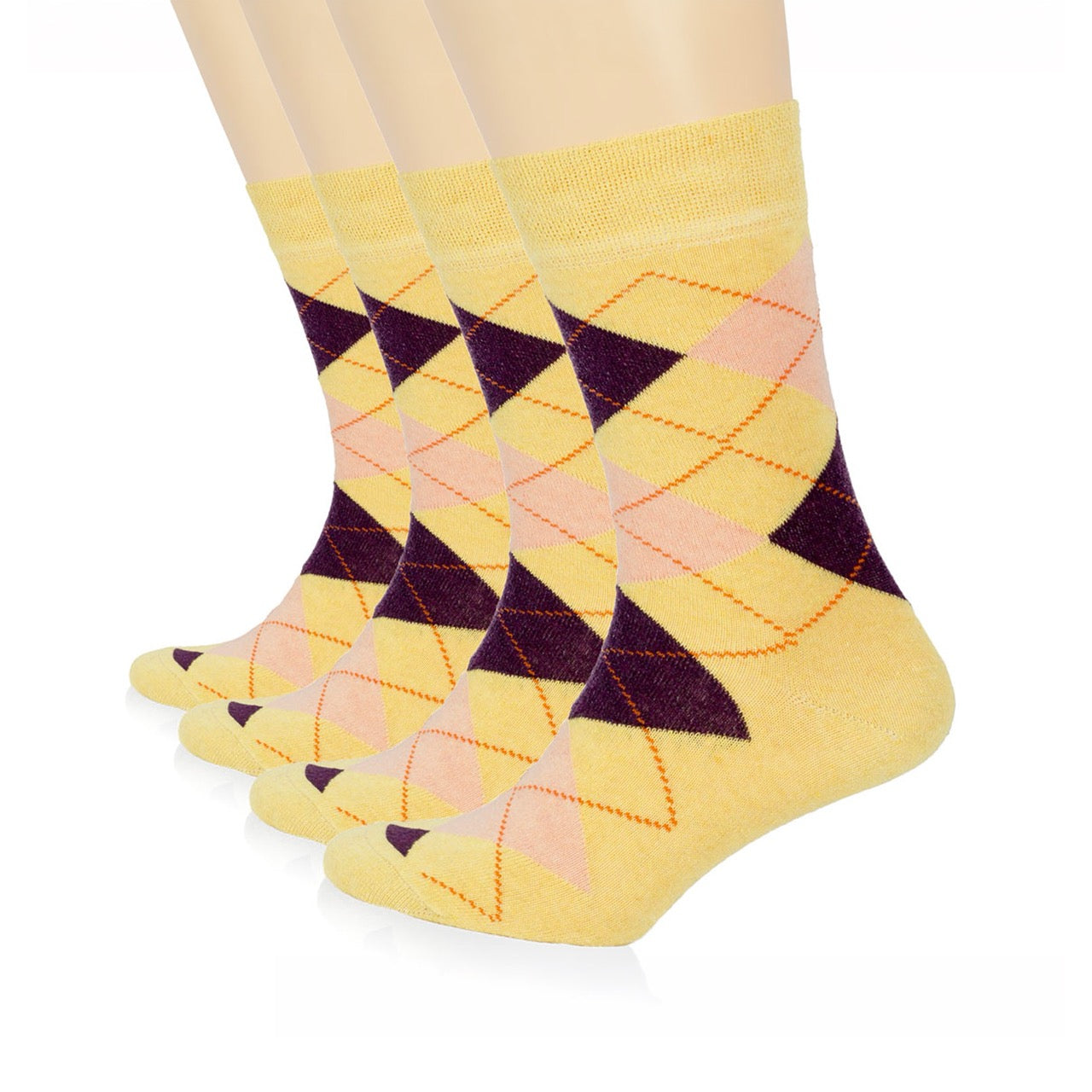
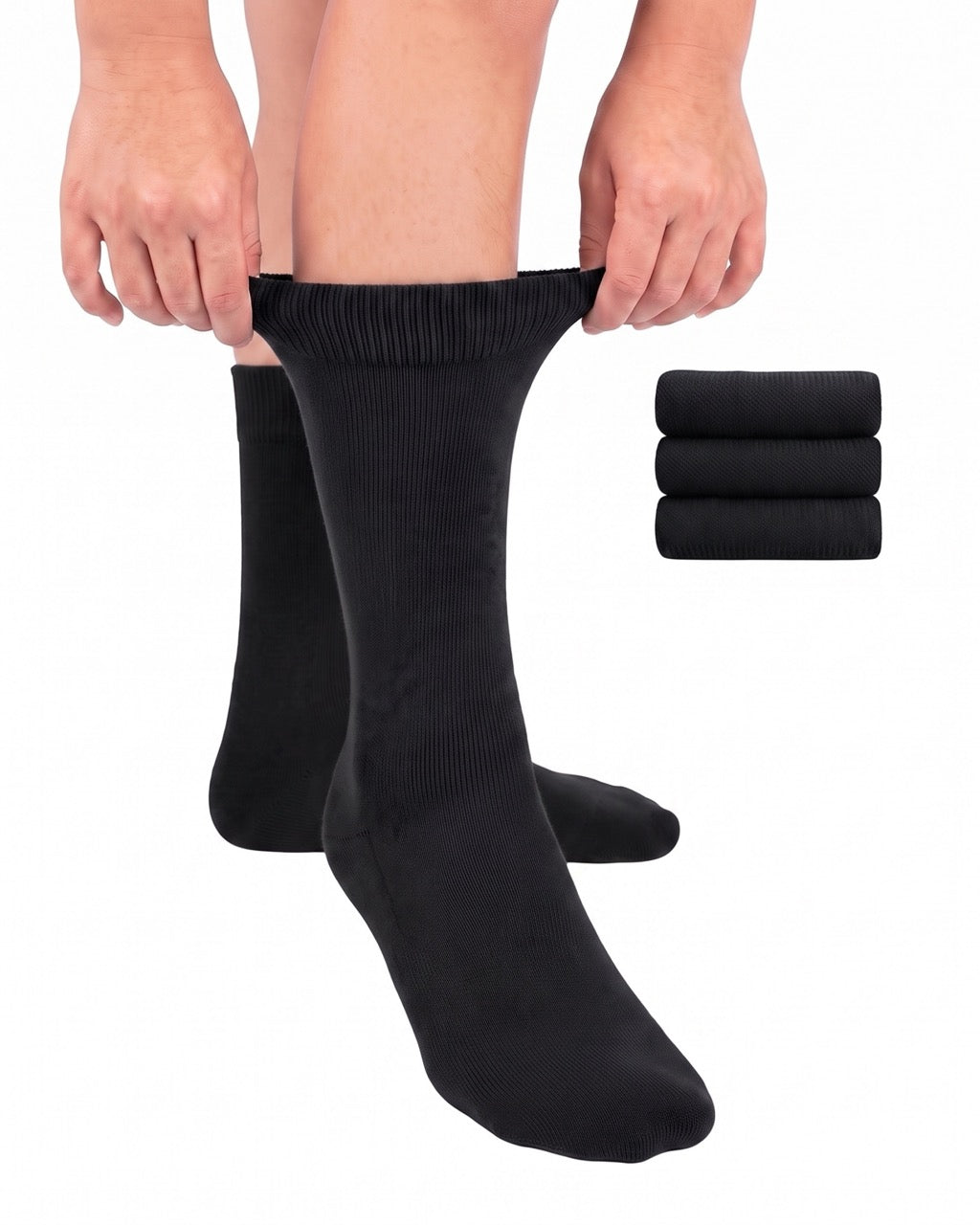
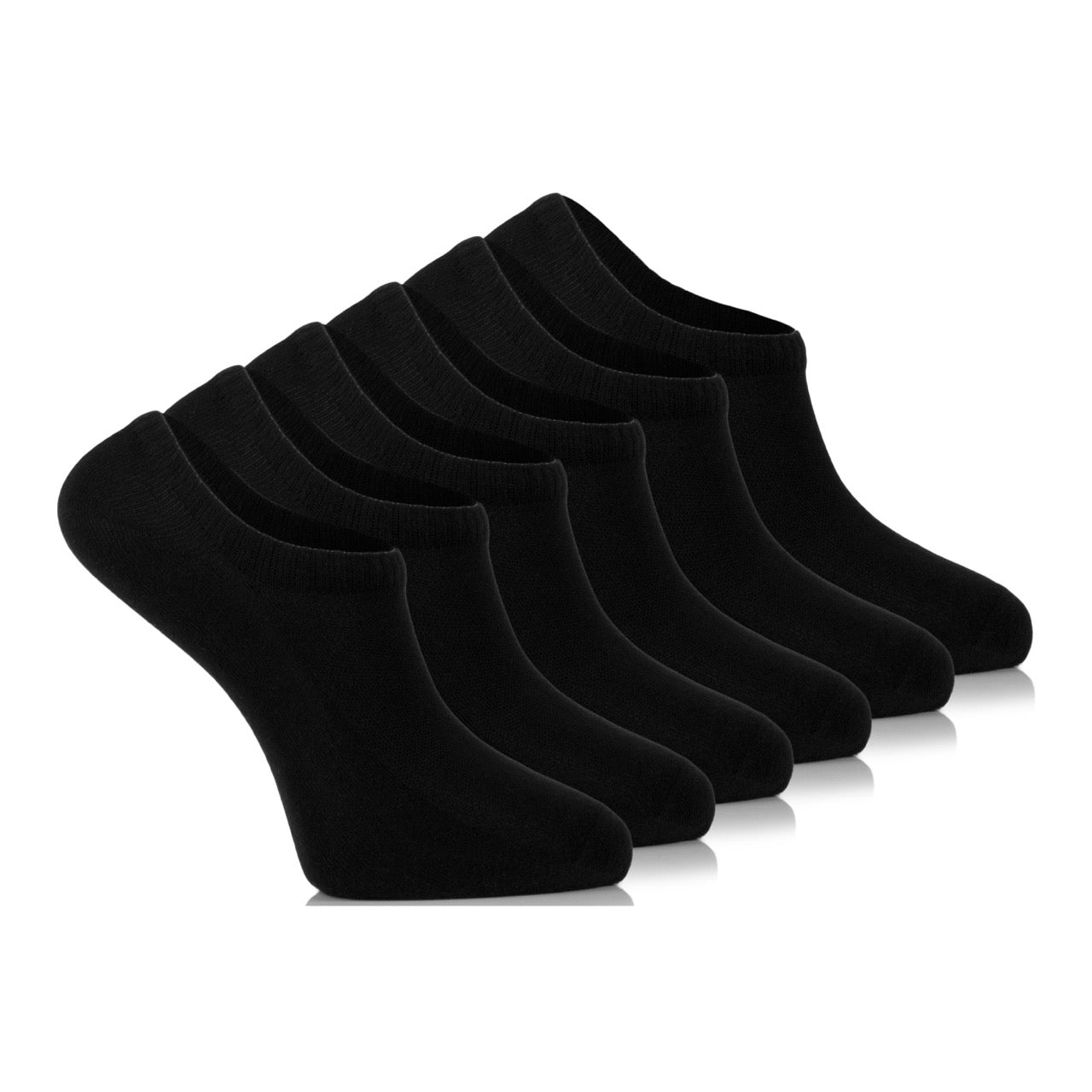
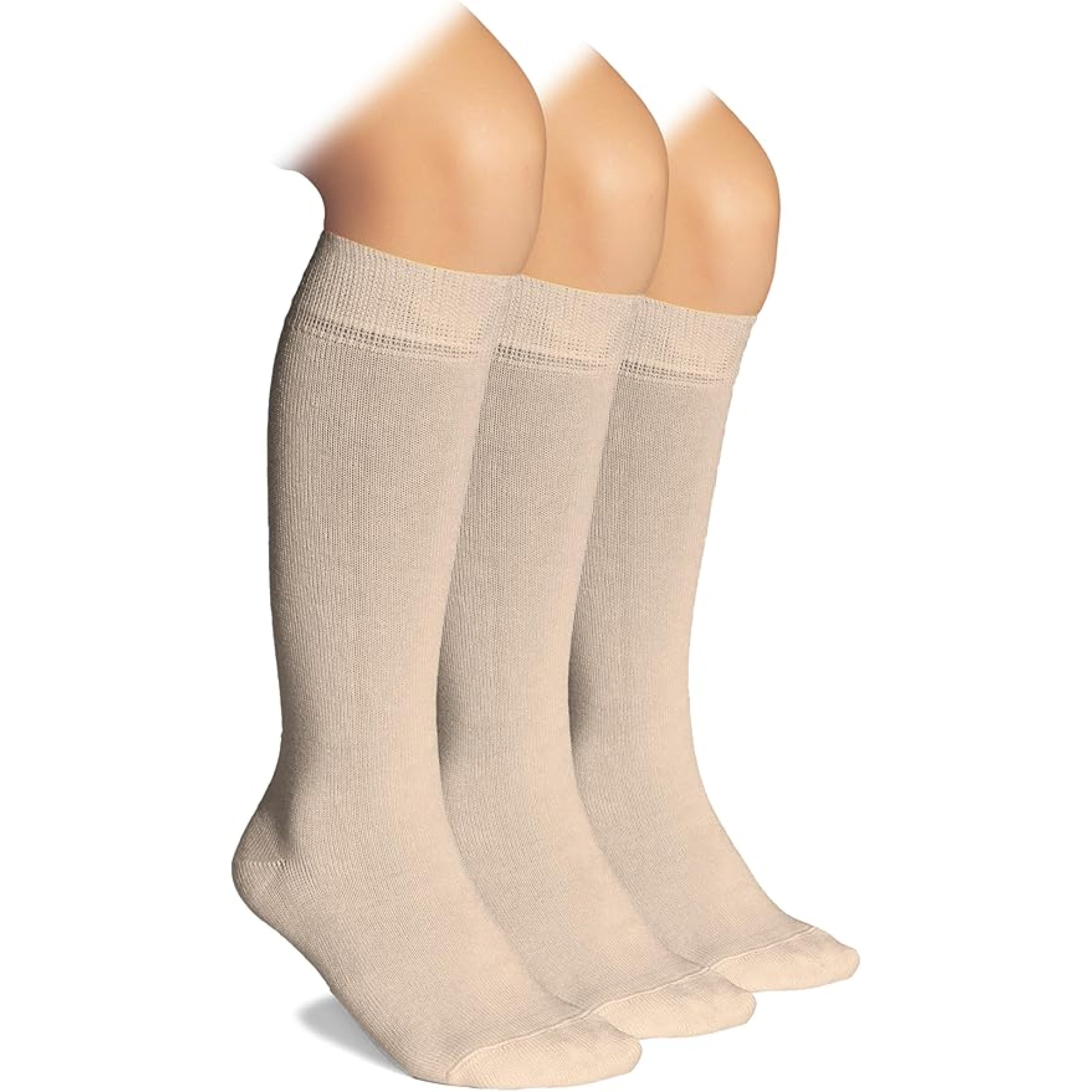


For many people with neuropathy, wearing soft, non-binding socks to bed can help by keeping feet warm, reducing skin irritation, and limiting sensitivity triggers. The features that matter are a non-binding cuff that leaves no pressure ring, a soft breathable fabric that moves moisture, a seamless or very flat toe, a fit that is neither tight nor bunching, and medium thickness for warmth without overheating. If socks feel tight, increase burning or tingling, or trap heat and sweat, skip them and try a looser, more breathable pair instead.
Key Takeaways
Living with neuropathy can present daily challenges, particularly when it comes to managing symptoms like pain, tingling, and sensitivity in the feet. A common question among those suffering from this condition is whether wearing socks to bed can offer relief. The answer isn't straightforward, as it depends on the individual's symptoms and preferences. However, understanding the potential benefits can help you make an informed decision.

Neuropathy, a condition resulting from damaged peripheral nerves, can cause a range of symptoms from mild tingling to severe pain and sensitivity. These symptoms often worsen at night, making it difficult to find a comfortable sleeping position without exacerbating discomfort.
Wearing socks to bed can play a crucial role in managing neuropathy symptoms for several reasons:
For those exploring ways to alleviate the discomfort associated with neuropathy, a common question is the effectiveness of diabetic socks in this context. Diabetic socks are designed with features that can significantly benefit individuals experiencing neuropathy, offering more than just foot protection and comfort. If you're curious about how these specialized socks might enhance your neuropathy management strategy, dive into our in-depth discussion in 'Do Diabetic Socks Help with Neuropathy?.' This article explores the direct benefits of diabetic socks for neuropathy sufferers, providing you with essential insights to make informed decisions about your foot care.
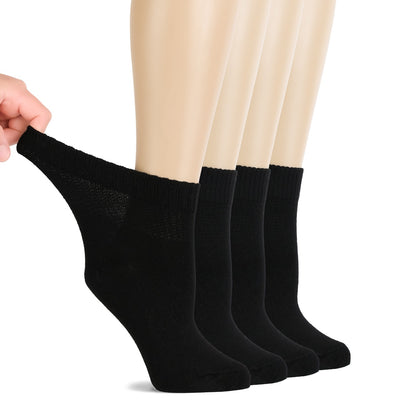
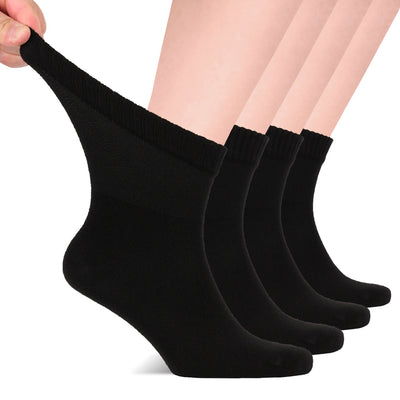
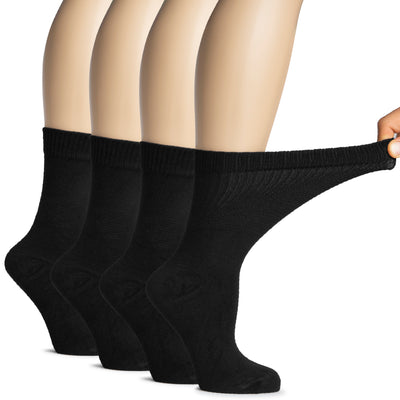
If you want specific picks, the Lightweight Diabetic Bamboo Ankle Socks for Women and Men's Lightweight Bamboo Diabetic Ankle Socks use the soft, breathable, non-binding construction described above, while the Women's Bamboo Diabetic Crew Thin Socks offer the same comfort at crew height if you prefer more nighttime coverage.
Not all socks are created equal, especially when it comes to neuropathy. Consider these factors when selecting socks to wear to bed:
Ultimately, whether you should wear socks to bed with neuropathy comes down to personal comfort. It might be beneficial to experiment with different types of socks to determine what works best for you. Some may find significant relief in wearing socks, while others might prefer the sensation of bare feet.
If you have open sores, new discoloration, severe swelling, or rapidly worsening pain/numbness, consult a healthcare professional. Nighttime foot symptoms can have multiple causes and may need evaluation.
For those grappling with neuropathy, wearing socks to bed could offer a simple yet effective way to manage symptoms and improve sleep quality. The key is selecting the right type of socks and paying attention to how your body responds. As always, it's important to consult with your healthcare provider to tailor any advice to your specific health needs, ensuring the best care for your neuropathy.
For more on this topic, see Should Diabetics Wear Socks to Bed? and Is a Black Spot on the Bottom of Your Foot a Sign of Diabetes Complications?.
This article is for general information and is not medical advice. Talk to your healthcare provider about your own feet.
For most people, yes — provided the socks are non-binding, breathable, and not tight. If you have open sores or severe swelling, ask a clinician before making it a habit.
Soft, breathable, moisture-moving materials such as bamboo viscose or a good cotton are usually preferred. Avoid fabrics that trap heat and sweat, since a damp foot under bedding is uncomfortable and can irritate sensitive skin.
Tight cuffs can leave marks and may worsen discomfort for some people. A non-binding top is usually the better choice, and a deep ring still visible in the morning is a clear sign the sock is too constrictive.
Medium thickness is often best — warm enough to settle temperature sensitivity without overheating the foot or adding pressure in bed. Very thick socks tend to trap moisture under the covers.
Try a looser fit or a different material first. If they still bother you, skip the socks and focus on temperature control instead — room temperature, bedding weight, and keeping feet warm before bed all achieve the same goal.
Discover All Hugh Ugoli Socks
Shop All Socks