Cart
0
You may also like



Quick Answer: Wash most socks on a gentle cycle in cold water, avoid high heat when drying, and store them dry and folded (not rolled) to protect elasticity and shape.
Best checklist: Sort by fabric → Cold/gentle wash → Wool/bamboo = extra care → Low heat or air-dry → Flat-dry for shape → Store dry, away from sunlight.
Caring for your socks properly not only extends their life but also ensures they continue to provide comfort and style. Whether you're dealing with delicate wool socks or sturdy athletic ones, understanding the right care techniques is essential. This guide offers practical advice on how to keep your socks looking and feeling their best, from washing to storage.
Longevity and Durability: Proper care helps maintain the integrity of the sock's fibers. Socks that are well-maintained resist wear and tear much better, ensuring that your investment lasts longer.
Comfort and Hygiene: Regular cleaning eliminates odors and prevents the buildup of bacteria, which can lead to foot health issues. Clean socks are also more comfortable to wear, providing better support and cushioning.
Sorting and Preparation: Always sort your socks by color and material type before washing. This prevents color transfer and ensures that each fabric gets the appropriate care.
Washing Guidelines:
Drying Tips:
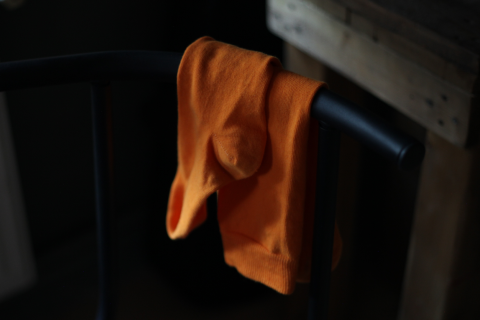
Proper Folding and Storage: To ensure your socks remain organized and easy to access, it's important to fold them neatly rather than rolling them into a ball. This method not only helps maintain their shape but also prevents the elastic from stretching out prematurely. Use a simple lay-flat fold, pairing the socks and folding them in half once or twice depending on their length. For optimal organization, consider using drawer dividers or small boxes within your drawer. This not only keeps pairs together but also makes it easier to sort socks by type or color, saving you time when getting dressed.
Avoiding Moisture and Light: Socks are best stored in a controlled environment to maintain their color and material integrity over time. Keep your sock drawer in a part of your wardrobe that is away from direct sunlight, as UV rays can cause colors to fade and fibers to weaken, shortening the lifespan of your socks. Additionally, ensure the storage area is dry and well-ventilated. Excess moisture can encourage the growth of mold and mildew, which can damage your socks and create unpleasant odors. If humidity is a concern in your area, consider using moisture absorbers or silica gel packets in your sock drawer to help keep the environment dry and protect your socks.
Dealing with Stains: It's essential to address stains immediately to prevent them from setting into the fabric. For effective pre-treatment, use a stain remover that is compatible with the sock’s material to avoid damaging the fibers. Apply the stain remover directly to the affected area and gently rub it in to help break down the stain. For organic stains like sweat and mud, consider using a solution of warm water and mild detergent. Allow the socks to sit for a few minutes before washing. This step is crucial for maintaining the appearance of lighter-colored and performance socks, which can show stains more prominently.
Refreshing Stretched Socks: Over time, socks can stretch out and lose their elastic quality, which affects their fit and comfort. To help them regain some of their original tightness, soak them in a mixture of lukewarm water and a small amount of fabric conditioner for about 30 minutes. This can help the fibers relax and return to a more natural state. After soaking, gently squeeze out excess water (do not wring) and lay them flat to air dry. This method can extend the life of your socks by restoring elasticity, especially for socks that have stretched from regular use or improper washing techniques.
Taking proper care of your socks means you’ll enjoy wearing them for many occasions to come. Not only will they look great, but they’ll also maintain the health benefits they provide for your feet.
For further insights on the best practices for maintaining various types of socks, consider exploring The Ultimate Sock Care Guide: Tips for Long-Lasting Wear. This resource will help you delve deeper into techniques that can preserve your favorite pairs for years.
For most socks, cold water on a gentle cycle is best. Hot water can shrink fibers and reduce elasticity over time.
Yes—especially for wool and bamboo socks. High heat can weaken fibers and cause shrinkage. If you use a dryer, choose low heat and finish by air-drying.
Avoid high heat, don’t over-dry, and store socks folded instead of tightly rolled. Gentle washing helps preserve elasticity.
Store socks in a dry, ventilated drawer away from direct sunlight. If humidity is an issue, add moisture absorbers or silica packets.
Pre-treat stains quickly using a remover compatible with the sock material. For sweat or mud, use mild detergent and warm water before washing.
He has been working for more than 20 years in the textile industry and has work experience in many parts of the world.