Cart
0
You may also like
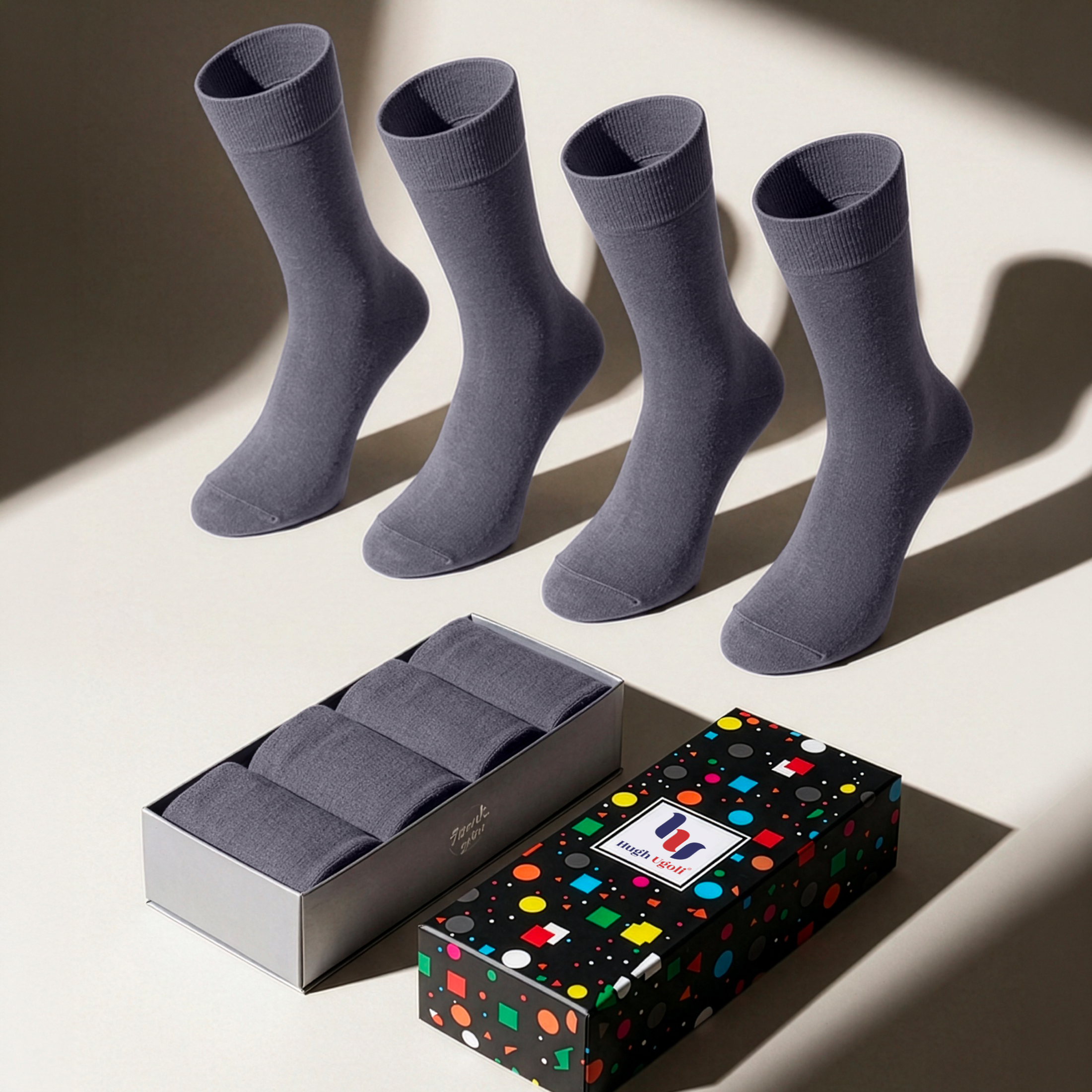
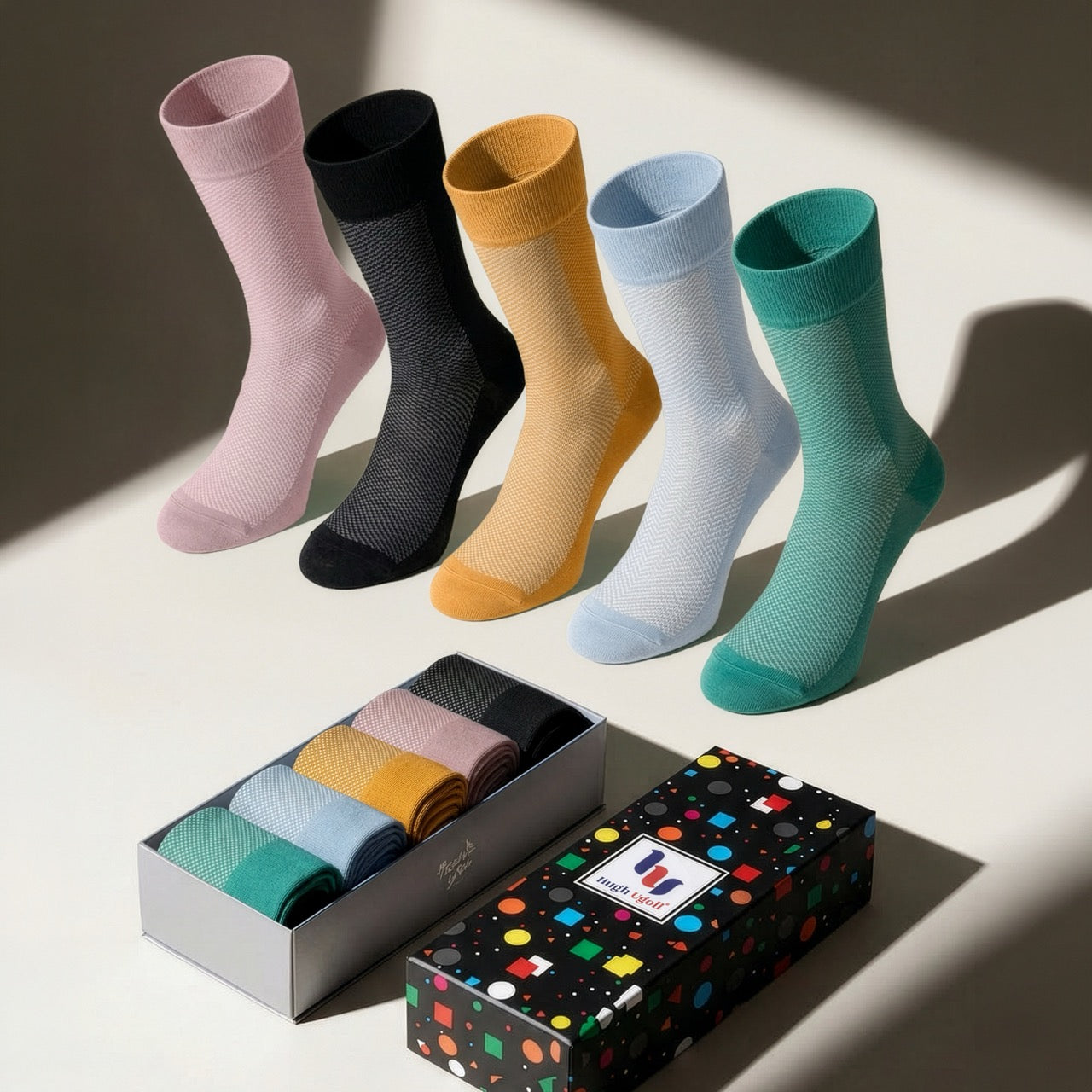
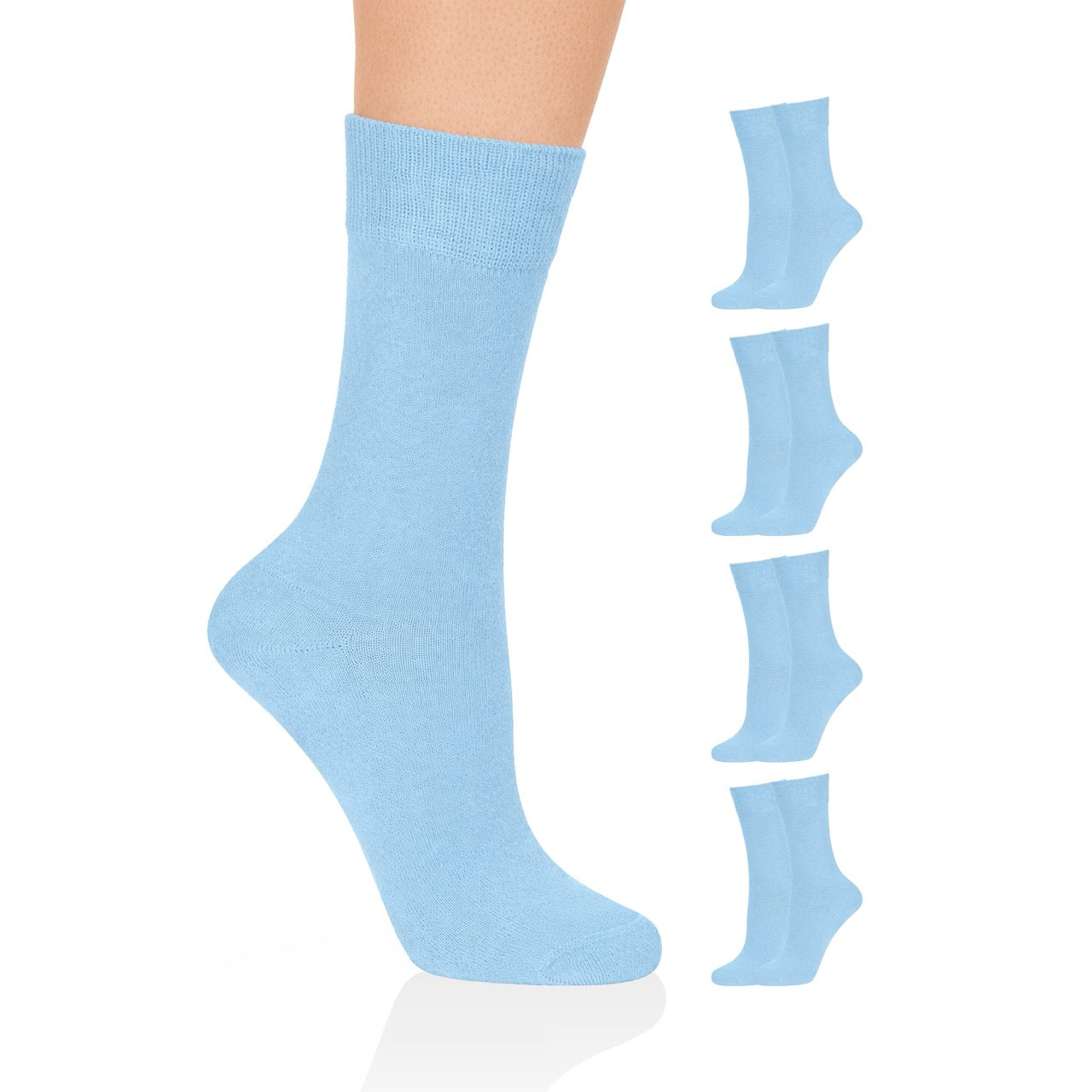
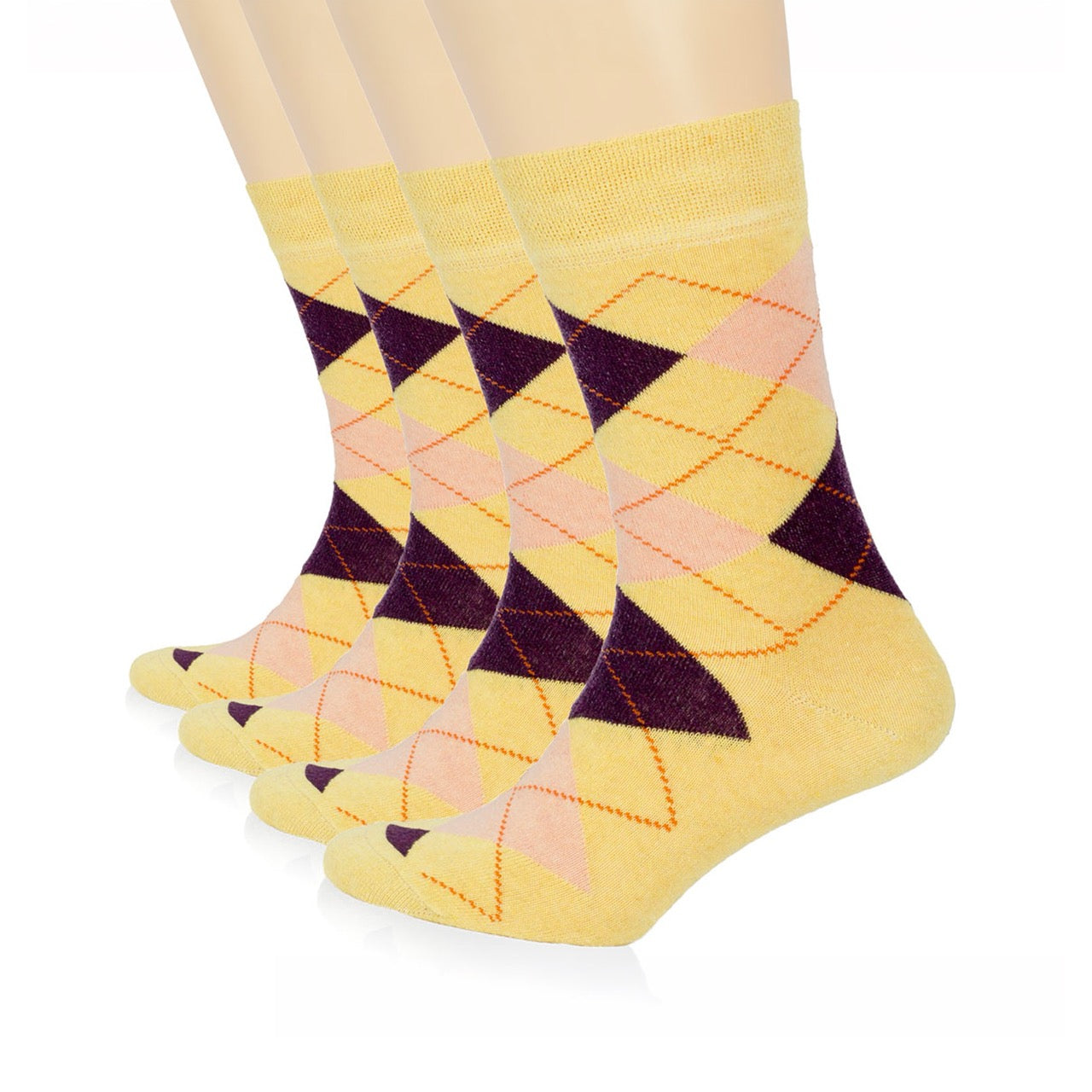
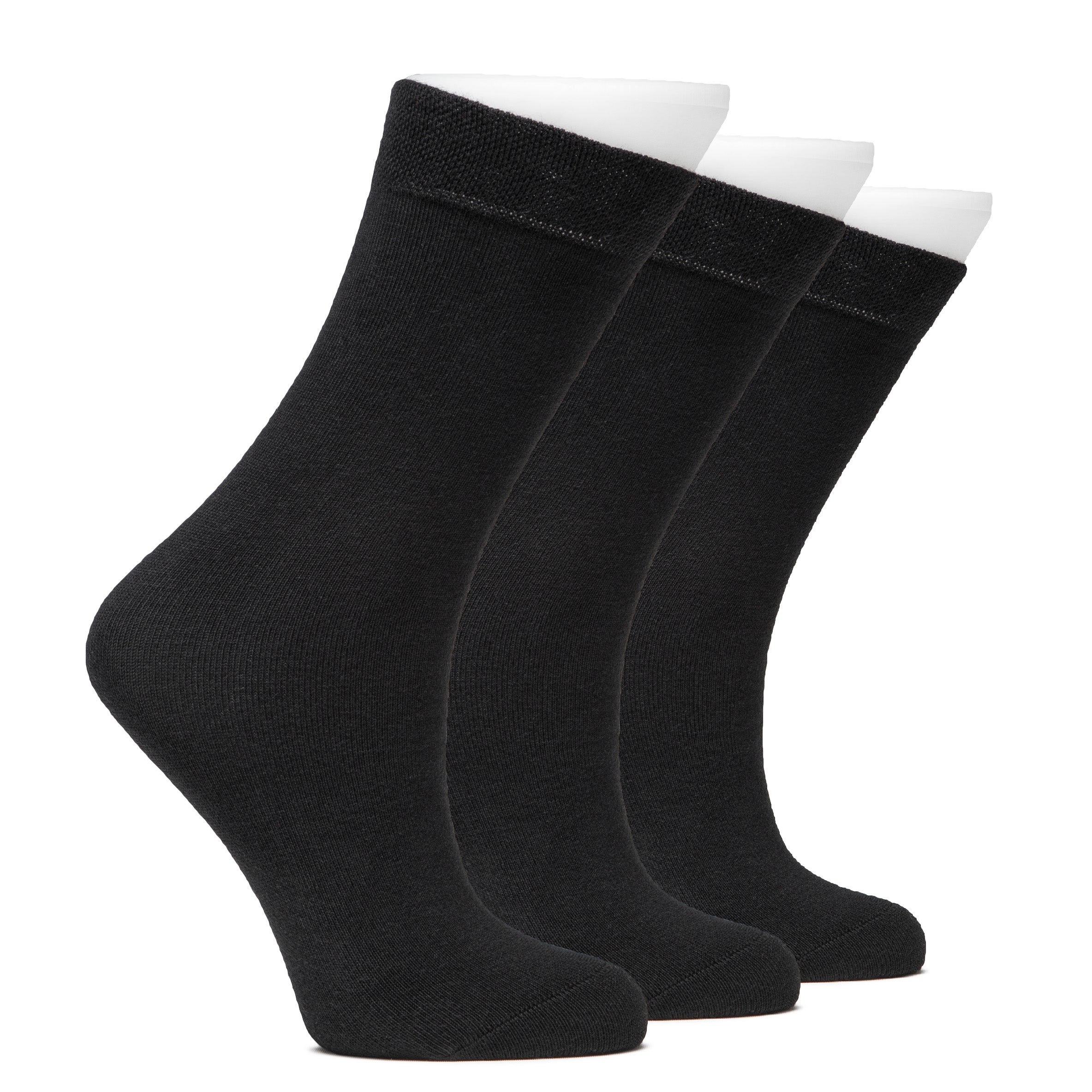
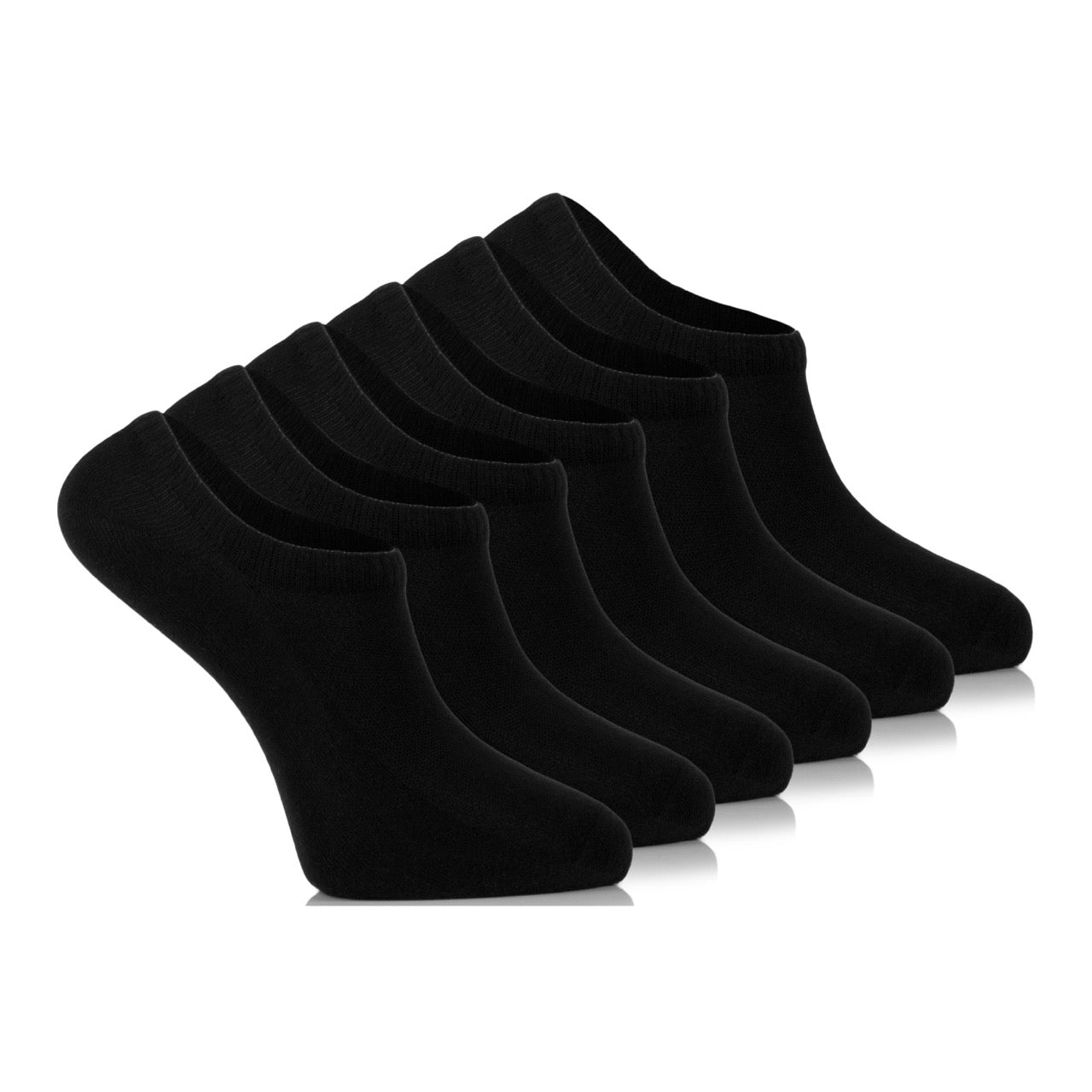
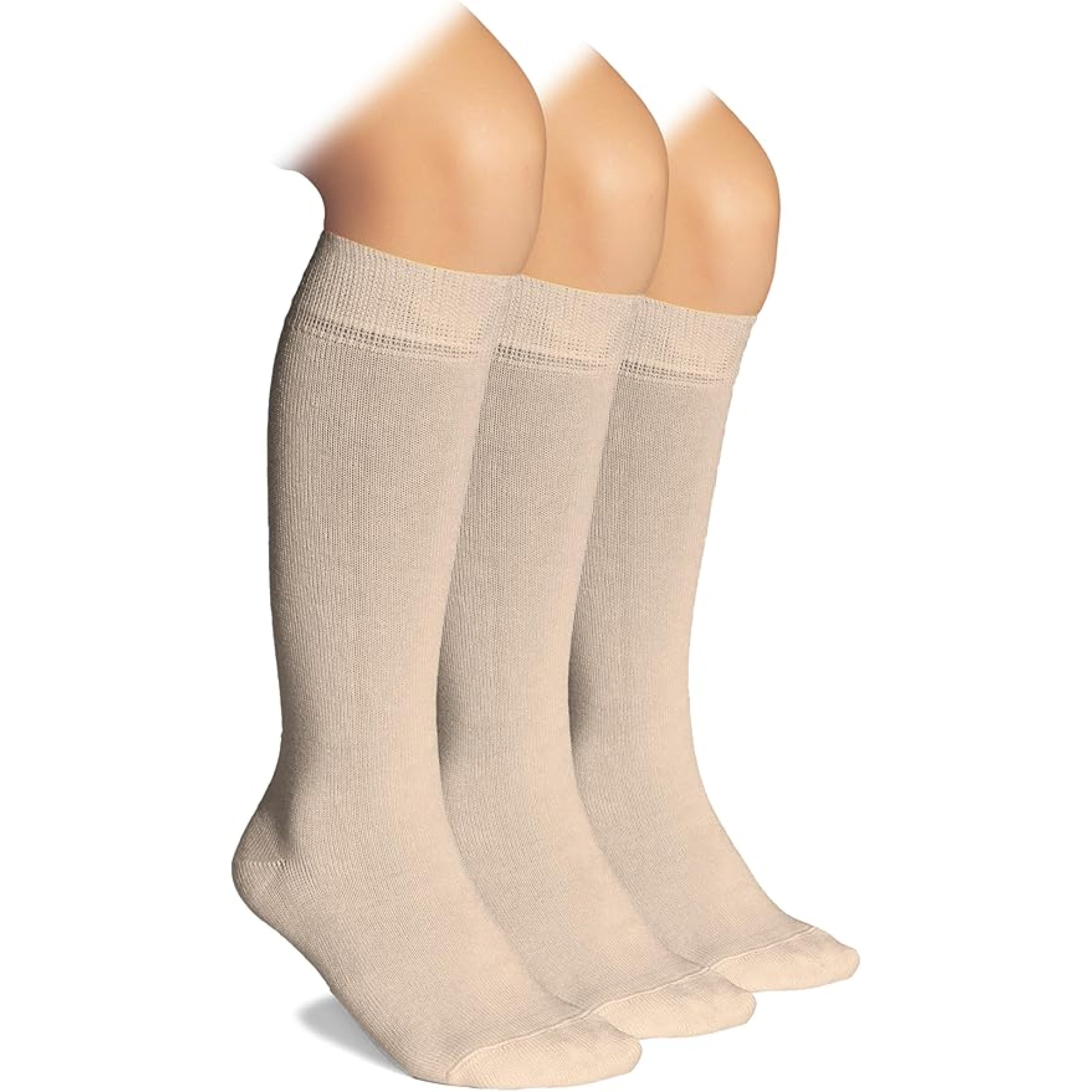


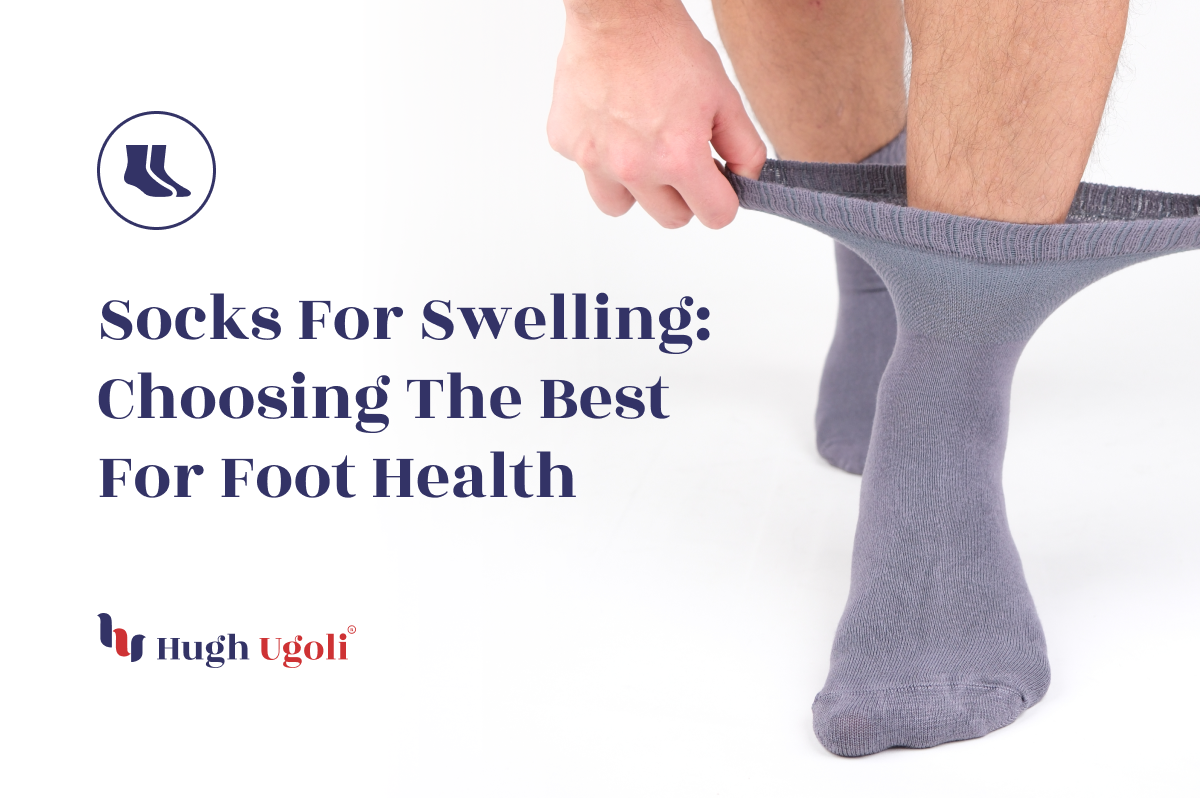
Swollen feet and ankles are a common problem that may develop from a range of causes — everything from standing too long or hot weather to pregnancy, medication side effects, or underlying medical conditions. The right socks can genuinely help with day-to-day comfort, but it's worth knowing when swelling is just a nuisance and when it's worth a call to your doctor. This guide covers sock choices for everyday swelling and the foot care habits that go along with them.
A quick note first: according to Mayo Clinic, you should seek medical care if leg swelling comes on suddenly, affects only one leg, or is accompanied by chest pain, shortness of breath, or dizziness — these can be signs of a blood clot or a heart condition and need prompt attention rather than a sock recommendation.
For everyday, non-urgent swelling, soft socks made with stretchable materials can offer gentle support without constricting. Some people also use graduated compression socks, which are specifically designed to help move fluid — more on that below.
Moisture-wicking materials help reduce sweat and keep your feet dry. Bamboo, cotton, and moisture-wicking synthetic blends are all good sock choices to maintain dry foot health — anything that wicks away excess humidity helps reduce the risk of fungal infections or odor.
Seamless construction reduces friction and the risk of blisters. This matters even more when feet are swollen, since tight seams or pressure points are more likely to cause irritation.

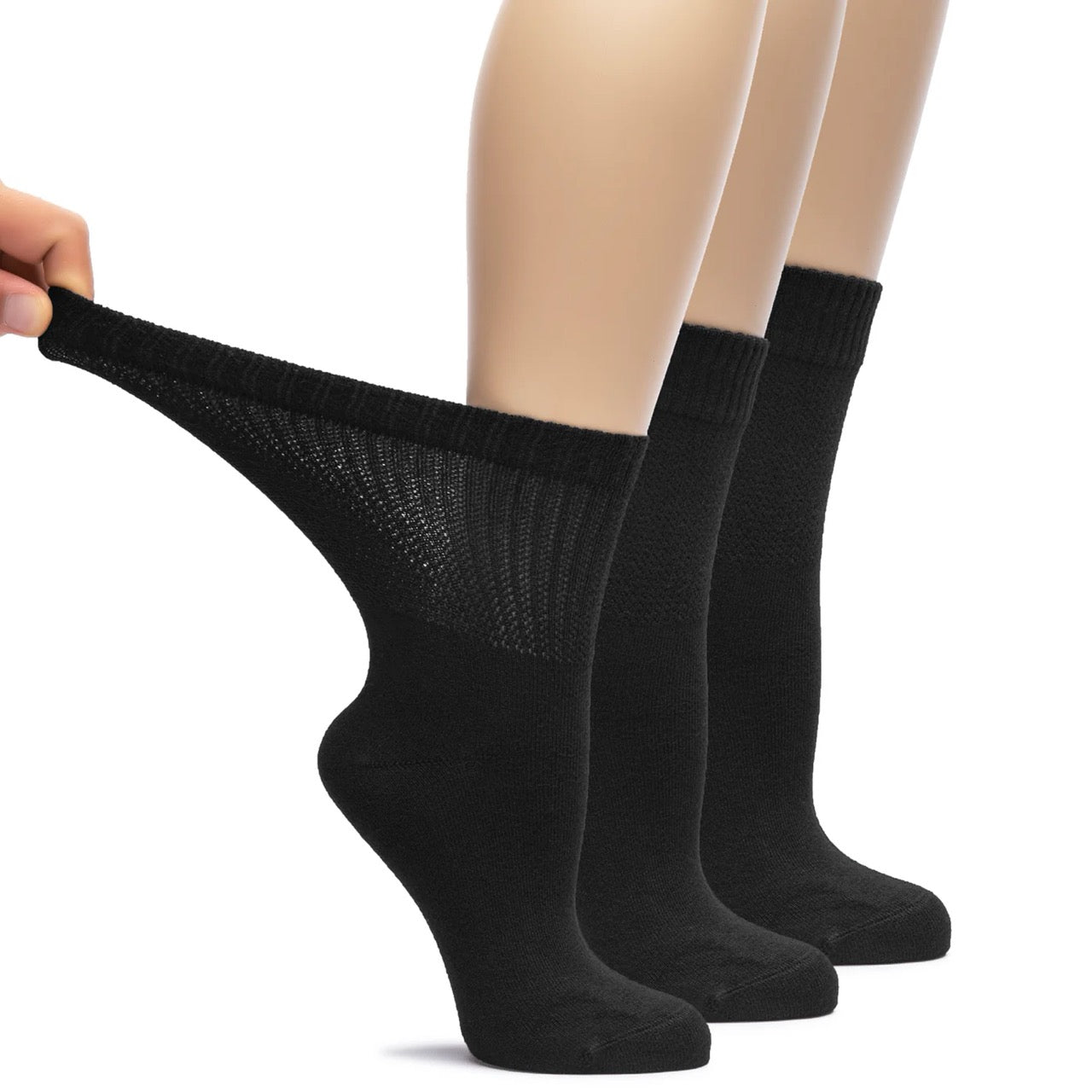
Diabetic socks are designed to minimize pressure points without applying compression. They feature a non-binding top, extra cushioning, and moisture-wicking properties, making them a comfortable everyday option for mild swelling. For example, the Women's Bamboo Diabetic Crew Thin Socks offer comfort and support without constriction.
Compression socks provide graduated pressure, which is designed to help move blood and fluid back up the legs. They're a genuinely different product from diabetic socks — tighter by design — and can be beneficial for some people with poor circulation or those who stand for long periods. Because compression isn't appropriate for everyone (for example, people with peripheral artery disease), it's worth checking with a healthcare provider before starting regular compression wear, especially if your swelling is new or unexplained.
Cushioned socks provide additional padding to protect the feet and reduce pressure points. This extra comfort can be especially beneficial for individuals with foot pain or those who wear shoes for extended periods.
Choose shoes that provide adequate support and cushioning. Avoid high heels and tight-fitting shoes, as they can exacerbate swelling. Opt for footwear with a wide toe box to give your feet plenty of room to move.
Maintaining good foot hygiene is worthwhile in general. Wash your feet daily with mild soap and water, then dry them thoroughly, especially between the toes.
Elevating your feet above heart level for 15-20 minutes several times a day can help reduce mild, everyday swelling by encouraging fluid to move away from the feet and ankles.
Regular physical activity helps support circulation. Incorporate gentle exercises like walking, swimming, or yoga into your routine, as approved by your doctor.
If your job requires long periods of standing or sitting, take breaks to move around and stretch your legs. Flexing your ankles and wiggling your toes can also help.
Managing everyday foot swelling involves choosing the right socks and adopting good foot care habits. Whether you opt for non-binding diabetic socks or graduated compression socks, the right choice depends on your specific situation — and persistent, sudden, or one-sided swelling deserves a conversation with a healthcare provider rather than a sock recommendation alone.
For more insights on maintaining foot health, check out our blog on Why Diabetic Socks for Men Are Essential for Foot Health.
This article is for general information and is not medical advice.
He has been working for more than 20 years in the textile industry and has work experience in many parts of the world.