Cart
0
You may also like
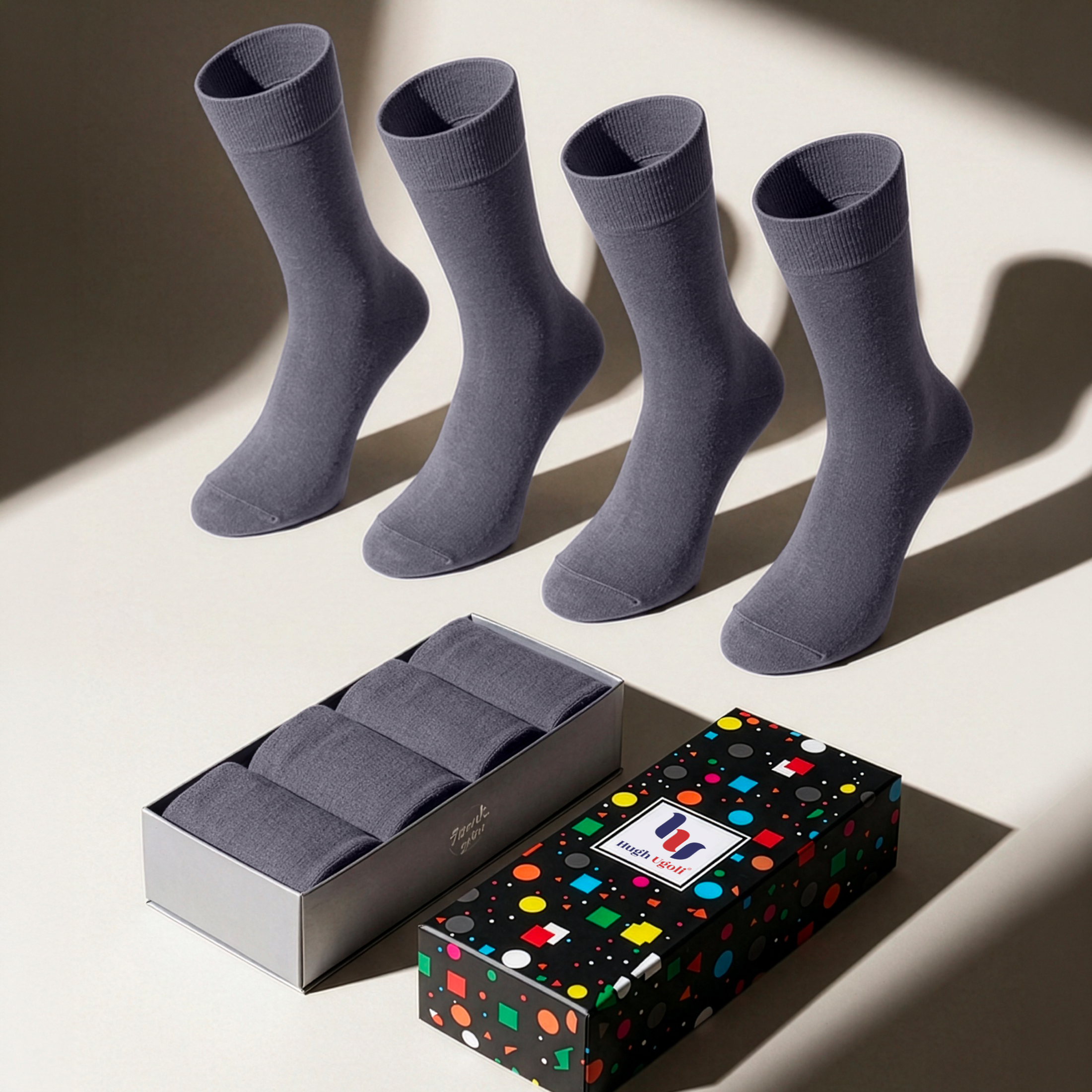
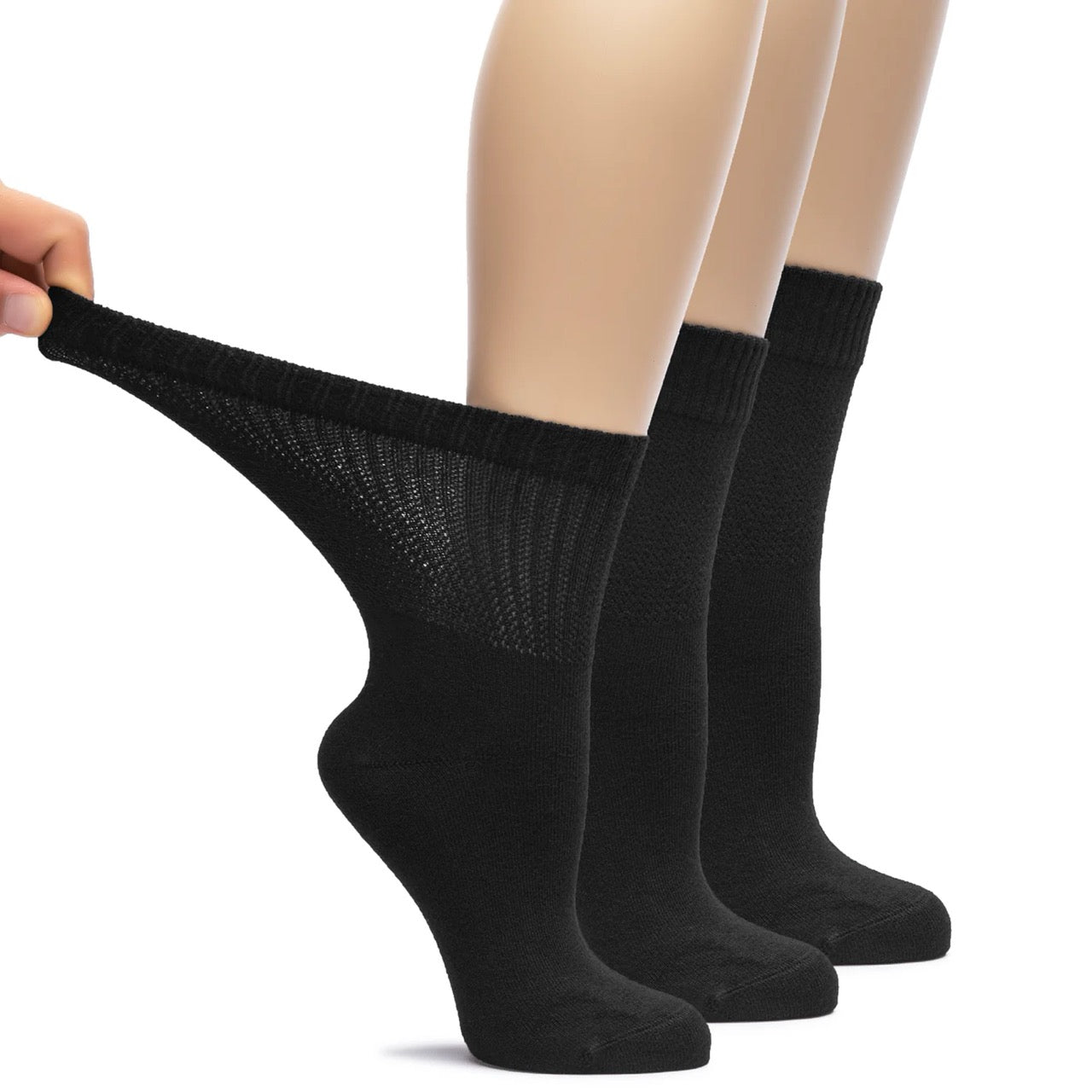
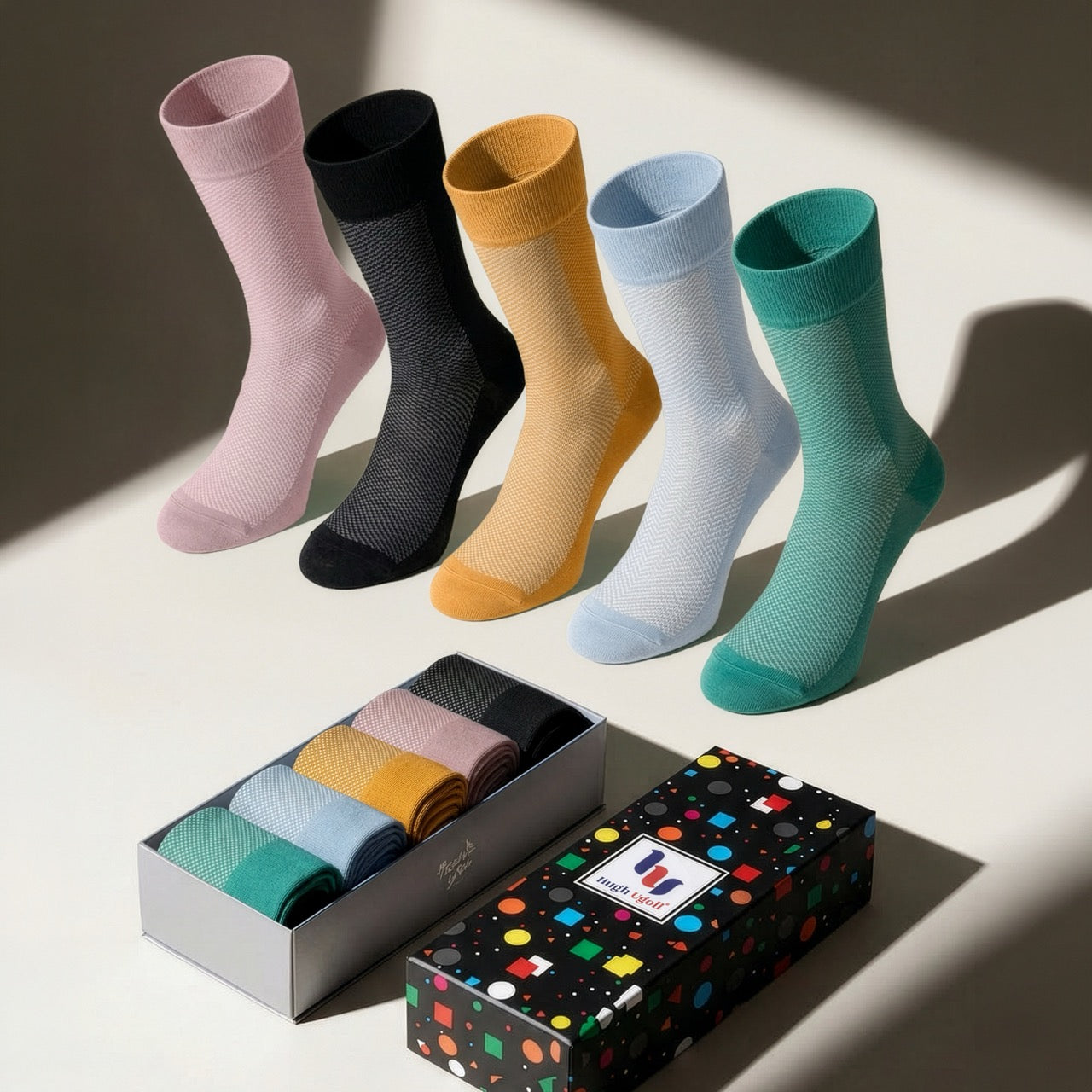
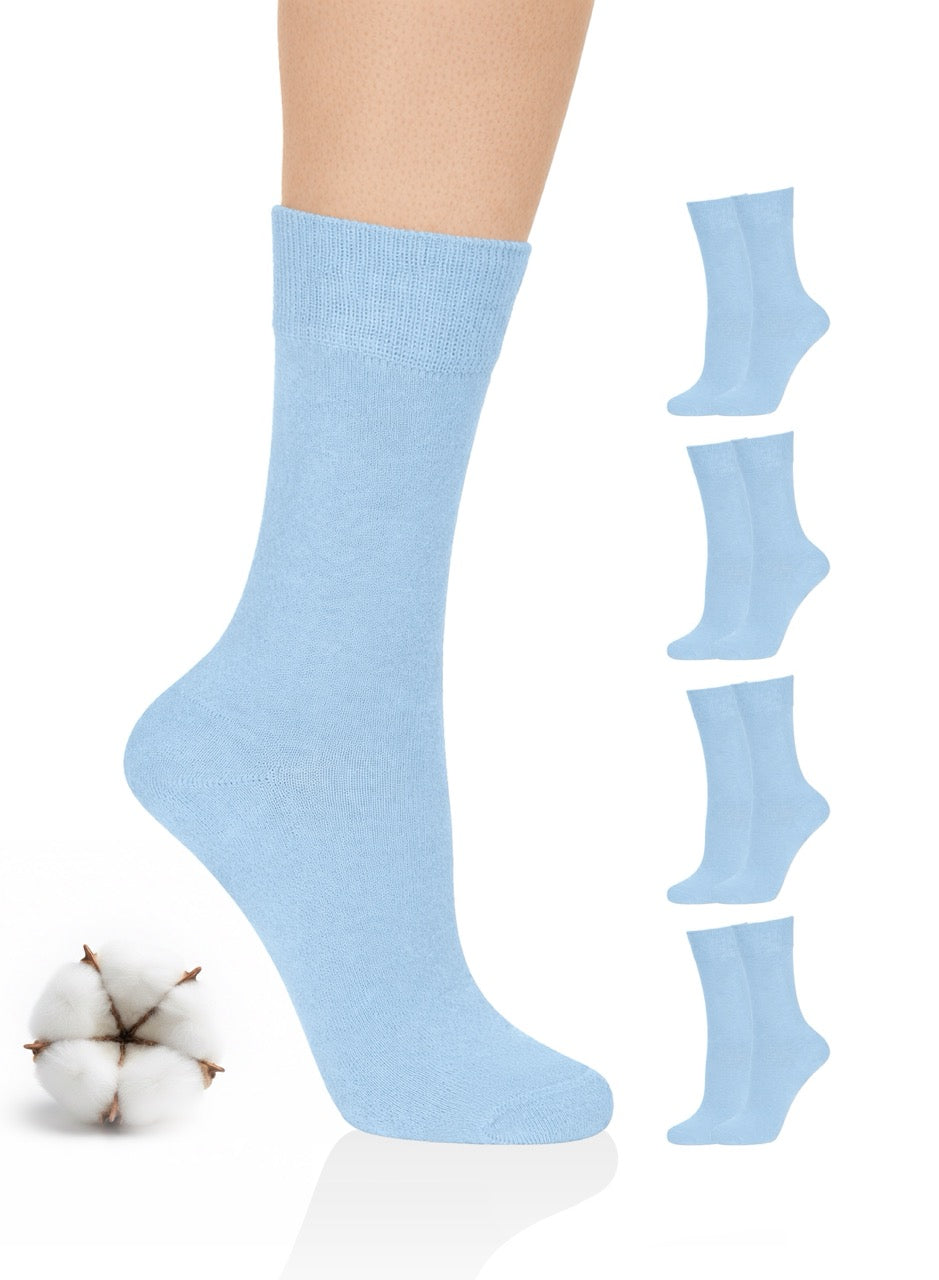
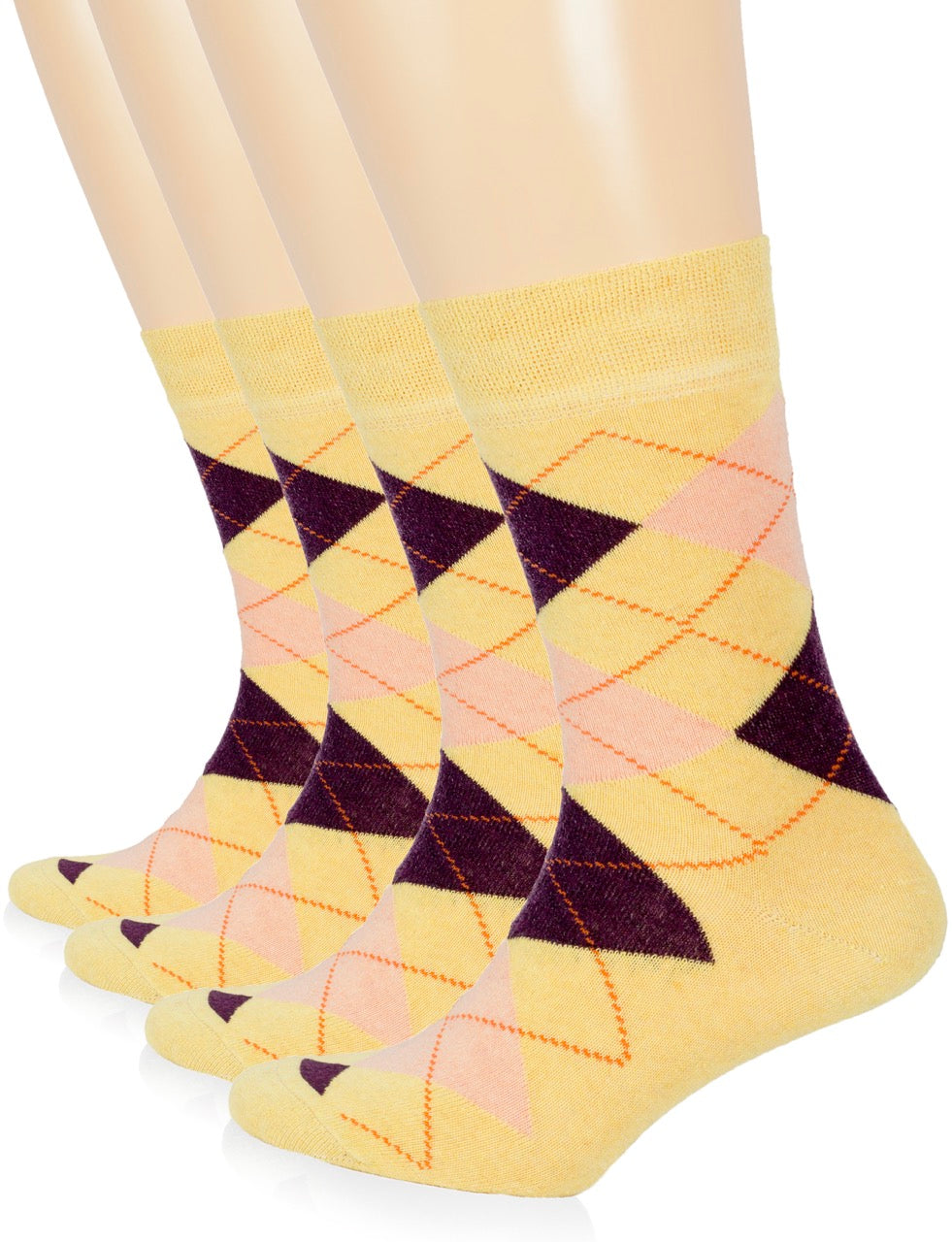
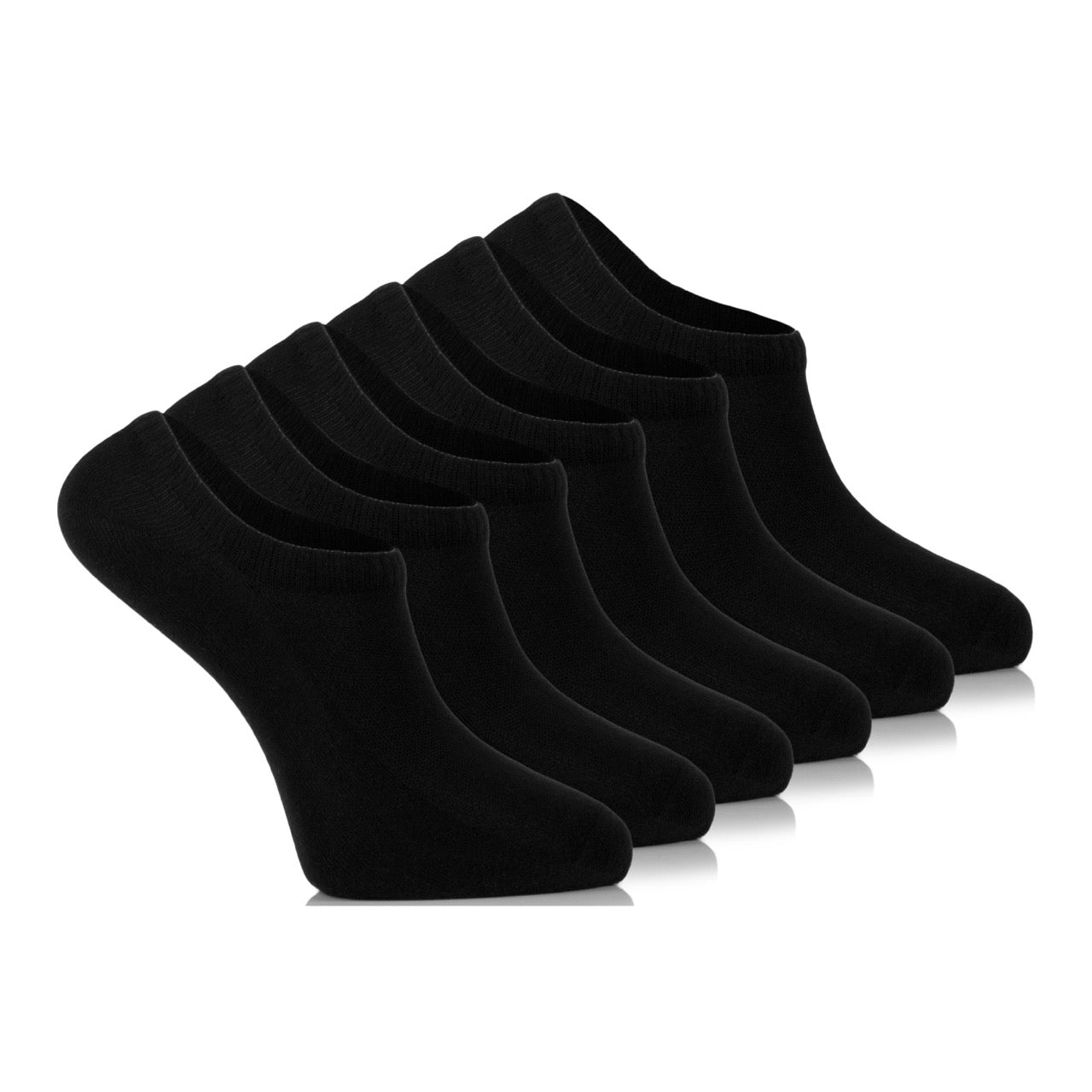


Summer changes almost everything about how socks need to perform. Feet sweat more, shoes change style and volume, days run longer and more active, and the gap between a sock that handles hot weather well and one that doesn't becomes impossible to ignore by midday. Yet most people reach into the same drawer in June that they used in January and expect the same results.
The mistakes that make summer feet more uncomfortable than they need to be are consistent and common. Most of them involve habits that work fine in cooler months but quietly fail in the heat — and the fix for most of them is simple once you know what's actually happening.
The most widespread summer sock mistake is also the most invisible: treating sock choice as a static, season-independent decision. A medium-weight cotton crew sock that's comfortable in October is a different experience in July. The fiber hasn't changed, but the conditions it's operating in have changed dramatically. More sweating means more moisture retention. More heat means more expansion in the foot. More warm-weather shoe styles mean different fit considerations. Wearing the same sock regardless of season means living with a growing mismatch between what you're wearing and what the conditions actually call for.
The adjustment doesn't require building a completely separate wardrobe. It mainly means choosing lighter weight, more moisture-capable socks during the warm months and understanding why that matters more than it might seem at a glance.
Cotton has a strong reputation as a natural, breathable fiber, and in moderate conditions and low-activity contexts, that reputation is partly earned. But in hot weather, particularly during any activity that generates meaningful foot sweat, cotton's core limitation becomes a real problem. It absorbs moisture well, but it releases it slowly — which means a cotton sock that gets wet from foot perspiration stays wet for a long time. A foot sitting in damp fabric for hours is a foot that's at higher risk of blisters, skin irritation, fungal conditions, and the general discomfort of hot, sticky skin inside an enclosed shoe.
The switch that makes the most consistent difference in summer is moving from standard cotton to a moisture-wicking alternative — bamboo, merino wool in lighter weights, or quality performance blends — that draws moisture away from the skin and allows it to evaporate rather than accumulating. The difference between a dry foot and a damp one at the end of a long summer day is large enough that people who make this change often describe it as one of the more impactful small adjustments they've made to their daily comfort.
Summer shoes are typically built around a lighter, slimmer interior than winter footwear. Loafers, boat shoes, canvas sneakers, lower-cut dress shoes, and summer boots all tend to have less interior volume than the heavier shoes they replace in the warmer months. Wearing the same sock thickness that fit comfortably inside a leather boot or a chunky winter sneaker into a summer shoe creates a fit problem: the sock takes up space the shoe wasn't designed to accommodate, which makes the shoe feel tight at the toe and restricts the foot's natural flexibility.
Beyond fit, a heavy sock traps more heat. In a well-ventilated hiking boot, this is manageable. In a canvas sneaker with minimal airflow, a thick sock becomes a significant contributor to overheating. Matching sock weight to shoe design isn't just an aesthetic consideration — it directly affects how comfortable the shoe feels and how well the foot's temperature is managed across the day.
Summer brings out the no-show shoes — loafers, low-top sneakers, boat shoes, espadrilles — and with them, the specific challenge of finding a sock that doesn't show above the shoe line but also doesn't disappear inside it by midday. The mistake most people make here is either going sockless in a shoe that was designed to be worn with a sock, or grabbing a standard ankle sock that shows above the shoe and makes the whole combination look wrong.
The no-show sock category exists specifically to solve this problem, but not all no-show socks solve it equally. A no-show sock without a heel grip will slip below the shoe line within an hour of walking, creating the worst of both outcomes: you're technically wearing a sock, but it's bunched inside the shoe providing neither protection nor comfort. A bamboo no-show sock with a non-slip heel grip stays anchored correctly for a full day of summer wear, managing moisture actively while remaining completely invisible above the shoe line. For men, the same principle applies: a bamboo no-show with a heel grip holds position reliably in a warm-weather shoe without the sliding and bunching that makes standard no-shows frustrating.

This is a subtler version of the weight problem. When you switch shoes for summer, the fit geometry changes even if the shoe is the same nominal size. A shoe with a lower collar sits differently around the ankle. A shoe with a shallower toe box requires a thinner sock profile at the front. A shoe with less heel structure provides less of a physical anchor for the sock heel pocket.
People who experience persistent sock slippage in summer often blame the sock when the real issue is a mismatch between a sock designed for one type of shoe and the actual summer shoe they're wearing it in. The fix isn't necessarily buying different socks — sometimes it's recognizing that the right sock for a winter boot isn't the right sock for a summer loafer, and adjusting accordingly.
On a typical day in moderate weather, most people's feet don't sweat enough to warrant a sock change before the end of the day. In summer, particularly after an extended walk, a long outdoor event, or any physical activity in heat, this calculus changes. A sock that has absorbed significant moisture by midday has reached the end of its useful performance window for that day. Continuing to wear it through the afternoon and evening means the foot is spending hours in contact with fabric that is no longer managing moisture effectively and is instead holding it.
The habit of carrying a spare pair of socks in summer — kept dry in a bag rather than worn — is one that people who work outside, attend all-day events, or spend extended time walking in heat find genuinely useful. It's a small addition to what you're carrying that produces a noticeable reset in how your feet feel for the second half of the day.
Going sockless is a legitimate choice in many summer contexts, and for shoes specifically designed for it — sandals, open-toe styles, true outdoor slip-ons — it's appropriate and comfortable. The mistake is applying the no-sock habit to shoes that weren't designed to be worn without one.
Closed shoes worn without socks accumulate sweat directly against the shoe lining, which accelerates the breakdown of the insole, generates significantly more odor than a sock-mediated environment, and creates more friction against the foot than a smooth sock surface would. For leather-lined shoes in particular, repeated sockless wear in summer visibly degrades the interior in a way that's difficult to reverse. The foot also loses the moisture management and friction buffering the sock provides, which makes blisters significantly more likely on longer walking days.
The solution in cases where the goal is a clean, sockless aesthetic is the right no-show sock rather than no sock at all — which gives the foot the protection it needs and the shoe's interior the buffer it requires, while remaining invisible from the outside.
Heat causes blood vessels to dilate and fluid to shift toward the lower extremities, which means feet are slightly larger in summer than in winter — and more variable in size across the day. A sock or shoe that fits in the morning can feel noticeably tighter by late afternoon after a warm day, particularly if the day involved significant time standing or walking.
This is why a sock that feels comfortably snug at 9am sometimes feels constricting by 3pm in summer in a way it never does in October. Being aware of this pattern helps: choosing socks with a slightly less aggressive cuff tension in summer, opting for more flexible fabrics, and being aware that afternoon tightness is often a heat-and-swelling phenomenon rather than a fit problem that requires a different size.
Summer sweat accelerates one of the less-discussed causes of premature sock failure: elastic degradation from frequent washing. In cooler months, a sock might be worn for a full comfortable day and washed every one to two wears. In summer, the same sock might need washing after every single wear, and sometimes partway through the day. More washes per month means faster elastic breakdown, faster fiber degradation, and a shorter useful life for every pair.
People who notice their socks seem to wear out faster in summer than they do the rest of the year often attribute it to the heat directly, when the actual mechanism is the increased washing frequency. Expanding your summer sock rotation slightly, so no individual pair is being washed and reworn as aggressively, helps address this without requiring any change in washing habits.
The mistakes that make summer feet more uncomfortable than they need to be are almost all habits carried over from other seasons without adjustment. Wrong weight, wrong fiber, wrong style for the shoe, wrong expectations about moisture management — each is easily corrected once you understand what summer actually asks of a sock. The adjustment isn't complicated or expensive; it's mainly about recognizing that the conditions have changed and responding accordingly, rather than reaching into the same drawer and expecting the same results.
Lightweight, moisture-wicking socks in bamboo or performance blends tend to perform best in summer. They move sweat away from the skin actively rather than absorbing and holding it, which keeps feet drier and more comfortable across a long warm day. The weight should match the shoe — slim socks for fitted summer shoes, slightly more structured options for walking or outdoor footwear.
For shoes designed to be worn without socks — open sandals, true slip-ons — sockless is appropriate. For closed shoes, a well-designed no-show sock with a heel grip provides protection the foot needs without being visible above the shoe line. Sockless wear in closed shoes accelerates insole breakdown and increases blister risk, particularly on longer walking days.
Heat causes feet to swell slightly as blood vessels dilate and fluid shifts toward the lower extremities. A sock or shoe that fits comfortably in the morning can feel noticeably tighter by late afternoon on a warm day. Choosing socks with a softer, less restrictive cuff in summer helps accommodate this natural variation.
No-show socks without a heel grip rely entirely on elastic tension to stay in place, which is often insufficient once the foot starts sweating and the sock and shoe lining become slightly more slippery. A no-show sock with a silicone heel grip creates friction between sock and shoe that holds position reliably even after extended summer wear.
In hot, active summer conditions, yes. Cotton absorbs moisture well but releases it slowly, leaving feet sitting in accumulated sweat for extended periods. This increases friction, softens the skin, and creates conditions that encourage blisters and fungal discomfort. Moisture-wicking alternatives like bamboo or merino wool manage summer heat significantly more effectively for most people.
He has been working for more than 20 years in the textile industry and has work experience in many parts of the world.