Cart
0
You may also like
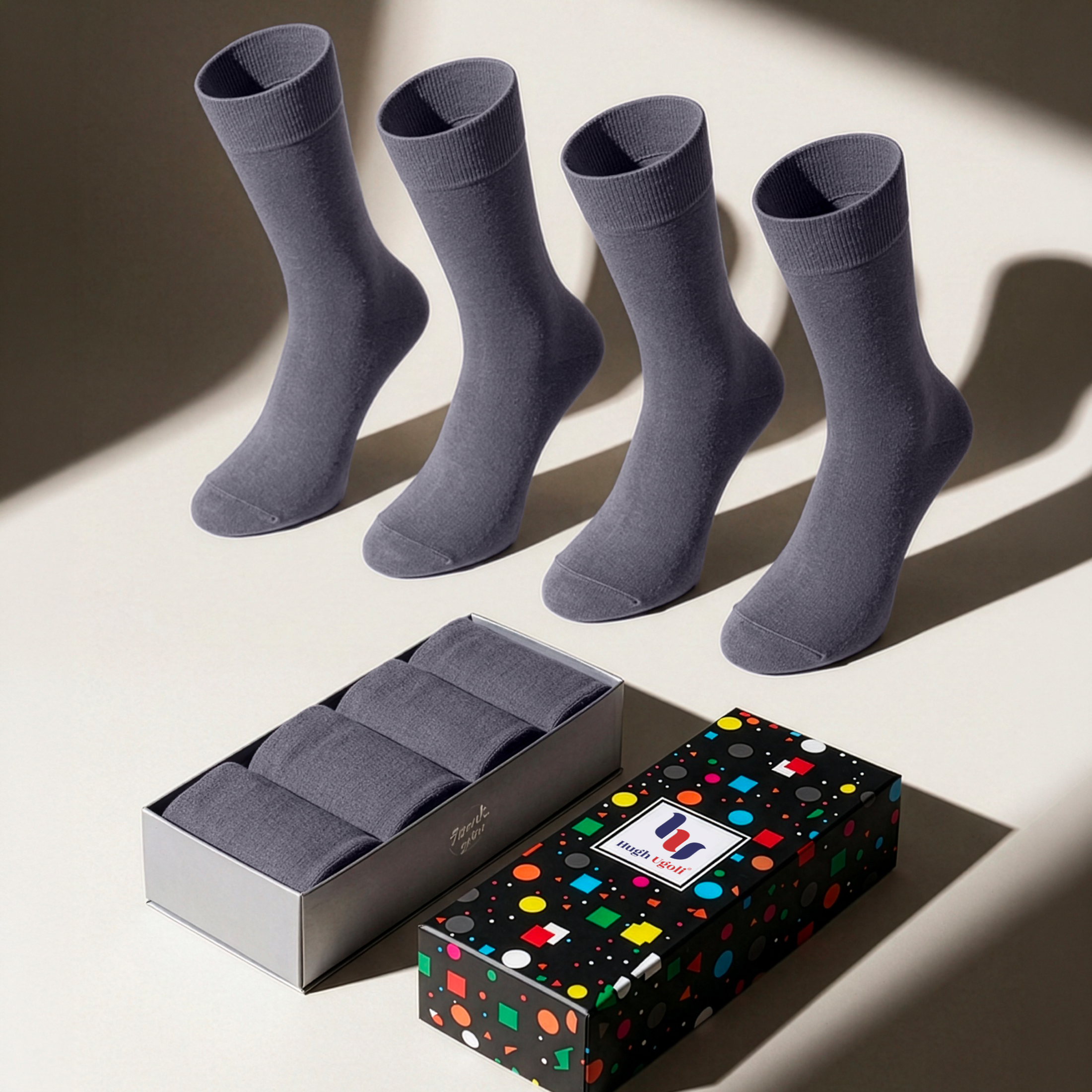
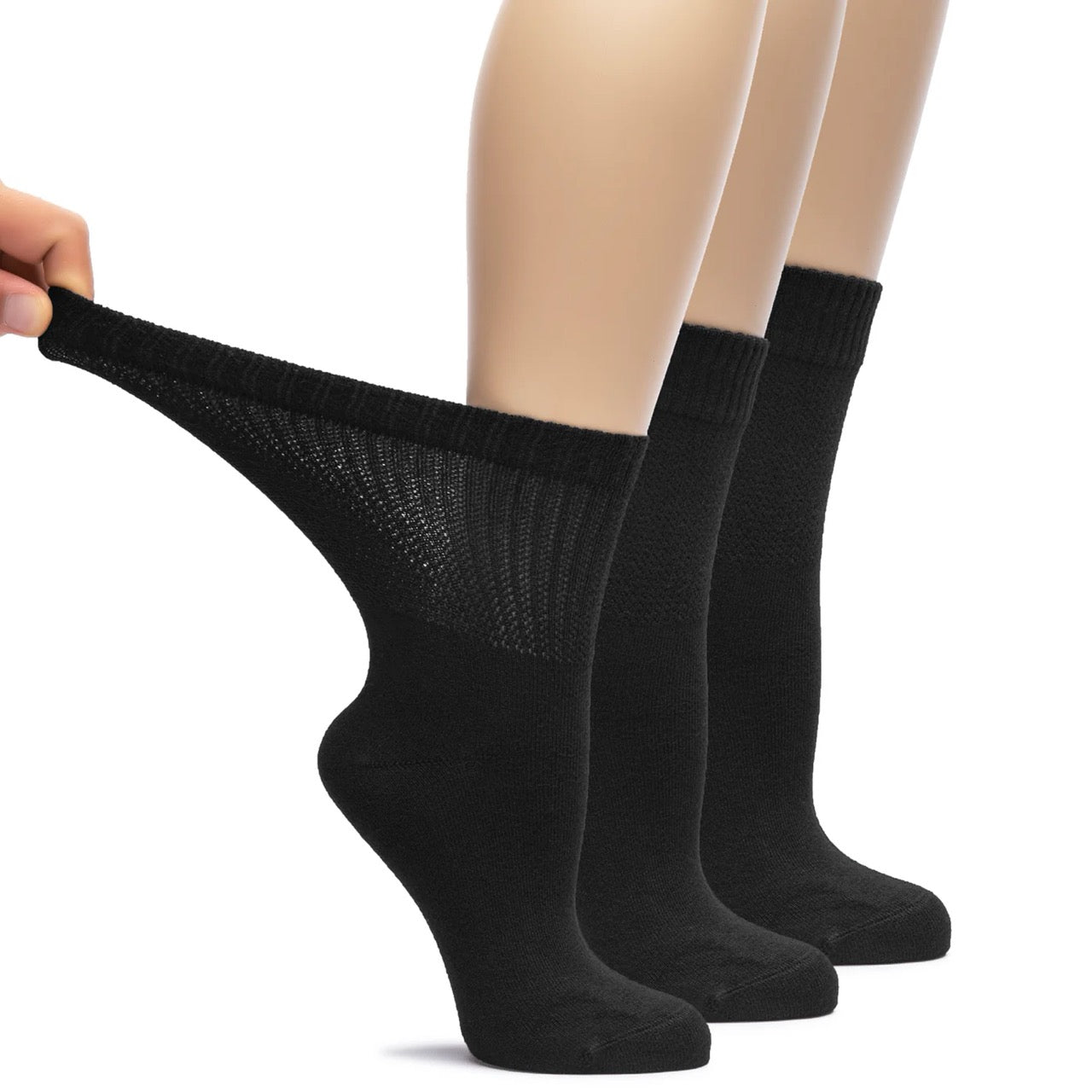
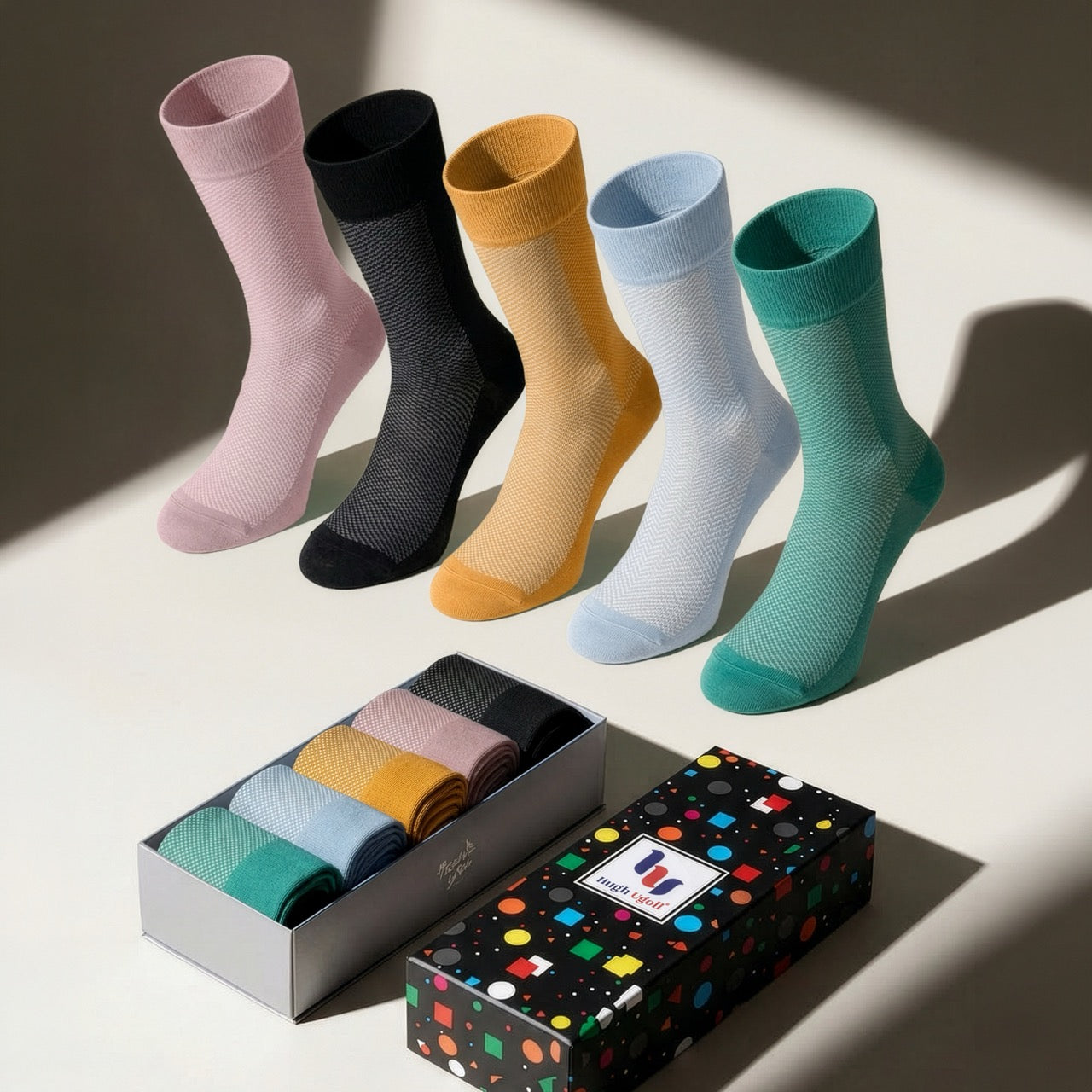
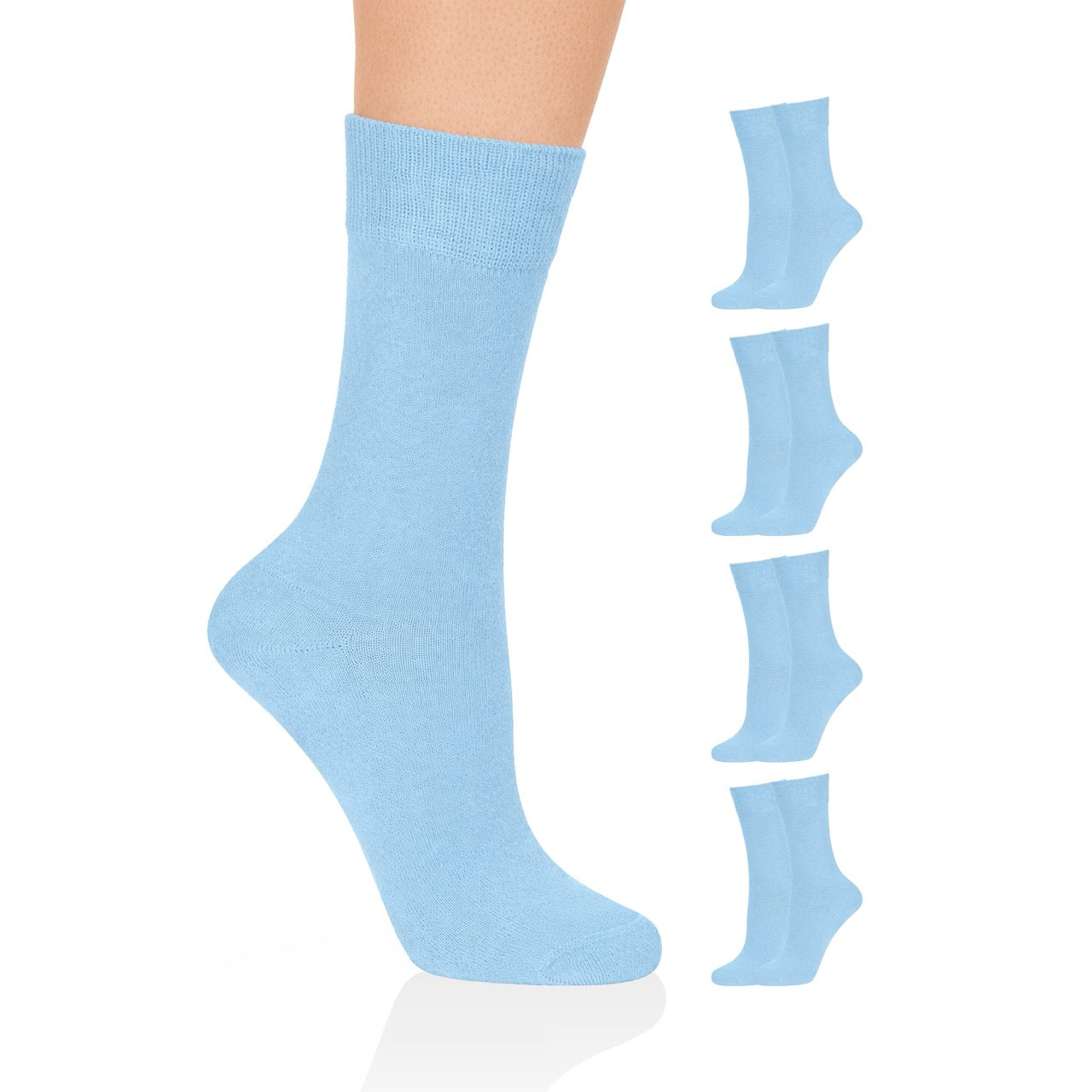
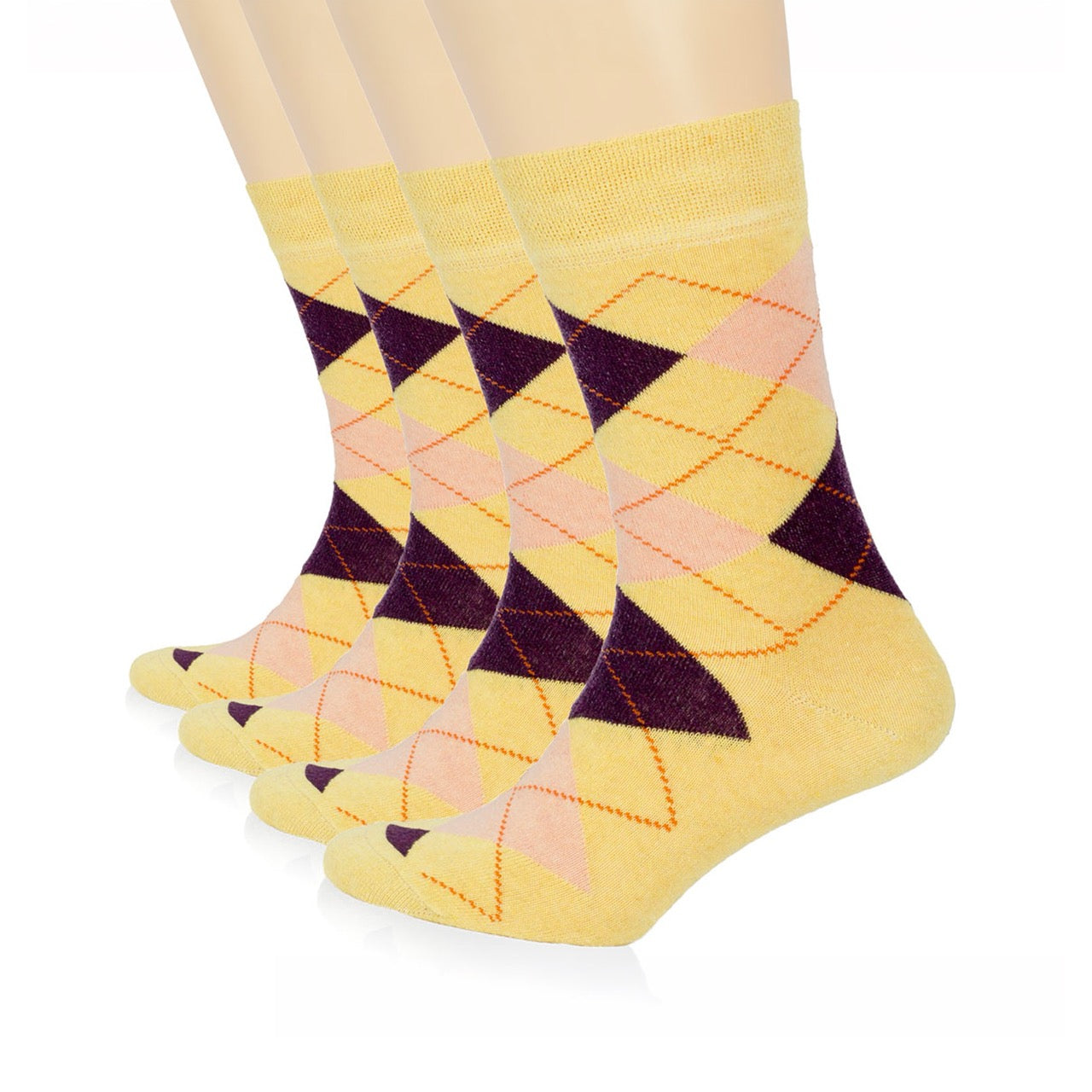
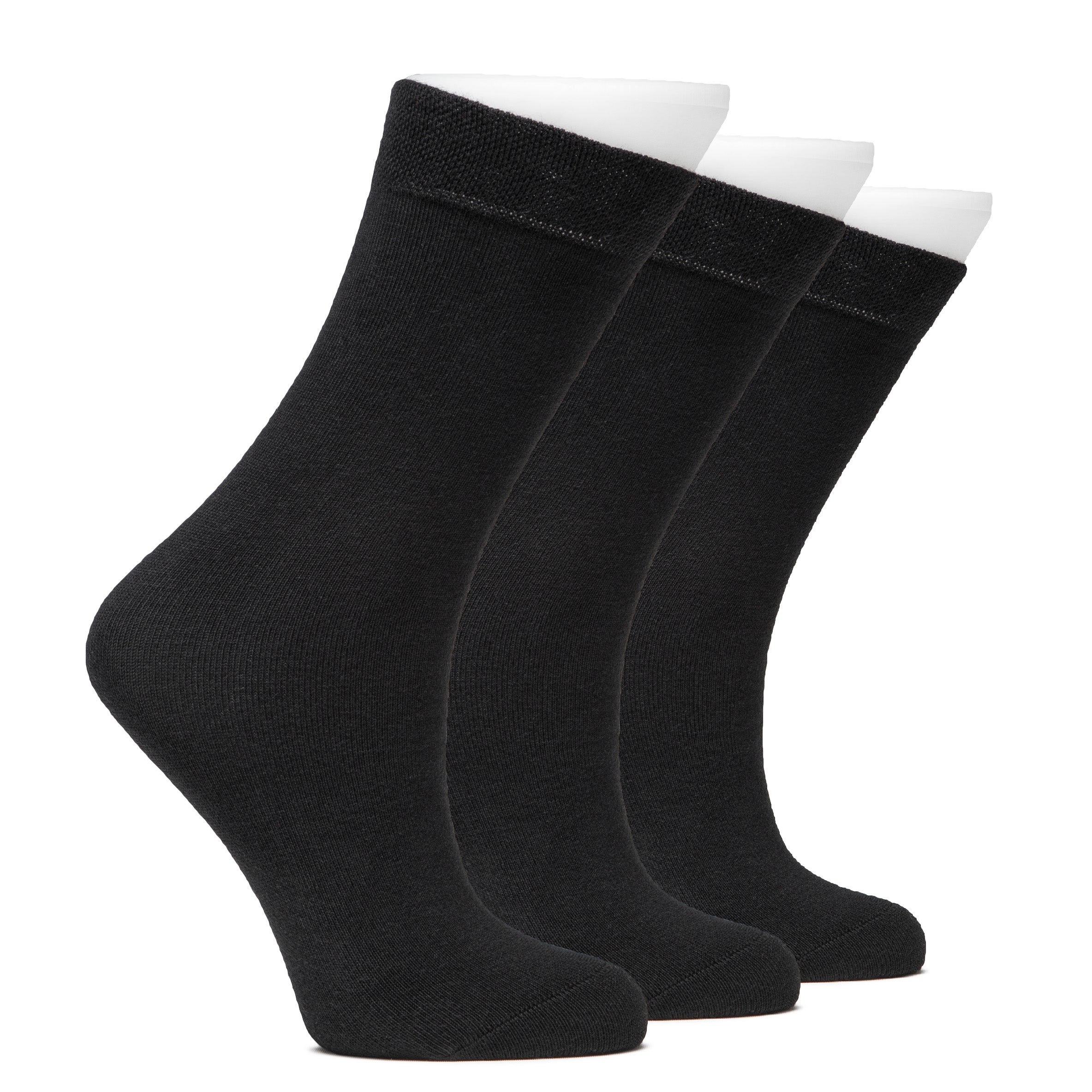
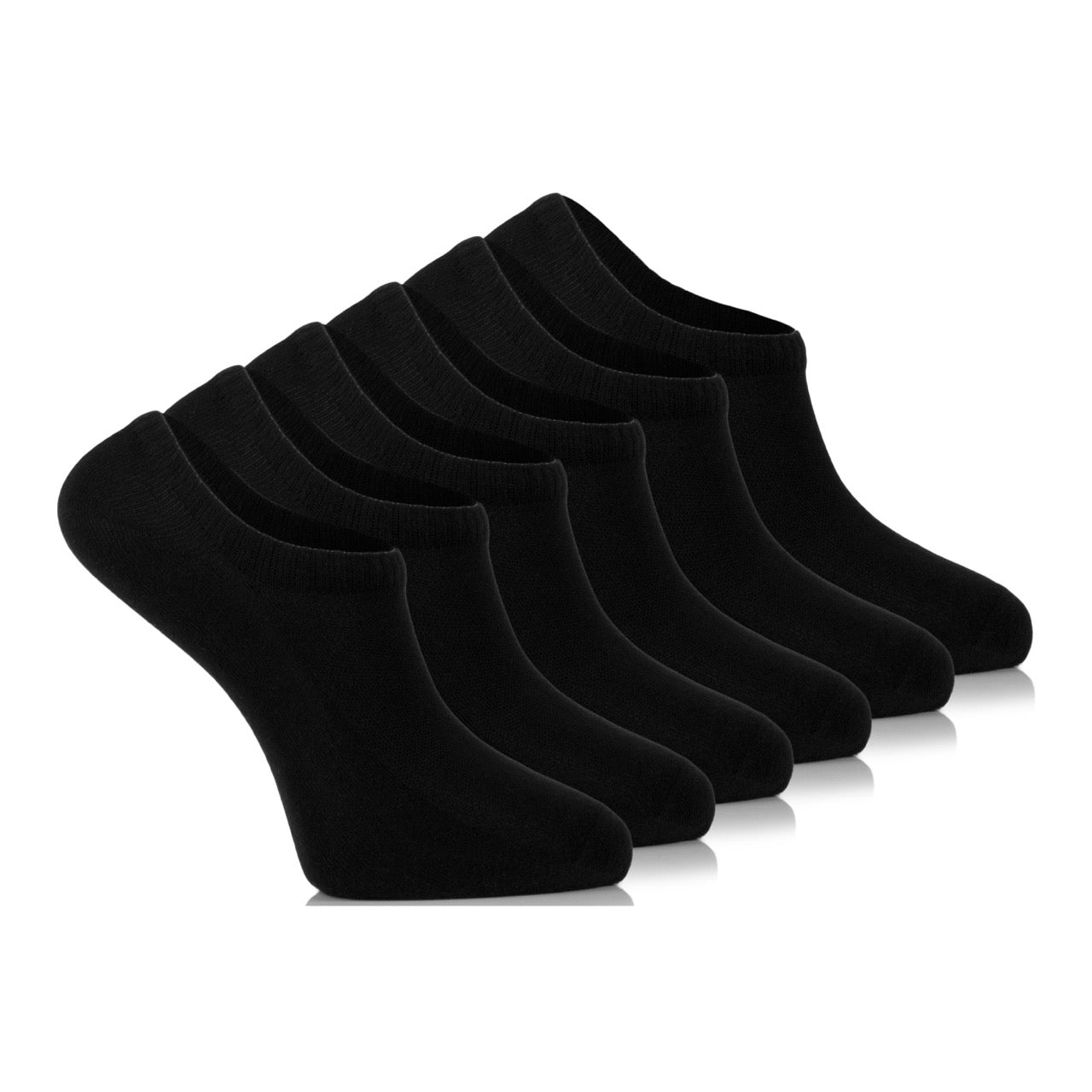
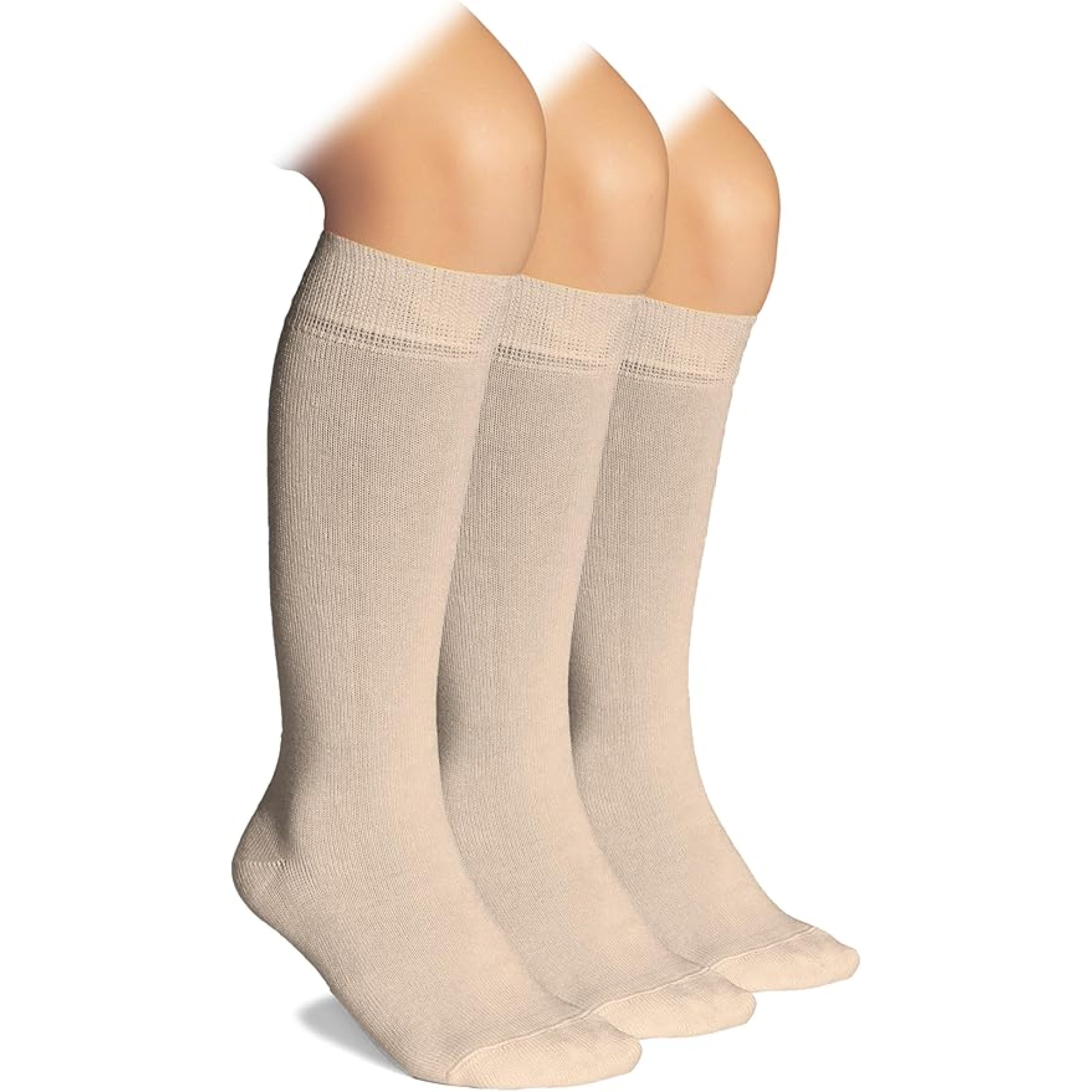


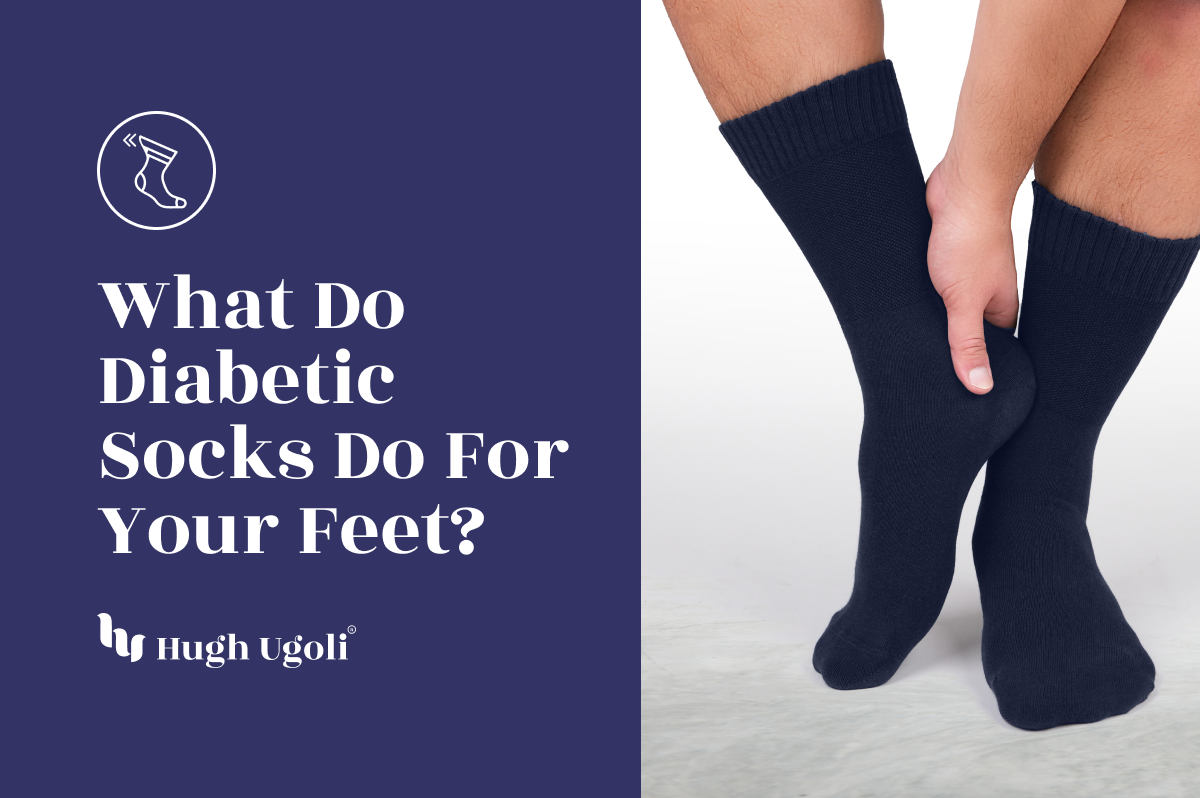
For individuals managing diabetes, foot care is essential. The risk of complications like neuropathy, ulcers, and infections makes choosing the right socks crucial. Diabetic socks are designed to offer comfort and health benefits, making them more than just regular socks. They merge healthcare with innovative textiles, providing a frontline defense against common diabetic foot issues.
Although the advice to wear cotton socks has permeated discussions about diabetic foot care for years, emerging trends suggest that smarter choices may be available. What diabetic socks do for your feet is not just about comfort—it's tied directly to health and well-being. These are not your average socks. They're a tech-infused solution in a world that increasingly merges healthcare with innovative textiles.
Diabetic socks offer myriad benefits packed into a seemingly simple garment. The design consideration behind these socks shows a thoughtful approach toward foot protection for people with diabetes. From how they fit to the materials used, these socks are a frontline defense against the common issues plaguing diabetic feet. Look beyond the standard cotton blend, and you'll find that diabetic socks are usually made from fabrics that better serve the sensitive skin and circulation needs of diabetic individuals. It's game-changing wearables, proving discreet yet effective in managing severe diabetes.
When we delve into the details, the features of diabetic socks unfold like a tailored list aimed at combating the problems people with diabetes often face with their feet. Firstly, they are designed to be non-constricting, featuring an exceptional fit that avoids restricting circulation.
Unlike regular socks, they do not have elastic bands that can restrict blood flow, which is critical for those who suffer from circulation issues. Secondly, many diabetic socks are moisture-wicking, addressing the reality that moisture can lead to fungal infections—a concern for diabetics, for whom infections can lead to severe complications.
In addition to moisture management, diabetic socks are often seamless. The absence of seams reduces the risk of rubbing and blisters, which can become significant threats if left unnoticed due to the sensory deficits caused by neuropathy. But the innovation continues beyond there.
The materials used are typically softer and more breathable, maintaining a clean and dry environment for the feet. Manufacturers also sometimes infuse diabetic socks with antimicrobial properties to proactively combat infections, setting a new standard for foot care in the diabetic community.

It's a comprehensive approach to foot health—the role of diabetic socks. They bridge the gap between everyday comfort and thoughtful design. For a person with diabetes, a sock is not just about covering the foot; it's a barrier against harm, a way to avoid restricting circulation, and a means to help ensure that minor issues do not escalate into major health concerns.
By choosing a pair of diabetic socks, people with diabetes actively participate in their health routine with a focus on prevention, alongside their broader diabetes management plan.
Here's where we see the real-world impact of diabetic socks on foot comfort and protection:
We're not speaking about mere comfort; we're pointing to a preventative strategy that, alongside daily foot checks and your doctor's guidance, can support healthier feet over time.
Let's get trendy—not just style-wise, but with intelligent health choices. Conventional wisdom heralds cotton socks as the champions of foot comfort. However, in the world of diabetes care, the cutting-edge features of diabetic socks make them a formidable contender.
Cotton absorbs moisture but doesn't wick it away. Conversely, diabetic socks are designed with specialized fibers that pull moisture from the skin. This means that, while cotton is comfortable, it may not be the best option for people with diabetes who benefit from a drier environment for their feet.
The classic view that 'cotton is king' is being challenged as people with diabetes seek out alternatives that cater specifically to their needs. Diabetic socks are not a gimmick. They are a thoughtful approach to foot care that considers the nuanced needs of a diabetic's daily life. Compare them side by side with cotton socks, and the immediate differences in functionality and purpose become abundantly clear. As we tap into the trend of prioritizing health through our choice of everyday items, diabetic socks stand out as a testament to innovation and thoughtful design.
In essence, diabetic socks are more than just fabric. They're an example of how modern textiles can meet the practical needs of everyday foot care. Whether you're working out, heading to work, or just lounging at home, they are diligently working to keep your feet comfortable, dry, and protected.
With an eye on the trend of merging comfort and everyday wear, choosing diabetic socks represents a conscious step toward embracing products that look good and support your feet. As we surround ourselves with intelligent choices, let's not overlook what's right beneath our toes—after all, great foot health starts with great socks.
This article is for general information and is not medical advice. Talk to your healthcare provider about foot care recommendations for your situation.
He has been working for more than 20 years in the textile industry and has work experience in many parts of the world.