Cart
0
You may also like
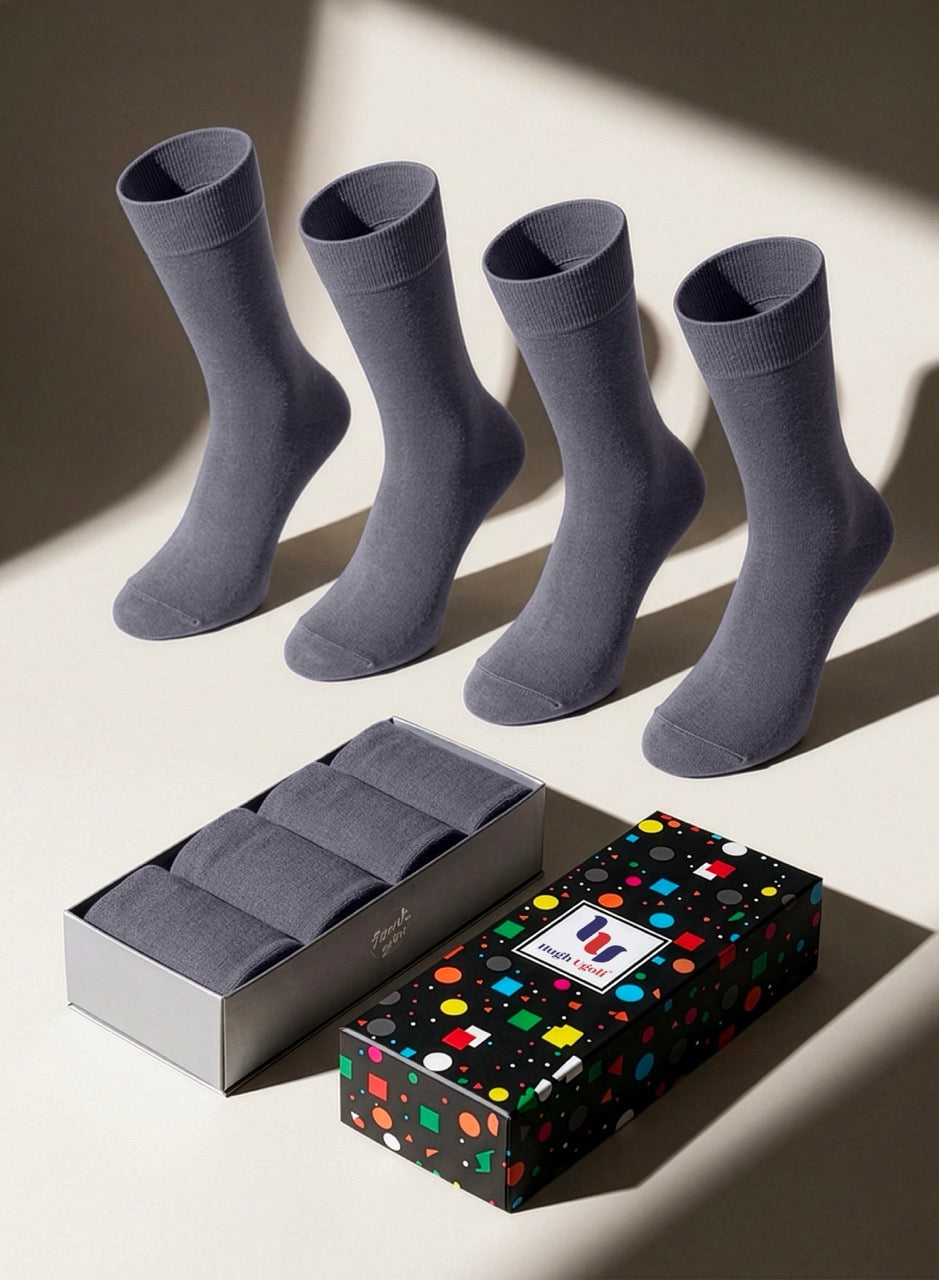
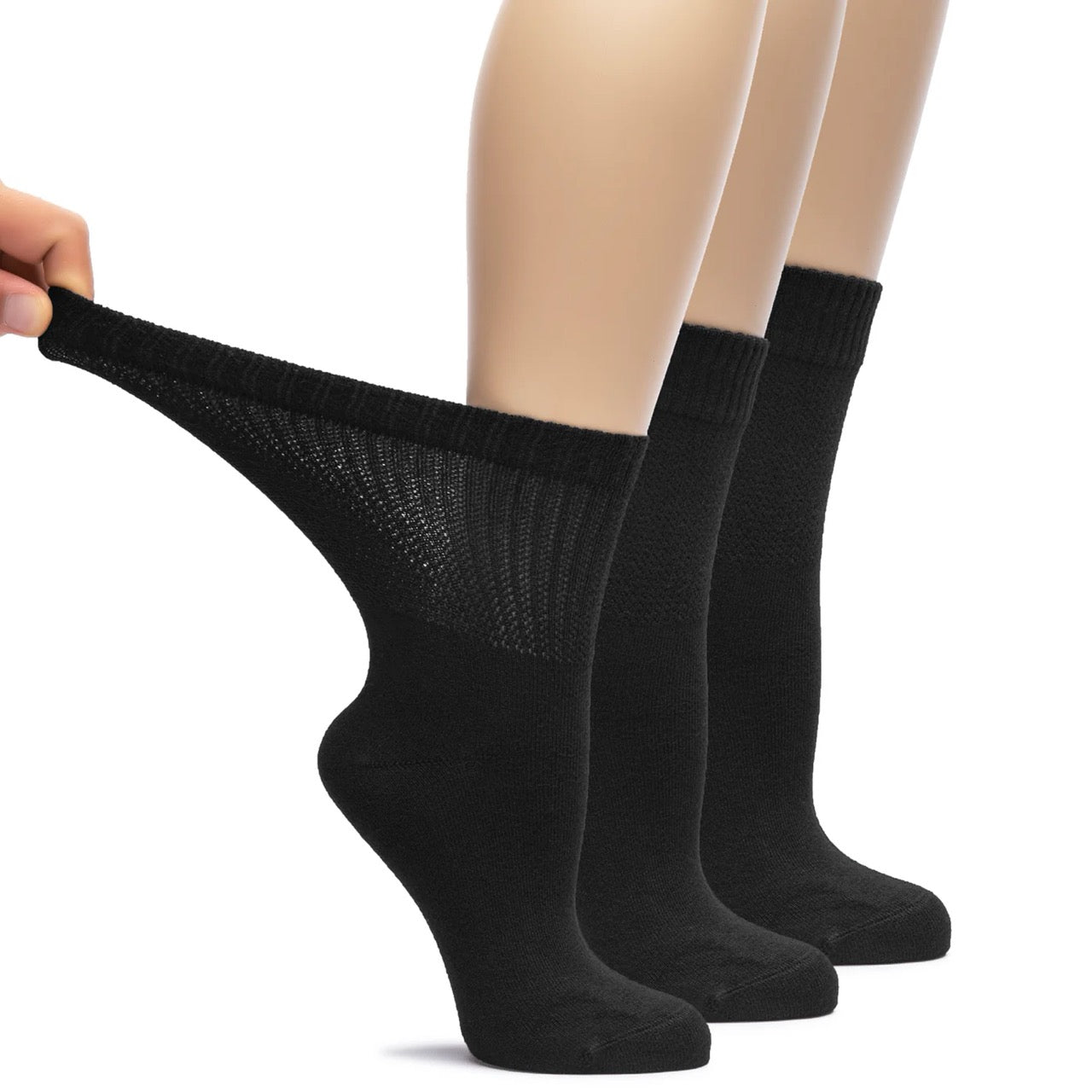
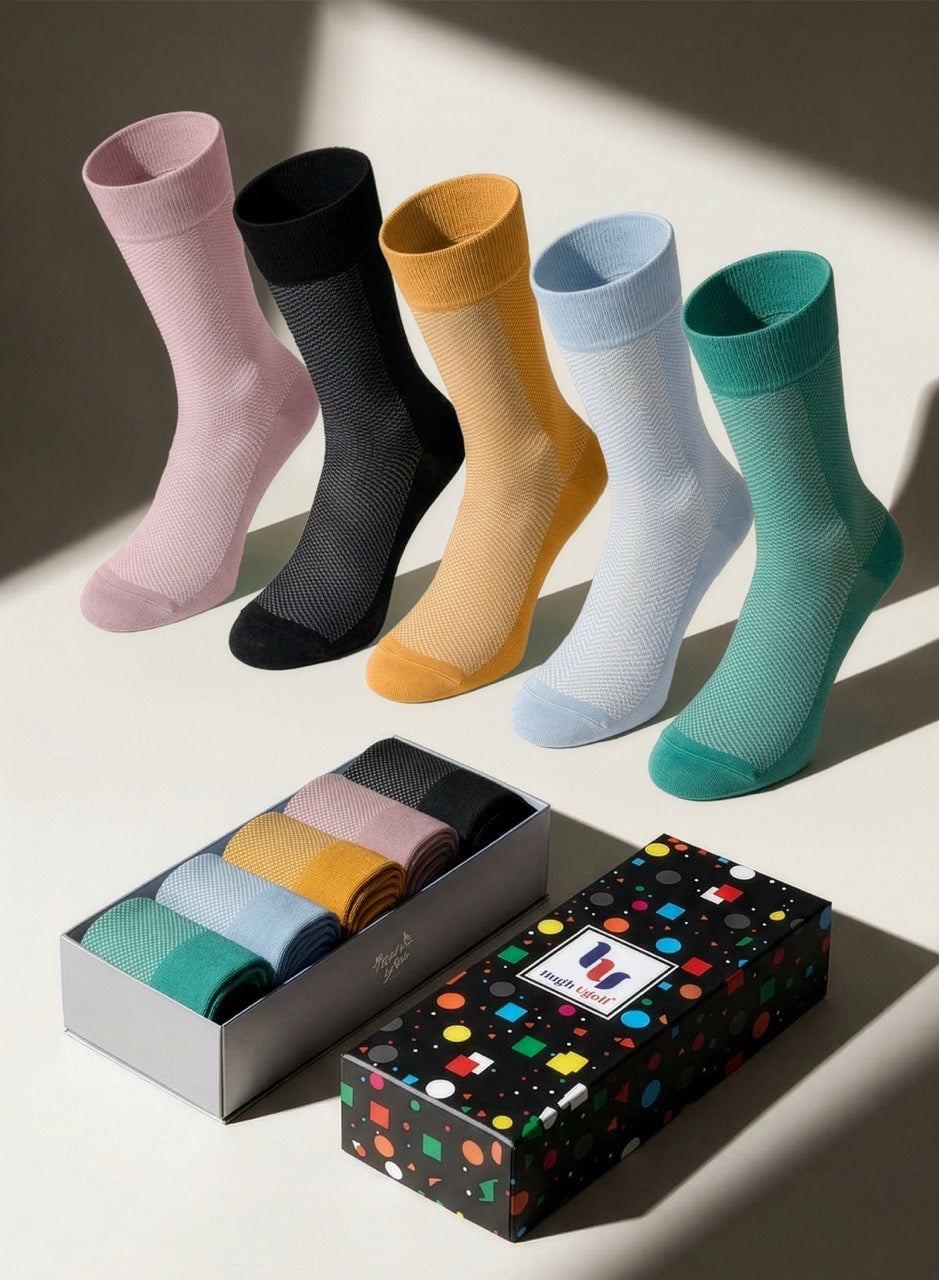
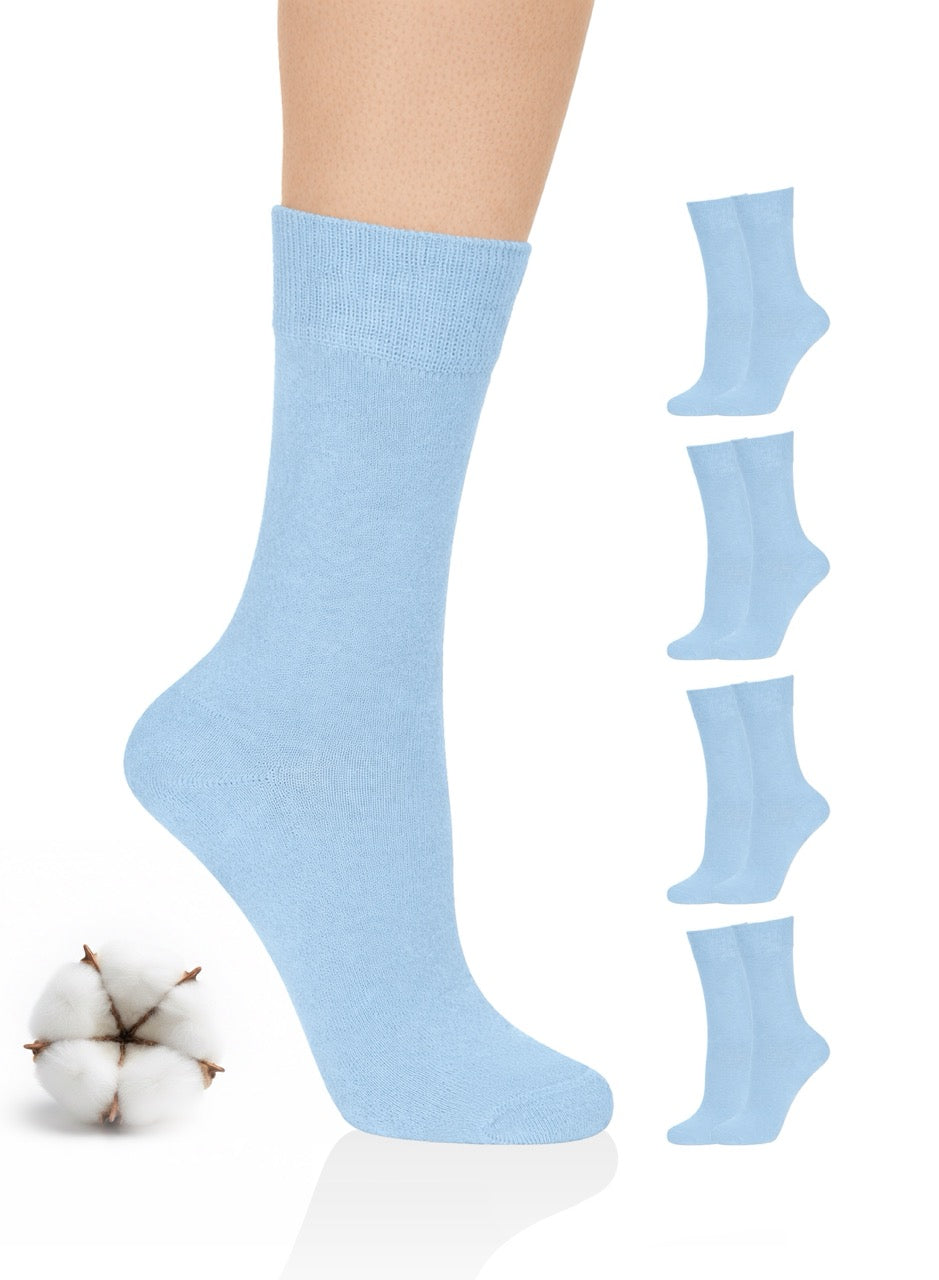
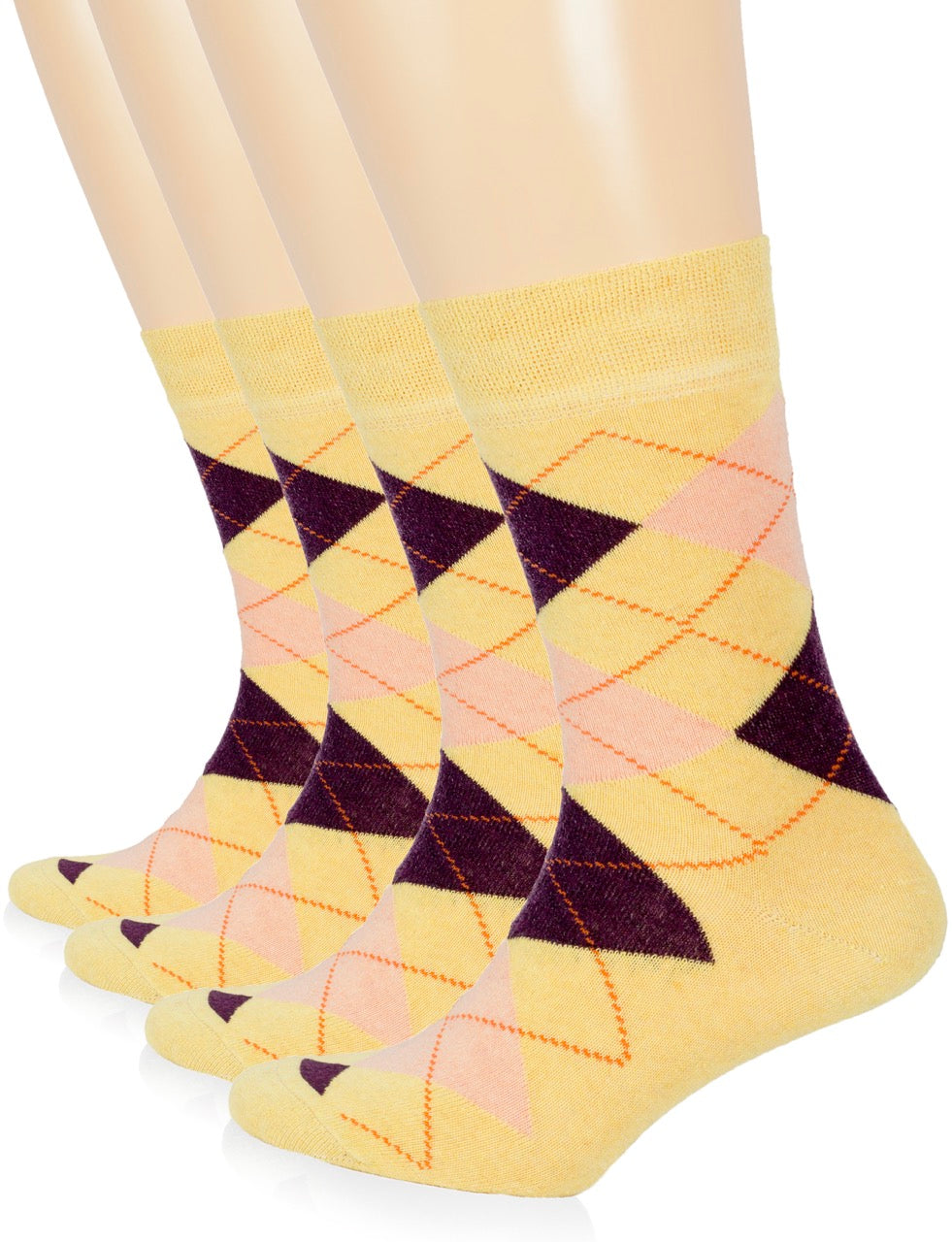
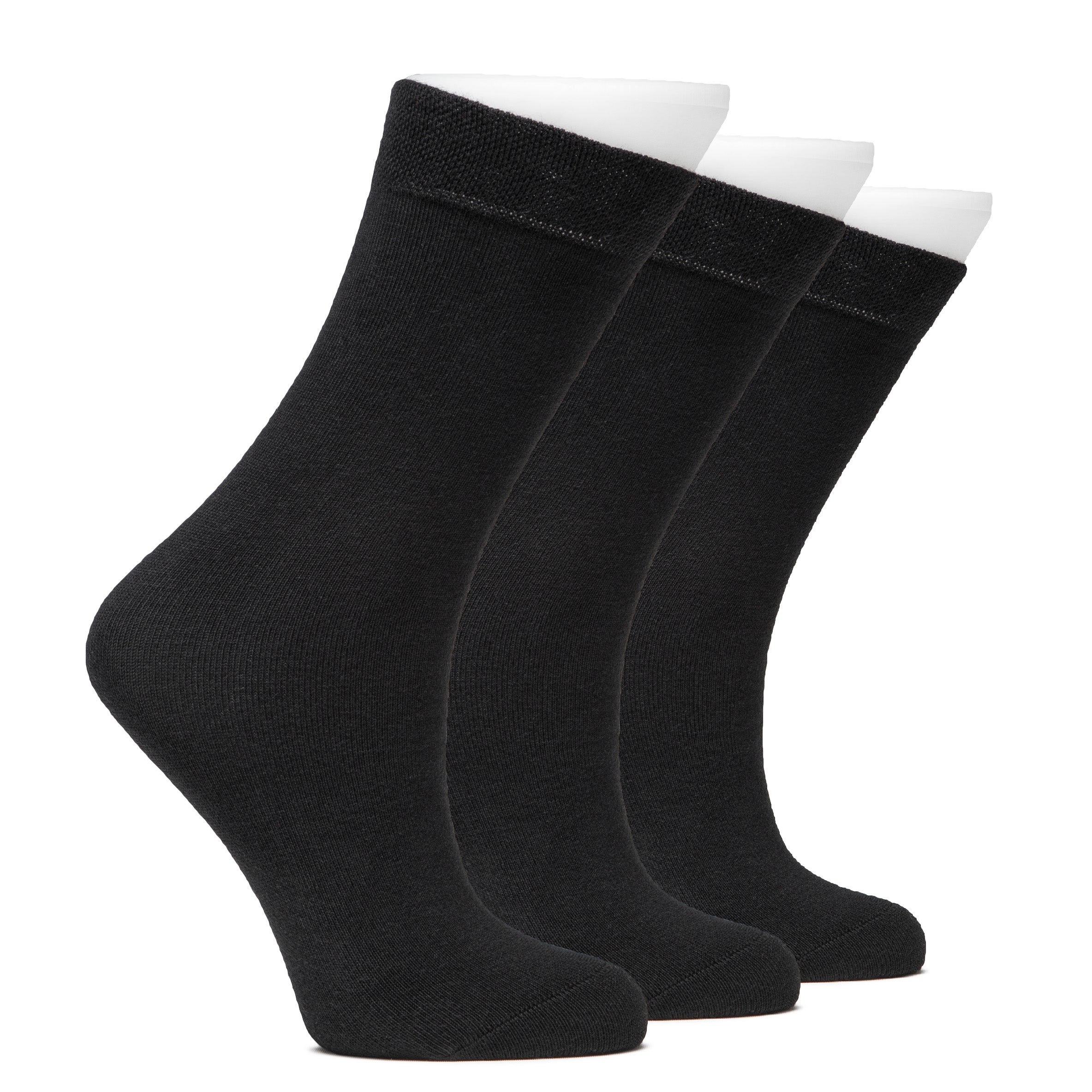
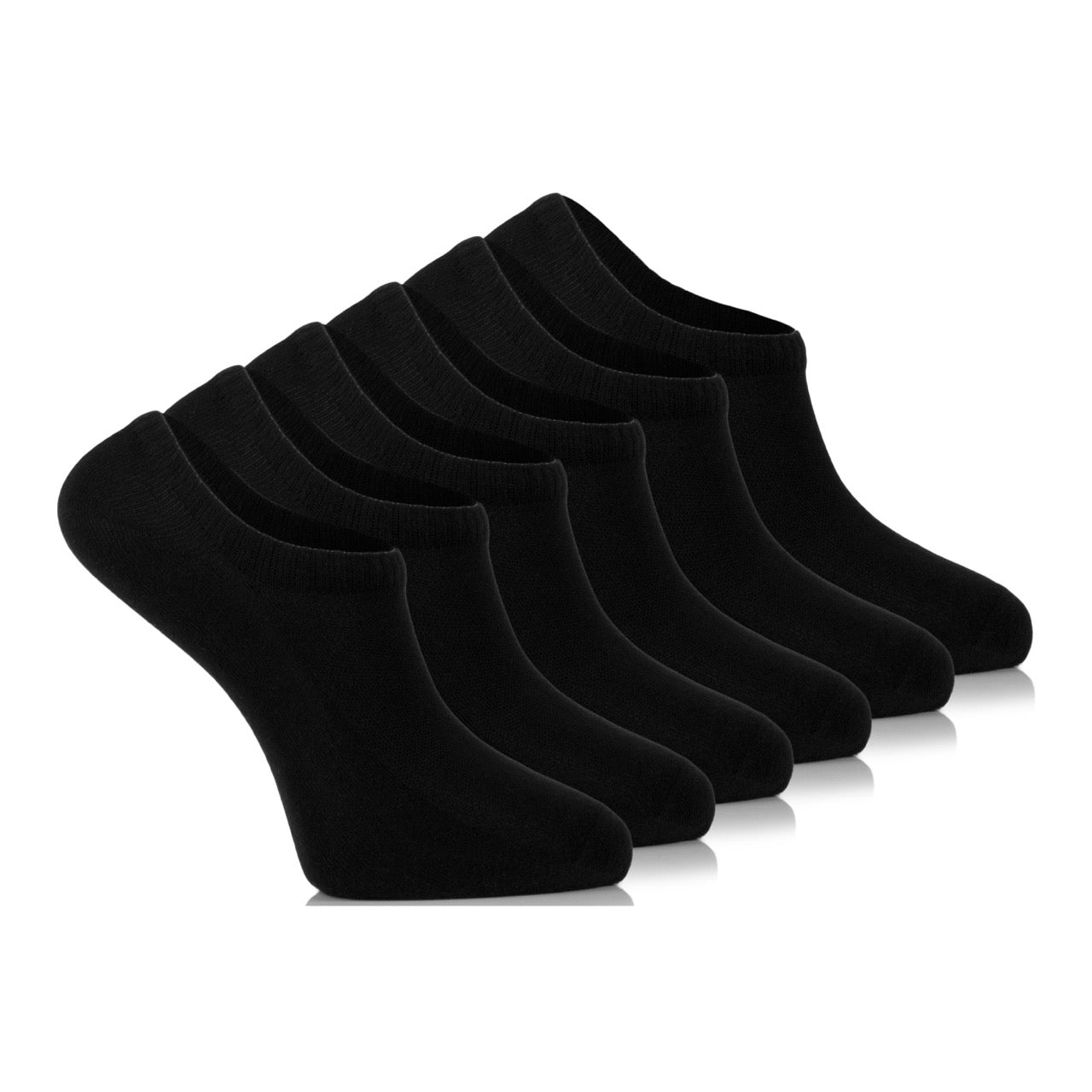
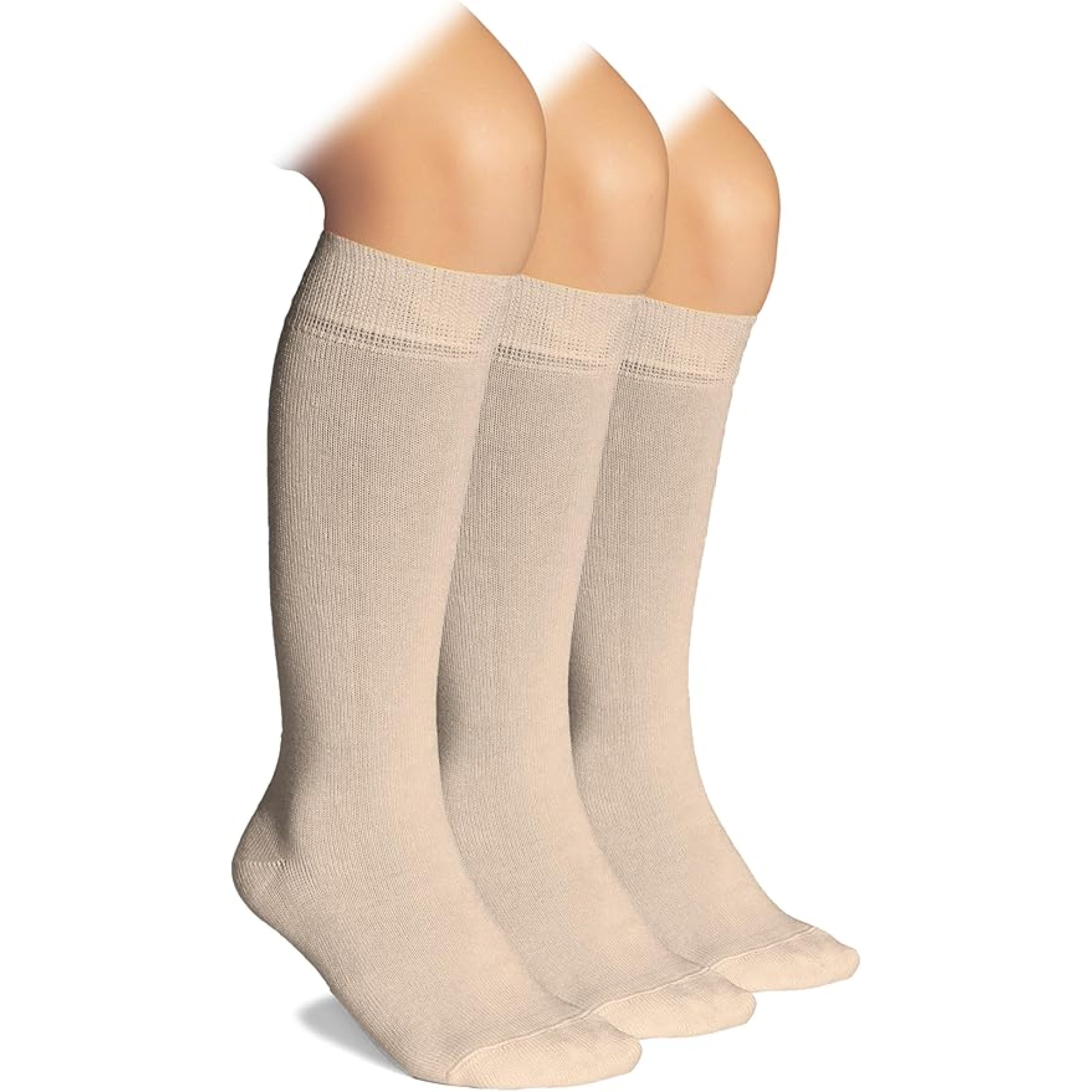


A cashier on their feet for eight hours, a mail carrier walking a route, and an office worker sitting at a desk all end the day with tired feet, but for very different reasons. Standing, walking, and sitting each put a distinct kind of stress on your feet, even though all three can leave you equally uncomfortable by evening.
Understanding what's actually happening in each case makes it easier to choose the right socks and habits for whatever kind of day you're having.
Standing still for hours, whether behind a counter or at a workstation, creates a very specific kind of fatigue.
When you stand in place, your body weight rests continuously on the same small area of each foot. Without the shifting and flexing that comes from walking, that pressure doesn't get distributed or relieved the way it normally would. Over several hours, this steady, unchanging load is often what leads to the deep, aching fatigue many people describe after a full shift on their feet.
Walking naturally helps pump blood and fluid back up from your feet through the contraction of your calf muscles. Standing still removes much of that pumping action, so fluid has more opportunity to settle in the feet and ankles. This is part of why standing jobs are often associated with more noticeable end-of-day swelling than jobs involving regular movement.
Walking puts feet through a different pattern of stress than standing, even though both fall under the general category of "being on your feet."
Every step involves a small impact as the foot strikes the ground, along with friction between the foot and the sock, and the sock and the shoe. Multiplied over thousands of steps in a day, even minor friction or a poor sock fit can add up to real irritation, particularly at the heel and toes.
Unlike standing, walking does keep blood moving through regular muscle contractions, which generally means less fluid buildup than a job spent entirely standing still. The trade-off is more cumulative wear on the skin and joints from repeated motion, which shows up as different kinds of discomfort, like blisters or sore arches, rather than the heavy swelling associated with prolonged standing.

Sitting might seem like the easiest option for your feet, but extended sitting brings its own set of issues.
Sitting for hours, especially with knees bent and feet flat on the floor, can slow circulation in the lower legs in a similar way to standing still. Without regular movement, blood flow to and from the feet becomes less efficient, which can contribute to a feeling of heaviness or mild swelling by the end of the day.
Many people also notice occasional numbness or a "pins and needles" feeling in their feet after sitting for a long time. This is often related to sustained pressure on nerves and blood vessels in a fixed position, and it typically resolves quickly once you stand up and move around.
Most days actually involve some mix of all three, which is part of why feet can feel tired even on days that don't involve much obvious physical activity.
Mild fatigue, end-of-day swelling, or occasional numbness after sitting are common and typically nothing to worry about. A few patterns, though, are worth taking more seriously. Swelling that's significantly worse on one side, accompanied by pain, redness, or warmth, can sometimes be associated with a blood clot, particularly after long periods of sitting, and should be evaluated by a healthcare professional promptly. Numbness or tingling that doesn't resolve quickly after you start moving again, or that happens regularly, is also worth mentioning to a doctor. Anyone managing diabetes, circulation issues, or a history of clotting should talk with a healthcare professional about any new or worsening symptoms related to prolonged standing, walking, or sitting.
Since standing, walking, and sitting stress feet in different ways, the right sock often depends on which one makes up most of your day.
For jobs that involve long stretches of standing, a sock with extra cushioning under the heel and ball of the foot can help absorb some of that steady pressure. A semi-cushioned ankle sock is built with this kind of standing-heavy day in mind, offering extra padding in the areas that take the most continuous load.
For walking-heavy days, breathability and a smooth, seamless toe matter more than heavy cushioning, since friction and moisture are the bigger issues over thousands of steps. A breathable bamboo no-show sock helps manage heat and moisture while staying secure at the heel during repeated movement.
For desk jobs or other long sitting stretches, a non-binding top that doesn't press into the ankle is generally more comfortable than a tight, elastic-heavy cuff, especially since circulation is already working a bit harder in a seated position. A non-binding crew sock with a soft top is a common choice for exactly this kind of day.
Standing, walking, and sitting each affect your feet in their own way, from steady pressure and swelling to repetitive friction or temporary numbness. Recognizing which one dominates your day, and choosing socks and habits that match it, is a simple way to feel noticeably better by the time you finally sit down for good.
They're hard on feet in different ways. Standing tends to cause more swelling and steady fatigue, while walking tends to cause more friction-related issues like blisters, even though walking generally involves less fluid buildup.
Sustained pressure on nerves and blood vessels in a fixed position can cause temporary numbness or tingling. It typically resolves quickly once you stand up and start moving.
Yes. Matching sock cushioning, breathability, and fit to whether you're mostly standing, walking, or sitting can meaningfully affect comfort and fatigue by the end of a long shift.
Shifting your weight periodically, taking short walking breaks when possible, and wearing a cushioned, supportive sock are commonly recommended habits that may help reduce end-of-day swelling.
If swelling is significantly worse on one side, painful, or comes with redness or warmth, or if numbness doesn't resolve after moving, it's a good idea to have it evaluated by a healthcare professional.
He has been working for more than 20 years in the textile industry and has work experience in many parts of the world.