Cart
0
You may also like
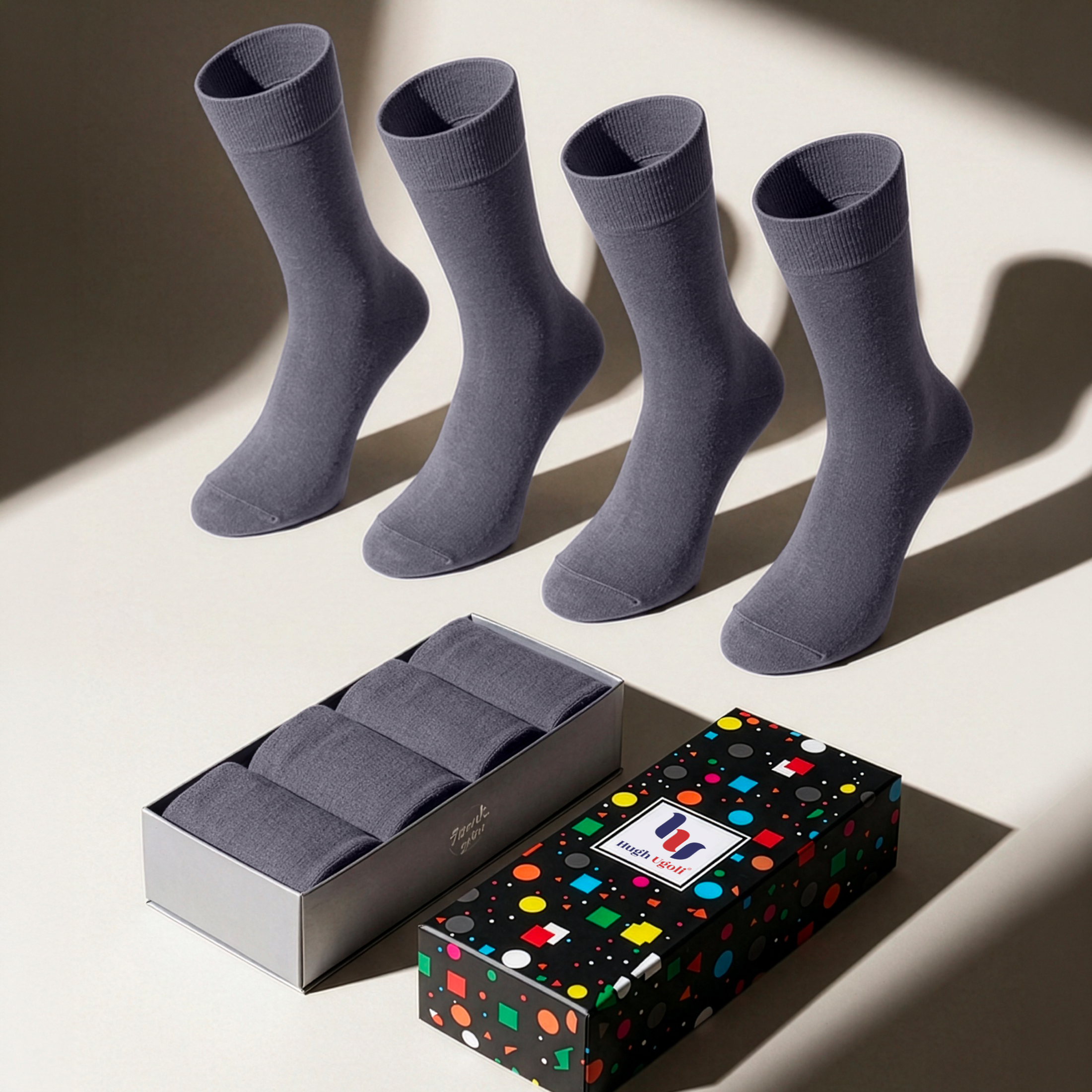
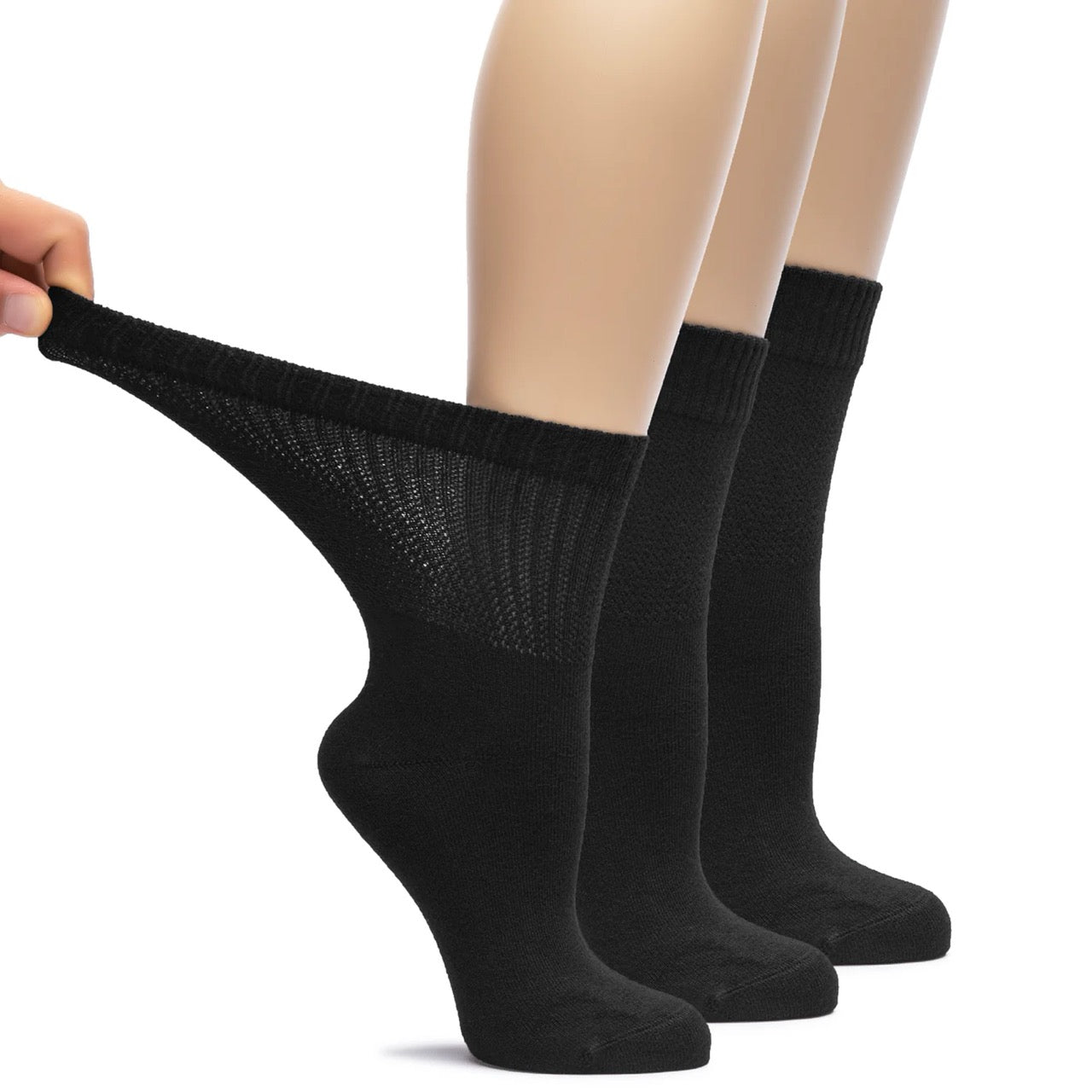
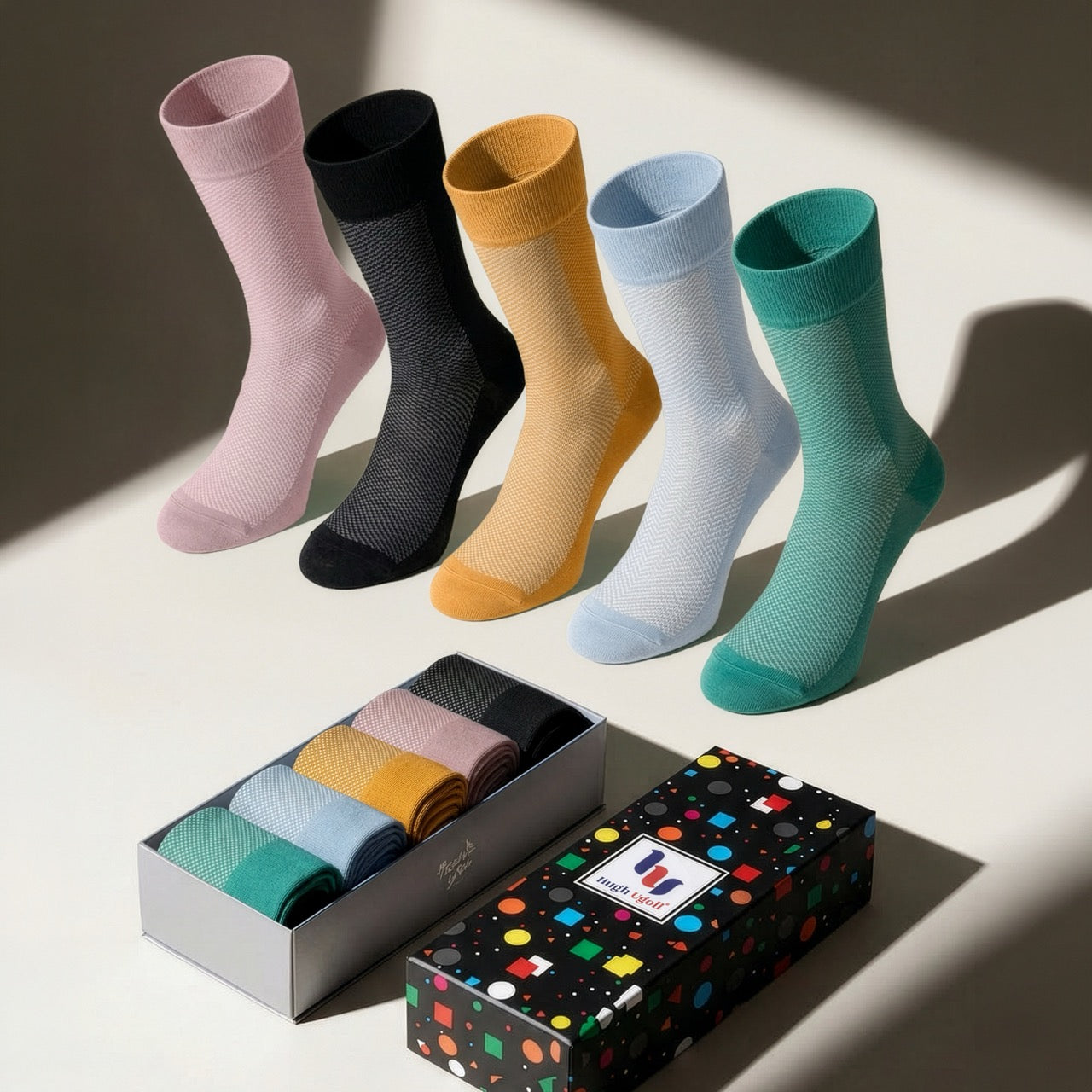
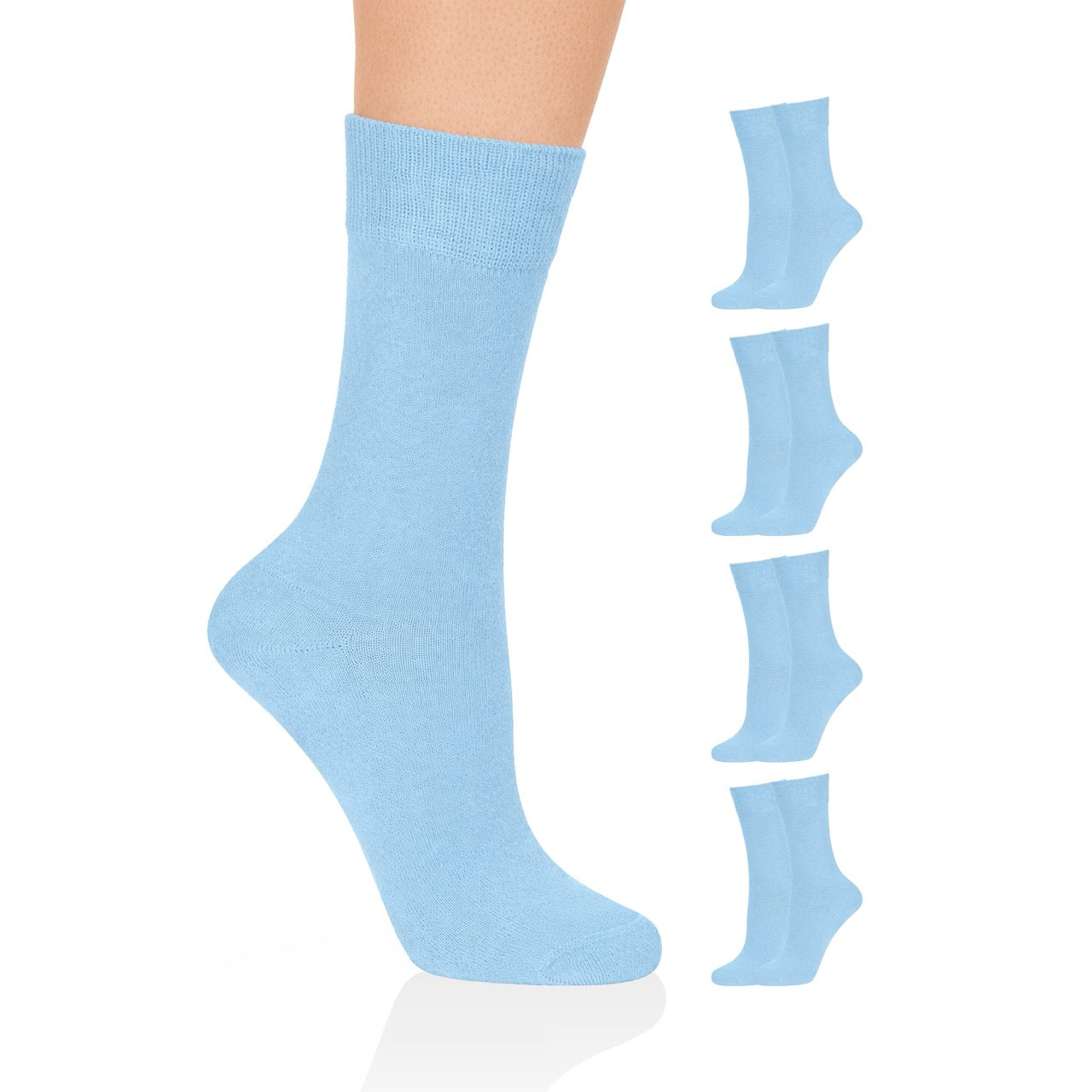
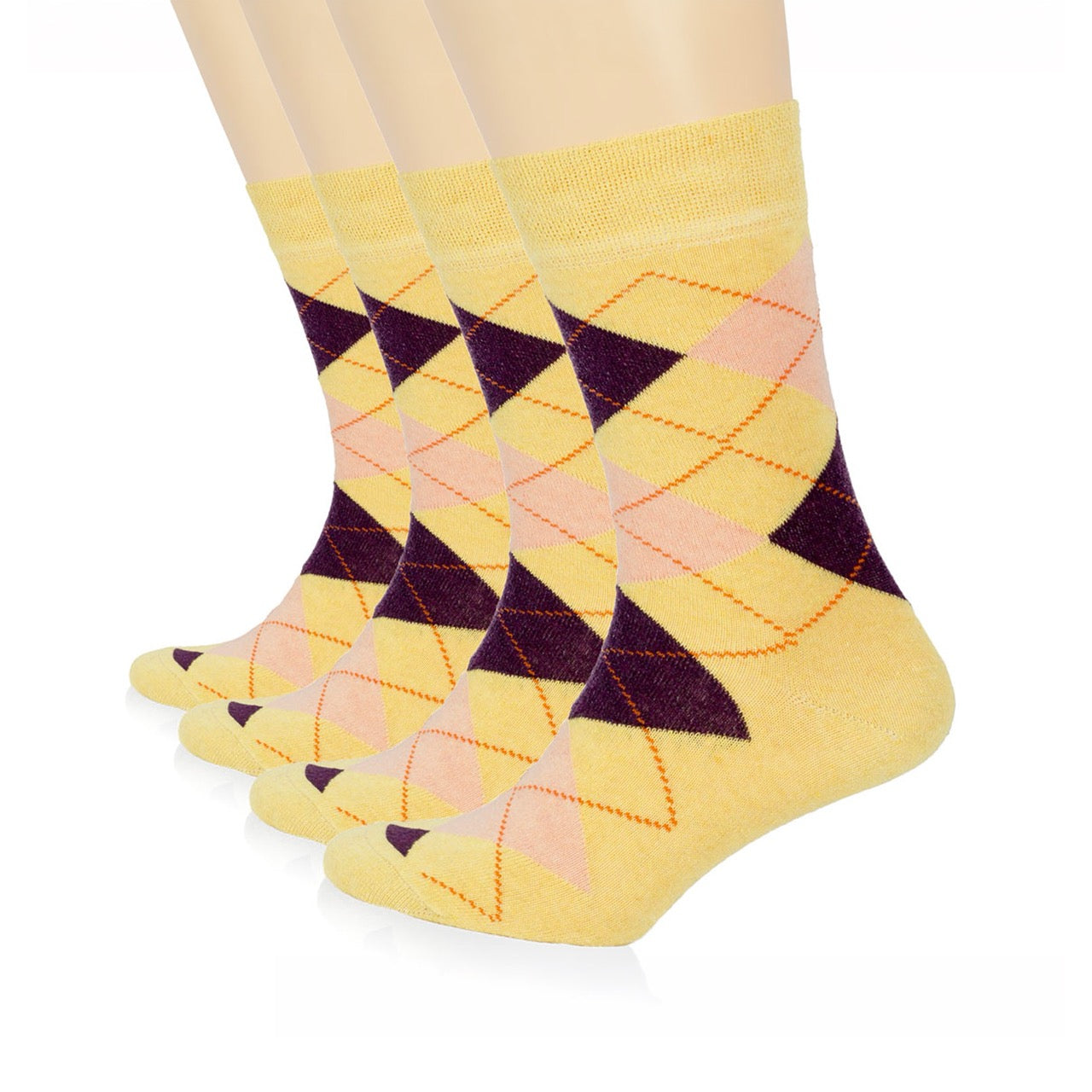
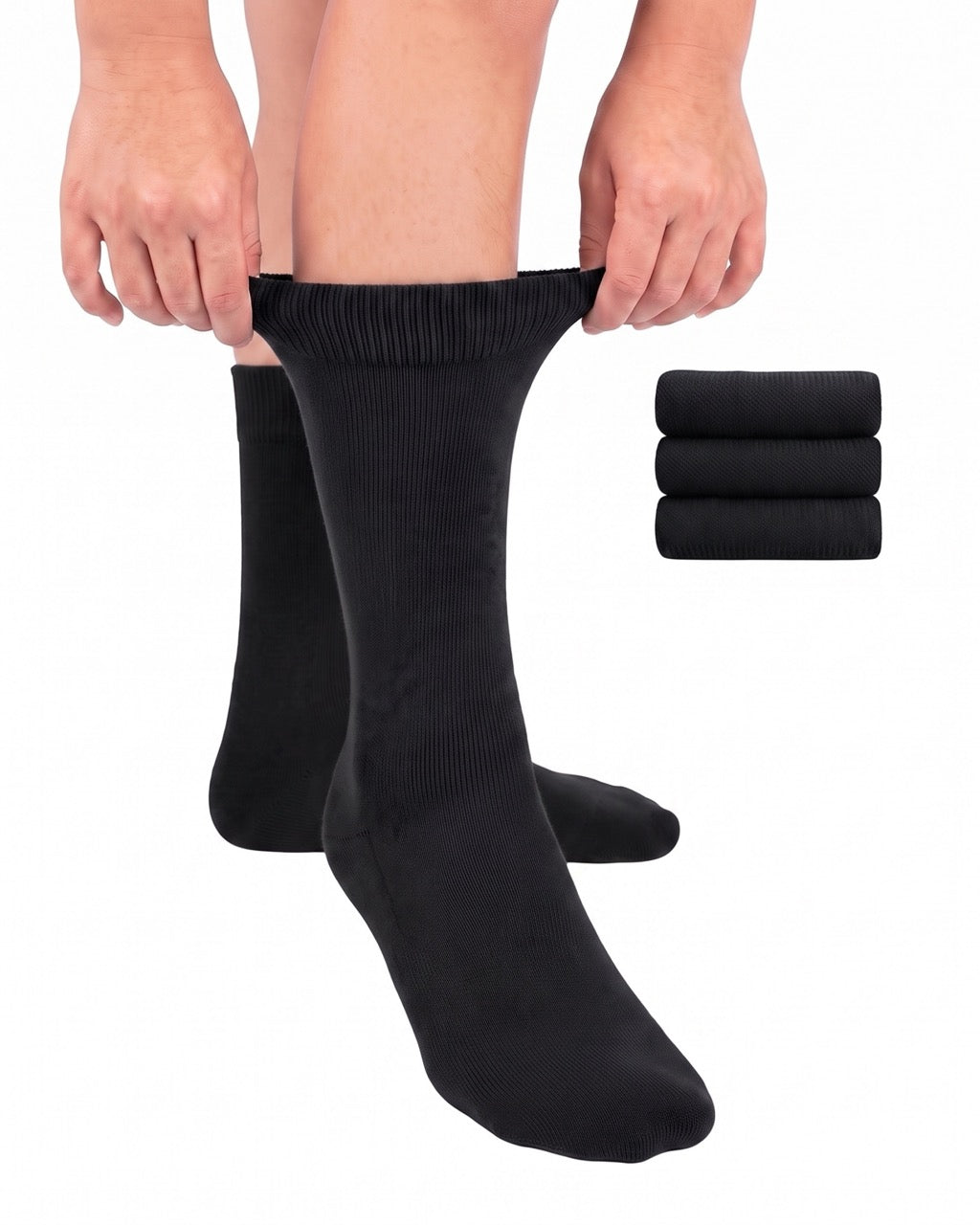
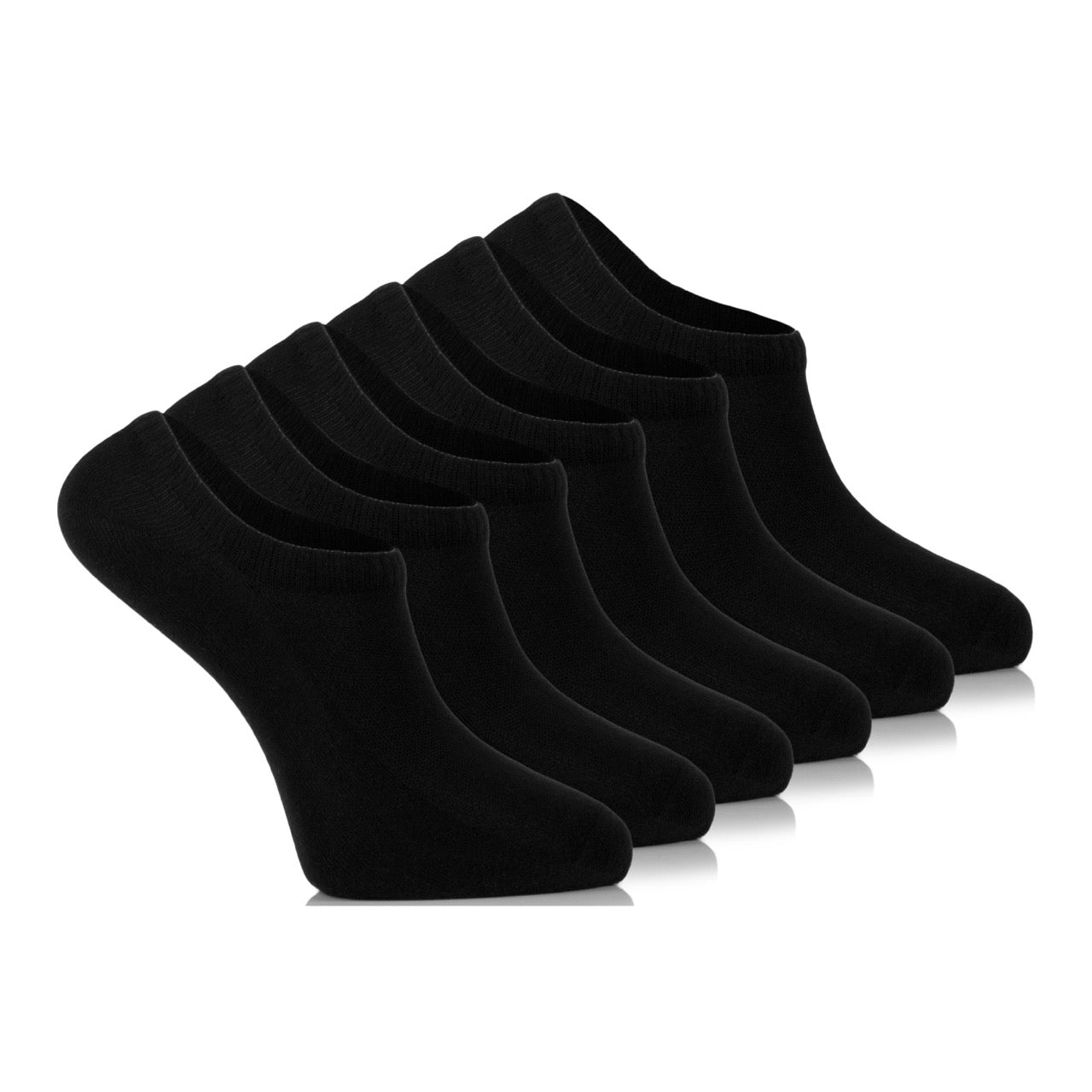


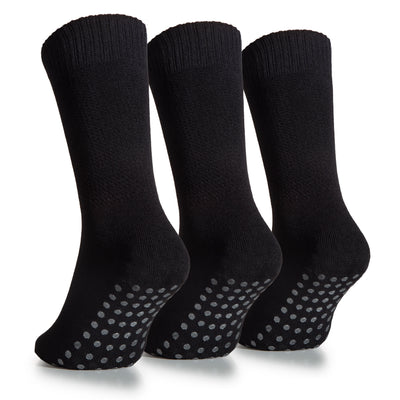
A non-slip sock is an ordinary sock with a grip applied to the sole, usually silicone or rubber printed on as dots, lines or a full tread. That textured layer raises friction against smooth flooring, which is why hospitals, care homes, gyms, yoga studios and households with hard floors use them. They are also called gripper socks, grip socks or skid socks. The grip is the whole point of the design, so it is the part that wears out first; once the pattern has flattened or flaked off, the sock is a normal sock again and needs replacing.
Key Takeaways
When it comes to socks, people usually consider comfort, warmth, and style. Yet, safety is a crucial element that often gets overlooked. This is where non-slip socks come into play. These specialized socks are designed to offer extra grip and prevent slipping on smooth surfaces. So, what exactly are non-slip socks? Let’s explore the specifics.
Non-slip socks, also known as gripper or skid socks, are specially designed socks with a grimacing material on the bottom of the sock. This grip is usually made of skid-resistant rubber soles that are either slightly tacky to the touch or a bit rough. These socks come in various styles, including slipper socks and lighter versions that can be worn with shoes, offering additional protection. Unlike regular socks, non-slip socks are the correct choice for environments that involve movement on slippery surfaces.-en
One of the primary benefits of non-slip socks is improved traction or better traction. These socks are beneficial in environments where the floor may be slippery, such as medical facilities, gyms, and even at home. Hospitals often provide patients with non-slip socks as part of a fall management program to prevent slips and falls, reducing the risk of slipping and related fall injuries. This is a crucial part of any fall prevention strategy and is backed by limited evidence but is considered evidence-based practice in many healthcare settings.

The fabric used in non-slip socks is often a blend of nylon and spandex, making them durable and stretchy. This combination ensures good circulation for the wearer, adding another layer of improved comfort to the already cozy sock. These socks have tread that is often skid-resistant, adding to their safety features. Some designs even feature dual tread socks for optimal anti-slip coverage.
These socks are trendy among younger children and toddlers and hospitalized older adults. The added grip helps those just learning to walk or those with gait patterns that make them prone to falls, thereby offering fall prevention. In nursing homes, non-slip socks are a staple to help the elderly maintain their balance and prevent accidents, thereby reducing elderly resident falls.
Non-slip socks are not just for walking but also for activities like yoga. The grip helps maintain stable footing during various poses, and the breathable fabric keeps the feet cool and dry. This dual functionality makes them a popular choice among yoga enthusiasts. Some even come with a single tread for added stability, which is a personal preference for many.
Non-slip socks are also commonly used in nursing homes to help the elderly maintain their balance and prevent accidents. The anti-slip features of these socks make them an essential part of elderly care, ensuring that the residents are safe while moving around. These socks are often part of these facilities' broader fall management program.
Non-slip socks are a versatile and essential addition to your sock drawer. Whether navigating a slippery hospital floor, practicing yoga, or simply lounging at home, these socks offer comfort and safety. With options for humans and pets, non-slip socks are a family affair. By understanding "what are non-slip socks," you not only add an extra layer of safety to your daily life but also make a wise choice for various activities that require stable footing.
This article is for general information and is not medical advice. Talk to your healthcare provider about your own feet.
A sock with silicone or rubber grip applied to the sole, which raises friction against smooth flooring. It is also sold as a gripper, grip or skid sock.
In hospitals and care homes, in gyms and yoga or pilates studios, and at home on tile, laminate or polished wood floors.
Thin versions can, though the grip does nothing inside a shoe. Grip socks are intended for wear directly on the floor.
Inside out, on a normal wash, then air dried or tumbled on low. High heat is what breaks down the silicone grip.
Once the grip pattern has flattened, cracked or flaked away, since at that point the sole no longer grips any better than a plain sock.
$17.98
View ProductDiscover All Hugh Ugoli Socks
Shop All Socks