Cart
0
You may also like
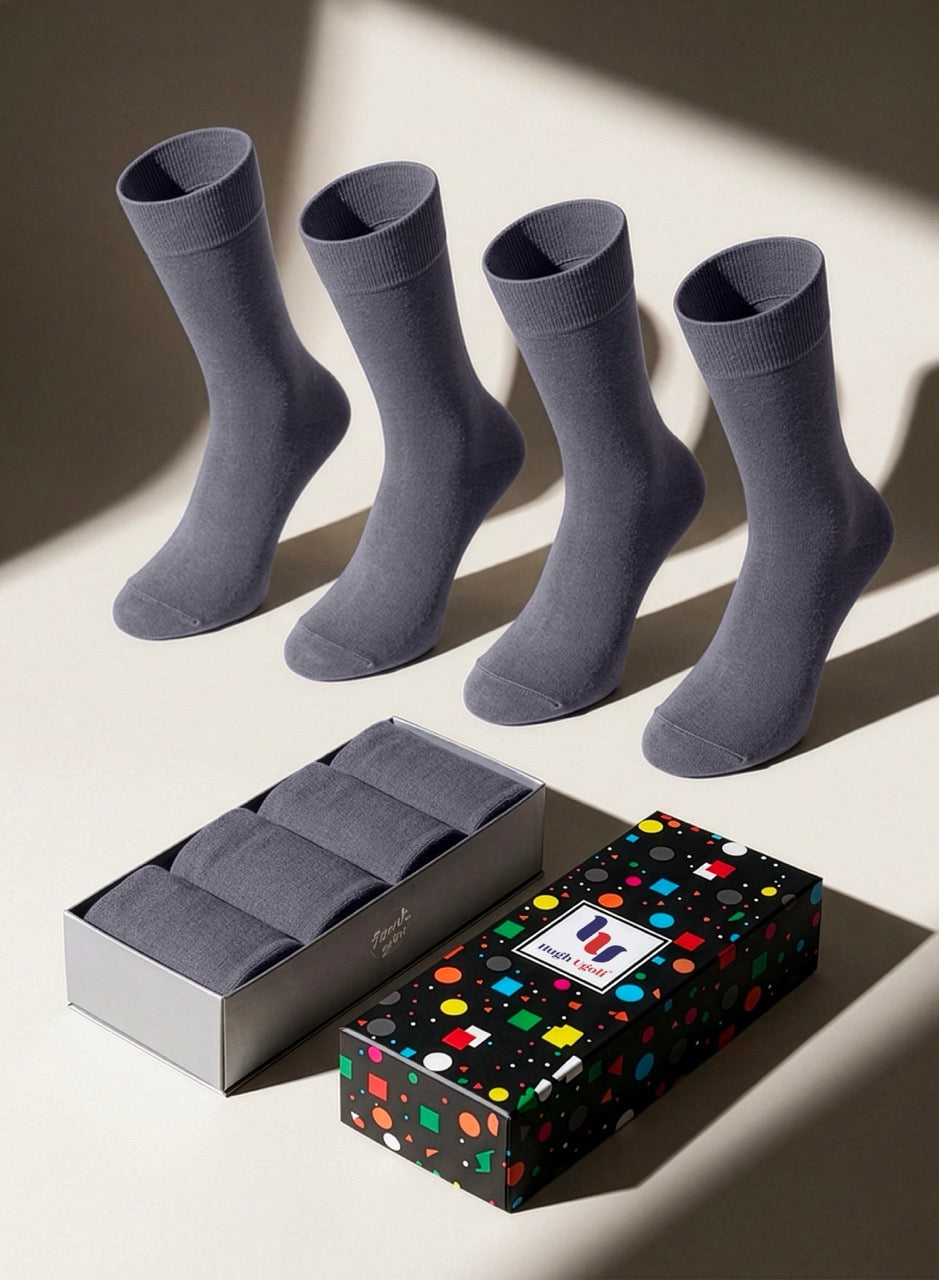
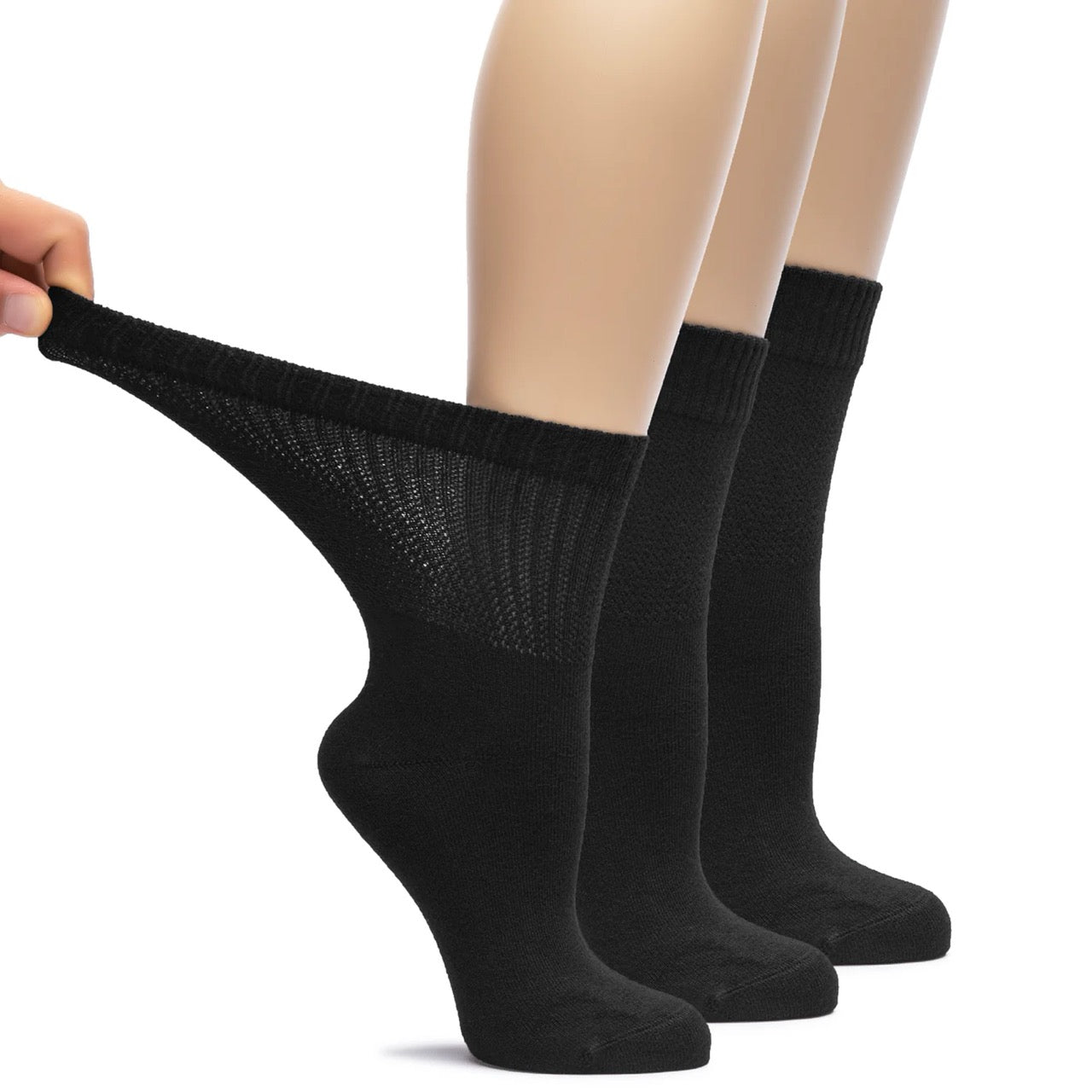
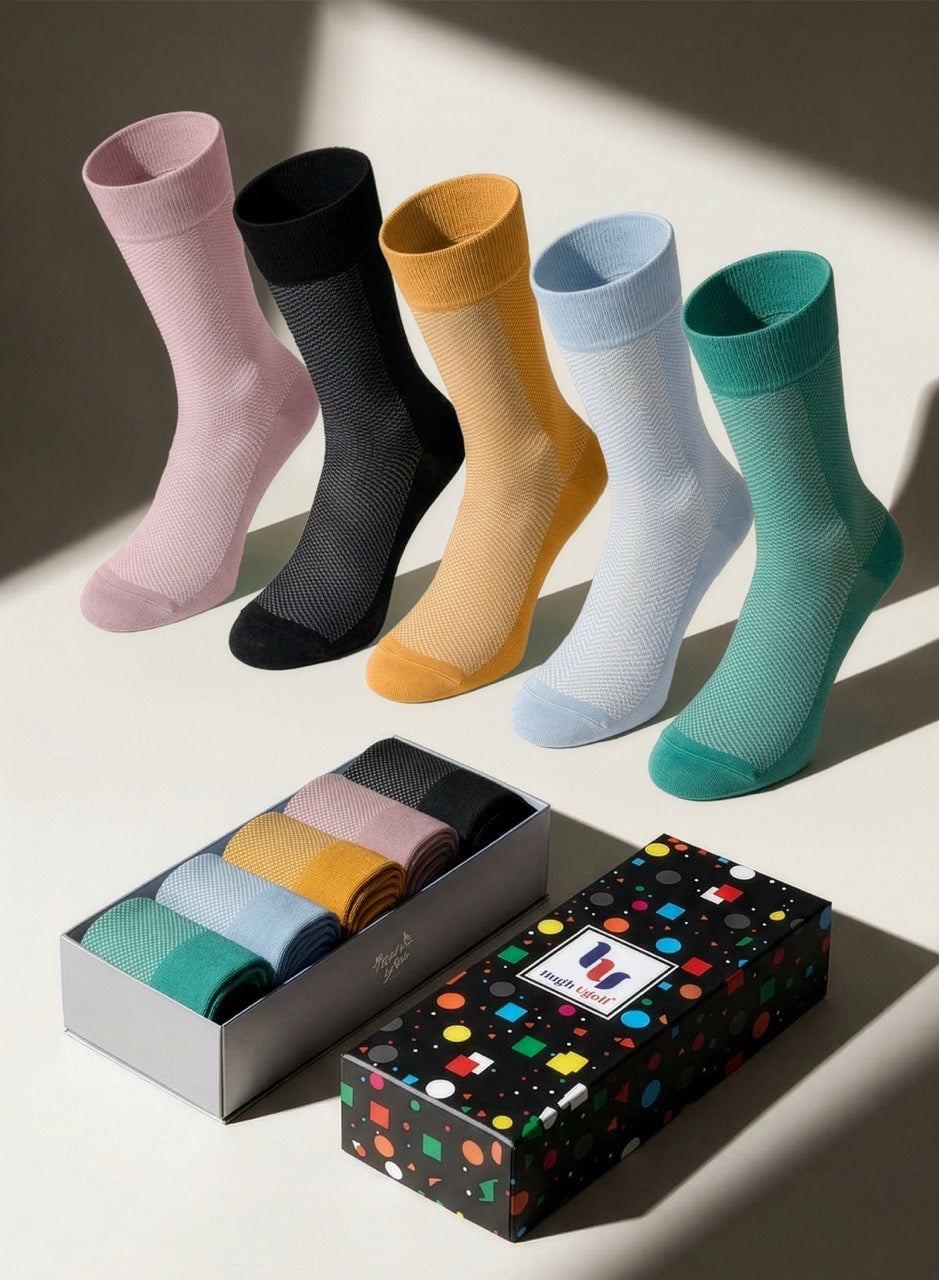
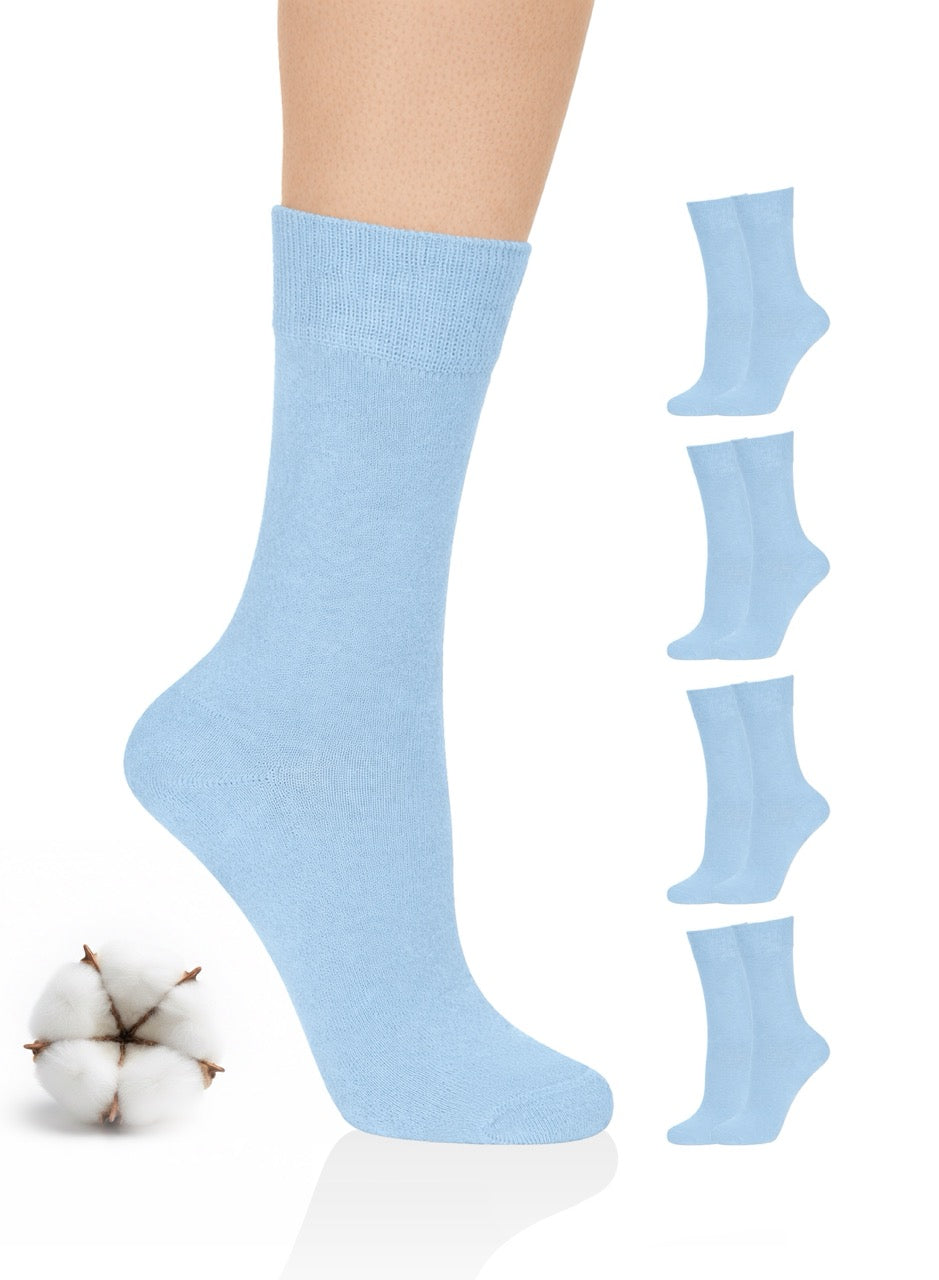
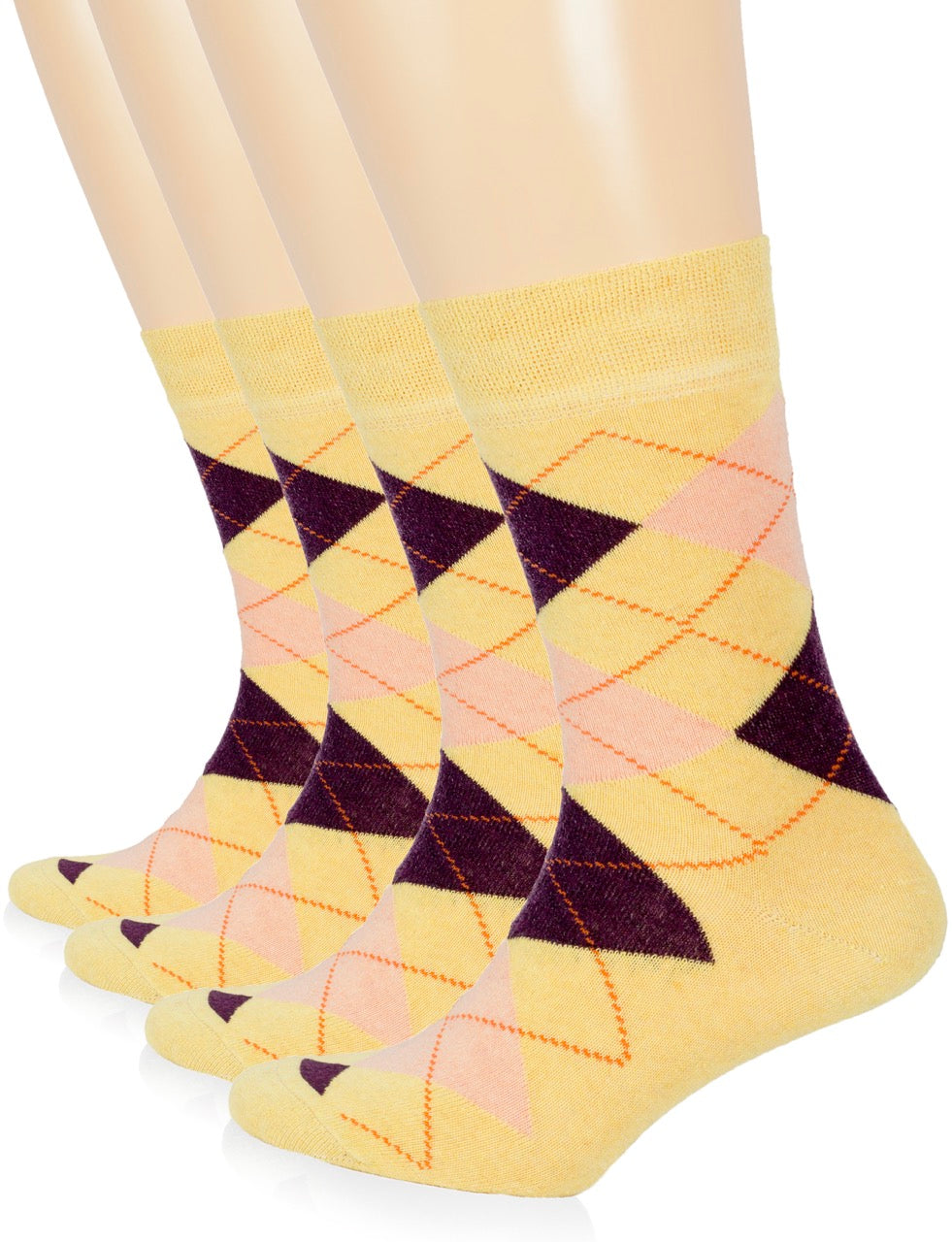
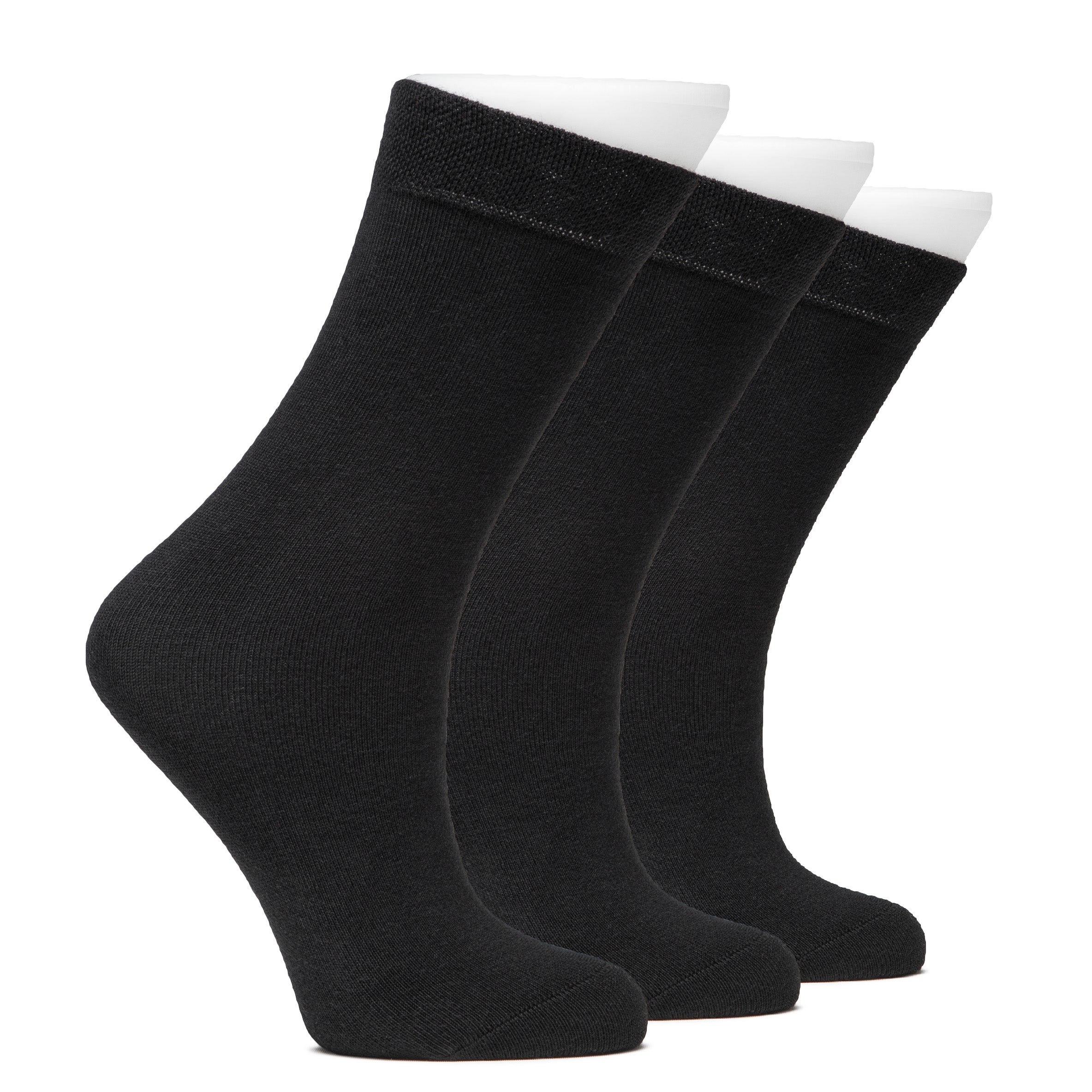
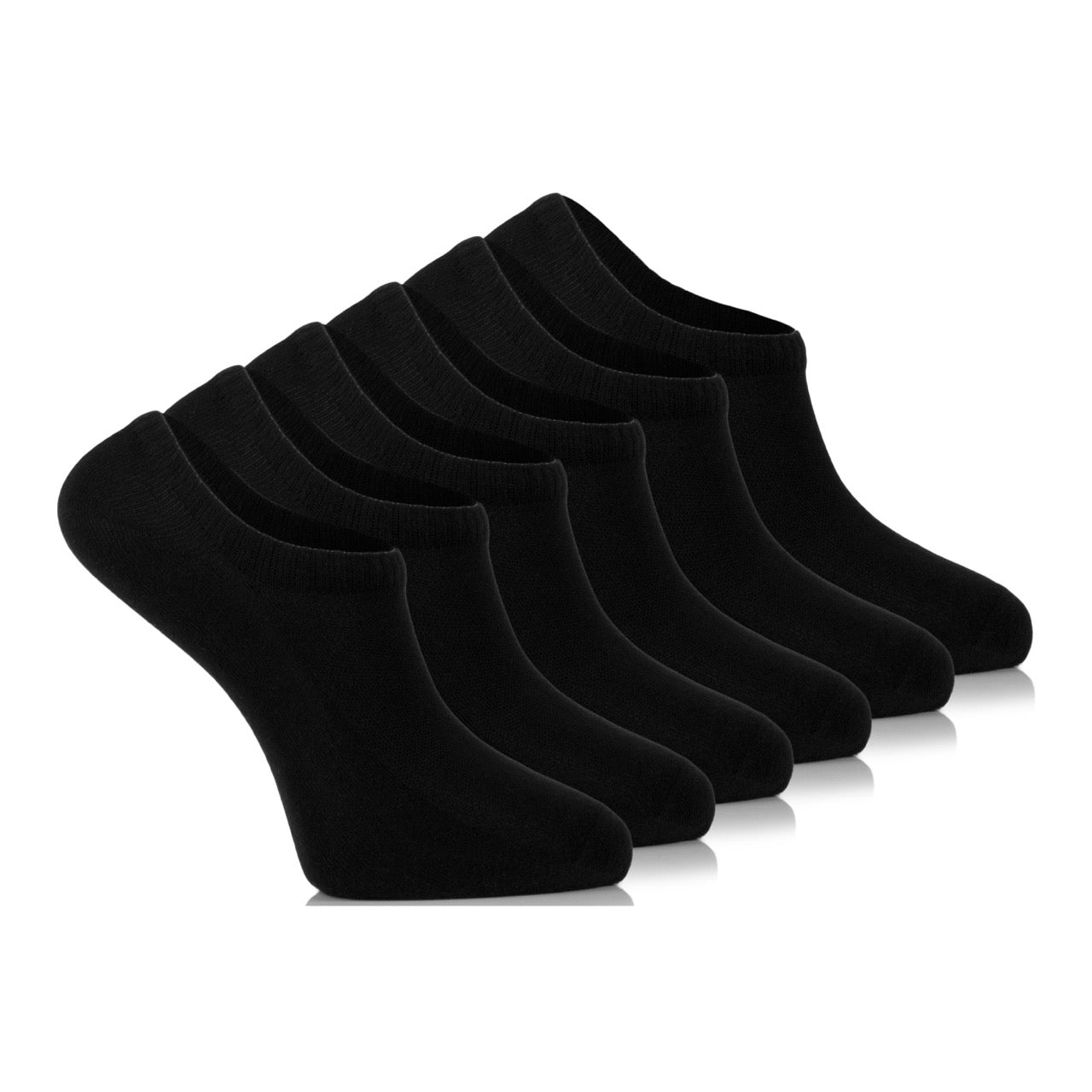
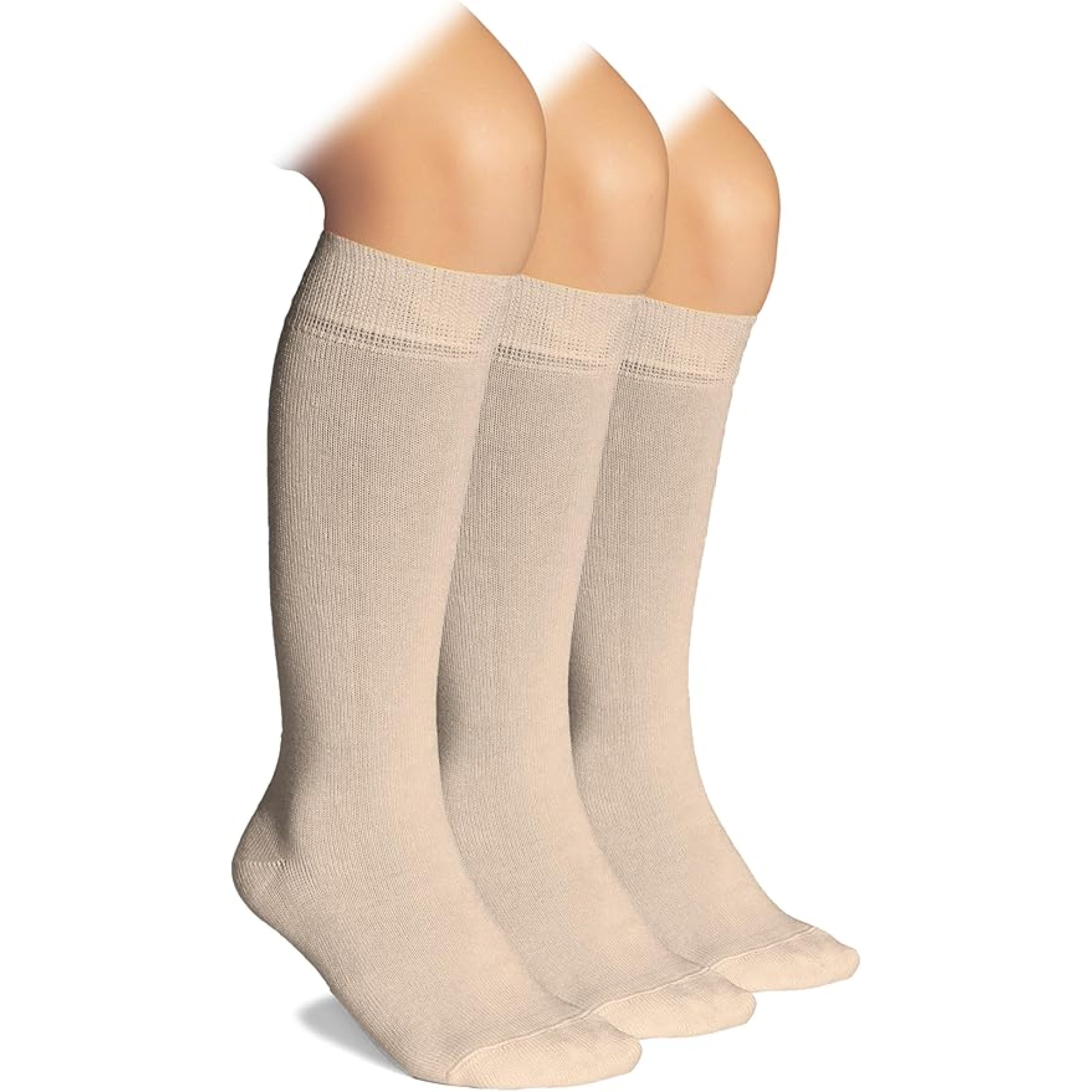


Hold up two pairs of socks that look almost identical, and the difference often doesn't show up until you actually put them on. One feels like it disappears on your foot. The other shifts, bunches, or just feels thin in a way that's hard to describe. That gap between "fine" and "premium" rarely comes down to one obvious feature. It's usually a handful of smaller details working together.
Here's what actually separates a premium sock from an ordinary one, beyond just the price tag.
Fabric is the first thing people notice, but it's also the most misunderstood part of what makes a sock feel premium.
"Cotton" or "bamboo" on a label doesn't tell the whole story. The quality of the fiber itself, how long the individual strands are, how tightly they're spun, and how they're finished, has a much bigger impact on softness and durability than the fiber type alone. Two cotton socks can feel completely different depending on the grade of cotton used.
A common assumption is that pure fabric, like 100% cotton, is automatically better. In practice, most premium socks use a blend, often combining a natural fiber with a small percentage of spandex or nylon for stretch and shape retention. The natural fiber handles breathability and feel against the skin, while the synthetic portion keeps the sock from sagging or losing its fit after a few washes.
Once the fabric is right, construction is where the real difference between an average sock and a genuinely good one shows up.
A bulky seam across the toe is one of the most common sources of discomfort in lower-quality socks. Premium construction typically uses a flat, seamless toe closure that sits smoothly against the skin instead of creating a ridge inside the shoe. It's a small detail, but it's one of the first things people notice once they've worn a sock without it.
The heel and toe take the most friction and pressure during normal wear, which is exactly where cheaper socks tend to thin out and develop holes first. Premium socks usually reinforce these areas with denser knitting or added fiber, extending the life of the sock well beyond a basic pair.
Knit density, sometimes called gauge, refers to how tightly the yarn is woven. A denser knit generally feels more substantial, holds its shape better over time, and resists thinning in high-wear spots. Lower-gauge, looser knits can feel soft at first but tend to stretch out and lose structure faster.

A premium sock isn't just well made; it's built to actually fit the shape of a foot rather than just cover it.
A good cuff stays in place through a full day of movement without leaving a tight red mark around the ankle. That balance, secure enough to prevent slipping but soft enough not to dig in, takes more engineering than it sounds like, and it's one of the clearest signs of a well-designed sock.
Many premium socks include a small amount of compression or shaping built into the arch and heel area. This isn't the same as a medical compression sock, but it does help the sock stay anchored to the foot's natural shape instead of twisting or sliding inside the shoe. A seamless toe business crew sock is a good example of this kind of fit-focused construction applied to an everyday dress sock.
Some of the clearest signs of quality only show up after several washes, not on the first wear.
Fabrics like bamboo blends tend to hold up especially well in this regard, which is part of why a sock such as a bamboo business dress sock is often chosen by people who've already gone through a few rounds of cheaper socks wearing out too quickly.
Marketing language doesn't always match what's actually inside the sock. A few warning signs tend to give away a lower-quality pair, regardless of how it's described on the package.
Not necessarily, and that's worth saying plainly. For occasional use, like a single pair worn rarely, the difference between a basic and a premium sock may not justify the price gap for everyone. Where the difference tends to matter most is for socks worn often, like daily work socks or anything paired with dress shoes, where comfort, durability, and fit compound over repeated wear. In those cases, a better-built sock usually ends up costing less per wear over time, even with a higher upfront price.
A premium sock isn't defined by a single feature. It's the combination of better fiber, smarter construction, and a fit that's actually engineered for the shape of a foot, all of which becomes more obvious the longer you wear it and the more times it goes through the wash. Once you've felt the difference in fabric, seams, and fit that a well-made pair offers, it's hard to go back to treating socks as an afterthought.
Not always. Price can reflect branding as much as quality, so it's worth checking for specific details like seamless toes, reinforced heels, and fabric blend rather than relying on price alone.
There's no single feature that matters most, but a seamless toe and a cuff that holds without binding are two of the easiest differences to notice right away.
Pilling usually comes from lower-grade fiber or a looser knit that allows fibers to break and bunch on the surface more easily during washing and wear.
Many premium socks use a small percentage of spandex or nylon blended with a natural fiber, since the blend often holds its shape and elasticity better than a single fiber used alone.
Checking for reinforced heel and toe areas, a tight knit, and a seamless toe closure are good indicators, even without being able to test the fabric directly before purchase.
He has been working for more than 20 years in the textile industry and has work experience in many parts of the world.