Cart
0
You may also like
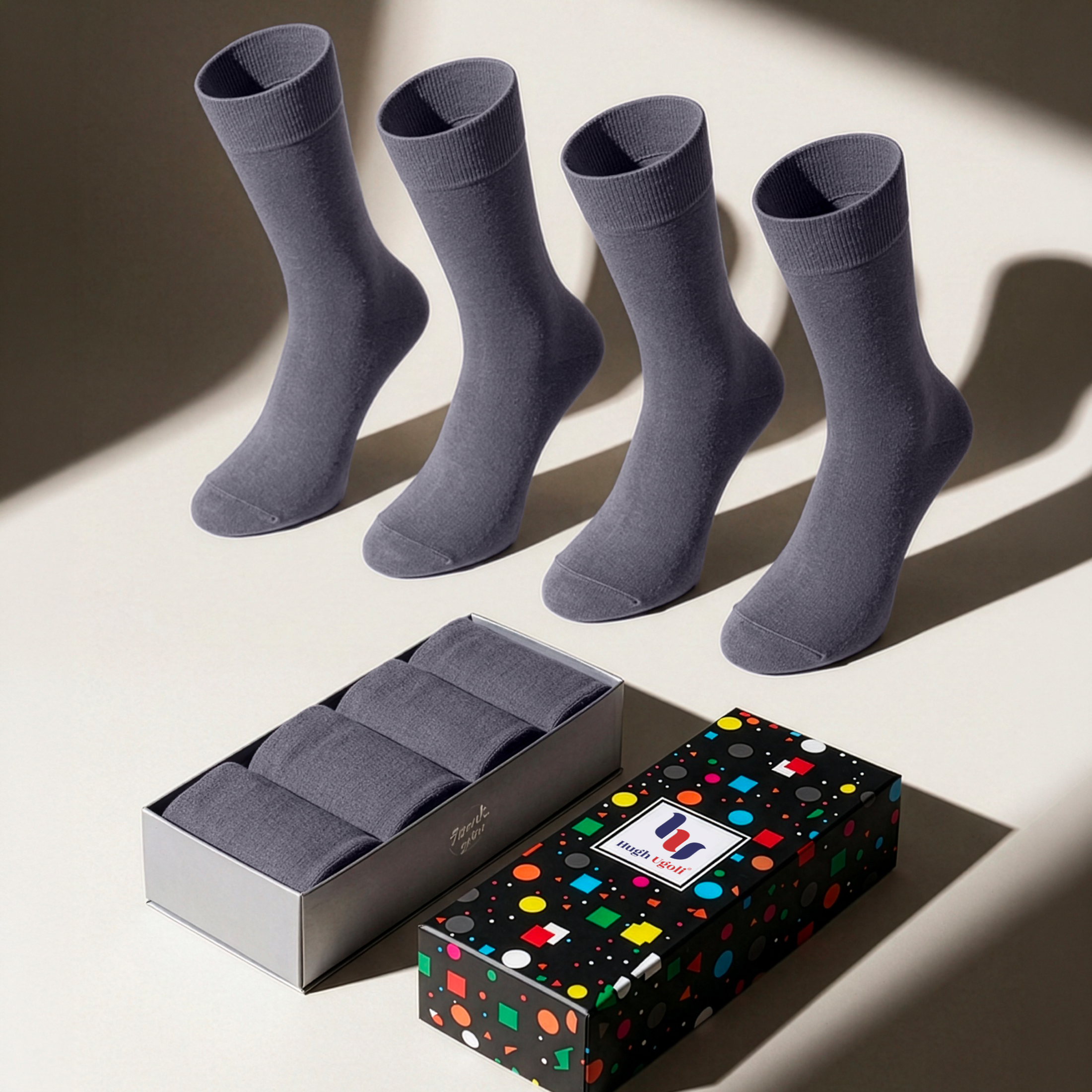
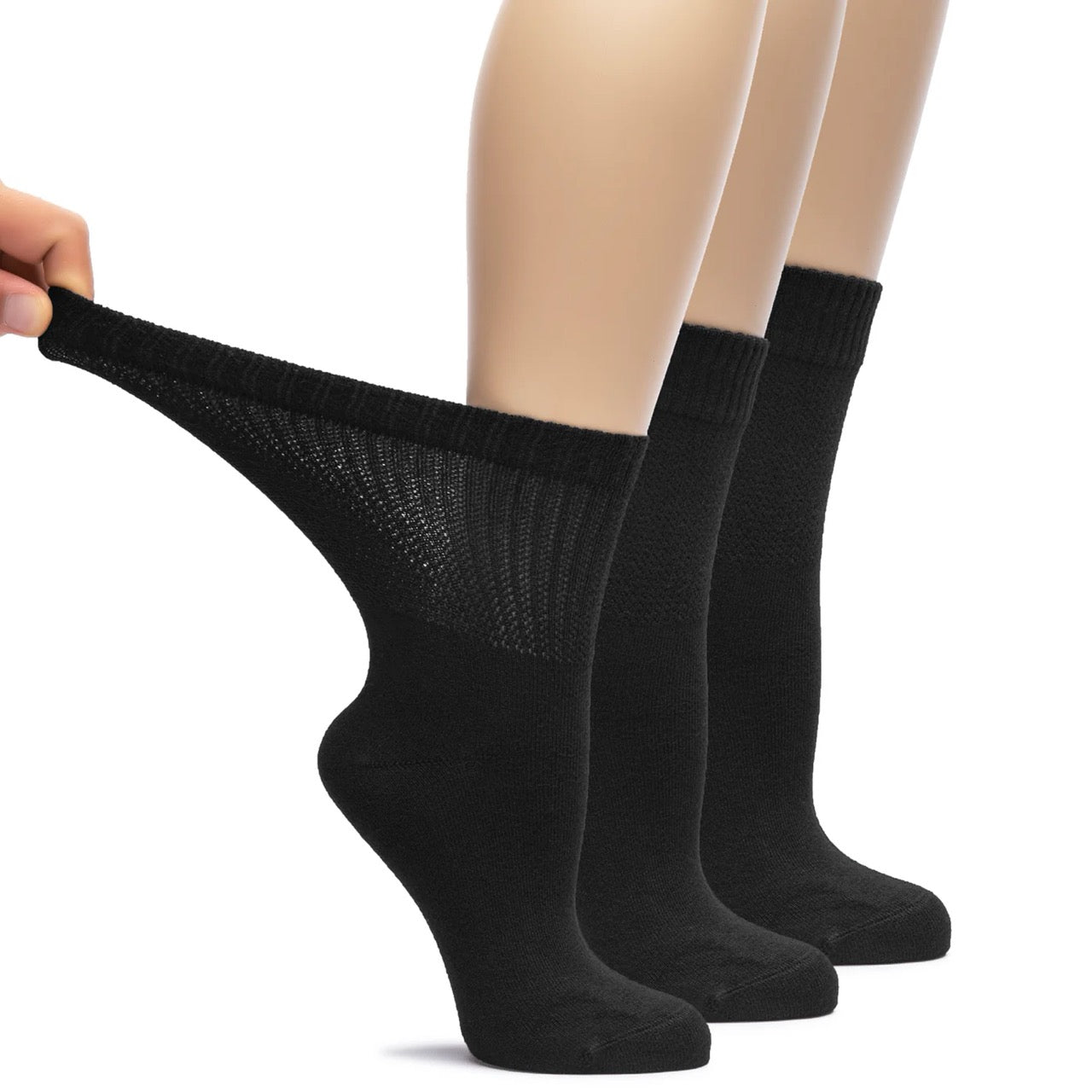
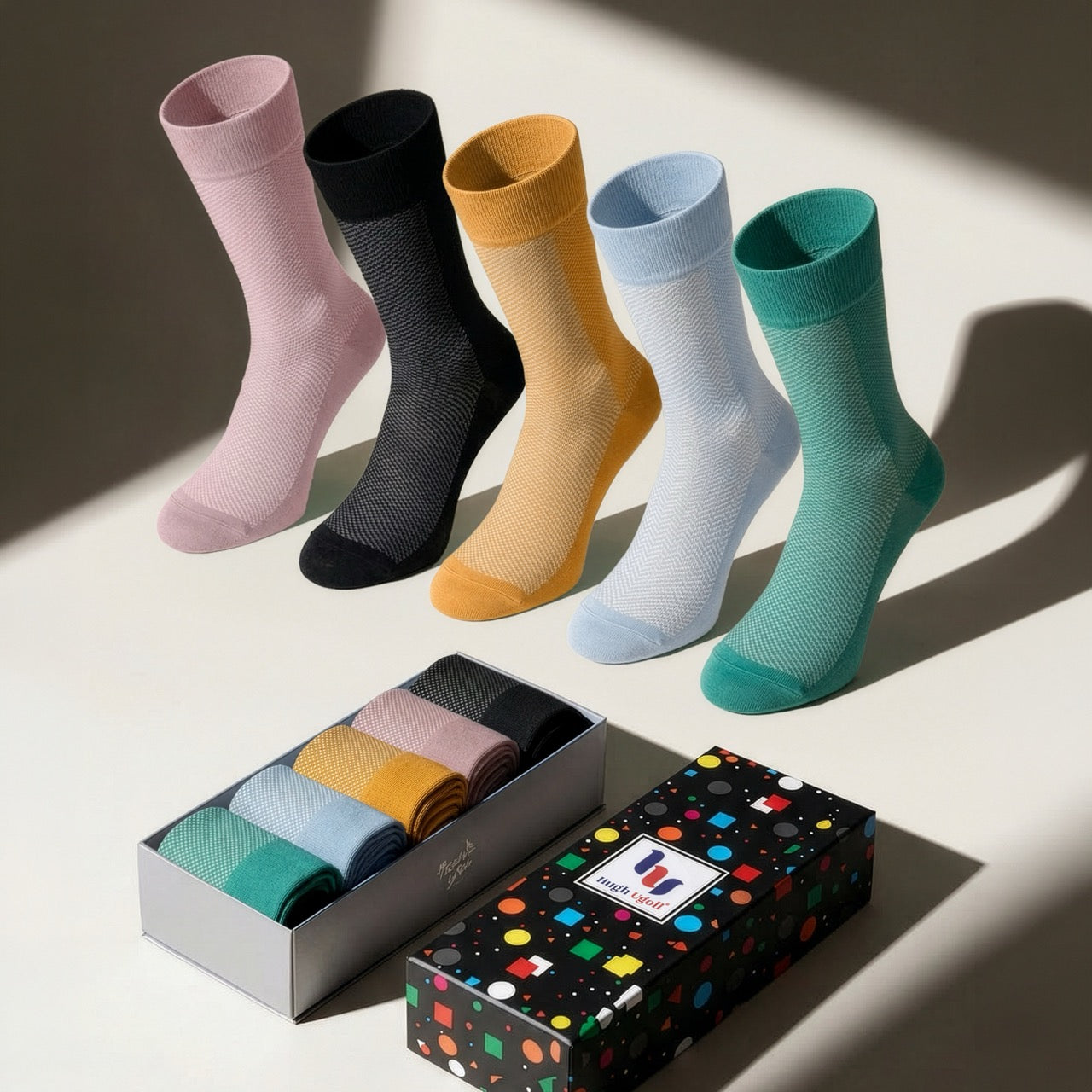
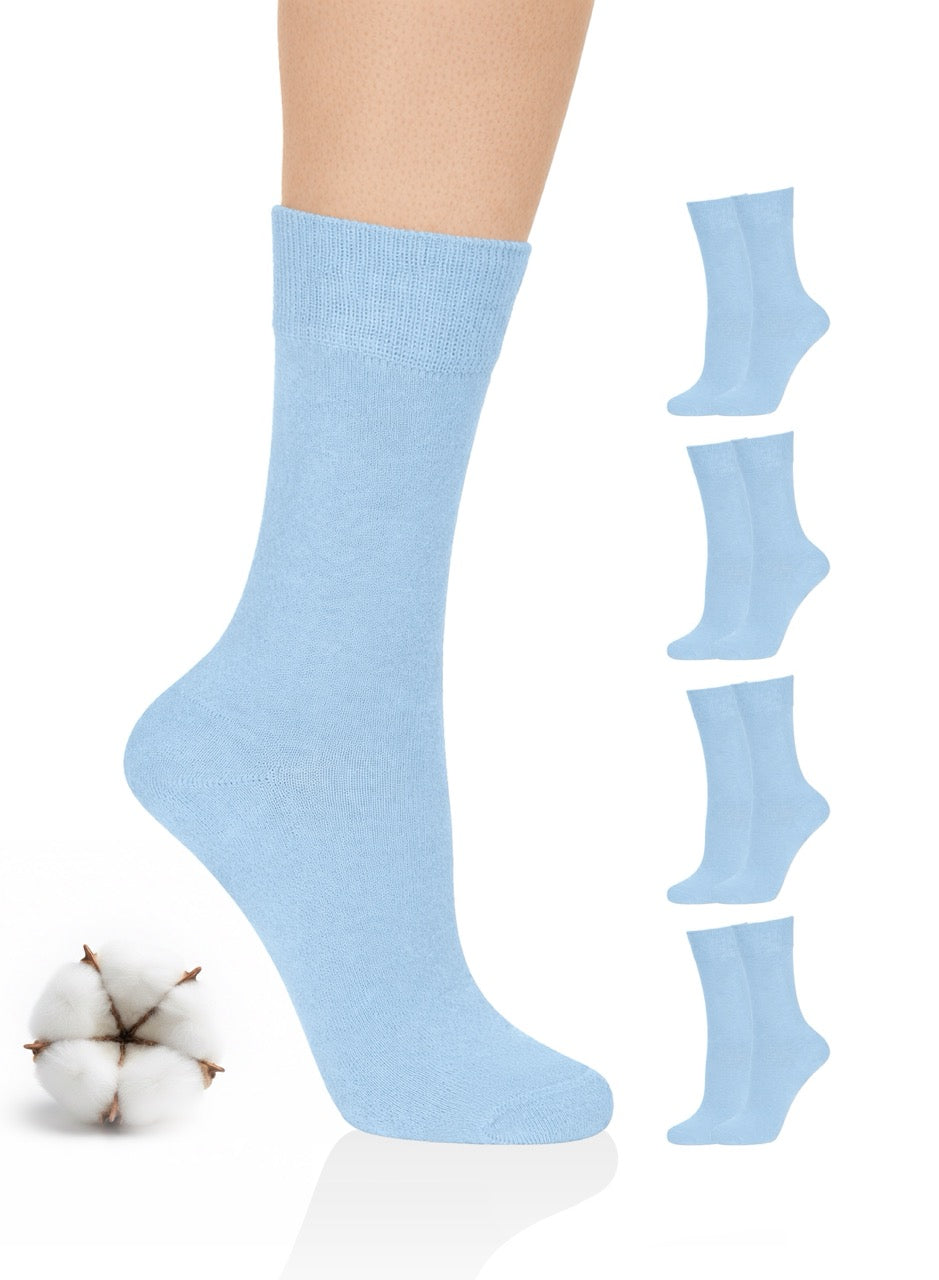


Most people never think about their socks at a podiatry appointment. The conversation tends to center on shoes, insoles, or whatever specific concern brought them in. But ask a podiatrist what they notice about patients' foot problems and socks come up more often than most people expect — particularly in relation to moisture, pressure, friction, and the slow accumulation of small problems that could have been avoided with different daily choices.
What podiatrists tend to recommend in terms of socks isn't a single brand or a precise specification. It's a set of consistent features that appear across the recommendations most commonly associated with good foot health, and understanding those features helps explain why certain types of socks are better suited to long-term foot comfort than others.
The foot spends most of its day in an enclosed, pressurized environment with very little airflow. The sock is the only layer between the skin and the shoe, which means it has an outsized influence on the conditions the foot lives in for eight to twelve hours at a stretch. Heat, moisture, pressure distribution, and friction — all of the environmental factors that most commonly contribute to foot problems — are directly shaped by what the sock is doing or failing to do.
Podiatrists commonly observe that many patients presenting with blisters, calluses, skin irritation, fungal issues, or circulation-related discomfort are wearing socks that are actively contributing to those problems: socks that trap moisture, create pressure with tight cuffs, have seams running across pressure points, or are too thin to provide meaningful cushioning at the areas of highest impact. Changing the sock doesn't solve every problem, but it's frequently identified as a relevant factor in the patient's experience.
While individual recommendations vary depending on the patient's specific condition and the podiatrist's assessment, certain sock features appear consistently in professional foot care guidance.
If there is a single feature that appears most consistently in podiatric sock recommendations, it is moisture management. Feet produce a significant amount of sweat over the course of a day — enough that a sock made from a moisture-retaining fiber like standard cotton can leave the foot sitting in accumulated dampness for hours. That dampness softens the skin, increases friction, encourages fungal growth, and contributes to blister formation through exactly the type of micro-friction that a dry foot would resist much more effectively.
Socks with active moisture-wicking properties — typically achieved through bamboo, moisture-wicking synthetic blends, or wool — are commonly recommended because they move sweat away from the skin surface rather than holding it there. Many people find that switching from standard cotton socks to a moisture-wicking alternative produces a noticeable improvement in how their feet feel at the end of the day, and this observation is consistent with what podiatric guidance frequently suggests.
The seam that runs across the toe box in conventionally constructed socks sits directly over the area of the toe that is under the most pressure inside a shoe. Over hours of walking, a raised seam in this location creates repeated friction against the skin, which contributes to blisters and callus formation at the toe tips and top joints. For people with entirely normal foot health, this is a discomfort issue. For people managing conditions that affect sensation or skin healing, it's a more significant concern.
Seamless toe construction, which eliminates the raised seam through a linking technique that creates a smooth, flat closure, is commonly noted as a preferred feature in foot health contexts. It's one of the clearest construction differences between socks built with foot health in mind and standard commodity socks, and it's one that podiatrists often mention specifically when patients ask what to look for.
A sock cuff that exerts significant elastic pressure on the ankle and lower leg creates a constriction point that can affect local circulation, leave marks in the skin, and cause discomfort over a long day of wear. For most people, this is an inconvenience. For people with compromised circulation, peripheral edema, or sensitivity in the lower leg, it's a concern that many healthcare professionals specifically advise against.
Socks described as having a non-binding top are constructed with a softer, more flexible cuff that holds the sock in place without the same degree of inward pressure as a standard elastic cuff. This feature is particularly commonly mentioned in guidance directed at people managing diabetes, circulation conditions, or swelling in the lower legs — populations for whom the standard sock cuff design is particularly likely to cause problems.

The category of socks marketed as diabetic socks tends to represent the most concentrated set of foot-health-oriented features available in the consumer market: seamless toes, non-binding tops, moisture-wicking fabric, extra cushioning at the heel and ball of the foot, and often a softer overall construction than standard socks. These features didn't originate with the diabetic sock label; they reflect what careful attention to foot health calls for in general, applied with particular urgency in a context where foot problems carry more serious consequences.
People managing diabetes are commonly advised by healthcare professionals to pay careful attention to their sock choices because reduced circulation and changes in sensation mean that friction, pressure, and moisture-related skin changes may develop more seriously and may be noticed later than they would in someone without those conditions. A small blister that a healthy person would notice and address quickly can become a more serious issue in someone whose sensation and healing capacity are affected. This is why the features that matter for general foot health — moisture management, seamless toes, non-binding tops, adequate cushioning — are emphasized with particular urgency in diabetic foot care guidance. Anyone managing diabetes should discuss their specific footwear needs with their healthcare professional, as individual circumstances vary considerably.
Cushioning is a feature that comes up frequently in podiatric guidance, though the recommendation is more nuanced than simply saying more cushioning is better. The appropriate level of cushioning depends on the patient's activity level, foot type, and the shoes being worn.
For people who spend long periods on hard surfaces, work in jobs that require extended standing, or have conditions that reduce the natural fat pad cushioning in the heel and ball of the foot — which tends to thin with age — some degree of sock cushioning at the heel and forefoot is commonly associated with reduced impact fatigue and lower friction at high-contact areas. Many podiatrists observe that patients who work in physically demanding environments are often wearing socks with inadequate padding in the areas that are doing the most work.
For people in sedentary or low-activity roles wearing fitted dress shoes, heavy cushioning creates a fit problem: it takes up space inside a shoe designed around a specific volume, which can cause the foot to press uncomfortably against the shoe upper. In these contexts, a sock with a slim profile and flat-knit construction is typically more appropriate, with any cushioning concentrated specifically at the heel rather than throughout the foot.
The fiber question in podiatric guidance tends to resolve around function rather than label. The properties most consistently noted are moisture management, softness against skin, and absence of irritating synthetic textures — and several fiber types are capable of providing these in different contexts.
Bamboo viscose is often noted positively because of its combination of softness and moisture-wicking properties. It moves sweat away from the skin effectively while remaining gentle enough for sensitive skin, and it tends to be well-tolerated by people whose feet are particularly reactive to rougher or more synthetic textures. Merino wool is similarly noted for its moisture management and temperature regulation, particularly in active or variable-temperature contexts. High-quality combed cotton performs well in dry, lower-activity conditions but is generally considered less appropriate than bamboo or wool in situations where sustained moisture management is important.
Fully synthetic socks — acrylic, untreated polyester — are the fiber category most commonly associated with moisture retention, rougher skin feel, and poor performance in prolonged wear situations. Podiatric guidance generally moves patients away from this category rather than toward any particular natural fiber alternative.
The features that appear most consistently in podiatric guidance — seamless toe, non-binding top, moisture-wicking fabric, appropriate cushioning — are most comprehensively represented in socks specifically designed with foot health in mind. A thin bamboo diabetic ankle sock brings together the specific combination that professional guidance most often points toward: bamboo's active moisture management, a seamless toe that eliminates the most common pressure point, and a non-binding cuff that holds the sock in place without exerting compression that can affect lower-leg circulation or leave marks.
For men, the same design principles apply. A thin bamboo diabetic ankle sock built around the same features provides the foot environment that foot health guidance most consistently recommends: dry, low-friction, free of constriction, and cushioned appropriately for the demands of an ordinary day.
The features described here represent the patterns that appear most commonly in general foot health guidance, but individual foot health is specific. Someone with plantar fasciitis may benefit from a different level of arch support in their sock than someone with peripheral neuropathy. Someone managing lymphedema has different cuff-pressure considerations than someone managing mild edema. Someone recovering from a foot wound has different friction concerns than someone with no active conditions.
If you have a specific foot health concern — or if you're managing a condition that affects circulation, sensation, or skin healing in the feet — the most reliable guidance comes from a healthcare professional who knows your particular situation rather than from general patterns. The features described here are a useful starting point for understanding what to look for, but they're not a substitute for professional assessment when individual circumstances call for it.
The sock features most commonly associated with professional foot health guidance are consistent enough to provide a clear picture: moisture management, seamless or flat-seam toe construction, non-binding cuffs, and appropriate cushioning for the activity level. These features aren't exotic or expensive — they're increasingly available in well-designed socks that take construction quality seriously. Understanding what to look for and why those features matter makes it easier to choose socks that support foot health rather than working against it over the course of a typical day.
The features most commonly associated with podiatric recommendations are moisture-wicking fabric, seamless or flat-seam toe construction, non-binding cuffs, and appropriate heel cushioning. Bamboo and merino wool socks built with these features are frequently noted positively in foot health contexts, while standard cotton socks with prominent toe seams and tight elastic cuffs are most often mentioned as what to avoid.
The features associated with diabetic socks — seamless toes, non-binding tops, moisture management, gentle construction — reflect sound foot health principles for most people, not just those managing diabetes. Anyone who stands for long periods, has sensitive skin, or experiences discomfort from standard sock construction may find that socks with these features are more comfortable for general everyday use.
A tight cuff exerts sustained inward pressure on the lower leg that can restrict local circulation, leave marks in the skin, and cause discomfort over extended wear. For people with any condition affecting circulation or skin sensitivity in the lower leg, this is particularly relevant. A non-binding top that holds the sock in place without that compression addresses this concern directly.
In low-activity, dry conditions, high-quality cotton performs reasonably well. In active, warm, or prolonged-wear situations, cotton's tendency to retain moisture works against foot health by keeping the skin damp for extended periods, which increases friction and encourages fungal growth. Moisture-wicking alternatives like bamboo or wool are more commonly recommended for those contexts.
If you have a specific foot condition — particularly anything affecting circulation, sensation, skin healing, or structural foot health — it's worth discussing sock preferences with a healthcare professional rather than relying on general guidance. Individual foot health needs vary considerably, and professional assessment can identify specific requirements that general recommendations don't cover.
He has been working for more than 20 years in the textile industry and has work experience in many parts of the world.